 Free Same Day Delivery Islandwide | Order by 5PM for Today’s Delivery | 800+ 5-Star Reviews
Top 10 Flowers for Expressing Sympathy in Singapore and What They Symbolise
The act of sending sympathy flowers is a thoughtful way to show your care and support for someone who is grieving. In Singapore, with our rich heritage and multicultural society, flowers often play a significant role in expressing condolences. The main types of flowers used are Lilies, Orchids, Chrysanthemums, White Roses, Carnations, Gladiolus, Hydrangeas, Forget-Me-Nots, Tulips, Calla Lilies. Usually purple and white flowers are used for Chinese families.
At Little Red Dot Florist, we understand the cultural nuances and specific symbolism of flowers in Singaporean context. Here, we bring you a thoughtful selection of the top 10 flowers for expressing sympathy in Singapore, and delve into what they symbolise.
1. Lilies
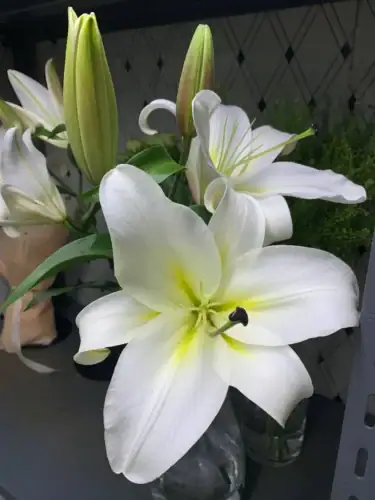
In many cultures, including Singapore’s, lilies are a common choice for expressing sympathy. They symbolise the restored innocence of the soul of the deceased[1]. Their distinct fragrance and elegant aesthetic make them a respectful tribute during sorrowful times.
2. Orchids
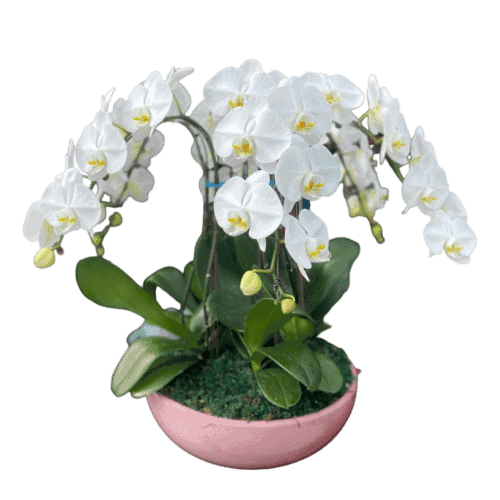
Being one of Singapore’s national flowers, orchids hold an important place in our hearts. In the context of condolences, they suggest eternal love, making them a thoughtful flower choice to express your everlasting respect for the departed.
3. Chrysanthemums
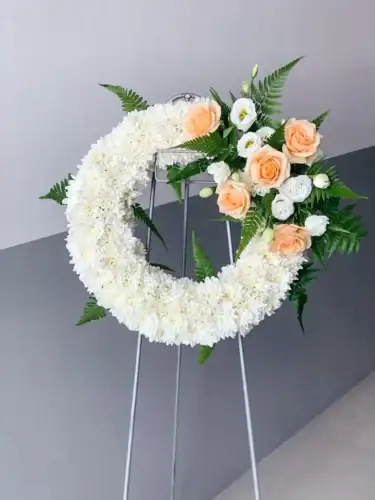
In Chinese culture, which influences much of Singaporean traditions, chrysanthemums are often used in funerals as they symbolise death[2]. The white chrysanthemum specifically is associated with lamentation and grief.
4. White Roses
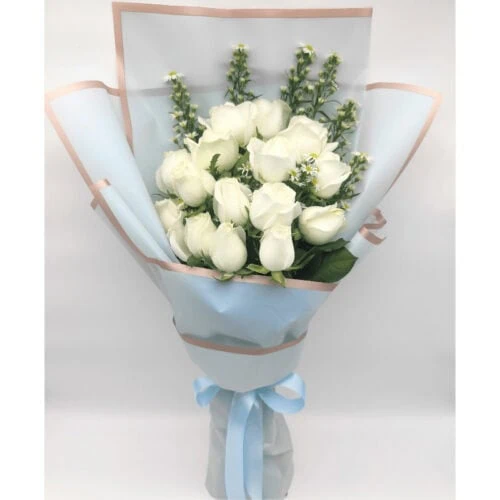
White roses represent purity and innocence[3], making them suitable flowers for expressing sympathy in Singapore’s multicultural society. A bouquet or arrangement of white roses conveys respect and remembrance.
5. Carnations
Carnations are another popular choice for expressing condolences globally and within Singapore too. Pink carnations signify remembrance while red ones denote admiration; both emotions fitting for such occasions.
6. Gladiolus
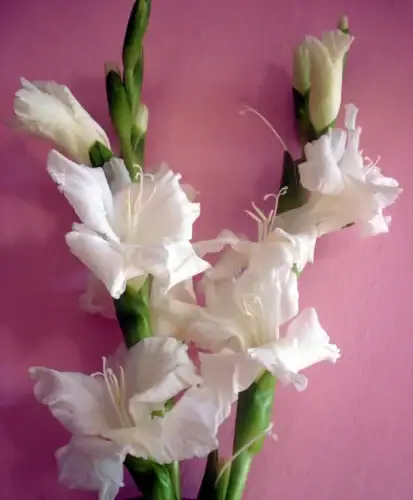
Gladiolus, standing tall and firm among other blooms, symbolise strength of character — an attribute many wish to remember about their loved ones who have passed on[^4^].
7. Hydrangeas
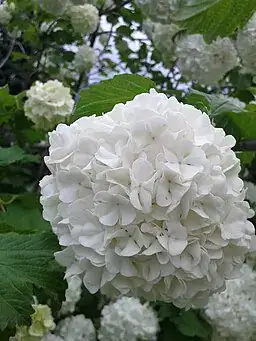
Hydrangeas carry a heartfelt emotion of understanding — something that recipients need during their time of mourning[5].
8 . Forget-Me-Nots
As their name suggests, Forget-me-nots stand as a poignant symbolisation to not forget those who have left us behind.
9 . Tulips
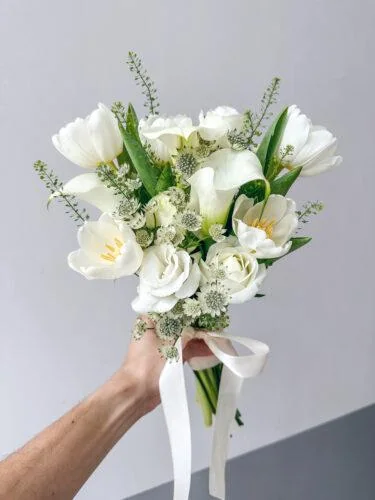
While all tulips speak some kind words towards the deceased’s family, white tulips stand out with their message of worthiness and forgiveness[^6^].
10 . Calla Lilies
Calla lilies, with their sleek, elegant form, symbolize majestic beauty and are often used to convey admiration and respect for the departed. Their simplicity and elegance make them a sophisticated choice for funeral flowers.
While the flowers listed above are widely accepted for expressing condolence and sympathy, personal and cultural preferences may affect the appropriateness of the flowers. We encourage our customers to share any specific requests or considerations, ensuring that your flower arrangement is both appropriate and meaningful.
At Little Red Dot Florist, we pride ourselves on our understanding of cultural nuances when creating floral arrangements. Our expert florists can guide you on suitable floral choices during these sensitive times, ensuring your condolences are expressed respectfully and thoughtfully.
Remember, every flower has a distinct meaning imbued within its delicate petals. In choosing the right ones, we pay honour to the departed while offering comfort to those left behind.
Sources:
[^1^]: Teleflora.com. (n.d.). The symbolism of funeral flowers.
[^2^]: Sinnott, N., & Sinnott, M. (1998). Chinese funeral rituals.
[^3^]: ProFlowers Blog (2019). Rose Color Meanings: 12 Shades and What They Symbolize.
[^4^]: Flower Meaning Website (2020). Gladiolus Flower: Its Meanings & Symbolism.
[^5^]: Reader’s Digest Version(2017). Here’s What Different Flowers Symbolize.
[^6^]: BloomIQ.com Website (2021) Tulip meaning and symbolism
What are the best flowers to send for sympathy?
Lilies, orchids, chrysanthemums, white roses, carnations, gladiolus, hydrangeas, tulips, and calla lilies are all suitable sympathy flowers. White and soft-coloured flowers are often chosen because they express peace, remembrance, respect, and comfort.
What flower colours are appropriate for condolences in Singapore?
White, cream, purple, pale yellow, and soft pastel colours are commonly used for condolence flowers in Singapore. For Chinese families, white and purple flowers are especially common. Bright red is usually avoided because it is associated with joy and celebration.
Are lilies suitable for funeral flowers?
Yes, lilies are one of the most common funeral flowers. White lilies are often chosen because they symbolise peace, purity, and the restored innocence of the soul. Their elegant appearance makes them suitable for condolence stands, wreaths, and sympathy arrangements.
What sympathy flowers are suitable if I am unsure of the family’s culture?
If you are unsure, choose a simple white or cream condolence arrangement with lilies, orchids, chrysanthemums, roses, or carnations. Avoid strong religious symbols, overly bright colours, or highly specific cultural flowers unless you know they are appropriate.
Should I send a sympathy bouquet, wreath, or condolence stand?
A condolence stand or wreath is usually suitable for a wake, funeral parlour, church, or memorial hall. A sympathy bouquet or flower basket is better for sending to the family’s home, especially after the funeral. The right choice depends on the setting, your relationship with the family, and how formal you want the gesture to be.