
Anemone: Types, How to Grow, and How to Take Care of Anemones
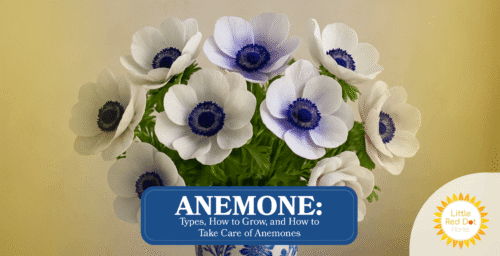
Delicate, graceful, and strikingly beautiful, anemones are among the most captivating flowers in the garden. With their vibrant colours and soft, poppy-like petals, these blooms bring a sense of freshness and whimsy to any bouquet or landscape.
Known as the “windflower”, derived from the Greek word anemos, meaning “wind”, anemones are believed to dance with the breeze, symbolising anticipation and the coming of spring. 🌸
At Little Red Dot Florist, we love how anemones blend simplicity with elegance, a perfect flower for romantic arrangements and artistic displays. Here’s everything you need to know about the types, growth, and care of anemones.
Types of Anemones
There are over 100 species of anemones, each with its own unique charm. Here are some of the most popular types:
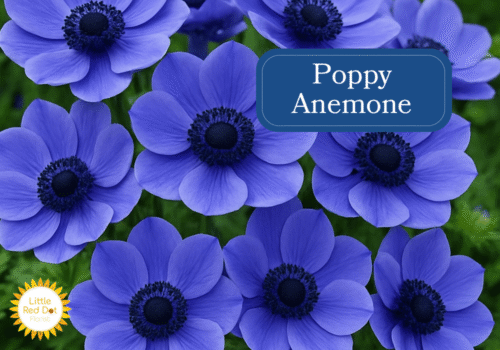
1. Anemone Coronaria (Poppy Anemone)
The most commonly cultivated species, Anemone coronaria features bold, colourful petals and a striking dark centre. It’s often used in floral arrangements for weddings and spring décor.
Colours: Red, purple, white, pink, and blue
Blooming Season: Spring
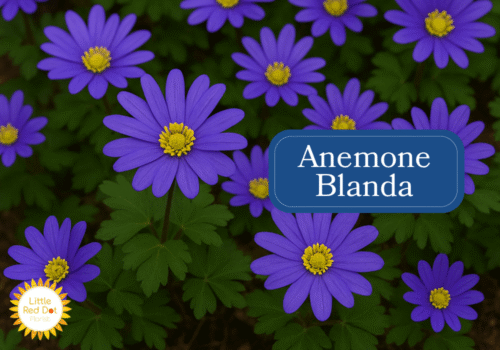
2. Anemone Blanda (Grecian Windflower)
Known for its daisy-like blooms and cheerful hues, Anemone blanda grows low to the ground and spreads easily. It’s perfect for adding pops of colour to garden borders.
Colours: Blue, white, pink
Blooming Season: Late winter to early spring
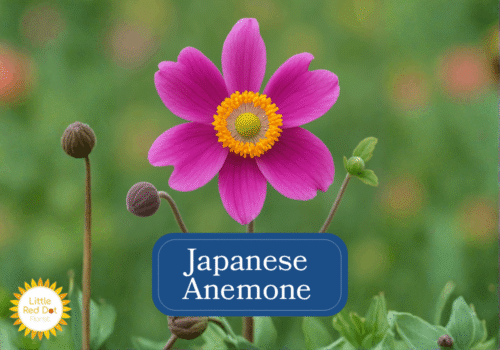
3. Anemone Hupehensis (Japanese Anemone)
These late bloomers add colour to the garden in autumn when most other flowers have faded. With tall stems and elegant petals, they create a soft, romantic look.
Colours: White, pink, mauve
Blooming Season: Late summer to autumn
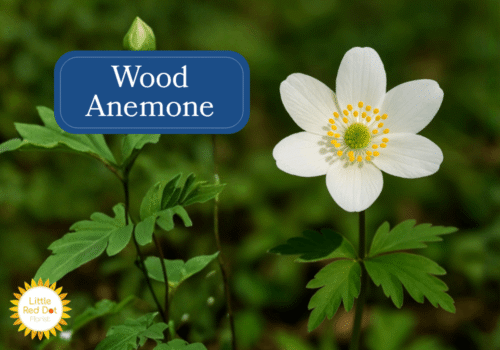
4. Anemone Nemorosa (Wood Anemone)
Delicate and petite, the wood anemone is a woodland variety that thrives in shaded areas. Its charming simplicity makes it a natural favourite for wild gardens.
Colours: White, pale pink, light blue
Blooming Season: Spring
How to Grow Anemones
Anemones are relatively easy to grow once you understand their preferences. Whether planted in your garden or grown in pots, they thrive with just the right balance of sunlight, soil, and water.
🌤️ Light Requirements
Anemones love partial to full sunlight. In tropical climates like Singapore, it’s best to place them in bright, indirect light to avoid overheating. For indoor arrangements, near a window with filtered sunlight works best.
🌱 Soil
They prefer well-draining, loamy soil rich in organic matter. Avoid heavy clay, as it can retain water and cause the roots (tubers) to rot.
💧 Watering
Keep the soil consistently moist but not waterlogged. Water when the top inch of soil feels dry, especially during dry spells. For potted anemones, ensure there’s proper drainage at the bottom.
🌿 Planting
Anemones grow from small tubers (similar to bulbs). Before planting, soak the tubers in water for 3–4 hours to help them hydrate and sprout faster.
- Plant tubers about 5 cm deep and 10–15 cm apart.
- Place them horizontally in the soil.
- Cover with soil and water lightly.
🌸 Temperature and Humidity
Anemones prefer cool to moderate temperatures (10°C–20°C). In warm climates, they grow best in shaded areas with good air circulation.
How to Take Care of Anemones
Once your anemones are established, a little care goes a long way in keeping them blooming beautifully.
🌼 Fertilising
Feed your anemones with a balanced, water-soluble fertiliser every 4–6 weeks during their growing season to encourage healthy blooms.
🌾 Deadheading and Pruning
Remove spent flowers regularly to encourage new growth. Once the plant’s leaves start to yellow after blooming, allow them to die back naturally — this lets the tubers gather energy for the next season.
🍂 Dormancy
After flowering, anemones typically go dormant. You can leave the tubers in the soil if your climate is mild, or dig them up and store them in a cool, dry place until the next planting season.
🪴 Indoor Care
For cut flowers or potted arrangements:
- Place in a cool, bright area away from direct sunlight or air-conditioning.
- Change water every 2–3 days and trim stems at an angle.
- Anemones can last up to 7–10 days in a vase when cared for properly.
Symbolism of Anemones
Anemones carry deep meaning across cultures. They symbolise anticipation, protection, and everlasting love, making them perfect for romantic bouquets or thoughtful gifts.
In Victorian flower language, anemones represented fragile beauty and the fleeting nature of life, a poetic reminder to cherish the moment.
In Japan, they symbolise sincerity and good fortune, while in Greek mythology, the anemone was born from the tears of Aphrodite, a flower of love and remembrance.
In Summary
Delicate yet resilient, anemones are a timeless favourite for both gardeners and florists. Their graceful movement in the breeze and vivid, velvety petals make them a symbol of nature’s gentle power.
Whether planted in your garden or arranged in a hand-tied bouquet, anemones bring a touch of charm and meaning wherever they bloom.
At Little Red Dot Florist, we love incorporating anemones into our arrangements, for their natural beauty, vibrant energy, and romantic symbolism.
Because every flower tells a story, and the anemone’s is one of love, renewal, and quiet strength.