
Camellia: Types, How to Grow, and How to Take Care of Camellias
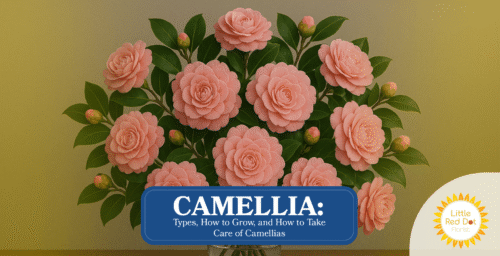
Elegant, timeless, and deeply symbolic, the camellia is one of the world’s most cherished flowers. Its delicate, rose-like blooms and glossy evergreen leaves make it a favourite among gardeners and florists alike.
Native to East Asia — particularly China, Japan, and Korea — camellias have long been associated with love, admiration, and perfection. In Japan, they’re known as Tsubaki, a symbol of grace and loyalty; in China, they represent eternal love.
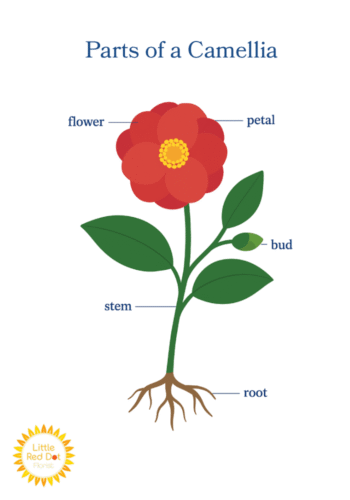
At Little Red Dot Florist, we adore the camellia for its quiet sophistication and year-round charm. Here’s your complete guide to the types, growing tips, and care of camellias. The diagram below presents the parts of a typical camellia plant.
Types of Camellias
There are over 200 species of camellias, but these are the most beloved and commonly grown:
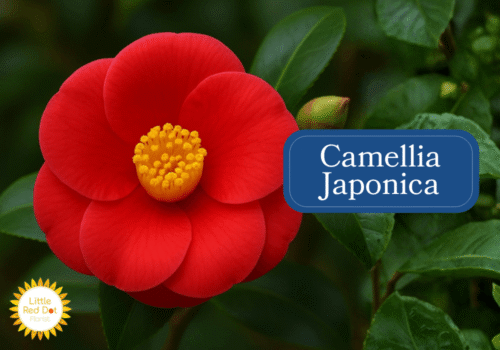
1. Camellia Japonica (Japanese Camellia)
The most classic and widely cultivated variety. Its large, layered blooms appear in late winter to spring, with colours ranging from deep red to pale pink and pure white.
Blooming Season: Late winter to early spring
Colours: Red, pink, white, variegated
Best For: Ornamental gardens and floral arrangements
2. Camellia Sasanqua
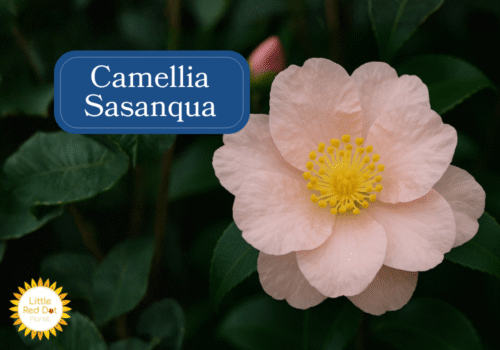
A smaller, more delicate species that blooms earlier in the season. It’s hardy and thrives even in partial shade — perfect for tropical gardens or balcony planters.
Blooming Season: Autumn to early winter
Colours: White, pink, crimson
Best For: Hedges, potted displays, and mixed borders
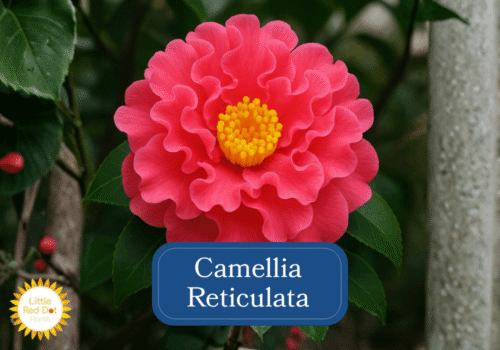
3. Camellia Reticulata
Known for its enormous, show-stopping blooms and vivid colours, this type adds a dramatic touch to any space.
Blooming Season: Winter to early spring
Colours: Deep pink, red, rose
Best For: Large garden displays or statement arrangements
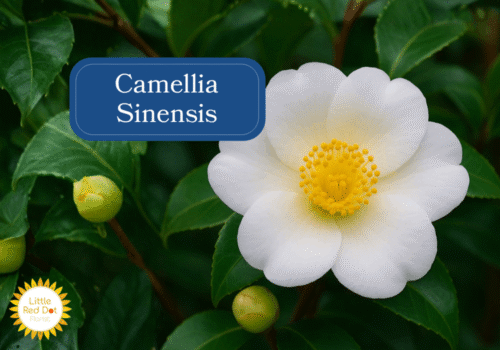
4. Camellia Sinensis (Tea Camellia)
Yes — the source of your cup of tea! The leaves of this variety are used to make green, black, and oolong teas. It’s smaller and less showy but equally beautiful.
Blooming Season: Autumn
Colours: White
Best For: Tea gardens and educational planting
How to Grow Camellias
Camellias may look delicate, but they’re hardy plants when grown under the right conditions. With a bit of care, they’ll reward you with lush blooms year after year.
🌤️ Light Requirements
Camellias prefer bright, indirect sunlight. Too much direct sun can scorch the leaves, while deep shade can reduce flowering. Morning sun and afternoon shade are ideal — especially in warm climates like Singapore.
🌱 Soil
Camellias thrive in slightly acidic, well-draining soil (pH 5.5–6.5). Use soil rich in organic matter, such as peat moss or compost, to keep roots healthy.
If planting in pots, choose a container with good drainage holes and use an acidic potting mix designed for azaleas or gardenias.
💧 Watering
Camellias love moisture but dislike soggy roots.
- Keep the soil consistently moist, especially during dry months.
- Water deeply once or twice a week, depending on humidity levels.
- Avoid watering directly on the flowers or leaves — this helps prevent fungal spots.
🌸 Temperature and Humidity
Camellias prefer cool to moderate temperatures (15–25°C). They do well in tropical climates if kept in shaded, well-ventilated spots.
In Singapore, they grow best on shaded balconies, verandas, or gardens with filtered sunlight and good airflow.
How to Take Care of Camellias
Once established, camellias require only minimal upkeep to stay healthy and beautiful.
🌼 Fertilising
Feed camellias with a slow-release, acid-balanced fertiliser twice a year — once after flowering and again in midsummer. Avoid fertilising when the plant is in bloom.
🌿 Pruning
Lightly prune after flowering to shape the plant and remove dead or crossing branches. Avoid heavy pruning, which may affect next season’s blooms.
🌾 Mulching
Apply a layer of organic mulch (like pine bark or leaf litter) around the base to retain moisture and keep roots cool.
🪴 Repotting (for potted camellias)
Repot every 2–3 years in fresh acidic soil to encourage growth. Choose a pot slightly larger than the last to avoid overwatering.
💐 Caring for Cut Camellias
Camellia flowers are stunning in vases but have a short vase life of 3–5 days.
- Cut blooms early in the morning.
- Use clean, sharp scissors to trim stems at an angle.
- Place in cool, fresh water away from direct sunlight.
Common Issues and Tips
- Yellow Leaves: Often caused by alkaline soil or overwatering — check pH and drainage.
- Bud Drop: Can result from sudden temperature changes or insufficient moisture.
- Pests: Watch for aphids or scale insects; wipe leaves gently with a damp cloth or use neem oil.
Florist’s Tip: Camellias pair beautifully with roses, eucalyptus, and carnations — creating lush, romantic arrangements that symbolise elegance and affection.
Symbolism of Camellias
Camellias are rich with meaning and emotion.
- ❤️ Red Camellias: Love, passion, and deep desire
- 🤍 White Camellias: Purity, admiration, and perfection
- 💗 Pink Camellias: Longing and gentle affection
In Chinese culture, the overlapping petals and calyx of the camellia symbolise eternal love, as they represent two lovers who cannot be separated — even in death.
A flower so graceful yet enduring — it’s no wonder the camellia remains an icon of devotion across generations.
In Summary
Elegant, resilient, and full of meaning, camellias embody timeless beauty. Their glossy leaves and exquisite blooms add charm to any garden or bouquet, while their symbolism of love and purity makes them a heartfelt gift for any occasion.
At Little Red Dot Florist, we adore incorporating camellias into our arrangements — each one a symbol of affection, elegance, and enduring grace.
Because true beauty, like the camellia, never fades — it simply blossoms with time.