 Free Same Day Delivery Islandwide | Order by 5PM for Today’s Delivery | 800+ 5-Star Reviews
Carnation: Types, How to Grow and How to Take Care of Carnations
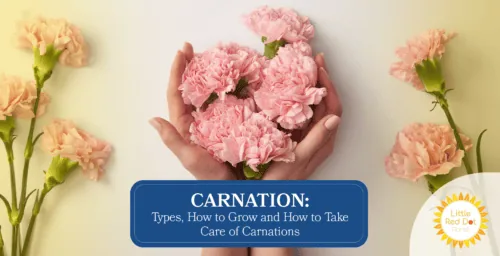
A carnation (Dianthus caryophyllus) belongs to the Caryophyllaceae family and is called “Clove Pink.” Carnations are varieties of Dianthus indigenous to the Mediterranean region. Their natural range is determined by intensive cultivation over the past 2,000 years. Carnations are valued for their striking colours, softly ruffled petals, and heady scent.
The flowers of the carnation plant have a diameter of around 3 to 5 centimetres and are produced alone or in clusters of up to five. The leaves are up to 15 centimetres long, glaucous, greyish-green to blue-green, and thin. Carnation flowers are the common option for bouquets and flower arrangements because of their extended vase life, lasting up to two weeks or longer. A carnation plant is resistant to insects but is not immune to pests like thrips and aphids.
The plants blossom in a few months after planting and expand fast. Carnation has varying lifespans but blooms for several years if given the proper care. They are safe to have near children and pets because they are non-toxic. Symbolism of carnations includes love, fascination, and uniqueness. Several colours signify diverse ideas, such as red for intense love or white for purity.
What is a Carnation?
A Carnation (Dianthus caryophyllus) is a member of the Caryophyllaceae family, known as the “pink or carnation family.” The name carnation is derived from the Greek word dianthus, which means “heavenly flower” or the “flower of Jove.” The carnation has a long history of use in art and decoration, dating back to ancient Greece and Rome. Christians believe Mary’s tears for Jesus bloomed when the first carnation bloomed. The carnation has increased over time, but its appeal has not decreased.
Carnations are a favourite flower alternative worldwide due to their charm, mystery, and timeless beauty. Most are perennials or annual herbaceous plants that die off above ground annually. They are more popular than roses, expressing strong emotions that complement their timeless beauty and enduring freshness. A flower that endures in many forms is the carnation.
What does a Carnation look like?
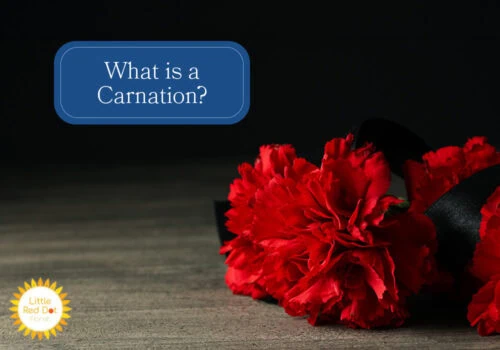
A Carnation looks like a stunning and unusual flower with ruffled, fringed petals that form a large, rounded bloom. Carnations are among the oldest cultivated flowers in the world, and people admire them for their long blooming season, ruffled look, and clove-like scent. It is an annual plant in its natural habitat, but plant breeders have developed perennial varieties.
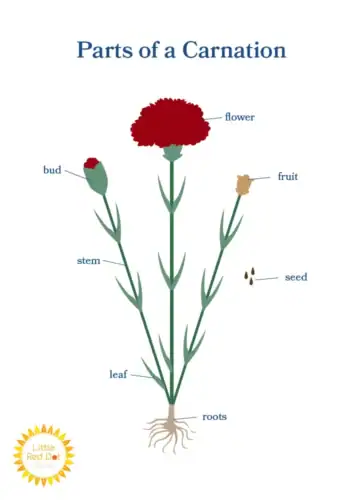
The flowers are common, having five petals and five sepals. The “carnation flower” petals have a deep cleft or fringe at the tip. The base of carnation stems are woody, but their branches are herbaceous. The leaves are glaucous greyish-green to blue-green, rarely whorled, and are opposite. The blades are whole, defined, and petiolate.
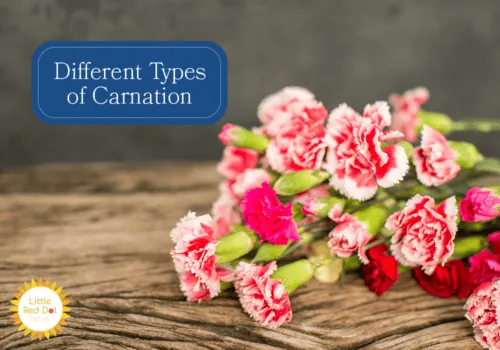
The look of a carnation is shown in the image below.
What does a Carnation Symbolise?
A carnation symbolises fascination, individuality, and affection, and various colours of carnations represent diverse feelings. Carnations became the national flower for Mother’s Day in the early 1900s. The “carnation meaning” is different in every nation’s culture and history. The “carnation symbolism” in Korea is recognition, love, and gratitude. Parents’ Day is observed on May 8th, while Mother’s Day and Father’s Day are celebrated together. Parents sometimes decorate their left chest on Parents’ Day with a corsage of carnations.
Carnations were given to women to celebrate Women’s Day in communist Czechoslovakia and Poland during the People’s Republic of Poland. Other commodities that were difficult to obtain due to the communist systems in place were tights, towels, soap, and coffee. Carnations represent dedication, love, distinctiveness, and attraction. Artists have utilised them in engagement scenes, perfect for table centrepieces, buttonholes, and bridal bouquets. They are unique, making them ideal gifts for occasions like Mother’s Day, birthdays, and anniversaries. Carnations were featured in poetry, paintings, and songs for centuries.
What are the Different Types of Carnation?
The different types of Carnations are listed below.
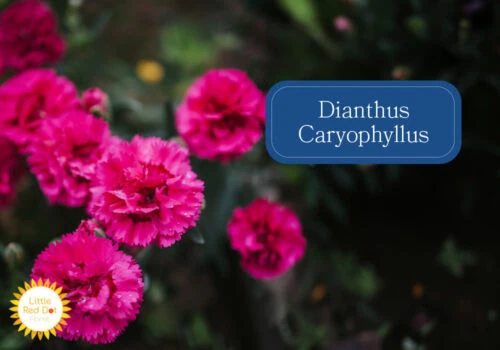
- Dianthus Caryophyllus: Dianthus Caryophyllus are traditional carnations with huge, vivid flowers, ruffled petals, and long stalks. The flowers of carnations are famous for their sweet, spicy aroma in floral designs and bouquets.
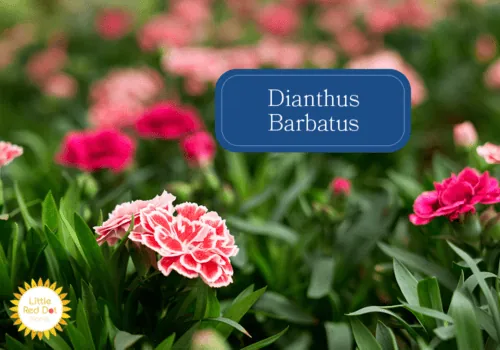
- Dianthus Barbatus: Dianthus Barbatus is a favourite carnation for informal flower designs and cottage gardens because of its thick, bicoloured blossoms. It reaches 12 to 24 inches and smells somewhat like cloves.
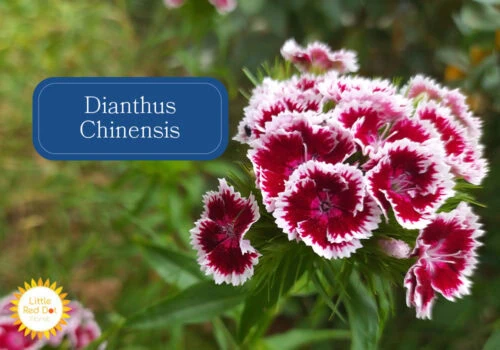
- Dianthus Chinensis: Dianthus Chinensis is a low-growing carnation used as a border plant in gardens or decorative pots. The delicate, fringed flowers are pink, crimson, white, and purple.
- Dianthus Carthusianorum: Dianthus Carthusianorum is a delicate carnation type with long stems, thin leaves resembling grass, and rich pink blooms.
- Dianthus Gratianopolitanus: Dianthus Gratianopolitanus is a sturdy, long-lasting perennial that grows well in rock gardens, borders, and as ground cover. It has lovely pink to pale purple flowers.
- Dianthus Plumarius: Dianthus Plumarius is a well-liked garden cultivar that attracts pollinators. Its fragrant and deeply fringed petals have pink, white, or red blooms.
- Dianthus Deltoides: Dianthus Deltoides is a low-growing plant that makes excellent ground cover, rock gardens, or flower beds because of its vivid pink or red blossoms.
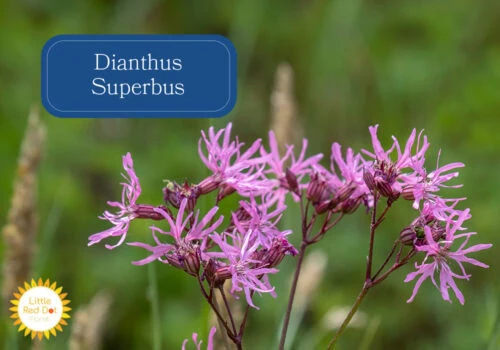
- Dianthus Superbus: Dianthus Superbus is a fragrant carnation variety with long, fluffy petals utilised in wildflower meadows and naturalistic plantings.
1. Dianthus Caryophyllus
Dianthus Caryophyllus (Carnation or Clove Pink) is native to the Mediterranean region. Carnations are valued for their bright colours, fringed petals, and enticing scent. Dianthus Caryophyllus likes full sun and well-drained soil. It grows at an average height of 18 to 24 inches. Carnations include flower arrangements, bouquets, and boutonnieres for weddings and formal events.
Dianthus Caryophyllus conservation efforts are concentrated on protecting its natural habitats because excessive agriculture and degradation of ecosystems have led to a fall in the wild. Cultural significance is attributed to carnations because they were used for ages as part of many customs. For example, they are the official flower for Mother’s Day and are associated with socialism in certain places. It costs S$18.00.
2. Dianthus Barbatus
Dianthus Barbatus (Sweet William) is a flowering plant, indigenous to Asia and southern Europe, and an addition to the Caryophyllaceae family. A form of sweet William grows in China, Korea, and Russia. It produces spicy, aromatic flowers in an umbel cluster as it grows to 13 to 92 centimetres tall. The red petals of the plant have a white foundation.
Sweet William is a popular plant for boundaries, country cottage-style gardens, and rock gardens. Its palatable flowers attract birds, bees, and butterflies. Conservation initiatives aim to maintain Dianthus Barbatus and other varieties of native habitats and encourage sustainable growing techniques.
Maintaining genetic variety and protecting wild plants from habitat deterioration is crucial, even though Dianthus Barbatus is not listed as endangered. Its extensive cultural heritage rooted in traditional gardens makes it popular for floral design and green settings. It costs S$23.00.
3. Dianthus Chinensis
Dianthus Chinensis (Chinese Pink) is a species of Carnations indigenous to southeast Russia, northern China, Korea, and Mongolia. Dianthus Chinensis produces white, pink, or red blooms from spring until midsummer, and its leaves range from green to greyish green. The bushy plant supports up to 15 flowers in a cymose inflorescence in decorative forms. The fruit in the capsule is enclosed with sepals, and the flowers vary in colour from white to pink to dark crimson.
Monks used the plant to ease rheumatism and muscle discomfort. It is used for borders, dry gardens, and rockery. Dianthus Chinensis is used in traditional and modern gardens, and its symbolic meaning of elegance and beauty is clear. Its adaptability allows it to be used as a cut flower and in mixed flower arrangements.
The preservation of Dianthus Chinensis’ natural habitats and the promotion of sustainable gardening techniques are the primary purposes of conservation efforts for the plant. Its supply depends on protecting its natural habitat and promoting ethical farming methods, considering it is not now classified as endangered. It costs around S$19.89.
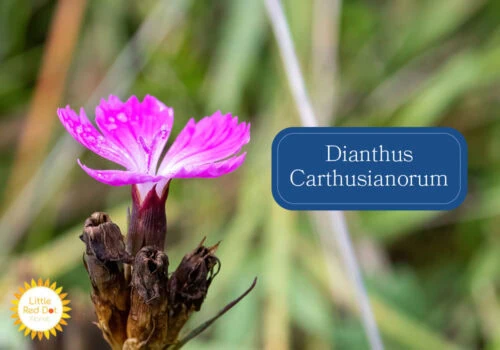
4. Dianthus Carthusianorum
Dianthus Carthusianorum (Carthusian Pink or Cluster Pink) is native to Europe, from Spain north to Belgium and Poland, and east to Ukraine. Dianthus Carthusianorum is found in dry, grassy environments at altitudes of up to 2,500 metres (8,200 ft) in the mountains. It is a tall pink plant with small, single, dark pink flowers that bloom above grassy foliage.
The carnation looks good when grown or in a picture-perfect meadow arrangement, but it seems better when planted on a border with other herbaceous perennials. Dianthus Carthusianorum is used for its attractive qualities, which include giving vertical interest to plantings and improving garden landscapes with its delicate blossoms. It is a beautiful addition to gardens and is sometimes used in wildflower mixes.
Sustainable gardening techniques and habitat preservation are essential in conservation efforts because preserving natural habitats supports their biodiversity. Dianthus Carthusianorum is valued for its historical and traditional garden value. It costs approximately S$13.60.
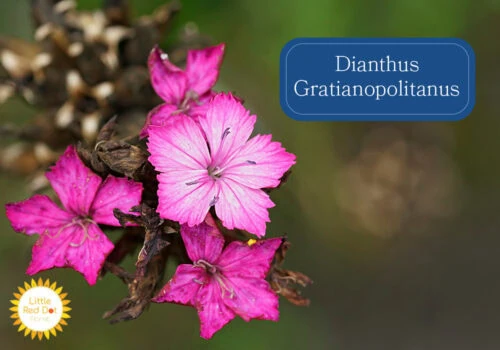
5. Dianthus Gratianopolitanus
Dianthus Gratianopolitanus (Cheddar Pink) is indigenous to Western and Central Europe, from the United Kingdom to Ukraine. Dianthus Gratianopolitanus is a mat-forming perennial that produces large, fragrant, rose-pink blooms that are alone. It requires medium watering, but overwatering causes crown rot. The plant grows 0.5 to 1 foot tall and blooms in May and June.
Dianthus Gratianopolitanus is perfect for stone walls, rocky slopes, border fronts, and rock gardens. It is suitable as an edge plant or a ground cover in limited spaces. Conservation efforts for Dianthus Gratianopolitanus focus on protecting its ecosystems and supporting ethical production methods to ensure its continued availability.
Preserving its ecological environment maintains its species and biodiversity while not endangered. It has gained cultural admiration due to its historical connection to conventional gardens and its ability to improve the visual appeal of outdoor areas. It costs around S$10.55.
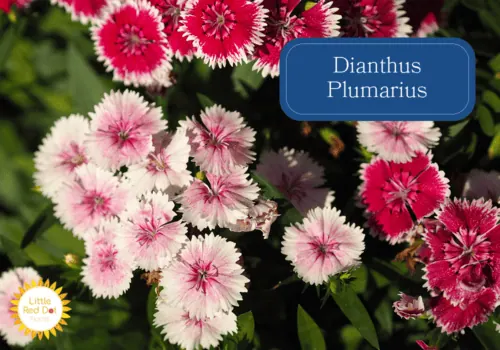
6. Dianthus Plumarius
Dianthus Plumarius (Garden Pink) is native to Austria, Croatia, and Slovenia and has naturalised in Italy, Germany, and the United Kingdom. Dianthus plumarius has pink, red, and white petals that are ruffled and fringed, and spicy, clove-scented blossoms. It is a small evergreen perennial with opposing leaves, a cylindrical calyx, and a green stem. The pink-petaled, hermaphrodite flowers of Dianthus Plumarius are symmetrical and grow to a height of 30 to 60 centimetres.
Dianthus Plumarius is recognised for its decorative appeal and scented blossoms, making it an attractive choice for garden beds and a filler in mixed floral arrangements. Conservation efforts are concentrated on maintaining Garden Pink’s natural habitats and promoting sustainable gardening techniques to prevent habitat loss.
Dianthus Plumarius is historically valued for its use in classic gardens and graceful meaning. It is a popular choice for gardeners who wish to add a touch of traditional elegance and scent to their landscapes. It costs approximately S$11.93.
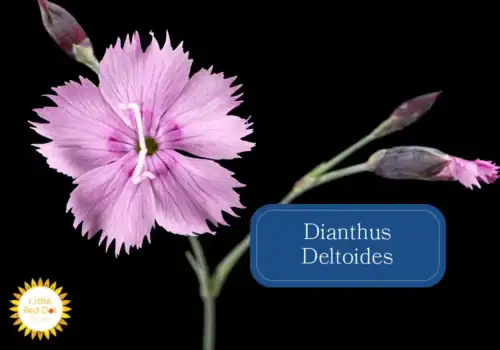
7. Dianthus Deltoides
Dianthus Deltoides (Maiden Pink) is common over western Asia and most of Europe. The Dianthus Deltoides is predominant throughout North America, where it is an exotic variety. It grows in calcareous (chalky) grassland but is sometimes found on rocky and old mine soil. The herbaceous perennial plant grows up to 45 cm tall and has narrow green leaves and 15-20mm pink blooms. Its epicalyx comprises bracteoles, and its base is a non-scarious calyx tube.
One of its varieties is “Zing Rose,” which is used as a decorative garden plant. The Royal Horticultural Society in the UK has awarded it the Garden Merit Award. The carnation variety’s conservation efforts include preserving its natural habitats and adopting sustainable production to maintain its species. Maiden Pink has excellent cultural and historical importance aside from its decorative appeal. Dianthus Deltoides are reputed for their healing properties in the past and were considered to treat various illnesses. It costs around S$13.60.
8. Dianthus Superbus
Dianthus Superbus (Fringed Pink or Large Pink) is indigenous to Europe and northern Asia, ranging from France to arctic Norway and east to Japan. Dianthus Superbus is found at high altitudes of up to 2,400 metres in the southern part of its range. It is distinguished by its deeply cut and feathered petals. The blossoms have sweet nectar, and the leaf is edible or boiled until it produces a beverage. Dianthus Superbus is used in Chinese herbal medicine as a contraceptive, diuretic, and anti-infective.
Dianthus Superbus is a herbaceous perennial that grows up to 80 centimetres tall. The plant’s leaves are up to 8 centimetres long, slim, and green to greyish green in colour. The blooms are produced in branched clusters at the top of the stems from early to late summer. They have a sweet fragrance and have five deeply cut fringed petals that range in colour from pink to lavender with a greenish background.
Conservation efforts for Dianthus Superbus are centred on protecting its natural habitats and promoting sustainable gardening techniques to prevent habitat loss and ensure the species’ existence. Fringed Pink is valued for its historical application in classic gardens and its connotation of elegance and beauty. It is connected to traditional, idealised feminine beauty in Japanese society. It costs approximately S$10.62.
What are the Different Colours and Meanings of a Carnation?
The different colours and meanings of a Carnation are listed below.
- White Carnations: The white colour signifies luck, purity, and family love. It means pristine and natural, spotted during weddings and comforting bereaved families.
- Pink Carnations: Pink carnations express praise, admiration, and affection, forming an important element in flower arrangements. The “pink carnation meaning” stands for the beauty of friendships and the love that endures in the little things in life.
- Yellow Carnations: Yellow is beautiful, but its meaning is not happy. Sending yellow carnations to someone who needs to apologise is an ideal gesture, as they represent dismay and rejection. They are appropriate to send during times of grief.
- Red Carnations: Red carnations are ardent expressions of love and adoration, representing warmth and flaming intensity. They are romantic ambassadors, messengers of tender thoughts, and poets of deep love songs.
- Orange Carnations: Orange carnations symbolise attraction, ardour, and desire. They are presented to someone to convey their admiration or curiosity.
- Blue Carnations: Blue carnations are not naturally blue but dyed or modified for their species. They symbolise enigma and mystery.
- Purple Carnations: Purple carnations are perfect for friends or relatives who are wild, surprising, or unsure of how their gift is received. They are symbolic of impulsiveness.
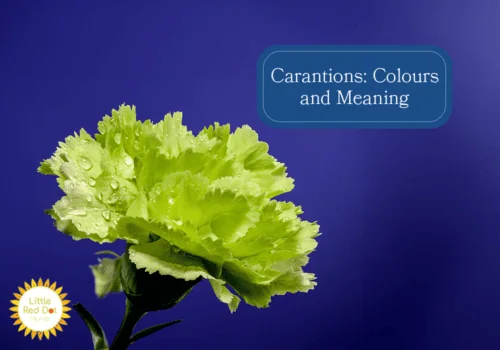
What are the Most Popular Colours of Carnations?
The most popular colours of Carnations are white, yellow, and pink. The colour red is another choice for customers who don’t know the meaning of each shade. The fresh flowers of carnations reflect the most important types of love, wealth, and familial relationships, creating a distinctive floral symbol. They stand for the innocence of the journey of the departed soul.
White carnations make the most stunning and charming gift for birthdays or other special occasions. They are ideal for showing affection and gratitude because they are easy to find and provide a sense of prosperity. The common variety of carnations is the Floristan White. The blooms have a substantial white with green petals and are long-lasting.
Yellow carnations, associated with sadness and rejection, are gorgeous and make an excellent gift. The flower has stunning blossoms that are visible from a distance. A mixed bouquet of yellow carnations is an exquisite gift for someone special. These cut flowers work well as decor.
The Golden Sun and Clarion varieties of carnations are the most well-known. Clarion features grey or silver leaves and double yellow flowers. The best cut flowers are the ones of the Golden Sun kinds. They must have gorgeous big yellow flowers with a glove-like scent on long stems. They are lovely flowers that please anyone.
Pink flowers symbolise the mother’s affection and are used to express gratitude. They are ideal flowers to give someone as a token of appreciation. Butterflies get attracted to the deep pink blooms of grenadine pink carnations, which have a long-lasting, pleasant smell. A famous kind of carnation flower is called Peach Delight. The plant produces gorgeous peach-coloured flowers that become pink. Each stem has plenty of beautiful flowers.
Red carnations, one of the most popular colours of carnations, are a sign of profound love and affection. Laced Romeo is the most utilised type of carnation. It produces doubled-blooms on the stems. The red carnation is easily accessible year-round and has a lovely appearance.
The Garden Spice Red is another well-liked variation. The flowers produce long-lasting, elegant, red double flowers that are tiny. They smell lovely and give the bouquet a nice finishing touch. The exquisite varieties are the most ideal presents for loved ones.
Do Carnations Have Many Variations?
Yes, Carnations have many variations, with about 2,000 species spread across 88 genera. The majority of perennials and herbaceous plants die off above ground every year. They are available in various colours, shapes, and sizes, making them suitable for different purposes, from formal events to everyday floral arrangements.
Carnations are popular in the flower industry because of their ruffled petals, long-lasting blooms, and versatility. Their variants appeal more to cultural and personal situations because they have unique symbolic significance.
The top five variations of carnation include Dianthus Barbatus, Dianthus Armeria, Dianthus Superbus, Dianthus Deltoides, and Dianthus Carthusianorum. Dianthus Barbatus (Sweet William) is a 70cm tall green carnation plant that blooms from June to July. It grows best in gardens facing south with rich soil. It is used in cottage gardens and as cut flowers in rustic floral arrangements.
Dianthus Armeria (Deptford Pink or Grass Pink) is a rare annual carnation type that grows to 45cm, blooms in July and August and doesn’t need full sun. It is native to Europe. Naturalised spaces or wildflower gardens are familiar places to employ the carnation.
Dianthus Superbus (Fringed Pink) is a gorgeous perennial that grows well in gardens facing south and has pink flowers from June to July. It thrives in warm, sunny climates but needs protection from heavy winter rain and snow and prompt replacement in the summer. Its beautiful, airy blossoms lend an air of elegance to naturalistic plantings, wildflower meadows, and rock gardens.
Dianthus Deltoides (Maiden Pink) is a pretty pink plant that blooms from June to July. It is suitable for low-maintenance ground cover, rock gardens, and an edging plant or ground cover in flower beds and borders.
Dianthus Carthusianorum (Carthusian Pink) is a vivid perennial plant with carmine-red flowers that bloom from June to July. It goes with borders and grows best in bright, warm climates. It is valued for its ability to flourish in arid, sunny environments and is utilised in naturalised garden settings.
How to Grow Carnations?
To grow carnations, follow the five steps listed below.
- Pick a location that receives 4 to 6 hours of direct sunshine daily for healthy development and abundant blooms. Carnations require full sun to thrive.
- Ensure loose soil, drains well and is improved with organic matter, such as compost, is ideal for carnations.
- Plant carnation seedlings or seeds 6 to 8 weeks before the first frost, indoors or out, 1/8 inch deep and 12 inches apart. Plant seedlings equally deep and spaced apart.
- Water carnation plants are enough to avoid sopping or overwatering the leaves, maintaining a constant soil moisture level. Another method to help plants retain moisture is to mulch the area around them.
- Use a balanced fertiliser every six to eight weeks on growing carnations, remove wasted blooms to produce fresh buds, and trim back after blooming to promote bushier growth.
When to Plant Carnations?
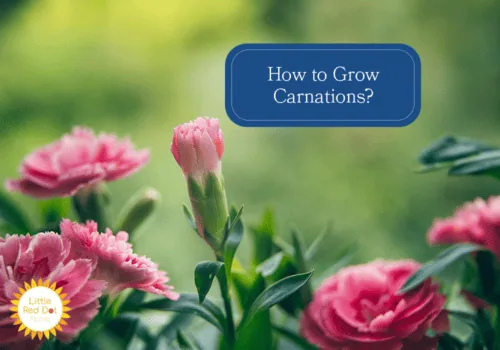
The plant carnations grow best when planted in the spring, about two weeks after the final frost when the soil is warm sufficiently to cultivate strong growth. Planting carnations in late March to early May become the norm for many places. Planting carnations in the spring lets them develop roots before the summer heat, and flourish in warmer temperatures. Carnations grow during the peak blooming season, from late spring through early summer. Carnations gain from longer days and warmer weather throughout these months, which boosts vigorous growth. Time management ensures they reach their full and vivid blooms.
What are the Common Challenges in Growing Carnations?
The common challenges in growing carnations are listed below.
- Insufficient Sunlight: Carnations need full sunlight for four to six hours a day to grow strong stems and lots of flowers. They must not be grown in regions that are too shadowed.
- Poor Soil Conditions: Heavy clay soils impede growth and lead to illness, but well-draining, alkaline soil is ideal for carnations. The right amounts and modifications of biological material are necessary.
- Overwatering: Overwatering carnations lead to rotten roots, withering, and death. Make sure the soil drains properly to avoid it, and water after the top inch is completely dry.
- Pests and Diseases: Carnations are vulnerable to pests and fungal diseases, necessitating constant monitoring, adequate air circulation, and organic insecticides or fungicides to control their damage and health.
- Temperature Sensitivity: Extreme heat or cold harm carnations, but they do best in temperate temperatures. Proper planting and shading mitigate the issues.
What are the Best Tips for Growing Carnations?
The best tips for growing carnations are listed below.
- Appropriate Variety: Pick a type of carnation suitable for the environment and gardening goals. Border carnations are ideal for garden planting, while long-term flowering carnations produce constant blossoms.
- Sunlight: Ensure carnations get plenty of sunlight. They need at least 4 to 6 hours of direct sunlight to grow to their best potential and produce colourful blossoms.
- Watering: Carnations prefer well-drained soil, and must be watered moderately, letting the top layer dry out in between waterings. Proper watering is crucial, but it’s vital to prevent overwatering.
- Fertilisation Process: Fertilisation is feeding the plants with a balanced, water-soluble fertiliser every 6 to 8 weeks to foster strong growth and continuous flowering.
- Deadheading Process: Deadheading, or removing wasted blooms, regularly keeps the plant looking fresh and healthy. It stimulates the production of more flowers.
Can Carnations Live Up to 2 Years?
Yes, carnations can live up to two years. Carnations are resilient plants that bloom for several seasons if given the right care. Dianthus Caryophyllus is one example of a perennial carnation that withstands the winter and blooms again the following year. Their longevity depends primarily on their environment, soil, and care.
Carnations last a couple of years if shielded from harsh winters, but in colder regions, they last one or two years. Maintaining their health and extending their longevity require regular fertilisation, pruning, and appropriate watering. Carnations bring longevity to any garden when given the proper care.
What does Perennial Mean in Carnations?
Perennial means that Carnations endure in winter and return to each growing season to live and bloom for several years. Dianthus Caryophyllus grows as a hardy perennial carnation that produces fruit yearly under the right conditions. They build a garden with lasting beauty as they get selected for their durability and need less replacement.
The border carnation (Dianthus x allwoodii) is an example of a perennial with a short lifespan that grows for two to three years. The stems are excellent for cutting flowers and grow to a height of 4 to 18 inches. It is an alternative for cultivating carnations in pots.
An annual carnation’s whole life cycle, from seed to bloom to dying, occurs in a single growing season. Replanting annually is necessary because carnations are grown in the spring and do not survive the winter. Carnations are used for their flowers and aesthetic appeal in a garden, while perennials survive longer and require less replacement frequently.
How to Take Care of Carnations?
To take care of carnations, there are five steps to follow. First, plant in soil that drains well. Add organic material, such as compost, to the soil before planting to increase fertility and soil structure. It provides carnations the nutrients they require to flourish and helps avoid root rot.
Second, provide sufficient sunlight. A “carnation care” requires full sun for vigorous growth and plentiful bloom production. Ensure they get at least 4 to 6 hours of direct sunlight daily. Place them next to a bright window that lets in lots of natural light if they grow indoors.
Third, ensure watering the base of the plants to prevent fungal diseases and keep the foliage dry. Watering the plants when the top inch of soil feels dry must be done as one of the “carnation care tips.” Mulching lessens the need for frequent watering by retaining soil moisture.
Fertilise regularly, a way to show “carnation plant care.” The growing season is the best time to feed carnations with a balanced fertiliser every 6 to 8 weeks to promote vigorous development and flowering. Over-fertilising results in a lot of foliage growth at the expense of flowers.
Remove spent blooms regularly to stimulate blooming and prevent the plant from devoting energy to producing seeds. Pruning the plants after they flower encourages bushier growth and helps them keep their shape, which makes the plant healthier. There are other methods on “how to care for carnations” that help produce healthy flowers.
What are Carnations Used For?
Carnations are used for different purposes listed below.
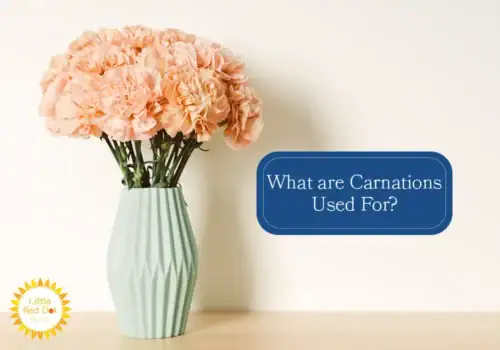
- Flower Arrangement: Carnations are a favourite for flower designs at weddings, anniversaries, and other occasions. They are found in bouquets and centrepieces.
- Present: A present or gift for mothers is one of the “carnation uses” to represent maternal love and respect. Carnations are a popular Mother’s Day gift.
- Corsage and Boutonniere: Carnations are a common component in boutonnieres and corsages because of their exquisite appearance and firm petals, which make them ideal for formal occasions like graduations, weddings, and proms.
- Perfume: The perfume industry uses carnations due to their pleasant scent. Carnations are a staple element in perfume due to their sweet-spicy scent, which gives many traditional and modern fragrances a floral, close-to-clove-like touch.
- Food: Carnations are edible if used as garnish or teas. Carnations are used in the cuisines of some cultures. Its palatable petals are added to dishes as ornaments or used to flavour drinks and desserts. Giving food preparations a beautiful touch adds a little peppery sweetness.
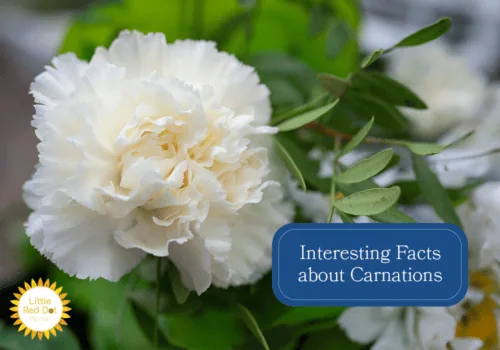
What are Interesting Facts about Carnations?
The interesting facts about carnations are listed below.
- Flower of Gods: The carnation’s scientific name is “dianthus,” which means “dios” (Zeus) and anthos (flower).
- Secret Message: Carnations were used to send private messages during the Victorian era. Lovers had to communicate secretly using flowers. The other person responded with a carnation flower after sending a coded message. A flower with a dark colour indicated yes, while a yellow carnation indicated no.
- Medicinal Effects: The conventional medical approach is one of the “carnation facts” that employ carnations to cure inflammation and fever. The petals are added to tea or utilised in herbal cures. Carnations are sometimes remedies for rashes, hair loss, and tense muscles.
- National Flower: One of the “facts about carnations” is the national flower of Monaco, Spain, and Slovenia. The state flower of Ohio in the United States indicates the cultural significance in such areas.
- Parents’ Day: South Korean parents have an official special day to celebrate, Children show their parents how much they care on their special day by giving them bunches of red and pink carnations.
- Palatable: Flowers heads must not be eaten or consumed if hungry, but the petals are sometimes used in baked goods and salads.
What are the other Flowers with their Symbolism?
The other flowers with their symbolism are listed below.
- Roses: Red and pink roses are related to love and admiration, similar to carnations. They are available in several colours and are involved in the “flower symbolism list.” Pink flowers represent faith and happiness, however they are handled carefully when coming from unpredictable friends or past lovers. Red roses are associated with romance and love.
- Lilies: The symbol of white carnations, an emblem of innocence and purity, is consistent with the purity and refined beauty of lilies.
- Chrysanthemums: Chrysanthemums are “plant symbolism” of loyalty, dedication, and honour in many cultures. They are like carnations, representing respect and remembering, particularly in funerals.
- Tulips: Red and pink tulips symbolise love and affection, similar to pink and red carnations. Tulips are included on the “list of flowers and their meanings” comparable to carnations.
- Peonies: Peonies are representations of romance, fortune, and honour. They are similar to carnations and symbolise love and admiration, during weddings and anniversaries. More blooms are included on the list of flowers and their meanings are comparable to carnations.
- Hyacinth: Hyacinths symbolise boldness, recklessness, or a sporty spirit. Blue and red blooms represent constancy and fun, while purple signifies forgiveness.
- Sunflower: Sunflowers represent enduring happiness and a long, meaningful life, as one expects from their bright perspective.