
Daffodil: Types, How to Grow, and How to Take Care of Daffodils
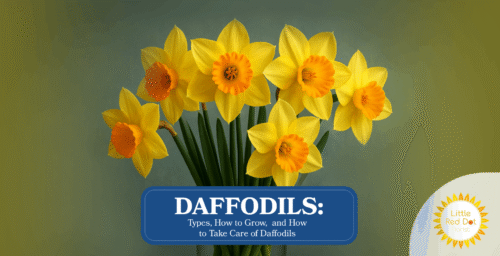
Daffodils (Narcissus) are among the most cheerful and iconic spring flowers, known for their bright yellow or white petals and trumpet-shaped blooms. Symbolizing new beginnings and hope, daffodils are a timeless favourite in both gardens and floral arrangements. Whether you’re a home gardener or simply curious about these radiant flowers, this guide will help you learn about the different types of daffodils, how to grow them, and how to take proper care of them.
What Is a Daffodil?
Daffodils belong to the genus Narcissus, part of the Amaryllidaceae family. They are hardy, bulbous perennials that bloom once a year — usually in early to mid-spring — bringing a burst of colour after the long winter months. Each stem typically bears a single bloom, though some varieties produce clusters of smaller flowers.
These bright flowers are most commonly recognized for their yellow hue, though they also appear in white, cream, orange, and even pink tones. Their trumpet-like central corona surrounded by six petals makes them instantly recognizable. In the language of flowers, daffodils represent rebirth, joy, and new beginnings, making them especially meaningful gifts during festive seasons or times of transition.
Parts of a Daffodil
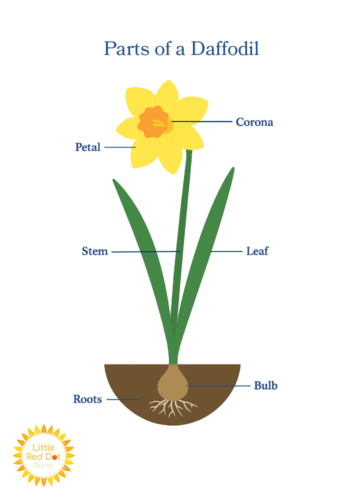
To fully appreciate daffodils, it helps to understand their structure. Each part plays an important role in the plant’s growth and reproduction.
-
Bulb: The underground storage organ that contains all the nutrients and energy needed for the plant to grow and bloom each year.
-
Roots: Extend from the base of the bulb to absorb water and nutrients from the soil.
-
Stem (Scape): The main stalk that supports the flower and elevates it above the foliage.
-
Leaves: Long, narrow, and strap-like; they collect sunlight for photosynthesis and help the bulb store energy for the next season.
-
Perianth (Petals): The outer parts of the flower — typically six segments — that can be yellow, white, or other hues depending on the variety.
-
Corona (Trumpet or Cup): The central, trumpet-shaped structure that is the most distinctive feature of daffodils. It often differs in colour from the petals.
-
Stamens: The male reproductive parts inside the corona, consisting of filaments topped with pollen-bearing anthers.
-
Pistil: The female reproductive organ, located in the center, composed of the stigma, style, and ovary — where seeds develop after pollination.
Types of Daffodils
There are over 50 species and thousands of hybrids of daffodils, categorized mainly by flower form. Some of the most popular types include:
1. Trumpet Daffodils
The most classic variety, featuring a long central trumpet as tall as or longer than the petals. These daffodils feature a prominent central trumpet (or corona) that is as long as or even longer than the surrounding petals, creating a bold and elegant silhouette. They usually bloom early in the spring and come in a wide range of shades — from vivid yellow and pure white to soft cream and bi-coloured varieties with contrasting trumpets. Their large, showy blooms and sturdy stems make them excellent for both garden borders and cut flower arrangements, symbolizing cheerfulness and renewal at the start of spring.

2. Large-Cupped Daffodils
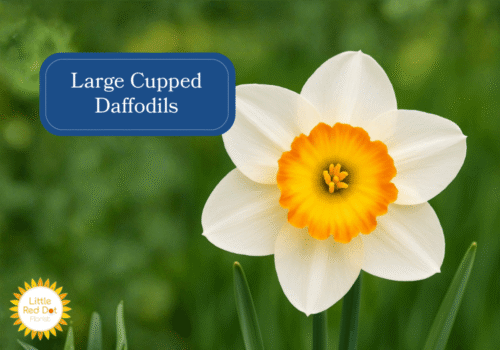
Similar to trumpet daffodils but with slightly shorter cups; they come in many colour combinations. hat makes them especially appealing is their wide range of colour combinations: creamy white petals with orange or pink cups, golden yellow blooms with deeper amber centers, or soft pastel blends that create a delicate contrast. These daffodils are known for their versatility and strong presence in gardens, often blooming mid-season and lasting well as cut flowers. Their balanced proportions and vivid hues make them a favourite choice for creating vibrant, cheerful displays.
3. Small-Cupped Daffodils
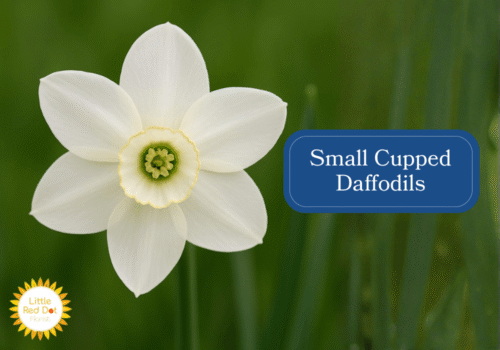
These have smaller central cups, often with contrasting colours between the petals and cup. Common combinations include white petals with orange, red, or yellow cups, giving each flower a distinctive and graceful appearance. Small-cupped daffodils usually bloom in mid to late spring and are prized for their delicate yet vibrant look. They thrive in garden beds, rock gardens, or naturalized settings, adding a touch of sophistication and subtle contrast to spring landscapes.
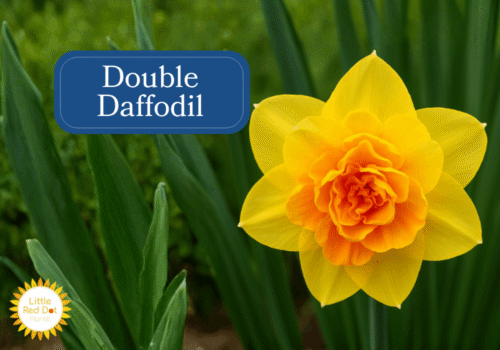
4. Double Daffodils
With extra layers of petals, these look almost like small peonies or roses. Instead of a single trumpet-shaped corona, the center is often filled with extra petal segments in varying colours, such as soft yellows, whites, creams, and even shades of orange or pink. Their ruffled, romantic form makes them particularly prized for decorative arrangements and garden displays, adding a touch of elegance and luxury. Double daffodils tend to bloom in mid to late spring and thrive best in sheltered spots where their heavy blossoms are protected from wind and rain, ensuring their exquisite form remains intact.
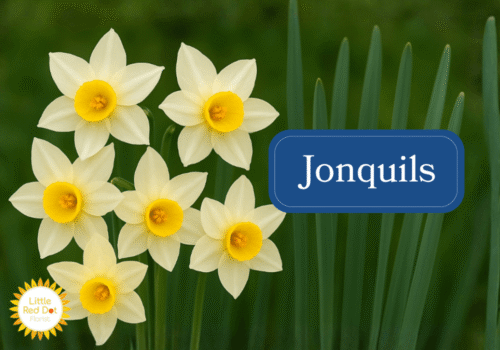
5. Jonquils
Sweetly scented and smaller, jonquils often bear multiple flowers per stem and thrive in warmer climates. Unlike most daffodils that produce a single flower per stem, jonquils often bear two to six small, rounded blossoms on each stem, creating a lush and abundant display. Their petals are typically soft yellow or cream, surrounding a small, cup-shaped corona. Jonquils also have slender, cylindrical leaves that distinguish them from other daffodil types. Native to the Mediterranean, they thrive in warmer climates and are particularly well-suited to regions with mild winters. Their strong fragrance and compact size make them a popular choice for borders, containers, and cut flower arrangements, bringing both beauty and perfume to any garden or home.
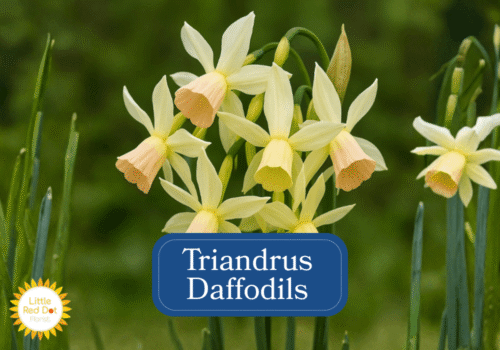
6. Triandrus Daffodils
Known for their graceful, drooping blooms, often with multiple flowers on each stem. Each stem typically carries two to three nodding flowers, with reflexed petals that sweep backward to reveal a delicate, flared trumpet. Triandrus varieties often come in creamy white, pale yellow, or soft pastel shades, exuding a gentle charm that complements woodland gardens and shaded borders. They bloom in mid to late spring and are known for their refined beauty and subtle fragrance. Because of their slightly arching stems and delicate form, Triandrus daffodils pair beautifully with other spring flowers, bringing an airy, graceful touch to garden displays and floral arrangements alike.
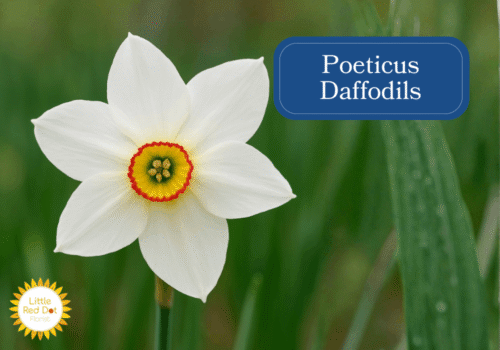
7. Poeticus Daffodils
Classic white petals with small, red-rimmed yellow cups, known for their strong fragrance. Their simple yet striking appearance gives them a classic, timeless beauty that has inspired poets and gardeners alike. These late-blooming daffodils are also celebrated for their strong, sweet fragrance, which makes them a delightful addition to spring gardens and floral arrangements. Poeticus varieties thrive in sunny to lightly shaded areas and are particularly effective when planted in naturalized drifts, where their delicate contrast and perfume can fill the air with a sense of grace and nostalgia.
Each variety offers a unique charm from bold and bright to delicate and fragrant, making daffodils versatile for both gardens and bouquets.
How to Grow Daffodils
Daffodils are surprisingly easy to grow and maintain. They thrive in cool to temperate climates but can adapt to a range of environments with the right care.
1. Planting Time and Location
The best time to plant daffodil bulbs is in autumn, around 2–4 weeks before the ground freezes in temperate regions. This gives them time to establish roots before winter. Choose a sunny or lightly shaded spot because daffodils need at least 6 hours of sunlight per day for strong blooms.
2. Soil Preparation
Well-draining soil is essential to prevent bulb rot. Sandy or loamy soil enriched with compost works best. Avoid overly clay-heavy soil unless amended with organic matter or sand. Aim for a slightly acidic to neutral pH (6.0–7.0).
3. Planting Depth and Spacing
Plant bulbs about 10–15 cm deep, with the pointed end facing upwards. Space them roughly 8–10 cm apart to give the bulbs room to expand over the years. Group bulbs in clusters for a fuller, more natural look rather than in straight rows.
4. Watering and Sunlight
After planting, water thoroughly to settle the soil. Once growth begins, water moderately since daffodils dislike overly soggy conditions. Full sunlight encourages the best blooms, though light shade can also work.
How to Take Care of Daffodils
Once established, daffodils are low-maintenance and return year after year. With a bit of seasonal attention, they can continue to bloom beautifully for decades.
After Blooming: When flowers fade, deadhead the blooms to prevent energy from going into seed production. However, do not remove the leaves until they have turned yellow and wilted naturally — the foliage helps store nutrients in the bulb for the next season.
Fertilizing: Daffodils benefit from a light feeding of a balanced, low-nitrogen fertilizer after flowering. Avoid high-nitrogen formulas, as these promote leaf growth rather than blooms.
Dividing Bulbs: Every few years, daffodils can become crowded, reducing flowering. Lift and divide the bulbs in late summer or early autumn, replanting them at proper spacing.
Pests and Diseases: Daffodils are mostly pest-resistant due to their mildly toxic sap. Still, watch for bulb rot in poorly drained soils and fungal issues in humid conditions. Good airflow and proper drainage usually prevent most problems.
Cut Flower Tips: Daffodils make excellent cut flowers. To use them in arrangements, cut stems when the buds are just opening. Be aware that daffodils release a sap that can harm other flowers — if mixing them, let the cut stems soak separately in water for a few hours before arranging.
Can Daffodils Grow in Singapore?
Daffodils are native to cooler climates and require a period of dormancy (cold rest) to bloom again. In tropical climates like Singapore, growing them in open soil is challenging. However, it is possible to grow daffodils in pots using pre-chilled bulbs imported from cooler regions. With enough indirect sunlight, moderate watering, and good drainage, you can enjoy their cheerful blooms indoors or on shaded balconies for a short seasonal display.
At Little Red Dot Florist, daffodils are often featured in our spring and celebration arrangements and their bright, sunny blooms make perfect gifts for occasions that call for warmth, renewal, and happiness.
Fun Facts and Symbolism
Daffodils are the national flower of Wales and are closely linked to spring festivals around the world. In Chinese culture, they symbolize good fortune and prosperity, while in Western traditions, they represent rebirth, joy, and hope. In India, they symbolize friendship. Because they bloom early in the year, they are often given as gifts to mark new beginnings such as a housewarming, a new job, or a fresh start.
A single daffodil is said to represent misfortune, but a bunch of daffodils is believed to bring happiness and good luck.
In Summary
Daffodils are radiant, uplifting flowers that bring joy wherever they bloom. Whether grown in the garden, potted indoors, or gifted in a cheerful bouquet, their golden hues and graceful form make them a timeless favourite. With proper care and attention, daffodils will continue to brighten homes and hearts — reminding us that every new season brings the promise of renewal and hope.