 Free Same Day Delivery Islandwide | Order by 5PM for Today’s Delivery | 800+ 5-Star Reviews
Lily: Types, How to Grow and How to Take Care of Lilies
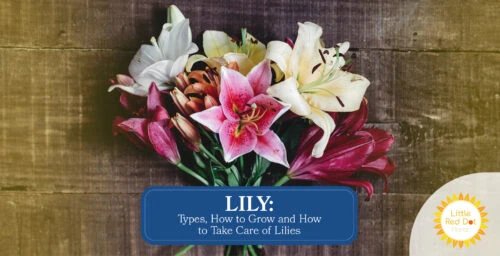
The botanical name of true lilies is Lilium, and they belong to the family Liliaceae. The family includes a wide range of ornamental plants that are cherished for their stunning blooms and varied symbolism.
A lily is known for its large, trumpet-shaped flowers that are upward-facing, outward-facing, or downward-facing, depending on the variety. The flowers have six petal-like petals, which are curved or recurved, adding to their elegant appearance. Lily leaves are lanceolate or strap-shaped, with a smooth texture and a glossy green colour. They grow in a spiral pattern along the stem, providing a lush backdrop to the striking flowers.
Lilies thrive in well-drained soil rich in organic matter. They prefer a slightly acidic to neutral pH and grow best in temperate climates. Full sunlight is crucial, with at least six hours of direct sunlight each day. Plant lily bulbs in the fall or early spring, about 6 to 8 inches deep and spaced 8 to 12 inches apart. Ensure the pointed end faces upwards, and cover the bulbs with soil. Water thoroughly after planting to help the bulbs establish.
A lily plant requires consistent watering during dry periods but must not be waterlogged. Mulching around the base of the plants helps retain moisture and keep the roots cool. Proper spacing is essential to ensure good air circulation and prevent fungal diseases.
Apply a balanced fertiliser in early spring when new growth appears. Continue feeding the plants monthly until flowering to promote healthy blooms. Avoid over-fertilizing, as it leads to excessive foliage at the expense of a flower. Tall lily varieties need staking to prevent them from falling over in windy conditions. Stake them early in the growing season to avoid damaging the roots.
Lilies are durable against insects but susceptible to pests like aphids and lily beetles. Regular inspection and the use of insecticidal soap help manage infestations. Fungal diseases like botrytis blight are controlled by ensuring good air circulation and avoiding overhead watering.
Lilies are durable perennials that thrive for several years with proper care once established. They grow at a moderate speed, with bulbs blooming within 2 to 4 months after planting. Lilies have a life span of several years, ranging from 3 to 7 years or more. They continue to bloom annually for decades with regular care, such as dividing and replanting bulbs. Lily plants are toxic to pets, especially cats. Ingesting any part of the plant causes severe kidney failure in cats, making it crucial to keep lilies out of their reach.
The symbolism of lilies is rich and varied, making them a powerful symbol in many cultures. Lilies symbolise purity, innocence, and renewal, so they are used in religious ceremonies and as symbols of peace. Lilies represent commitment and the promise of a lasting union at weddings. A lily has been depicted to convey beauty, grace, and spirituality in art.
Gardeners and flower enthusiasts fully appreciate the beauty and symbolism of lilies in their gardens and homes by understanding these aspects of the lily plant, from its botanical characteristics to its cultural significance.
What is Lily?
A lily is a flowering plant belonging to the genus *Lilium*, part of the Liliaceae family. Lilies are known for their large, prominent, and fragrant flowers. A lily is native to the Northern Hemisphere’s temperate regions in Asia, Europe, and North America. Lilies are valued in horticulture and floriculture for their beauty and variety. There are over 100 species of lilies, and they come in a wide range of colours, including white, yellow, orange, pink, red, and purple.
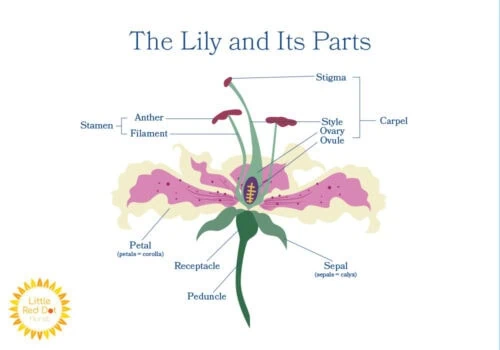
The structure of a lily flower is quite distinctive, with six petal-like tepals (three petals and three sepals that look alike). The flowers are trumpet-shaped, bowl-shaped, or bell-shaped, with a central spike of stamens that produce pollen. Lilies grow from bulbs, which store nutrients to support the plant’s growth and flowering. These bulbs are planted in gardens or pots, and with proper care, they produce beautiful blooms year after year.
Lilies have cultural and symbolic meanings in various societies. They are associated with purity and refined beauty in Western cultures. For example, the Madonna lily (*Lilium candidum*) is a symbol of the Virgin Mary in Christian iconography. Lilies are considered good luck and are used in weddings because they are believed to bring a hundred years of love in Chinese culture. Lilies have been used in traditional medicine for their purported healing properties.
What do Lilies look like?
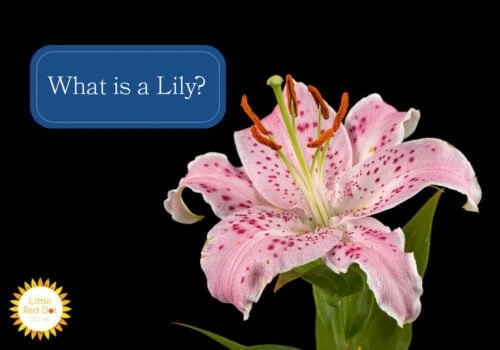
Lilies look like elegant, tall plants with smooth, bright green narrow and lance-shaped leaves. Lilies have sturdy, upright stems supporting their large, colourful, fragrant flowers. They look like they have a central stem from which their leaves and flowers emerge, rather than traditional branches. Lilies look like they are free of thorns or spines, unlike other plants, making them easy to handle. Lilies look like they come in various shapes and colours, adding beauty to gardens and floral arrangements.
The look of a lily is shown in the image below.
What does a Lily Symbolise?
Lily symbolise a range of meanings and emotions, varying by culture and context. Lily meaning is deeply embedded in history, art, and tradition, making the flowers significant in various aspects of life. Lilies are associated with purity, rebirth, and renewal. Their delicate and pristine appearance contributes to the association, making them a popular choice for many significant occasions.
Lily symbolism is profound in art. Lilies have been featured in paintings, sculptures, and literature throughout history, representing purity and divine beauty. For instance, the Madonna lily (Lilium candidum) is depicted in scenes of the Annunciation in Christian art, symbolising the Virgin Mary’s purity and innocence. Using lilies underscores their long-standing connection to themes of chastity and holiness.
Lilies symbolise the purity and commitment of the couple In weddings and marriages. The lily meaning in the context emphasises a fresh start and a new beginning, which aligns perfectly with the vows and promises made during a wedding ceremony. White lilies are chosen for bridal bouquets and decorations to enhance the sense of purity and elegance on the special day.
Lily’s symbolism extends to themes of endurance and renewal. Lilies grow from bulbs, which store nutrients and allow the plant to survive harsh conditions and bloom again. The resilience is mirrored in their symbolic representation of endurance and perseverance. Lilies remind people that after a period of dormancy or challenge, there is the potential for renewal and growth.
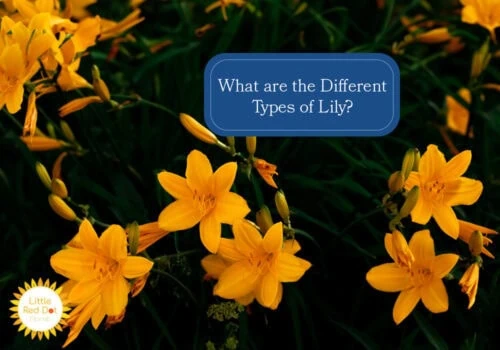
What are the Different Types of Lily?
The different types of lily are listed below.
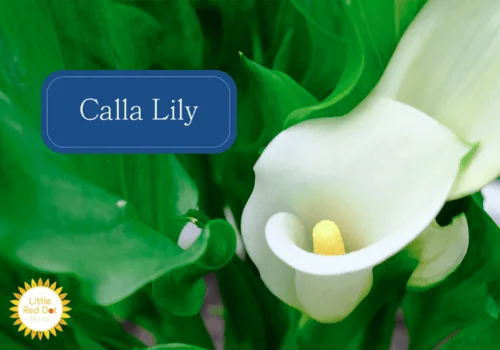
- Calla Lily: Calla lilies are known for their distinctive trumpet-shaped flowers and smooth, waxy texture. They come in various colours, including white, pink, yellow, and deep purple. These elegant blooms are used in wedding bouquets and floral arrangements.
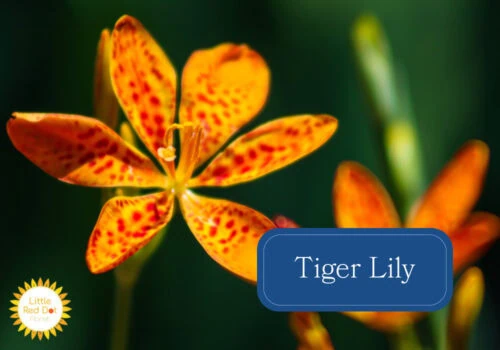
- Tiger Lily: Tiger lilies are recognised by their bright orange flowers adorned with dark spots, resembling a tiger’s coat. They have recurved petals and long stamens, giving them a unique and striking appearance. These lilies are hardy and thrive in various conditions.
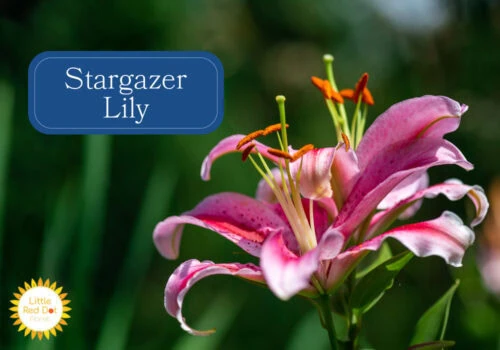
- Stargazer Lily: Stargazer lilies are a hybrid variety known for their vibrant pink petals with white edges and a sweet, strong fragrance. The flowers face upwards, the name “Stargazer.” They are popular in bouquets and gardens for their eye-catching beauty and scent.
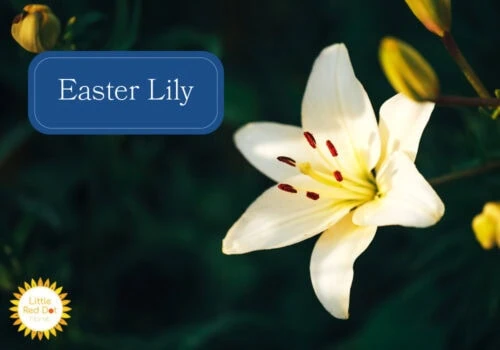
- Easter Lily: Easter lilies are associated with the Easter holiday, symbolising purity and resurrection. They have large, white, trumpet-shaped flowers and a pleasant fragrance. These lilies are grown as potted plants and used in religious celebrations.
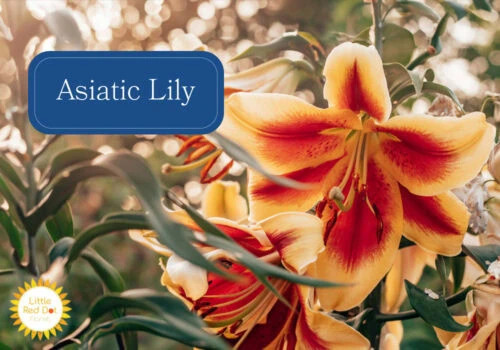
- Asiatic Lily: Asiatic lilies are among the most diverse and widely cultivated lilies. They are known for their bright colours and lack of fragrance. They come in shades of orange, yellow, red, pink, and white. Asiatic lilies are early bloomers prized for their hardiness and ease of care.
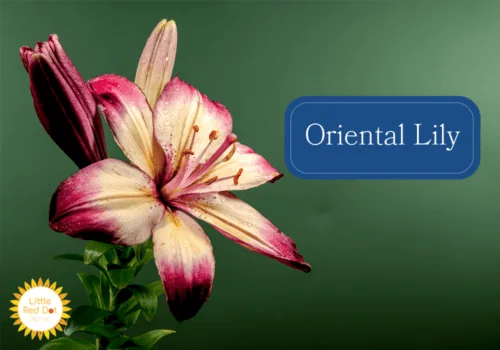
- Oriental Lily: Oriental lilies are renowned for their large, fragrant flowers and exotic appearance. They have wide petals that are white, pink, red, or a combination of colours, with contrasting spots or stripes. Oriental lilies bloom later in the season and are popular in cut flower arrangements.
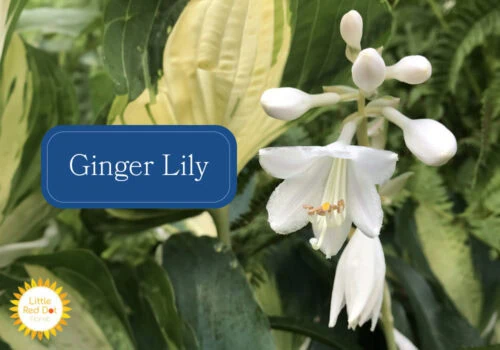
- Ginger Lily: Ginger lilies are not true lilies but belong to the Zingiberaceae family. They have lush, tropical foliage and fragrant white, yellow, or orange flowers. Ginger lilies are grown for their aromatic blossoms and ornamental value in gardens.
- Trumpet Lily: Trumpet lilies have large, trumpet-shaped flowers that are white, yellow, or pink. They are known for their strong fragrance and tall, sturdy stems. Trumpet lilies bloom in mid to late summer and make a dramatic statement in gardens and floral displays.
- Martagon Lily: Martagon lilies (Turk’s cap lilies) have distinctive, downward-facing flowers with recurved petals. They come in various colours, including pink, purple, yellow, and white with spotted patterns. Martagon lilies are shade-tolerant and add a unique touch to woodland gardens.
- Rubrum Lily: Rubrum lilies are Oriental lily with striking pink to deep red flowers and white edges. They have a strong, sweet fragrance and recurved petals with dark spots. These lilies are highly valued for their beauty and are used in floral arrangements and garden displays.
1. Calla Lily
Calla lily (Zantedeschia aethiopica) is a perennial flowering plant native to southern Africa. Calla lily is not a true lily but belongs to the Araceae family despite its name. The Calla lily is a popular choice in gardens and floral arrangements and is known for its striking, trumpet-shaped flowers.
Calla lilies have smooth, waxy, and large green leaves that are arrow-shaped. The flower, or spathe, comes in various colours, including white, pink, yellow, and deep purple, with the most common being white. The central spike, or spadix, contains tiny flowers that are overlooked due to the prominence of the spathe. These plants thrive in moist, well-drained soil and grow up to 2-3 feet tall.
Calla lilies are used in ornamental gardening and as cut flowers in bouquets and floral arrangements. They are favoured for wedding bouquets and other ceremonial decorations due to their elegant appearance. Calla lilies are grown as potted plants for indoor decoration.
Conservation efforts focus on maintaining their natural habitats and preventing over-harvesting in the wild, while Calla lilies are not considered endangered. Sustainable cultivation practices and responsible sourcing are encouraged to ensure these beautiful plants continue thriving in their native regions and horticulture.
Calla lilies hold various cultural significance around the world. They symbolise purity and rebirth In Western cultures, making them popular for weddings and funerals. Calla lilies are depicted as symbols of beauty and elegance in art and literature. They are associated with the Virgin Mary in Christian iconography, symbolising holiness and faith. A single stem costs between S$2 to S$5 on average.
2. Tiger Lily
The Tiger lily (Lilium lancifolium or Lilium tigrinum) is a perennial flowering plant native to East Asia. Tiger lily is a member of the Liliaceae family and is popular in gardens and floral displays, which are recognised for its striking orange flowers with dark spots.
Tiger lilies have tall, erect stems that reach heights of 3 to 6 feet. The flowers are bright orange with dark spots and recurved petals, making them distinctive. Each stem produces several blooms, and the plant’s leaves are lance-shaped and grow in a whorled pattern along the stem. Tiger lilies prefer well-drained soil and are full to partial sunlight.
Tiger lilies are used as ornamental plants in gardens due to their vibrant colour and unique appearance. They are popular as cut flowers in floral arrangements. Parts of the plant have been used for their purported medicinal properties, although caution is advised due to its toxicity in traditional medicine.
Conservation efforts focus on protecting their natural habitats and promoting sustainable gardening practices, while Tiger lilies are not considered endangered. They are cultivated extensively in some regions, which helps maintain their populations and reduces the need for wild harvesting.
Tiger lilies hold cultural significance in various Asian cultures, symbolising prosperity, wealth, and pride. They are associated with motherhood and fertility in some traditions. The striking appearance of the Tiger lily has made it a popular subject in art and literature, representing boldness and confidence. A single bulb costs between S$3 to S$6.
3. Stargazer Lily
The Stargazer lily is known for its stunning and fragrant blooms, a hybrid variety of the Oriental lily (Lilium). Stargazer lily is cherished for its upward-facing flowers developed in the late 1970s, which give the appearance of “gazing at the stars,” hence its name.
Stargazer lilies are characterised by their large, star-shaped flowers, which are vibrant pink, edged in white and speckled with dark spots. The flowers are up to 8 inches in diameter and borne on tall, sturdy stems that reach heights of 3 to 4 feet. The plant’s leaves are lance-shaped and dark green and grow along the stem. Stargazers prefer well-drained soil and full sunlight to partial shade.
Stargazer lilies are widely used in floral arrangements and bouquets due to their striking appearance and strong, sweet fragrance. They are popular for special occasions such as weddings, anniversaries, and other celebrations. They serve as eye-catching ornamental plants that add a touch of elegance and colour in gardens.
Horticulture conservation efforts focus on promoting sustainable cultivation practices and responsible breeding to ensure the continued availability of healthy and robust plants. Gardeners are encouraged to buy bulbs from reputable sources to support these efforts.
Stargazer lilies hold significant cultural meaning, symbolising ambition, success, and prosperity. The bold colours and fragrance of stargazer lilies make them a favourite in celebrations and rituals. They are associated with aspirations and achieving one’s dream in floral symbolism, making them a thoughtful gift for individuals embarking on new ventures. A single-cut stem costs between S$3 to S$5. The price per stem is slightly lower when bought as part of a bouquet or floral arrangement.
4. Easter Lily
The Easter lily (Lilium longiflorum) is a perennial flowering plant native to the Ryukyu Islands of Japan and Taiwan. Easter lilies are renowned for their large, white, trumpet-shaped flowers and is associated with the Easter holiday, symbolising purity, hope, and rebirth.
Easter lilies have tall, slender stems that grow up to 3 feet tall. The flowers are pure white, trumpet-shaped, and highly fragrant, with each stem producing several blooms. The plant’s leaves are narrow and dark green and grow along the stem. Easter lilies thrive in well-drained soil and prefer full sunlight to partial shade.
Easter lilies are used as ornamental plants during the Easter season in religious ceremonies and home decorations. They are given as gifts and used to adorn churches and homes to celebrate the holiday. They are popular in gardens and as potted plants for indoor decoration outside the Easter season.
Conservation efforts for Easter lilies focus on sustainable cultivation practices in regions where they are grown extensively for commercial purposes. Growers are encouraged to use friendly methods to ensure the health of the plants and the surrounding ecosystem. Responsible sourcing and propagation are promoted to maintain healthy populations.
Easter lilies hold significant cultural and religious symbolism. They represent the resurrection of Jesus Christ and are a prominent symbol of the Easter holiday in Christian traditions. Their pure white colour symbolises purity and innocence, making them a fitting representation of the spiritual themes of Easter. The association with rebirth and renewal makes them a meaningful addition to celebrating new beginnings.
A single stem costs between S$2 to S$5. Potted Easter lily plants, which are popular during the Easter season, range from S$10 to S$30, depending on the size and number of blooms. Prices are higher around the Easter holiday due to increased demand.
5. Asiatic Lily
The Asiatic lily is one of the most diverse and widely cultivated groups of lilies, a member of the genus Lilium. Asiatic lilies are popular in gardens and floral arrangements known for their bright, vibrant colours and hardy nature.
Asiatic lilies have sturdy, upright stems ranging from 2 to 4 feet. The flowers come in various colours, including shades of orange, yellow, red, pink, and white, with little or no fragrance. The blooms are smaller and less fragrant than other lily varieties but are known for their vibrant hues and long-lasting nature. The leaves are narrow, lance-shaped, and grow along the stem.
Asiatic lilies are used in ornamental gardening due to their vivid colours and ease of care. They are popular as cut flowers in floral arrangements, adding a splash of colour to bouquets and centrepieces. Their hardy nature makes them a favourite among gardeners looking for low-maintenance, high-impact plants.
Conservation efforts focus on sustainable cultivation and breeding practices to ensure the availability of healthy plants while Asiatic lilies are not endangered. Promoting biodiversity in horticulture and preventing the spread of pests and diseases are key aspects of these efforts. Gardeners are encouraged to purchase bulbs from reputable sources to support these practices.
Asiatic lilies hold various cultural significance depending on the region. They symbolise purity, marriage, and abundance in general. They are associated with positivity and happiness, making them popular for celebratory events and gifts in some cultures. Their bright, cheerful colours represent joy and good fortune.
The price of Asiatic lilies varies depending on the season, size, and form of purchase. A single cut stem costs between S$2 and S$4. The price per stem is lower when bought as part of a bouquet or floral arrangement. Potted Asiatic lily plants range from S$10 to S$30, depending on the size and variety. Bulbs are available for purchase, costing between S$1 and S$3 each.
6. Oriental Lily
Oriental lilies are prized for their large, exotic blooms and strong fragrance. These perennial flowering plants are hybrids, developed from species native to Japan and other East Asian parts. Oriental lilies are celebrated for their striking appearance and sweet scent.
Oriental lilies have tall, sturdy stems that reach 3 to 6 feet. The flowers are large, up to 10 inches in diameter, with wide, overlapping petals that are white, pink, red, or a combination of colours, with contrasting spots or stripes. The blooms are known for their intense fragrance filling a room or garden. The leaves are lance-shaped, dark green, and grow along the stem.
Oriental lilies are widely used in floral arrangements and bouquets due to their dramatic appearance and strong, sweet fragrance. They are popular for special occasions such as weddings, anniversaries, and other celebrations. They are eye-catching ornamental plants that bloom in mid to late summer in gardens, providing colour and fragrance when many other plants have bloomed.
Conservation efforts for Oriental lilies focus on sustainable cultivation practices and responsible breeding to ensure the continued availability of healthy plants. Protecting their natural habitats and preventing over-hybridization are important to maintain genetic diversity. Gardeners are encouraged to buy bulbs from reputable sources to support these efforts.
Oriental lilies hold significant cultural meanings, symbolising beauty, purity, and elegance. They are associated with wealth and prosperity in many cultures. Their bold colours and strong fragrance make them a favourite in celebrations and rituals, and they are used to convey messages of love and admiration. They are seen as a representation of refined beauty and luxury in floral symbolism. A single cut stem costs between S$3 to S$6.
7. Ginger Lily
Ginger lilies, belonging to the genus Hedychium, are not true lilies but are part of the Zingiberaceae family. These tropical plants are known for their lush foliage and fragrant, exotic flowers, making them popular for gardens and landscapes in warm climates.
Ginger lilies have tall, reed-like stems that reach heights of 4 to 8 feet. The leaves are large, lance-shaped, and arranged along the stem, giving the plant a lush, tropical appearance. The white, yellow, or orange flowers grow in dense clusters at the top of the stems. They are highly fragrant, emitting a sweet, ginger-like scent. Ginger lilies thrive in moist, well-drained soil and prefer partial to full sunlight.
Ginger lilies are used as ornamental plants in gardens and landscapes due to their striking appearance and fragrant flowers. They are used in floral arrangements, in tropical-themed designs. The parts of the ginger lily are used in traditional medicine, although use is less common in some cultures.
Conservation efforts for ginger lilies focus on preserving their natural habitats and preventing the spread of invasive species. The ginger lilies have become invasive, outcompeting native plants in some regions. Efforts are made to manage their growth and ensure they do not disrupt local ecosystems. Gardeners are encouraged to plant ginger lilies responsibly and avoid introducing them into non-native areas where they might become invasive.
Ginger lilies hold cultural significance in several tropical and subtropical regions. They are associated with beauty and elegance due to their lush foliage and fragrant blooms. A ginger lily is used in traditional ceremonies and rituals in some cultures. The sweet fragrance of ginger lilies is prized, and the flowers are sometimes used in making perfumes and scented products. Cut stems for floral arrangements cost between S$3 to S$7 each.
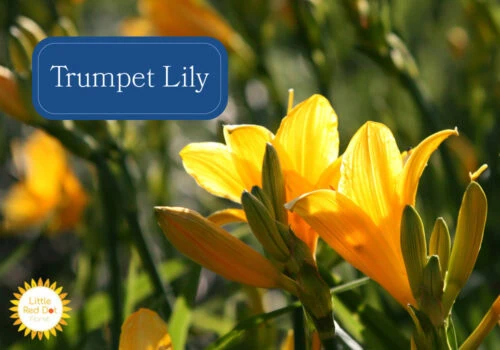
8. Trumpet Lily
Trumpet lilies are renowned for their large, trumpet-shaped flowers and robust fragrance. Trumpet lilies are native to China and are a popular choice in gardens and floral arrangements due to their striking blooms and hardy nature.
Trumpet lilies have tall, sturdy stems that reach heights of 3 to 6 feet. The flowers are large, trumpet-shaped, and come in colours such as white, yellow, pink, and a combination of these hues. The blooms up to 10 inches in length and are known for their strong, sweet fragrance. The leaves are long, narrow, and dark green, growing along the stem. Trumpet lilies prefer well-drained soil and full sunlight to partial shade.
Trumpet lilies are widely used in gardens for their dramatic and fragrant flowers. They are popular as cut flowers in bouquets and floral arrangements, adding elegance and a pleasant scent. They are used as focal points in garden designs and landscaping due to their tall stature and eye-catching blooms.
Conservation efforts for trumpet lilies focus on sustainable cultivation practices and protecting their natural habitats. Wild populations are at risk due to habitat destruction and overharvesting in some regions. Efforts are made to promote responsible bulb growing and sourcing to ensure the long-term survival of these plants. Gardeners are encouraged to buy bulbs from reputable suppliers who adhere to conservation standards.
Trumpet lilies have various cultural significance, symbolising purity, beauty, and abundance. They are associated with celebrations and important life events such as weddings and anniversaries in many cultures. Their majestic blooms and strong fragrance make them a popular choice for religious and ceremonial occasions, where they symbolise prosperity and good fortune. A single cut stem costs between S$4 and S$8.
9. Martagon Lily
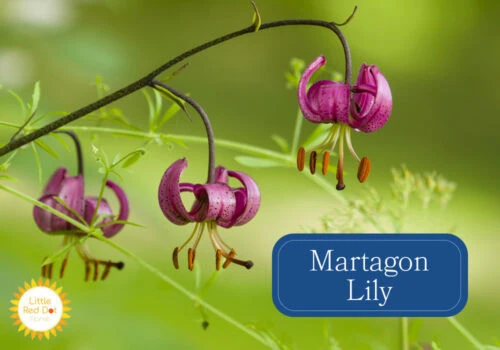
Martagon lilies (Lilium martagon) are a species of true lilies native to Eurasia. Martagon lilies are distinguished by their unique Turk’s cap lilies, downward-facing flowers and recurved petals. These perennial plants are cherished for their elegance and ability to thrive in shaded areas.
Martagon lilies have tall, slender stems that reach heights of 3 to 6 feet. The flowers are small to medium-sized, 2 to 3 inches in diameter, and come in pink, purple, yellow, and white, with spotted patterns. The petals are strongly recurved, giving the flower a distinctive, turban-like appearance. The leaves are lance-shaped and arranged in whorls around the stem. Martagon lilies prefer well-drained, humus-rich soil and tolerate partial to full shade.
Martagon lilies are used as ornamental plants in gardens in woodland and shaded garden settings where their unique flowers and shade tolerance make them valuable. They are popular among collectors and enthusiasts of rare and unusual plants. They are used in floral arrangements due to their delicate beauty, though they are less common as cut flowers compared to other lily species.
Conservation efforts for a Martagon lily focus on protecting their natural habitats and preventing overharvesting. Wild populations are threatened by habitat loss and illegal collection in some areas. Efforts are made to promote sustainable cultivation and educate gardeners about preserving wild populations. Botanical gardens and conservation organisations participate in propagation and reintroduction programs.
Martagon lilies have cultural significance in various regions, symbolising beauty, resilience, and charisma. Their unique, nodding flowers are seen as a symbol of grace and subtle elegance. They are associated with the mystical and the rare, adding to their allure in folklore. The term “Turk’s cap lily” comes from the flower’s resemblance to a traditional Turkish turban, further highlighting its distinctive appearance. A single-cut stem, though less commonly available, costs between S$5 to S$10.
10. Rubrum Lily
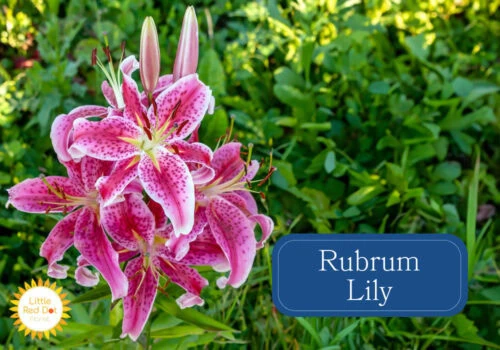
Rubrum lilies are a type of Oriental lily known for their striking pink to deep red flowers with white edges. Rubrum lilies are cherished for their beauty and strong fragrance. They are classified under Lilium, making them popular in gardens and floral arrangements.
Rubrum lilies have tall, sturdy stems that grow up to 4 to 6 feet. The flowers are large, measuring 6 to 8 inches in diameter, with recurved petals that display a vibrant mix of pink, red, and white, speckled with dark spots. The blooms emit a strong, sweet fragrance that perfume an entire area. The leaves are lance-shaped, dark green, and grow along the stem. Rubrum lilies prefer well-drained soil and full sunlight to partial shade.
Rubrum lilies are used in ornamental gardening due to their striking appearance and fragrance. They are popular as cut flowers in bouquets and floral arrangements, adding elegance and a pleasant scent. They are focal points, planted in groups to create a dramatic garden display. A Rubrum lily are used in landscaping for their tall, showy blooms.
Conservation efforts for Rubrum lilies focus on sustainable cultivation practices and protecting their natural habitats. Rubrum lilies hold significant cultural meanings, symbolising wealth, prosperity, and success. Their bold colours and strong fragrance make them a favourite in celebrations and rituals, which convey messages of love, admiration, and respect. They are associated with refined beauty and luxury in floral symbolism, making them a popular choice for special occasions and gifts. A single cut stem costs between S$4 to S$8.
What are the Different Colours and Meaning of a Lily?
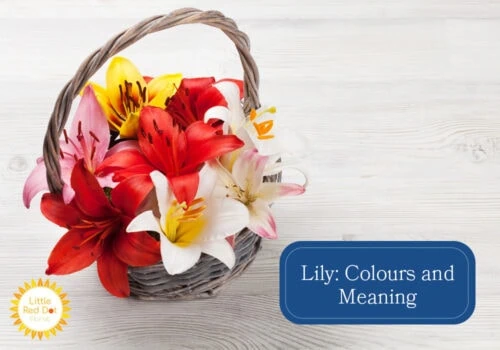
The different colours and meaning of Lily are listed below.
- White Lily: White lily is used in weddings and funerals to symbolise purity and the soul’s return to a peaceful state.
- Pink Lily: Pink lily is used in celebrations and as a gesture of admiration and good fortune.
- Red Lily: Red lily is used in romantic settings to express deep emotions and romantic love.
- Yellow Lily: The yellow lily conveys happiness and positive energy and is given as a token of appreciation and friendship.
- Orange Lily: Orange lily meaning represents a sense of pride and assurance, used in ceremonies to honour achievements and milestones.
- Purple Lily: Purple lily is associated with admiration and dignity, used in more formal and luxurious arrangements.
- Blue Lily: The blue lily represents calm and spiritual reflection. It is less common but symbolises peace and serenity when used.
- Black Lily: The black lily symbolises mystery and sophistication and is used in artistic and dramatic settings.
How to Grow Lilies?
To grow lilies, follow the 7 steps listed below.
- Choose the Right Location. Ensure the location receives full sunlight, with at least 6 hours of direct sun daily. Lilies tolerate partial shade, but full sun is ideal for optimal blooming. Lilies thrive in temperate climates. They need a cold period in winter to trigger blooming, so they do best in regions with distinct seasons.
- Prepare the Soil. Lilies prefer well-drained soil rich in organic matter. Amend the soil with compost or well-rotted manure to improve fertility and drainage. Aim for a slightly acidic to neutral pH (6.0 to 7.0). Consider adding sulphur or peat moss to adjust the pH if the soil is too alkaline.
- Plant lily bulbs in the fall or early spring, depending on your climate. Fall planting allows the bulbs to establish roots before winter. Plant the bulbs about 6 to 8 inches deep with the pointed end facing upwards. Space the bulbs 8 to 12 inches apart to allow adequate air circulation and room for growth. Apply a 2-3 inch layer of mulch over the planting area to retain moisture, regulate soil temperature, and suppress weeds.
- Water the bulbs thoroughly after planting to help them settle into the soil. Keep the soil consistently moist but not soggy. Water deeply once or twice a week, depending on the weather, ensuring the soil remains damp but not soggy.
- Use a balanced fertiliser (e.g., 10-10-10) when new growth begins in spring. Fertilise monthly during the growing season to support healthy growth and vibrant blooms.
- Inspect regularly for pests like aphids and lily beetles. Use insecticidal soap or neem oil if needed. Ensure good air circulation around the plants to prevent fungal diseases. Avoid overhead watering and remove any affected foliage immediately.
- Apply a thick layer of mulch over the bulbs in late fall to protect them from freezing temperatures. Ensure the soil is well-drained during the winter months to prevent bulb rot. Enjoy healthy, vibrant Lily plants that bring beauty to the garden for years to come by following these steps for growing Lilies.
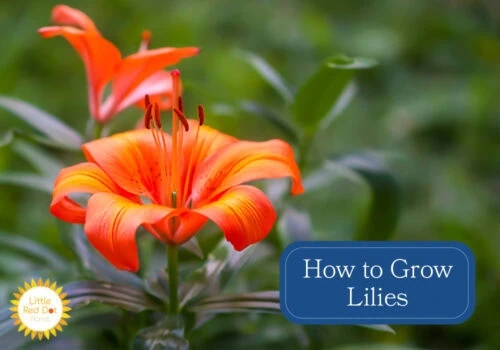
When to Plant Lilies?
Plant lilies when fall, four weeks before the first frost. The timing allows the bulbs to establish roots before the ground freezes, ensuring a strong start in the spring. Planting occurs in early spring in regions with mild winters when the ground is workable. Planting in the fall is preferred because it gives the bulbs a period of cold dormancy, essential for their development and subsequent blooming.
The growing season for lilies spans from late spring to early fall. Lilies emerge from the soil in early to mid-spring, depending on the climate and specific variety. They grow vigorously through the spring and early summer, blooming from June to August. The exact blooming period varies based on the type of lily and local growing conditions. The plants continue to grow and store energy in the bulbs for the next season until late fall, after blooming when they begin to enter dormancy.
Planting lilies at the right time ensures robust growth and prolific blooming. Fall planting is ideal for most climates, giving bulbs time to establish roots. The early spring planting is successful in regions with less severe winters. Monitoring the growing season and understanding local frost dates help gardeners choose the optimal planting time, ensuring healthy, vibrant lily plants.
Do Lilies Multiply?
Yes, lilies do multiply. Lilies propagate through their bulbs, which divide and produce new bulbs over time. The process, known as vegetative propagation, allows a single lily bulb to form a clump of plants over several growing seasons. The original bulb produces one or more smaller offset bulbs each year, which grow to mature size and produce flowers of their own.
Lilies propagate through bulbils in addition to natural bulb division, which are small, bulb-like structures that form in the leaf axils of certain lily species, such as the tiger lily. These bulbils are collected and planted, growing into new lily plants over time. The method of propagation is slower than bulb division but an effective way to expand a lily garden.
Gardeners encourage multiplication by providing optimal growing conditions, such as well-drained soil, adequate sunlight, and regular watering. Dig up and divide the bulbs to promote better air circulation and growth after a few years, when the clump becomes crowded. The process helps to maintain the health of the plants and allows gardeners to spread lilies to other areas of the garden or share with others.
What are the Common Challenges in Growing Lilies?
The Common Challenges in Growing Lilies are listed below.
- Pests: Inspect plants and remove pests by hand. Use insecticidal soap or neem oil for aphids and lily beetles. Place slug traps or use slug bait to control slugs.
- Fungal Diseases: Ensure proper spacing for air circulation, avoid overhead watering, and remove affected plant parts. Apply a fungicide if necessary, and maintain good garden hygiene by cleaning up debris.
- Bulb Rot: Plant lilies in well-drained soil and avoid overwatering. Amend organic matter to improve drainage and ensure bulbs are not planted too deeply.
- Animal Damage: Protect plants with physical barriers like fencing or netting. Apply animal repellents around the garden, and consider planting companion plants that deter animals.
- Weak Stems: Stake tall lilies early in the growing season to provide support. Plant lilies in groups so they support each other, and ensure they receive adequate sunlight for strong growth.
- Poor Flowering: Apply a balanced fertiliser in early spring and again as flowers develop. Ensure lilies receive full sunlight and are not overcrowded. Divide clumps every few years to rejuvenate the plants.
- Environmental Stress: Mulch around plants to regulate soil temperature and moisture levels. Water lilies are used during dry periods, and proper drainage is ensured during rainy seasons. Choose lily varieties suited to your local climate conditions.
- Virus Infections: Remove and destroy infected plants to prevent the spread of the virus. Purchase virus-free bulbs from reputable suppliers and control aphid populations as they transmit viruses.
What are the Best Tips in Growing Lilies?
The best tips in growing lilies are listed below.
- Choose the Right Variety: Select lily varieties suited to the climate and garden conditions. Consider factors like bloom time, height, and colour.
- Plant in Well-Drained Soil: Ensure soil is well-drained and rich in organic matter. Add compost or peat moss to improve soil structure and fertility.
- Proper Planting Depth and Spacing: Plant bulbs 6 to 8 inches deep and space them 8 to 12 inches apart to allow for adequate air circulation and root development.
- Provide Adequate Sunlight: Plant lilies in locations that receive full sunlight for at least six hours daily. Some varieties tolerate partial shade but bloom best in full sun.
- Water Consistently: Water lilies deeply but infrequently, ensuring the soil remains moist but not waterlogged. Mulch to retain moisture and regulate soil temperature.
- Fertilise Regularly: Use a balanced fertiliser, such as 10-10-10, in early spring and continue monthly feedings until flowering. Avoid over-fertilizing, which causes excessive foliage growth at the expense of blooms.
- Support Tall Varieties: Stake tall lilies early in the growing season to support and prevent stems from falling over. Planting in groups offers mutual support.
- Deadhead Spent Flowers: Remove spent flowers to encourage more blooms and prevent seed formation, which sap the plant’s energy.
- Protect from Pests and Diseases: Inspect plants for signs of pests and diseases. Use insecticidal soap or neem oil for pest control and fungicides for fungal infections. Maintain good garden hygiene.
- Divide and Replant: Dig up and divide crowded clumps of lilies every few years to rejuvenate them and promote better blooming. Replant bulbs immediately at the correct depth.
- Winter Protection: Mulch heavily around the base of the plants to protect bulbs from freezing temperatures in colder climates. Ensure good drainage to prevent rot during the rainy season in milder climates.
- Use Companion Plants: Plant lilies with companion plants that help deter pests, such as marigolds or alliums. Companion planting enhances the garden’s visual appeal.
- Regular Monitoring: Keep a close eye on the lilies throughout the growing season. Promptly address any issues like yellowing leaves, poor flowering, or signs of stress to maintain plant health.
How long is the Lifespan of a Fully Grown Lily?
The lifespan of a fully grown lily is 3 to 7 years or more, depending on the care it receives and the growing conditions. The longevity of a lily plant depends on several factors, including soil quality, climate, and maintenance practices. Lily bulbs continue to produce flowers for decades with proper care.
Lilies propagate by forming new bulbs (offsets), which extend the plant’s lifespan even further. These offsets develop into mature bulbs, allowing the lily to spread and rejuvenate. Gardeners ensure their lily plants’ continuous vitality and blooming by dividing and replanting these bulbs every few years.
Environmental stressors such as extreme weather, poor soil conditions, and pest infestations shorten a lily’s lifespan. Lilies thrive and bloom beautifully year after year with consistent watering, fertilisation, pest control, and proper planting techniques, making them a long-lasting addition to any garden.
How to Take Care of Lilies?
To take care of lilies, there are four steps to ensure they thrive and produce beautiful blooms. Firstly, start by planting them in well-drained soil enriched with organic matter. Secondly, how to take care lilies involves placing the bulbs about 6 to 8 inches deep and spacing them 8 to 12 inches apart. Thirdly, ensure the site receives full sunlight for at least six hours a day, although some varieties tolerate partial shade. Lastly, regular watering is crucial during dry periods, but avoid waterlogging the soil. Applying mulch around the plants helps with lily care, retains moisture, and keeps the soil cool.
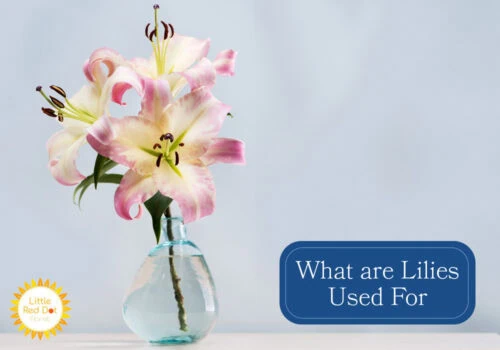
What are Lilies Used For?
The lilies used are listed below.
- Ornamental Gardening: Lilies serve as focal points, borders, and companions to other plants, enhancing the aesthetic appeal of outdoor spaces.
- Cut Flowers: A lily is used in weddings, special occasions, and as gifts to convey various sentiments.
- Perfumes and Fragrances: Lily uses perfumes, lotions, and aromatherapy products for their pleasing aroma.
- Symbolic and Cultural Significance: Lily is utilised in religious ceremonies, funerals, and celebrations to convey specific symbolic messages.
- Medicinal Uses: Extracts and parts of certain lilies are used in herbal remedies for conditions like respiratory issues and skin ailments.
- Culinary Uses: Lilies are incorporated into soups, stews, and other dishes in Asian cuisine for their starchy texture and nutritional value.
- Landscape Design: Lilies are employed in public parks, botanical gardens, and commercial properties because they are beautiful and low-maintenance.
- Crafts and Decorations: Dried lily petals and flowers are incorporated into wreaths, potpourri, and other decorative items.
- Potted Plants: Lilies are ideal for adding colour and fragrance to indoor spaces and as seasonal gifts.
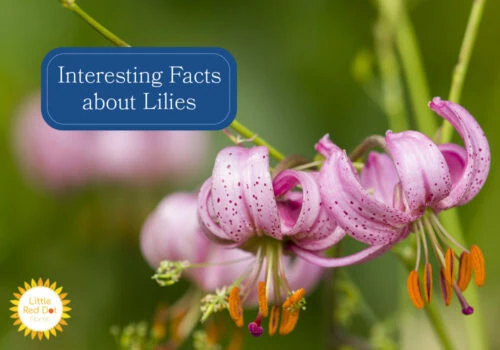
What are Interesting Facts about Lilies?
Interesting facts about lilies are listed below.
- Ancient Symbolism: Lilies were associated with the goddess Hera and Venus, representing purity and motherhood in ancient Greek and Roman mythology.
- Variety of Species: Lilies are native to the Northern Hemisphere’s temperate regions and belong to the genus Lilium.
- Toxicity to Pets: Ingesting even a small amount causes severe kidney failure in cats, making it crucial to keep lilies out of reach of pets. Toxicity to pets is one of the popular facts about lilies.
- Edible Bulbs: The bulbs of the tiger lily are used in soups and stir-fries for their starchy texture and nutritional benefits in Chinese cuisine.
- Long-Lasting Blooms: Lily flowers last up to two weeks, depending on the variety, making them excellent for cut flower arrangements.
- Wide Range of Colors: Lilies have intricate patterns and spots, adding to their visual appeal.
- Fragrance: The oriental and trumpet lilies are famous for their sweet, intoxicating scent.
- Medicinal Uses: Lily facts involve lily extracts used to treat ailments such as inflammation, burns, and respiratory issues in various cultures.
- Symbol of Fertility: Lilies are used in weddings and fertility rituals to symbolise a prosperous and fruitful union in some cultures.
- Hybrid Varieties: Gardeners and breeders have developed hybrids like the Asiatic, Oriental, and LA hybrid lilies, offering diverse colours, sizes, and blooming times.
- Historic Use in Heraldry: The fleur-de-lis, a stylised lily, is a prominent symbol in French heraldry, representing purity and nobility.
- Night-Blooming Varieties: The Casablanca lily, for instance, opens its flowers in the evening and releases a strong fragrance, attracting nighttime pollinators.
What are the other Flowers with their Symbolism?
The other flowers with their symbolism are listed below.
- Roses: Associated with romance, red roses symbolise deep love and passion, while white roses are linked to purity and innocence, similar to the purity symbolism of lilies.
- Daisies: Daisies represent innocence and purity, making them symbolically akin to lilies. They are associated with new beginnings and hope.
- Carnations: White carnations symbolise pure love and good luck, paralleling the purity and beauty associated with lilies.
- Tulips: White tulips symbolise forgiveness and purity, similar to the symbolism of lilies, which represent purity and grace.
- Gardenias: Gardenias symbolise purity and sweetness. Their association with secret love and purity resonates with Lily’s symbolism’s purity and renewal themes.
These flowers, with their rich symbolism and diverse meanings, offer a broad spectrum of themes that overlap with the purity, love, and beauty commonly associated with lilies. Delve into a list of flowers and their meanings when exploring plant symbolism. The flower symbolism list reveals the rich cultural significance behind various blooms, such as how lilies symbolise purity and renewal, making them a popular choice for meaningful occasions.