ClickCease

Closed For Private Memorial Matters from 12-19 Dec 2021.

🚚 All Deliveries will resume 20 Dec 2021 (Mon).

🚚 Free Same Day Delivery in SG Islandwide!

Note: Contactless delivery is in place. Kindly see here for Our Safety Measures.

Simple Orchid Care Tips for Beginners in Singapore Headline 1640 x 840

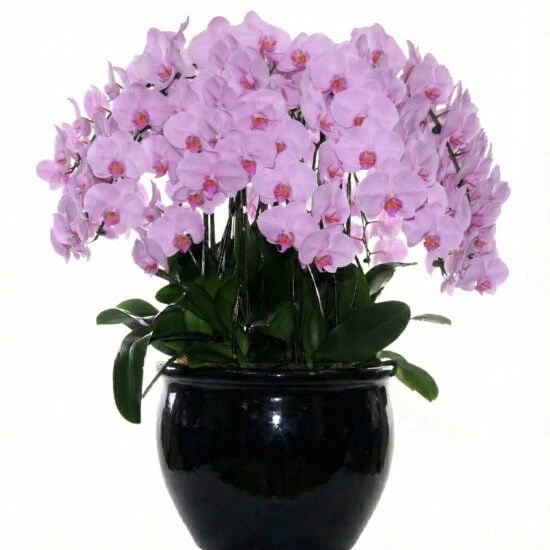
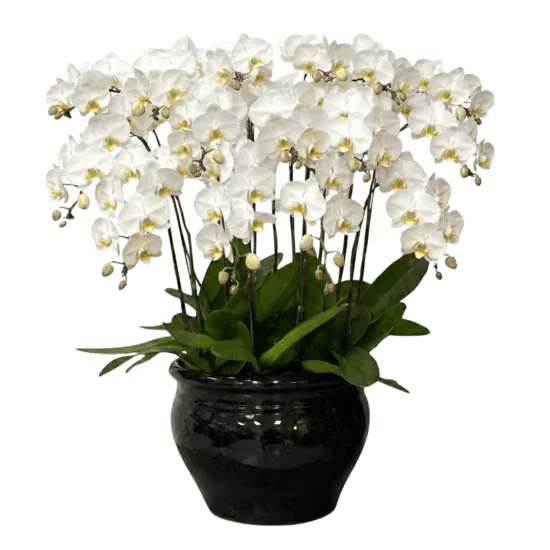
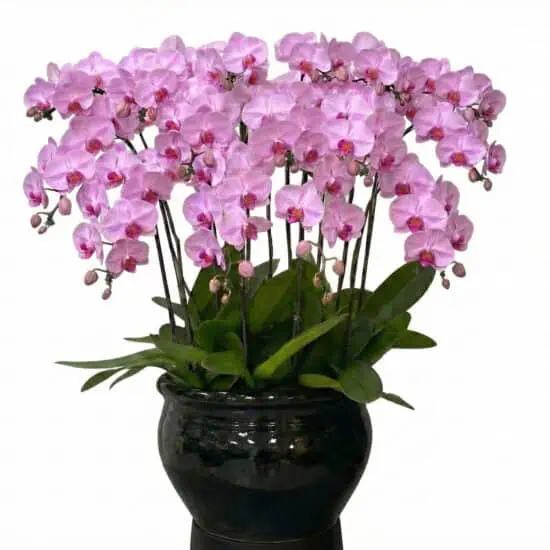
Orchids are one of the most loved flowers in Singapore: elegant, long-lasting, and perfectly suited to our tropical climate. You’ll find them in homes, offices, and shared spaces across the island, quietly adding beauty without overwhelming the environment.

Yet for many beginners, orchids can feel a little intimidating. They look delicate, and there’s often a fear of “getting it wrong.” The good news is that orchids, especially Phalaenopsis orchids, are far more resilient than they appear. With a few simple habits, they can thrive beautifully in Singapore homes.

If you’ve ever received an orchid as a gift or are thinking of bringing one into your space, here’s a gentle guide to caring for them with confidence.


Understanding Your Orchid

Before diving into care, it helps to understand what makes orchids different from typical houseplants. Phalaenopsis orchids are epiphytes, which means they naturally grow attached to trees rather than in soil. Their roots are adapted to absorb moisture from the air and surrounding environment.

This is why orchids are usually planted in bark or moss instead of regular soil. It also explains why overwatering is one of the most common mistakes. Orchids prefer light, airy conditions rather than constantly wet roots.

Once you understand this, caring for them becomes much more intuitive.


Light: Bright but Indirect

Orchids love light, but not direct sunlight. In Singapore, where the sun can be intense, placing your orchid near a bright window is ideal, as long as the light is filtered.

A spot near a window with sheer curtains or indirect daylight works beautifully. If the leaves start to turn yellow, it may be receiving too much direct sun. If they become very dark green and the plant is not blooming, it may need more light.

Think of orchids as enjoying a gentle, steady glow rather than harsh exposure.


Watering: Less Is More

One of the easiest ways to care for orchids is to simplify watering. In Singapore’s humidity, orchids generally only need to be watered about once a week.

Rather than following a strict schedule, it’s helpful to observe the plant. The roots will appear silvery or slightly dry when they need water, and turn green again after being hydrated.

When watering, allow water to flow through the pot and drain completely. Avoid letting the roots sit in standing water, as this can lead to rot. It’s also best to keep water away from the crown of the plant, where the leaves meet, to prevent damage.

A light, consistent routine is all your orchid needs.


Air and Temperature: Keep It Comfortable

Orchids thrive in environments that feel comfortable to us as well. Singapore’s indoor conditions, especially in air-conditioned spaces, are generally suitable.

They appreciate gentle air circulation but should not be placed directly under strong air-conditioning vents or fans. Sudden drafts can dry them out too quickly.

A stable environment with moderate airflow helps orchids stay healthy and balanced.


Humidity: Naturally in Your Favour

One advantage of living in Singapore is that the natural humidity already supports orchid growth. In most homes, there’s no need to artificially increase humidity levels.

If your space is very dry due to constant air-conditioning, placing the orchid near other plants or in a slightly more humid area, such as a kitchen or near a window, can help maintain its condition.

In general, orchids here benefit from the climate rather than struggle against it.


Feeding: A Gentle Boost

Orchids do not require heavy feeding, but a light boost can help them stay healthy and encourage blooms.

Using a diluted orchid fertiliser every couple of weeks is sufficient. The key is to keep it gentle. Too much fertiliser can do more harm than good.

If you prefer a low-maintenance approach, even occasional feeding will support the plant without making care complicated.


Encouraging Your Orchid to Re-Bloom

One of the most rewarding parts of orchid care is seeing it bloom again. After the flowers fall, many beginners assume the plant is no longer thriving, but this is simply part of its natural cycle.

With proper care, orchids can bloom again over time.

Keeping the plant in bright, indirect light and maintaining consistent watering helps it regain strength. Some people choose to trim the flower spike slightly after blooming, which can encourage new growth.

Patience is key. Orchids bloom at their own pace, and when they do, it feels especially satisfying.


Choosing the Right Spot at Home

Placement plays a big role in how your orchid grows. In Singapore homes, orchids do particularly well in living rooms, near windows, or on side tables where they receive light but remain sheltered.

Avoid placing them in completely dark corners or in areas exposed to strong midday sun. The goal is to find a spot where the orchid feels part of the space, not hidden away.

A well-placed orchid not only thrives, but also enhances the atmosphere of your home.


A Plant That Grows With You

Orchids are not just decorative. They invite a different kind of interaction with your space. Caring for them is not demanding, but it does require attention and presence.

Over time, you begin to notice small changes: a new leaf, a fresh root, a budding stem. These moments create a quiet sense of connection, something especially valuable in a fast-paced environment like Singapore.

Orchids remind us that growth is gradual and that beauty often unfolds slowly.


Simple Care, Lasting Beauty

At Little Red Dot Florist, we believe orchids are one of the most rewarding flowers to have at home. They are elegant without being complicated, resilient without being rigid, and long-lasting without requiring constant attention.

For beginners, the most important thing to remember is that orchids do not need perfection. They simply need consistency, a suitable environment, and a little care.

With time, they will do what they do best: bloom beautifully, again and again.