
Wedding Flower Guide: How to Choose the Perfect Wedding Bouquet
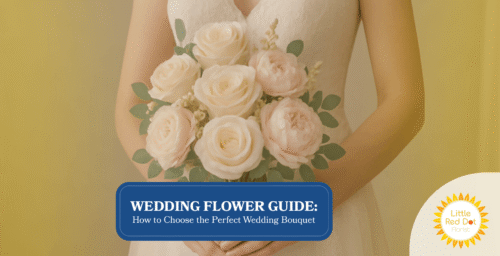
A wedding bouquet is more than just a beautiful accessory, it’s a reflection of the bride’s personality, love story, and the essence of the big day. From classic roses to elegant orchids, the flowers you choose set the tone for your ceremony and leave a lasting impression.
Whether you’re envisioning a grand ballroom celebration or an intimate garden wedding, choosing the perfect wedding bouquet can feel overwhelming. This guide will help you understand the meanings behind popular wedding flowers, how to match them to your theme, and tips for keeping them fresh and flawless throughout your special day.
Why Flowers Matter at Weddings
Flowers play a central role in weddings. They symbolise love, purity, and new beginnings — values that perfectly capture the spirit of marriage. Beyond beauty, the flowers you select also shape the atmosphere: from romantic roses to modern lilies or whimsical wildflowers, each bloom tells a story.
A well-chosen bouquet complements not only the bride’s gown but also the overall wedding aesthetic — bringing together colour, texture, and emotion in one elegant statement.
Popular Wedding Flowers and Their Meanings
When selecting flowers for your bouquet, it’s important to consider what each bloom symbolises. Here are some timeless favourites for weddings:
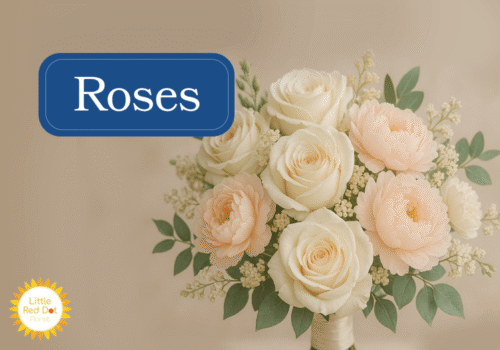
1. Roses
The most classic wedding flower, roses represent love, passion, and beauty. Choose soft pinks for romance, white for purity, or red for deep devotion.
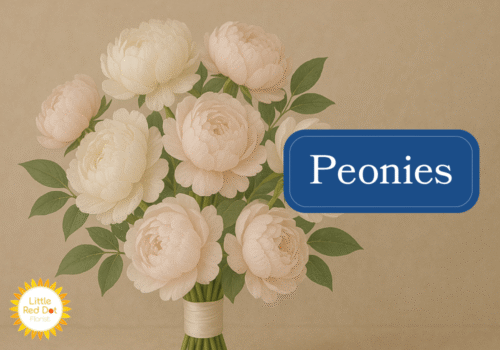
2. Peonies
Loved for their lush, full petals, peonies symbolise prosperity, happiness, and a happy marriage. Their soft texture and delicate fragrance make them a luxurious bridal favourite.
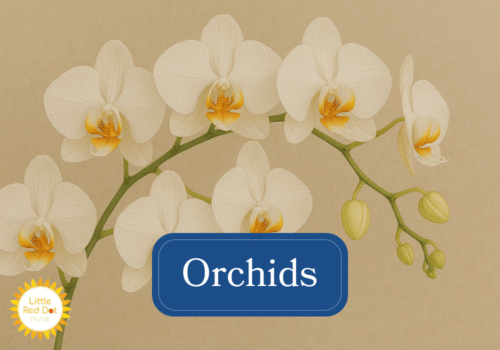
3. Orchids
Elegant and exotic, orchids symbolise refinement, beauty, and strength — perfect for modern or tropical-themed weddings. In Singapore, orchids are also a nod to the country’s national flower, representing grace and resilience.
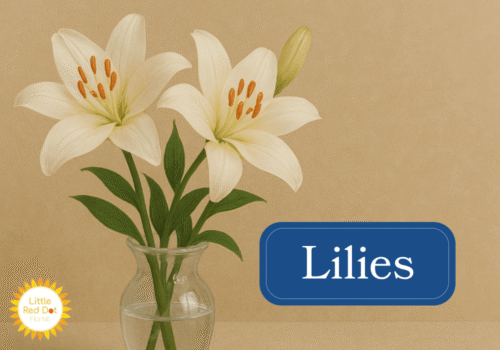
4. Lilies
Lilies, with their clean lines and graceful blooms, convey purity and devotion. White and pink lilies are especially popular in elegant or minimalist wedding settings.
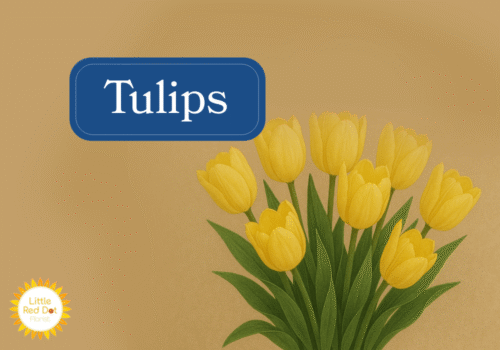
5. Tulips
Simple yet romantic, tulips represent perfect love. Available in many colours, they fit both contemporary and classic bridal styles.
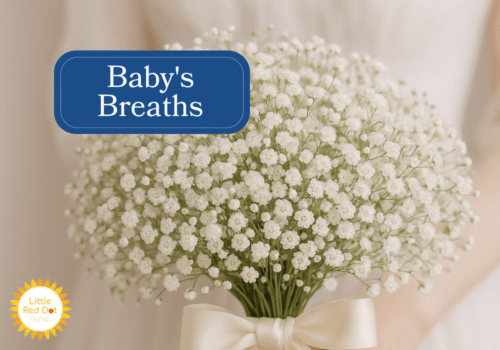
6. Baby’s Breath
Often used as a filler, baby’s breath symbolises everlasting love and purity. It adds softness and a dreamy, ethereal quality to wedding bouquets.
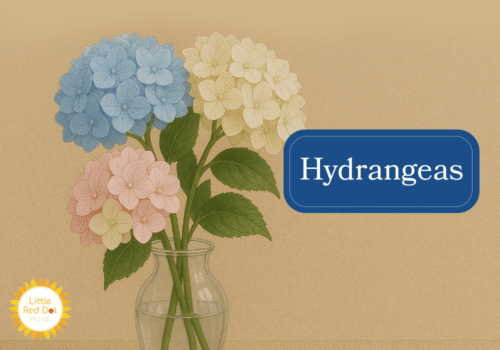
7. Hydrangeas
Hydrangeas are symbols of gratitude and heartfelt emotions. Their voluminous clusters bring texture and fullness to bouquets and arrangements.
How to Choose the Perfect Wedding Bouquet
1. Match Your Bouquet to Your Theme
Your bouquet should harmonise with the wedding’s overall look. For a classic theme, go for roses or peonies in soft blush tones. A tropical or modern wedding may feature orchids, anthuriums, or bold greenery. Rustic weddings pair beautifully with sunflowers, daisies, and wildflowers.
2. Consider the Dress
The bouquet should complement — not overpower — your gown. For intricate dresses, choose simple, structured flowers like lilies or calla lilies. For minimalist gowns, cascading bouquets with lush blooms can add drama and romance.
3. Choose a Meaningful Colour Palette
The colour of your bouquet sets the emotional tone.
- White & Ivory – purity, elegance, timeless love
- Blush & Pink – romance, sweetness, affection
- Red & Burgundy – passion and strength
- Yellow & Peach – joy and optimism
- Lavender & Blue – serenity and new beginnings
A mix of complementary shades can reflect your personal love story while enhancing the visual harmony of the wedding.
4. Prioritise Seasonality
Choosing flowers in season ensures freshness and better value. In Singapore, tropical blooms like orchids, roses, and anthuriums are available year-round, while imported flowers like peonies or tulips may be seasonal.
5. Think About Bouquet Shape
Different bouquet shapes convey different moods:
- Round bouquets – timeless and romantic
- Cascade bouquets – dramatic and elegant
- Hand-tied bouquets – natural and effortless
- Posy bouquets – light and easy to hold, perfect for modern brides
Tips for Keeping Wedding Flowers Fresh
- Keep flowers hydrated. Store them in water until just before the ceremony.
- Avoid direct heat and sunlight. Keep them in a cool, shaded area to prevent wilting.
- Mist lightly. A gentle misting can keep petals fresh and vibrant.
- Handle with care. Hold the bouquet by the stems, not the blooms, to preserve their shape.
- Consult your florist early. Working closely with your florist ensures your chosen flowers are available, conditioned, and arranged perfectly for your big day.
Wedding Flowers in Singapore
In Singapore, wedding flowers often blend tropical elegance with timeless romance. Orchids, lilies, and roses are popular choices for local weddings — admired for their resilience and beauty in humid weather.
At Little Red Dot Florist, we craft bespoke wedding bouquets and floral arrangements that capture the essence of every couple’s love story. Whether you prefer a delicate pastel bouquet, a bold tropical cascade, or something uniquely you, our florists ensure every petal reflects your vision and personality.
Fun Facts About Wedding Bouquets
- The tradition of carrying a bouquet dates back to ancient times, when brides carried herbs and blooms for luck and protection.
- Queen Victoria popularised the white wedding bouquet when she carried white roses and myrtle at her royal wedding in 1840.
- In some cultures, the wedding bouquet symbolises fertility, while in others, it’s a token of happiness and good fortune.
- The bouquet toss originated as a way to share luck — whoever catches it is believed to be the next to marry!
In Summary
Your wedding bouquet is more than just an arrangement of flowers — it’s a reflection of your love, your story, and your dreams for the future. Whether you choose romantic roses, graceful orchids, or lush peonies, the right bouquet will add beauty, meaning, and emotion to one of the most memorable moments of your life.
At Little Red Dot Florist, we’re honoured to be part of your special day — crafting bouquets that celebrate love in its purest form.