 Free Same Day Delivery Islandwide | Order by 5PM for Today’s Delivery | 800+ 5-Star Reviews
Anthurium: Varieties, How to Grow, and How to Take Care of Anthuriums
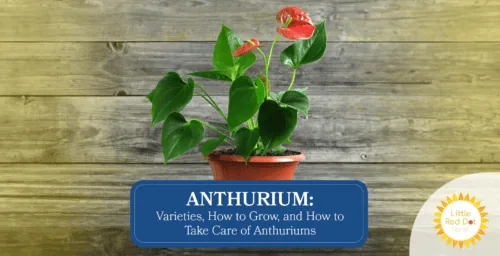
Anthurium (flamingo or pigtail) is the largest genus of the arum family (Araceae). Anthuriums are native to tropical America. They are herbaceous plants that grow as epiphytes, some are terrestrial. The leaves vary in shape and are grouped. The inflorescence produces tiny, flawless flowers with male and female components. Surrounding the blooms on the spadix are close-spaced spirals.
The spadix has a globe or club shape, although it is extended into a spike shape. The spathe is a bract that sits below the spadix. It has various shapes and reaches out straight or in a curve. It covers the spadix like a hood. The flowers give rise to the fruits, which are luscious, multi-coloured berries that contain two seeds.
An anthurium plant is poisonous because it contains calcium oxalate crystals. The flamingo or anthurium flowers have slower growth as houseplants or in greenhouses because they have evolved to endure various conditions over time. Anthuriums are resistant to insects and pests. They are not prone to infestations, even if they are not immune to typical houseplant pests like mealybugs, aphids, or spider mites.
Anthuriums have an average lifespan of 3 to 5 years but survive up to 10 years or more if given the right care. Anthuriums are beautiful and significant. The symbolism of anthuriums depends on their colours. They signify power, joy, abundance, love, and optimism.
What is an Anthurium?
Anthurium (flamingo) is a common indoor plant that looks amazing in floral arrangements. Anthurium is derived from the Greek words anthos (flower) and oura (tail) which describe the tail-like spadix that grows from the spathe of the plant. Anthuriums are native to the tropical rainforests of Central and South America. They are distinguished by their glossy, heart-shaped leaves and brilliant, spathaceous bracts.
Anthuriums come in shades of red, pink, salmon, light yellow, and green. Anthuriums have a striking appearance and their scent is not strong. The best traits of the plants are their vivid colours and distinctive shapes. Other varieties have a subtle aroma, sometimes described as fresh and green.
What does an Anthurium look like?
An anthurium looks like a spike. The anthurium plants are attractive tropical plants with glossy, heart-shaped leaves and bright, eye-catching blooms. The anthurium flower is popular for its tropical beauty in homes and gardens due to its distinctive combination of glossy foliage and bright spathes.
The foliage or leaves have a unique shape and leathery texture. The plants are poisonous because of their calcium oxalate crystals. Most are cultivated in greenhouses because they require high humidity and warm temperatures. They have no branches like other plants but have green stems holding their big leaves.
The look of an anthurium is shown in the image below.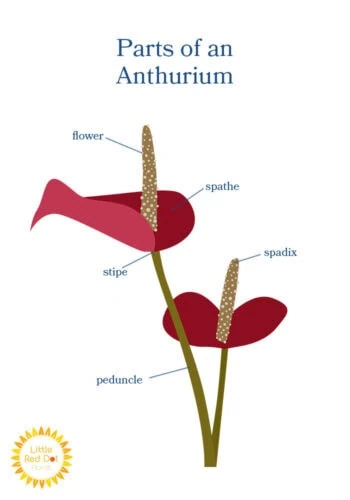
What does an Anthurium Symbolise?
An anthurium symbolises happiness, abundance, hospitality, and love. Anthuriums are used in wedding ceremonies and have strong symbolic meanings that stand for enduring love, fidelity, and the strength of a partnership. The heart-shaped spathe is connected with romantic affection, while its longevity and durability make it an appropriate emblem for the perseverance and loyalty required in a good marriage. Couples use anthuriums in flower arrangements or decorations to represent the enduring quality of their love and marriage.
The “anthurium symbolism” is endurance and determination. The “anthurium meaning” reflects the strength in relationships and life. Their capacity to grow anywhere and blossom makes them the ideal gift to express admiration for someone’s inner strength or long-term affection. The tropical flower has become a symbol of creation and art. The Anthurium became one of Loewe’s most recognisable designs, influencing world-famous personalities besides fashion editorials and ads.
What are the Different Types of Anthuriums?
The different types of Anthuriums are listed below.
- Anthurium Scherzerianum: The Anthurium Scherzerianum is another well-liked houseplant. It needs a healthy water supply and loose soil for proper growth.
- Anthurium Metallicum: The leaves of Anthurium Metallicum have a unique dark green colour and lance-shaped veins. The foliage droops on the ends of long stalks and resembles a knight’s shield.
- Anthurium Polyschistum: Anthurium Polyschistum (faux marijuana) resembles hemp and needs indirect sun. It doesn’t let its leaves hang.
- Anthurium Vittarifolium: Anthurium Vittarifolium has long, green leaves that droop like tails off the plant. It is perfect for a hanging basket and an epiphyte in its tropical habitat that grows on other trees and plants.
- Anthurium Luxurians: Anthurium Luxurians is another unique variety. Its heart-shaped, leathery leaves contain deep ridges that resemble a diamond’s surface.
What are the Famous Varieties of Anthuriums?
The famous varieties of Anthuriums are listed below.
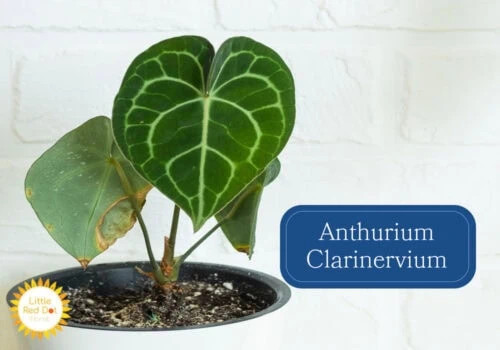
- Anthurium Clarinervium: Anthurium clarinervium is identified by its stunning, heart-shaped leaves. The thick, leathery texture of the leaves adds to their appeal. Their prominent, white veins provide a remarkable distinction. The small plant is grown inside for the unique and beautiful foliage.
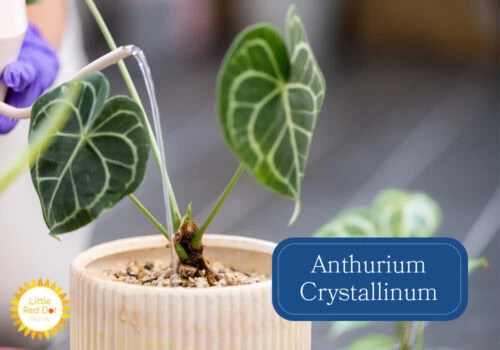
- Anthurium Crystallinum: The tropical beauty Anthurium crystallinum features huge, velvety, heart-shaped leaves that are dark green with noticeable veins of silvery-white colour. It’s a favourite plant collector because of its lush feel and ability to develop leaves that reach incredible sizes. The plant is grown for its leaves, but it produces small, less attractive flowers.
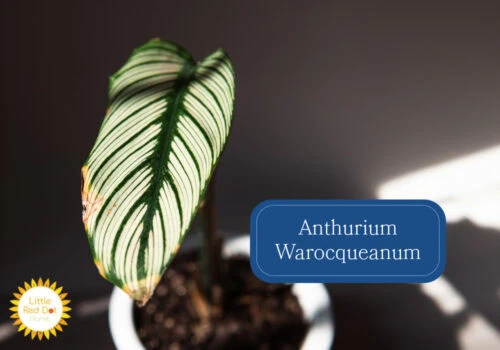
- Anthurium Warocqueanum: Anthurium Warocqueanum is identified by its elongated, narrow leaves, which grow up to several feet long. The velvety texture and vivid white veins on the foliage make it a striking exhibit plant. It is famous in plant collections because of its huge, hanging leaves and tropical vibe.
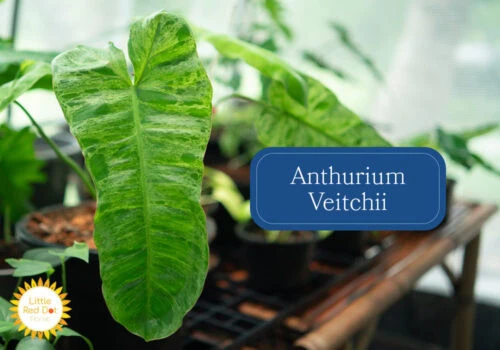
- Anthurium Veitchii: The anthurium veitchii has a distinct, royal look due to its glossy pleated structure of leaves. It is appreciated for its exquisite, cascading leaves, which makes it a focal point in an indoor garden.
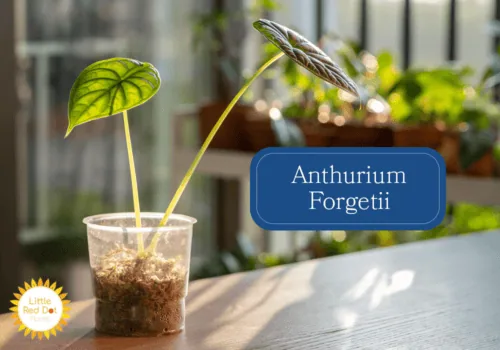
- Anthurium Forgetii: Anthurium forgetii has small, spherical, dark green, smooth leaves. Its leaves have a silky, heart-like shape because.
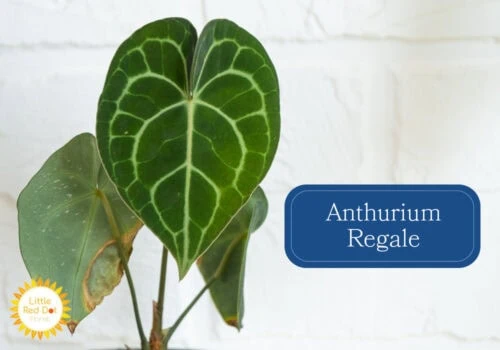
- Anthurium Regale: Anthurium Regale plant has massive, heart-shaped leaves that reach a length of three feet. The plant has a stunning, regal appearance because of the prominent white veins contrasting with the dark green, velvety foliage.
1. Anthurium Clarinervium
Anthurium Clarinervium (Velvet Cardboard Anthurium), is renowned for its eye-catching leaf. Its heart-shaped foliage is dark green with a velvety texture and prominent white veins, producing a striking distinction and giving the plant its distinct appearance. The leaves are thick and leathery, sometimes about a foot in size, adding to the plant’s beauty. Anthurium Clarinervium plant is appreciated for its stunning leaves and produces tiny, unnoticeable flowers.
Anthurium Clarinervium is a great ornamental plant used in indoor plant collections or as a centrepiece in homes and offices. Plant enthusiasts who appreciate uncommon and rare plants love it for its distinctive foliage. The plant thrives in bright, indirect light and high humidity, making it an ideal choice for indoor conditions that let its tropical beauty shine. It costs S$78.00.
Anthurium Clarinervium requires conservation efforts because it is native to Mexico’s tropical rainforests, where habitat degradation threatens the biodiversity of the species. Plant enthusiasts play an important part in preserving the variety through propagation and sustainable cultivation practices, guaranteeing the magnificent plant thrives in the wild and homes worldwide.
Anthurium Clarinervium is valued for its beauty and distinctiveness. It represents sophistication, extravagance, and a fascination with the complexities of nature. Plant collectors love it because of its unique leaves, which they use as an art piece. The plant’s remarkable beauty adds to its reputation in the horticulture industry, where acquiring and caring for one is a sign of knowledge and commitment.
2. Anthurium Crystallinum
Anthurium Crystallinum is a gorgeous tropical plant known for its brilliant foliage. The plant has a spectacular look due to the striking silvery-white veins covering its heart-shaped leaves with a velvety feel, and a deep green colour. The leaves grow with an eye-catching feature to a plant collection. It is compact with short stems. Anthurium Crystallinum produces small, spadix-like flowers similar to other anthuriums, however, it is grown more for its beautiful leaves than its blossoms.
Anthurium Crystallinum’s exotic look and air-purifying properties make it popular in indoor gardens. Anthurium Crystallinum thrives in bright, indirect light and high humidity, making it a popular choice among tropical plant enthusiasts. Its distinctive beauty makes it a popular choice for embellishing interior spaces with natural elegance. The price in the market is S$28.00.
Anthurium Crystallinum is vulnerable to habitat loss due to deforestation and climate change in its native regions of Central and South America. Sustainable cultivation and propagation techniques are used to preserve them. Anthurium Crystallinum is important to culture as a symbol of elegance and luxury due to its remarkable look. Its usual leaves are appreciated for their expressive qualities. Its uniqueness and beauty make it popular with plant collectors and enthusiasts.
3. Anthurium Warocqueanum
Anthurium Warocqueanum (Queen Anthurium) is a rare tropical plant with majestic, elongated leaves. The plant has lengthy, leathery-textured leaves. Anthurium Warocqueanums are valued for indoor landscapes due to their distinctive and brilliant foliage. They are displayed in homes or greenhouses to symbolise luxury and sophisticated taste. Anthurium Warocqueanum is an impressive flower due to its vertical and beautiful growth pattern.
Anthurium Warocqueanum requires conservation efforts because it is native to Colombia’s forests, where habitat degradation threatens its natural plant populations. Botanical garden enthusiasts and environmentalists are working to safeguard the species through cultivation and propagation efforts. Ethical sourcing and promoting sustainable growing practices are critical to maintaining its long-term existence in its natural environment and cultivation.
Queen Anthurium is admired for its beauty and stature. It is valued by plant collectors as a symbol of rank, exclusiveness, and distinction. Owning an Anthurium Warocqueanum symbolises competence and commitment to exotic indoor plants. Anthurium Warocqueanum costs S$478.00.
4. Anthurium Veitchii
Anthurium Veitchii (King Anthurium) is a magnificent tropical plant well-known for its long, rippling leaves. The tall, glossy green leaves are pleated and leathery, giving them a beautiful, flowing appearance. The distinguishing feature is its unique, curved leaves, which make it one of the most significant members of the Anthurium family. Anthurium Veitchii costs S$282.60.
Anthurium Veitchii is a popular ornamental plant in greenhouses and indoor spaces. Tropical garden enthusiasts use the plant as a centrepiece because of its dynamic and unique leaves to improve the aesthetics of indoor areas. It is recognised as an iconic plant that transforms homes and offices into elegant spaces because of its size and beauty.
Anthurium Veitchii is threatened by losing its habitat due to deforestation in South America, where it is native. Conservation initiatives concentrate on responsible farming. Gardeners and plant collectors help to preserve them by cultivating them in controlled environments and promoting ethical sourcing. Anthurium Veitchii is an emblem of grace and nobility because of its majestic, overwhelming appearance. They are seen as icons of excellence because they are difficult to grow and valuable, representing a respect for nature.
5. Anthurium Forgetii
Anthurium Forgetii is a rare and beautiful species distinguished by its smooth, seamless look. Anthurium Forgetii has unique rounded, heart-shaped leaves that do not have the lobes or “sinuses” found at the base of the leaf. The dark green leaves are velvety and have noticeable, silvery-white veins that add to the plant’s aesthetic appeal. Collectors of rare and exotic plants love it for its small stature and distinctive leaf form. Anthurium Forgetii is valued more for its leaves than its flowers, which are smaller and less prominent than other varieties.
Indoor ornamental plants like Anthurium Forgetii are used because they are perfect for indoor gardens, terrariums, and small areas. Plant lovers who value unique appearances and desire to expand their collections are attracted to it. The plant’s requirement for high humidity and regular warmth makes it ideal for houseplants. It costs S$58.00.
Anthurium forgetii is threatened by habitat loss in its native Colombia. Sustainable farming methods and the preservation of wild populations are the main goals of conservation initiatives. Plant collectors contribute to conservation by propagating and disclosing information concerning plant maintenance needs. Anthurium Forgetii is a symbol of exclusivity and uniqueness.
6. Anthurium Regale
Anthurium Regale is recognised by its exceptional veining patterns and huge, heart-shaped leaves. Anthurium Regale is a remarkable piece because of its three-foot-long leaves. They have noticeable white or silver veins. The plant’s special beauty is enhanced by its thick, leathery leaves. Anthurium Regale is grown more for its magnificent foliage than for its little flowers, however, it does produce flowers that are comparable to other anthuriums.
Anthurium Regale is admired for its aesthetic qualities when grown in a greenhouse. It is a centrepiece plant with enormous, eye-catching leaves that give spaces a tropical vibe. Anthurium Regale is perfect for people who want their plant displays to have an impact. It helps to purify indoor air while providing practical and aesthetic benefits.
Anthurium regale is native to Peru’s tropical rain forests, where loss of habitat and deforestation are a threat to the plants’ natural populations. Ecological advocates work together to safeguard them through propagation and sustainable practices. Many collectors contribute to conservation by cultivating the plant in controlled surroundings. It costs S$268.00.
Anthurium Regale is a sign of wealth, sophistication, and refinement. The variety of anthurium is valued among plant collectors because of its uniqueness. Anthurium Regales are seen in elite plant collections, and acquiring one is considered a sign of commitment and skill.
What are the Different Colours and Meanings of an Anthurium?
The different colours and meanings of an Anthurium are listed below.
- White: White anthuriums are perfect for weddings or christenings because they are native to tropical South America and represent innocence and purity. They are easy to grow and cultivate gorgeous white flowers that last for two months. Their leaves are dark green with veins of bright green.
- Red: Red anthurium is a favourite option for Valentine’s Day, anniversaries, and other occasions because it represents love, admiration, and passion, with its leaves representing large hearts that provide romance and uniqueness to the recipient.
- Pink: Pink anthuriums are the perfect housewarming gift because of their delicate hues. The “pink anthurium meaning” signifies motherly love and care. They are suitable for non-romantic occasions.
- Green: Green anthuriums symbolise tenacity, hope, and new beginnings. Their colourful leaves and blossoms are beautifully arranged in the home alongside other orange and yellow kinds, making ideal gifts for various events.
- Purple: Purple anthurium is a refined and opulent colour perfect for individuals looking for love and spirituality. It symbolises imperial grace, mystery, and intrigue.
- Black: Black anthuriums have dark, burgundy, or black leaves. They have black flowers or spathes, broad sheathing bracts enclosing the aroids’ spadix.
What are the Most Popular Colours of Anthuriums?
The most popular colours of anthurium are red, pink, and purple. Red anthuriums are the most recognisable. Their striking and heart-shaped spathes are suitable for holidays and special occasions. The flamingo flowers are popular during Christmas and Valentine’s Day, giving a vibrant colour to every place.
Pink anthuriums are considered the most romantic. They’re ideal as gifts because of their bright, cheerful colour. Purple anthuriums are an excellent option for people searching for something unique. They stand out because of their special appearance and unusual colour, which makes them a conversation starter. Anthuriums in purple are ideal for anyone wishing to add an element of the remarkable to their house.
How to Grow Anthuriums?
To grow anthuriums, follow the steps listed below.
- Choose the right variety of anthurium. Consider the plant’s appearance, purpose, and the environment in which it grows if picking appropriate anthurium seedlings. They differ in variety and colour, each with traits ranging from flowers to foliage.
- Check the soil. Use a well-drained and lightweight potting mix that retains moisture but does not become saturated. A combination of orchid bark, peat, perlite, or a specialised tropical plant potting mix, works well.
- Pick a suitable pot. Anthurium plants are susceptible to root rot if left in moist soil, so ensure the pot has drainage holes to keep water from sitting at the bottom. Repot the plant every 1-2 years or when it becomes root-bound in spring.
- Give enough water. Water anthuriums when the top inch of soil is dry. Keep the soil equally moist but not soaked. Allow excess water to drain, and dump water accumulating in the saucer beneath the pot to prevent excess watering.
- Apply a half-strength liquid fertiliser to growing anthuriums every 6-8 weeks during the growing season. Over-fertilisation causes salt buildup and root damage, so exercise caution.
- Place the anthurium where they get indirect sunlight. Anthuriums thrive in bright, indirect light, but are best kept away from direct sunlight, which damages their leaves. Low light levels cause them to grow more slowly and produce less blooms.
- Avoid placing them in areas where temperature drops. Anthuriums are tropical plants that prefer warm weather. They require high humidity. Maintain humidity by misting the plant regularly, placing it on a humidity tray, or using a humidifier.
- Remove dead leaves. Keep the plant healthy by removing yellow or dead leaves regularly. Use a moist cloth to eliminate dust and keep the leaves looking glossy.
- Use a moist cloth or insecticidal soap, if needed, to remove pests from the leaves. Anthuriums are pest-resistant, however, they sometimes attract aphids, mealybugs, and spider mites.
- Propagate the plant. Sections of the root ball with their roots and foliage must be gently separated before planting in new soil for repotting.
Anthuriums are slow-growing indoor plants that increase by 4 inches in height every year. Proper maintenance is produced in larger leaves, although their height is typically under 30 inches. An anthurium’s growth rate is determined by light, temperature, humidity, and care.
When to Plant Anthuriums?
Plant anthuriums during the spring or early summer, from March to September, while they are grown throughout the year. Their development is enhanced by natural light and humidity. Planting anthuriums is during their active growing season, which is in the warmer months of spring and summer.
Anthuriums’ growing season lasts throughout the warmer months as they develop new leaves and brilliant blooms. Repotting or propagating anthuriums helps to minimise stress on the plant while stimulating quicker growth and recovery.
What are the Common Challenges in Growing Anthuriums?
The common challenges in growing Anthuriums are listed below.
- Diseases and Pests: Anthuriums are vulnerable to spider mites, aphids, scale, and mealybugs. Use a gentle cloth soaked in soapy water to wipe pests from leaves. Use neem oil or a suitable insecticidal soap for a safer treatment.
- Insufficient Blossoming: Anthuriums thrive in bright, indirect light from windows, avoiding direct sunlight for best growth and flowering. Consistent and moderate lighting is required for optimal growth and flowering.
- Root Rot: Excessive watering is the ultimate cause of root rot in anthurium. It is avoided by using well-drained soil and preventing overwatering.
- Brown Tips on Leaves: Anthuriums thrive in high-humidity environments. Use a humidifier or a water-filled pebble tray to increase the humidity surrounding the plant.
What are the Best Tips for Growing Anthuriums?
The best tips for growing Anthuriums are listed below.
- Light Exposure: Anthuriums bloom more in indirect light, east-facing windows, or covered places. Keep them out of direct sunlight to prevent leaf scorching.
- Soil and Water: Anthurium flourishes in moist, well-drained soil rich in organic materials. Use a houseplant potting mix while growing indoor plants. Water as needed, when the soil dries.
- Temperature and Humidity: Anthurium plants thrive in warm, humid conditions ranging from 65 to 80°F. Keep them away from drafty spaces by avoiding them to place near doors. Place pots on a tray to increase humidity, use a humidifier or gather plants.
- Fertiliser: Fertiliser is not a big deal for anthuriums, and they flourish and bloom without further feeding. Give them a versatile houseplant fertiliser when they are not flowering well and its light requirements are getting satisfied.
- Repotting: Repot anthurium throughout the year. Select a pot that is a few inches bigger than the plant’s previous pot when increasing the size of the pot. Give anthuriums enough water and apply an all-purpose fertiliser after repotting.
- Propagating: The propagating process is the easiest approach to produce more anthuriums to divide the plant. Remove the plant from the pot, and split it in half by gently pulling apart the roots. Repot each division and ensure that new potted plants are well-watered. The divisions root in the soil in 4 weeks or more.
Can Anthuriums Live Up to 10 Years?
Yes, anthuriums can live up to 10 years with proper care. Anthurium plants’ average lifespan is three to five years. Some anthuriums, however, flourish much beyond the range given the right conditions. The factors influencing their longevity include habitat, grooming techniques, and species.
Regular maintenance and the proper environment are necessary to increase their lifespan. Anthuriums prefer strong, indirect light because too much sunlight scorches their leaves. Keeping humidity levels between 60 and 80% and keeping the soil continuously moist but not saturated is critical. Watering the plants and well-drained soil helps prevent root rot, a typical problem with anthuriums.
Fertilise them with a balanced, diluted fertiliser every 6-8 weeks during the growing season to ensure they get the nutrients they need for good growth. Pruning dead or yellowing leaves, and removing spent blooms, helps the plant live longer by focussing it on developing new growth. Plants maintain their health by repotting every two to three years, which helps to replenish the soil and give the roots more space to thrive.
How to Take Care of Anthuriums?
To take care of anthuriums, follow the steps listed below.
- Place the anthuriums near the window to get filtered light is the initial step on “how to care for anthuriums”. Avoid direct sunlight to prevent scorching the leaves.
- Ensure the pot has enough drainage to prevent water from sitting in the soil, which leads to root rot. It is one of the basic anthurium care tips for growers.
- Increase the humidity around the plant by misting the leaves or placing the pot on a tray of water and pebbles. Anthuriums blossom in humid surroundings, a humidifier helps.
- Avoid placing the plants near extreme temperatures. It is another anthurium care. They prefer stable warmth between 65-80°F (18-27°C).
- Use a well-drained potting mix or soil. A mixture of peat, pine bark, and perlite is best to keep moisture without causing waterlogging.
- Put a balanced and diluted fertiliser. It stimulates nourishing growth and flowering.
- Remove yellowish or dead leaves. It helps to keep the plant looking healthy and boost new growth.
- Repot the anthuriums every 2 to 3 years, the last step for anthurium plant care. It helps to refresh the soil and give the roots more space to grow.
How Easy are Anthurium to Take Care of?
Anthuriums are easy to take care of though they seem like high-maintenance plants. They come from humid, warm climates as they thrive in replicating such conditions. Anthuriums are safe plants but dangerous for people and pets. Their attractive leaves are fatal if consumed, and their fluid irritates the skin and eyes. Store the anthuriums in a safe place away from nosy pets and kids.
Anthuriums are tropical plants that need bright, indirect light. They survive lower light levels, however, their growth and blossoming are delayed. Their roots are vulnerable to waterlogging and root rot. Using a well-drained potting mix helps to avoid the problem.
What are Anthuriums Used For?
Anthuriums used for different purposes are listed below.
- Air Purifier: Anthuriums are classified by NASA as air-purifying plants. They remove formaldehyde, ammonia, toluene, and xylene from indoor air, which makes them perfect for offices with copiers, printers, or adhesives nearby.
- Noise Filter: Anthurium leaves function as natural sound filters by absorbing echoes and reducing background noise. Placement near windows minimises noise, softens technological sounds, and boosts sleep and creativity in bedrooms and offices.
- Xylene and Formaldehyde Remover: Dangerous indoor pollutants such as formaldehyde and xylene, which induce headaches and nausea are extracted by anthuriums. Activated carbon plants get the substances through their tissue, limiting buildup indoors.
- Humidifier: One of the “anthurium uses” is releasing moisture, hence they grow best in warm, humid environments. They increase humidity, relieve dry skin, sore throats, and sinus congestion, and protect furniture and floors. Electronic humidifiers are not as efficient as anthuriums.
Are Anthuriums a Good Indoor Plant?
Yes, anthuriums are good indoor plants. Anthuriums’ striking, heart-shaped leaves and colourful spathes give a tropical elegance to an indoor environment, making them a popular ornamental alternative for homes and offices. They thrive in high-humidity environments, and with a humidifier, they survive at lower humidity levels.
Anthuriums require little care. They don’t need regular fertiliser and mild irrigation to keep the soil damp but not soggy. Their enduring blossoms linger for weeks, adding constant beauty to areas. Anthuriums are air-purifying plants, which eliminate toxins.
What Occasion can you gift Anthuriums?
The occasions you can gift anthurium include Valentine’s Day, housewarming, weddings, and more. Anthuriums are a meaningful and flexible present for various events due to their vivid colours, elegant design, and deep meaning. They are great options for romantic events like Valentine’s Day or anniversaries because their leaves and spathes represent passion and love. Their long-lasting flowers are great for celebrating milestones in relationships or weddings, indicating enduring affection and dedication. Gifting flowers for occasions is the best way to show importance to the recipients.
Anthuriums are popular for romantic occasions but for housewarmings and gratitude gifts. They’re a great way to say “thank you” or “welcome” because of their connection with warmth and hospitality. They are symbols of support and encouragement because their commitment and ability to thrive over time represent perseverance and strength. Anthuriums are a flexible and sentimental present for several special occasions, whether to celebrate or wish others long success and happiness.
What are Interesting Facts about Anthuriums?
Interesting facts about Anthuriums are listed below.
- Heart-shape is Not a Flower: One of the “facts about anthuriums” exists in their spadix which contains several tiny flowers shielded from harm by the waxy bloom-like leaf.
- Re-Bloom All Year: Anthurium plants are perfect for first-time plant owners because of their low maintenance requirements and long-lasting blooms, which are enjoyed for up to eight weeks and have the potential to rebloom throughout the year.
- Toxic When Consumed: Anthuriums must be kept out of the reach of pets to avoid accidental consumption.
- More Other Names: Anthuriums are called Flamingo Flower, Flamingo Lily, Painted Tongue, and Tail Flower.
- Native to South America: One of the anthurium facts is they prefer warm and humid weather, which is why they are common in Colombia and Ecuador.
What are the other Flowers with their Symbolism?
Other flowers with their symbolism are listed below.
- Roses: Red roses and anthuriums have romantic connotations. Rose is the “plant symbolism” for passion and love. They represent unwavering love and devotion and are used at weddings.
- Orchids: Orchids and anthuriums represent elegance, beauty, strength, and love. Orchids are included on the list of flowers and their meanings. They are symbols of eternal beauty and passion due to their long-lasting blossoms.
- Peonies: Peonies and anthuriums represent passion, prosperity, and a happy marriage. There are different flowers and their meanings, which are comparable to anthuriums. The huge flowers of peonies symbolise plenty and unwavering affection.
- Tulips: Tulips are included on the “flower symbolism list” similar to the heart-shaped anthuriums, representing deep and perfect love. Long-lasting blooms symbolise enduring relationships, and red tulips signify passion.
- Calla Lilies: Calla lilies refer to beauty, grace, and devotion, similar to anthuriums. They are common in wedding decor that signifies innocence, loyalty, and love’s enduring power.