 Free Same Day Delivery Islandwide | Order by 5PM for Today’s Delivery | 800+ 5-Star Reviews
Flower: Parts, Types, and Meaning
A flower is the reproductive structure of flowering plants, essential for producing seeds and continuing plant species. Flowers exhibit a stunning array of forms, colours, and fragrances, contributing to their role in natural ecosystems and human culture. A flower has several essential parts, each crucial in its reproductive process. Parts of a flower include the petals, sepals, stamens, pollen and pistil.
A flower enthusiast encounters a diverse range of species when exploring the types of flowers, each with its unique characteristics and adaptations. For example, the classic rose, the vibrant tulip, and the delicate lily are just a few examples of the many different kinds of flowers globally. Each species has evolved to attract specific pollinators and thrive in various environments. Identifying ‘What kind of flower is this?’ involves noting its physical features, growth patterns, and blooming habits.
The importance of flowers extends beyond their biological function. They are integral to ecosystems, supporting biodiversity by providing food and habitat for pollinators such as bees, butterflies, and hummingbirds. Flowers hold cultural and symbolic significance in many societies. Ceremony, decorations, and gifts convey sentiments and celebrate events.
Flowers serve decorative purposes in gardens, bouquets, and floral arrangements, enhance culinary dishes with their flavours, and are used in traditional medicine for their therapeutic properties. They are imbued with meaning and symbolism. For example, roses are associated with love and passion, lilies with purity and renewal, and daisies with innocence and new beginnings. Understanding the symbolism of each type of flower provides deeper insights into their cultural significance and the messages they convey.
What is a Flower?
A flower is a reproductive structure found in flowering plants (angiosperms). A flower is a complex organ composed of several parts, each serving a specific function in the plant’s life cycle. The four main parts of a flower include the petals, sepals, stamens, and pistils.
Petals are the most conspicuous part of the flower, which is colourful and scented to attract pollinators like insects, birds, or bats. Petals are crucial in pollination by enticing these animals to visit the flower. Sepals are the outermost part of the flower, which is green and protective, enclosing and supporting the developing bud before it blooms.
The reproductive organs of the flower are the stamens and pistils. Stamens are the male reproductive organs, consisting of a filament topped by an anther where pollen is produced. The pistil (carpel) is the female reproductive organ. The pistil consists of the stigma, where pollen is received. The style is a stalk connecting the stigma to the ovary and the ovary, which contains ovules that develop into seeds after fertilisation.
Flowers are essential for the reproduction of flowering plants. They facilitate the transfer of pollen from the flower’s male parts to the female parts, either within the same flower (self-pollination) or between different flowers (cross-pollination). The process leads to fertilisation, where the male gametes (sperm cells) unite with the female gametes (egg cells) to form seeds. These seeds then develop into new plants, ensuring the continuation of the species.
Flowers have cultural, aesthetic, and economic significance beyond their reproductive function. They have been cultivated for centuries for their beauty and fragrance and used in floral arrangements, gardens, and various cultural practices. Flowers are symbolic in different cultures and used in rituals, ceremonies, and celebrations worldwide. Its impact extends far beyond its biological role, while a flower is a marvel of nature’s engineering for reproduction.
What are the different parts of Flower?
The different parts of a flower are listed below.
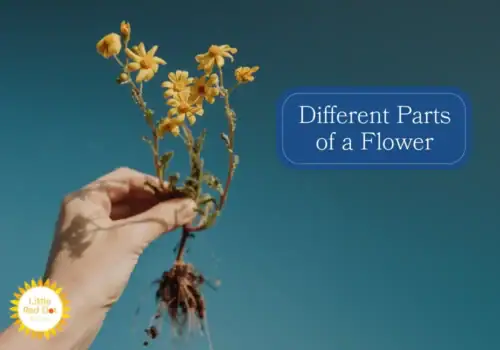
- Sepals: Sepals are the outermost part of the flower, which is green, and are collectively known as the calyx. The primary function of sepals is to protect the flower bud before it blooms. Sepals remain small or inconspicuous in some flowers, while they are large and prominent in others.
- Petals: Petals are the flower’s colourful and fragrant parts surrounding the reproductive organs. They are collectively known as the corolla. Petals attract pollinators like insects, birds, or bats through their bright colours and enticing fragrances. They are crucial in pollination by helping to guide pollinators towards the flower’s reproductive structures.
- Stamens: Stamens are the male reproductive organs of the flower, consisting of two main parts. The two main parts of the stamens are the filament and the anther. The filament is a slender stalk supporting the anther, producing pollen grains. Pollen contains the male gametes (sperm cells) necessary for fertilisation.
- Pistil: The pistil (carpel) is the flower’s female reproductive organ. It is located at the centre of the flower and consists of three parts such as stigma, style, and ovary. The stigma is the sticky or feathery structure at the top of the pistil that receives pollen grains during pollination. The style is a slender tube-like structure that connects the stigma to the ovary. The ovary is the enlarged basal portion of the pistil that contains one or more ovules. The ovules are the structures that develop into seeds after fertilisation.
- Ovules: Ovules are the structures within the ovary where female gametes (egg cells) are produced. Each ovule develops into a seed after fertilisation occurs.
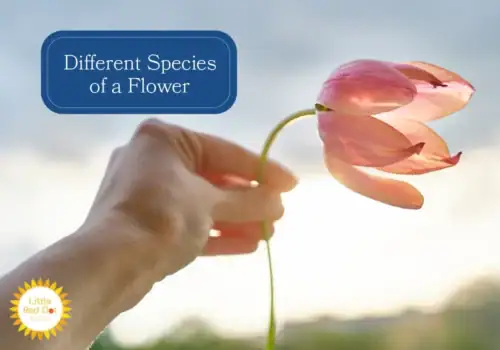
What are the different species of Flower?
The different species of flower are listed below.
- Dicots and Monocots: Flowering plants are broadly categorised into two main groups based on the number of seed leaves (cotyledons) in their embryos. The two main categories are dicots and monocots. Dicots have flowers with parts in multiples of four or five. Examples of dicots are roses, daisies, and sunflowers. Monocots have flowers with parts in multiples of three. Examples of monocots are lilies, orchids, and tulips.
- Wildflowers: Wildflowers are native plants that grow in the wild and are not cultivated. Examples of wildflowers include bluebells, wild daisies, and various species of wild orchids.
- Cultivated Garden Flowers: Many flowers are grown for beauty, fragrance, and ornamental value. Examples of cultivated flowers include roses, tulips, daffodils, hydrangeas, and peonies.
- Tropical Flowers: Tropical flowers exhibit vibrant colours and unique shapes and are found in tropical regions. Examples of tropical flowers include hibiscus, orchids, dendrobium and phalaenopsis, bird of paradise (Strelitzia), and frangipani (plumeria).
- Alpine Flowers: Alpine flowers are adapted to harsh conditions at high altitudes in mountainous regions. Examples of alpine flowers include edelweiss, alpine forget-me-nots, and various species of alpine daisies.
- Desert Flowers: Desert flowers have specialised adaptations to conserve water adapted to arid environments. Examples of desert flowers include cacti flowers, desert marigolds, and desert lilies.
- Aquatic and Wetland Flowers: Aquatic and wetland flowers thrive in water or wetland environments. Examples of aquatic and wetland flowers include water lilies, lotus flowers, and various water hyacinths and irises species.
- Herbs and Medicinal Flowers: Herbs and plants valued for their medicinal properties produce flowers. Examples of herbs and medicinal flowers include chamomile, lavender, echinacea, and calendula.
- Edible Flowers: Edible flowers are used in culinary dishes for their flavours and aesthetics. Examples of edible flowers include nasturtiums, pansies, violets, and roses (petals).
- Rare and Endangered Flowers: Some flowers are rare or endangered due to habitat loss, climate change, and other factors. Rare and endangered flowers include ghost orchids, Rothschild’s slipper orchids, and various species of rare alpine flowers.
What is the importance of Flowers?
The importance of a flower lies in its various dimensions, such as contributing to ecological balance, environmental health, cultural traditions, economic sectors, and human well-being. Each aspect underscores the pivotal role flowers play in our lives.
Flowers are crucial for ecosystem functioning as they facilitate pollination. Pollinators such as bees, butterflies, birds, and bats rely on flowers for nectar and pollen, forming intricate food webs. Its mutualistic relationship ensures the reproduction of flowering plants, which sustains diverse habitats and supports biodiversity. Species struggle to survive without flowers, impacting entire ecosystems.
Flowers contribute to environmental health by improving air quality through photosynthesis. Flowers absorb carbon dioxide and release oxygen, helping to mitigate greenhouse gas levels. A flower and its pollinators play a role in maintaining soil fertility and preventing erosion in agricultural landscapes where diverse plant species contribute to soil structure and nutrient cycling.
Flowers hold global cultural significance, symbolising love, beauty, purity, and various emotions. They are integral to ceremonies, celebrations, and rituals across cultures and religions. Flowers convey messages and sentiments from weddings to funerals, enriching human connections and traditions. Flowers are metaphors for life cycles, renewal, and fleeting beauty in art, literature, and music.
The floral industry is a significant global economic sector, encompassing flower cultivation, trade, and retail. Flowers are cultivated commercially for floral arrangements, landscaping, and horticultural purposes. They contribute to tourism through botanical gardens and floral festivals, generating income and employment opportunities for growers, florists, and related businesses worldwide.
Flowers have therapeutic properties and are used in herbal medicine and aromatherapy. Flowers possess medicinal compounds used to treat ailments ranging from inflammation to anxiety. Flowers and plants indoors have been linked to improved mental health, stress reduction, and overall well-being, contributing to healthier living environments.
Flowers are cultivated, harvested, and traded globally to meet demand for floral arrangements, bouquets, and decorative purposes within the floral industry. The flower industry supports livelihoods across the agricultural and retail sectors in regions where flower cultivation is a significant economic activity. Flowers contribute to tourism through events like flower shows and festivals, drawing visitors and boosting local economies.
Flowers are beautiful ornaments of nature and are vital to our ecosystems, economies, cultures, and health. The multifaceted importance of flowers underscores the need for sustainable practices in their cultivation and conservation to ensure their continued benefits to humanity and the environment.
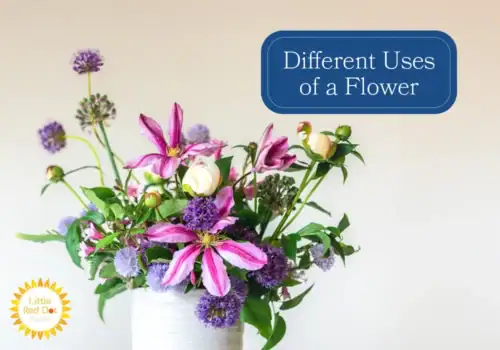
What are the different uses of Flowers?
The different uses of a flower are manifold and span a variety of practical, cultural, and symbolic roles in human society. Flowers are appreciated for their aesthetic value and are used in floral arrangements, decorations, and landscaping. Flowers add colour, texture, and fragrance that enhance environments and create pleasing atmospheres, whether adorning homes, offices, or event venues. The beauty of a flower makes them indispensable in celebrations like weddings, parties, and religious ceremonies, where they symbolise love, joy, purity, and reverence. Specific flowers, like roses, lilies, and tulips, carry symbolic meanings that convey emotions and messages, enriching cultural traditions and personal gestures.
Flowers have practical uses in medicine and wellness beyond their decorative and symbolic role. Floral species possess medicinal properties that have been recognised and utilised for centuries. For instance, chamomile is valued for its calming effects, lavender for its stress-relieving properties, and calendula for its anti-inflammatory benefits. Extracts and essential oils derived from flowers are incorporated into herbal remedies, skincare products, and aromatherapy treatments, promoting relaxation, healing, and overall well-being.
Flowers serve culinary purposes, as many varieties are edible and used in gastronomy. Edible flowers such as roses, violets, nasturtiums, and pansies add flavours, colours, and decorative elements to dishes ranging from salads and desserts to beverages and main courses. The delicate flavours of flowers vary from sweet and floral to tangy or peppery, offering chefs and home cooks creative opportunities to enhance culinary creations with natural and visually appealing ingredients.
Flowers constitute a significant industry worldwide. The floral market encompasses flower cultivation, trade, and retail, supporting livelihoods in agriculture, floristry, and related sectors. Flowers are grown for cut flowers, potted plants, and garden landscaping, catering to consumer demand for aesthetic and decorative purposes. Events like flower festivals and floral exhibitions further contribute to the economic impact of flowers, drawing tourists and promoting local economies.
Flowers are a vital ecological role as pollinators like bees, butterflies, and birds depend on them for nectar and pollen. Flowers facilitate the reproduction of flowering plants by attracting these pollinators, ensuring biodiversity and the sustainability of ecosystems. Efforts to cultivate native and wildflower gardens contribute to conservation initiatives by providing habitats and food sources for pollinators, thereby supporting environmental health and enhancing urban biodiversity.
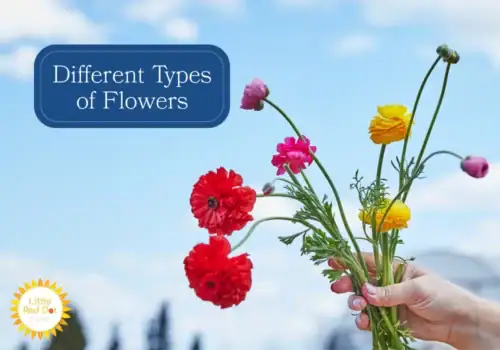
What are the different types of flowers?
The different types of flowers are listed below.
- Roses: Roses are flowering shrubs known for their beautiful, fragrant blooms in various colours and types. They are symbols of love and appreciation.
- Lavender: Lavender is a fragrant herb with purple flowers, used in aromatherapy and for its essential oils. It is known for its calming and relaxing properties.
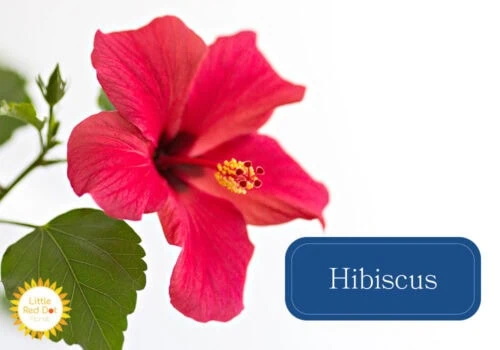
- Hibiscus: Hibiscus flowers are large, vibrant blooms in various colours. They are used in teas and traditional medicines.
- Tulips: Tulips are bulbous spring flowers in various colours and shapes. They are known for their simple, cup-shaped blooms.
- Peonies: Peonies are large, lush flowers with layers of petals found in shades of pink, white, and red. They are popular in gardens and floral arrangements for their beauty and fragrance.
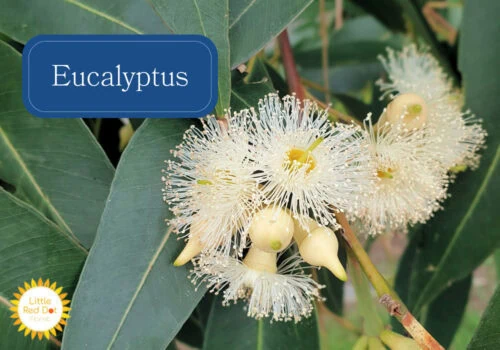
- Eucalyptus: Eucalyptus plants are known for their aromatic leaves used in essential oils and medicinal products. The flowers are less prominent but are seen as fluffy clusters.
- Sunflowers: Sunflowers are tall plants with large, yellow blooms that follow the sun. They are known for their edible seeds and striking appearance.
- Jasmine: Jasmine flowers are small, white or yellow blooms with a sweet fragrance, used in perfumes and teas. They are symbols of purity and beauty.
- Orchids: Orchids are exotic flowers with intricate and varied shapes and colours. They are prized for their unique beauty and long-lasting blooms.
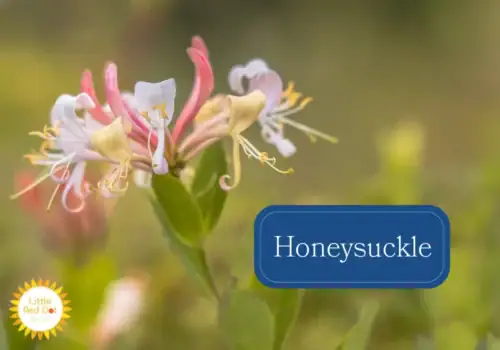
- Honeysuckle: Honeysuckle flowers are tubular and fragrant, attracting hummingbirds and butterflies. They are known for their sweet nectar, commonly found in gardens and wild areas.
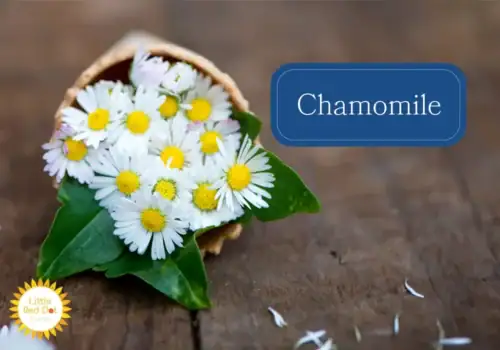
- Chamomile: Chamomile flowers are small, daisy-like blooms known for their calming properties. They are used in herbal teas and traditional medicines.
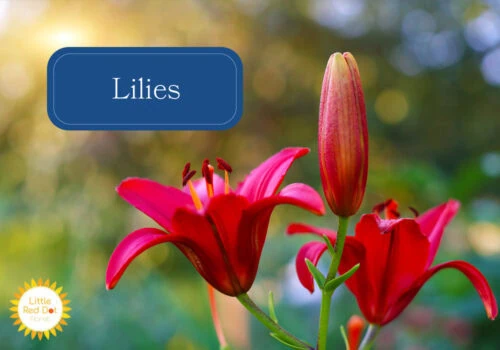
- Lilies: Lilies are large, elegant flowers with trumpet-shaped blooms in white, pink, and yellow. They are popular in floral arrangements and symbolise purity and renewal.
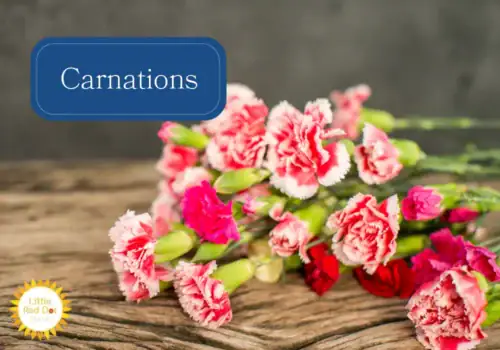
- Carnations: Carnations are ruffled flowers in various colours used in bouquets and corsages. They symbolise love, fascination, and distinction.
- Daisies: Daisies are simple, cheerful flowers with white petals and a yellow centre. They symbolise innocence and purity and are found in meadows and gardens.
- Birds Of Paradise: Birds of Paradise are exotic flowers with bright orange and blue petals resembling a bird in flight. They symbolise joy and paradise.
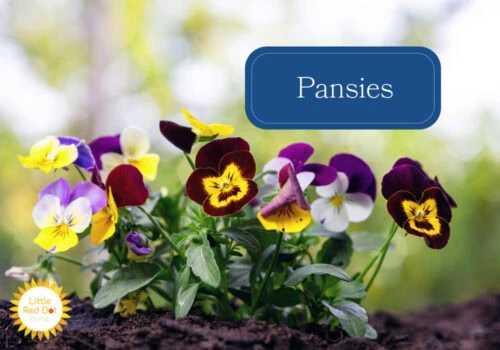
- Pansies: Pansies are small, colourful flowers with distinctive “faces” on their petals. They are hardy and used in garden borders and containers.
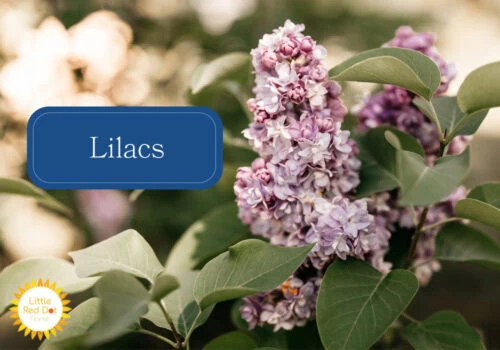
- Lilacs: Lilacs are fragrant flowers blooming in clusters of purple, white, and pink. They symbolise youth and innocence.
- Violets: Violets are small, delicate flowers with heart-shaped leaves in shades of purple, blue, and white. They symbolise modesty and faithfulness.
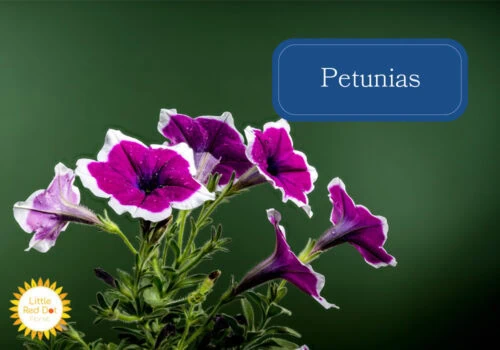
- Petunias: Petunias are vibrant, trumpet-shaped flowers that come in various colours. They are used in garden beds and hanging baskets for their long-lasting blooms.
- Borage: Borage (starflower) has bright blue, star-shaped flowers. It is known for its culinary and medicinal uses, edible flowers and leaves.
- Begonias: Begonias are versatile, colourful flowers in various forms, including tuberous, fibrous, and rhizomatous. They are popular for their bright blooms and ornamental foliage.
- Gardenias: Gardenias are fragrant, creamy white flowers with glossy, dark green leaves. They are associated with purity and sweetness and are used in perfumes and floral arrangements.
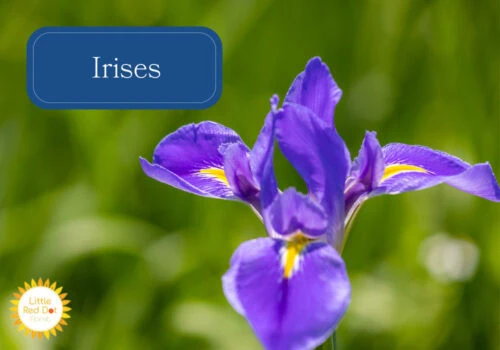
- Irises: Irises are striking flowers with sword-like leaves and blooms in a wide range of colours with intricate patterns. They are named after the Greek goddess of the rainbow and symbolise faith and wisdom.
- Chrysanthemums: Chrysanthemums (mums) are daisy-like flowers in various colours and forms. They are associated with autumn and symbolises cheerfulness and longevity.
- Sweet Peas: Sweet peas are climbing plants with fragrant, delicate flowers in various pastel colours. They are popular in gardens and bouquets for their sweet scent and beauty.
- Tuberose: Tuberose is a highly fragrant flower with white, tubular blooms. It is used in perfumery and symbolises dangerous pleasure due to its intoxicating scent.
- Mock Orange: Mock orange is a shrub with white, fragrant flowers that resemble orange blossoms. It is valued for its lovely scent and is used in gardens and landscapes.
- Lupines: Lupines are tall, spiky flowers with pea-like blooms in various colours, including blue, purple, pink, and white. They are known for their striking appearance and ability to improve soil fertility through nitrogen fixation.
- Violas: Violas are small, delicate flowers similar to pansies, with various colours and patterns. They are known for their charming appearance and are often used in gardens and containers.
- Nasturtiums: Nasturtiums are bright, cheerful flowers with edible blooms and leaves in shades of orange, red, and yellow. They are known for their peppery flavour and are used in salads and as garnish.
- Bluebonnets: Bluebonnets are striking blue flowers with white tips, native to Texas and other parts of North America. They are known for their beauty and are the state flower of Texas.
- Spray Roses: Spray roses are miniature roses that grow in clusters on a single stem. They are used in bouquets and arrangements for their delicate beauty and various colours.
- Stephanotis: Stephanotis (Madagascar jasmine) has small, white, star-shaped flowers with a sweet fragrance. It is used in wedding bouquets and symbolises marital happiness.
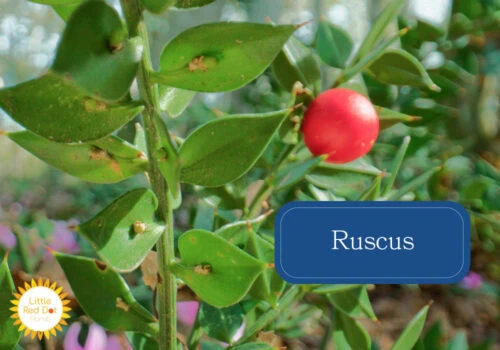
- Ruscus: Ruscus is an evergreen shrub with glossy, dark green leaves. It is used as greenery in floral arrangements for its durability and attractive foliage.
- Proteas: Proteas are exotic, large flowers with spiky, colourful bracts surrounding a central cluster. They are native to South Africa and symbolise transformation and courage.
- Cornflowers: Cornflowers (bachelor’s buttons) have vibrant blue, daisy-like blooms. They are found in wildflower meadows and symbolise delicacy and hope.
- Parrot Tulips: Parrot tulips are a type of tulip with ruffled, fringed petals and vivid, multi-coloured patterns. They are known for their dramatic appearance and unique beauty.
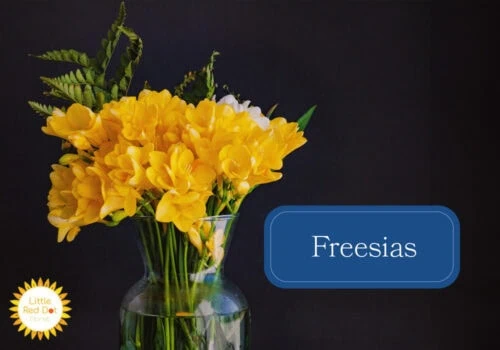
- Freesias: Freesias are fragrant flowers with funnel-shaped blooms in various colours, including white, yellow, pink, and purple. They are used in bouquets and symbolises innocence and friendship.
- Plumerias: Plumerias (frangipani) have waxy, fragrant flowers in shades of white, yellow, pink, and red. They are used in Hawaiian leis and symbolise beauty and grace.
- Anthuriums: Anthuriums (flamingo flowers) have shiny, heart-shaped leaves and bright, waxy blooms in red, pink, white, or green. They symbolise hospitality and abundance.
- Forget-me-nots: Forget-me-nots are small, delicate flowers with blue petals and yellow centres. They symbolise true love and remembrance.
- Strawflowers: Strawflowers have papery petals that retain their colour and shape when dried. They are used in dried floral arrangements and symbolises immortality.
- Calendulas: Calendulas (marigolds) have bright yellow or orange daisy-like flowers. They are valued for their medicinal properties and symbolises cheerfulness and health.
- Hybrid Tea Roses: Hybrid tea roses are a popular type of rose known for their large, high-centred blooms and long stems. They come in a wide range of colours and symbolise love and elegance.
- Ginger Flowers: Ginger flowers are known for their striking, colourful blooms and tropical appearance, including torch ginger and red ginger. They are used in exotic floral arrangements and symbolise strength and pride.
- Heliconias: Heliconias (lobster claws) are tropical plants with large, brightly coloured bracts in red, orange, yellow, or pink. They are known for their dramatic appearance and are used in tropical gardens and arrangements.
- Queen Anne’s Lace: Queen Anne’s Lace (wild carrot) has delicate, white, lace-like flower clusters. It is used as a filler in bouquets and arrangements and symbolises sanctuary and protection.
- Wild Poppies: Wild poppies are vibrant red flowers with delicate petals and a dark centre. They are associated with remembrance and peace in war memorials.
- Miniature Carnations: Miniature carnations (spray carnations) are smaller versions of standard carnations, with multiple blooms per stem. They are popular in floral arrangements for their various colours and long-lasting nature.
- Double Bloom Lilies: Double bloom lilies have multiple layers of petals, giving them a fuller and more dramatic appearance compared to single bloom lilies. They are prized for their beauty and fragrance.
- Hydrangeas: Hydrangeas are large, globe-shaped flowers in various colours, including blue, pink, white, and purple. They are known for their lush, voluminous blooms and are popular in gardens and floral arrangements.
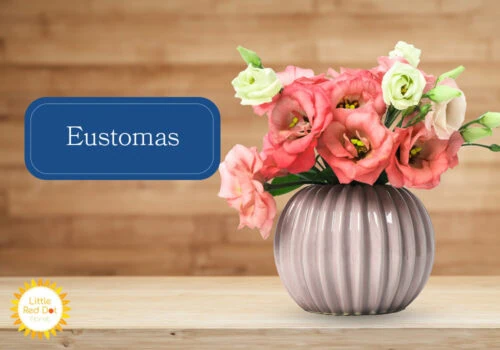
- Eustomas: Eustomas (lisianthus) have rose-like blooms in shades of white, pink, purple, and blue. They are prized for their delicate beauty and long vase life, making them popular in bouquets and arrangements.
- Gerberas: Gerberas (gerbera daisies) are bright, cheerful flowers with large, daisy-like blooms in a wide range of colours. They are known for their vibrant appearance and are used in bouquets to add a pop of colour.
1. Birds of paradise
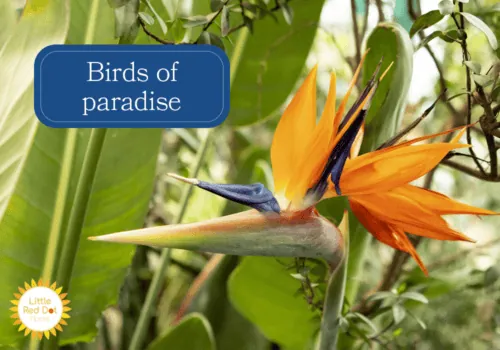
Birds of Paradise are striking tropical plants known for their unique, exotic flowers that resemble colourful birds in flight. Birds of Paradise’s bold shapes and vibrant hues add a dramatic flair to gardens and floral arrangements. The distinctive appearance of Birds of Paradise makes them a symbol of paradise and the beauty of nature.
Strelitzia reginae (orange or yellow Birds of Paradise) is the most well-known species. The species features large, upright flowers with vibrant orange and blue petals. Another notable species is Strelitzia nicolai (the giant Birds of Paradise) which has large, banana-like leaves and striking white and blue flowers. Each species showcases unique characteristics that enhance its landscaping and floral design appeal.
Birds of Paradise symbolise joy, freedom, and paradise. Birds of Paradise’s vibrant colours and exotic forms are associated with tropical settings and a carefree spirit. Celebrations and significant life events feature these flowers as symbols of beauty and magnificence.
Birds of Paradise are used in bold and dramatic floral arrangements due to their eye-catching appearance. They are ideal for tropical-themed arrangements, adding an exotic touch to weddings and parties. Birds of Paradise are combined with other tropical flowers and lush greenery to create stunning displays that evoke a sense of paradise, used as focal points in centrepieces.
Birds of Paradise are popular in landscaping, planted in tropical and subtropical gardens for their architectural form and vibrant blooms. They are used in floral designs for events, hotels, and resorts, symbolising a tropical paradise. The plant has some traditional uses in herbal medicine, and it is celebrated for its aesthetic appeal. A single stem ranges from S$6.72 to S$20.16, depending on the size and quality.
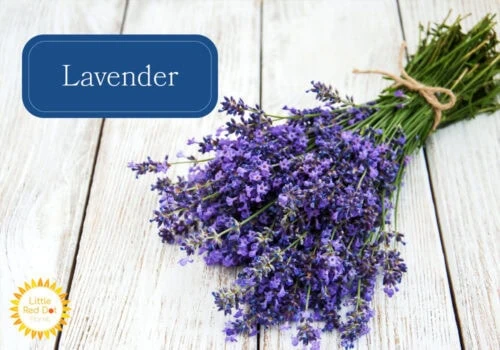
2. Lavender
Lavender is a fragrant herb with purple flowers, known for its soothing scent and versatile uses. Lavender belongs to the mint family and is widely cultivated for its essential oils and ornamental value. The calming fragrance of a lavender makes it a popular choice in aromatherapy and personal care products.
There are several species of lavender, such as English, French, Spanish and Lavandin, each with unique characteristics. English Lavender (Lavandula angustifolia) is the most common variety, prized for its sweet fragrance and used extensively in culinary and medicinal applications. French Lavender (Lavandula dentata) features serrated leaves and a strong scent, making it ideal for ornamental purposes. Spanish Lavender (Lavandula stoechas) is known for its distinctive pineapple-shaped flower heads and is often used in landscaping. Lavandin (Lavandula x intermedia) is a hybrid that combines traits of English and Portuguese lavenders, producing large, fragrant flowers suitable for essential oil production.
Lavender symbolises purity, calm, and serenity. Its soothing fragrance is associated with relaxation and peace, making it a popular choice for promoting tranquillity and restful sleep. Lavender represents grace and elegance and conveys these qualities in arrangements and products.
Lavender’s delicate purple blooms and aromatic foliage make it a versatile addition to various floral arrangements. It is used in rustic and country-style bouquets, adding a touch of natural elegance. Lavender sprigs are popular in dried flower arrangements and wreaths, retaining their fragrance and colour for an extended period. Lavender complements other flowers beautifully in fresh arrangements, providing texture and a soothing scent.
Lavender has a wide range of practical and decorative uses. Lavender essential oil is used in aromatherapy for its calming and stress-relieving properties. It is a common ingredient in soaps, lotions, and candles, providing a soothing fragrance. Culinary uses include flavouring desserts, teas, and savoury dishes. Lavender is used in sachets and potpourris to scent linens and clothing. It has traditional medicinal uses, such as treating minor burns and insect bites, and promoting relaxation and sleep. Fresh lavender stems cost between S$1.34 to S$4.03 each.
3. Eucalyptus
Eucalyptus is a diverse genus of flowering trees and shrubs native to Australia. Eucalyptus is known for its aromatic leaves and rapid growth. They are rich in essential oils with a distinct, refreshing fragrance. Eucalyptus trees are used for their timber, oil, and ornamental value.
There are over 700 species of eucalyptus. The 4 main species of eucalyptus are globulus, cinerea, radiata and gunnii. Eucalyptus globulus (Blue Gum) is known for its large leaves and is cultivated for its oil. Eucalyptus cinerea (Silver Dollar Eucalyptus) features round, silvery leaves that are popular in floral arrangements. Eucalyptus radiata (Narrow-leaved Peppermint) has narrow leaves and is a significant source of eucalyptus oil. Eucalyptus gunnii (Cider Gum) is known for its cold tolerance and ornamental appeal in gardens.
Eucalyptus symbolises protection and abundance. It is associated with healing and purification due to its medicinal properties and refreshing scent. Eucalyptus represents renewal and strength in floral symbolism, making it a meaningful addition to various arrangements.
Eucalyptus is a versatile foliage used in various floral arrangements. Its aromatic leaves add texture and a pleasant scent to bouquets and centrepieces. Silver Dollar Eucalyptus is popular in wedding bouquets and arrangements for its elegant, cascading appearance. Eucalyptus is a filler in mixed bouquets, complementing flowers with its muted green tones. Eucalyptus branches are used in wreaths and garlands, adding a natural, rustic element to decorations.
The essential oils extracted from eucalyptus leaves are used in aromatherapy, providing respiratory relief and relaxation. Eucalyptus oil is standard in medicinal products like cough syrups, chest rubs, and antiseptic solutions. Eucalyptus trees are planted in landscaping for their fast growth and shade. The wood of eucalyptus is valued for its durability and is used in construction and furniture making. The leaves of eucalyptus are used in potpourris and as natural insect repellents.
Fresh eucalyptus stems range from S$1.34 to S$4.03 each, with Silver Dollar Eucalyptus being a popular choice in floral markets. Dried eucalyptus branches are more expensive, ranging from S$4.03 to S$6.72 per stem due to their longer shelf life.
4. Hibiscus
Hibiscus is a genus of flowering plants known for its large, vibrant blooms, which come in various colours, including red, pink, yellow, and white. Hibiscuses are renowned for their striking beauty and are used in ornamental landscaping. The hibiscus’s delicate petals and prominent stamens create a dramatic and eye-catching appearance.
There are numerous species of hibiscus, such as rosa-sinensis, syriacus, moscheutos and sabdariffa, each with unique characteristics. Hibiscus rosa-sinensis (Chinese hibiscus or tropical hibiscus) is widely cultivated for its large, colourful flowers and evergreen foliage. Hibiscus syriacus (Rose of Sharon) is a deciduous shrub with smaller blooms that thrive in temperate climates. Hibiscus moscheutos (hardy hibiscus) produces large, showy flowers and withstand colder temperatures. Another notable species is Hibiscus sabdariffa
(Roselle) It is valued for its edible calyces used in teas and culinary applications.
Hibiscus flowers carry various meanings depending on their colour and cultural context. They symbolise beauty, fame, and personal glory. Hibiscus is associated with beauty and feminine charm in some cultures. Tropical regions use it in decorations and leis to express hospitality and welcome. The vibrant colours of hibiscus flowers convey joy, warmth, and positivity.
Hibiscus flowers are used in tropical and exotic floral arrangements, adding a splash of colour and an island vibe. They are featured in beach-themed weddings and events, paired with other tropical flowers like orchids and plumerias. Hibiscus are used in standalone arrangements or as focal points in mixed bouquets. They are popular in floral leis and garlands in Hawaiian and Polynesian cultures.
Hibiscus flowers are used for more than just ornamental purposes. Hibiscus tea is a popular beverage known for its tart flavour and health benefits, including lowering blood pressure and aiding digestion. It is made from the dried petals of Hibiscus sabdariffa. Hibiscus extracts are used in cosmetics and hair care products for their nourishing properties. Jams, jellies, and sauces are made from hibiscus petals. Hibiscus flowers are used in traditional medicine to treat various ailments like fever and liver disorders. The cost of hibiscus flowers varies depending on the species, form, and market. Fresh hibiscus flowers range from S$2.69 to S$6.72 per stem, depending on the bloom size and colour.
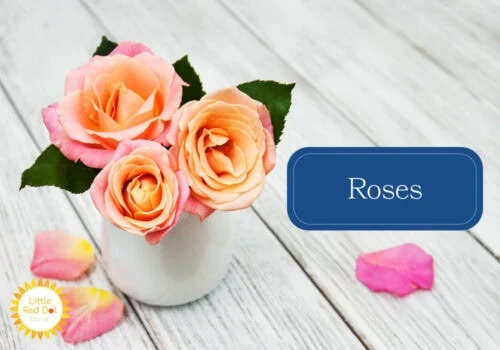
5. Roses
Roses are flowering shrubs known for their beautiful and fragrant blooms. Roses come in various colours and types and symbolise love and appreciation. Roses have been cultivated for thousands of years and hold a special place in cultures worldwide due to their beauty and symbolism.
There are many species and hybrids of roses, such as hybrid tea, floribunda, grandiflora, climbing, shrub and miniature roses. Hybrid Tea Roses are known for their large, single blooms on long stems and are used in bouquets and arrangements. Floribunda Roses produce clusters of smaller blooms, making them ideal for garden displays. Grandiflora Roses are a cross between hybrid tea and floribunda roses, offering large clusters of flowers. Climbing Roses have long, arching canes trained to grow on trellises and fences, adding vertical interest to gardens. Shrub Roses are hardy and disease-resistant with a bushy growth habit, perfect for landscape use. Miniature Roses are small, compact plants ideal for containers and small gardens.
The colour of a rose significantly alters its meaning. Red roses symbolise love and romance, making them popular for Valentine’s Day and anniversaries. Weddings and new beginnings use white roses as symbols of purity and innocence. Yellow roses convey friendship and joy, while pink roses express admiration and gratitude. Orange roses are associated with enthusiasm and passion, and lavender roses represent enchantment and love at first sight. Each colour carries its unique sentiment, allowing for personalised floral messages.
Roses are versatile and are used in a variety of floral arrangements. They are used in bridal, hand-tied, and romantic arrangements due to their classic beauty. Roses make stunning centrepieces for tables at weddings and events, providing elegance and a fragrant aroma. They are perfect for vase arrangements, and brightening up desks and tables in homes and offices. Roses are used in decorative wreaths for various occasions, and their small blooms make them suitable for corsages and boutonnieres for formal events and weddings.
Roses are popular gifts for special occasions such as anniversaries, birthdays, and Valentine’s Day, symbolising love and appreciation. Roses are used in decorations for weddings, events, and home decor. The petals of roses extract essential oils for perfumes, adding a luxurious scent to fragrances. Rose petals are used to make rose water, teas, and various dishes, imparting a delicate flavour. Roses have been used in traditional medicine for their purported health benefits, including anti-inflammatory and soothing properties.
The cost of a single rose varies depending on factors such as the variety, colour, and season. A single rose cost between S$2.69 to S$13.44. Specialty roses, or roses that are out of season, are more expensive. The prices are influenced by the quality and the region where they are purchased.
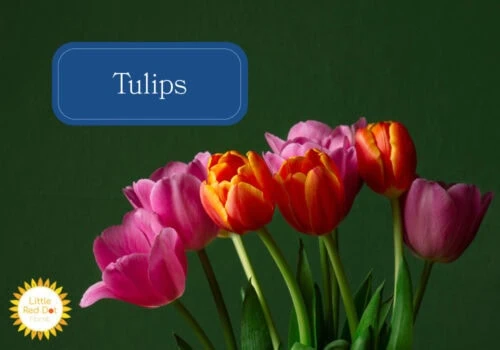
6. Tulips
Tulips are bulbous perennial flowers known for their simple, cup-shaped blooms and vibrant colours. Tulips have become a symbol of spring and are celebrated for their beauty and variety originating from Central Asia. They are among the most popular flowers worldwide, appreciated for their elegance and versatility.
Several species and varieties of tulips exist, such as single early, double early, triumph, parrot, and Darwin hybrid. Single Early Tulips bloom early in the season with single, cup-shaped flowers on sturdy stems. Double Early Tulips have multiple layers of petals, giving them a peony-like appearance. Triumph Tulips are mid-season bloomers known for their large, classic-shaped flowers. Parrot Tulips have ruffled, feathered petals in striking, vibrant colours. Darwin Hybrid Tulips are known for their tall stems and large, long-lasting blooms, making them ideal for cutting gardens. Species Tulips (botanical tulips) are wild-type tulips that are smaller and have unique shapes and patterns.
Tulips carry various meanings based on their colour. Red tulips symbolise deep love and passion, making them popular for romantic occasions. Yellow tulips represent happiness and cheerfulness. White tulips convey purity, forgiveness, and respect. Pink tulips are associated with affection and good wishes, while purple tulips symbolise royalty and admiration. Tulips are associated with new beginnings and renewal because they are associated with spring.
Tulips are versatile flowers that are used in a variety of arrangements. They are popular in spring bouquets and mixed arrangements with other seasonal flowers like daffodils and hyacinths. Tulips are stunning in single-variety arrangements, where their clean lines and vibrant colours shine. They are used in vase arrangements for home decor, adding a touch of elegance and freshness. Tulips are suitable for wedding bridal bouquets and centrepieces, bringing a classic and contemporary feel.
Gardening and flower arrangements use tulips for ornamental purposes. They are a favourite in flower beds and borders, creating striking displays when planted in large groups. Tulips are popular in cut flower arrangements, valued for their long vase life and vibrant colours. Some cultures use Tulip petals as edible garnishes, but it is less common. Tulip festivals and events celebrate the beauty of these flowers, attracting visitors from around the world.
The cost of tulips varies depending on the variety, colour, and season. A single stem ranges from S$1.34 to S$4.03. Specialty tulips, such as parrot or double-bloom varieties, are more expensive and range from S$2.69 to S$6.72 per stem.
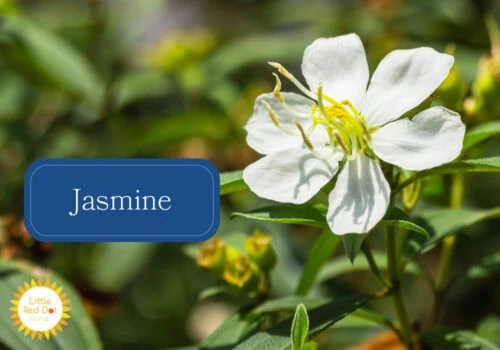
7. Jasmine
Jasmine is a genus of shrubs and vines known for its small, star–shaped, highly fragrant flowers. Jasmines are white or yellow, and the plants are native to tropical and subtropical regions. Jasmine is renowned for its sweet scent, which intensifies in the evening, making it a popular choice for gardens and perfumery.
There are over 200 species of jasmine. The four main species of jasmine are officinale, sambac, grandiflorum, and nudiflorum. Jasminum officinale (common jasmine or poet’s jasmine) is widely cultivated for its sweetly scented white flowers. Jasminum sambac (Arabian jasmine) produces highly fragrant white flowers in perfumes and tea. Jasminum grandiflorum (royal jasmine) has more extensive, star-shaped flowers and is another critical species in the production of jasmine oil. Jasminum nudiflorum (winter jasmine) has yellow flowers and is valued for its winter blooming period.
Jasmine symbolises purity, love, and beauty. Its intoxicating fragrance is associated with sensuality and romance. Cultures use jasmine to welcome guests as a symbol of hospitality. The flower signifies appreciation and good luck, making it famous for celebrations and life’s milestones.
Jasmine flowers are used in delicate and romantic floral arrangements due to their size and fragrance. They are included in bridal bouquets and corsages, adding a touch of elegance and a sweet scent. Jasmine is used in mixed arrangements to provide contrast and fragrance. The trailing vines of jasmine make it suitable for cascading bouquets and hanging arrangements. Jasmine flowers are used in garlands and leis in South Asian weddings and festivals.
Jasmine flowers are valued for their fragrance in addition to their ornamental use. Aromatherapy and skincare products utilise jasmine oil, extracted from the flowers, for its calming and aphrodisiac properties. Foods flavoured with jasmine flowers are prevalent across cultures, especially jasmine tea. Jasmine is used in traditional medicine to treat various ailments, such as stress and anxiety, due to its soothing properties. Fresh jasmine flowers range from S$1.34 to S$4.03 per stem, each bearing several blooms.
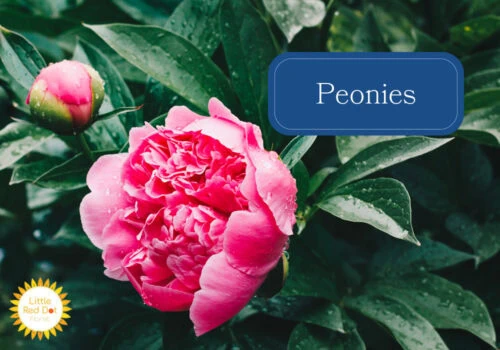
8. Peonies
Peonies are perennial flowering plants known for their large, lush blooms and delightful fragrance. Peonies are native to Asia, Europe, and North America and have been cultivated for over 2,000 years. They are prized for beauty and appear in gardens and floral arrangements.
There are three main types of peonies such as herbaceous, tree, and intersectional (Itoh) peonies. Herbaceous peonies (Paeonia lactiflora) die back to the ground each winter and reemerge in spring, producing various bloom types, including single, double, and semi-double flowers. Tree peonies (Paeonia suffruticosa) have woody stems and produce large, showy blooms that do not die in winter. Intersectional peonies (Itoh) are hybrids between herbaceous and tree peonies, combining the best traits of both with large, colourful blooms on sturdy stems.
Peonies symbolise romance, prosperity, and honour. The “king of flowers” represents wealth and nobility in Chinese culture. Peonies convey modesty and compassion in Victorian flower language. They are associated with good fortune and happy marriages, making them popular in wedding bouquets and decorations.
Peonies are popular in various flower arrangements due to their large, full blooms and appealing fragrance. They are used in bridal bouquets, adding a touch of elegance and romance. Peonies are stunning in mixed arrangements, where their lush petals complement other flowers like roses and lilies. They are ideal for centrepiece arrangements at weddings and special events, providing a focal point of beauty and sophistication. Peonies are used in vase arrangements for home decor, bringing a sense of luxury and freshness.
Peonies are used for ornamental purposes in gardens and floral arrangements. They are a favourite in perennial flower beds and borders, admired for their longevity and low maintenance. Peonies are popular as cut flowers, valued for their long vase life and impressive blooms. Peony roots and seeds are used in traditional medicine in some cultures for their purported health benefits, including pain relief and inflammation reduction. Peonies’ main appeal remains their visual and aromatic charms.
The cost of peonies varies significantly depending on the variety, colour, and season. A single peony stem ranges from S$6.72 to S$20.16 on average. Peak peony season occurs during late spring and early summer when prices are lower.
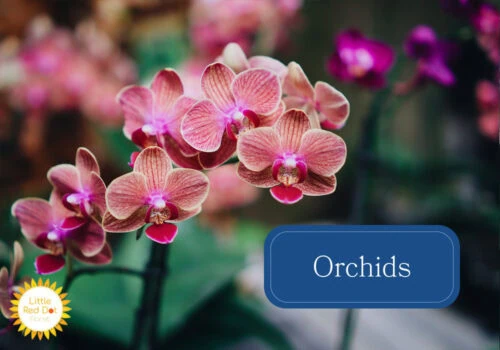
9. Orchids
Orchids are a diverse and widespread family of flowering plants known for their intricate and unique blooms. Over 25,000 species of orchids are celebrated for their stunning shapes, vibrant colours, and fascinating growth habits. Orchids are associated with luxury and exotic beauty, making them popular in gardens and floral arrangements.
Phalaenopsis (moth orchid) is one of the most popular varieties, known for its long-lasting flowers and ease of care. Cattleya orchids are prized for their large, fragrant blooms and are used in corsages. Dendrobium orchids are recognised for their tall, cane-like stems and clusters of flowers. Oncidium orchids (dancing lady orchids) feature unique shapes and are appreciated for their cheerful appearance. Paphiopedilum (lady slipper orchids) are known for their distinctive pouch-like flowers.
Orchids symbolise beauty, strength, and luxury. They are associated with refinement and elegance, making them a popular gift for special occasions. Different colours of orchids convey various meanings. Purple orchids represent admiration and respect, pink orchids symbolise femininity and grace, white orchids signify purity and elegance, and yellow orchids convey joy and friendship.
Orchids are used in sophisticated floral arrangements due to their exotic appearance. They are featured in elegant bridal bouquets, adding a touch of luxury and romance. Orchids are popular in modern centrepieces, where their unique shapes create striking focal points. They are used in tropical-themed arrangements and are paired with other exotic flowers and greenery for a lush effect.
Orchids are cultivated for the cut flower industry and are highly valued in floral design. Orchid species are used in traditional medicine for their supposed health benefits, while others have culinary applications in various cultures. For example, vanilla orchids (Vanilla planifolia) produce vanilla beans, essential in cooking and baking. A single orchid stem ranges from S$6.72 to S$26.88, depending on the variety and quality.
10. Chamomile
Chamomile is a flowering herb known for its daisy-like blooms and soothing properties. Chamomile is a popular choice in herbal remedies and teas, cultivated for its calming effects. Its delicate white petals surround a bright yellow centre, creating a cheerful appearance that complements gardens and floral arrangements.
The two most common species of chamomile are Matricaria chamomilla (German chamomile) and Chamaemelum nobile (Roman chamomile). German chamomile is an annual plant renowned for its strong aromatic qualities and is used for tea. Roman chamomile, a perennial, is valued for its low-growth habit and used as a ground cover and in herbal preparations.
Chamomile symbolises tranquillity, peace, and healing. Its gentle nature makes it a representation of comfort and relaxation, associated with rest and serenity. Chamomile is linked to protection and well-being in various cultures, making it a meaningful choice in herbal traditions and floral arrangements.
Chamomile is used in rustic and natural flower arrangements due to its charming appearance and fragrance. It is included in wildflower bouquets, bringing a touch of whimsy and a fresh, earthy feel. Chamomile is used as filler in mixed arrangements, enhancing the texture and scent of the bouquet. Its delicate blooms make it ideal for summery or garden-themed arrangements.
Chamomile tea is widely consumed for its calming effects, which promote relaxation and aid sleep. The flowers are used in herbal remedies for digestive issues and inflammation. Chamomile extracts are found in skincare products for their soothing and anti-inflammatory properties. The plant’s versatility extends to culinary uses, where it adds flavour to dishes and beverages. Fresh chamomile stems range from S$2,69 to S$5.38 each, while dried chamomile flowers are sold in bulk, costing between S$13.44 to S$26.88.
11. Lilies
Lilies are elegant flowering plants with striking trumpet-shaped blooms and sweet fragrances. Lilies are a favourite in gardens and floral arrangements, symbolising purity and refined beauty with colourful patterns. The vibrant colours and delightful scent of these flowers make them a popular choice for casual and formal settings.
The genus Lilium includes about 100 species of lilies. The most popular include candidum, longiflorum, and asiatica. Lilium candidum (Madonna Lily) is known for its white, fragrant flowers. Lilium longiflorum (Easter Lily) is celebrated for its large white blooms and strong scent. Lilium asiatica (Asiatic Lily) features a range of vibrant colours and is prized for its hardiness. Each species offers unique characteristics and cultural significance.
Lilies symbolise purity, devotion, and renewal. White lilies represent innocence and virtue, orange lilies signify passion and enthusiasm, pink lilies symbolise prosperity and abundance, and yellow lilies convey gratitude and joy. The diversity in symbolism makes lilies suitable for a wide array of occasions.
Lilies are used in formal and informal floral arrangements due to their dramatic shape and vibrant colours. They are featured in wedding bouquets, providing a stunning focal point. Lilies are popular in mixed bouquets and centrepieces, where their height and elegance add depth to the arrangement. Lilies are ideal for large displays, such as funeral arrangements and memorial tributes, symbolising the beauty of life.
Certain species, such as the Easter Lily, are associated with religious celebrations and are used in church decorations. Lily species have traditional medicinal applications, although caution is advised, as some varieties are toxic to pets. Lilies attract pollinators, enhancing the biodiversity of gardens. A single lily stem ranges from S$4.03 to S$9.41, depending on the type and size. Premium varieties, such as Oriental lilies, cost more, ranging from S$6.72 to S$20.16 per stem.
12. Carnations
Carnations are popular flowering plants known for their frilled petals and clove-like scent. Carnations are prized for their wide range of colours and long-lasting blooms, making them a staple in floral arrangements and gardens. Carnations add a touch of elegance to any setting with their vibrant appearance and versatility.
The most commonly cultivated species is Dianthus caryophyllus, the standard carnation. Other notable species include Dianthus chinensis (China pink), characterised by smaller, colourful flowers, and Dianthus barbatus (sweet William), which features clustered blooms with a distinctive scent. Each species offers unique flower forms and colours, expanding the versatility of carnations in floral design.
Carnations symbolise love, fascination, and distinction. Red carnations represent deep love and admiration, pink carnations signify a mother’s undying love, white carnations symbolise purity and good luck, and yellow carnations convey disappointment or rejection. The variety in symbolism makes carnations suitable for various occasions.
Carnations are popular in wedding bouquets, adding texture and richness to the design. Carnations are used in mixed bouquets and centrepieces, providing a long-lasting filler flower. The sturdy stems of carnations make them ideal for arrangements that require height or structure, such as floral arches and large displays.
Carnations are extensively cultivated in the cut flower industry and are known for their durability and long vase life. They are used in floral decorations for events, celebrations, and holidays. Floral art is significant in some cultures due to its significance in traditional ceremonies and festivals. A single carnation stem ranges from S$1.34 to S$4.03, making them an economical choice for floral arrangements.
13. Honeysuckle
Honeysuckle is a genus of climbing shrubs and vines known for its sweetly fragrant flowers and vibrant colours. Honeysuckle are found in gardens and natural landscapes, attracting pollinators with its nectar-rich blooms. It blooms in clusters and ranges from white and yellow to pink and red.
There are about 180 species of honeysuckle. There are five main species of honeysuckle such as japonica, periclymenum, sempervirens, tatarica and xylosteum. Lonicera japonica (Japanese honeysuckle) is a fast-growing vine with fragrant white to yellow flowers used for ground cover. Lonicera periclymenum (European honeysuckle) produces beautiful tubular flowers that attract bees and butterflies. Lonicera sempervirens (trumpet honeysuckle) features red and yellow flowers that are popular for attracting hummingbirds. Other notable species include Lonicera tatarica and Lonicera xylosteum, which are valued for their ornamental foliage and blooms.
Honeysuckle symbolises devotion, love, and fidelity. Its sweet scent and attractive flowers make it a popular representation of lasting relationships and affection. Honeysuckle is associated with lovely memories and the beauty of nature in various cultures.
Honeysuckle is used in garden arrangements and naturalistic floral designs due to its trailing vines and lovely blooms. It is included in mixed bouquets, adding texture and a fragrant element. Honeysuckle are used in wildflower arrangements, bringing a rustic charm to wedding bouquets and centrepieces. Its cascading nature makes it ideal for hanging arrangements or as an accent in larger floral displays.
Honeysuckle syrups and teas are made from them and celebrated for their sweet flavour and aromatic properties. Honeysuckle extracts are included in herbal remedies for their health benefits, including soothing sore throats and coughs. Honeysuckle provides important nectar for pollinators and is used in erosion control and landscape restoration projects due to its hardy nature. Fresh honeysuckle stems range from S$1.34 to S$4.03 each, though prices vary based on availability and season.
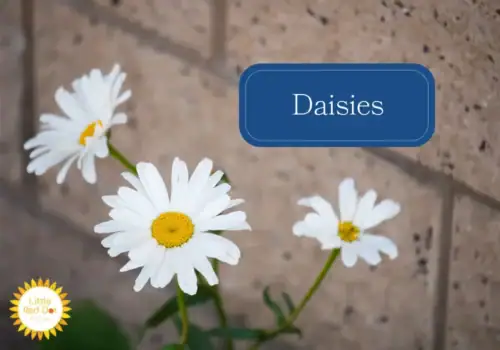
14. Daisies
Daisies are cheerful flowering plants with a simple and striking appearance, featuring a central yellow disc surrounded by white or colourful petals. Daisy symbolises purity and innocence and is associated with a sense of childhood joy and simplicity. They are versatile and brighten gardens, meadows, and floral arrangements.
The most well-known species is Bellis perennis (common daisy or English daisy), which is found in lawns and fields. Another popular species is Leucanthemum vulgare (oxeye daisy), which is known for its larger blooms and robust growth. Gerbera daisies (Gerbera jamesonii) are cultivated for their vibrant colours and are a favourite in floral design.
Daisies symbolise purity, new beginnings, and innocence. They are associated with cheerfulness and playfulness, making them famous for celebrations and casual gatherings. A daisy symbolises loyalty and love in various cultures, reflecting the beauty of simplicity.
Daisies are used in casual and whimsical floral arrangements due to their friendly appearance. They are ideal for wildflower bouquets, adding a touch of natural charm. Daisies are included in mixed arrangements, providing a light-hearted contrast to more elaborate flowers. The sturdy stems of daisies make them suitable for centrepieces and informal gatherings, evoking a fresh and vibrant atmosphere.
Daisies are utilised in herbal remedies for their anti-inflammatory and soothing properties. Common daisies are used in traditional medicine. Daisies are widespread in educational settings, symbolising childhood and innocence, and are featured in children’s art and crafts. Fresh daisy stems range from S$1.34 to S$4.03 each, making them an economical choice for floral arrangements. Gerbera daisies, being more specialised, cost between S$4.03 to S$9.41 per stem.
15. Sunflowers
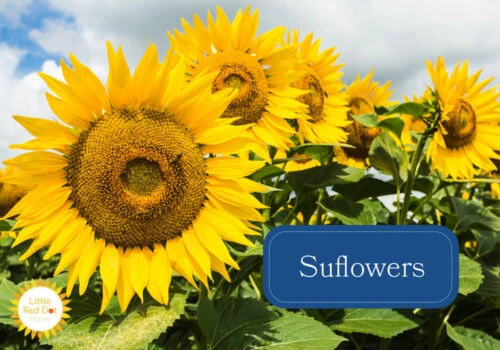
Sunflowers are large, bright flowers known for their striking yellow petals and dark central disks. Sunflowers belong to the genus Helianthus and are easily recognizable for their tall stems and vibrant blooms, native to North America. They are admired for their cheerful appearance and are associated with positivity and warmth.
There are about 70 species of sunflowers. There are four main species of sunflowers such as annuus, tuberosus, maximiliani and debilis. Helianthus annuus (common sunflower) is cultivated for its seeds and ornamental value. Helianthus tuberosus (Jerusalem artichoke) produces edible tubers and has smaller flowers. Helianthus maximiliani (Maximilian sunflower) is a perennial species with bright yellow blooms used in wildflower gardens. Helianthus debilis (dune sunflower) is a low-growing species ideal for sandy soils and coastal areas.
Sunflowers symbolise adoration, loyalty, and longevity. The bright, sun-like appearance of sunflowers conveys warmth and happiness, making them a popular choice for communicating positive emotions. Sunflowers are associated with the sun and life in various cultures, representing joy, vitality, and energy. They symbolise resilience and the ability to rise above challenges, much like how sunflowers grow tall and strong.
Sunflowers are used in vibrant and cheerful floral arrangements. They are popular in rustic and country-style bouquets, adding a bold splash of colour and a sense of warmth. Sunflowers are mixed with other seasonal flowers, creating eye-catching displays. They make excellent centrepieces for summer weddings and events, bringing a touch of natural beauty and joy. Sunflowers are used in standalone vase arrangements, brightening homes and offices with their sunny disposition.
Sunflowers have several practical uses beyond their ornamental value. Sunflower seeds are a popular snack used to produce sunflower oil, widely used in cooking. The seeds are used in bird feed mixes. A cover crop such as sunflower improves soil health and reduces erosion in agriculture. Sunflowers are used in phytoremediation to extract toxins from the soil. The bright blooms of sunflowers attract pollinators, making them beneficial in gardens and agricultural settings. A single sunflower stem ranges from S$1.34 to S$6.72.
16. Hydrangeas
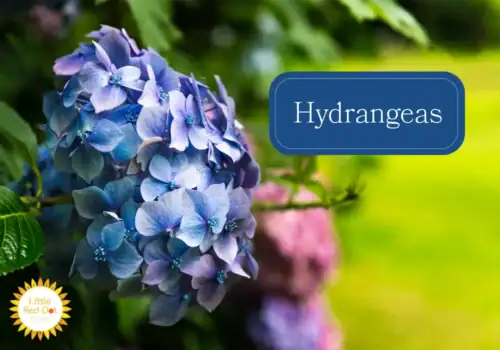
Hydrangeas are large, bushy shrubs known for their spectacular, globe-like flower clusters. Hydrangeas come in various colours, including blue, pink, white, and purple, and are prized for their lush, full blooms and long-lasting beauty.
Common species include Hydrangea macrophylla (bigleaf hydrangea), Hydrangea paniculata (panicled hydrangea), and Hydrangea quercifolia (oakleaf hydrangea). Hydrangeas symbolise understanding, gratitude, and abundance. Hydrangeas’ full, rounded blooms represent heartfelt emotions and the richness of relationships, making them a popular choice for expressing appreciation and love.
Hydrangeas are ideal for creating large, dramatic arrangements. They are used in wedding bouquets, elegant centrepieces, and lush, garden-style bouquets due to their impressive size and abundance of blooms. Hydrangeas are popular in garden design for their visual impact and ability to adapt to various soil conditions. They are used in dried flower arrangements, where their colours and shapes provide lasting beauty. The cost of hydrangea stems ranges from S$5.38 to S$10.75 each, depending on size and colour.
17. Tuberose
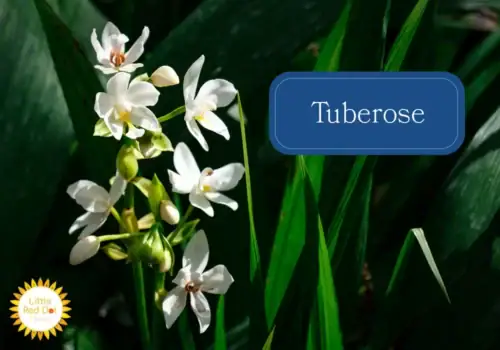
Tuberose is a tropical flowering plant known for its highly fragrant, white, waxy flowers arranged in dense, upright spikes. Tuberose is prized for its strong, sweet scent and elegant appearance, which are used in perfumes and floral arrangements.
The primary species is Polianthes tuberosa (tuberose). The species is renowned for its fragrant blossoms and is widely cultivated for ornamental and commercial purposes. Tuberoses symbolise purity, refinement, and the transience of beauty. The intoxicating fragrance and delicate flowers of Tuberoses convey a sense of sophistication and elegance.
Tuberoses are used in high-end floral arrangements, including bridal bouquets, luxury centrepieces, and elegant displays. Tuberoses’ strong fragrance and unique form make them ideal for creating memorable and sophisticated arrangements. Tuberoses are valued in perfumery for their rich, sweet scent. They are used in traditional medicine and as decorative plants in gardens and indoor settings. Tuberose stems range from S$4.38 to S$10.75 each, depending on size and quality.
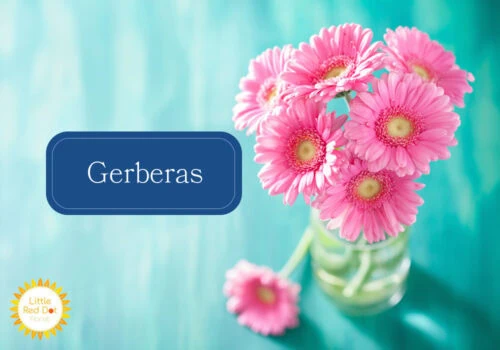
18. Gerberas
Gerberas (gerbera daisies) are bright, cheerful flowers known for their large, daisy-like blooms and vibrant colours. Gerberas are famous for their striking appearance and long-lasting freshness. The primary species is Gerbera jamesonii, with numerous hybrids and cultivars developed for their wide range of colours and forms.
Gerberas symbolise happiness, cheerfulness, and purity. The bright colours and bold appearance of Gerberas represent joy and positive energy, making them a popular choice for conveying cheerful sentiments.
Gerberas are ideal for bold, cheerful floral arrangements. They are used in mixed bouquets, standalone arrangements, and vibrant centrepieces. The sturdy stems and large blooms of Gerberas make them perfect for adding a focal point to any display. They are popular in gardens for their long blooming period and vibrant colours. The cost of gerbera stems ranges from S$2.69 to S$6.72 each.
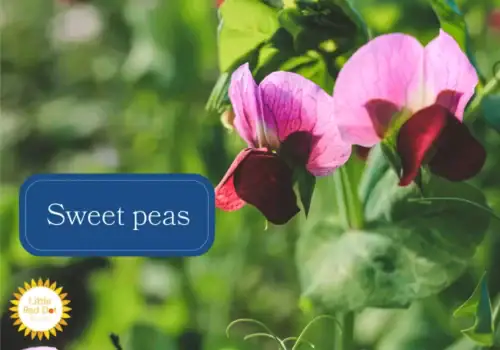
19. Sweet peas
Sweet peas are fragrant climbing plants known for their delicate, colourful blooms and sweet scent. Sweet peas are popular in gardens and floral arrangements for their charming appearance and pleasant aroma. The primary species is Lathyrus odoratus (sweet pea), known for its various colours and fragrant flowers.
Sweet peas symbolise blissful pleasure, delicate beauty, and departure. They are associated with farewells and are used to convey a message of appreciation and gratitude. Sweet peas are used in romantic and vintage-style floral arrangements. They are ideal for bouquets, centrepieces, and wedding arrangements, providing a touch of elegance and fragrance.
Sweet peas are grown for their beauty and scent. They are popular in home gardens and as cut flowers. Varieties have been bred for their sweet-scented flowers, which are enjoyed in floral design. Sweet pea stems range from $2.69 to S$5.38 each.
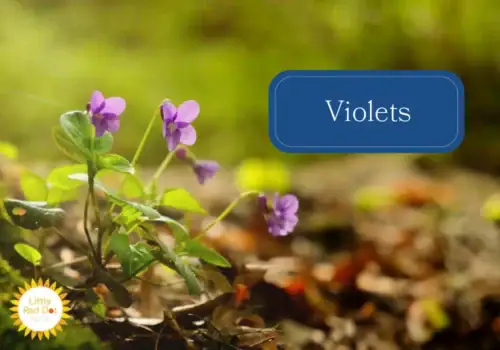
20. Violets
Violets are small, perennial flowering plants known for their heart-shaped leaves and delicate, fragrant flowers in shades of purple, blue, and white. Violets are a charming addition to gardens and floral arrangements.
Common species include Viola odorata (sweet violet), Viola tricolor (wild pansy or Johnny-jump-up), and Viola sororia (common blue violet). Violets symbolise modesty, faithfulness, and everlasting love. Violets’ delicate appearance and subtle fragrance convey a sense of purity and simplicity.
Violets are used in small, intimate floral arrangements, posies, and nosegays. They add a touch of elegance to mixed bouquets and are used to enhance garden borders and containers.
Violets are edible flowers used in culinary applications and herbal medicine for their soothing and anti-inflammatory properties. The sweet scent of Violets is popular in perfumes and cosmetics. The cost of violet stems ranges from S$1.34 to S$4.03 each.
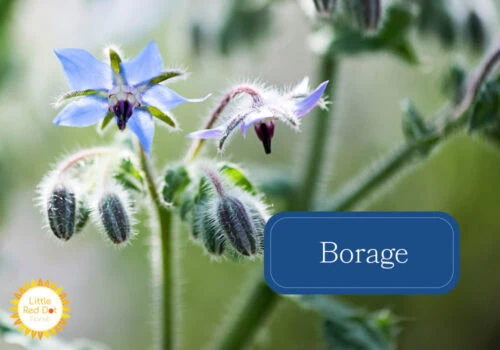
21. Borage
Borage (starflower) is an annual herb characterised by its bright blue, star-shaped flowers and hairy leaves. Starflower is known for its culinary and medicinal uses and its attractiveness to pollinators.
The primary species is Borago officinalis, grown for its edible flowers and leaves. Borage symbolises courage and bravery. It was believed to bring comfort and dispel sorrow. Borage is used in herb gardens and edible flower arrangements. Its distinctive blue flowers add a unique touch to mixed herb bouquets and decorative culinary displays.
Borage flowers and leaves are edible and used in salads, garnishes, and beverages. The plant has traditional medicinal uses, such as anti-inflammatory and diuretic. It is grown to attract pollinators like bees to gardens. Borage plants range from S$4.03 to S$8.07 per stem.
22. Irises
Irises are striking perennial plants known for their vibrant, showy flowers and unique, sword-like leaves. Irises bloom in various colours, including blue, purple, white, yellow, and pink, making them famous for gardens and floral arrangements.
Common species include Iris germanica (bearded iris), Iris sibirica (Siberian iris), and Iris ensata (Japanese iris). Each species has unique characteristics, such as differing bloom times and preferred growing conditions. Irises symbolise wisdom, courage, and faith. They are associated with royalty and admiration, with different colours conveying various sentiments. Irises are used in elegant and sophisticated floral arrangements. They are ideal for bouquets, centrepieces, and mixed arrangements, providing a touch of grace and vibrant colour.
Irises are used in landscaping to add height and visual interest to garden beds. Some species have historical uses in herbal medicine, while others are cultivated for their essential oils, which are used in perfumery. The cost of iris stems ranges from S$2.69 to S$6.72 each.
23. Freesias
Freesias are elegant, fragrant flowering plants with funnel-shaped blooms and graceful arching stems. Freesias are beloved for their vibrant colours and sweet scent, making them popular in gardens and floral arrangements. The primary species is Freesia refracta, which includes wide hybrid varieties in various colours, from white and yellow to pink, red, and purple.
Freesias symbolises innocence, friendship, and trust. Freesias’s delicate appearance and delightful fragrance convey a sense of purity and thoughtfulness. Freesias are used in wedding bouquets, corsages, and mixed floral arrangements. Freesias’s fragrant and colourful blooms add elegance and charm to any design. Freesias are popular in gardens for their beauty and fragrance. They are used in perfumery and aromatherapy due to their sweet, pleasing scent. The cost of freesia stems ranges from S$2.69 to S$5.38 each.
24. Pansies
Pansies are charming flowering plants known for their bright, cheerful blooms and heart-shaped petals with distinctive “faces.” Pansies thrive in cooler weather, adding colour to gardens and containers.
The most common species is Viola tricolor var. hortensis (garden pansy) Other notable species include Viola cornuta (horned pansy) and Viola x wittrockiana(large-flowered pansy). Pansies symbolise thoughtful remembrance, love, and admiration. The vibrant and varied colours of Pansies make them a popular choice for expressing warm sentiments.
Pansies are used in small bouquets, container gardens, and hanging baskets. They are perfect for spring and fall arrangements, providing colour and charm. Pansies are used in culinary applications as edible flowers, adding a decorative touch to salads and desserts. They have traditional uses in herbal medicine. The cost of pansies ranges from S$1.34 to S$4.03 per stem.
25. Lilacs
Lilacs are fragrant flowering shrubs known for their beautiful, dense clusters of small, tubular flowers. Lilacs bloom in spring and are cherished for their sweet scent and vibrant colours, ranging from purple and lilac to white and pink.
The most common species is Syringa vulgaris (common lilac). Other notable species include Syringa meyeri (Meyer lilac) and Syringa reticulata (Japanese tree lilac).
Lilacs symbolise love, youth, and purity. Different colours convey various meanings, with purple lilacs representing first love and white lilacs symbolising innocence. Lilacs are used in romantic and nostalgic floral arrangements. They are ideal for spring bouquets, centrepieces, and mixed arrangements, adding a touch of elegance and fragrance.
Lilacs are valued for their fragrance in perfumery and aromatherapy. They attract pollinators like butterflies and bees, enhancing garden biodiversity. The cost of lilac stems ranges from S$4.03 to S$8.07 each.
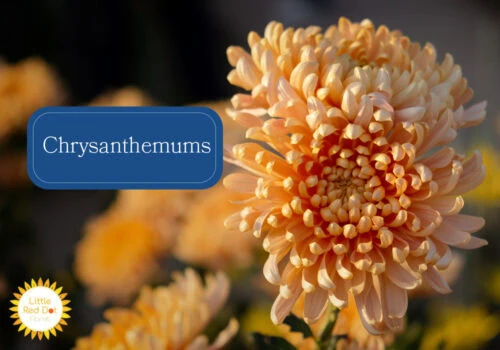
26. Chrysanthemums
Chrysanthemums (mums) are popular flowering plants known for their large, vibrant blooms in various shapes, sizes, and colours. Mums are cultivated for their ornamental beauty and are a staple in gardens and floral arrangements. Common species include Chrysanthemum morifolium (garden mums) and Chrysanthemum indicum. Numerous hybrid varieties are bred for specific colours and forms.
Chrysanthemums symbolise optimism, joy, and longevity. They carry various meanings in different cultures, such as life and rebirth in Asian cultures and honour and respect in Western contexts. Chrysanthemums are versatile and used in various arrangements, from casual bouquets to elaborate floral displays. They are popular in autumn-themed arrangements and are used in funeral and memorial settings due to their association with honour and remembrance.
Chrysanthemums are known for their medicinal properties and are used in traditional Chinese medicine to treat various ailments. The flowers make chrysanthemum tea, a popular herbal infusion. The cost of chrysanthemum stems ranges from S$1.34 to S$4.03 each.
27. Spray roses
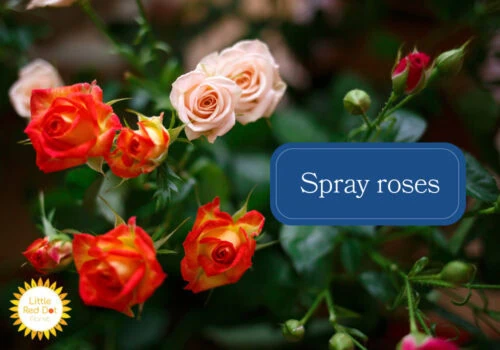
Spray roses are small, multi-blooming rose varieties that grow in clusters on a single stem. Spray roses are prized for their delicate beauty, versatility, and the abundance of blooms they produce, making them a popular choice for various floral arrangements.
Spray roses are not a separate species but a variety of Rosa genus cultivated for their clustered growth habit. They include many hybrids and cultivars selected for their form and colour. Spray roses symbolise grace, elegance, and thoughtfulness. The smaller size and profuse blooming nature of Spray roses make them a symbol of charm and understated beauty.
Spray roses are used in bridal bouquets, boutonnieres, corsages, and mixed flower arrangements. They add volume and texture to floral designs, complementing larger blooms and creating a full appearance. Spray roses are popular in garden landscapes for their continuous blooming and compact size. They are used as border plants, container gardening, and accents in mixed flower beds. Spray rose stems range from S$2.69 to S$6.72 each.
28. Anthuriums
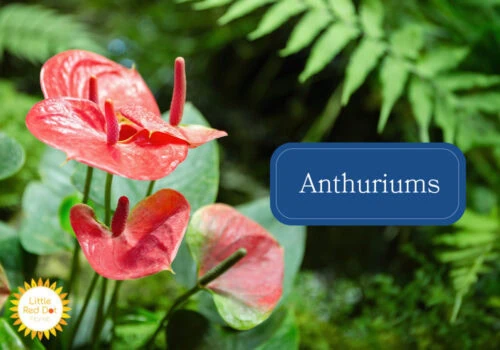
Anthuriums (tailflowers or flamingo flowers) are tropical plants known for their shiny, heart-shaped spathes and prominent spadices. The striking appearance and vibrant colours of Anthuriums make them a popular choice for decorative floral arrangements.
The primary species is Anthurium andraeanum, which includes hybrids and cultivars with spathe colours ranging from red, pink, and orange to white and green. Anthuriums symbolise hospitality, happiness, and abundance. The open, heart-shaped spathes of Anthuriums represent warmth and welcoming, making them popular for gifting and decoration.
Anthuriums are used in modern and tropical floral arrangements. The bold colours and unique shapes of Anthuriums make them excellent focal points in bouquets, centrepieces, and large displays. Anthuriums are popular as houseplants due to their long-lasting blooms and attractive foliage. They are used in tropical landscaping and as ornamental plants in gardens. The cost of anthurium stems ranges from S$4.03 to S$10.75 each.
29. Gardenias
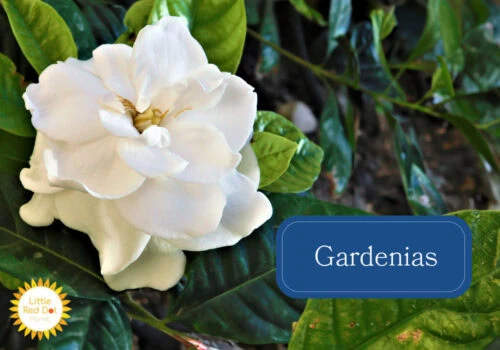
Gardenias are evergreen shrubs known for glossy green leaves and large, fragrant white or cream-coloured flowers. Gardenias are prized for their intense fragrance and elegant appearance, making them popular in gardens and floral arrangements.
The most common species is Gardenia jasminoides (Cape jasmine). Other notable species include Gardenia thunbergia and Gardenia brighamii. Gardenias symbolise purity, love, and refinement. They are associated with secret love and are used to convey admiration and trust. Gardenias are used in bridal bouquets, corsages, and boutonnieres due to their romantic appearance and fragrance. They are used in elegant floral arrangements and centrepieces.
Gardenias are popular in perfumery due to their strong scent. They are grown as houseplants and in gardens for their beauty and aroma. Gardenias are used in traditional medicine. Gardenia flowers range from S$6.72 to S$20.16 per stem, depending on size and quality.
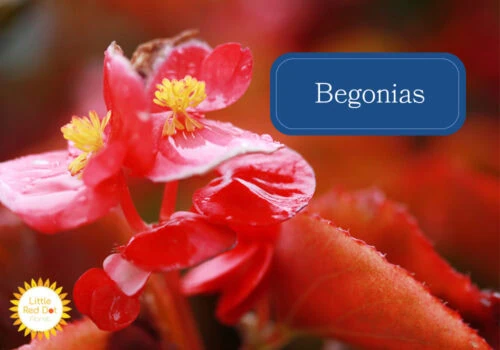
30. Begonias
Begonias are diverse ornamental plants known for their vibrant flowers and attractive foliage. Begonias are popular in gardens, containers, and as houseplants due to their varied forms and colours.
Common species include Begonia semperflorens (wax begonia), Begonia rex (rex begonia), and Begonia tuberhybrida (tuberous begonia). Each species offers unique flower shapes and foliage patterns. Begonias symbolise caution and communication. They are associated with a message of friendship and gratitude.
Begonias are used in garden beds, hanging baskets, and as potted plants. The bright blooms and striking leaves of Begonias make them ideal for mixed floral arrangements and decorative displays. Begonias are popular as houseplants and for landscaping. Some varieties are used in culinary applications, while others have traditional medicinal uses. The begonia plants range from S$5.38 to S$13.44 per stem.
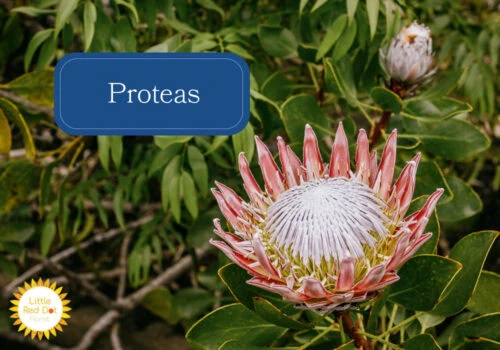
31. Proteas
Proteas are striking, exotic flowering plants known for their large, unique blooms and vibrant colours. Proteas are highly valued for their dramatic appearance and long vase life, native to South Africa. Common species include Protea cynaroides (king protea), Protea repens (sugarbush protea), and Protea neriifolia (nerifolia protea). Each species varies in bloom size, shape, and colour.
Proteas symbolise transformation, diversity, and courage. Proteas’s unique and resilient nature represents strength and adaptability, making them a powerful symbol in floral design. Proteas are used as focal points in bold, contemporary floral arrangements. They are perfect for creating eye-catching centrepieces and striking mixed bouquets, adding an exotic and sophisticated touch.
Proteas are popular in landscaping and garden design for their drought tolerance and striking appearance. They are used in dried flower arrangements due to their long-lasting nature. The cost of protea stems ranges from S$6.72 to S$20.16 each, depending on the species and size.
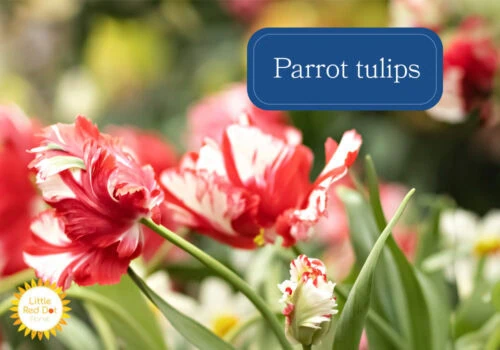
32. Parrot tulips
Parrot tulips are a distinctive variety known for their fringed, ruffled petals and vibrant, multi-coloured blooms. Parrot tulips are prized for their dramatic appearance and unique petal shapes that resemble a parrot’s feathers. Parrot tulips belong to the species Tulipa gesneriana, which encompasses many hybrid varieties bred explicitly for their unusual and striking flowers.
Parrot tulips symbolise passion, excitement, and creativity. The vivid and colourful blooms of Parrot tulips represent joy and the celebration of beauty. Parrot tulips are used as focal points in bold and artistic floral arrangements. They are ideal for modern and extravagant bouquets, centrepieces, and floral displays that aim to impress and captivate.
Parrot tulips are popular in gardens and as cut flowers due to their long-lasting blooms and striking appearance. They are used in spring displays and special occasions showcasing their unique beauty. The cost of parrot tulip stems ranges from S$4.03 to S$8.07 each, depending on the variety and availability.
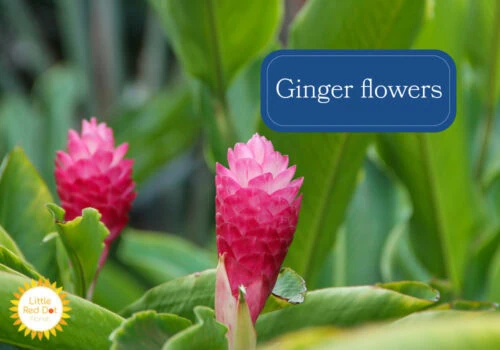
33. Ginger flowers
Ginger flowers are tropical blooms known for their striking, vibrant colours and unique shapes. Ginger flowers are part of the Zingiberaceae family and are appreciated for their exotic appearance and fragrant blooms.
Common species include Zingiber zerumbet (shampoo ginger), Alpinia galanga (galangal), and Zingiber officinale (common ginger). Each species has distinct flowers and uses. Ginger flowers symbolise exotic beauty and vibrancy. The unique appearance of Ginger flowers represents boldness and a touch of the tropics, evoking a sense of adventure and novelty.
Ginger flowers are ideal for tropical and exotic floral arrangements. They are used in bold centrepieces, tropical-themed bouquets, and large, dramatic displays that highlight their unique and striking forms. Some ginger flowers have culinary and medicinal applications. For instance, galangal is used in cooking in Southeast Asian cuisine, while shampoo ginger is known for its use in traditional Hawaiian hair and skin care. Ginger flowers are used in conventional medicine and herbal remedies. Ginger flower stems range from S$4.03 to S$8.07 each.
34. Petunias
Petunias are popular, vibrant flowering plants known for their wide range of colours and trumpet-shaped blooms. Petunia’s colours are white, pink, red, purple, blue, and yellow. They have grown annually in gardens, containers, and hanging baskets, providing continuous colour throughout the growing season.
The primary species is Petunia × atkinsiana, a hybrid cultivated for its diverse flower forms and colours. Other species include Petunia integrifolia and Petunia axillaris, which contribute to the genetic diversity of hybrid varieties.
Petunias symbolise anger and resentment when given as a gift but represent comfort and soothing in some contexts. The bright and varied colours of Petunias convey various emotions and messages. Petunias are used in vibrant garden displays, hanging baskets, and window boxes. They are ideal for creating colourful borders and are used in mass plantings for a bold, eye-catching effect.
Petunias add colour and beauty to gardens, patios, and balconies. They are used in landscaping to cover the ground and attract pollinators like bees and butterflies. The cost of petunia plants ranges from S$2.69 to S$6.72 per stem, depending on the size and variety.
35. Ruscus
Ruscus (butcher’s broom) is a hardy, evergreen shrub with glossy, dark green foliage and small, inconspicuous flowers. Ruscus is valued for its durability and versatility in floral arrangements. The primary species used in floral design is Ruscus aculeatus (butcher’s broom). Other species include Ruscus hypoglossum (mouse thorn) and Ruscus hypophyllum.
Ruscus symbolises thoughtfulness and humility. Its evergreen nature represents endurance and resilience, making it a thoughtful addition to various arrangements. Ruscus is used as a filler in bouquets, centrepieces, and wreaths. Its sturdy foliage adds texture, volume, and a rich green backdrop that complements a variety of flowers.
Ruscus is used in landscaping for ground cover and as a decorative plant in gardens and containers. Its foliage is sometimes used in traditional medicine. The cost of Ruscus stems ranges from S$1.34 to S$4.03 each.
36. Eustomas
Eustomas (lisianthus) are elegant flowers with rose-like blooms. Eustomas are admired for their delicate, ruffled petals and wide range of colours, including shades of white, pink, purple, and blue. The primary species is Eustoma grandiflorum (Lisianthus russellianus). The species is cultivated for its beautiful flowers and is available in single and double-bloom varieties.
Eustomas symbolise appreciation, gratitude, and charisma. The refined beauty and graceful appearance of Eustomas perfectly convey admiration and heartfelt emotions. Eustomas are ideal for elegant, romantic floral arrangements. They are used in wedding bouquets, boutonnieres, and sophisticated centrepieces. The versatility of Eustomas allows them to blend well in mixed arrangements and standalone bouquets.
Eustomas are popular in gardens for their long-lasting blooms and vibrant colours. They are used in corsages and boutonnieres for formal events due to their delicate and refined appearance. The cost of eustoma stems ranges from S$2.69 to S$6.72 each.
37. Lupines
Lupines are tall, striking flowering plants known for their dense, vertical spikes of colourful blooms. Lupines are admired for their vibrant flower clusters and the variety of colours they display, including blue, purple, pink, and white. Common species include Lupinus polyphyllus (large-leaved lupine), Lupinus perennis (wild lupine), and Lupinus arboreus (tree lupine). Each species offers unique characteristics, such as varying flower colours and growth habits.
Lupines symbolise imagination, beauty, and tranquillity. The tall, elegant spikes of Lupines convey a sense of grace and allure associated with serenity and creativity. Lupines are ideal for adding height and drama to floral arrangements. They are used in garden displays, wildflower bouquets, and mixed arrangements, providing a vertical element and vibrant colour.
Lupines are cultivated for their aesthetic appeal in gardens and landscapes. Species are used as cover crops to improve soil fertility due to their nitrogen-fixing properties. The cost of lupine stems ranges from S$4.03 to S$8.07 each.
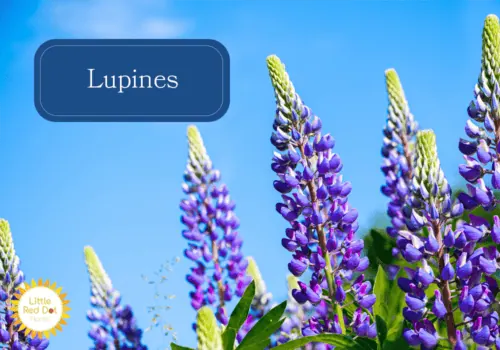
38. Violas
Violas are charming, small flowering plants with heart-shaped leaves and colourful, bi-coloured blooms. Violas are similar to pansies but smaller and more delicate, adding vibrant colour to gardens and containers. The primary species is Viola × wittrockiana (pansy), which includes many hybrid varieties. Another key species is Viola cornuta (horned viola), known for its distinctive flower shape and compact growth.
Violas symbolise loyalty, devotion, and modesty. The sweet appearance and subtle charm of Violas make them a popular choice for conveying gentle affection and appreciation. Violas are used in small bouquets, mixed arrangements, and container gardens. The delicate flowers of Violas are ideal for adding a touch of colour and elegance to floral displays.
Violas are edible and are used as garnishes in salads, desserts, and beverages. They are popular in home gardens and as ground cover due to their attractive blooms and ease of care. The cost of viola plants ranges from S$2.69 to S$5.38 per stem.
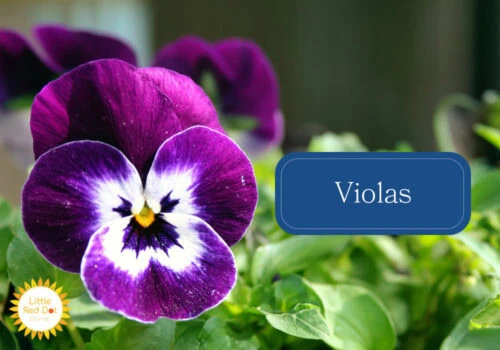
39. Stephanotis
Stephanotis (Madagascar jasmine) is a tropical flowering plant known for its star-shaped, waxy white flowers and sweet fragrance. Stephanotis is a popular choice in weddings and special events due to its elegant appearance and delightful scent. The primary species is Stephanotis floribunda (Madagascar jasmine). The species is celebrated for its attractive and fragrant blooms.
Stephanotis symbolises marital happiness, good fortune, and the desire for a happy marriage. Its association with weddings and love makes it a meaningful choice for romantic occasions. Stephanotis is used in bridal bouquets, corsages, boutonnieres, and wedding decorations. Its delicate, fragrant flowers add an elegant and refined touch to floral arrangements.
Stephanotis is grown as an ornamental house plant and garden plant in warm climates. Its fragrant flowers and attractive foliage make it a popular indoor and outdoor decoration choice. The cost of individual Stephanotis flowers ranges from S$2.69 to S$5.38 each.
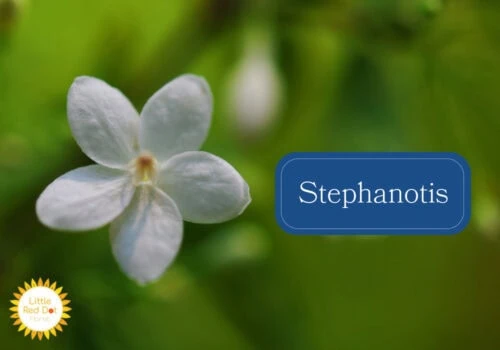
40. Forget-me-nots
Forget-me-nots are small, delicate flowering plants known for their bright blue, five-petaled flowers and their association with remembrance. Forget-me-nots are cherished for their beauty and sentimental value, growing in clusters in gardens and wildflower meadows.
The most common species is Myosotis scorpioides (true forget-me-not). Other notable species include Myosotis sylvatica (wood forget-me-not) and Myosotis arvensis (field forget-me-not). Forget-me-nots symbolise true love, remembrance, and fidelity. They convey a message of enduring connection and are used to honour the loved ones’ memories.
Forget-me-nots are ideal for delicate, sentimental arrangements such as memory bouquets, springtime displays, and wildflower posies. The small size and bright colour of Forget-me-nots make them perfect fillers in mixed bouquets and garden-style arrangements. Forget-me-nots are planted in gardens and memorial spaces for sentimental value and low-maintenance care. They are used in herbal remedies and folklore traditions. The cost of forget-me-not stems is around S$1.34 to S$4.03 each, though they are sold in bunches.
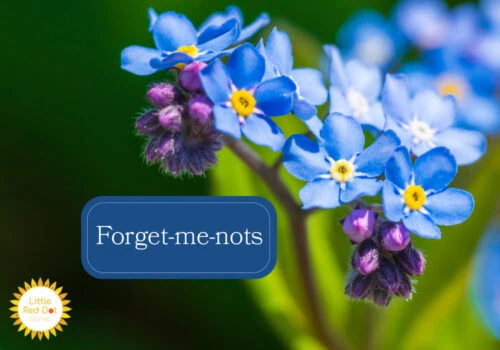
41. Mock orange
Mock orange is a deciduous shrub known for its fragrant, white or cream-coloured flowers that resemble orange blossoms. Mock orange is valued for its pleasing scent and attractive appearance, making it a popular choice for gardens and landscapes.
The primary species is Philadelphus coronarius (European mock orange) Other species include Philadelphus lewisii (Lewis’ mock orange) and Philadelphus x virginalis (virginal mock orange). Mock oranges symbolise purity, innocence, and a sense of tranquillity. The fresh fragrance and delicate flowers of Mock oranges evoke peace and simplicity.
Mock orange is used in garden arrangements, mixed bouquets, and as a filler flower in larger displays. Its fragrant blooms and lush foliage add a fresh, natural touch to floral arrangements. Mock orange is appreciated for its scent in perfumes and as a landscape plant. It is used in hedges and borders for its beauty and fragrance. The cost of mock orange stems ranges from S$4.03 to S$8.07 each.
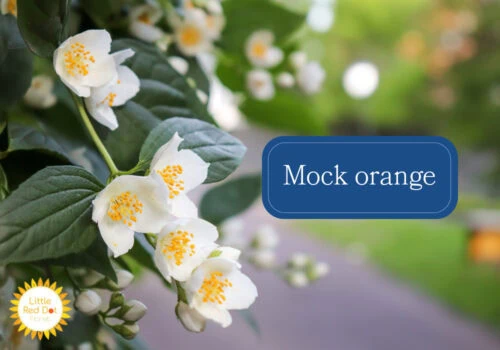
42. Cornflowers
Cornflowers (bachelor’s buttons) are vibrant annual plants known for their brilliant blue flowers. Cornflowers are beloved for their striking colour and simple, daisy-like blooms, making them a favourite in gardens and floral arrangements. The primary species is Centaurea cyanus (cornflower or bachelor’s button). The species is known for its vivid blue flowers and ease of cultivation.
Cornflowers symbolise hope, fidelity, and delicacy. The bright blue colour and resilient nature of Cornflowers make them a symbol of inspiration and enduring love. Cornflowers are used in wildflower bouquets, rustic arrangements, and garden-style designs. The bright colour and delicate appearance of Cornflowers add a cheerful and natural touch to floral displays. Cornflowers are used in herbal medicine and as a natural dye. They are edible and garnished in salads, desserts, and beverages. The cost of cornflower stems ranges from S$1.34 to S$2.69 each.
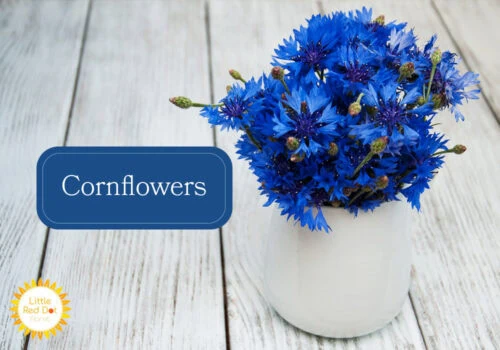
43. Heliconias
Heliconias are tropical plants known for their dramatic, colourful flower bracts and unique, banana-like appearance. Heliconias are admired for their bold, exotic look and are used to create striking floral arrangements. Key species include Heliconia rostrata (lobster claw), Heliconia bihai (bihai), and Heliconia psittacorum (parrot’s beak).
Heliconias symbolise exotic beauty and vibrancy. The bold, colourful appearance of Heliconias represents strength, uniqueness, and a connection to a tropical paradise. Heliconias are ideal for tropical and dramatic floral arrangements. They are used as focal points in large bouquets, centrepieces, and tropical displays due to their striking and unique appearance.
Heliconias are popular in tropical landscaping for their vibrant colour and architectural form. They are used in garden design to create bold, eye-catching displays. The cost of heliconia stems typically ranges from S$6.72 to S$13.44 each, depending on the species and size.

44. Bluebonnets
Bluebonnets are iconic, vibrant wildflowers known for their striking blue, lupine-like blooms that cover fields and roadsides in a sea of blue during spring. Bluebonnets are the state flower of Texas and are celebrated for their beauty and abundance.
The primary species is Lupinus texensis (Texas bluebonnet). Other species include Lupinus subcarnosus (sandyland bluebonnet) and Lupinus havardii (Big Bend bluebonnet). Bluebonnets symbolises gratitude, admiration, and the beauty of nature. They represent the vibrant spirit of the region where they flourish in Texas.
Bluebonnets are used in wildflower bouquets and rustic floral arrangements. The natural beauty of Bluebonnets makes them perfect for creating informal, meadow-inspired displays. Bluebonnets are used in landscaping to create stunning displays in fields and gardens, valued for their ornamental beauty. They play a role in soil stabilisation and attracting pollinators like bees and butterflies. Bluebonnet seeds range from S$6.72 to S$13.44 per packet.
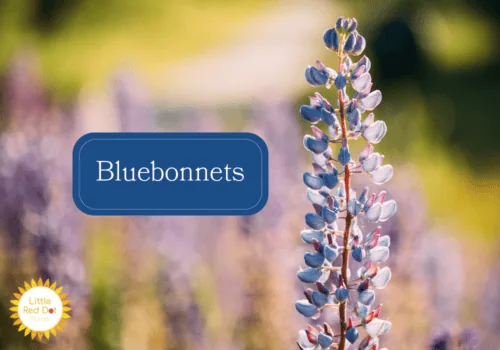
45. Nasturtiums
Nasturtiums are vibrant, hardy annual plants known for their bright, showy flowers and round, green leaves. Nasturtiums are valued for their colourful blooms, peppery, edible leaves, and flowers, which add colour and flavour to gardens and dishes.
The primary species is Tropaeolum majus (garden nasturtium). Other species include Tropaeolum minus and Tropaeolum peregrinum (canary creeper). Nasturtiums symbolise patriotism and conquest. Nasturtiums bold colours and distinctive flavour convey a sense of boldness and creativity.
Nasturtiums are used in garden arrangements, mixed bouquets, and edible flower displays. The bright, vibrant colours and unique shapes of Nasturtiums make them ideal for adding a bold touch to floral designs. Nasturtiums are edible in salads, garnishes, and culinary dishes for their peppery flavour. They are grown as ground cover and in containers, attracting pollinators and adding colour to gardens. Nasturtium plants range from S$2.69 to S$6.72 per stem.
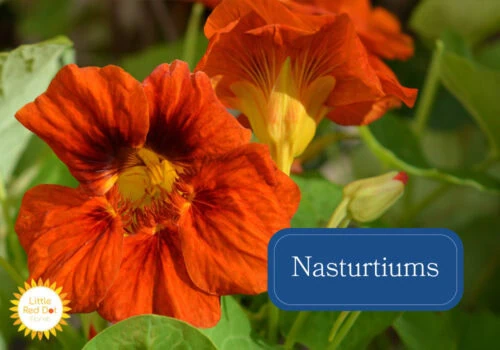
46. Plumerias
Plumerias (frangipani) are tropical flowering plants known for their fragrant, waxy blooms and attractive foliage. Plumerias are cherished for their vibrant, multicoloured flowers and intoxicating scent, used in making Hawaiian leis.
Common species include Plumeria rubra, which has a wide range of flower colours, and Plumeria alba, known for its white flowers. Many hybrids and varieties exist within these species, each with unique colours and fragrances. Plumerias symbolise beauty, charm, and grace. They represent new beginnings, birth, and creation due to their association with tropical environments and ability to bloom abundantly in many cultures.
Plumerias are ideal for tropical and exotic floral arrangements. They are used in leis, wedding bouquets, and centrepieces, adding a touch of the tropics and a luxurious fragrance to the arrangements. Plumerias are used to make leis and other traditional decorations. The fragrant flowers are used in perfumery and aromatherapy. The cost of plumeria stems or individual flowers ranges from S$2.69 to S$6.72 each.
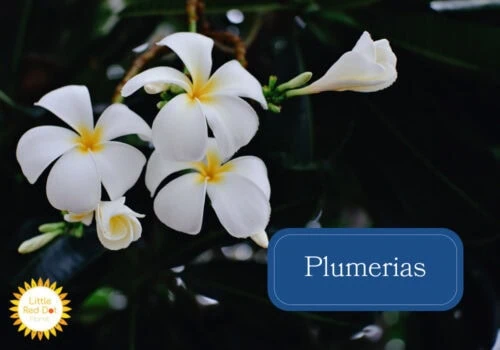
47. Double bloom lilies
Double bloom lilies are a type of lily characterised by their multiple layers of petals, creating a fuller, more luxurious flower head compared to standard lilies. Double blooms are known for their impressive appearance and rich fragrance.
Double-blooming lilies are Lilium species hybrids, including Lilium orientalis (Oriental lilies) and Lilium asiaticum (Asian lilies). They are selectively bred for their extra layers of petals. Double-bloom lilies symbolise abundance, wealth, and refinement. Double-bloom lilies’ lush, full blooms represent prosperity and grandeur, making them ideal for elegant and celebratory occasions.
Double bloom lilies are perfect for creating dramatic, high-impact floral arrangements. They are used in wedding bouquets, grand centrepieces, and large floral displays, adding a touch of luxury and sophistication. Double bloom lilies are popular in gardens for their showy blooms and pleasant fragrance. They are used in floral design workshops and events to create striking, memorable arrangements. The cost of double-bloom lily stems ranges from S$6.72 to S$13.44 each, depending on size and variety.
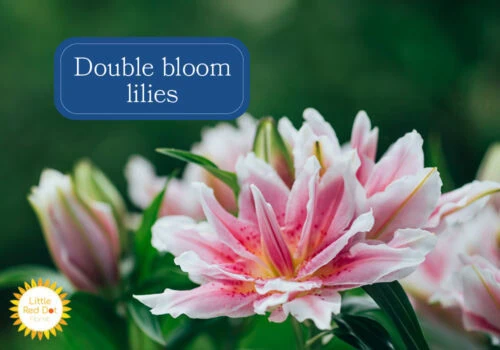
48. Miniature carnations
Miniature carnations are smaller versions of standard carnations, known for their delicate, ruffled petals and compact blooms. Miniature carnations offer the same charming appearance as their larger counterparts but in a more petite form.
Miniature carnations are varieties of Dianthus caryophyllus, the same species as regular carnations. These include hybrids and cultivars bred for their smaller size and diverse colour range. Miniature carnations symbolise a refined, understated beauty. They represent admiration, love, and a sense of elegance, used to convey appreciation and thoughtfulness.
Miniature carnations are ideal for creating compact, intricate arrangements. They are used in bouquets, boutonnieres, and small centrepieces, adding a touch of elegance and detail to floral designs. Miniature carnations are popular in corsages and wedding flowers due to their delicate appearance and long-lasting blooms. They are used in garden settings for their vibrant colours and compact growth. The cost of miniature carnation stems ranges from S$2.02 to S$4.03 each.
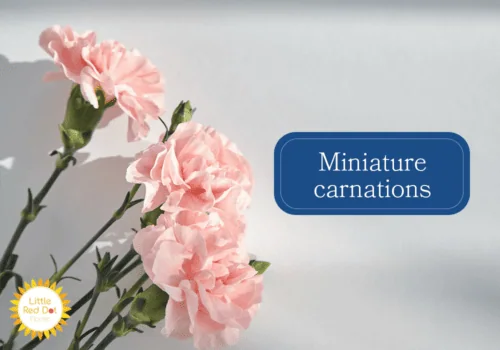
49. Queen Anne’s lace
Queen Anne’s Lace (wild carrot) is a flowering plant recognized for its delicate, lacy white blossoms that resemble a queen’s lacework. Wild carrot is valued for its ethereal beauty and feathery appearance.
The primary species is Daucus carota, the wild ancestor of the cultivated carrot. It features flat, umbrella-like clusters of tiny white flowers. Queen Anne’s Lace symbolises elegance, simplicity, and protection. Its intricate flower structure represents refined beauty and a delicate touch.
Queen Anne’s Lace is used in rustic, wildflower, and garden-style arrangements. Its airy, delicate blooms make it ideal for adding a touch of natural elegance to bouquets and centrepieces. Queen Anne’s Lace is used in dried flower crafts and naturalistic garden designs. Its seeds are used in herbal remedies and traditional medicine for digestive issues. Queen Anne’s Lace stems range from S$1.34 to S$4.03 each, depending on availability and season.
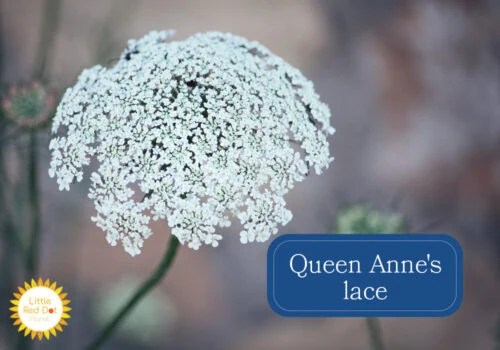
50. Wild poppies
Wild poppies are vibrant, colourful flowers known for their striking appearance and delicate, papery petals. Wild poppies grow in natural settings and are admired for their bold colours and simple beauty.
Common species include Papaver rhoeas (common poppy), Papaver setigerum (Icelandic poppy), and Papaver nudicaule (California poppy). Each species has distinctive colours and growth habits. Wild poppies symbolise beauty, resilience, and remembrance. They are associated with sleep and peace, and they represent consolation and remembrance for soldiers in war in some cultures.
Wild poppies are ideal for naturalistic, garden-style, and rustic floral arrangements. The vibrant colour and delicate petals of Wild Poppies make them perfect for adding a splash of colour to bouquets and centrepieces.
Wild poppies are found in wildflower gardens and meadows. The seeds are used in cooking and baking, and some parts of the plant have traditional medicinal uses. The cost of wild poppy stems ranges from S$2.69 to S$5.38 each.
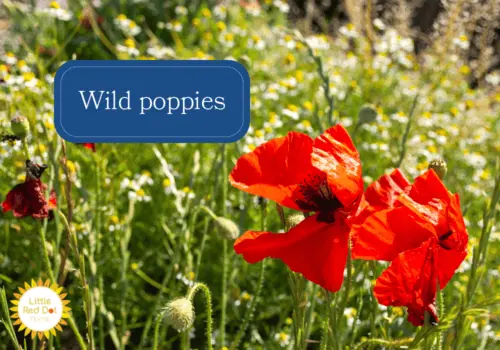
51. Calendulas
Calendulas (pot marigolds) are bright, cheerful flowers known for their daisy-like appearance and vibrant yellow-to-orange blooms. Calendulas are prized for their beauty, medicinal properties, and ease of cultivation.
The primary species is Calendula officinalis, widely grown for its ornamental and medicinal uses. The species includes various cultivars that offer different shades of yellow and orange flowers. Calendulas symbolise cheer, gratitude, and remembrance. The bright, sunny blooms of Calendulas convey warmth and joy, making them popular for expressing positive emotions.
Calendulas are used in casual and rustic floral arrangements. They are ideal for wildflower bouquets, garden-style arrangements, and autumn displays. The vibrant colour and simplicity of Calendula add a cheerful touch to any setting.
Calendulas are valued for their medicinal properties. They are used in herbal remedies for their anti-inflammatory and healing properties and skincare products. Calendula petals are edible and used as garnishes in salads and other dishes. The cost of calendula stems ranges from S$1.34 to S$2.69 each.
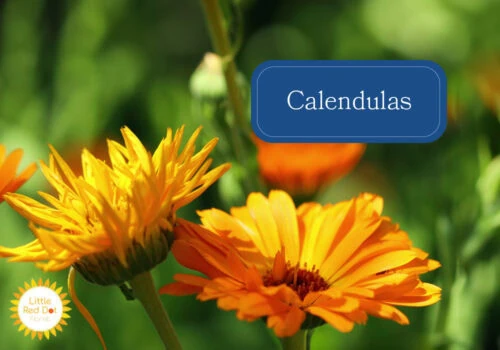
52. Strawflowers
Strawflowers (everlasting flowers) are hardy annuals renowned for their papery, daisy-like blooms that retain their colour and shape when dried. Strawflowers are popular for their vibrant colours and long-lasting beauty, fresh and dried.
The primary species is Xerochrysum bracteatum, which includes many cultivars in a range of colours, from yellow, orange, and red to pink, white, and bronze. Strawflowers symbolise immortality and eternity due to their long-lasting nature when dried. They represent endurance and everlasting beauty, making them a meaningful choice for various occasions.
Strawflowers are used in fresh and dried floral arrangements. They are perfect for rustic bouquets, autumn displays, and wreaths. The sturdy, colourful blooms of Strawflowers add texture and longevity to any arrangement. Strawflowers are popular in dried flower crafts and decorations. They are used in gardens for low maintenance and vibrant display throughout the growing season. The cost of strawflower stems ranges from S$1.34 to S$4.03 each.
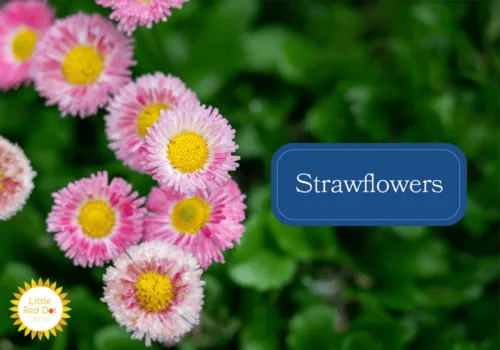
53. Hybrid tea roses
Hybrid tea roses are a popular class of roses known for their large, high-centred blooms and long, sturdy stems. Hybrid tea roses are a favourite in gardens and floral arrangements due to their classic beauty and wide range of colours. Hybrid tea roses are a cultivar group of Rosa, bred by crossing hybrid perpetuals with tea roses. There are countless varieties, each offering unique colours and fragrances.
Hybrid tea roses symbolise love, beauty, and passion. Different colours convey different meanings, including red representing deep love, white representing purity, yellow representing friendship and pink expressing admiration and joy.
Hybrid tea roses are ideal for elegant bouquets, wedding arrangements, and formal floral displays. The long stems and large blooms of Hybrid Tea Roses make them perfect for creating sophisticated, high-impact arrangements.
Hybrid tea roses are popular in gardens for their continuous blooming and striking appearance. They are used in perfumes and skincare products due to their delightful fragrance and beneficial properties. The cost of hybrid tea rose stems typically ranges from S$4.03 to S$10.75 each, depending on the variety and quality.
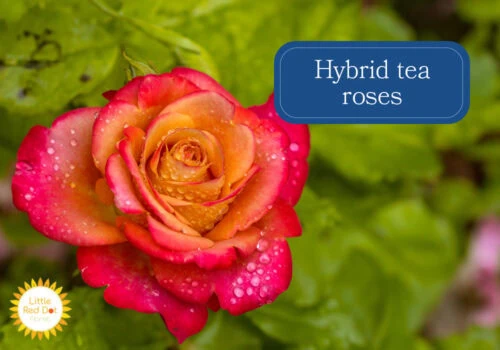
What type of Flower is used in a Flower Arrangement?
The type of flower used in a flower arrangement is chosen based on the occasion, the desired aesthetic, and the symbolism associated with the flower. Each flower brings unique beauty and meaning to an arrangement, enhancing its appeal and emotional impact. The three types of flowers commonly used in flower arrangements are roses, lilies, and tulips.
Roses are known for their timeless beauty and wide range of colours. Roses are versatile and are used in various flower arrangements, from romantic bouquets to elegant centerpieces. Their symbolic meanings, such as love, admiration, and passion, make them ideal for many occasions, including weddings, anniversaries, and Valentine’s Day.
Another commonly used flower is the lily, prized for its large, fragrant blooms and striking appearance. Lilies come in several varieties, such as Asiatic, Oriental, and Calla lilies, each bringing a different style to an arrangement. They are used in more formal arrangements and are perfect for expressing sympathy, celebrating milestones, or adding a touch of sophistication to any setting.
Tulips are used in floral arrangements during the spring season. Tulips symbolise renewal and fresh beginnings with their bright colours and simple, elegant form. They are excellent for creating cheerful, vibrant arrangements that bring a sense of joy and optimism to any space.
What are the different types of Flower Arrangement?
The different types of flower arrangements are bouquet, centrepieces and wreath. Bouquets are handheld or placed in a vase, featuring a mix of focal flowers like roses, fillers such as baby’s breath, and foliage like eucalyptus. They are suitable for weddings, birthdays, and anniversaries.
Centerpieces are designed to be the focal point of a table setting, used at events such as weddings, parties, and holiday gatherings. They include flowers like lilies, roses, and hydrangeas, arranged with lush greenery.
Wreaths are circular arrangements used for decorative purposes on doors, walls, or as part of memorials, made from fresh or dried flowers and foliage. Common flowers for wreaths include carnations, roses, and chrysanthemums, combined with greenery like ivy or pine. Each types of flower arrangement highlights the beauty and versatility of flowers for various occasions and styles.
How to choose which type of Flower to use for a Flower Arrangement?
To choose which type of flower to use for a flower arrangement, there are eight considerations to follow. The first consideration is the occasion. Different events call for different types of flowers. For example, romantic occasions like anniversaries or Valentine’s Day feature roses, while lilies are a popular choice for sympathy arrangements. Weddings use a variety of flowers, including peonies and tulips, depending on the theme and colour palette.
The recipient of the arrangement plays a crucial role in the selection process. Consider the recipient’s personal preferences, allergies, and the giver’s message. The recipient’s favourite flowers are ideal to incorporate into the arrangement to add a personal touch. Hypoallergenic flowers such as orchids or hydrangeas are more suitable for someone with allergies.
Seasonality is another critical factor. Using flowers in season ensures they are at their peak freshness and most affordable. For instance, tulips and daffodils are best in spring, while chrysanthemums and marigolds are abundant in autumn. Seasonal flowers look better, environmentally friendly and cost-effective.
The arrangement’s colour scheme must complement the occasion and the recipient’s preferences. Choose colours that enhance the environment in which the arrangement is displayed. Harmonising the colours of the flowers with the decor makes the arrangement more visually appealing and cohesive.
Flower meaning adds a layer of depth to the arrangement. Each flower carries its own symbolism, which conveys specific emotions or messages. Roses symbolize love, lilies represent purity, and sunflowers denote joy. Incorporating flowers with meaningful symbolism makes the arrangement more thoughtful and significant.
The arrangement style is influenced by the event and the recipient’s taste. A formal event requires a structured, elegant arrangement, while a casual gathering benefits from a more relaxed, rustic bouquet. The style dictates the types of flowers used and the design and presentation.
Budget is a practical consideration that affects the selection of flowers. Orchids and peonies are more expensive, while carnations and daisies are more budget-friendly. Balancing the cost of flowers with the desired impact of the arrangement ensures creating something beautiful within the financial means.
The flowers’ durability is crucial for arrangements that must last a specific period. Flowers like chrysanthemums and carnations are known for their longevity, making them ideal for long-lasting arrangements. Choosing durable flowers ensures the arrangement maintains its beauty and vibrancy for events that require flowers to stay fresh for several days.
How much does a Flower cost?
A flower costs between SGD 1.50 and SGD 8.00. Roses range from SGD 2.50 to 5.00 per stem, while tulips cost between SGD 3.00 and 6.00 per stem. Lilies are priced at SGD 4.00 to 8.00 per stem, gerberas range from SGD 2.00 to 4.00 per stem, and carnations are SGD 1.50 to 3.00 per stem. Bouquets range from SGD 25 to 100, depending on the complexity and the types of flowers used, with some florists offering budget-friendly options starting from SGD 25.
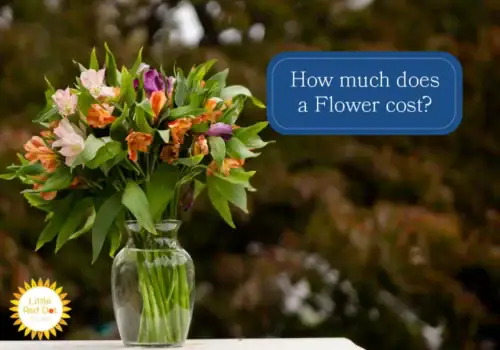
Where to buy the best Flower?
Buy the best flower from various sources, like local florists, online flower shops, farmers’ markets and others, to ensure quality, variety, and value. Local florists offer personalised service and expert advice, helping buyers choose the perfect arrangement for any occasion. Online flower delivery services, like Little Red Dot Florist, provide convenience and a wide selection of same-day delivery options.
The Little Red Dot Florist is a Singapore-based online flower shop offering various floral arrangements and services. They specialise in bouquets, vase arrangements, funeral flowers, and grand opening flower stands. The shop provides same-day delivery across Singapore, making it convenient for last-minute orders. Their offerings cater to various occasions, including weddings, birthdays, and condolences. They offer subscription services and special request deliveries, ensuring customers’ floral needs are met with quality and efficiency.
Farmers’ markets are excellent for fresh, seasonal flowers directly from local growers. Specialty flower shops focus on unique and rare blooms, which are ideal for distinctive arrangements. Supermarkets have a selection of affordable, everyday flowers for quick purchases.
Wholesale flower suppliers cater to significant events and businesses, offering flowers in bulk at competitive prices. Garden centres and nurseries provide cut flowers, plants, and gardening supplies. Online flower boutiques offer curated, stylish arrangements delivered directly from the farm to the buyer’s door. Flower auctions are an exciting way to find a variety of flowers at lower prices, and they are more suited for experienced buyers. Buying from local growers supports the community and ensures the freshest flowers with unique varieties not found elsewhere. Each source offers distinct advantages, allowing buyers to find the best flowers to meet their needs, whether for a special event, a gift, or simply to brighten the home.
How to take care of Flowers?
To take care of flowers, consider whether they are cut flowers, potted plants, or garden flowers. Start by trimming the stems for cut flowers. Cut about an inch off the stems at a 45-degree angle before arranging them in a vase. It helps the flowers absorb water more effectively. Re-trim the stems every few days to keep them fresh. Use clean, room-temperature water to fill the vase, and consider adding a floral preservative to extend its lifespan. Remove any leaves submerged in the water to prevent bacterial growth, and change the water every two to three days to keep it clean. Place the vase in a cool area away from direct sunlight, heat sources, and ripening fruit, which emit ethylene gas and shorten the flowers’ life.
Follow specific care instructions for each type of plant for potted flowers. Watering must be adjusted based on the plant’s needs. Keep the soil moist but not waterlogged, and ensure the pot has adequate drainage. Placing potted flowers is crucial to ensure they receive the right amount of light, whether full sun or partial shade. Maintain appropriate temperatures, usually room temperature, to keep the plants thriving. Feed them a balanced fertiliser once a month during the growing season, and prune dead or spent blooms and leaves to promote healthy growth. Consider repotting it into a larger container to provide more space for its roots as the plant grows.
Start by ensuring the soil is well-draining and nutrient-rich for garden flowers. Amend the soil with compost or other organic matter to support healthy growth. Water gardens profoundly and regularly during dry spells, though the exact frequency depends on the specific flower type and local climate conditions. Place flowers in the right light conditions, such as full sun, partial shade, or full shade, according to their needs. Applying mulch around the base of the plants helps retain soil moisture, suppress weeds, and regulate soil temperature. Watch for pests and diseases and use appropriate treatments as needed. Regularly deadhead spent blooms to encourage new growth and maintain the plant’s appearance.
What are the most popular flowers for gifting?
Roses, lilies, orchids, sunflowers, tulips, carnations, gerberas, and hydrangeas are some of the most popular flowers for gifting. Roses are often chosen for love and admiration, lilies for elegance and sincerity, orchids for beauty and strength, and sunflowers for joy and encouragement.
How do I choose the right flowers for an occasion?
Start by thinking about the occasion, recipient, colour preference, and message you want to send. Bright flowers are suitable for birthdays and congratulations, red or pink flowers work well for romantic gifts, while white and cream flowers are more appropriate for sympathy and condolence arrangements.
What flowers last the longest after delivery?
Orchids, carnations, chrysanthemums, lilies, alstroemeria, and some tropical flowers tend to last longer than more delicate blooms. Proper care also matters. Trim the stems, change the water regularly, remove leaves below the waterline, and keep the flowers away from direct sunlight and heat.
Are flowers suitable for every occasion?
Yes, flowers are suitable for many occasions, including birthdays, anniversaries, weddings, graduations, grand openings, apologies, get-well wishes, condolences, and just-because gifts. The key is choosing the right flower type, colour, and arrangement style to match the tone of the occasion.
Where can I buy fresh flowers in Singapore?
You can buy fresh flowers from local florists, online flower shops, supermarkets, garden centres, and flower markets. For convenience, an online florist in Singapore is a good choice if you need curated arrangements, same-day delivery, personalised messages, or flowers for specific occasions such as birthdays, weddings, condolences, and corporate events.