 Free Same Day Delivery Islandwide | Order by 5PM for Today’s Delivery | 800+ 5-Star Reviews

Orchid: Types, How to Grow and How to Take Care of Orchids
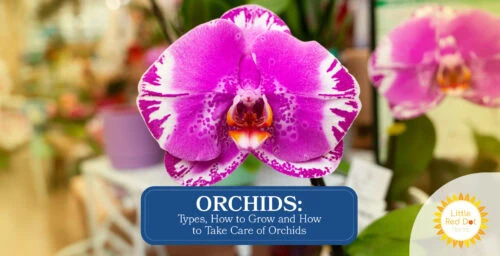
An Orchid (Orchidaceae family) is an extensive collection of flowering plants known for its bright and fragrant flowers. Orchids are global plants found anywhere on Earth except glaciers. The tropics are the habitat for the largest variety of orchid “genera” and species worldwide.
Orchids are distinguished from other plants because they have some obvious genetic traits or synapomorphies. Features of an orchid plant include the flower’s bilateral symmetry (zygomorphism), different resupinate and modified flowers (labellum), an almost-present transformed petal, fused stamens and carpels, and tiny seeds.
Orchids have simple leaves with parallel veins that vary in size and form. Their thick, fleshy leaves, vivid green colour, and stigma in vascular bundle sheaths are vital for survival in different environments. Orchids are hardy plants when given sufficient care. They adapt to various climates but prefer humid and tropical environments. They need continuous hydration, adequate ventilation, and a precise temperature range to thrive.
Orchids grow at different speeds depending on their type. Orchids are slow-growing plants, and it takes up to two years (or longer) to begin showing signs of growth on the leaves and four to eight years to reach maturity and bloom. The flowers have an extended growth cycle, so patience is essential. Factors determine an orchid’s longevity, including the types of orchids, surroundings, and adequate care. Orchids bloom twice a year for fifteen to twenty years with the proper care, and the orchid flowers last two to three months.
Orchids have immunity to insects but not to various pests, such as aphids, scales, and spiders. The challenges are controlled with adequate attention and early interventions, such as using natural insecticides or helpful insects. Orchids are non-toxic and safe to keep near pets and children. The risk of mild irritation exists with some species.
The symbolism of orchids represents various cultures, mythology, traits, and more. They represented elegance and sophistication in the Victorian era. They are now given as gifts to show admiration and affection and commemorate special occasions.
What is an Orchid?
An Orchid (Orchidaceae) is named after the Greek word “orchis,” which means testicle, due to the form of the root tubers in some of the genus Orchis. The Orchidaceae family has approximately 1,000 genera and 30,000 species of flowering plants. Orchidaceae are nonwoody perennial herbs. Orchids are admired for their beauty and remarkable traits. They are found in deserts and tropical rainforests.
An orchid is an epiphyte, which grows on other plants, such as trees, rather than in soil. A few species are terrestrial or lithophytic that grow on rocks. The plants are vine-like and have velamen, a spongy root coating. A few orchids feed on fungus or decomposing organic material. Orchids are valued for their ornamental appeal and cultivating them has become a popular hobby. They need careful attention to guarantee longevity. Orchids are beautiful plants that have several symbolic and cultural effects. These are associated with beauty, strength, and love.
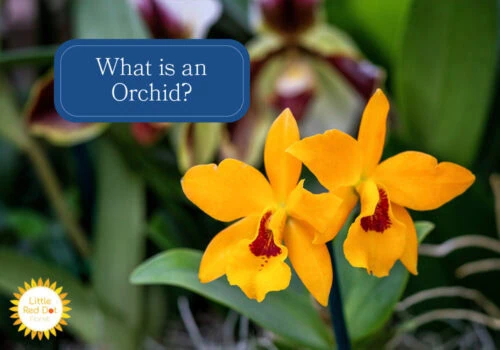
What does an Orchid look like?
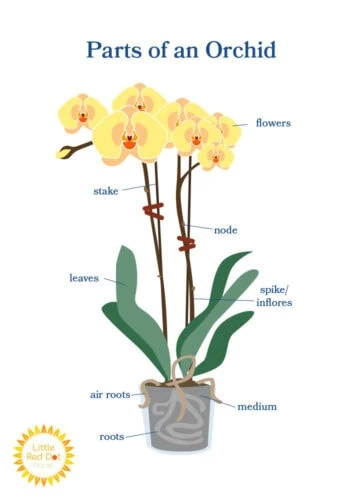
An Orchid looks like a mesmerising plant with stunning and detailed flowers. Orchid leaves are long, thick, and fleshy because they are designed to hold nutrients and water. They vary in size and shape among species and are a vibrant green shade, which indicates a healthy plant.
Orchid flowers have symmetrical petals that look the same on each side. The blooms are bilateral and symmetrical, meaning each side is like a mirror image of the other. An “orchid flower” blooms upside down (resupinate). The petals, or labellum, are modified and have fused stamens and carpels.
Orchids have no thorns, spines, or branches but develop several flower spikes, giving the appearance of branching. The pointed tips from the main stem hold the flowers in place, producing exquisite blossoms. Their smooth and shiny foliage and delicate blossoms add to their distinction as one of the botanical world’s most beautiful and elegant plants.
The look of an orchid is shown in the image below.
What does an Orchid Symbolise?
An orchid symbolises values, culture, myth, history, art, and ceremonies such as weddings. Orchids are associated with traits such as strength, beauty, love, and elegance. They are popular options for corsages, bridal bouquets, and decorations, bringing a vibe of sophistication and class to festivities. Their delicate and beautiful form radiates mystery and subtle charm.
The term “orchid meaning” varies in different cultures. For instance, orchids represent dignity, integrity, and humility, in Chinese culture. Orchid is one of the four flowers referred to in Chinese art, “Four Gentlemen” or “Four Noble Ones,” during the Song dynasty.
Orchis, the son of a nymph and a satyr in Greek mythology, symbolises beauty that arises from punishment and metamorphosis. Orchis was turned into a flower after offending the gods. Different kinds of “orchid symbolism” have a rich history related to human civilisation. It started about 4,000 years ago in China and Japan when such unique plants were first used for medicines.
What are the Different Types of Orchid?
The different types of Orchids are listed below.
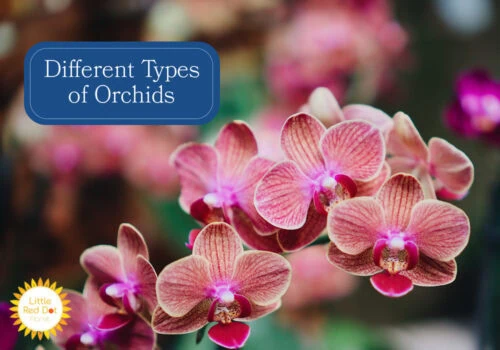
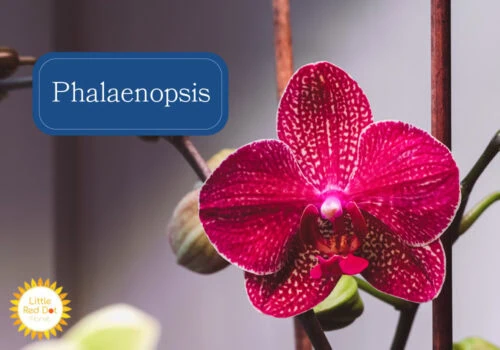
- Phalaenopsis: One of the most popular and typical orchids is phalaenopsis (moth orchid). The flowers of phalaenopsis are like flying moths. Beginners choose Phalaenopsis orchids because of their easy preservation and lasting blossoms.
- Dendrobium: Dendrobium orchids feature vivid, eye-catching flowers that bloom several times a year. It is an excellent variety of species with distinct appearances.
- Cattleya: Cattleya (corsage orchids) are known for their enormous, fragrant, and bright-coloured blossoms. Their remarkable size and beauty are popular in making corsages, boutonnieres, and floral designs.
- Oncidium: Oncidium (dancing lady orchids) are distinguished by their ruffled lip, which mimics a dancing figure. They are renowned for their abundant blooms and come in various colours.
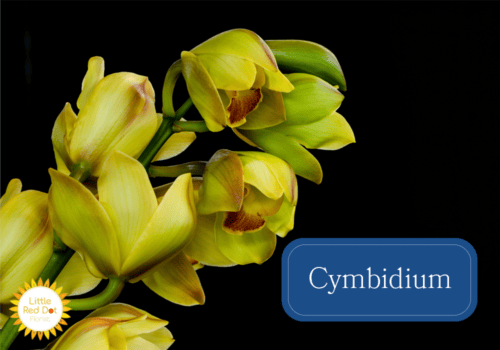
- Cymbidium: Cymbidium orchids are prized for their long-lasting and elegant flowers in groups. They are easy to grow and popular for corsages and floral arrangements. Their leaves withstand cooler temperatures.
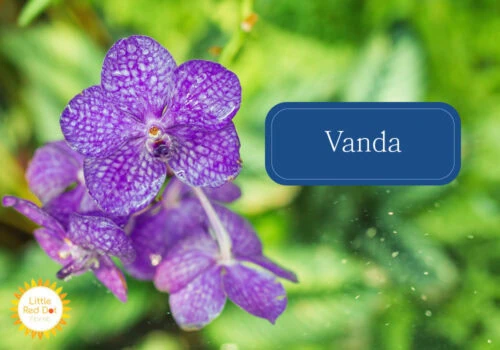
- Vanda: Vanda orchids are admired for their fast-growing characteristics and exquisite, colourful blossoms. They feature a monopodial growth habit, with long, strap-like leaves and huge, showy blooms in bright colours.
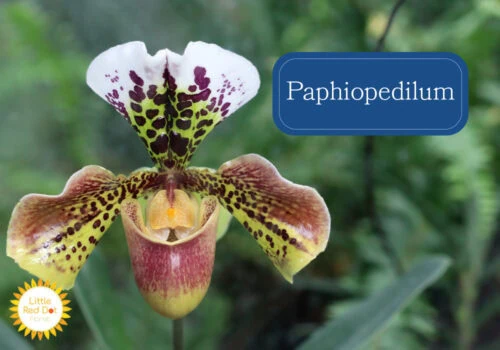
- Paphiopedilum: Paphiopedilum (lady slipper orchids) are distinguished by their unusual pouch-shaped lip. They are terrestrial orchids that are found blooming in the forests.
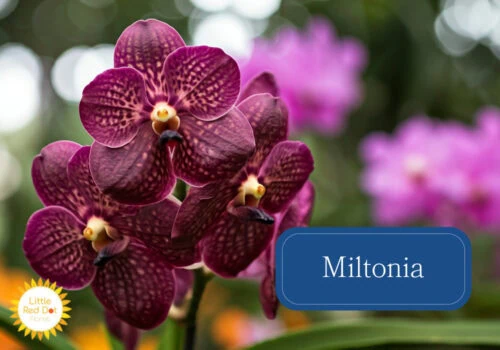
- Miltonia: The Miltonia (pansy orchid) is named for its spherical, flat blossoms with elaborate patterns that mimic pansies. It comes in various colours and is well-known for its pleasant aroma.
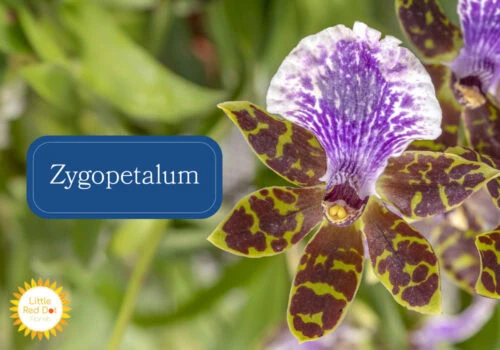
- Zygopetalum: Zygopetalum orchids are known for their vibrant and fragrant flowers, solid designs, and waxy textures. They favour colder climates and are simple to cultivate.
- Bulbophyllum: Bulbophyllum orchids, one of the biggest genera of orchids, are renowned for their varied and occasionally odd flower structures and forms. They have a powerful, sometimes unpleasant smell, which attracts particular pollinators. Their rare and captivating flowers are popular among plant enthusiasts.
1. Phalaenopsis
Phalaenopsis orchids (Moth Orchids” or “Moon Orchids) colours are green, pink, purple/lavender, white, and other combinations of such shades. Phalaenopsis’ aerial roots photosynthesise, and the chlorophyll production gives them their green colour. Phalaenopsis orchids have long-lasting blossoms, and some species have a pleasant scent. Moth orchids are great for beginners in orchid culture because they are epiphytic.
Phalaenopsis orchids are living sculptures that complement or highlight decorating style. They purify the air by taking up pollutants and returning pure oxygen. Nurturing them has a calming effect on the mind. Taking care of a Phalaenopsis orchid is a stress-relieving. Phalaenopsis orchids have cultural significance, from fertility and purity to prosperity and Asian traditions, such as contemporary weddings. They are lucky charms.
Implementing a large-scale micropropagation and reintroduction effort, along with applied ecological studies, helps to conserve the Phalaenopsis orchids. The conservation of habitat and its cultivation via tissue culture methods help to minimise wild exploitation. The price ranges from 55.93 SGD to 319.90 SGD, depending on the variety or colour.
2. Dendrobium
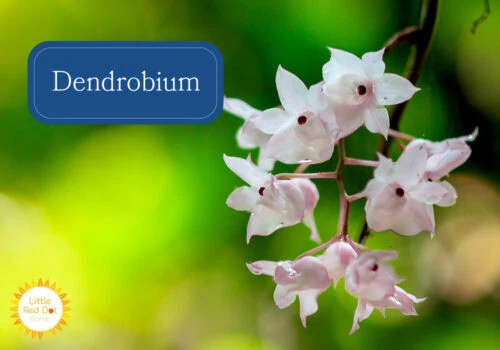
Dendrobium orchids (Noble Rock Orchid, Fried-Egg Orchid, or Queen Victoria Blue Orchid) have epiphytic and lithophytic features. More than 1,800 Dendrobium species live in different locations throughout most of south, east, and southeast Asia and the Pacific islands. Dendrobium orchids have roots that creep over the surface of trees or rocks, seldom reaching soil. A tuft of up to six leaves forms at the top of a shoot, and an unbranched flowering stem has one or more flowers placed along it.
Dendrobium orchids are symbiotic herbs with cylindrical roots that grow from pseudobulbs. They have one or more leaves, which are grouped in two ranks and differ in length and form. The flowers of Dendrobium vary from white, green, yellow, or pink to purple. They feature either non-resupinate or resupinate blooms with contrasting labellum colours. The labellum is egg-shaped, has a callus, and a smaller end than the sepals and petals, which are identical yet distinct.
Dendrobium orchids are preserved by laws limiting their export and habitat protection initiatives. They are associated with health and wealth in traditional Chinese medicine and culture. Dendrobium orchids cost 15.80 SGD.
3. Cattleya
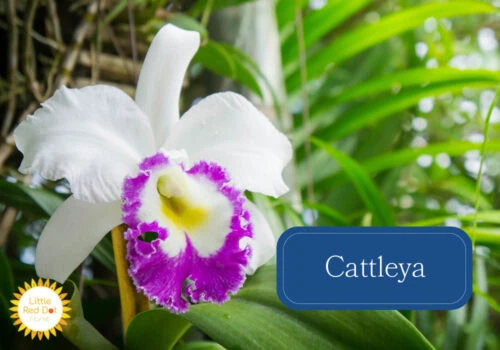
Cattleya orchids (The orchid of Orchids) were once used in floristry as corsages. Cattleya orchids originated in tropical America and rebloom within a year. The name “Queen of the Orchids” was given because of its infinite colour variations (except true blue). Cattleya orchids are lithophytic and epiphytic. They are used to develop various hybrids. Miniature Cattleyas (minicatts) are growing in popularity because they are grown on windowsills.
The fragrant blossoms of the Cattleya orchids remain for weeks. These orchids have contrasting lip colours with the rest of the flowers. They require little care to develop anywhere and are used as houseplants. Sustainable farming methods and community education are encouraged to lessen the strain on wild populations of Cattleya. Colombia‘s national flower, the cattleya, has historical significance in the horticultural community. Its price starts at around 26.54 SGD.
4. Oncidium
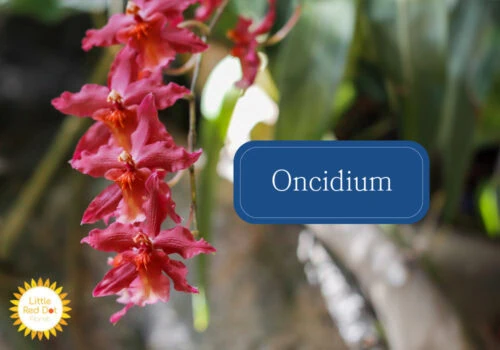
Oncidium orchids (Dancing Lady Orchid) originated from the Neotropics of Central and South America. Oncidium are among the largest and grown, yet many species differ, causing considerable taxonomic uncertainty. Oncidium species and hybrids are valued for their massive, eye-catching sprays of multiple bright-coloured flowers that bloom more than once a year. Care and flowering habits differ in the Oncidium species, although many hybrids are simple to maintain and flower at intermediate temperatures and medium light levels.
The flower spike of Oncidium is long and branched, with many little flowers, and it emerges from the leaf axil of fresh growth. It is found in the wild and grows on the branches and trunks of trees for support, not for water or nutrients. The flowers are tiny, about 1 inch across. The species is distributed from northern Mexico, the Caribbean, and some parts of South Florida to South America. They are yellow to brown, with dark brown markings or scars.
Attractive oncidium orchids are great houseplants or greenhouse plants. They are famous for their distinctive shapes and are used in floral arrangements. Conservation tactics include preserving natural habitats, propagating tissue culture, and regulating breeding initiatives. Local communities and botanical institutions form partnerships to protect these species in the wild. Oncidium symbolises friendship. It costs 109.90 SGD.
5. Cymbidium
Cymbidium orchids (Boat Orchids) have more than 100 species. Modern Cymbidium hybrids are descended from around ten species native to Asia‘s higher elevations of mountains. Their leaves endure for several years, ranging from three to twelve. Cymbidiums are terrestrial, epiphytic, lithophytic, or evergreen plants with modified stems. Thin petals and sepals cling to an unbranched stem to support the arrangement of flowers. The labellum is a modified third petal that is hinged to the column. It differs from the other petals and sepals.
Cymbidium orchids are used as houseplants or outdoor ornaments. Conservation programs highlight teaching growers the value of genetic diversity and sustainable farming methods. Cymbidium represents virtue and morality and has been cherished in Chinese culture for ages. They are included in art and poetry. A cymbidium orchid costs approximately 44.38 SGD.
6. Vanda
Vanda orchids (Waling-Waling) are among the most exquisite species. Vanda are indigenous to the Philippines and are used in hybridisation. The orchid species have the dark-spotted tricolour and the bluish-flowered blue vanda. The growth habit of vanda orchids is monopodial, with flat, broad, oval leaves. They have extensive aerial root systems and grow sizes of several metres. Vanda orchids bloom every few months and feature flattened blooms on lateral inflorescences that range in colour from yellow-brown to crimson.
Vanda orchids are rare in disturbed forest areas and vulnerable to habitat deterioration. It makes Vanda Coerulea (Blue) endangered. Worldwide export restrictions apply to specimens gathered from the wild. Conservation measures include international trade laws, sustainable farming methods, and habitat protection. Thai tradition values vanda orchids because of their vivid colours, which stand for spirituality and love. It costs around 33.18 SGD to 165.88 SGD, depending on its variety.
7. Paphiopedilum
Paphiopedilum orchids (Lady’s Slippers or Slipper Orchids) are derived from the Greek words pedilon, which means sandal, and paphos, a city with a temple devoted to Venus. Paphiopedilum petals’ distinctive slipper-shaped lips. Paphiopedilum species are terrestrial and produce six or more leaves. Other varieties of Slipper Orchids have single or multiple flowers with warts or hairs on them. They are easy to cultivate, so they are widespread in hobbyist collections. Taking some Paphiopedilum from the wild is unlawful, so they are either grown from seeds or collected from the wild.
Collectors appreciate Paphiopedilum’s distinctive pouch-like structures. Orchid groups and botanical gardens strive to increase public awareness of the significance of preserving such a rare genus. It symbolises love and resilience. The price ranges from around 37.16 SGD to 165.88 SGD, depending on its variety and size.
8. Miltonia
Miltonia orchids (Spectacular Big Lip Orchids) came from the Latin word “spectabilis,” which means “notable” or “remarkable,” and refers to the significant variation in colouration that characterises the species. The flowers share a similar morphology related to pollination by oil-collecting bees. A big, broad lip with purple veins and a yellow callus on the front of the column are among the colours that range from pink to lavender. The Miltonia orchids are epiphytic and thrive in moist woodlands.
Miltonia orchids are attractive, but they do not produce oil. Conservation initiatives emphasise the value of genetic diversity and orchids’ place in their environments. Miltonia symbolises prosperity and good fortune. It is a favourite among orchid lovers and is valued for resembling “pansy” blossoms. The price is 68.00 SGD.
9. Zygopetalum
Zygopetalum orchids (Spotted Cat of the Mountain Orchid) are named after the Greek word zugón, which means yoke. Zygopetalum refers to the growth that resembles a yoke at the base of the lip. Orchids thrive in dark environments, with long inflorescences containing up to 25 flowers. The petals and sepals of Zygopetalum are green with reddish spots. Native habitats involve mountain slopes, ridges, bushes, rocks, and roadside banks. “Maui Jazz” is a widespread variety of euglossine bees that produce sweet fragrances.
Zygopetalum orchids are popular in horticultural displays because of their striking patterns and fragrant nature. One of the conservation initiatives is informing growers and the general public about the ecological value of such orchids. They symbolise the spiritual connection of two people who belong to each other. The orchid costs 45.00 SGD.
10. Bulbophyllum
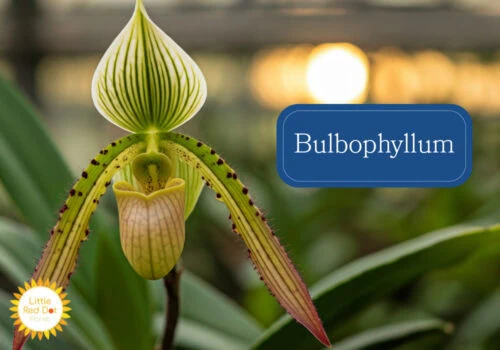
Bulbophyllum orchids (Foul Giant Orchids) are a family of epiphytic and lithophytic orchids. Bulbophyllum is from the Greek words bolbos, which means “bulb,” and phyllon, which means “a leaf,” which are the source of the genus Bulbophyllum. Its name refers to the pseudobulbs that the leaves grow. It is one of the largest genera of flowering plants, with around 2,000 species.
The orchid species has rectangular leaves, egg-shaped pseudobulbs, and a single, foul-smelling flower that attracts flies for pollination. The distinctive Bulbophyllum, a duck-like form, has reddish-purple spots and cream-to-tan sepals. Its native home is rainforests.
Botanists and orchid collectors are fascinated by the varied and typical flower shapes of Bulbophyllum, one of the largest genera of orchids. Conservation activities include habitat preservation and tissue culture propagation. Bulbophyllum has been important in Africa for centuries for its protective qualities against witchcraft or sorcery. It costs 26.00 SGD.
What are the Different Colours and Meanings of an Orchid?
The different colours and meanings of an Orchid are listed below.
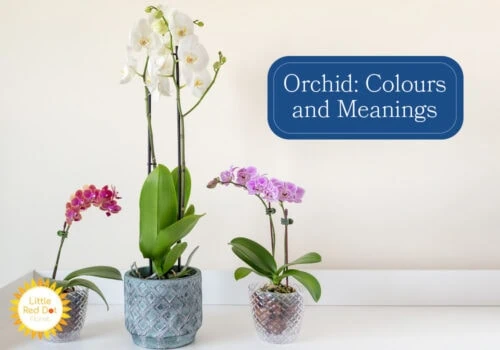
- White Orchids: White orchids are perfect for bridal bouquets or religious floral arrangements because they represent purity, innocence, sophistication, beauty, kindness, spirituality, faith, and security.
- Orange Orchids: Orange orchids express pride, courage, creativity, prosperity, and excitement. The bright flower commemorates accomplishments, travels, or mood swings.
- Purple Orchids: Purple orchids, representing dignity, respect, and admiration, were popular among wealthy Victorian families. They’re ideal for presenting to distinguished people such as professors or superiors.
- Yellow Orchids: Yellow orchids are a perfect gift for friends, a celebration of new beginnings, or to lift someone’s spirits. They symbolise happiness, optimism, and activity.
- Blue Orchids: Blue orchids represent originality, beauty, and spirituality. Each variety has its own “orchid meaning” that shadows every colour.
Why are Orchids Called by their Genus Names?
Orchids are called by their genus names because they provide a clear and standardised method of identifying and classifying the wide variation within the Orchidaceae family. Genus names prevent confusion caused by common names, which vary between languages and geographical areas. For example, Phalaenopsis orchids are known as “moth orchids,” Dendrobium orchids are referred to as “bamboo orchids,” and Paphiopedilum orchids are known as “lady slipper orchids.”
Orchid lovers and gardeners communicate better about certain orchid species using their genus names, guaranteeing consistency and clarity in identification and maintenance. Accurate identification is essential for study, conservation, and culture in the botanical community, which approaches excellent importance. Genus names allude to distinctive qualities or historical details of the orchids, offering more context for understanding their nature and ancestry.
How to Grow Orchids?
To grow orchids, follow the eight steps listed below.
- Select the suitable orchid species. Decide which species of orchid is best for the surroundings. Common orchids for beginners are Dendrobium, Cattleya, and Phalaenopsis (moth orchids).
- Avoid direct sunlight. Bright indirect light is necessary for orchids. Place them against a window facing north or east.
- Maintain proper temperature and ventilation. Sufficient ventilation is necessary to avoid moisture buildup, which results in the formation of mould or fungi. Reduced humidity and increased oxygen circulation are two ways good ventilation keeps flowers fresh.
- Prevent over-watering to root rot. Water the orchids well once a week. A slight dryness works between mistings for the potting material. Rotten roots result from overwatering.
- Use orchid fertiliser. Use a half-strength solution of a balanced orchid fertiliser. Fertilise every two weeks throughout the growing season (spring to early autumn), then reduce fertilisation during the dormant period.
- Repot orchids once or twice a year. Choosing a bigger pot helps ensure proper drainage.
- Remove dead leaves. Eliminate spent flower spikes and dead or yellowing foliage to promote new growth. Use sterile instruments to prevent infection.
- Monitor and wait until the flowers bloom. Look for stress indicators in the orchids, such as yellowing leaves or a lack of blossoms. Adapt care as necessary to the orchid’s state.
When to Plant Orchids?
The best time to plant orchids is when they are dormant after they have stopped flowering. The growing season or months depend on the orchid species and the country for its season. The majority of orchid species experience the period from late winter. Orchids must be planted or repotted at the appropriate time to take root in the fresh environment before the active growing season starts.
The North Dakota State University said the orchids are unusual, native to every continent but Antarctica, and grow in various conditions, including bark, stones, peat moss, and perlite. Understanding the types of orchids ensures successful planting and vibrant, lovely blooms. The American Orchid Society states that orchids have specific growth requirements. They are cultivated outdoors in warmer, frost-free climates. Planting orchids requires time to recover from the stress of repotting before the growing season.
What are the Common Challenges in Growing Orchids?
The common challenges in growing Orchids are listed below.
- Environment: Environment is essential in growing orchids, adaptable to changes in their surroundings. Orchids favour a coarse, loose substrate, such as bark chips.
- Rotten Root: The rotten root of an orchid is a sign of its health condition. Watering less is the solution. Ensure the orchid drains well and the pots have holes for optimal drainage.
- Pests and Diseases: Pests and diseases cause yellow or falling leaves. Orchids are cultivated indoors, which reduces insect crises, while the pests that attack different houseplants affect orchids. Look for thrips, mealybugs, spider mites, and scales on the plants.
- Lack of Flowers: Guarantee that the orchid receives enough indirect light. Try letting it spend a few weeks in lower nighttime temperatures.
What are the Best Tips for Growing Orchids?
The best tips for growing Orchids are listed below.
- Variety of Orchids: Pick an orchid species appropriate for the surroundings and experience level. Phalaenopsis is an excellent plant for beginners because of its versatility and low maintenance necessities.
- Sunlight: Sunlight is vital for orchid growth. Orchids prefer indirect, bright light. Place them near a window that receives filtered sunlight, or use artificial grow lights if natural light is inadequate. Keep the leaves out of direct sunlight as it scorches them.
- Enough Water: Enough water requires an orchid, but not too much. Let the potting medium dry up between waterings, letting the water drain out of the container. Overwatering induces root rot, and underwatering causes dehydration.
- Air Circulation: Air Circulation in the surroundings of the plants is essential to avoid bacterial and fungal diseases.
- Fertiliser: Water-soluble fertiliser is appropriate for orchids. Reduce feeding during the dormant season (autumn and winter) and fertilise every two to four weeks during the growing season (spring and summer).
- Observation: Observing orchids is required as they blossom slowly and need time to adjust to new surroundings. Take it easy and keep a close eye on the orchids. Adapt treatment procedures according to their response and health condition.
Do Orchids Live for Years?
Yes, orchids do live for years. Orchids bloom twice a year for fifteen to twenty years if given the proper care, and the blooms on phalaenopsis last two to three months. An orchid’s lifespan depends on its climate and whether it is grown indoors or outdoors. Indoor orchids, such as Phalaenopsis and Dendrobium, thrive for many years if given the proper environment, which includes enough light, humidity, and frequent feeding and watering. The controlled atmosphere of a house or greenhouse, which shields them from harsh weather and pests, benefits such orchids.
Outdoor orchids, such as Cymbidium species, live long if grown in climates similar to their natural environments. They are more vulnerable to environmental stressors such as temperature variations, pests, and diseases, which reduce their longevity if not handled appropriately. The orchids need protection during the winter months and mild temperature regions to live and continue to grow. An orchid’s lifespan is determined by various factors, including its type, environment, adequate maintenance, and watering.
Are Orchids Thirsty Plants?
Yes, orchids are thirsty plants, but during the long summer months. Overwatering harms orchids because it causes root rot, which occurs when the roots become saturated, deprived of oxygen, and decompose. It has a detrimental effect on the plant’s capacity to take in water and nutrients, which causes it to wilt and die.
Allow the potting media to dry between waterings and ensure that the orchid pots have proper drainage. Maintaining the right moisture balance is facilitated by using a well-draining potting mix, such as bark or sphagnum moss, and watering when the top inch of the medium is dry. The health of orchids depends on proper watering habits, which emphasise that they are supposed to avoid getting soggy.
How to Take Care of Orchids?
To take care of Orchids, there are four steps to follow. First, ensure the orchids are exposed to indirect and bright light. Put them next to a window that faces east or west and lets in filtered light. Avoid direct sunlight, which burns the leaves, and low light levels to prevent blossoming. It is one of the best orchid care tips. Learning how to care for orchids indoors requires understanding the proper needs of the plant.
Second, give orchids enough water but let the potting media dry up between applications. Watering once a week is enough for proper orchid care. Ensure adequate drainage in the pots to avoid water buildup and root rot. Taking care of orchids entails being aware of their unique requirements and creating an environment that allows them to flourish.
Third, use a humidifier. Set up a tray of water with pebbles next to the orchids, or spritz the plants to raise the humidity level. Caring for an orchid requires nourishment to bloom lovely flowers. Plant orchids in a potting medium that drains well, like a mixture of sphagnum moss, perlite, and bark. It prevents waterlogging and guarantees enough air circulation around the roots.
Lastly, try a water-soluble, balanced fertiliser designed for orchids to feed. Fertilise every 2-4 weeks throughout the growing season (spring and summer), and feed less during the dormant period (autumn and winter). Understanding how to care for orchids and using such measures facilitate the growth and well-being of the flowers, guaranteeing stunning blossoms.
What are Orchids Used For?
Orchids are used for different purposes listed below.
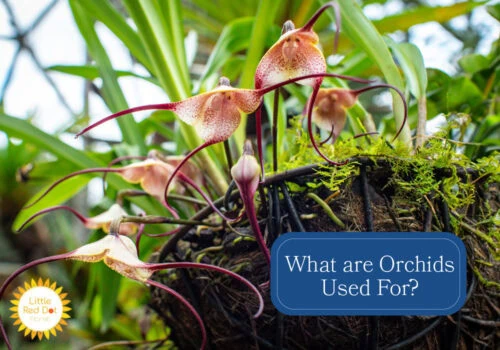
- Food: Food or dietary supplements in different parts of the world are used for orchids. One species of Anoectochilus leaves is sold as a vegetable in Malaysia, while Dendrobium “salaccense” leaves are cooked and used as a rice spice. The tubers of several Gastrodia species are used like potatoes in some regions of the Asian tropics.
- Medicines: Medicines are one of the beneficial uses of orchids. Women in Malaysia use a beverage prepared from the boiled leaves of Nervilia aragoana to ward off postpartum illness. Boils in the western Malaysian state of Melaka (formerly Malacca) are treated using a poultice composed of the whole Oberonia anceps plant. The “Spiranthes diuretica” genus is well-known as a potent diuretic in Chile.
- Glue: Glue or adhesive is made from pseudobulbs. Orchid species are used worldwide as glue substitutes.
- Love Spells: Orchids are used in love spells and are beneficial for communication. Offering someone an orchid is intended to promote passionate energy. The tubes holding the flowers are made into potent amulets for love. One of the “orchid uses” is popular for communicating with the spirit realm and letting a loved one know that they are remembered.
- Ornament: Orchids are the most appealing and diversified monocot category in angiosperms. They are cultivated for their gorgeous blossoms, which are utilised for decoration, floral arrangements, and gardening, instead of their therapeutic benefits.
Are Orchids Usually an Indoor Plant?
No, orchids are not usually an indoor plant. They are known for being difficult to cultivate indoors, but survival is guaranteed through a selection of particular species and providing the right circumstances. Orchids survive in different environments, indoors and outdoors. Determining whether to grow orchids indoors or outdoors and providing them with proper care requires understanding each variety’s unique requirements.
Orchids are called indoor plants because they require regulated environmental conditions that are easier to manage inside homes or greenhouses. Dendrobium and Phalaenopsis (moth orchids) do well because they need steady humidity, bright but indirect light, and stable temperature.
Outdoor orchids include Cymbidium, Vanda, and Cattleya types. They benefit from natural temperature and light changes to support their growth and flowering cycle. They grow well outside in temperate climates, with lower nighttime temperatures required for efficient blooming.
What are Interesting Facts about Orchids?
The interesting facts about Orchids are listed below.
- Blooms Last for Months: One of the facts about orchids is they bloom for two months or more and continue to bloom year after year if properly cared for. Temperatures are warmer during the day and lower at night, ideal for orchid blooming.
- Symbolic: The other orchid facts involve symbolism in elegance, beauty, and power. Different varieties and colours of orchids signify distinct ideas when given as gifts.
- Healing Powers: The Chinese used orchids to treat lung and cough problems. The Aztecs used them to strength, and the Greeks thought some orchid species were aphrodisiacs.
- Old Flower: Harvard biologists discovered orchids, one of the oldest blooming plants, and experts believe they have existed for more than 100 million years.
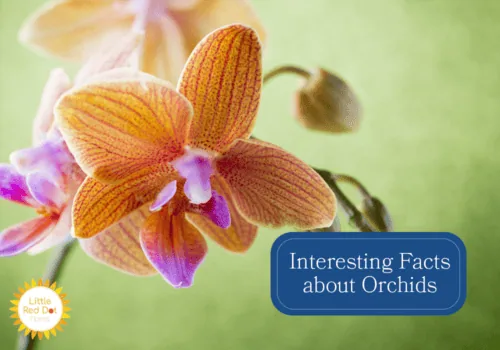
- Food Production: The seed pod of a vanilla orchid is used to cultivate vanilla, one of the most common substances in food preparation.
What are the other Flowers with their Symbolism?
The other flowers with their symbolism are listed below,
- Tulips: Tulips are included on the “list of flowers and their meanings” similar to orchid’s symbolism. They represent flawless love and grace, emulating the refined charm of orchids in their more exotic varieties.
- Roses: Rose is one of the “flower symbolism list” that denotes love, beauty, and passion, similar to the elegance associated with orchids.
- Lilies: Lilies are known for their purity and exquisite beauty. More flowers are included on the “list of flowers and their meanings” that symbolise virtue and elegance, like orchids.
- Peonies: Peonies symbolise love, wealth, and good fortune. They have similar opulent and refined meanings to orchids.
- Calla Lilies: Calla Lilies are tied to purity, beauty, and subtle grace. They have similar plant symbolism to orchids.