 Free Same Day Delivery Islandwide | Order by 5PM for Today’s Delivery | 800+ 5-Star Reviews
Tulip: Types and Symbolism
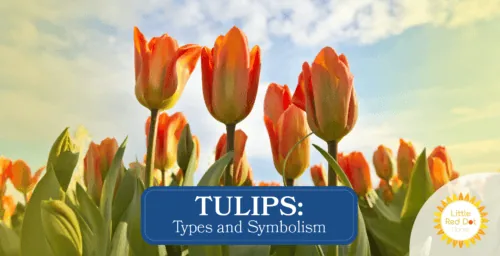
The tulip (Tulipa) belongs to the family Liliaceae. Tulips are among the most popular and recognisable flowers worldwide, known for their beautiful, vibrant blooms in various colours and shapes.
The tulip flower has a distinct shape with six petals that form a cup-like structure. The petals are smooth, fringed, or ruffled, depending on the variety. Tulip leaves are lance-shaped and smooth-edged, emerging from the base of the plant. They are broad, with a blue-green hue, and provide a lush backdrop to the colourful flowers.
Tulip durability is good, with the flowers able to withstand mild weather fluctuations. However, they are relatively easy against extreme conditions. Durability against insects varies, while tulips are susceptible to pests like aphids and bulb mites, proper care and maintenance help mitigate these issues. Tulips have a moderate growth speed, with bulbs planted in the fall and blooming by early spring. The life span of a tulip flower is relatively short, lasting about one to two weeks once in bloom. However, if properly cared for and protected from harsh conditions, the bulbs live for several years. Tulips are not toxic to humans but to pets like cats and dogs if ingested in large quantities.
The tulip meaning varies based on the colour of the flower. Red tulips symbolise deep love and passion, while pink tulips convey affection and caring. Yellow tulips represent cheerfulness and friendship, and white tulips signify purity, forgiveness, and respect. Purple tulips are associated with royalty and elegance, and orange tulips denote enthusiasm and energy.
Tulip symbolism extends beyond colours. Tulips are associated with perfect love, rebirth, and the arrival of spring. They are used in weddings and other ceremonies to symbolise new beginnings and fresh starts. The variety of tulip colours and their associated meanings make them versatile flowers for conveying various emotions and messages. Tulips continue to be a beloved flower with deep symbolic significance across cultures and contexts, whether used in art, weddings, or gardens.
What is a Tulip?
The tulip is a bulbous perennial plant that belongs to the genus Tulipa, which is part of the lily family (Liliaceae). These plants are native to a vast area, stretching from Southern Europe to Central Asia. They are characterised by their vibrant, cup-shaped flowers in various colours, including red, yellow, pink, purple, and white. The tulip’s structure consists of six petals, and some varieties have more, giving them a whole, rounded appearance.
Tulips have played a significant role in culture and commerce. They were first cultivated in the Ottoman Empire and later introduced to Europe in the 16th century. The flower gained immense popularity in the Netherlands, leading to a period known as “Tulip Mania” in the 17th century. The prices for certain tulip bulbs reached extraordinary levels, making them more valuable than gold at times. The phenomenon is cited as one of the earliest examples of a financial bubble.
Tulips remain highly popular and are grown extensively for ornamental purposes in modern times. They are common in gardens, parks, and floral displays worldwide. The Netherlands continues to be a major producer and exporter of tulips, with the Keukenhof garden being one of the most famous locations to view vast displays of tulip varieties. The garden attracts visitors from around the globe who witness the breathtaking array of blooming tulips during spring.
Tulips hold various symbolic meanings in different cultures. They are associated with love and rebirth due to their vibrant colours and the timing of their bloom in spring. Tulips have been depicted to represent beauty and elegance in literature and art. Their simple and striking form has made them a favourite subject for artists and photographers alike, capturing the essence of spring and the beauty of nature.
What are the Types of Tulips?
The types of tulips are listed below.
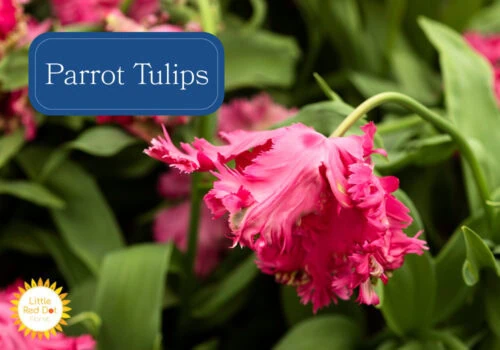
- Parrot Tulips: Parrot Tulips are known for their ruffled, fringed petals and vibrant, multicoloured patterns, resembling the feathers of a parrot. They are large and make a striking statement in gardens and floral arrangements.
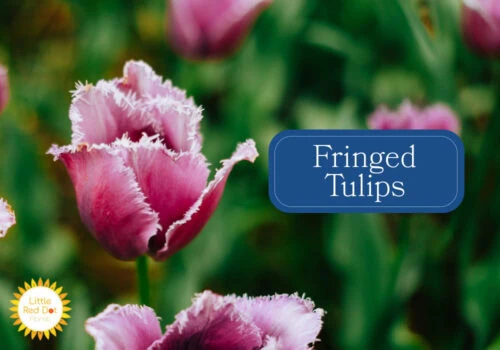
- Fringed Tulips: Fringed tulips have petals with finely serrated edges, giving them a fringed or frilly appearance. They come in various colours and add a unique texture to bouquets and garden displays.
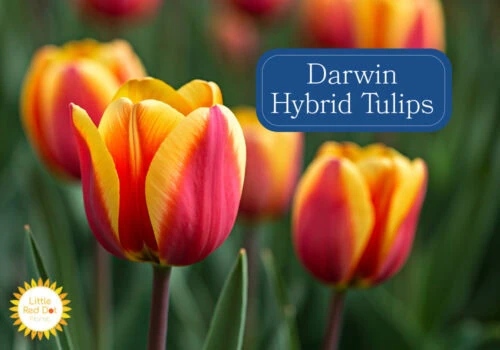
- Darwin Hybrid Tulips: Darwin Hybrid Tulips are renowned for their tall stems, large blooms, and vibrant colours. They are long-lasting and particularly favoured for their impressive size and reliability in gardens.
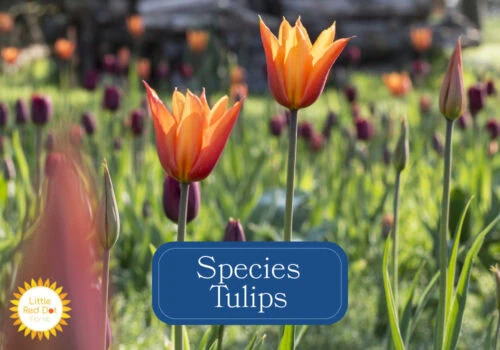
- Species Tulips: Species Tulips (botanical tulips) are the wild ancestors of modern tulips. They are smaller, have delicate flowers, and have a natural, unaltered charm, which makes them ideal for rock gardens and naturalised settings.
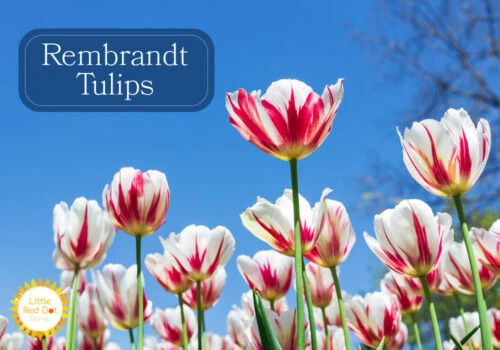
- Rembrandt Tulips: Rembrandt Tulips are famous for their unique, streaked petals, which resemble a painter’s brush strokes. These patterns result from a once common virus in tulips, and they are now bred for their distinct appearance.
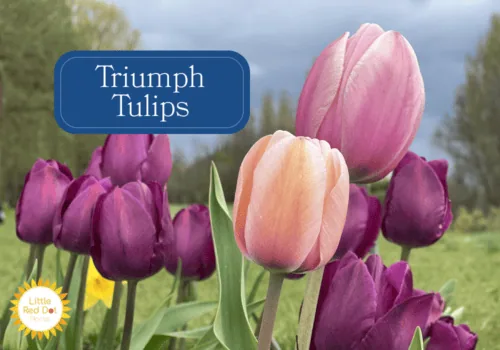
- Triumph Tulips: Triumph Tulips are a cross between early and late-blooming varieties. They offer sturdy stems and a wide range of colours. They are versatile and popular for both garden planting and cut flowers.
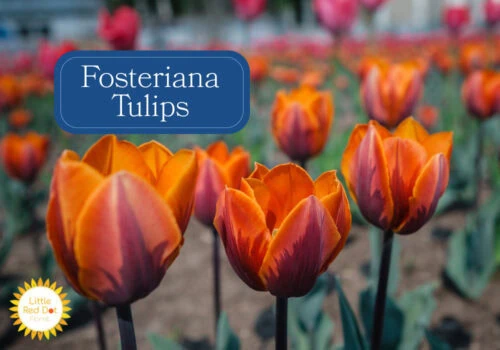
- Fosteriana Tulips: Fosteriana Tulips (Emperor Tulips) are characterised by their large, elongated flowers and early bloom time. They feature striking colours and patterns with broad leaves.
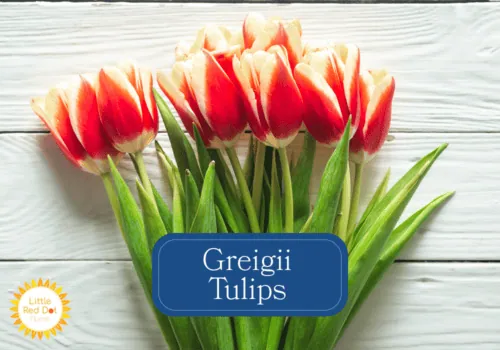
- Greigii Tulips: Greigii Tulips are known for their distinctive mottled or striped leaves and large, vibrant blooms. They are early bloomers and provide a splash of colour in the garden.
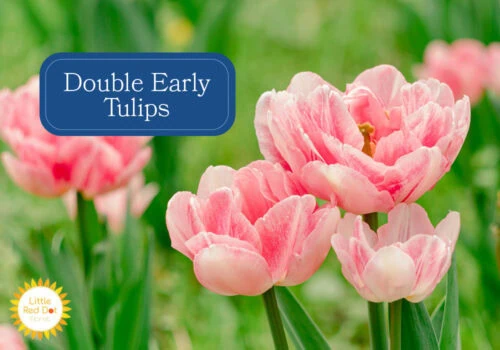
- Double Early Tulips: Double early tulips have densely layered petals, giving them a full, peony-like appearance. They bloom early in the season and come in various colours, adding a lush look to spring gardens.
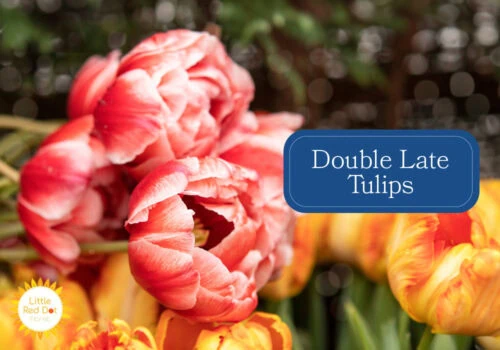
- Double Late Tulips: Double Late Tulips have multiple layers of petals, creating a full, ruffled effect. They bloom later in the spring and are used in formal garden designs and bouquets.
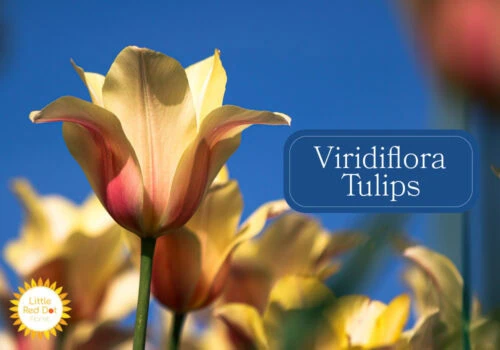
- Viridiflora Tulips: Viridiflora Tulips are distinguished by their green streaks or stripes on the petals, combined with other colours. These unique flowers add an exotic touch to gardens and floral arrangements.
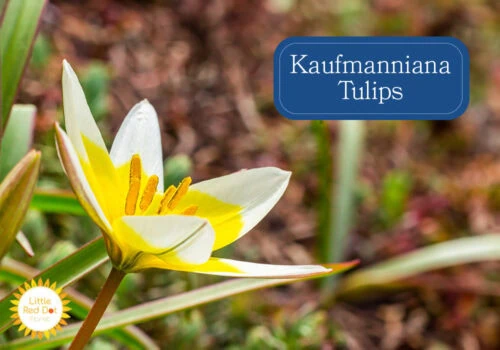
- Kaufmanniana Tulips: Kaufmanniana Tulips (Water Lily Tulips) have star-shaped blooms that open flat in full sun. They are early bloomers with a low-growing habit, ideal for borders and rock gardens.
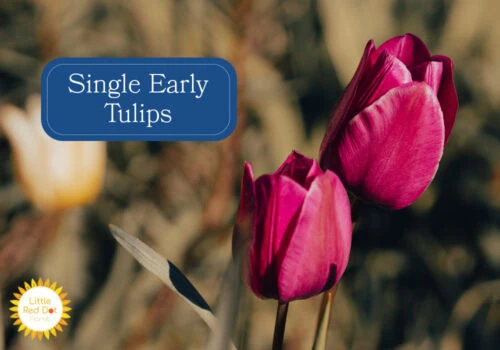
- Single Early Tulips: Single Early Tulips are known for their simple, classic cup-shaped blooms and early flowering time. They are sturdy and come in various colours, perfect for mass planting.
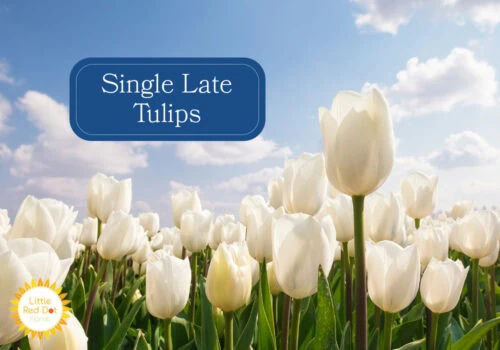
- Single Late Tulips: Single Late Tulips (Cottage or May Flowering Tulips) have tall stems and large, elegant flowers that bloom late in the spring. They offer a broad palette of colours and are used in formal gardens.
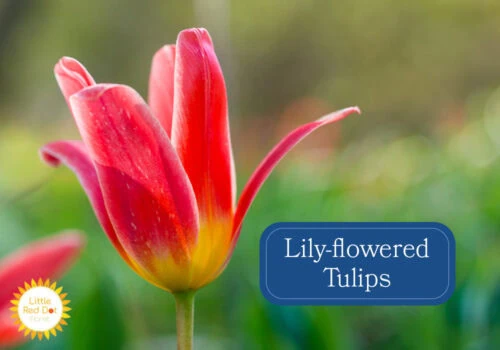
- Lily-flowered Tulips: Lily-flowered Tulips have pointed, reflexed petals that resemble lilies. They bloom late in the spring and are known for their graceful, elegant form and vibrant colours.
1. Parrot Tulips
Parrot Tulips are a unique variety of tulips known for their flamboyant, ruffled petals, which resemble a parrot’s feathers. Vivid, multicoloured patterns and large, eye-catching blooms characterise Parrot Tulips.
Parrot Tulips have large, irregularly fringed petals that can be bi-coloured or multi-coloured. They grow on sturdy stems and reach heights of 16-24 inches (40-60 cm). The flowers are 4-6 inches (10-15 cm) wide when fully open, making them stand out in any garden.
These tulips, with their bold colours and unusual petal shapes, add a dramatic touch to garden beds and borders. They are popular in floral arrangements and bouquets, where their striking appearance is a focal point.
Conservation efforts for a Parrot Tulip focus on maintaining genetic diversity and protecting them from pests and diseases even though they are not endangered. Horticulturists work to ensure these tulips thrive in various climates by breeding more resilient varieties.
Parrot Tulips are associated with exotic beauty and extravagance due to their striking and unusual appearance. They have been depicted in art and literature as symbols of luxury and sophistication, reflecting their historical value during the period of Tulip Mania. The price of Parrot Tulip bulbs in Singapore varies depending on the supplier and the season, ranging from S$1 to S$3 per bulb.
2. Fringed Tulips
Fringed Tulips are a distinctive type of tulip known for their finely serrated or fringed petal edges, which give them a frilly, delicate appearance. Fringed Tulips come in various vibrant colours and add a unique texture to gardens and floral arrangements.
Fringed Tulips grow to 12-24 inches (30-60 cm). Their petals have finely serrated or fringed edges, making them lace-like. The cup-shaped flowers come in various colours, including pink, red, yellow, and white.
These tulips are ideal for adding a touch of elegance and uniqueness to garden beds, borders, and containers. Their distinctive fringed petals make them a popular choice for floral arrangements and bouquets, where they add texture and visual interest.
Conservation efforts for a Fringed Tulip focus on preserving their genetic diversity and protecting them from common pests and diseases. Horticulturists work on breeding programs to develop new resilient and adaptable varieties to different growing conditions.
Fringed Tulips are associated with elegance and refinement due to their delicate and intricate petal structure. They are prized in gardens and floral designs for their ability to add a sophisticated touch and unique texture to any setting. The price of Fringed Tulip bulbs in Singapore varies depending on the supplier and the season, ranging from S$1 to S$4 per bulb.
3. Darwin Hybrid Tulips
Darwin Hybrid Tulips are popular for their large, robust blooms and strong, tall stems. Darwin Hybrid Tulips are prized for their vibrant colours and long-lasting flowers, making them a favourite among gardeners and florists.
Darwin Hybrid Tulips grow up to 20-24 inches (50-60 cm) tall. Their flowers are 4-6 inches (10-15 cm) wide and come in a wide range of bright colours, including red, yellow, pink, orange, and white. The plants have strong, sturdy stems that withstand wind and rain.
Darwin Hybrid Tulips are ideal for garden beds, borders, and cutting gardens due to their impressive size and vibrant colours. They are popular for floral arrangements and bouquets, as their long-lasting blooms and strong stems make them excellent cut flowers.
Conservation efforts for Darwin Hybrid Tulips focus on maintaining their genetic diversity and protecting them from diseases and pests. Breeding programs enhance their resilience and adaptability to various climates and growing conditions.
Darwin Hybrid Tulips are associated with spring and renewal due to their early blooming period and vibrant colours. Cultures celebrate them as symbols of beauty, strength, and resilience, reflecting their robust nature and striking appearance. The price of Darwin Hybrid Tulip bulbs varies depending on the supplier and the season, ranging from S$1.50 to S$3.50 per bulb.
4. Species Tulips
Species Tulips (botanical tulips) are the wild ancestors of modern tulips. Botanical tulips are prized for their natural, unaltered charm and are smaller and more delicate than their cultivated counterparts.
Species Tulips are smaller, with heights ranging from 4 to 12 inches (10-30 cm). Their flowers are star-shaped or cup-shaped and come in various colours with distinct markings. They have slender, grass-like leaves and are well-suited to naturalised garden settings.
These tulips are ideal for rock gardens, woodland areas, and naturalised plantings where their delicate, wildflower appearance is appreciated. They work well in containers and create a naturalistic look in garden borders.
Conservation efforts for Species Tulips focus on protecting their natural habitats and preserving their genetic diversity. Efforts are made to prevent the loss of wild populations due to habitat destruction and to cultivate these plants in botanical gardens through sustainable gardening practices.
Tulips hold historical significance as the original tulips from which modern varieties were developed. They are valued for their simplicity and natural beauty, symbolising purity and the essence of spring in their native regions. Species Tulip bulbs range from S$1 to S$2.50 per bulb, depending on the supplier and the specific variety.
5. Rembrandt Tulips
Rembrandt Tulips are a unique variety known for their strikingly patterned petals, marked with bold streaks and feathering. These patterns resemble the brush strokes used in the artwork of the famous Dutch painter Rembrandt, hence their name.
Rembrandt Tulips grow to 18-24 inches (45-60 cm). Dramatic, flame-like streaks and variegations characterise their petals in contrasting colours like red, yellow, white, and purple. The flowers are large and cup-shaped, making them visually striking.
These tulips are excellent for adding a touch of drama and artistic flair to garden beds, borders, and containers. They are valued in floral arrangements and bouquets for their unique patterns and vibrant colours, which make them stand out.
Conservation efforts for Rembrandt Tulips focus on preserving the unique genetic traits that produce their distinctive patterns. A virus initially caused these patterns, but modern cultivars are bred to mimic the appearance without the viral infection, ensuring healthy and vibrant plants.
Rembrandt Tulips are associated with the Dutch Golden Age of painting and the rich artistic heritage of the Netherlands. They symbolise beauty, art, and the blending of natural and human creativity. They were highly prized and collected during the period of Tulip Mania. The price of Rembrandt Tulip bulbs varies depending on the supplier and the rarity of the specific pattern, ranging from S$2 to S$5 per bulb.
6. Triumph Tulips
Triumph Tulips are popular for their sturdy stems and vibrant, cup-shaped blooms. Triumph Tulips are a hybrid between early and late-blooming tulips, offering a wide range of colours and reliable performance in gardens and floral arrangements.
Triumph Tulips grow to 10-24 inches (25-60 cm). They feature strong, sturdy stems that support their classic, cup-shaped flowers, which come in various colours, including red, pink, yellow, purple, and white. Their blooms are 2-4 inches (5-10 cm) wide.
These tulips are ideal for garden beds, borders, and container plantings due to their robust nature and wide colour range. They are highly favoured for cut flowers in bouquets and floral arrangements because of their long-lasting blooms and strong stems.
Conservation efforts for Triumph Tulips focus on breeding and maintaining diverse, healthy varieties that are resistant to pests and diseases. Efforts are made to ensure these tulips thrive in various growing conditions and climates, preserving their popularity and availability.
Triumph Tulips are celebrated for their beauty and reliability, symbolising triumph and success due to their strong growth and vibrant colours. They are a favourite in spring gardens and have become a staple in floral displays, representing the joy and renewal of the season. Triumph Tulip bulbs range from S$1.50 to S$3 per bulb, depending on the supplier and the specific colour or variety.
7. Fosteriana Tulips
Fosteriana Tulips (Emperor Tulips) are a distinguished variety known for their large, elongated blooms and early flowering. Emperor tulips are cherished for their striking colours and robust growth.
Fosteriana Tulips grow to 12-20 inches (30-50 cm). They feature large, elongated flowers that open wide in the sun, revealing contrasting colours. The blooms are up to 8 inches (20 cm) wide, and the plants have broad, lance-shaped leaves.
These tulips are ideal for garden beds, borders, and containers. Their large, vivid flowers provide a dramatic early spring display. They are popular in floral arrangements for their impressive size and striking appearance.
Conservation efforts for Fosteriana Tulips focus on maintaining genetic diversity and breeding resilient varieties that withstand different environmental conditions. Efforts are directed towards protecting them from common pests and diseases to ensure healthy growth.
Fosteriana Tulips are associated with majesty and grandeur due to their large, impressive blooms and early presence in the spring garden. They symbolise new beginnings and the beauty of spring, which are used to create a bold visual impact in landscapes and floral designs. The price of Fosteriana Tulip bulbs ranges from S$1.50 to S$4 per bulb, depending on the supplier and the specific variety.
8. Greigii Tulips
Greigii Tulips are a distinctive variety known for their mottled or striped leaves and large, brightly coloured flowers. Greigii Tulips are early bloomers that add vibrant colour and unique foliage to gardens.
Greigii Tulips grow to 8-12 inches (20-30 cm). They are characterised by their mottled or striped leaves, which provide visual interest even when the plant is not blooming. The large and cup-shaped flowers come in various bright colours, such as red, pink, orange, and yellow.
These tulips are ideal for garden borders, rock gardens, and containers, where their unique foliage and bright flowers are appreciated. They work well in naturalised settings and are popular for adding early spring colour to the garden.
Conservation efforts for Greigii Tulips focus on preserving their unique genetic traits and protecting them from pests and diseases. Breeding programs aim to maintain their distinctive leaf patterns and vibrant flower colours while enhancing their resilience.
Greigii Tulips are valued for their ornamental foliage and vibrant blooms, symbolising creativity and uniqueness. They are used in garden designs to provide early spring interest and are appreciated for their ability to stand out in various settings. Greigii Tulip bulbs range from S$1.50 to S$3 per bulb, depending on the supplier and the specific variety.
9. Double Early Tulips
Double Early Tulips are a variety of tulips known for their densely layered petals, which give them a full, peony-like appearance. Double Early Tulips bloom early in the spring, adding a lush and vibrant touch to gardens.
Double Early Tulips grow to 10-12 inches (25-30 cm). Their blooms are densely packed with petals, creating a double-layered effect that resembles peonies. They come in various colours, including pink, red, yellow, and white, and their flowers are 3-4 inches (7.5-10 cm) wide.
These tulips are perfect for garden beds, borders, and containers, where lush, early blooms are enjoyed. They are popular in floral arrangements and bouquets due to their full, peony-like flowers and vibrant colours.
Conservation efforts for Double Early Tulips focus on maintaining their genetic diversity and protecting them from diseases and pests. Breeding programs aim to develop resilient and adaptable varieties to different growing conditions.
Double Early Tulips are associated with luxury and abundance due to their full, multi-petaled blooms. They symbolise prosperity and are a favourite in spring gardens and floral designs for their ability to create a lush and vibrant display. Double Early Tulip bulbs range from S$1.50 to S$3.50 per bulb, depending on the supplier and the specific variety.
10. Double Late Tulips
Double Late Tulips (peony-flowered tulips) are known for their large, densely petaled blooms that resemble peonies. Double Late Tulips bloom later in the spring, providing a lush and dramatic display in gardens.
Double Late Tulips grow to 16-24 inches (40-60 cm). Their flowers are 4-6 inches (10-15 cm) wide, with multiple layers of petals that create a complete, rounded appearance. They come in various colours, including shades of pink, red, yellow, and white.
These tulips are ideal for garden beds, borders, and containers, where their late blooming period and lush, peony-like flowers extend the spring display. They are popular in floral arrangements and bouquets for their impressive size and fullness.
Conservation efforts for Double Late Tulips focus on preserving their genetic diversity and ensuring they remain healthy and free from pests and diseases. Breeding programs aim to enhance their resilience and adaptability to different environmental conditions.
Double Late Tulips symbolise opulence and luxury due to their large, multi-petaled blooms. They are celebrated for their dramatic and lush appearance, making them a favourite in formal gardens and floral designs where a bold statement is desired. Double Late Tulip bulbs range from S$2 to S$4 per bulb, depending on the supplier and the specific variety.
11. Viridiflora Tulips
Viridiflora Tulips are a unique variety known for their distinctive green streaks or stripes on the petals, combined with other colours. Viridiflora Tulips are appreciated for their unusual and striking appearance.
Viridiflora Tulips grow to 14-24 inches (35-60 cm). Their flowers feature green streaks or stripes on the petals, accompanied by shades of pink, yellow, white, or red. The blooms are cup-shaped and are 3-5 inches (8-12 cm) wide.
These tulips are perfect for garden beds, borders, and containers, where their unique green markings add an exotic touch. They are popular in floral arrangements and bouquets, providing an unusual and eye-catching element.
Conservation efforts for Viridiflora Tulips focus on maintaining their unique genetic traits and protecting them from common pests and diseases. Breeding programs aim to develop resilient varieties that thrive in various growing conditions.
Viridiflora Tulips are associated with uniqueness and creativity due to their distinctive green markings. They are valued for their ability to stand out in any floral display or garden, symbolising individuality and artistic expression. The price of Viridiflora Tulip bulbs ranges from S$1.50 to S$3.50 per bulb, depending on the supplier and the specific variety.
12. Kaufmanniana Tulips
Kaufmanniana Tulips (Waterlily Tulips) are a distinctive variety known for their star-shaped blooms that open wide in the sun. Waterlily Tulips are early bloomers, providing a splash of colour in early spring.
Kaufmanniana Tulips grow to 6-12 inches (15-30 cm). Their star-shaped flowers open nearly flat, resembling waterlilies. The blooms are 2-3 inches (5-7.5 cm) wide and come in various colours, including red, yellow, pink, and white. The plants have broad, sometimes mottled, leaves.
These tulips are ideal for rock gardens, borders, and containers, where their early bloom and unique flower shapes are appreciated. They work well in naturalised settings and are popular for adding early spring interest to the garden.
Conservation efforts for Kaufmanniana Tulips focus on preserving their genetic diversity and protecting them from pests and diseases. Breeding programs aim to maintain their unique characteristics while enhancing their resilience to different growing conditions.
Kaufmanniana Tulips are associated with the renewal and beauty of early spring. Their water lily-like blooms symbolise tranquillity and natural beauty, making them a favourite in gardens designed to evoke a sense of peace and harmony. The price of Kaufmanniana Tulip bulbs ranges from S$1.50 to S$3 per bulb, depending on the supplier and the specific variety.
13. Single Early Tulips
Single Early Tulips are a classic variety known for their simple, cup-shaped blooms and early flowering. Single Early Tulips are popular for their straightforward beauty and reliability in gardens.
Single Early Tulips grow to 6-12 inches (15-30 cm). Their cup-shaped flowers come in a wide range of colours, including red, pink, yellow, white, and purple. The blooms are 2-3 inches (5-7.5 cm) wide and supported by sturdy stems.
These tulips are ideal for garden beds, borders, and containers. Their early blooming period makes them perfect for adding colour to spring gardens. They are popular for cutting flowers in bouquets due to their elegant shape and vibrant colours.
Conservation efforts for Single Early Tulips focus on preserving their genetic diversity and ensuring they remain healthy and free from pests and diseases. Breeding programs aim to develop resilient and adaptable varieties to different growing conditions.
Single Early Tulips are associated with the simplicity and beauty of early spring. They symbolise renewal and fresh beginnings, making them a favourite choice for gardens and floral displays that celebrate the arrival of spring. Single Early Tulip bulbs range from S$1 to S$2.50 per bulb, depending on the supplier and the specific variety.
14. Single Late Tulips
Single Late Tulips are known for their large, single blooms that open up fully in the late spring. Single Late Tulips are appreciated for their robust growth and striking appearance. Single Late Tulips grow to 12-18 inches (30-45 cm). Their large, cup-shaped flowers open fully to reveal a wide, flat surface. They come in various colours, including red, pink, yellow, white, and purple, and are 4-6 inches (10-15 cm) wide.
These tulips are ideal for garden beds, borders, and containers, providing a bold splash of colour in late spring. They are popular in floral arrangements and bouquets due to their impressive size and vibrant colours.
Conservation efforts for Single Late Tulips focus on maintaining their genetic diversity and ensuring their resilience to pests and diseases. Breeding programs aim to enhance their adaptability to various growing conditions and climates.
Single Late Tulips are associated with the spring season’s culmination, symbolising springtime’s full bloom and richness. Their large, open blooms make them a favourite for creating impactful garden displays and floral arrangements. Single Late Tulip bulbs range from S$1.50 to S$3 per bulb.
15. Lily-flowered Tulips
Lily-flowered Tulips are renowned for their elegant, slender petals that curve back in a graceful, lily-like shape. Lily-flowered Tulips are appreciated for their delicate appearance and sophisticated form.
Lily-flowered Tulips grow to 12-18 inches (30-45 cm). Their flowers are characterised by narrow, pointed petals that curve elegantly backwards, creating a refined, lily-like shape. They come in various colours, including red, pink, yellow, and white, and their blooms are 3-4 inches (7.5-10 cm) wide.
These tulips are ideal for garden beds, borders, and containers, where their unique shape is appreciated. They are popular in floral arrangements and bouquets for their elegant, slender form, which adds a touch of grace and sophistication.
Conservation efforts for Lily-flowered Tulips focus on maintaining their unique floral shape and ensuring their resilience to pests and diseases. Breeding programs aim to preserve their delicate appearance while improving their adaptability to different growing conditions.
Lily-flowered Tulips are associated with elegance and sophistication due to their refined, lily-like blooms. They symbolise grace and beauty, making them a favourite in gardens and floral designs for adding a touch of refinement. The price of Lily-flowered Tulip bulbs ranges from S$1.50 to S$3 per bulb, depending on the supplier and the specific variety.
What are the different colours and meanings of Tulip?
The different colours and meanings of Tulips are listed below.
- Red Tulips: Red tulips symbolise deep love and passion. They are used to express romantic feelings.
- Pink Tulips: Pink tulips represent affection, caring, and a sense of understanding. They are a gentle way to show appreciation.
- Yellow Tulips: Yellow tulips symbolise joy, happiness, and friendship. They are given to brighten someone’s day.
- White Tulips: White tulips signify purity, forgiveness, and new beginnings. They are used in weddings and as symbols of peace.
- Purple Tulips: Purple tulips represent royalty, luxury, and elegance. They are often associated with admiration and respect.
- Orange Tulips: Orange tulips symbolise enthusiasm, energy, and a desire for adventure. They are vibrant and eye-catching.
- Black Tulips: Black tulips represent mystery, strength, and sophistication. They are unique and symbolise the pursuit of the extraordinary.
- Bi-Colour Tulips: Tulips with two colours represent versatility and variety. They signify a mix of emotions or qualities.
- Green Tulips: Green tulips symbolise renewal, growth, and fertility. They are associated with fresh starts and new opportunities.
When does the growing season occur for Tulip?
The growing season occurs for tulips in the fall, growing from late winter to early spring. The planting season starts in September or October, as tulip bulbs need a period of cold weather to establish roots before they begin to sprout. The growing season starts in late winter, as the first shoots emerge, and continues through spring, culminating in full bloom from March to May, depending on the climate and variety.
Tulip symbolism is rich and varied, with different colours and types of tulips carrying distinct meanings. For instance, red tulips symbolise passionate love, making them a popular choice for romantic gestures. Pink tulips are associated with affection and care and are used to express gratitude and appreciation. Tulip meaning extends to other colours. Yellow tulips signify joy and friendship, while white tulips represent purity and forgiveness. Purple tulips represent royalty and elegance, and orange tulips convey enthusiasm and energy.
Tulips symbolise life’s beauty and fleeting nature in art, reflecting their brief blooming period. Their vibrant colours and diverse forms have inspired artists and designers across various cultures. Tulips symbolise a fresh start and the promise of new beginnings in weddings and marriages, making them a popular choice for bouquets and floral arrangements. They represent a blossoming of love and the growth of a new life together.
Tulips carry symbolism related to endurance and resilience. Their ability to bloom in early spring after a period of dormancy reflects the strength and persistence needed to overcome challenges. The aspect of tulip symbolism highlights their role as symbols of hope and renewal, resonating with themes of enduring love and perseverance.
What does a Tulip look like?
A tulip looks like a graceful and elegant flower with a simple and striking appearance. Tulip leaves are broad, lance-shaped, and smooth-edged, emerging from the base of the plant and providing a lush green backdrop to the blooms. The tulip stem is slender and strong, standing upright to support the single flower head. Tulips do not have branches, each stem bears only one flower, contributing to their clean and minimalist look. Tulips do not have thorns or spines, making them easy to handle and a favourite in gardens and floral arrangements.
The look of a tulip is shown in the image below.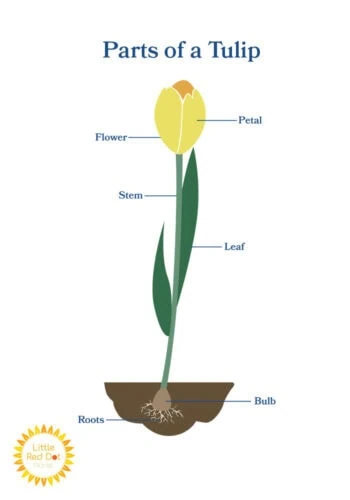
What does the Tulip Symbolise?
Tulips symbolise a wide range of emotions and ideas, largely influenced by their colour and type. The tulip symbolism encompasses love, beauty, and the arrival of spring, making them a symbol of rebirth and renewal. Each colour variation brings its specific tulip meaning. Red tulips convey deep love and passion, while pink tulips represent affection and caring. Yellow tulips are associated with cheerfulness and friendship, and white tulips symbolise purity, forgiveness, and respect. Purple tulips are linked to royalty and elegance, and orange tulips signify enthusiasm and energy.
Tulips have been a source of inspiration for centuries in art, symbolising beauty, elegance, and the fleeting nature of life. The transient bloom of tulips reflects the fleeting beauty of existence and the inevitability of change. Tulip symbolism in art highlights themes of mortality and the passage of time, reminding viewers to cherish the beauty in the present moment.
Tulips carry the tulip meaning of new beginnings and a fresh start in weddings and marriage. They are a popular choice for bridal bouquets and wedding decor due to their elegant appearance and the variety of colours they offer. The symbolism of tulips in weddings is one of hope and enduring love, representing the couple’s journey and the blossoming of their life together.
Tulips symbolise endurance and resilience. Their ability to bloom beautifully despite harsh winter conditions reflects strength and perseverance. The aspect of tulip symbolism is poignant, as it embodies the idea of overcoming challenges and emerging stronger. The hardy nature of tulips, coupled with their delicate appearance, makes them a powerful symbol of inner strength and resilience.
What are the other Flowers with Symbolisms?
The other flowers with symbolisms are listed below.
- Roses: Red roses symbolise deep love and passion like tulips. Pink roses represent affection and admiration, while white roses signify purity and new beginnings.
- Daffodils: Daffodils are associated with spring and new beginnings, similar to tulips. They symbolise renewal and the start of something new.
- Lilies: White lilies symbolise purity and renewal, much like white tulips. They are used in weddings and ceremonies to represent new beginnings.
- Peonies: Peonies symbolise prosperity and romantic love, similar to the passion and affection associated with red and pink tulips. They are used in wedding bouquets and arrangements.
- Hyacinths: Hyacinths in bright colours symbolise joy and playfulness, much like yellow tulips. They are used to convey cheerfulness and positivity.
These list of flowers and their meanings are part of the broader plant symbolism that includes various blooms with deep meanings and cultural significance. Exploring a flower symbolism list helps understand people’s profound connections with different flowers and their associated emotions and ideas.