 Free Same Day Delivery Islandwide | Order by 5PM for Today’s Delivery | 800+ 5-Star Reviews
Sunflower: Types, How to Grow and How to Take Care of Sunflowers
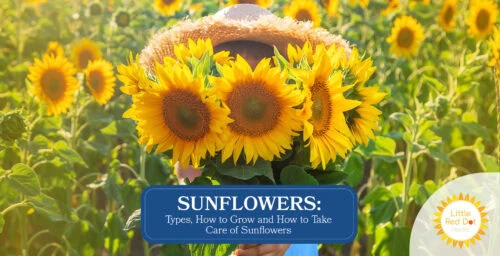
The Sunflower (Helianthus annuus) is a member of the Asteraceae family. The Greek terms “sun” (helios) and “flower” (anthus) are where the phrase originates. A sunflower plant is distinguished by its huge, brilliant yellow blooms, which have a sun-like central disk that varies from dark brown to almost black. The flower head grows to stunning proportions. It has a diameter of more than 12 inches.
Our sunflower bouquets are the cheerful proof.
Sunflower leaves are large, heart-shaped, and rough-textured, with an alternating pattern along the strong stem. Sunflowers are durable, growing in different soil conditions and withstanding drought once established. They are vulnerable to insects, such as aphids and beetles. Sunflowers cultivate fast, and they reach a few feet in height. A sunflower’s life cycle is completed in a single growing season. It takes 90 to 120 days from planting to flowering and seed production.
Sunflowers are a safe addition to gardens and homes because they are non-toxic to humans or pets. The symbolism of sunflowers shows the seasonal movement of the flowers and leaves in the sun’s direction. Sunflowers represent positivity in wealth, life, relationships, and emotions.
What is a Sunflower?
A sunflower is a beneficial plant with big flower heads or blooms. Sunflowers’ name comes from following the Sun by turning their flowers from east to west. Sunflowers originated in North and South America but are now grown worldwide, including in Asia and Europe.
The scientific term for sunflowers is helianthus, a compound of the Greek words for flower (anthus) and sun (helios). The “God of the Sun,” Apollo, fell in love with a nymph named Clytie in Greek mythology. Clytie was transformed into a sunflower by Apollo and witnessed to travel the sky every day in a way similar to how sunflowers follow the sun.
Sunflowers are resistant plants that grow in different soils and, once established, survive drought. The flowers have a single growing season, lasting months from planting to flowering and seed production.
The inflorescence, the flower head, consists of thousands or hundreds of small blooms known as “florets.” These cores resemble the centre of an ordinary “pseudanthium” flower. The plant’s benefit is that it generates thousands of seeds visible to insects and birds pollinating it.
What does a Sunflower look like?
A sunflower looks like an attractive plant and is well-known for its huge, vibrant blooms. The average sunflower grows to around 2 metres and has an upright, green stem coated in coarse hairs. The stem is solid and thick, reaching at least six to ten feet. The leaves are broad and have serrated edges. They are placed alternately on the stem. The leaves are large, rough, and heart-shaped with a coarse texture, growing alternately along the stem.
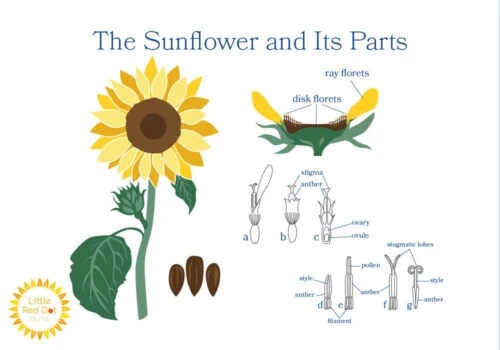
The common sunflower’s “flower” is a pseudanthium, or flowerhead, composed of several tiny blooms. The term “ray flowers” refers to the outer yellow “petals” on the flowerhead, which are several petals fused. “Ray petals” are yellow but they are occasionally orange or red. Sunflower seeds develop from the black-brown disk flowers in the head’s centre and grow in a spiral pattern.
The look of a sunflower is shown in the image below.
What does a Sunflower Symbolise?
A sunflower symbolises warmth, the same as the sun. A “sunflower meaning” in art shows affection and adoration, reflecting the heliotropic nature of facing the sun, that is, persistence and dedication. These flowers are popular for bouquets and decorations, representing marriage. Sunflowers mean loyalty and long-lasting marriage. The “sunflower symbolism” is determination and courage, as witnessed by the adaptability to flourish within circumstances.
A sunflower is a vital symbol in artwork, marriages, and endurance due to a representation of positivity. The sunflower, with its striking appearance, is utilised in the art to communicate warmth, vigour, and the sun’s life-giving force. Vincent van Gogh is known as one of the most famous painters in the world. Sunflowers are used to show feelings of joy and the beauty of nature.
Sunflowers are seen as spiritual flowers, signifying faithfulness and adhering to a spiritual path. They are found in teas, bath bombs, and massage oils, among various home treatments, and help to lower stress, anxiety, and sadness.
Sunflowers symbolise resilience and everlasting desire in hardship. Their heritage is extensive and intriguing, spanning thousands of years. Sunflowers served in spiritual rites to bring wealth and protect against evil.
What are the Different Types of Sunflower?
The different types of sunflowers are listed below.
- Mammoth Sunflowers: The “Mammoth Sunflowers” got their name from their enormous size. They grow up to 12 feet tall and have blossoms that are 10 inches wide. The name is similar to the prehistoric woolly animal. They are among the most recognisable of the sunflower group, owing to their stunning size and simple growth.
- Autumn Beauty Sunflowers: The “Autumn Beauty Sunflowers” combine yellow, orange, and red with black centres. Their flowers are 10 inches in diameter and reach a height of up to 7 feet.
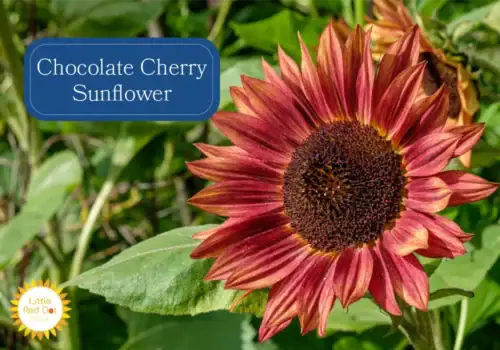
- Chocolate Cherry Sunflowers: The “Chocolate Cherry Sunflowers” have rich chocolate-burgundy ray petals surrounding dark chocolate core disks, with well-sculpted velvety petals and enticing shades.
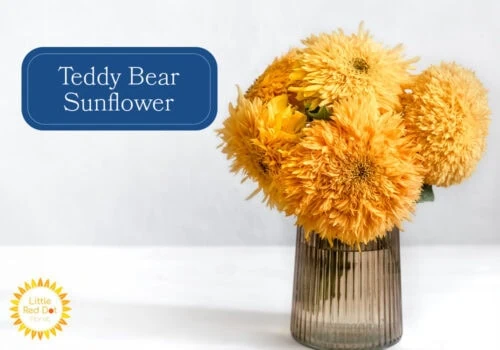
- Teddy Bear Sunflowers: The “Teddy Bear Sunflowers” got their endearing name due to their fluffy petals. They grow up to 2 feet tall and make great salad tops or cake decorations.
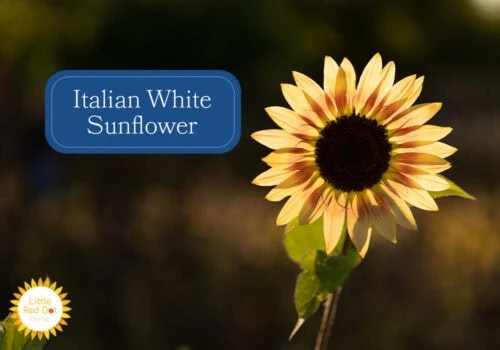
- Italian White Sunflowers: The “Italian White Sunflowers” grow to approximately 5 feet tall and are a favourite of pollinators and butterflies. Their creamy-coloured petals are thinner and smaller compared to typical sunflowers.
- Maximilian Sunflowers: The “Maximilian Sunflowers” are perennials in zones 3 to 9 that return from their roots year after year. The stunning blooms produce a lovely, long-lasting display in gardens and landscapes, featuring multiple tiny flowers on each stem. Large perennial and wildflower gardens are often chosen because they are attractive to pollinators.
- Swamp Sunflowers: The “Swamp Sunflowers” are the last to bloom, producing clumps of green stalks and golden-yellow flowers. The flowers attract songbirds while providing nectar for monarch butterflies. They thrive in natural gardens and along the water’s edge when grown with care.
- Beach Sunflowers: The “Beach Sunflowers” are a perennial groundcover that grows quickly. Beach sunflowers have small, sunflower-like flowers and dark green leaves that are semi-evergreen and withstand drought and salt. They are great for places near the shore because they help to stabilise dunes.
- Lemon Queen Sunflowers: The “Lemon Queen Sunflowers” grow to five to seven feet. They need full sun and endure droughts to blossom 10 inches in diameter.
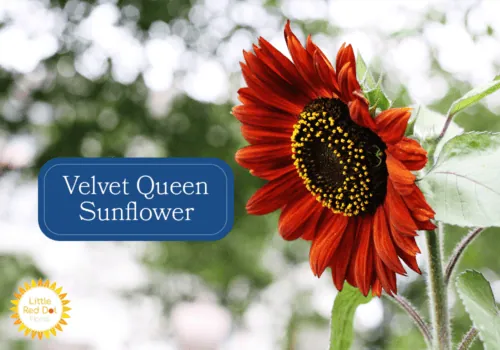
- Velvet Queen Sunflowers: The “Velvet Queen Sunflowers” have rich maroon-red petals and chocolate brown centres. They thrive to a height of 5 to 6 feet and bloom from mid-summer to fall, drawing birds, butterflies, and bees. Velvet Queens are drought-tolerant and grow well in full sun, making them ideal for attractive gardens. The flower-type blooms in 60 to 70 days after planting.
1. Mammoth Sunflower
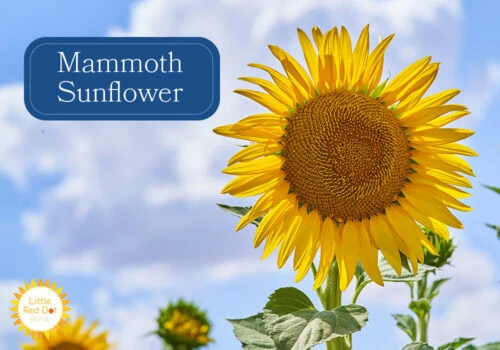
The Mammoth Sunflower, Helianthus annuus, is a popular cultivar recognised for its large size and brilliant colour. Mammoth Sunflower is characterised in nature by tall stems that grow to 12 feet, crowned by massive flower heads that get as big as 12 inches in diameter. The vibrant yellow petals that encircle a seed-filled centre disk make up the flower heads. The seeds are prized for human consumption and as a food source for birds and insects. They are roasted and eaten as snacks or used in cooking.
Mammoth Sunflowers are produced for their seeds, which are high in nutrients and oil. They are grown for their aesthetic qualities, giving gardens a striking height and brilliant colour. Mammoth Sunflower conservation efforts concentrate on maintaining genetic variety and using sustainable farming methods so that such plants continue to flourish for many generations.
Mammoth sunflowers are used in gardens and floral arrangements to represent positivity, loyalty, and admiration because of their cultural significance. They have a long history in agricultural customs and are frequently seen in contests tailored to their stature. Mammoth Sunflower seeds are reasonably priced at around 2.69 SGD, and packs go into the few-dollar range, making them available to home gardeners and commercial farmers. They are famous for their remarkable beauty, usefulness, and cultural importance.
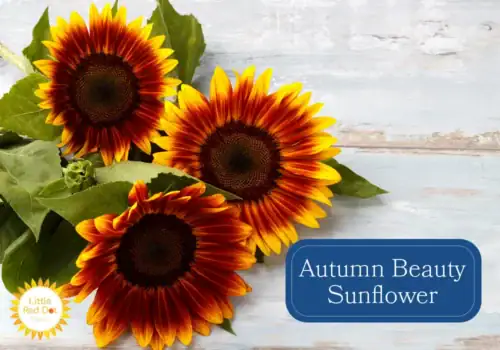
2. Autumn Beauty Sunflower
Autumn Beauty Sunflower is a taller, branching type with flowers in various autumn colours, such as red, yellow, gold, orange, russet, and burgundy. Autumn Beauty looks stunning behind the fence and makes a lovely cut flower. Sunflowers bloom throughout the summer and fall.
Autumn Beauty Sunflowers have a maximum diameter of 8 inches. Their vibrant colour is the ideal foil for the season’s traditional shades. They add vibrancy and energy to the landscape by attracting bees, butterflies, and wild birds. The sunflowers resist heat and dryness and grow best in sunlight and well-drained soil. Their brilliant, big flowers produce gorgeous cuts, bringing an autumn feel to every bouquet.
The Autumn Beauty Sunflowers are cultivated for aesthetic purposes. The vivid sunflowers make it a popular option for garden borders, cutting gardens, and bouquets. The flowers are perfect for bouquets and decorations because of their long-lasting blossoms. The seeds of an Autumn Beauty Sunflower increase biodiversity in parks and natural areas by giving birds and other creatures a food source, similar to what other sunflowers do.
Conservation initiatives for Autumn Beauty Sunflowers aim to preserve and promote sustainable farming techniques. They are improving the ecological well-being of pollinator populations and preserving genetic diversity by encouraging the cultivation of sunflower varieties.
Autumn Beauty Sunflowers represent warmth, beauty, and the abundance of the harvest season in every culture. Their warm, rich hues capture the fall spirit and are connected to ideas of abundance and gratitude. Using such sunflowers in fall-themed decor and celebrations adds a festive and seasonal touch to homes and events. They cost approximately 11.93 SGD.
3. Chocolate Cherry Sunflower
Chocolate Cherry Sunflower has branched stalks that bear velvety, deep-burgundy blooms with a chocolate brown centre. Chocolate Cherry Sunflowers provide a gorgeous accent for borders or flower beds. The long stems of such sunflower variety are excellent for cutting into floral centrepieces. Plants grow from 6 to 8 feet tall with long flower stems, which makes them ideal for cutting.
Chocolate Cherry works well in pollinator gardens and is an appealing variation at the back of the border. Its distinctive colours give bouquets and arrangements a sense of refinement and elegance, making them perfect for special occasions and decor. Its seeds support landscape ecosystems by feeding birds and insects like other sunflowers.
Chocolate Cherry Sunflower conservation activities encourage heirloom seed variants and ecological gardening practices. The initiatives promote the preservation of genetic variety and pollinator health by promoting the cultivation of distinctive varieties of sunflowers. Initiatives for conservation stress how crucial it is to protect plant varieties to guarantee ecological resilience.
The Chocolate Cherry Sunflower is a cultural icon of elegance, distinctiveness, and beauty. Its rich, dark colours inspire an impression of sophistication and class, making it popular among gardeners and florists who want to create stunning visual contrasts. Chocolate Cherry is a type of sunflower that adds a touch to gardens and floral arrangements, which makes it attractive to individuals who consider unique and bizarre plant species. Chocolate Cherry Sunflower seeds are sold on the market. It costs around 43.13 SGD for a half-pound.
4. Teddy Bear Sunflower
Teddy Bear Sunflower is fluffy and has double-petaled blooms. The Teddy Bear type of sunflower is a bushy, 10 to 24-inch tall sunflower with 3 to 6-inch golden-yellow double flowers. It is noticeable as a true native of the North American variety. The long-blooming plant works well in gardens, beds, and cut flower arrangements.
The thick, double flowers are popular in floral designs, providing bouquets and centrepieces with a quirky touch and some texture. Teddy Bear Sunflowers bloom freely and are compact, which makes them perfect for tiny spaces and urban landscaping. Their price is around 31.85 SGD.
Teddy Bear Sunflower programs encourage gardeners to conserve and spread unusual plants by highlighting heritage and open-pollinated forms. The campaigns contribute to ecological health and genetic variation by promoting the growth of many sunflower types. Conservation projects emphasise the significance of sustainable gardening techniques for ensuring pollinator populations and diversifying plant species.
The Teddy Bear Sunflower represents cheerfulness, playfulness, and innocence in culture, making it a popular choice for gardens created for children and families. It is a beautiful addition to every garden due to its vivid colour and soft, sumptuous appearance, which give joy and warmth. Teddy Bear-type sunflowers are best for themed gardens and special occasions due to their unique appearance, which adds a charming and whimsical touch.
5. Italian White Sunflower
Italian White Sunflower, known as Helianthus dibilis, is formed in a daisy-like shape and is a stunning addition to the yard or arrangement. The “Italian White” has endured through the ages and remains as vivid and exquisite as ever. Its ivory-coloured flowers are lovely to see. Sunflowers are native to Tuscany and have grown there for millennia. The fields support the local economy and contribute to the breathtaking scenery. Italian White Sunflower seeds are sold in the market, which costs 7.90 SGD for a pack of 50 seeds.
The towering heirloom’s profusion of Summer blossoms makes it a natural garden centrepiece. Its petals shine best in growing places with an abundance of sunlight. The creamy white petals around a dark brown to black central disc define the sunflower. The plants are more than 7 feet tall, with more flower heads per stem, each averaging approximately 4 to 6 inches in diameter. The Italian White Sunflower, an exquisite addition to gardens, has a refined and sophisticated appearance due to the subtle contrast between the pale petals and the black centre.
Growing “Italian White Sunflowers” is done for their aesthetic value. Its subtle elegance makes it a common choice for flower arrangements, cottage gardens, and garden borders. The long-lasting blossoms of the flowers give a touch of refinement and elegance to bouquets and centrepieces, which makes them perfect for cut flower presentations. Its seeds support garden biodiversity by feeding birds and other animals or insects.
Italian White Sunflower conservation efforts encourage growers to preserve and propagate rare plants by promoting heirloom and open-pollinated forms. Initiatives encouraging the growth of many sunflower types maintain genetic variety and ecological health. Conservation campaigns highlight the significance of sustainable gardening techniques for preserving populations of pollinators and plant selection.
Tuscany‘s Italian White Sunflower Fields are rich in cultural value and history. Tuscany’s agricultural legacy relies heavily on sunflowers, fundamental to the region’s artistic character. Travellers worldwide come to the fields to take in their beauty and discover how they are grown. The economic significance of Italy’s sunflowers is immense, as they do not create jobs alone but enhance the general vibrancy of the area. They are a testament to the area’s rich cultural heritage.
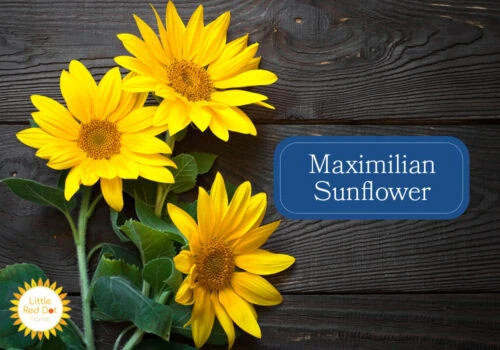
6. Maximilian Sunflower
The Maximilian Sunflower, known by its Latin name of “Helianthus Maximilian,” is a tall native perennial plant with narrow leaves and beautiful yellow flowers that resemble daisies. Maximilian Sunflowers produce large colonies and attract pollinators in late summer and autumn. They are adaptable plants that add aesthetic value and usefulness to the outdoors.
Maximilian sunflowers are perennial plants that reach heights of 3 to 10 feet. They have vivid yellow flowers that are exceptional at attracting pollinators, slender stalks, and narrow leaves. The flowers have a disk-shaped cone next to many petals and are an excellent option for late-season gardens because of their colour, which entices butterflies with bright nectar. Maximilian Sunflowers are admired for their aesthetic appeal in landscapes and wildflower gardens.
Maximilian Sunflowers are grown to restore prairies and as livestock fodder plants. Bees are attracted to nectar-producing blooms during dry seasons, which sustains the community’s bee population. The conservation efforts are focused on preserving its natural habitats and encouraging its use in native plant gardens and restoration projects. The initiatives sustain the local pollinators and preserve the balance of nature.
The Maximilian Sunflower is a gorgeous flower discovered during their North American voyages, named after the Prince of Wied-Neuwied. It is called Helianthus in honour of the German explorer. It costs around 10.60 SGD.
7. Swamp Sunflower
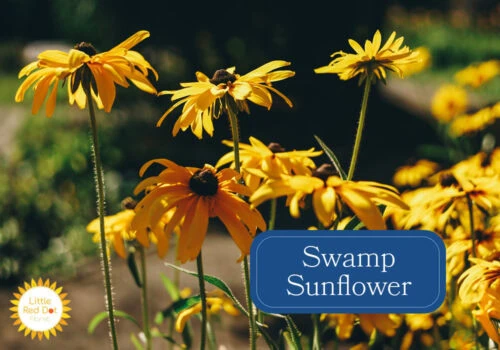
Swamp Sunflower (Helianthus Angustifolius) is one of the sunflower species. Swamp Sunflower is indigenous to the eastern and south-central regions of the United States, extending inland as far as Missouri and to the coastal states from Texas to Long Island. Coastal plains (Atlantic and Gulf) are its usual habitats.
Swamp Sunflowers are adaptable to environments, from wetlands and marshes close to sea level to quite dry, well-drained, gravelly clay, although they prefer low, damp soils. They don’t resist drought well. The Swamp Sunflower is a large-growing, multi-stemmed perennial beneficial for native pollinators such as bees and butterflies. It produces masses of golden yellow, 2 to 3 inches wide, dark-eyed daisies over an extended period. It is distinguished by its tall, slender stems, which grow up to 8 feet tall.
People appreciate swamp sunflowers in gardens and landscapes due to their aesthetic value in damp or marshy locations where few other plants survive. They are advantageous for sustaining regional ecosystems because they attract butterflies and bees. Swamp sunflowers are utilised in restoration projects and native plant gardens to improve biodiversity and stabilise the soil in wetland areas.
Preserving the Swamp Sunflower’s native habitats and encouraging its application in ecological restoration are the main goals of conservation efforts. Reducing habitat loss and safeguarding wetlands are essential for the sunflower’s survival. A program run by the North Carolina Botanical Garden, with financial assistance from the Garden Club of North Carolina, chose the plant as the 2007 NC Wildflower of the Year.
The swamp sunflower represents steadfast faith and devotion. It grows best in marshy, humid conditions and is a testament to persistence and undying love. Its capacity to illuminate gloomy surroundings with beauty and brightness represents optimism and hope. It costs around 17.24 SGD.
8. Beach Sunflower
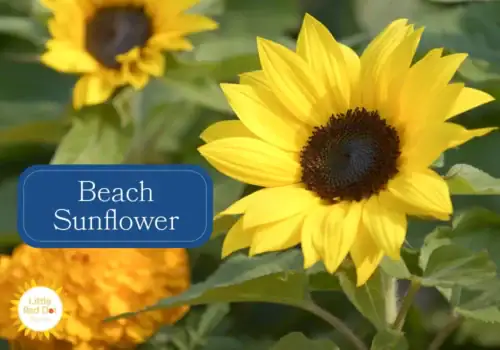
Beach Sunflower (Helianthus debilis) is a prolific self-seeder. The Atlantic and Gulf Coasts of the United States are home to their native species. The pretty wildflower is a favourite for places near the seaside. Beach sunflowers have many lateral roots and a taproot, which helps stabilise sandy soils and dunes. Beach sunflowers grow to a height of 18 to 24 inches. The sunflower is a perennial groundcover that grows fast and forms a rich mound of dark green, deltoid, semi-evergreen leaves. It is a type of sunflower that prefers full sunlight in acidic, well-drained soil.
Beach Sunflowers are effective for landscaping, regardless of poor, dry soils. The sunflowers are planted on beaches to provide a ground cover that binds sand, preventing erosion and stabilising dunes. They need irrigation as they begin to seem “ratty-looking” once the vibrant blossoms fade. Beach Sunflowers are sold in seeds at approximately 15.93 SGD.
Beach Sunflowers are listed in the Southeast Plant Conservation Alliance’s Species of Greatest Conservation Need. Protecting natural dune systems and preventing habitat loss are crucial to the plant’s survival. The beach sunflower is valued for its colourful and bright appearance in different cultures. The flower has gained recognition in folklore and art due to its resemblance to the sun. It symbolises adoration, loyalty, and prosperity. The vivid yellow shade shows joy and hope, which makes it a common theme in artistic works.
9. Lemon Queen Sunflower
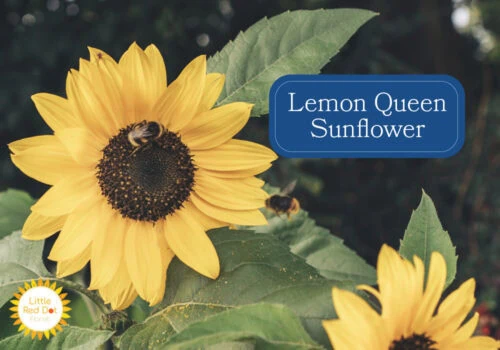
The Lemon Queen Sunflower is a magnificent type of sunflower distinguished by its creamy white or pale yellow petals with dark brown centres. Lemon Queen Sunflower has giant, exclusive flower heads with delicate lemon-yellow or creamy white petals that radiate from a dark brown centre (disc florets). The flower gets its name from the gentle, pastel shade of the petals, similar to the shade of lemons.
The average height of a Lemon Queen Sunflower is approximately 5 to 7 feet, but the actual height varies based on variety and growing conditions. Large flower heads are supported by long, strong stems that give visual interest to gardens and landscapes. Lemon queen sunflower seeds are sold on the market, costing around 15.93 SGD for a 1/4 pound.
The Lemon Queen Sunflower is cultivated for its aesthetic appeal. It works well for bordering gardens and flower arrangements because of its brilliant blooms. Pollinators, such as bees, butterflies, and birds, become attracted to the blooms, enhancing the garden’s biodiversity and wellness. The Lemon Queen Sunflower produces edible seeds and harvests them for human consumption or to feed animals.
A framework for the practical preservation and utilisation of significant worldwide collections of sunflower genetic resources was established, along with recommendations and high-priority initiatives. Protecting cultural heritage is crucial for maintaining genetic variety and ecological resilience, as conservation campaigns stress.
The Lemon Queen Sunflower represents summer because of its vibrant yellow petals and vigorous growth. The sunflower is a famous and priceless addition to gardens and landscapes because of its adaptability to environmental conditions and capacity to attract pollinators, contributing to its ecological and cultural significance.
10. Velvet Queen Sunflower
The Velvet Queen Sunflower is a beautiful and unique annual sunflower known for its velvety, rich colours. Velvel Queen Sunflower’s rich maroon-red petals have tall, strong stems reaching 5 to 6 feet and multi-branched flower heads. The sunflowers’ rich maroon-red petals, which encircle a dark brown to black core disc, give them their distinctive feel. Each bloom has a diameter of approximately 4 to 6 inches, which makes a striking contrast that is eye-catching in gardens.
The main reason Velvet Queen Sunflowers are planted is for their aesthetic appeal. Its striking and opulent shade adds a touch of sophistication and elegance to floral arrangements and gardens. The blooms invite pollinators, such as butterflies and bees, which improve the garden’s biodiversity and ecological health. The Velvet Queen Sunflower’s seeds are harvested for human consumption or to feed birds and other wildlife.
Velvet Queen Sunflower seed variants and sustainable gardening techniques are the main goals of conservation efforts for the Velvet Queen Sunflower. The Velvet Queen-type sunflower is a cultural symbol of “Queen Elizabeth’s crown,” royalty, and power. Its deep, sumptuous colours exude luxury and sophistication, making it popular among gardeners and floral designers looking to create spectacular and eye-catching displays. Velvet Queen Sunflower seeds are sold in the market, with a price of around 3.32 SGD for a small packet up to 29.20 SGD for one pound.
What are the Different Colours and Meanings of a Sunflower?
The different colours and meanings of a Sunflower are listed below.
- Yellow Sunflowers: The yellow-coloured blooms are stunning and timeless for everyone who loves vivid blooms. Their colour shows goodness, truth, honesty, and compassion.
- Orange Sunflowers: Orange sunflowers with brilliant petals are eye-catching and popular due to their distinctive colour. They represent happiness, luck, and great energy.
- White Sunflowers: White Sunflowers are rare and hard to get by. They stand for calmness, rebirth, innocence, and fresh dreams. The “white sunflower meaning” represents elegance and sophistication.
- Red Sunflowers: Red Sunflowers have stunning colours with black backgrounds and are odd but gorgeous. Their colours represent hope and grit.
- Pink Sunflowers: Pink sunflowers are impressive, but the rare-coloured flowers make anyone fall in love with them. The pink-hued flowers have a striking effect on individuals and stand for health, purity, elegance, royalty, and good health.
Why do Sunflowers Follow the Sun?
Sunflowers follow the sun, from east to west, during the day due to a spectacular phenomenon known as “heliotropism.” Botanists claim that young sunflowers chase the Sun to maximise their energy intake. The blooms utilise a natural circadian rhythm to get the maximum light for photosynthesis. The sunflowers face east as they mature for pollination. Bees prefer warm flowers, and the blossoms facing east are the warmest.
Sunflowers absorb more light by orienting their leaves and flower heads towards the sun for their growth and development. Mature sunflowers stop to move and face east forever. Pollinators are attracted to the flowers in the morning, and they help warm them up that way. The plant’s internal growth hormones change, and the stem slowly hardens, limiting movement.
How to Grow Sunflowers?
To grow Sunflowers, follow the seven steps listed below.
- Select the proper variety of seeds. The first step is to choose the type of sunflower plants. For example, large varieties like the tall variety of Mammoth Sunflowers, while smaller gardens benefit from more compact variants such as Teddy Bear Seeds.
- Prepare the area and soil. Ensure to wait until the last spring frost, as sunflowers need sunny weather. Choose a spot that receives full sunlight and has well-draining soil enhanced by organic material or compost.
- Learn how to sow. Direct seeding is another option. Create a hole with a pointy object or finger, add two seeds (in case one does not germinate), and cover the hole.
- Plant the seeds. Scatter sunflower seeds for planting straight into the soil in rows or clusters, spreading them about 6 inches apart. The space for sunflower seedlings is 12 to 24 inches apart until they are about 6 inches tall, giving them enough room to grow.
- Apply fertiliser (optional). Use a well-balanced fertiliser for healthier, growing sunflowers. Use organic insecticide and conduct routine plant inspections to safeguard against pests when needed.
- Water the seeds until they sprout. Water them every day as it is most needed during dry seasons, and avoid clogging.
- Harvest the sunflower. Harvesting the seeds begins when the flower heads mature and begin to sag. Slice off the heads and place them in a well-ventilated place to dry.
When to Plant Sunflowers?
Wait until the last Spring frost to plant sunflowers. It is an ideal project to begin in the spring between the middle of April and the end of May. Make sure to wait until the end of May to transplant the seeds from the pot if planning to plant them outside. Sunflowers are perennial plants that grow best in the warmer months, from late spring to summer.
Waiting until the soil temperature is consistently warm is vital because sunflowers require lots of sunlight and thrive in warm weather. Sowing sunflowers early enough to take full advantage of the warm growth conditions is crucial as they require a long growing period, often 70 to 100 days from planting to maturity. Properly planting sunflowers allows them to produce their renowned large blooms and abundant seeds.
What are the Common Challenges in Growing Sunflowers?
The common challenges in growing Sunflowers are listed below.
- Costs: Costs associated with growing sunflowers include labour, machinery, pest control, fertilisers, irrigation systems, seeds, soil amendments, fertilisers, tools, and transportation. The challenges are addressed by improving irrigation and marketing facilities, lowering seed prices, offering training programs, and establishing oil processing plants.
- Severe Drought: Severe drought or lack of water and ineffective irrigation systems cause sunflowers to develop more slowly, produce fewer seeds, and become more susceptible to pests. Wild sunflower species help to address the issue by exhibiting agrarian features.
- Climate Change: Climate change makes growing sunflowers difficult because of unpredictable weather conditions and extreme incidents. Drought stress or waterlogging is caused by irregular rainfall while rising temperatures impact germination and flowering dates. Finding new qualities and creating new ideotypes are necessary to overcome such challenges.
- Pests and Diseases: Pests and diseases harmful to sunflowers include rust, sclerotinia stem rot, beetles, caterpillars, mildew, and aphids. Integrated pest management techniques, including crop rotation and natural predators, are essential. Crop rotations based on scientific principles combat the problem, making the race development process easy to observe. Farmers and gardeners overcome it by implementing appropriate disease management measures.
What are the Best Tips for Growing Sunflowers?
The best tips for growing Sunflowers are listed below.
- Appropriate Variety: The appropriate variety or type of sunflower for the size and use of the garden is crucial. For example, tall Mammoth sunflowers work well in spacious landscapes, while more miniature Teddy Bear sunflowers work well in container planting or smaller gardens.
- Planting Period: The planting period of sunflower seeds in the garden is best after the last frost date when the soil temperature has risen to at least 50°F. Repeat the process every two weeks for continued flowering.
- Soil and Location: The soil and location for sunflowers are best planted in full sun with well-draining, organic soil. Add compost or aged manure for better fertility and structure.
- Space: The space of sunflower seeds must be 6 inches apart, thinned from 12 to 24 inches for best growth.
- Watering: Watering sunflowers or keeping the soil moist without becoming soggy strengthens root development.
- Fertilisation Process: The fertilisation process enhances the strength of the sunflower’s stems and its flower’s size. Apply a balanced or high-phosphorus fertiliser.
- Monitoring of Pests and Diseases: Monitoring pests and diseases removes infected elements. Use organic insecticides, soap, or insects.
- Harvesting: Harvesting involves cutting off the flower heads from plants, allowing them to dry in a well-ventilated spot, rubbing them, and storing them in a cold, dry location to prepare edible seeds.
- Deadheading Process: The “deadheading process,” or removing wasted flowers, encourages continued blooming by diverting the plant’s attention away from seed formation and developing new blossoms.
Is the Lifespan of a Fully Grown Sunflower Short?
Yes, the lifespan of a fully-grown Sunflower is short. A mature sunflower lives one year from germination to the conclusion of its blooming phase, which is quite short in comparison to many other plants. A sunflower starts a quick seed development and senescence phase if it reaches maturity and displays its recognisable giant, brilliant bloom heads.
The blooming season lasts about 2 to 3 weeks, during which time the sunflower is at its most visually appealing and attracts pollinators, and as the seeds ripen, the plant begins to fade and die. The fully grown sunflower completes its life cycle at the end of the growing season. It gives beauty support to pollinators and seeds for future cultivation or consumption by humans and wildlife. They have a short life span yet provide essential ecological and aesthetic benefits in that short time.
How to Take Care of Sunflowers?
To take care of Sunflowers, there are six steps to follow. First, ensure full sun. Sunflower care requires at least 6 to 8 hours of direct sunlight daily to flourish. Place them in an area where they get plenty of the sun.
Second, monitor the sunflowers. Make sure the sunflowers are thriving by giving them a regular check-up. Keep an eye out for symptoms of conditions or stress, such as yellowing leaves, growth retardation, or odd patches.
Third, put enough water in the soil. Maintain a constant moisture content in the soil in the germination and early growth phases. Water the area to a depth of at least 6 inches to ensure moist soil for healthier root development. Continue watering often throughout times of drought.
Fourth, add fertiliser when needed. Using a high-phosphorus or balanced fertiliser supports strong stem and blossom development. Fertilising the plants shows how to care for sunflowers as directed on the packet, and do not over-fertilize to avoid stunted foliage growth at the expense of blossoms.
Fifth, check for signs of pests, including caterpillars, sunflower bugs, and aphids. Use organic insecticides or natural predators to control infestations. Remove infested plant material to stop issues from spreading.
Lastly, remove unwanted plants around them and eliminate weeds surrounding the sunflowers. Weeds compete for nutrients, water, and sunlight to ensure sunflowers develop well.
What are Sunflowers Used For?
Sunflowers are used for different purposes listed below.
- Environment: One “sunflower uses” is for the environment, such as gardens or fields, which showcase the stunning, giant, and vivid sunflowers. They make a gorgeous display due to their incredible colours.
- Food: Sunflower seed production is beneficial for humans and animals. Sunflower seed oil is used for cooking and baking.
- Health: The health benefits of sunflower seeds provide an excellent supply of vitamin E, an antioxidant that supports healthy skin, eyes, and immunological function.
- Agriculture: The agriculture industry utilises sunflowers to prevent erosion and enhance soil conditions.
- Ornament: An “ornament” for houses or a beautiful and bold bouquet for weddings, including brides who like a more organic country look, is one of the uses of sunflowers.
What are Interesting Facts about Sunflowers?
The interesting facts about sunflowers are listed below.
- Follow the Sun: One of the facts about sunflowers is they follow the sun, according to biological clocks, replicating the sun’s movements and resembling little suns. They maintain their eastward orientation after they have developed to attract pollinators and allow them to follow the sun’s path.
- Seeds Are Good for Health: Sunflower seeds are good for health because they are abundant in protein, potassium, magnesium, calcium, iron, and vitamin E. They are a popular baseball game snack, an allergen-free option, and a healthy addition to bread, baked goods, and salads.
- Symbolise Culture and Art: One of the sunflower facts is that it symbolises culture and art due to vibrant oil paintings that have inspired other artists worldwide. The Incas of antiquity placed great importance on sunflowers. They utilised them in their temple rituals, viewing them as a representation of the sun.
- Originated in American Soil: Sunflowers originated in North America circa 3000 BC and were used for medicine, oil, and food. Spanish explorers brought them to Europe in the 1500s.
- Makes Thousands of Small Flowers: A sunflower makes thousands of small flowers, 1,000 to 2,000 tiny flowers, each with an inner “eye” pattern of disc florets and a ray floret head. The disc florets mature into seeds, which cross-pollinate with other sunflowers or pollinate themselves.
- Purify the Earth: Sunflowers purify the Earth by absorbing toxins. Scientists planted sunflowers in places with high lead concentrations to help heal soil affected by the nuclear accidents at Chernobyl and Fukushima.
What are the other Flowers with their Symbolism?
The other flowers with their symbolism are listed below.
- Daisies: Daisies are known to represent innocence, joy, and purity, which have sunny yellow centres and brilliant white petals. They represent optimism and pleasure because of their straightforward yet upbeat appearance. The list of flowers and their meanings shows how sunflowers symbolise personality, culture, arts, and more.
- Marigolds: Marigolds, with their vivid orange and yellow blossoms, stand for comfort, hope, and the ability to triumph over sadness and loss. They are associated with resiliency and the capacity to flourish in difficult situations.
- Zinnias: Zinnias, well-known for their vivid, multicoloured shades and persistent blossoms, stand for fortitude, enduring friendship, and memory. The “flower symbolism list” their consistency with the steadfastness and loyalty shown by the sunflower.
- Chrysanthemums: Chrysanthemums, especially the yellow kinds, represent longevity and happiness. The “plant symbolism” is for joy, contentment, and well-being.
- Black-Eyed Susans: Black-eyed Susans’ golden-yellow petals and dark centres represent encouragement, justice, and motivation. They stand for the optimism and tenacity inherent in sunflowers. Other “list of flowers and their meanings” similar to sunflowers, such as gerbera, exist.