 Free Same Day Delivery Islandwide | Order by 5PM for Today’s Delivery | 800+ 5-Star Reviews
Flower Arrangements: History, Types, and How to Make Floral Arrangements
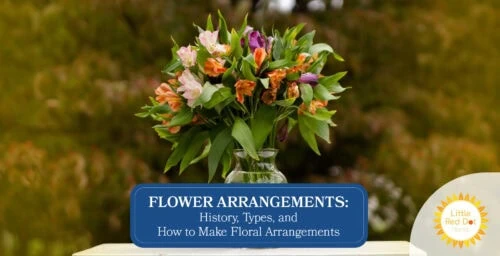
Flower Arrangements are the art of arranging plants, flowers, greenery, and containers to create symmetry in appearance, texture, and colour combination. Flower arrangements keep the design components and concepts to produce an appealing and captivating design. Beautiful flower arrangements are artistic works that improve the beauty of a room, express emotions, and add delight to several life events. They are as basic as single-flower arrangements or as complex as multi-layered creations with fillers and foliage incorporated.
The first known floral arrangement dates back to ancient Egypt. Flowers were used for decoration by the Egyptians as early as 2,500 BCE. The ancient Egyptians used cut flowers in vases for tables, processions, and graves. They chose flowers with a strong emphasis on spiritual significance and other symbolic meanings.+
Floral arrangements are made for “different kind of flowers” and their uses, including centrepieces for parties, bouquets for individual gifts, and attractive displays for homes and workplaces. Each floral arrangement has a specific function and is made according to specific design guidelines to suit the occasion and intended look. There are types of flower arrangements, such as bud base, long and low, centrepieces, fan-shaped, bar, and more.
Careful design and execution are necessary for harmonic and appealing flower types. Prepare the tools, floral foam, a vase, fresh flowers, and foliage. Choose flowers according to colour theme, then trim stems to maximise water absorption. Put in secondary flowers for texture, focal flowers for structure, and greenery for structure. Examine the set-up from several perspectives and make necessary adjustments. Add water and store it in a cool, well-ventilated area to ensure proper hydration.
What are Flower Arrangements?
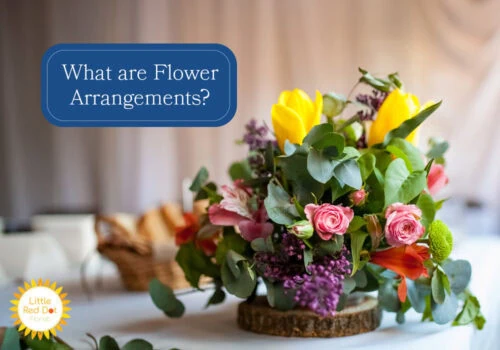
Flower arrangements are creative designs of foliage and flowers intended to improve surroundings, decorate events, and express emotions. Simple presentations of a single flower to intricate, multi-layered creations are achievable. The practice of flower arrangement is choosing a tasteful combination of blooms, colours, and textures to produce an appealing and significant presentation.
Arrangements of flowers are made for several kinds of uses, including centrepieces for parties, bouquets for gifts, and attractive decor for homes and offices. Each floral arrangement is made for the event and consists of different kind of flowers. Consider joyful and bright gerbera daisies for birthdays, passionate red roses for Valentine’s Day, or melancholy white lilies for funerals. Florists make sure that the arrangement reflects the intended feeling by considering colours, flower varieties, and the message they want to deliver.
What is the History of Flower Arrangements?
The history of flower arrangements started in ancient Egypt, 2,500 BCE. Flower arrangements are common for table decorations, processions, and tombs. The flowers were selected with a strong emphasis on their symbolic value, including religious ceremonies. For example, lotus, Iris sibirica, delphinium, narcissus, palm tree, papyrus, and rose. The oldest known wall paintings in Egypt are from Cleotpatra’s era, 5th century B.C.
Flower arranging continued to evolve in ancient Greece and Rome, when floral garlands and wreaths were employed to represent triumph and festivity. The Greeks and Romans designed and created artwork with flowers and herbs, using garlands or wreaths for vases. Popular greenery or foliage included parsley, ivy, bay, acorns, oak leaves, and laurel. The flowers were violets, lilies, honeysuckles, hyacinths, and roses. Roses rained down from the ceiling and scattered across the floor in the “Hour of Rose,” a religious ceremony that was made extravagant by wealth and power.
Chinese made flower arrangements from 207 BCE to 220 CE during the Han dynasty in ancient China. Flowers were used in medicinal and spiritual education. Cut flowers were placed on altars by Confucianism, Taoism, and Buddhism devotees. The tradition originates from 618 to 906 CE. Buddhist artists used wood, bronze, jade, and ivory to produce paintings, sculptures, and embroidered items with floral themes. They chose different flowers and leaves based on their symbolic value, with the peony being the most admired, representing wealth, good fortune, and great position.
The arrangements became popular in churches and monasteries around 1000 CE when European nations experimented with fresh plants from the Middle East, brought back by Crusaders. The Byzantine Empire made contributions to floral arrangements between 500 and 1453 CE. They used cone shapes, vibrant flowers, ribbons, and curved lines to construct twisted garlands with carnations, daisies, lilies, and pine.
Flowers were included in altars, manuscripts, and paintings throughout the Gothic era when monks had herb gardens. A therapeutic herb garden was necessary for physicians, yet relying on herbs without referring to their Creator was considered improper. Sacred ceremonies and rituals made use of plants.
Italian floral design was the first to take off across Europe. Floral arrangement styles were inspired by the Italian Renaissance (1400–1600), which utilised materials like marble, Venetian glass, and bronze. The introduction of tropical fruits produced different shades and represented fertility.
Floral design during the French Baroque era (1600–1814) focused on delicate, gentle appeal with asymmetrical arrangements and plain forms. Simple lines and high colour contrast were popular during the Empire era, particularly in urns adorned with huge, colourful flowers. Jean-Baptiste de la Quintinie, a renowned florist, served as the Royal Gardener and maintained kitchen gardens (Potager du Roi).
Oriental design and active trade impacted formal, symmetrical patterns during the Georgian era (1714–1760). Flower fragrance’s role in clearing the air of pathogens and eliminating unpleasant smells led to more informal designs. Victorian arrangements (1820–1901) had small and asymmetrical floral designs. Odours were eliminated using “tussie-mussie” bouquets. The guidelines for appropriate flower arranging developed into an artistic profession in Europe by the end of the era.
Contemporary flower arrangements combine traditional methods with contemporary aesthetics. The floral designs feature innovative patterns, eco-friendly practices, and other materials. Modern florists use various styles, from avant-garde and minimalist to lavish and sumptuous. It reflects the diversity of cultural influences and personal innovation discovered in today’s flower design.
What is the Importance of Flower Arrangements?
The importance of flower arrangements brings colour, texture, and a natural aspect that improves and changes spaces, enhancing their aesthetic appeal. Well-made floral arrangements create hospitable and pleasant environments in homes, workplaces, and public spaces. Florists arrange flowers to commemorate important events and rituals, on top of their aesthetic appeal. They are essential to memorials and funerals, offering solace, respect, and festivities representing love and devotion.
Flowers have a strong emotional impact because their presence is utilised as a silent expression of feelings like appreciation, sympathy, love, and regret. The flower arrangement’s contribution to well-being is another evidence of its significance. Studies have shown the presence of flowers improves mood, lowers stress levels, and fosters a calm atmosphere.
Are Flower Arrangements Different for Each Occasion?
Yes, flower arrangements are different for each occasion. Flower arrangements are designed to reflect the unique features of each occasion, emphasising the event’s individual feelings and customs. Several occasions have different social and cultural implications, thus it is natural that different flowers are associated with such meanings across countries.
The top three major occasions people ask for flower arrangements include anniversaries, birthdays, and Valentine’s Day. The most memorable event for a couple is their anniversary. It symbolises the day when a couple unites their love and devotion to become one. Giving the ideal gift on anniversaries is one method to remind each other of their affection while creating happy memories they cherish forever.
Bright colours and unique patterns that add to the festive mood are used in these arrangements to express the joyous spirit of the occasion. The “flower arrangement in different occasions” has specific requirements that determine the style, colour, appropriateness and significance.
Valentine’s Day is an excellent opportunity to send a bouquet of fresh flowers to someone special. Valentine’s Day is for lovers to express their affection for one another. An arrangement of fresh flowers is the ideal way to show an appreciation for the love between two people.
What is the Relation of Flower Arrangement and Floral Design?
The relation between a flower arrangement and floral design is the artistic approach utilising flowers, foliage, plants, and containers. The techniques create a pleasing and functional decor. Flower arrangement is a technique of selecting, organising, and putting blooms and leaves to form a beautiful piece. It entails knowing the principles of balance and symmetry to guarantee that each component contributes to the entire aesthetic.
The concept and use of various styles and techniques are included in the larger scope of floral design. It incorporates artistic vision with practical know-how to create arrangements that fulfil several functions, from extravagant event decor to simple household embellishments. Flower arrangement and floral design are vital to producing elegant creations, offering the general framework and innovation that directs within the structure.
What are the Types of Flower Arrangements?
The types of Flower Arrangements are listed below.
- Centrepiece Flower Arrangement: A “centrepiece” is symmetrical and low, which combines foliage and flowers to enhance the event’s theme and table arrangement.
- Bar Flower Arrangement: The “bar flower” is ideal for bars and countertops, and intended for small and appealing homes. It is presented vertically to maximise space without blocking the view. The flowers used are vivid and vibrant to create a visual impact.
- Bud Vase Flower Arrangement: The “bud vase” is a simple and tasteful arrangement, with one or a few tiny flowers in a slim vase. Perfect for small spaces or as a decorative accent.
- Long and Low Flower Arrangement: The “long and low” arrangement makes it a perfect presentation on long tables or mantels. It has a variety of flowers and foliage arranged in an extended, flowing design to create a delicate yet elegant effect.
- S-Shaped Flower Arrangement: The “S-shaped” (Hogarth Curve or Lazy S) flower arrangement is a sophisticated design that enhances elegance and works well with Eastern themes and tropical flowers.
- Oval Flower Arrangement: The “oval” flower arrangement is adaptable and works well in formal and informal events due to its extended circular shape. It has a symmetrical, balanced shape giving focal points and ornamental sections a traditional, timeless appearance.
- Horizontal Flower Arrangement: The “horizontal” flower arrangement is distinguished by its wide and low shape. It adds a decorative piece on low platforms or as a table centrepiece.
- Vertical Flower Arrangement: The “vertical” arrangement has tall flowers and clean lines. It highlights height and upward movement. It is used in lobbies, events, and as floor displays because it is perfect for making a big impression.
- Fan-Shaped Flower Arrangement: The “fan-shaped” arrangement of the flowers is semi-circular and extends out like a fan. It is a common option for formal occasions and a decorative element in weddings and other special events because of its elegant and structured appearance.
- Crescent Flower Arrangement: The “crescent” arrangement, a C shape with curves, is trendy and suitable for tropical and ikebana. Its stunning beauty and uniqueness make it an excellent choice for any occasion.
- Triangular Flower Arrangement: The “triangular” arrangement makes a powerful visual focal point. It’s appropriate for formal gatherings and making a dramatic decorative statement to express stability and solidity.
- Speciality Flower Arrangements: The “speciality” arrangements fit specific themes or occasions and include rare flowers, odd containers, or personalised patterns. Speciality arrangements consist of anything from themed decorations to seasonal displays, everything made to meet the specific requirements and tastes of the recipient or event.
1. Centrepiece Flower Arrangement
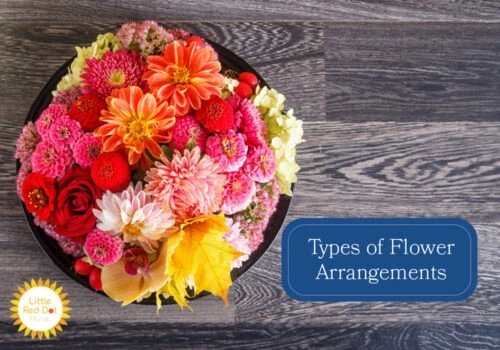
A Centrepiece Flower Arrangement is intended to be the central attraction on a table or dining area and serve as a visual focal point for events. The centrepiece flower arrangement’s primary characteristic is its capacity to draw attention and improve aesthetic design. It has various flowers and foliage, with other features like candles or decorative pieces.
Centrepieces are utilised for several occasions, from formal events such as weddings and banquets to festivities, including dinners, birthday parties, and casual gatherings. The arrangement provides a focal point that enhances the occasion’s beauty and elegance while fostering a unified and welcoming mood. The centrepiece arrangement is essential to set the mood and boost the vibe of the occasion, whether it’s a grand floral display for a wedding reception or a simple, seasonal arrangement for a holiday feast.
2. Bar Flower Arrangement
A Bar Flower Arrangement is a floral display created to improve the appearance and atmosphere of a bar or beverage-serving area. The key feature of a bar flower arrangement is its capacity to blend in with the surroundings while being functional and sturdy. It is achieved by utilising foliage and flowers that are resilient to the ups and downs of a busy bar. The arrangement is simple to prevent blocking views or interfering with the bar’s functionality, yet attractive enough to elevate the room.
Bar flower arrangements are used in premium bars, lounges, and restaurants to create an inviting environment and an element of sophistication. It is popular for special events hosted in bars, such as cocktail parties, social gatherings, and celebrations, which add to the entire design and improve the guests’ experience. The arrangement’s style mirrors the season or subject of the location, giving the atmosphere a pleasing background.
3. Bud Vase Flower Arrangement
A Bud Vase Flower Arrangement is a petite, stylish creation that highlights one single bloom or a few chosen flowers in a minimalistic vase. The arrangement’s main characteristics are its simplicity and focus on showcasing the beauty of each bloom. It is ideal for highlighting the fine details of a single flower or a tiny bouquet because of its modest size and subtle looks in contrast to larger, intricate floral designs.
Bud vase arrangements are adaptable and suitable for several events. They are used as beautiful decorations on side tables and workstations, or as individual table centrepieces in fine dining. The flower arrangements provide a sophisticated touch but are not overpowering. Bud vases are great for areas with limited space, nourishing beauty and elegance.
4. Long and Low Flower Arrangement
A Long and Low Flower Arrangement is distinguished by its extended shape and close-to-the-table height, designed to span distance while retaining a low appearance. The fundamental aspect of the design is its ability to generate a complex, horizontal display that fills a table or surface without blocking the views. The styling approach emphasises a simple, elegant form that allows a flourishing, continuous flow of foliage and flowers to complement the setting’s beauty without overpowering it.
The long and low is popular at formal dining functions, because of eye-catching centrepieces to compliment long tables. Its lower height guarantees that attendees see and engage with one another. The arrangement provides a lovely and well-coordinated floral accent that aligns with the entire decor, adding a sense of grandeur and grace to every event.
5. S-Shaped Flower Arrangement
The S-shaped Flower Arrangement (Hogarth Curve or Lazy S) is a distinctive and elegant design distinguished by its flowing, soft curves that resemble the letter “S.” The arrangement’s main characteristic is its flow, which gives an exquisite look. A stylish floral arrangement is achieved with the curvilinear form. The arrangement of the flowers directs the eye along the flowing lines, creating an effective and balanced artwork.
S-shaped design is used for formal events, such as galas, weddings, and fashion shows where their unique shape brings elegance. Its curves highlight the overall design and match the elegant style of the event, making it ideal for stunning accents. The S-shaped arrangement is a popular option for events requiring an element of artistry and sophisticated charm because of its capacity to combine aesthetics with motion.
6. Oval Flower Arrangement
An Oval-Shaped Flower Arrangement is a traditional and adaptable that gets its name from its elongated, spherical shape. The arrangement’s fundamental characteristic is its symmetrical and balanced form, which creates a refined and harmonic appearance while staying elegant. Ovals work well on various occasions due to smooth, flowing floral arrangements that are elegant and modest.
The oval arrangement is used as centrepieces or ornamental accents that elevate the design at formal events like weddings, anniversaries, and business conferences. It is perfect for smaller events because of its classic design, which allows them to bring elegance without taking over the room. The oval arrangement is a popular option for creating a refined and appealing floral display because of its ability to blend beauty and versatility, ensuring that it fits into various themes and occasions.
7. Horizontal Flower Arrangement
A Horizontal Flower Arrangement has a long and narrow silhouette, which focuses the width over height. It is made to stretch over a flat surface. The arrangement’s main strength is its capacity to produce a broad, flowing bouquet that extends horizontally across a surface and forms a dramatic and stylish focal point. The design creates consistency and balance, allowing for a wide view of the flowers without preventing angles or conversations.
The arrangement is appropriate to use horizontal arrangements as eye-catching centrepieces on long tables for formal dining events such as weddings, soirees, and festivities. It is perfect for occasions where attendees are sitting because its low design prevents it from interfering with sight and engagement. Using horizontal arrangements in public spaces or for professional purposes like business functions enhances the surrounding decor and gives the space a refined feel. A common option for producing a sophisticated and striking floral display is the horizontal arrangement because of its elegant and adaptable structure.
8. Vertical Flower Arrangement
A Vertical Flower Arrangement emphasises height by including flowers in a tall, upright form that reaches upwards from the base. The arrangement’s main characteristic is its elongated shape, which attracts the viewer’s attention upward and produces a dramatic vertical line that elevates every frame. It allows a refined presentation of various types of flowers and foliage to create a vibrant and well-balanced arrangement.
The vertical arrangement is popular for formal occasions such as weddings, galas, and prominent occasions, where their height creates an impressive centrepiece or artistic accent. Its vertical structure fills the room and creates an illusion of height, and it works well in large venues or spaces with high ceilings. Vertical designs are used to make elegance without overpowering the backdrop. It emphasises shape and height, the vertical arrangement is a flexible option for producing an impressive and lasting style.
9. Fan-Shaped Flower Arrangement
A Fan-Shaped Flower Arrangement is a unique style defined by its wide, fan-like structure, similar to an open-hand fan. The arrangement’s main feature is the wide, semi-circular, or fan-like spread of flowers, which emphasises the width and produces a dramatic, eye-catching impact. A mixture of flowers and foliage accentuates the shape and dimension. It offers a balanced and symmetrical presentation of blooms.
Fan-shaped arrangements are used for formal and traditional occasions, including weddings, award ceremonies, and grand festivities. Its exquisite and striking form functions as a backdrop or focal point. It is used for events that need opulence or refinement because it offers a display that goes well with the whole concept. The arrangement is a popular option for making a lasting floral impression on various major occasions because of its capacity to blend elegance with a distinctive and fascinating style.
10. Crescent Flower Arrangement
A Crescent Flower Arrangement is a beautiful curved floral design that resembles the shape of a crescent moon. The main element of the arrangement is its soft, stretching curve, which presents the flowers in the shape of an arc or semicircle, giving it a dynamic and flowing visual impact. Various flowers and foliage accentuate the crescent’s shape and provide depth and texture. It emphasises a delicate, asymmetrical form.
The crescent arrangement is a common alternative for formal occasions like weddings, galas, and formal social gatherings. The distinctive and fashionable shape is a stunning centrepiece or aesthetic element. A crescent arrangement is an effective choice for producing an unforgettable and impressive flower display on various occasions because of its effective and elegant combination.
11. Triangular Flower Arrangement
A Triangular Flower Arrangement is a geometric and organised creation that gets its name from its unique triangular shape. The arrangement’s main trait is its angular, symmetrical design, which resembles a triangle and produces an impressive display that is appealing and appropriate. It highlights the height and width in a structured way.
The triangular arrangement works well for formal events like weddings, business gatherings, and fancy dinners because of its precise shape and clean lines. It helps to accentuate sophisticated decor and provide a dynamic centrepiece. Its structural form adds elegance and order, making it perfect for use on long tables or in large rooms.
The triangular arrangement is used on prominent occasions and floral design competitions, where the distinctive shape highlights originality. The triangular arrangement is a flexible option for creating an unforgettable floral display because of its form.
12. Speciality Flower Arrangements
A Speciality Flower Arrangement is made to fit particular themes, tastes, or unique requirements. A speciality arrangement’s fundamental quality is its customised approach, which includes components that represent the recipient’s unique preferences or the specific requirements of an occasion. It involves using uncommon or rare flowers, including special colours or design patterns, or incorporating unconventional elements and decorations.
The flower arrangement is used for important events, like graduations, business, or weddings that require a unique touch. It is a great way to bring attention to special occasions like anniversaries and birthdays that create a lasting impression. Speciality arrangement is a popular option for making a special floral display that is meaningful and striking because of its adaptability and personal touch.
What are the Different Styles of Flower Arrangement?
The different styles of flower arrangements are listed below.
- Compact: A compact arrangement is a classic style and every component has the same length. It is dome-shaped, with everything centred within a “sphere.”
- Loose and Wild: Loose and wild arrangements feature flowers that do not create a consistent structure and overflow from the vase, making them captivating and popular among corporate and private gatherings.
- Single Flower Type: A flower arrangement of a single flower variety for an elegant and consistent look, with foliage added for structural support.
- Minimalist: Minimalist arrangements use stems carefully to create negative space, improve aesthetics, and complement the setting of an event, which makes it a piece of art.
- Monochromatic: A monochromatic arrangement, which uses flowers in a single colour, is an appealing and unique approach to impress visitors.
- Neutral: Neutral floral arrangements are timeless designs that reflect nature’s essence. They use black, white, tan, or green colours.
What are the Different Moods in Flower Arrangement?
The different moods in Flower Arrangement are listed below.
- Corporate: Corporate flower arrangements are shown in various settings and are perfect for business occasions such as meetings or networking receptions as they have bright colours and contrasting accents.
- Dark: Dark flower arrangements incorporate big blossoms in deeper colours, creating dramatic and aggressive energy through powerful shades and moods.
- Feminine: Feminine arrangements are an ideal choice with a vibrant, happy, and gentle touch. It is bright or pastel tones such as pinks, purples, whites, peaches, and red.
- Out-of-the-Box: The unconventional out-of-the-box floral arrangements with quirky accents are a hit with guests. The unique pieces complement a company’s identity or event concept.
- Romantic: The romantic flower arrangement becomes the perfect accent that is enhanced by soft colours of red or purple and cosy candlelight.
- Rustic: Rustic flower arrangements are casual pieces made with rough, aged, or natural elements, and they involve bark or other wooden accents.
- Tropical: Tropical flower arrangements, such as palm leaves or anthurium, bring visitors to a pleasant and calming atmosphere.
What are the Best Flower Arrangements?
The best Flower Arrangements are listed below.
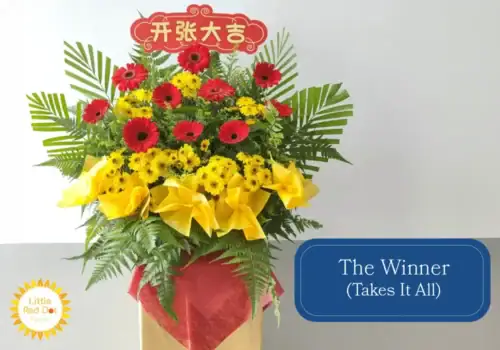
- The Winner (Takes It All): The flower arrangement is one of the best-selling designs of Little Red Dot Florist. The arrangement is for the Grand Opening, intended to send a message and celebrate the start of something new. It has striking patterns and vivid colours. Exquisite floral designs or towering blossoms are featured in grand, spectacular arrangements.
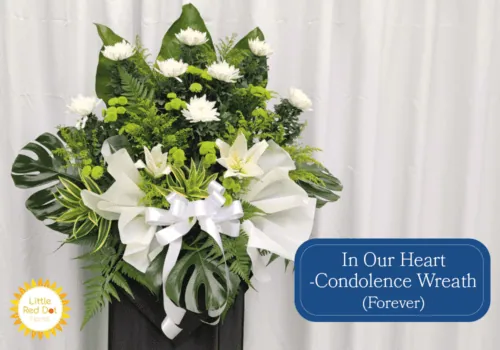
- In Our Heart-Condolence Wreath (Forever): A flower arrangement for a Funeral or Condolence, is meant to be consoling and sympathetic. It is a best seller of Little Red Dot Florist. Designs are traditional and simple, focusing on paying respect and honouring the departed.
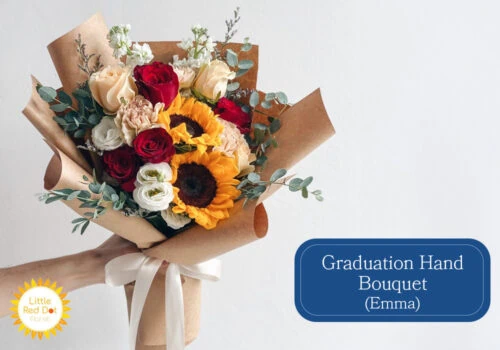
- Graduation Hand Bouquet (Emma): Hand bouquets are customised from casual to formal. The arrangement is personalised, from simple to extravagant. It is another best-seller bouquet of Little Red Dot Florist. Visit their website, littlereddotflorist.sg, which offers same-day delivery.
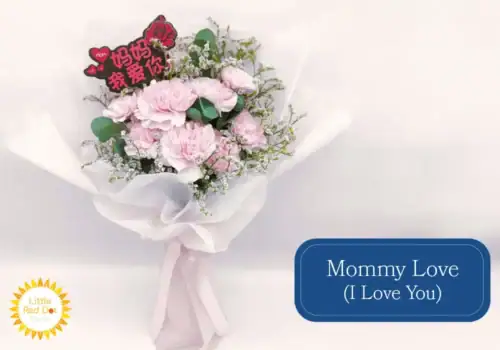
- Mommy Love (I Love You): The bouquet expresses gratitude, love, and respect for mothers. It is the best seller Mother’s Day arrangement of Little Red Dot Florist, featuring cosy colours and lovely, compassionate designs.
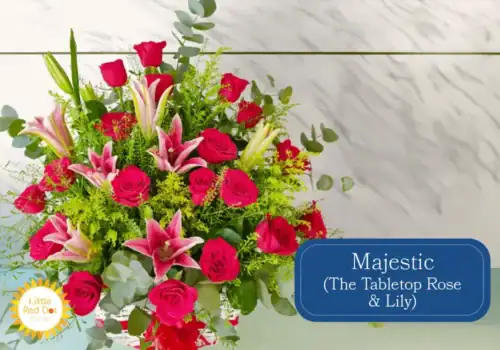
- Majestic (The Tabletop Rose & Lily): The arrangement is intended to celebrate and promote happiness, with bright colours and positive themes. It is ideal for birthdays and is one of the best sellers in Little Red Dot Florist. It varies from beautiful and refined, to playful and whimsical design, based on the recipient’s personality.
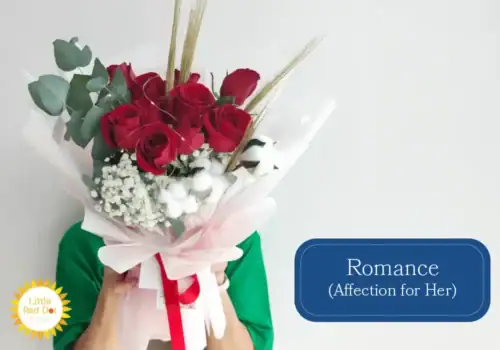
- Romance (Affection for Her): The bouquet is designed to express love, romance, and affection. It is best for Valentine’s Day. It includes classic flowers arranged in a way that expresses sincere emotions.
What are the Advantages of Flower Arrangements?
The advantages of Flower Arrangements are listed below.
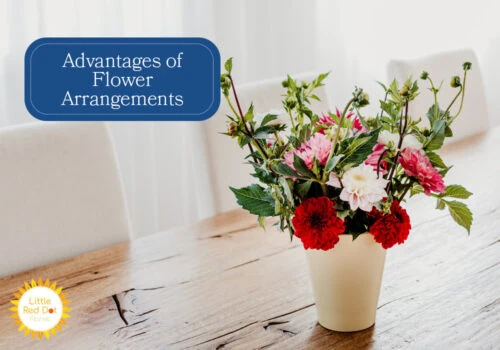
- Mental Health: Experiencing flower arrangements improves enjoyment and calmness, which is good for mental health. Flower arrangements improve mental well-being by lowering stress, enhancing mood, and promoting relaxation.
- Versatility: Flower arrangements are versatile and are appropriate for various occasions, including weddings, birthdays, business functions, and ordinary days, including meaningful gifts and decor.
- Aesthetic Appeal: Floral arrangements improve aesthetics by bringing natural beauty, colour, and texture to places, boosting mood, and complementing existing decor in homes, offices, and event settings.
- Healthier Environment: Flower arrangements provide ventilation by adding air-purifying plants and flowers, resulting in a more pleasant and healthful environment for living and working.
- Social Interaction: Flowers improve social interactions, make spaces welcoming, and develop relationships. Flower arrangements show expertise and attention to detail in formal events.
What are the Disadvantages of Flower Arrangements?
The disadvantages of Flower Arrangements are listed below.
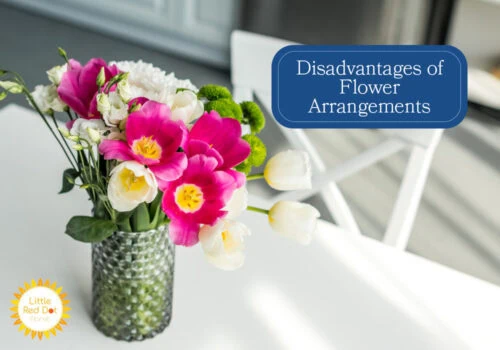
- Cost: Expensive flower arrangements are expensive when they feature rare flowers. The constant cost of replenishing wilted flowers builds up, making it a less affordable option for certain people.
- Maintenance: Flower arrangements must be well-cared for to maintain their finest appearance. Maintenance involves providing frequent water supply, trimming the stems, and guaranteeing they are kept out of the direct sun and other heat sources.
- Allergies: People get sensitive to specific flowers or pollen, which makes them uncomfortable or leads to health problems. Strong floral scents cause allergies or respiratory issues for people who are sensitive to them.
- Short Lifespan: Fresh flowers have a short lifespan, lasting about a week or two before fading. It requires frequent replacement, which gets difficult and expensive over time.
- Environmental Impact: Waste is easily increased by using floral foam and other non-biodegradable materials in flower arrangements. Pesticides and fertilisers are used in the production and transportation of flowers.
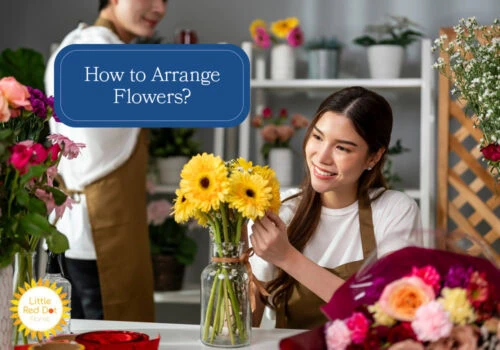
How to Arrange Flowers?
To arrange flowers, there are eight steps to follow listed below.
- Start by choosing an aesthetic flower arrangement that matches the venue or event. Popular designs include minimalist, garden-style, traditional, and modern. Consider the arrangement’s purpose and how it blends in with the environment.
- Cut the flowers’ stems at a 45-degree angle utilising sharp scissors or floral shears. It helps improve water absorption. Remove leaves or thorns that go beneath the waterline to prevent decay and maintain a clean appearance. Cut the stems to different lengths according to the design.
- Choose a vase or container that matches the flowers and the colour. The vessel needs the proper size to hold the arrangement together and improve its aesthetics. It is an ornamental pot, basket, or traditional glass vase.
- Give the vase a good cleaning before using it. Place the flower foam in the vase after soaking it in water until it becomes saturated. Fill the vase with clean water and, if available, add flower food to ensure the flowers last longer without foaming.
- Organise the greenery to give the arrangement a foundation and structure. It serves as a base and gives the flowers support. Create a balanced and appealing base by combining leaves, ferns, or branches.
- Present the focal flowers, the most noticeable or largest blooms. Choosing the right flowers highlights the main components of the design and provides a sense of balance.
- Add fillers to the focal flowers to provide texture and fill in gaps. The flowers are smaller and match the primary flowers in the arrangement, adding depth and dimension. Arrange them to produce a unified and balanced appearance.
- Examine the arrangement from several perspectives to ensure it appears harmonious and comprehensive. Adjust the flower placement as needed, then add finishing touches, such as extra foliage or ornamental embellishments. Trim any excess leaves or stems to get a clean, finished look.
How to know which Flowers to Use for an Arrangement?
To know which flowers to use for an arrangement, there are three factors to consider. Start to identify the occasion, colourful sunflowers are appropriate for an exciting summer event, while refined flowers like roses or peonies are perfect for weddings. Aesthetic judgement and practical considerations are combined while selecting different types of flowers.
Choose flowers that contrast or complement one another and the space to improve the effect. Pay attention to the seasons of flowers, using different flower types maintains freshness and availability. Examine how the flowers fit inside the vase or other container in size and shape. Adding a mix of heights and textures makes an arrangement look more vibrant.
Assess how long the flowers last when the piece is on display for a longer duration. The components help design “different kind of flowers,” which are appealing and appropriate. Selecting the flower types to include in the arrangement is sometimes difficult due to the various options.
What are the Elements of a Flower Arrangement?
The elements of a Flower Arrangement are listed below.
- Flower: Flowers are the focal point of every arrangement, adding colour, texture, and interest. Select them according to shape, size, complements, seasonality, and longevity.
- Foliage: Foliage, such as ferns, eucalyptus, and ivy, offers a natural, fuller arrangement for flowers by giving depth, texture, and distinction while impacting the entire style.
- Vessel: The vessel, an important component in floral arrangements, contains and enhances the flowers. Its size and shape affect the arrangement’s structure, and its design must work hand in hand with the idea of the arrangement.
- Accessories: Flowers and leaves are not overpowered by accessories such as ribbons, floral foam, beads, and embellishments, which give floral arrangements a distinctive touch.
- Mass: The mass refers to the quantity and density of foliage and flowers in an arrangement, including each bloom and entire beauty. Balancing the quantity results in a unified look with a thoughtful distribution of large and small pieces.
- Colour: The colours of the flowers and foliage in an arrangement affect its mood and aesthetic impact. Choosing a colour scheme that balances or accentuates particular shades is necessary for creating a stylish look. Colour influences how large and deep the arrangement appears.
- Line: Line refers to the structural components of an arrangement, such as flower stems, foliage angles, and directed movement, that focus the viewer’s attention. It creates movement and flow by being straight or curved. Line defines the outline of the arrangement, whether compact or dramatic.
What Tools are Needed in Flower Arrangement?
The tools needed for Flower Arrangement include floral shears or scissors, floral tape, pick, floral foam, chicken wire, and a vessel. Floral shears or scissors are valuable tools for cutting stems, improving water absorption, and producing longer-lasting blooms. Another essential tool is a floral tape, utilised to shape and secure stems within the arrangement to create a sturdy framework that keeps the flowers in place.
A floral pick is used to anchor individual stems. Floral foam or a floral grid aids in maintaining the position and support of the flowers, mostly in complex or floating arrangements. A water source is required, given by a vase or container, and a flower preservative is needed for longevity.
Floral wire and tape are utilised to provide support and protect delicate or heavy blooms. The vessel serves as the framework of the flower arrangement. Flowers are best placed in a vase, pot, or other container that matches the design. The available materials guarantee an easy technique and a stunning and long-lasting outcome.
What are the Basic Techniques in Flower Arrangement?
The basic techniques in Flower Arrangement create a balanced and beautiful piece. Making a captivating but simple flower arrangement involves meticulous preparation and ensuring flowers retain their colour and freshness. Begin by choosing a vessel, like a vase, that works well with the flowers and offers sufficient support. Organise the flowers and trim the stems at an angle to maximise water absorption and remove leaves placed in water to avoid decay. Ensure floral foams (optional) fit well in the vessel by soaking them in water.
Arrange the big focal flowers, ensuring that they are proportional. Adding filler and supplementary flowers provides texture and covers gaps. Maintain the proper form and design using floral tape or wire to support the stems. The height and angles of the flowers vary to keep the flowers alive. Add water and “flower food” to keep the blooms fresh and colourful. Checking the water level regularly is required too.
What are the Advanced Techniques in Flower Arrangement?
The advanced techniques in Flower Arrangement demonstrate an extensive understanding of aesthetics and technical skills, elevating its creativity and complexity. Advanced arrangements create sophisticated frameworks that hold delicate flowers and retain stability utilising structural materials such as floral wire, tape, and grids. Non-floral materials are another option to provide texture and the modern era.
The advanced techniques include “Wiring and Managing Flowers” and “Hybrid Tabletop Approach.” Wiring and managing is easy, bend flowers with floral wire, stem pickers, and floral tape. Cymbidium orchids have a long lifespan and a short stem, which makes them perfect for wiring.
The hybrid tabletop approach is an easy way to arrange flowers in a vase. Start with clean and well-fed flowers, such as hyacinths or long-stemmed alstroemeria. Place the tallest stem of each flower in the centre of the pyramid-shaped arrangement. Trim the ends by using a cutter or clippers. Measure the vase’s edge and grasp the stems at each end.
What Factors Affect the Lifespan of a Flower Arrangement?
The factors that affect the lifespan of a Flower Arrangement are listed below.
- Management: Flowers are sensitive and have a shorter lifespan. Avoid moving arrangements too and handle them with care.
- Water and Quality: Flowers require pure and clean water to survive, as contaminants or high chlorine levels are poisonous. The use of flower food and routine cleaning stops the formation of microorganisms.
- Variation of Flowers: Flowers vary in how long they last. Lilies and roses live longer than others. The maintenance of an arrangement is made easier by knowing the specific needs and lifespan of each kind of flower.
- Exposure to Light: Flowers exposed to direct sunlight become dehydrated and mature faster. Flowers need to be placed in indirect light to maintain freshness.
- Temperature: Extreme temperatures have impacts on flowers. Excessive heat triggers ageing and causes withering, while extreme cold harms the blooms. Its lifespan is longer by keeping the arrangement out of direct sunshine and in a cool, room-temperature environment.
- Diseases and Pests: Examine the flowers regularly for earlier signs of health diseases, or if there are pests, and fix the issue.
- Vessel with Flower Foam: The container and floral foam utilised affect the arrangement’s long-lasting use. The vase must be clean and suitable for the flowers. Guarantee that the floral foam is well-soaked and offers sufficient support.
- Trimming & Cutting: Stems of flowers must be cut or trimmed correctly. Water absorption is increased when stems are cut at an arch. Eliminating rotten leaves and flowers helps stop the spread of decay.
How to Maintain a Flower Arrangement?
To maintain a Flower Arrangement, there are six steps listed below.
- Ensure the vase selected is clean and holds the weight and length of the stems. Fill it with lukewarm water; most flowers absorb warm water more effectively.
- Replace the water in a vase that holds the flowers every two to three days, or sooner if it begins hazy. The procedure keeps the flowers looking fresh and helps stop bacterial growth.
- Use the floral food packets, the mixture nourishes the flowers while inhibiting bacterial growth. Dissolve it in water according to the amount specified in the directions.
- Put flowers in cool, shaded areas, away from direct sunshine, which speeds up flower ageing.
- Cut flower stems at a 45-degree angle under water to maximise water absorption and prevent air bubbles.
- Handle the flowers gently and remove wilting flowers to prevent mould from growing. It is one of the arrangement maintenance that helps flowers last longer.
What are the DIY Flower Arrangement Ideas?
The DIY Flower Arrangement ideas are listed below.
- Mixed Fruits and Flowers: Create stunning and distinctive arrangements by combining the beauty of flowers with the vivid colours and unique textures of fresh fruit. Arrangements of mixed fruits and flowers are exquisite focal points for events or exceptional gifts demonstrating creativity and care.
- Tea Cup Arrangements: Utilise old tea glasses or mugs to hold flowers. They are beautiful gifts and go well with small, delicate arrangements. The arrangement helps follow the “step-by-step flower arranging for beginners” at home.
- Flower Baskets: Arrange the flowers in a woven or wicker basket filled with floral foam. Add foliage and filler flowers to provide a rich, complete appearance. It is an ideal way to give a room a rustic, natural vibe.
- Floral Frames: Connect foliage and flowers to a shadow box or picture frame to create a unique floral arrangement used as interior design inspiration. Frames are easy to find at home and used for DIY flower arranging.
- Mason Jar Bouquets: Mason jars are ideal for achieving a rustic, attractive look. Fill the jar with water, add a floral foam block, and add seasonal flowers. Add a finishing touch to the jar by decorating it with lace, burlap, or ribbons.
What type of flower arrangement is best for gifting?
Hand bouquets, vase arrangements, flower baskets, and floral boxes are popular choices for gifting. Hand bouquets feel personal and easy to carry, while vase arrangements and floral boxes are more convenient for recipients because they can be displayed immediately without extra preparation.
How do I choose the right flower arrangement for an occasion?
Start by considering the purpose of the occasion. Bright and colourful arrangements are suitable for birthdays, congratulations, and celebrations, while soft white or pastel arrangements are better for sympathy, condolence, or peaceful gestures. For romantic occasions, roses, lilies, tulips, or orchids in red, pink, or soft tones are common choices.
How long do flower arrangements usually last?
Most fresh flower arrangements last several days to over a week, depending on the flower type, room temperature, and care routine. Long-lasting flowers such as orchids, carnations, chrysanthemums, and lilies may stay fresh longer when placed away from direct sunlight, heat, and strong air-conditioning.
What is the difference between a bouquet and a flower arrangement?
A bouquet is usually a hand-held bundle of flowers, often wrapped in paper or fabric, making it ideal for personal gifting. A flower arrangement is usually designed in a vase, basket, box, stand, or container, making it more suitable for display at homes, offices, events, funerals, or grand openings.
Can flower arrangements be customised?
Yes, flower arrangements can often be customised based on flower type, colour theme, occasion, budget, and recipient preference. Customisation is useful when you want the flowers to match a specific event, convey a particular message, or suit the style of a home, office, or celebration venue.