 Free Same Day Delivery Islandwide | Order by 5PM for Today’s Delivery | 800+ 5-Star Reviews
Florist: What is a Florist, What they Do, and How to Become a Florist?
A Florist is an expert in creating, arranging, and retailing floral arrangements and designs. The “florist job” is to take care of and maintain flowers, ensuring they stay fresh and vibrant until they are delivered or displayed. Custom arrangements are made by a florist for occasions like birthdays, anniversaries, weddings, funerals, and business gatherings. Customers ask, “What do florists do?” They are responsible for choosing and sourcing flowers, determining colours, and adding components like foliage and ornamental.
The normal path to becoming a florist begins with obtaining experience through internships or entry-level jobs at flower shops or garden centres. Workshops play a big role in mastering the talent and starting a career in floristry. Formal education like a diploma or degree in floral design or horticulture, helps improve skills and knowledge but is not necessary.
Accomplished florists finish the certification courses provided by trade organisations, which provide more knowledge and credibility to their work. A successful career in floristry must include cultivating customers, an impressive portfolio, and being informed on floral trends and techniques. Leading a successful floristry business and leaving a lasting impact on the industry needs a strong sense of creativity, a passion for flowers, and exceptional service.
What is a Florist?
A florist (floral specialist) works in retail or online establishments to market and arrange cut flowers. A florist makes floral arrangements for special occasions, offers guidance in proper plant care, and is quite popular every holiday season. Florists create arrangements for various events, including weddings, funerals, birthdays, and business gatherings, using a choice of flowers, plants, and ornamental accessories.
The “florist definition” refers to an individual who gives care to design the arrangements. Florists use their knowledge of floral design to express the desired message or emotion. They are adept at choosing the ideal flower selection depending on colour, size, texture, and availability. Flowers require proper storage, conditioning, and handling.
Florists engage with clients to know about their preferences or requirements, provide recommendations, and deliver individualised care as part of their job description. Florists utilise their technical expertise and creative imagination to make beautiful floral designs, which elevate spaces and celebrate life’s milestones.
What does a Florist do?
A florist handles flower preparation and care, which includes cutting, conditioning, and storing to keep them fresh. A florist has responsibilities related to the design and management of floral arrangements. It begins with selecting and acquiring flowers and plants, making certain that they satisfy quality requirements and are suited for the event or client‘s request. Florists create beautiful arrangements using flowers for various purposes, such as complex event decorations or simple everyday bouquets.
Florists connect with clients on top of utilising their technical talents to learn about their preferences, provide design guidance, and make sure the creation lives up to their expectations. They oversee the logistics of orders and deliveries, manage customer support, and respond to questions or special requests. Florists are involved in inventory management, supply tracking, and staying current on floral trends to keep their offers new and unique. Florists use their creativity and practical talents to create meaningful floral arrangements that elevate occasions, celebrations, and daily life.
What is the Importance of Florists in Different Occasions?
The importance of florists on different occasions creates the mood and elevates the place by their artistic ability and knowledge of flower design. Florists guarantee that flowers beautify the space, express the appropriate thoughts, and enrich the entire experience by customising their designs for each event. “Florists in occasions” offer more than a simple flower decor for each of such events. Each creation highlights the aesthetic and sentimental significance of flowers and memories on every occasion.
Flowers have a unique way of bringing joy, warmth, and charm to every occasion, which needs a florist. The top five occasions that need a florist include birthdays, weddings, funerals, anniversaries, and corporate events. Florists create bright and personalised bouquets for birthdays that celebrate the individual, making the occasion happier and more memorable. Flowers are an elegant gift that expresses love and best wishes, adding to the uniqueness of the birthday celebration, whether it’s a large bouquet or a small arrangement.
Florists are essential for weddings, which are among the most significant events. Florists design intricate arrangements that fit the couple’s style and provide a romantic and joyous atmosphere for the ceremony. Florists contribute to the entire aesthetic and emotional effect of the day by designing everything from exquisite centrepieces and venue decorations to bridal bouquets and boutonnieres.
Funerals rely on florists to give respectable and comforting floral arrangements to honour the deceased while providing compassion to the mourning family. Flowers are used to express sympathy such as condolence bouquets, casket sprays, and standing sprays. Florists create elegant and meaningful flowers for anniversaries that honour the couple’s romantic story and celebrate their unwavering love. Florists provide elegant arrangements that complement a corporate event, and entire design and correspond with the company’s brand to help create a professional yet welcoming atmosphere at corporate gatherings.
What are the Services Offered by Florists?
The services offered by Florists are listed below.
- Floral Design: Florists create and assemble custom flower arrangements based on individual preferences and themes. It involves everything, from extravagant event decorations to customised bouquets and centrepieces, ensuring that every arrangement reflects the client’s needs and desires.
- Flower Arrangement: Florists provide floral designs for weddings, business gatherings, and more. It includes creating and arranging floral arrangements for several event components, such as venue adornments, bridal bouquets, boutonnieres, table centrepieces, and altar decorations.
- Event Decoration: Florists provide appropriate and comforting floral bouquets for funerals and memorial services. Funeral arrangements are created in tribute to the departed and for the comfort of bereaved families including casket sprays, standing wreaths, and sympathy bouquets.
- Customer Consultation: Florists offer delivery services to ensure that floral arrangements arrive on time. It involves planned deliveries for particular events or occasions and same-day delivery for orders placed at the last minute.
- Flower Sourcing and Care: A lot of florists provide subscription services for consistent flower delivery. Customers opt for weekly, bi-weekly, or monthly delivery of fresh flowers, which are tailored to fit specific preferences or seasonal blooms.
- Inventory Management: Florists provide consultations to assist customers in selecting the ideal arrangements and flowers for their requirements. Florists’ services include advice on flower selection, colour palettes, and arrangement styles to ensure that the floral designs are in line with the client’s vision and event needs.
- Sales and Marketing: Florists supply ornamental accents like vases, floral foam, ribbons, and other items that accentuate and enhance the floral arrangements.
- Business Administration: Florists instruct customers in the craft of flower arrangement through courses and classes. Participants learn and create their floral creations in such seminars, which include anything from fundamental flower-arranging techniques to expert design abilities.
1. Floral Design
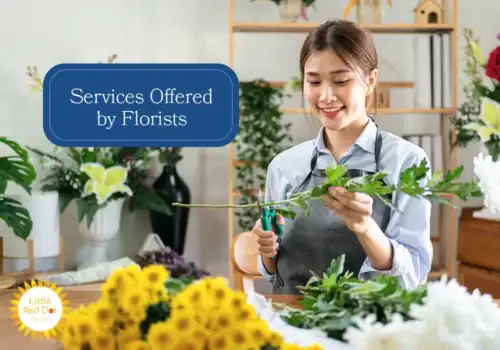
Floral Design is the art and practice of creating gorgeous arrangements utilising flowers and plant materials. The floral design contains different methods, from conventional to contemporary creations. The power of floral design to accentuate an environment’s aesthetic appeal, trigger strong feelings, and produce enduring memories is what makes it significant. A basic area is made captivating with the help of effective floral design, whether it is for a wedding, business function, or private gathering.
A florist creates elegant and well-balanced arrangements by selecting flowers and foliage while considering form, colour, and texture. The florist creates their intended effect using techniques including wiring, taping, and arranging in vases or floral foam. Designers of floral arrangements consider the preferences of their clients, the theme of the event, and the vibe they want to create. Some people ask, “What is a floral designer?” Bringing emotion and beauty to reality through floral designers’ talents and creativity makes floral design common on certain occasions.
2. Flower Arrangement
Flower Arrangement is the process of combining flowers and plant materials for special occasions or ornamental purposes. The power of arranging flowers to express particular emotions or ideas. It improves the aesthetic appeal, from ordinary events to private gatherings that make the flowers significant. The flower arrangements change the area and capture the spirit or theme of an occasion.
The florist focuses on design elements like symmetry. Florists give excellent care in choosing and arranging foliage, blossoms, and other components, considering colours, textures, and design. Florists accomplish their desired impression by cutting, conditioning, and arranging flowers in vessels or foam. The expertise of a florist in floral design guarantees that each arrangement fits the client’s needs and enhances the occasion.
3. Event Decoration
Event Decoration is creating and arranging ornamental elements to improve the place and aesthetic appeal of various events, such as weddings, parties, and corporate gatherings. The importance of event design resides in its capacity to change a space, establish a theme, and set the mood, leaving a lasting impression on guests and hosts. Effective event decor enhances the whole experience by reinforcing the theme and beautifying the venue.
Florists are responsible for designing and arranging floral pieces to match the theme and venue. They choose the right flowers, colours, and styles according to the client’s vision. A florist creates arrangements for backgrounds, hallways, and table centrepieces, by incorporating these floral components. The florist handles the logistical details, such as setup and breakdown, and ensures the floral arrangements look their best during the event.
4. Customer Consultation
Customer Consultation is one of the services that a florist meets with customers to discuss their needs, preferences, and ideas for flower arrangements or designs. Customer consultation is crucial because it guarantees the expectations of the client, which increases satisfaction and produces a more customised result. The florist learns details about the event or occasion during a consultation, including the theme, colour, and preferred flowers in addition to particular requirements or financial limitations.
The florist offers professional guidance, chooses appropriate flowers and designs, and creates a personalised plan that mirrors the client’s preferences. Florists make arrangements that complement the event and align with the client’s idea by delivering excellent consultation to guarantee that their designs are customised to match the client’s expectations.
5. Flower Sourcing and Care
Flower Sourcing and Care are critical components of the floral industry, requiring the acquisition and maintenance of flowers to ensure their freshness and quality. The longevity and appearance of floral arrangements are affected by the selection and maintenance of flowers. Ethical procurement guarantees that florists receive premium flowers from reliable growers, and careful handling techniques are essential to preserving their freshness.
Florists source flowers by choosing vendors that offer healthy, fresh flowers and haggling over the best potential assortment of price and quality. They form partnerships with farmers, wholesalers, and importers to get various selections of flowers. Florists use careful processes to increase the life of their flowers. It involves clipping stems at an angle, using clean containers, and adding flower food to the water to inhibit bacterial growth.
The florist keeps the flowers in their best condition by monitoring them and maintaining proper storage, which includes controlling humidity and temperature. Florists guarantee that the flowers they use are vibrant and long-lasting by handling the sourcing and care of the flowers well. The arrangements of a florist show success and their clients are satisfied.
6. Inventory Management
Inventory Management is operating and controlling the supply of flowers and floral materials made by a florist. Maintaining an appropriate balance between supply and demand is essential, ensuring enough stock to satisfy consumer needs. The florist who uses effective inventory management reduces expenses, maximises resource utilisation, and keeps quality.
Florists keep track of their inventory by organising the quantity of flowers, vases, and other items on hand. It involves monitoring the rates at which various things are returned, estimating demand from seasonal variations and impending occasions, and checking stock levels to avoid running out of supplies. Florists employ strategies like inventory rotation, which involves using older items first, and routine inventory inspections, which identify and resolve inconsistencies. Florists guarantee the flower arrangements are fresh and well-stocked while allocating resources.
7. Sales and Marketing
Sales and Marketing refer to the tactics and actions a florist employs to promote their creations and services, attract clients, and drive business growth. The value of sales and marketing stems from its potential to improve exposure, brand awareness, and revenue. Florists stand out, connect with their target market, and build an established brand by implementing efficient sales techniques.
Florists use several strategies to attract potential clients, including designing marketing materials, maintaining an active online presence via websites and social media, and running promotions or special offers. They attend community events or work with local businesses to broaden their client base and attract new customers. Florist observes client relations and modifies marketing techniques in response to customer preferences and purchasing patterns.
8. Business Administration
Business Administration comprises the management and organisational activities required to run a successful business, like planning, operations, finance, and human resources. The significance of business administration in a florist comes from offering an organised method for handling every aspect of a company, guaranteeing effective operations, sound financial standing and strategic expansion. Budgeting and financial management are two of the most important business administration duties for a florist to keep costs under control and profitability high.
Florists must manage inventory, personnel scheduling, and customer service to run their businesses. Strategic planning involves formulating objectives, creating marketing plans, and analysing market trends to help decision-making. Florists utilise software systems for order management, bookkeeping, and sales performance tracking. Florists improve client happiness, increase operational efficiency, and build sustainable businesses.
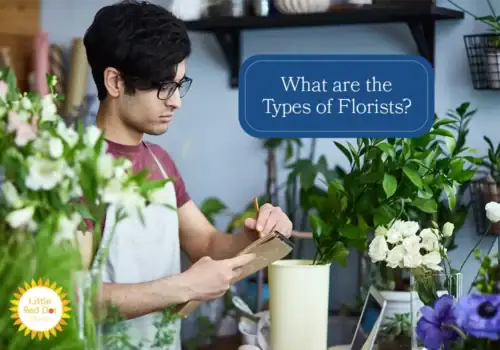
What are the Types of Florists?
The types of Florists are listed below.
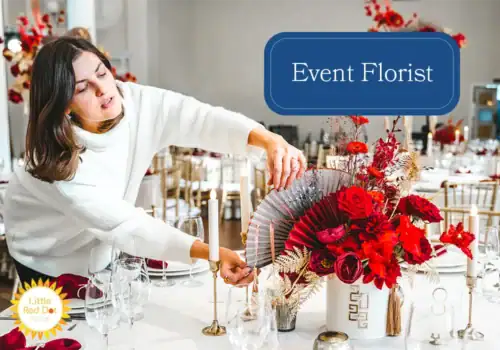
- Event Florist: Event Florists create and implement extravagant floral decorations with a focus on producing floral arrangements for special occasions including weddings, business gatherings, and celebrations. They create unique centrepieces, venue decor, and themed designs to improve the atmosphere and aesthetic appeal of events.
- Retail Florist: Retail Florists supply flowers and floral arrangements straight to customers through their physical stores or online shops. They provide a wide range of items, from everyday bouquets and gifts to special occasion arrangements, and frequently manage customer service, consultations, and order fulfilment.
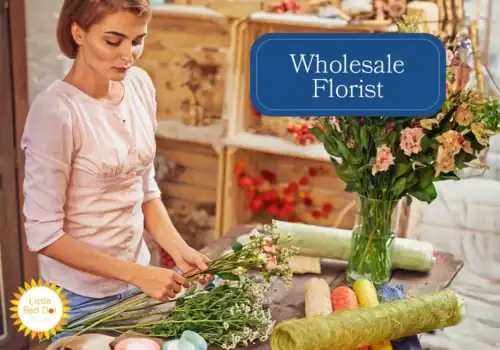
- Wholesale Florist: Wholesale Florists sell flowers and floral items in large quantities to other florists, retail stores, and enterprises. They deal with a broad range of flower types and seasonal availability in their focus on locating and distributing huge quantities of flowers at low prices.
- Funeral Florist: Funeral Florists are experts in designing floral arrangements for funerals and memorial ceremonies. They offer comforting and compassionate gifts including sympathy bouquets, casket sprays, and standing wreaths. Their creations are meant to help bereaved families and pay tribute to the departed.
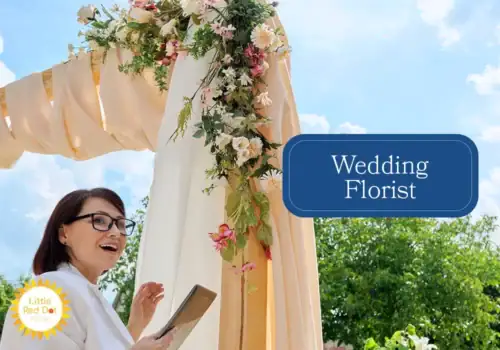
- Wedding Florist: Wedding Florists create floral arrangements for weddings. Their job is to design customised bouquets, boutonnieres, ceremony decorations, and reception centrepieces in close collaboration with couples, ensuring that the floral arrangements complement the wedding theme and the couple’s style.
- Garden Centre Florist: Garden Centre Florists sell a variety of flowers and plants in addition to gardening supplies. They are found inside garden centres or nurseries. They serve retail clients and garden enthusiasts by offering flower arrangements, plant care guidance, and gardening assistance.
- Subscription Florist: Subscription florists provide their clients with regular deliveries of fresh flowers on a subscription basis. Customers select from a choice of delivery intervals, including weekly or monthly, and receive beautiful bouquets that provide continuous delight and ease.
- Freelance Florist: Freelance florists work for themselves, on a project-by-project basis. They are not restricted to one store or company, so they accept custom orders for events, special occasions, or individual requests. Floral design freedom and originality exist in the field.
1. Event Florist
An event florist works with event planners to establish their preferences before arranging blooms for various occasions. An event florist adds spice to formal gatherings. Florists are important individuals for clients on a tight budget because they offer guidance on the best way to use their time for maximum aesthetic impact. An event florist designs exquisite flower arrangements that accentuate the beauty and complexity of event venues.
Event florists specialise in floral design, logistics, and coordination, assuring fresh, on-time delivery and proper setup at the venue. Florists for events offer suggestions for creative floral arrangements that enhance the visual appeal. They help plan arrangements and consider the theme, venue, and style of events. They use their knowledge to find and choose flowers, greenery, and materials to create designs of symbolic and cultural importance. Event florists work with event organizers, produce on-brand designs, and offer floral and design advice.
Event florists are artistic floral experts for events while considering the theme, the venue, and the style. The florists utilise their knowledge to find and choose flowers, greenery, and materials to create designs of symbolic and cultural importance. They work together with event organisers and venue staff to guarantee that installations and logistics are completed on time.
Florists for events collaborate closely with other vendors to produce a unified design, paying great attention to detail. They provide advice on how to deal with spending and how to preserve floral arrangements for future generations. Handling administrative activities is one of the duties too, like communication and inventory management.
2. Retail Florist
A Retail Florist provides fresh flowers and arrangements for several occasions like funerals, anniversaries, and weddings. Florists of retail flowers offer custom-made displays, delivery and gift options. A florist’s knowledge and dedication make them an essential part of celebrating and expressing emotions with flowers.
A retail florist designs stunning floral arrangements for several occasions and offers fresh-cut flowers. The florist gives personalised service by consulting with consumers to learn about their needs and preferences. A retail florist provides additional gift products and personalised orders. The florist for retail offers delivery assistance and full-service floral arrangements for special occasions.
Retail florist keeps track of floral design trends, maintain their inventory, and ensure that blooms are well-hydrated, stored, and conditioned. Other florists offer subscription services for flowers, and they change their shop displays regularly. They do payment processing and retain accurate bookkeeping records to help manage finances, and inventories efficiently.

3. Wholesale Florist
A Wholesale Florist provides bulk flowers and related materials to experts in the industry. The florist plays a vital role in the floral industry, acting as a contact between flower manufacturers and retail florists. The primary function of a wholesale florist is to purchase and distribute flowers and floral materials in large quantities.
Wholesale florists purchase huge quantities of fresh blooms, plants, and affiliated products from either growers or importers, at lower prices due to the volume of the transactions. Reselling fewer quantities of supplies to retail florists, event planners, and other organizations is part of what they do.
There is a wide selection of flowers and supplies that are offered by wholesale florists. They offer other services like supplies for floral arrangements, delivery assistance, recommendations on floral trends and product maintenance. Their knowledge and large inventory allow retail florists to obtain high-quality flowers and materials for crafting different arrangements, enhancing retailers’ capacity to match client expectations and preferences.
4. Funeral Florist
A Funeral Florist creates and arranges flower arrangements for burials and memorial events. Flowers are significant for families and friends to express sympathy and pay their respects to the bereaved. Responsibilities of the funeral florist include creating classic funeral sprays, casket covers, standing wreaths, and empathy flowers. A funeral florist attends the funeral ceremony to ensure that the floral tributes are appropriately displayed.
Funeral florists work with funeral providers and families to understand the deceased’s wishes and create personalised floral arrangements. They utilise fresh flowers and foliage to represent life and memory. Florists for funerals use cultural concepts in designs and arrange for the funeral home’s setup and delivery.

5. Wedding Florist
A Wedding Florist creates and delivers flower arrangements suitable for wedding ceremonies and parties. An exceptional florist for a wedding must construct appealing and well-coordinated floral arrangements that complete the theme and motif. A wedding florist’s approach involves collaborating with couples to learn about their goals, preferences, and particulars about the event, such as colour palettes, venue setups, and floral design.
The wedding florist’s duties include designing and arranging bouquets for the bride and bridesmaids and producing beautiful centrepieces, ceremony arches, and floral decorations for the venue. Florists for weddings create magnificent arrangements and take care of practical aspects like fast delivery, setup, and breakdown of floral displays. The skill of a wedding florist guarantees that the wedding’s floral components are tastefully incorporated into the celebrations, making for an unforgettable and extraordinary occasion.
6. Garden Centre Florist
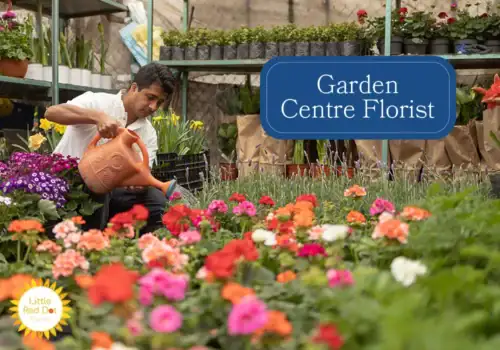
A Garden Centre Florist operates at nurseries. A garden centre is a large store, with an outside area, where customers buy garden supplies such as plants and tools. Florists are professionals at growing and preserving plants and flowers. Their artistic ability and passion for plants are put to use as they design floral arrangements for various occasions. They provide guidance on gardening and plant maintenance and enhance the entire appearance and functionality of the garden centre.
Florists assist customers in selecting the right flowers and plants, offer gardening tips, and create custom designs. They manage inventory, aid with general operations, and set up floral arrangements for events. Florists at the garden centre conduct workshops on flower arranging and plant care, promoting eco-friendly practices and using organic and biodegradable materials. Garden Centre Florists make flower arrangements for several occasions while nourishing plant maintenance like watering, fertilising, pruning, pest management, and seasonal adaptation.
7. Subscription Florist
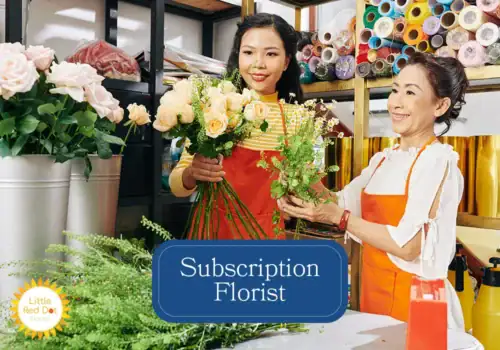
A Subscription Florist provides a service in which clients who sign up for a subscription service receive regular deliveries of fresh flowers, on a weekly or monthly plan. A subscription florist’s primary characteristic is the ability to offer a reliable, well-chosen flower experience that is customised to each subscriber’s tastes and needs. Subscription florists maintain continuing connections with their clients, providing a variety of flowers and arrangements on a timetable, compared to traditional florists who handle single orders.
The florist’s service allows subscribers to receive fresh flowers regularly without placing separate orders. Subscription florists provide flexibility for special occasions or changes in delivery preferences, and options for customisation where clients select the flower varieties, colours, and arrangement designs that best suit their needs. The service is designed to keep bringing the delight of fresh flowers into the homes of its clients, making it a considerate and easy way to give or treat oneself.
8. Freelance Florist
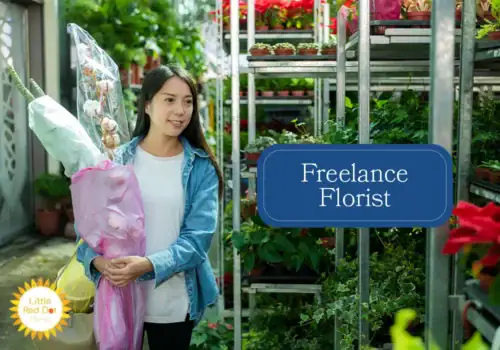
A Freelance Florist works alone, providing floral design services on specific projects, rather than through a regular floral business. The main characteristic of a freelance florist is the ability to adapt and work on floral projects, such as events, weddings, and custom arrangements, without restriction to a particular organisation or place. Freelance florists work one-on-one with customers, including private individuals and event planners, to design and produce custom flower arrangements that satisfy the client’s needs and vision.
Freelance Florists manage the elements of their flower business, from collecting flowers and materials to arranging and delivering the finished items. Freelance florists provide individualised service and innovative solutions while controlling their workload and schedules due to business strategy. They are a preferred option for customers looking for unique and customised floral arrangements because of their independence and adaptability to different styles and circumstances.
How to Become a Florist?
To become a Florist, follow the eight steps listed below.
- Assess the originality. Examine the ability for physical labour, such as moving and arranging flowers, the joy of working with hands, and the appreciation of colour and design. Originality and a keen understanding of design are essential for floristry. Consider whether it brings joy to try out new arrangements and styles.
- Learn the basics of flowers. Recognise how a flower’s structure impacts its arrangement and maintenance. Learn about the various kinds of flowers, their seasonal availability, and their requirements.
- Take some relevant classes. Seek out courses in botany, horticulture, or floral design. The courses impart practical skills and fundamental information. Pay attention to design, art, and business courses. The educational programs assist a potential florist with the artistic and administrative aspects of floristry.
- Develop basic floristry skills. Discover how to make various arrangements, including boutonnieres, centrepieces, and bouquets. Recognise the basic concepts of texture, balance, proportion, and colours. Learn how to handle, store, and care for them correctly to increase the longevity of flowers.
- Get certified. Certification boosts credibility and is required for some employment or when starting own business. Seek certification from accredited institutions.
- Seek valuable experience. Consider working part-time at a local florist to obtain hands-on experience and better understand customer service. Learn about the daily works of a floral shop by assisting experienced florists and gaining real-world experience.
- Get input from mentors, peers, and clients to develop skills. Practise various floral arrangements and patterns regularly.
- Make a portfolio that includes the best pieces. Add pictures of various designs and styles. Consider creating a website or social media presence to promote a portfolio, attract potential clients, and showcase the “florist job description.”
What are the Requirements to Become a Florist?
The requirements to become a Florist are listed below.
- Expertise: Successful florists must possess creativity, an eye for design, and good organisational skills. They must be skilled in inventory management, colour scheme, and floral arrangements. Understanding the client’s needs and engaging with them requires strong communication and customer service abilities.
- Training: Practical experience is essential. Prospective florists begin their careers as interns in flower shops, where they receive hands-on experience in arrangement, flower maintenance, and customer service. Advanced teaching is offered in specific floral design programs and seminars.
- Learning: Taking appropriate classes in business, design, and art helps though a formal degree is not necessary. Florists pursue post-secondary education in flower design, horticulture, or a related discipline to gain core knowledge and expertise.
- Experience: Accumulating real-world experience through internships, part-time jobs, or freelance assignments is crucial for developing a portfolio of work. Developing a personal style and developing abilities are aided by such exposure.
- Continued Education: Success in the sector and continued professional development depend on keeping up with emerging trends in floral design, new methods, and industry best practices.
- Business Intelligence: Understanding business administration, which includes marketing, budgeting, and customer relations, is essential for anyone interested in starting a flower shop or working for themselves.
- Compliance with Laws and Regulations: Florists must adhere to local business laws, secure the required licences, and maintain health and safety, depending on the location.
What Skills are Needed for a Florist?
The skills needed for a Florist are listed below.
- Style: The ability to make attractive floral arrangements and an understanding of design principles are essential for carrying out a florist’s main duties. The ability to design is helpful for service promotion.
- Horticulture: The study of plants that focus on caring for and cultivating flowering plants is called horticulture. It aids florists in selecting flowers and creating arrangements with complementary colours and textures.
- Interaction: A florist must communicate well, in particular when discussing the requests of clients to design or select the flower arrangements they want. Marketing and personnel management are two more business management functions that benefit from effective communication.
- Organisation: Florists utilise organisational skills to run their companies, meet deadlines, and keep their shops clean. Reliability and customer satisfaction are enhanced by time management and work prioritisation skills.
- Skillful Performance: Hand-eye coordination is vital because florists cut flowers and manipulate bouquets and floral arrangements with their hands.
- Client Support: A florist’s job involves interacting with clients, forming bonds with them, and learning about their needs. Sales and devoted clients result from providing exceptional customer service.
How Does a Florist Care for Plants and Flowers?
A florist’s ability to care for plants and flowers is critical to maintaining their freshness and longevity. The correct handling and storage of the blooms is the first step in the entire approach of flower care tips. Florists must first trim the stems at an angle to improve water absorption, and immediately arrange them in clean, water-filled containers.
Combine the water with a floral food solution that is rich in nutrients and antimicrobials to prolong the life of the flowers. The blooms are kept moist and the growth of bacteria is inhibited by changing the water and pruning the stems. Florists need to be aware of the humidity and temperature in their workspace because these factors affect the health of their flowers. They have to manage their inventory, avoiding overstocking, which results in waste, and rotating stock so that older blooms are used first.
Maintaining the health of plants requires regular fertilisation, adequate lighting, and suitable watering. Florists make sure cut flowers and potted plants stay colourful and visually appealing for their customers by taking care of the small details.
What are the Different Challenges Faced by Florists?
The different challenges faced by Florists are listed below.
- Demand: Managing changing demand during peak seasons and special events is stressful. It needs efficiency and flexibility to handle unique orders and meet consumer expectations.
- Seasonal: Seasonal changes impact flower availability and trends, necessitating that florists adjust their offerings and handle problems with the supply chain brought on by bad weather and other circumstances.
- Adaptability: Florists put in irregular hours on weekends and holidays. It is difficult to handle the physical demands of the job and adjust to last-minute changes.
- Cost: Pricing plans become more complex due to fluctuations in markets and the need to maintain profit margins. It is challenging to maintain competitive pricing while keeping floral and supply costs in check.
- Handling of Stock: The proper handling of stocks takes cautious storage, and inventory control to guarantee that flowers stay fresh and of the highest calibre. Keeping stock quality high and preventing waste are constant concerns.
What does a florist do?
A florist designs, prepares, and sells flower arrangements for different occasions such as birthdays, weddings, funerals, anniversaries, and corporate events. Florists also care for flowers, advise customers on suitable blooms, manage orders, and arrange deliveries so the flowers arrive fresh and beautifully presented.
How do I choose the right florist in Singapore?
Choose a florist with fresh flowers, clear product photos, reliable delivery, good customer reviews, and experience with the type of arrangement you need. For important occasions such as weddings, funerals, grand openings, or anniversaries, it is helpful to choose a florist that can provide advice on flower meaning, colour selection, and suitable arrangement styles.
What is the difference between a florist and a floral designer?
A florist usually handles both flower sales and arrangement services, including customer orders, flower care, delivery, and retail operations. A floral designer focuses more specifically on the creative design of flower arrangements, especially for events, weddings, installations, and custom floral styling. Many professional florists also work as floral designers.
Can florists customise flower arrangements?
Yes, florists can often customise arrangements based on the occasion, preferred flowers, colour theme, budget, and recipient’s style. Customisation is especially useful for weddings, condolence flowers, corporate events, romantic gifts, and grand opening stands where the message and presentation need to feel more personal.
Do florists help with flower care advice?
Yes, florists can give advice on how to keep flowers fresh for longer. Common care tips include trimming stems at an angle, changing the water regularly, keeping flowers away from direct sunlight and heat, and removing leaves below the waterline. Good flower care helps bouquets and arrangements stay beautiful for several days.