 Free Same Day Delivery Islandwide | Order by 5PM for Today’s Delivery | 800+ 5-Star Reviews
Daisy: Types, How to Grow and How to Take Care of Daisies
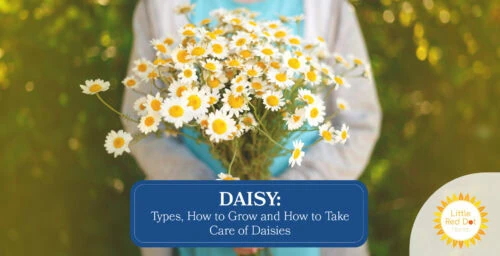
The botanical name of Daisies is Bellis perennis. Daisies belong to the Asteraceae family, which is one of the largest families of flowering plants. The family includes a wide range of species known for their composite flower heads, which consist of disk and ray florets.
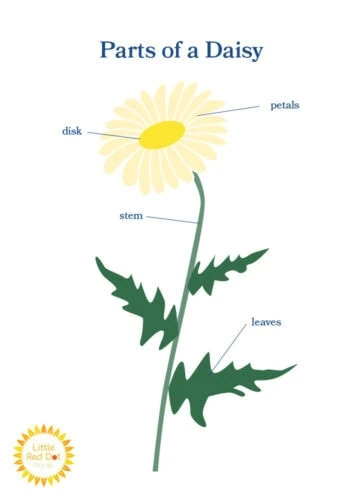
Daisy flowers are easily recognisable by their classic shape. A central disk floret is yellow, surrounded by petal-like ray florets that are most commonly white but pink, red, or other colours, depending on the variety. The disk floret forms the “eye” of the Daisy, while the ray florets give it its star-like appearance.
The leaves of the Daisy plant are dark green, oval-shaped, and have slightly toothed edges. They form a rosette at the base of the plant, from which the flower stems emerge. The leaves are relatively small compared to the size of the flowers and are smooth with a slightly waxy texture.
Daisies are highly durable plants. They are known for their hardiness and ability to withstand various environmental conditions, including poor soil, drought, and frost. Their durability makes them popular for gardens, as they thrive in less-than-ideal conditions.
Daisies have moderate resistance to insects, but they are not completely immune. Common pests like aphids and slugs attack them, but these issues are managed properly, such as regular monitoring and natural deterrents. A Daisy plant attracts beneficial insects like bees and butterflies, which help with pollination.
Daisies are fast-growing plants. They spread quickly, filling in garden spaces with their cheerful blooms once established. Daisies bloom within the same growing season from seed to flower, making them a rewarding plant for gardeners looking for quick results.
The life span of Daisies depends on whether they are annual or perennial varieties. Perennial Daisies, such as the Shasta Daisy, live for several years, up to 5 to 10 years, with proper care. Annual varieties complete their life cycle in one growing season but reseed themselves for the following year.
Daisies are generally non-toxic to humans and pets, making them safe for gardens where children and animals play. However, pet owners must prevent pets from eating large amounts of plant material.
The symbolism of Daisies is deeply rooted in themes of purity, innocence, and new beginnings. Daisy flowers represent simplicity in various cultures, true love, and the arrival of spring. They are associated with childhood and motherhood, symbolising the purity of these relationships. Daisies symbolise endurance, reflecting their ability to thrive in different environments and conditions.
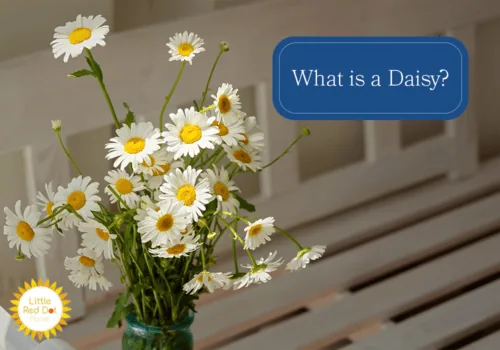
What is a Daisy?
A Daisy is a type of flowering plant that belongs to the family Asteraceae, which is one of the largest plant families in the world. The name “daisy” describes a wide range of flowering plants within the family, but it refers to plants in the genus Bellis. The most recognised species is the Bellis perennis (common or English daisy). The plant is characterised by its white petals surrounding a yellow centre (disc florets). Daisies are herbaceous plants in temperate regions known for their simplicity and widespread presence in gardens and wild landscapes.
Daisies have a simple and appealing beauty that has symbolised purity, innocence, and new beginnings in various cultures. The word “daisy” is derived from the Old English “dæges ēage,” meaning “day’s eye,” because the flower opens at dawn and closes at dusk, mimicking the cycle of the sun. The daisy’s structure is fascinating because it is a composite flower, meaning that what appears to be a single flower comprises two types of smaller flowers, disc florets and ray florets. The unique formation is typical of the Asteraceae family.
Daisies are popular in gardens due to their bright, cheerful appearance and ease of care in terms of cultivation. They thrive in various conditions, making them a versatile choice for gardeners. Daisy species have been used in traditional medicine but are less common. Daisies are a beloved and enduring symbol of the natural world, admired for their beauty and resilience.
What do Daisies look like?
Daisies are small, bright flowers known for their yellow centres surrounded by white, pink, or red petals. Daisies have simple, lance-shaped green leaves and smooth, upright stems. They do not have thorns or spines, making them gentle and easy to handle. A daisy flower has a classic, cheerful appearance that is widely recognised. Daisies are beloved for their simplicity and charm.
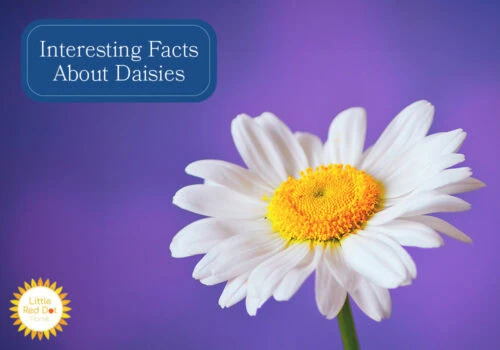
The look of a daisy is shown in the image below.
What does a Daisy Symbolize?
Daisies symbolise a wide range of meanings cherished across cultures and throughout history. The common associations with daisies are innocence and purity, linked to their simple and unadorned appearance. The association is rooted in the idea that daisies, with their bright, unassuming petals and golden centres, reflect a natural, unspoiled beauty. Daisy’s meaning in the context is connected to the innocence of children or the purity of love, making daisies a popular choice in celebrations of new beginnings and fresh starts.
Daisy symbolism represents simplicity and clarity in art. Artists have used daisies to convey straightforwardness, sincerity, and honesty. The flower’s unpretentious beauty makes it a frequent subject in works that capture the essence of nature’s purest forms. The use of daisies in art symbolises hope and renewal, as their bright faces turn towards the sun, suggesting a connection with light and positivity.
Daisy’s symbolism is deeply intertwined with loyalty and true love in the context of weddings and marriage. The daisy’s traditional meaning of purity and innocence makes it a fitting symbol for marriage, representing the pure, unblemished love between partners. Daisies are included in bridal bouquets and wedding decorations to evoke a sense of new beginnings and the promise of a fresh, hopeful future together.
Daisies are symbols of endurance and resilience beyond these associations. Daisy meaning in regard comes from the flower’s ability to thrive in a variety of conditions, growing in wild, untended places. The quality has led to daisies being seen as symbols of perseverance and the ability to overcome adversity. Their simple beauty and strength make them a powerful emblem of physical and emotional endurance.
What are the Different Types of Daisies?
The different types of daisies are listed below.
- Echinacea: Echinacea (coneflower) features large, daisy-like flowers with prominent, spiky centres. The petals are purple, pink, or white, and the plant is well-known for its medicinal properties, used to boost the immune system.
- Shasta Daisy: The Shasta daisy is known for its classic daisy appearance, with bright white petals and a golden yellow centre. It is hardy and versatile, making it a popular choice for gardens and floral arrangements.
- African Daisy: African daisy (Osteospermum) are native to South Africa and come in various vibrant colours, including orange, purple, and pink. They have a striking, colourful appearance and are known for their long blooming period.
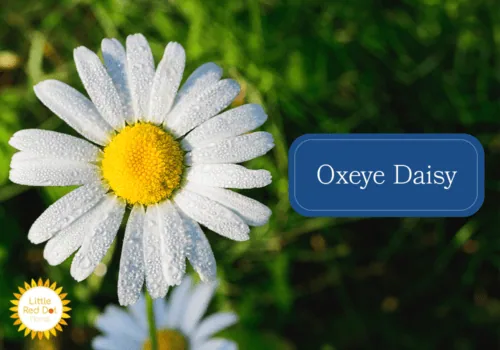
- Oxeye Daisy: The Oxeye Daisy features classic white petals and a bright yellow centre found in wildflower meadows. It is a hardy and low-maintenance plant that spreads easily, making it a common sight in naturalized gardens.
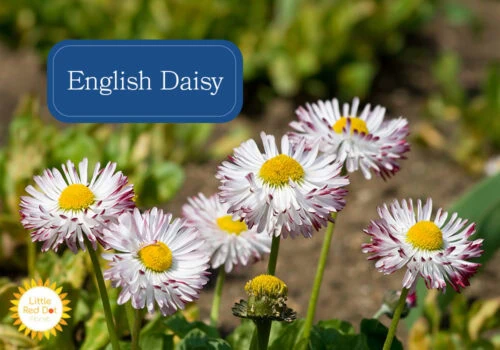
- English Daisy: The species Bellis perennis, is known for its charming, small flowers with white petals and a yellow centre. English daisies are used in garden borders and as ground cover and have a delicate, cheerful appearance.
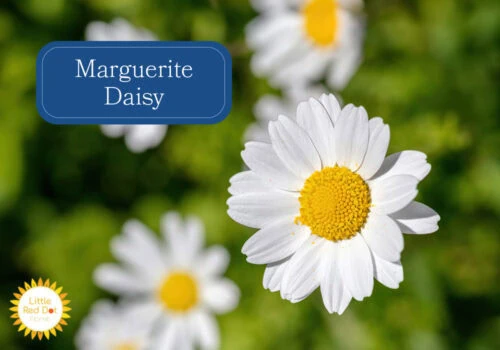
- Marguerite Daisy: Marguerite Daisies (Argyranthemum) have bright, cheerful flowers in shades of white, yellow, and pink. They are popular in garden beds and containers for their prolific blooms and long flowering season.
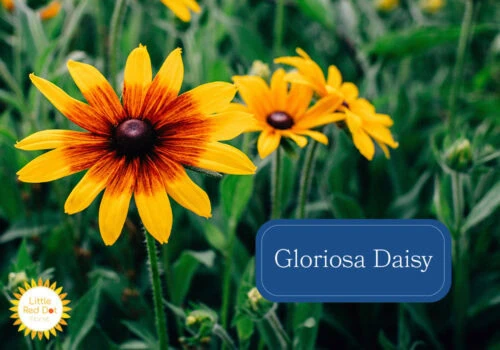
- Gloriosa Daisy: Gloriosa Daisy (Rudbeckia hirta) features large, striking flowers with dark centres and vibrant orange or yellow petals. It is known for its bold colour and is used to add a splash of brightness to garden beds.
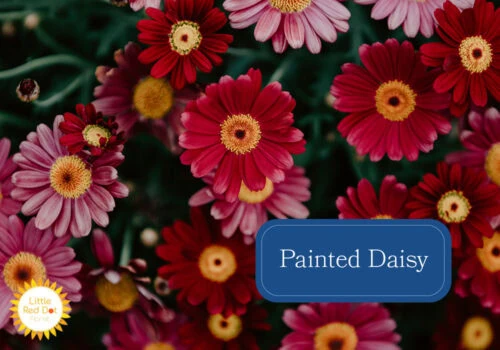
- Painted Daisy: The painted daisy (Tanacetum coccineum) displays various bright, vibrant colours, including red, pink, and white, with contrasting centres. These daisies are valued for their vivid hues and long-lasting blooms.
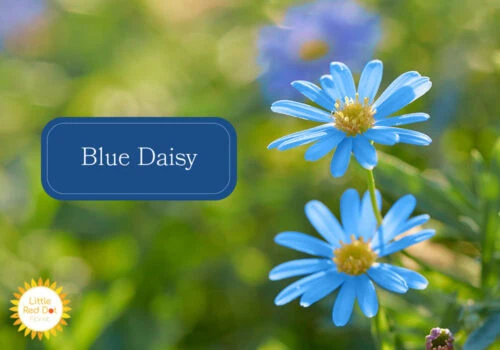
- Blue Daisy: The Blue Daisy (Brachyscome or Felicia) is notable for its delicate, sky-blue petals and yellow centre. It adds a soft, cool colour to gardens and is appreciated for its continuous blooming from spring to fall.
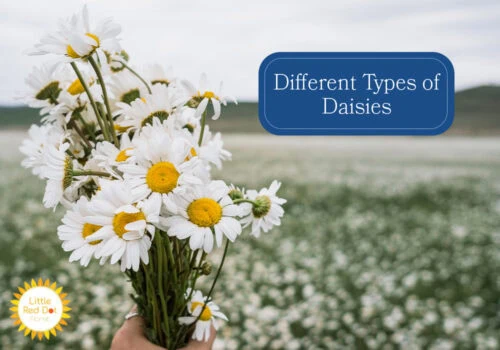
1. Echinacea
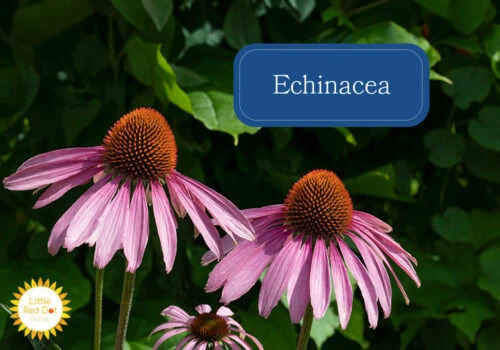
Echinacea is a genus of flowering plants in the daisy family known for its distinctive, large, and showy flowers. Echinacea is native to North America and is popular in gardens for its vibrant colours and attractive appearance. It is referred to as coneflower due to the cone-shaped centre of the flower head, surrounded by downward-sloping petals.
The scientific name for the most well-known species is Echinacea purpurea, though several other species within the genus are called Echinacea. The varieties with purple petals are called purple coneflowers.
Echinacea plants have rough, hairy stems and lance-shaped leaves in terms of botanical features. The flower heads measure 2 to 4 inches across, with pink or purple petals, although some species and cultivars have white or yellow petals. The central cone is brown or orange and has a spiky texture. Echinacea plants are perennials, meaning they return year after year and bloom from early to late summer.
Echinacea has been widely used in traditional medicine for its immune-boosting properties. It is found in teas, supplements, and herbal remedies and treats colds, flu, and other infections. The plant’s ability to stimulate the immune system has made it a popular natural remedy.
Conservation efforts for Echinacea focus on preserving wild populations, as some species are harvested for their medicinal properties. Overharvesting and habitat loss have led to concerns about the sustainability of certain Echinacea species in the wild. Efforts are being made to cultivate these plants in controlled environments to reduce the pressure on natural populations.
Cultural significance of Echinacea spans its medicinal use and its role in garden aesthetics. Native American tribes have used it for centuries as a remedy for various ailments, and it has since gained worldwide popularity for its health benefits. Echinacea is valued in horticulture for its resilience and striking appearance, making it a staple in many ornamental gardens. Echinacea costs between S$5 to S$15 per plant, depending on the species and size. Prices range from S$10 to S$30 or more in herbal supplements or dried form, depending on the quality and quantity.
2. Shasta Daisy
The Shasta Daisy is a popular perennial flower known for its classic daisy appearance, featuring bright white petals surrounding a yellow centre. The plant is a hybrid, developed in the late 19th century by the American horticulturist Luther Burbank. The Shasta Daisy is beloved for its cheerful, simple beauty and long blooming season, making it a staple in gardens worldwide.
The scientific name of the Shasta Daisy is Leucanthemum × superbum. It is simply referred to as “Shasta Daisy” in gardening and horticultural circles, and it is named after Mount Shasta in California, where Burbank developed the hybrid.
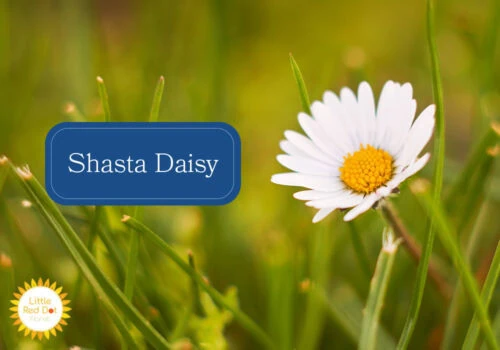
Shasta Daisies have sturdy botanical features and upright stems that reach heights of 1 to 3 feet. The leaves are dark green, lance-shaped, and arranged alternately along the stem. The flowers are 2 to 4 inches in diameter, with a yellow disc at the centre surrounded by radiating white petals. The plant blooms from early summer to early fall, providing the garden with a long season of colour.
Uses of Shasta Daisies are ornamental. They are used in garden beds, borders, and as cut flowers due to their striking, clean appearance and ability to attract pollinators like bees and butterflies. Shasta Daisies are relatively easy to care for, making them a favourite among novice and experienced gardeners.
No significant conservation efforts are needed for Shasta Daisies, as they are a cultivated hybrid and not at risk in the wild. However, gardeners are encouraged to plant them responsibly and manage their spread, as they become invasive if improperly maintained in some areas.
The cultural significance of a Shasta Daisy is tied to their association with simplicity, purity, and cheerfulness. They are used in floral arrangements to convey innocence and fresh beginnings. The plant’s enduring popularity in gardens and bouquets has made it a symbol of classic beauty in horticulture. The price of Shasta Daisy plants ranges from S$5 to S$15 per plant, depending on the size and variety. Seeds are available for purchase and are less expensive, costing between S$2 to S$5 per packet.
3. African Daisy
The African Daisy is a vibrant, sun-loving flower widely appreciated for its striking and colourful blooms. The plant thrives in warm climates and is known for its ability to withstand dry, arid conditions native to South Africa. African Daisies are popular in gardens for their bright and bold flowers, which come in various colours, including orange, purple, pink, and yellow.
The scientific name for the African Daisy is Osteospermum. It is known as the Cape Daisy or Blue-eyed Daisy, about varieties with blue centres. These names reflect the plant’s origin and its unique, eye-catching appearance.
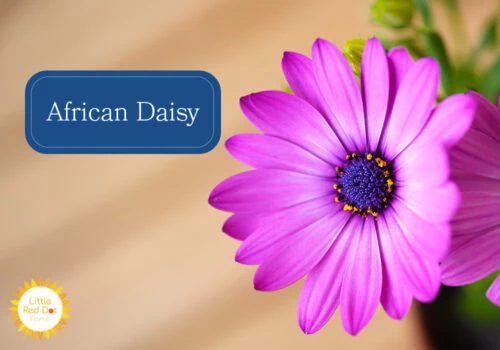
African Daisies are low-growing in terms of botanical features, bushy plants that reach heights of 1 to 2 feet. The leaves are lance-shaped and either smooth or slightly serrated. The flowers are the plant’s main attraction, with daisy-like blooms that feature a central disc that is blue, purple, or black, surrounded by petals in a wide array of vivid colours. The flowers open in full sunlight and close at night or on cloudy days, adding a dynamic element to the garden.
The uses of African Daisies are primarily ornamental. They are used in garden beds, borders, and containers, where their bright colours add a cheerful and exotic touch. African Daisies are popular in xeriscaping, as they are drought-tolerant and require minimal water once established.
Conservation efforts for African Daisies are not a major concern, as they are widely cultivated and not endangered. However, they become invasive if not properly managed in some regions, so gardeners are advised to control their spread to avoid disrupting local ecosystems.
The cultural significance of an African Daisy lies in their association with the vibrant landscapes of South Africa. Their ability to thrive in challenging conditions symbolizes resilience and endurance. African Daisies represent cheerfulness and optimism due to their bright and sunny appearance in floral symbolism. Plants cost between S$5 to S$15 each, while packets of seeds are priced between S$2 to S$6. These flowers are affordable and accessible, making them a popular choice for gardeners looking to add a splash of colour to their landscapes.
4. Oxeye Daisy
The Oxeye Daisy is a perennial wildflower known for its classic daisy appearance, featuring bright white petals surrounding a yellow centre. The Oxeye Daisy is native to Europe but has naturalized in many parts of North America found in meadows, fields, and along roadsides. The flower is appreciated for its hardiness and ability to thrive in various environments.
The scientific name of the Oxeye Daisy is Leucanthemum vulgare (common Daisy or Dog Daisy). These names reflect its widespread presence and its resemblance to other daisy species.
Oxeye Daisies have upright, unbranched stems that grow 1 to 3 feet tall. The leaves are dark green, toothed, and slightly lobed, with the lower leaves being broader and the upper leaves more narrow. The flowers are about 1 to 2 inches in diameter, with white ray florets surrounding a yellow disc floret in the centre. The plant blooms from late spring to early fall, adding a cheerful presence to wild landscapes and gardens.
Oxeye Daisies are mainly ornamental. They are used in wildflower gardens, naturalized areas, and as a filler in mixed flower beds. Their simple beauty and low maintenance make them popular for gardeners looking to create a natural, meadow-like effect. Oxeye Daisies are used in traditional medicine for their mild anti-inflammatory properties and aesthetic value.
Conservation efforts for the Oxeye Daisy are controversial. They are invasive in North America, are not endangered, and are, in fact, widespread. Their ability to spread rapidly and outcompete native plants has led to their classification as a noxious weed in certain areas, prompting efforts to control their population.
The cultural significance of Oxeye Daisies is rooted in their association with simplicity, innocence, and rural charm. They are seen as symbols of purity and natural beauty, reflecting the unspoiled landscapes where they grow. Oxeye Daisies were sometimes used in love divination practices, adding to their romantic symbolism in folklore. Oxeye Daisy plants are affordable, costing individual plants between S$5 to S$10. Seeds are even less expensive, available for S$2 to S$5 per packet. Their ease of growth and low cost make them accessible to gardeners of all levels.
5. English Daisy
The English Daisy is a charming, low-growing perennial flower that is recognized for its button-like blooms. English daisy is found in lawns, meadows, and gardens, where it spreads to create a carpet of flowers native to Europe. It is loved for its delicate appearance and is used in ornamental gardening.
The scientific name of the English Daisy is Bellis perennis (Lawn Daisy). These names highlight its widespread presence in grassy areas and its reputation as a familiar, cheerful flower.
English Daisies have short, tufted stems that grow 3 to 6 inches tall. The leaves are spoon-shaped, forming a rosette at the base of the plant. The flowers are small, about 1 inch in diameter, with white, pink, or red ray florets surrounding a yellow central disc. The blooms appear from early spring to late fall, creating a long-lasting display in gardens and lawns.
Uses of English Daisies are ornamental. They are popular in rock gardens, borders, and as ground cover due to their compact size and spreading habit. English Daisies are used in container gardening and as edging plants. They have been used in herbal medicine for wound healing and anti-inflammatory purposes, in addition to their decorative use.
Conservation efforts for English Daisies are unnecessary, as they are widespread and not at risk of extinction. However, they are considered weeds due to their ability to spread quickly in lawns and gardens in some regions. Gardeners must manage their growth to prevent them from becoming overly invasive.
The cultural significance of an English Daisy is deeply rooted in European folklore and literature. They are associated with innocence, purity, and childhood, reflecting their simple, unpretentious beauty. English Daisies were used to convey the message “I will never tell,” symbolizing secrecy and loyalty in the Victorian language of flowers.
English Daisies are relatively affordable. Plants cost between S$3 and S$8 each, while seeds are available for S$2 to S$5 per packet. Their ease of growth and charming appearance make them popular for creating quaint, picturesque gardens.
6. Marguerite Daisy
The Marguerite Daisy is a vibrant, perennial flower known for its bright, cheerful blooms that bring a splash of colour to gardens and landscapes. The daisy thrives in warm, sunny climates and is a popular choice for adding long-lasting colour to garden beds and containers from the Canary Islands. The Marguerite Daisy is appreciated for its prolific blooming season and its ability to attract pollinators like bees and butterflies.
The scientific name of the Marguerite Daisy is Argyranthemum frutescens (Paris Daisy). These names highlight its ornamental appeal and widespread use in gardens worldwide.
Marguerite Daisies are bushy in botanical features, with evergreen foliage and finely divided, feathery grey-green leaves. The plants grow 1 to 3 feet tall and wide, making them suitable for garden beds and containers. The flowers are daisy-like, with yellow or white petals surrounding a central yellow disc, and they bloom profusely from late spring through fall. The petals are pink or even red in some varieties.
Uses of Marguerite Daisies are ornamental. They are ideal for adding continuous colour to gardens in borders, rock gardens, and container displays. The flowers are popular in cut arrangements due to their long vase life and cheerful appearance. Marguerite Daisies are used in public landscaping projects because of their hardiness and visual appeal.
Conservation efforts for Marguerite Daisies are minimal, as they are widely cultivated and not at risk of extinction. They need protection from frost in some climates, as they are sensitive to cold temperatures. Gardeners grow them annually in cooler regions or indoors during the winter months.
The cultural significance of Marguerite Daisies is linked to their association with happiness and positivity. The bright, sunny appearance of the flowers makes them a symbol of joy and optimism, used in gardens and floral arrangements to convey these sentiments. They are seen as symbols of innocence and purity in some cultures.
The price of Marguerite Daisies varies depending on the size and variety. Potted plants range from $5 to $15 each, while seeds are available for $3 to $7 per packet. Their affordability and ease of care make them popular for gardeners looking to add vibrant, long-lasting colour to their outdoor spaces.
7. Gloriosa Daisy
The Gloriosa Daisy is a striking, biennial or short-lived perennial flower known for its large, vibrant blooms that bring colour to gardens. Gloriosa Daisy is a variety of the Black-eyed Susan and is appreciated for its bold, showy flowers that feature a mix of yellow, orange, and red hues with dark brown or black centres. These plants are a favourite for adding dramatic flair to garden beds and borders.
The scientific name of the Gloriosa Daisy is Rudbeckia hirta. It is referred to as the Black-eyed Susan or Rudbeckia. The name “Gloriosa Daisy” highlights its gloriously colourful and oversized blooms, a more ornamental version of the traditional Black-eyed Susan.
Gloriosa Daisies have sturdy botanical features and upright stems that reach heights of 2 to 3 feet. The leaves are lance-shaped, rough, and dark green, providing a robust backdrop to the large flowers. The blooms are 3 to 4 inches in diameter, with petals ranging from bright yellow to deep red, with a gradient effect. The central cone is dark brown or black, adding contrast and depth to the flower’s appearance. These daisies bloom from mid-summer to early fall.
Uses of Gloriosa Daisies are primarily ornamental. They are planted in garden beds, borders, and wildflower meadows, where their bold colours make them a standout feature. Gloriosa Daisies are popular as cut flowers due to their long-lasting blooms and vibrant colours, brightening any floral arrangement. They are used in pollinator gardens, attracting bees, butterflies, and other beneficial insects.
Conservation efforts for a Gloriosa Daisy are not a significant concern, as they are cultivated and not at risk. They reseed and spread in a garden, which gardeners want to manage to prevent overcrowding. They contribute to local biodiversity and support pollinators in their native habitats, making them a valuable addition to sustainable gardening practices.
The cultural significance of Gloriosa Daisies is tied to their association with encouragement, motivation, and positive energy. Their bright, sun-like appearance and robust growth symbolise resilience and strength, making them popular for gardens meant to inspire and uplift. They are sometimes seen as symbols of justice and fairness due to their strong folklore, upright stance and bold presence.
Gloriosa Daisies are affordable, with plants costing between S$5 and S$12 each. Seeds are even more economical, ranging from S$2 to S$5 per packet. Their ease of growth and vibrant appearance make them popular for gardeners looking to create a lively, colourful landscape.
8. Painted Daisy
The Painted Daisy is a vibrant, hardy perennial flower known for its bright, multicoloured blooms that add colour to gardens. The daisy is popular for its eye-catching flowers, which come in shades of red, pink, purple, and white, with contrasting yellow centres. The Painted Daisy is valued for its ornamental appeal and ability to repel certain garden pests.
The scientific name of the Painted Daisy is Tanacetum coccineum (Pyrethrum), which reflects its association with natural insecticides derived from its flowers. The connection to pest control has made the Painted Daisy a practical and attractive choice for many gardeners.
Painted Daisies have upright, branching stems that grow 2 to 3 feet tall in terms of botanical features. The leaves are fern-like, deeply lobed, and bright green, forming a bushy mound at the base of the plant. The flowers are about 2 to 3 inches in diameter, with ray florets in shades of red, pink, purple, or white, surrounding a yellow disc floret. A Painted Daisy blooms from late spring to early summer, providing a burst of colour at the beginning of the growing season.
Painted Daisies’ uses extend beyond their ornamental value. They are planted in garden beds and borders, and cut flowers are used for their natural insect-repelling properties. The pyrethrum compounds found in the flowers are effective against various insects, making Painted Daisies a popular choice for eco-friendly pest control. Gardeners plant them near vegetables and other plants to help protect against insect damage.
Conservation efforts for Painted Daisies are unnecessary, as they are cultivated and not at risk of extinction. They require well-drained soil and full sun to thrive, so proper care is needed to ensure healthy growth. Gardeners must deadhead spent blooms to encourage continuous flowering and prevent self-seeding, which leads to uncontrolled spreading.
The cultural significance of Painted Daisies is linked to their symbolism of cheerfulness and protection. Their bright, bold colours are associated with happiness and positivity, while their natural insect-repelling properties have earned them a reputation as garden guardians. Painted Daisies convey messages of hope and encouragement in the language of flowers. The price of Painted Daisies is relatively modest, with plants costing between S$6 and S$15 each, depending on the size and variety.
9. Blue Daisy
The Blue Daisy is a striking, low-growing perennial known for its delicate blue flowers and vibrant yellow centres. The daisy is prized for its unique colour, which stands out in gardens and landscapes, providing a cool contrast to warmer tones. The Blue Daisy is popular in coastal gardens and Mediterranean climates, where it thrives in well-drained soils and full sun.
The scientific name of the Blue Daisy is Felicia amelloides (Kingfisher Daisy or Blue Marguerite). These names reflect its eye-catching blue hue and its popularity in ornamental gardening.
Blue Daisies have a compact, bushy growth habit and reach about 1 to 2 feet tall. The leaves are small, oval, and slightly sticky to the touch, with a greyish-green colour. The flowers are small, around 1 inch in diameter, with bright blue ray florets surrounding a central yellow disc. The plant blooms profusely from late spring through fall, making it a long-lasting addition to the garden.
Uses of Blue Daisies are ornamental. They are ideal for planting in rock gardens, borders, and containers, where their vivid blue flowers add a touch of elegance and colour. Blue Daisies are popular in hanging baskets and window boxes due to their trailing habit. They are known to attract pollinators like bees and butterflies, and in addition to their beauty, they are beneficial plants for the garden ecosystem.
Conservation efforts for Blue Daisies are minimal, as they are widely cultivated and not considered at risk. A Blue Daisy requires well-drained soil and ample sunlight to thrive, so gardeners must ensure these conditions are met to maintain healthy plants. They need extra care to prevent root rot in areas with heavy rainfall or poor drainage.
The cultural significance of Blue Daisies is tied to their symbolism of tranquillity and serenity, due to their calming blue colour. Blue is associated with peace and reflection in the language of flowers, making Blue Daisies a popular choice for gardens that evoke a sense of calm. Their bright yellow centres add a touch of warmth, symbolising cheerfulness and optimism.
Blue Daisies are affordable, with plants costing between S$5 and S$12 each, depending on the size and variety. Their unique colour and versatility make Them a favoured option for gardeners looking to add a splash of blue to their outdoor spaces.
What are the Different Colors and Meanings of a Daisy?
The different colours and meanings of daisies are listed below.
- White Daisy: The most common white daisy symbolises purity, innocence, and fresh starts. It is used in bridal bouquets and baby showers.
- Yellow Daisy: A yellow daisy meaning is joy and cheerfulness. They are given as a symbol of friendship and positive energy.
- Pink Daisy: Pink Daisy conveys a message of love, gentle affection, and admiration. They are a softer, more romantic choice for expressing affection.
- Red Daisy: Red daisies symbolise deep love, passion, and strength. They are associated with romantic love and are similar in meaning to red roses.
- Blue Daisy: Blue daisies are less common and symbolise tranquillity, serenity, and loyalty. They are used in arrangements meant to evoke calm and peace.
- Purple Daisy: Purple daisies are associated with dignity and pride. They are given as a symbol of accomplishment or to convey respect.
- Orange Daisy: Orange daisies represent enthusiasm, warmth, and energy. They are a vibrant choice for conveying excitement and passion.
- Lavender Daisy: Lavender daisies symbolize elegance and grace, used to express calmness and a gentle spirit. They are popular in arrangements meant to soothe and relax.
How to Grow Daisies?
To grow daisies, follow the steps listed below.
- Choose well-draining soil with a slightly acidic to neutral pH (around 6.0 to 7.0) for growing Daisies. Sandy or loamy soils work best, allowing water to drain away easily, and preventing root rot. Before planting, enrich the soil with organic matter, such as compost, to improve fertility and structure.
- Analyse the climate and sunlight requirements. Daisies thrive in temperate climates with mild summers and cool winters. They prefer full sun, requiring at least 6 hours of direct sunlight daily. They tolerate partial shade in hotter climates during the peak afternoon heat.
- Learn the spacing and planting techniques. Proper spacing is crucial when growing Daisies to ensure healthy growth and airflow, which helps prevent diseases. Space Daisy plants about 12 to 18 inches apart, depending on the variety. Dig a hole twice the width of the root ball and deep enough so that the plant’s crown is at soil level when planting. Gently backfill the hole, firming the soil around the roots and water thoroughly.
When to Plant Daisies?
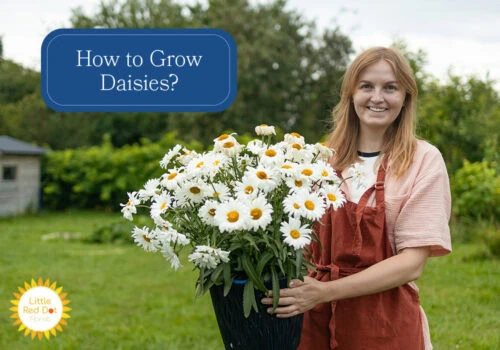
The best time to plant Daisies is in the early spring after the last frost. The timing allows the plants to establish their roots in the cool, moist soil before the heat of summer arrives. Planting in early spring ensures that the Daisies have the full growing season ahead of them, leading to stronger plants and more abundant blooms. Daisies are planted in the fall for areas with mild winters, giving them time to establish before going dormant and then blooming early in the spring.
The growing season for Daisies spans from early spring through late fall, depending on the climate. Daisies begin to grow actively in March or April in most temperate regions, with blooming occurring from late spring to early summer. Daisies start their growth earlier in warmer climates and in cooler regions, they take longer to get started. The peak blooming period occurs in June and July, with some varieties continuing to flower into the fall months.
Timing is crucial to ensuring that daisies thrive when planted. Planting in early spring gives the Daisies the best chance to establish and flourish throughout the growing season. Getting them in the ground at the right time sets the stage for a beautiful and enduring display of flowers.
Should you Plant Daises in an Area that Receives Full Sunlight?
Yes, you should plant daisies in an area that receives full sunlight. Daisies thrive in full sunlight, defined as at least six hours of direct sunlight each day. Sunlight is crucial for their growth and blooming. They develop stronger stems, produce more abundant flowers, and have a longer blooming season when Daisies are planted in full sun. The sun’s energy drives photosynthesis, which is essential for the plant’s health and vitality.
Planting Daisies in an area with full sunlight helps prevent legginess, where the stems grow long and weak as they stretch towards the light. Daisies planted in too much shade produce fewer flowers and become more susceptible to diseases due to the higher humidity and lower air circulation in shaded areas, in contrast. Choose a sunny location where they receive the light they need to flourish to ensure the Daisies reach their full potential.
What are the Common Challenges in Growing Daisies?
The common challenges in growing daisies are listed below.
- Powdery Mildew: Ensure proper air circulation by spacing plants adequately and avoiding overhead watering. Water the base of the plants in the morning so the foliage has time to dry out during the day. Applying a fungicide if the mildew persists helps.
- Root Rot: Plant Daisies in well-drained soil and avoid overwatering. Ensure the planting area is not prone to standing water. Adding organic matter to improve soil drainage prevents root rot.
- Aphids: Regularly inspect plants and remove aphids by spraying them off with a strong jet of water. Introduce beneficial insects like ladybugs that feed on aphids, or use insecticidal soap if the infestation is severe.
- Leaf Spot: Remove and destroy affected leaves to prevent the spread of the disease. Water plants at the base to avoid wetting the foliage, and apply a fungicide if necessary to control the infection.
- Legginess: Plant Daisies in full sunlight to prevent them from becoming leggy as they stretch toward the light. Pinch back the stems to encourage bushier growth and more blooms.
- Poor Blooming: Ensure the plants receive at least six hours of sunlight daily and are well-fertilized, as too much nitrogen leads to lush foliage but fewer flowers. Deadhead spent blooms to encourage continuous flowering.
- Slug and Snail Damage: Use physical barriers like copper tape or crushed eggshells around plants to deter slugs and snails. Set traps or apply organic slug baits to reduce their population.
- Winter Damage: Mulch around the base of the plants in late fall to protect the roots from freezing temperatures. Consider planting Daisies in containers that moved to a sheltered location during the winter in colder climates.
- Overcrowding: Thin plants regularly to improve air circulation and prevent competition for nutrients. Dividing the plants every few years helps maintain their health and vigour.
What are the Best Tips for Growing Daisies?
The best tips for growing daisies are listed below.
- Choose the Right Location: Plant Daisies in an area that receives full sunlight for at least six hours daily to ensure healthy growth and abundant blooms.
- Prepare Well-Drained Soil: Ensure the soil is well-drained and rich in organic matter., Amend it with compost or sand to improve drainage if the soil is heavy or clay-like.
- Plant at the Right Time: Plant Daisies in early spring after the last frost or in the fall in warmer climates to give them a strong start in the growing season.
- Space Plants Adequately: Space Daisies are 12 to 18 inches apart to allow for proper air circulation and to prevent overcrowding, which leads to disease.
- Water Consistently: Water Daisies deeply once a week, ensuring the soil stays moist but not waterlogged. Increase watering during dry spells, but avoid overwatering.
- Deadhead Regularly: Remove spent blooms to encourage continuous flowering and to prevent the plant from using energy to produce seeds.
- Fertilize Sparingly: Apply a balanced, slow-release fertilizer in early spring to promote healthy growth. Avoid excessive fertilization, as too much nitrogen reduce flowering.
- Mulch to Retain Moisture: Apply a layer of mulch around the base of the plants to help retain soil moisture, regulate temperature, and suppress weeds.
- Divide Plants Every Few Years: Divide overcrowded Daisy plants to rejuvenate them and prevent nutrition competition every 2 to 3 years.
- Monitor for Pests and Diseases: Regularly check for common issues like aphids, powdery mildew, and root rot. Address problems early with appropriate treatments to keep the Daisies healthy.
When do Daisies Bloom?
Daisies bloom from late spring to early summer, with the exact timing depending on the specific variety and the climate in which they are grown. Daisies begin their blooming period around May or June and continue to produce flowers through the summer months, extending into early fall. The peak bloom time for Daisies is in June and July when the conditions are ideal for their growth.
The blooming period of Daisies is influenced by several factors, including the amount of sunlight they receive, the soil conditions, and the care they receive. Daisies planted in full sunlight and well-drained soil are more likely to have a prolonged blooming season. Regular deadheading, which is the removal of spent flowers, encourages Daisies to produce more blooms over an extended period.
Daisies start blooming earlier in the spring in warmer climates while in cooler regions, they bloom later. The Shasta Daisy are known for their ability to bloom multiple times in a season if they are well cared for. Enjoy the cheerful blooms of Daisies throughout much of the growing season with proper maintenance.
Can Daisies Live up to 5 Years?
Yes, daisies can live up to 5 years. The Shasta Daisy is known for its longevity. These perennials live for several years if they are well cared for, with some even thriving for a decade or more. The key to their long lifespan is proper maintenance, which includes regular watering, adequate sunlight, well-drained soil, and periodic division of the plants to prevent overcrowding.
Perennial Daisies become less vigorous if not divided every few years. Dividing the plants helps rejuvenate them, encouraging new growth and prolonging their lifespan. Daisies continue to produce beautiful blooms year after year with good care and attention, making them a reliable and enduring addition to any garden.
How to Take Care of Daisies?
To take care of daisies, starts with planting them in the right location. Choose a spot that receives at least six hours of direct sunlight daily, as Daisies thrive in full sun. The soil must be well-drained and enriched with organic matter to provide nutrients. Amending it with compost or sand improves drainage and creates a more hospitable environment for the Daisies if the soil is heavy or clay-like.
The steps in ‘how to care for Daisies?’ involve regular watering once planted. Water the Daisies deeply once a week, ensuring the soil stays consistently moist but not soggy. Increase watering to prevent the plants from wilting during dry or hot spells. Applying a layer of mulch around the base of the plants helps retain moisture, regulate soil temperature, and suppress weed growth, which competes with the Daisies for nutrients and water.
Pruning and deadheading are key aspects of Daisy care. Remove spent flowers to encourage continuous blooming and to prevent the plant from putting energy into seed production. Trim back the foliage to keep the plants tidy and to encourage new growth in late fall or early spring. Consider dividing the Daisy plants to prevent overcrowding and rejuvenate them every 2 to 3 years, ensuring they remain vigorous and productive.
Keep an eye out for pests and diseases. Common issues include aphids, powdery mildew, and root rot. Address these problems early by removing affected parts of the plant, applying appropriate treatments, and maintaining good garden hygiene. Daisies rewards with a stunning display of blooms year after year with consistent care and attention.
What are Daisies Used For?
The daisies used for are listed below.
- Ornamental Gardening: Daisies are widely used in gardens and landscapes for their bright, cheerful flowers that add colour and beauty to any space.
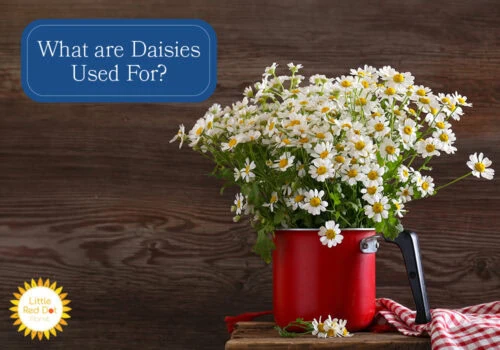
- Cut Flowers: Daisies make excellent cut flowers for bouquets, floral arrangements, and home decoration due to their long-lasting blooms.
- Herbal Medicine: Daisies have been used in herbal medicine to treat ailments like coughs, wounds, and inflammation.
- Culinary Uses: Some types of Daisies, such as English Daisies, are edible and used in salads, teas, or garnishes.
- Symbolism in Celebrations: Daisies uses involve weddings and other celebrations to symbolise purity, innocence, and new beginnings.
- Ground Cover: Low-growing varieties of Daisies are used as ground cover to prevent soil erosion and to add texture to garden beds.
- Wildlife Support: Daisies attract pollinators like bees and butterflies, making them valuable for supporting local ecosystems.
- Dyeing: Certain parts of Daisy plants have been used to create natural dyes for fabric and other materials.
- Cosmetics: Extracts from Daisies are used in skin care products for their soothing and anti-inflammatory properties.
What are Interesting Facts about Daisies?
The interesting facts about daisies are listed below.
- Ancient Symbolism: Daisies have been symbols of purity, innocence, and new beginnings since ancient times, and they are associated with motherhood and childbirth.
- Dual Flowers: A single Daisy flower is a composite of two types of flowers, such as disk florets in the centre and ray florets around the edge.
- Edible Plants: Certain types of Daisies, like English Daisies, are edible and are used in salads, teas, and garnishes, adding beauty and flavour.
- Variety of Colors: They come in a wide range of colors, including pink, red, blue, and purple while most people think of Daisies as white with yellow centers.
- Resilience: Daisies are incredibly hardy and grow in various environments, from meadows to mountains, and even in harsh conditions.
- Botanical Name: “Daisy” comes from the Old English “day’s eye,” referring to the flower opening at dawn and closing at dusk. The botanical name of a daisy is one of the popular facts about daisies.
- Attract Pollinators: Daisy facts involve daisies’ excellent ability to attract pollinators like bees and butterflies, which helps reproduce many plants.
- Long-Lasting Blooms: Daisies have one of the longest blooming seasons among garden flowers, from early summer to late fall.
- Medicinal Uses: Daisies have been used in herbal remedies to treat digestive and skin problems.
- Widespread Distribution: Daisies are found on every continent except Antarctica, making them one of the most widespread flowers in the world.
What are the other Flowers with their Symbolism?
The flowers with their symbolism are listed below.
- Lily: Lilies are associated with purity and innocence like Daisies, making them popular in weddings and funerals to represent the purity of the soul.
- White Rose: White Roses, similar to Daisies, symbolise purity and are commonly used in weddings and other ceremonies to represent new beginnings.
- Baby’s Breath: Baby’s breath is used as a filler in bouquets. It shares the symbolism of innocence and purity with Daisies, making it a common choice in bridal arrangements.
- Jasmine: Jasmine flowers are known for their delicate appearance and sweet fragrance. They symbolize purity and modesty, similar to the meanings associated with Daisies.
- Camellia (White): White Camellias share the plant symbolism of purity and innocence with Daisies, and they are given as a token of admiration or good wishes.
A list of flowers and their meanings offers insight into the flower symbolism list, revealing the emotions and messages each blossom conveys. The symbolic language has been used for centuries to express sentiments ranging from love to remembrance, making flowers powerful tools in non-verbal communication.