
Begonia: Types, How to Grow, and How to Take Care of Begonias
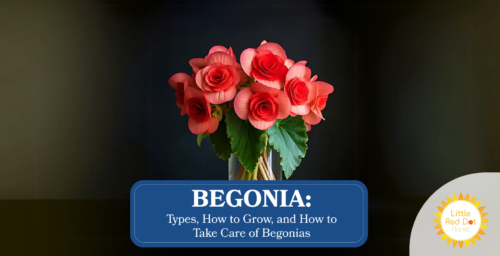
The botanical name of begonia is Begonia. Begonia belongs to the Begoniaceae family, which consists of over 1,800 species and countless hybrids. Begonia flowers are popular for their vibrant colours and intricate patterns, making them a favoured choice for gardens and indoor decoration.
Begonia shape description varies depending on the type, but most feature asymmetrical leaves and flowers with rounded or slightly ruffled petals. Begonia leaves are colourful and patterned, with shades of green, red, silver, or purple, and are either smooth or slightly hairy.
Begonia’s durability depends on its variety, with many species showing moderate resistance to common garden challenges. They have good durability against insects if kept healthy and well-maintained while begonias are not immune to pests like aphids or spider mites.
The growth speed of begonias ranges from slow to moderate, depending on the species and growing conditions. Begonias are perennial in warm climates, while others, like tuberous begonias, have a seasonal life span and require replanting each year.
Begonias are mildly toxic to humans and pets if ingested, particularly the roots, which contain calcium oxalate crystals. Caution is advised when handling or planting around children and animals.
The begonia flower meaning is associated with gratitude, elegance, and enduring beauty. Begonia flowers are symbols of balance and harmony in various cultures, making them ideal for both celebratory and contemplative occasions.
Begonias thrive in warm, humid environments with well-draining soil and indirect sunlight. Regular care includes proper watering to avoid overwatering, fertilisation during the growing season, and pest control as needed. Healthy begonias reward growers with stunning blooms and vibrant foliage, enriching both indoor and outdoor spaces.
What is a Begonia?
Begonia is a genus of flowering plants that belongs to the family Begoniaceae. Begonia is one of the largest genera of flowering plants, with over 2,000 species. Begonias are native to tropical and subtropical regions, thriving in warm and humid climates. They are recognised for their stunning foliage and colourful blooms, making them a popular indoor and outdoor gardening choice.
Begonias are known for their unique and diverse leaf shapes, textures, and colours, ranging from deep green to vibrant red, silver, and even purple. Their equally striking flowers appear in clusters with pink, red, white, or yellow hues. Begonia varieties are valued for their ability to bloom year-round under the right conditions, adding constant beauty to any garden or indoor space.
Begonias are famous for their versatility. They are grown as houseplants, in hanging baskets, or as part of outdoor landscaping. Rex Begonias are cultivated for their ornamental foliage, while others, like Tuberous Begonias, are celebrated for their showy flowers. They are relatively low-maintenance, making them an excellent choice for novice gardeners.
Begonias are prized for their adaptability and aesthetic appeal. They thrive in various lighting conditions, from bright indirect sunlight to partial shade, and they tolerate a range of soil types as long as there is good drainage. Their ability to thrive in diverse environments has made them a staple in gardening and horticulture worldwide.
What does a Begonia look like?
Begonia look like vibrant and visually diverse plants with distinctive features that make them stand out. Begonia leaves are asymmetrical, with bold colours and intricate patterns ranging from deep green to silver, red, or even purple hues. The begonia stem is fleshy and sturdy, supporting the plant’s striking foliage and flowers. Begonia branches are soft and flexible, extending to hold clusters of leaves and blooms. Begonia have no thorns or spines, unlike some plants, making them easy for gardeners to handle and maintain.
What does Begonia Symbolize?
Begonia symbolises a range of meanings, reflecting their beauty and resilience. The begonia flower meaning is associated with gratitude, individuality, and harmony. These flowers are admired for their vibrant blooms and unique forms, symbolising creative expression and appreciation.
Begonia symbolises beauty and delicacy in art and represents refined elegance and artistic inspiration. Their intricate leaves and stunning flowers serve as a muse for creativity and personal expression.
Begonia flowers symbolise love and mutual respect in weddings or marriages, making them a meaningful addition to bridal arrangements and decorations. Their enduring blooms signify lasting affection and partnership.
Begonia symbolises endurance and resilience, reflecting its ability to thrive in diverse environments. Its meaning makes it a representation of strength and adaptability, encouraging perseverance in life’s challenges.
What are Some of the Best Types of Begonia?
Some of the Best Types of Begonia are listed below.
- Begonia Rex: Begonia Rex features large, colourful leaves with intricate patterns, known for its striking ornamental foliage. It comes in various hues, including silver, purple, red, and green, making it highly sought after for indoor decor. The variety is grown for its foliage rather than flowers.
- Begonia Elatior: Begonia Elatior is popular for its vibrant, showy flowers that bloom year-round. Begonia Elatior features bright pink, red, orange, or yellow flower clusters. It is grown as a houseplant due to its preference for warm, humid environments.
- Begonia Semperflorens: Begonia Semperflorens is a hardy, low-maintenance variety known for its small, colourful flowers and waxy leaves. It thrives in shaded and sunny spots, ideal for bedding plants and borders. The variety blooms throughout the year and is used for its vibrant, continuous colour.
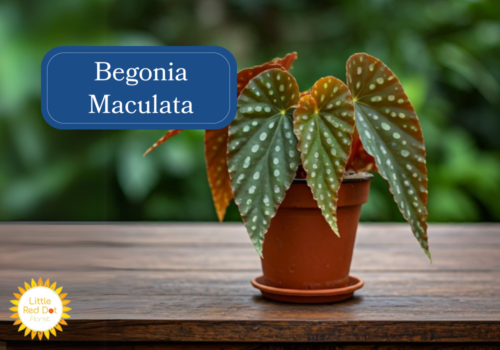
- Begonia Maculata: Begonia Maculata is recognised for its unique spotted leaves, which combine dark green and silver spots. It is an attractive houseplant with large, asymmetrical leaves and delicate white flowers. The variety is admired for its striking appearance and easy care requirements.
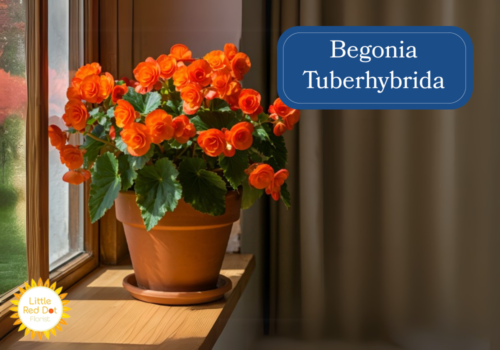
- Begonia Tuberhybrida: Begonia Tuberhybrida is known for its large, colourful flowers in shades of pink, red, and white. It is a hybrid variety that grows from tubers, ideal for container gardening and hanging baskets. The type of begonia thrives in sun and partial shade and is often used in outdoor landscapes.
1. Begonia Rex
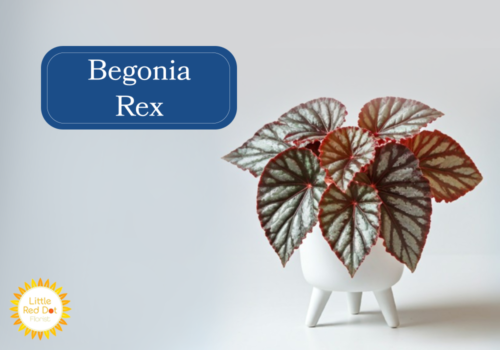
Begonia Rex is an ornamental plant known for its stunning foliage and vibrant colours. Begonia Rex belongs to the Begoniaceae family and is widely cultivated as a houseplant. The plant is valued for its aesthetic appeal due to its intricate leaf patterns and textures.
The leaves of Begonia Rex are large and asymmetrical, displaying striking patterns in colours ranging from silver and red to purple and green. The plant grows in a compact form and produces small, inconspicuous flowers that are overshadowed by the beauty of its foliage. Its stems are short and fleshy, supporting the lush, decorative leaves.
Begonia Rex is commonly used as an indoor plant for home and office decor due to its adaptability and visual appeal. It thrives in containers and shaded gardens, adding a touch of elegance to interiors and landscapes. It is popular in terrariums and indoor plant collections.
Conservation efforts aim to preserve Begonia Rex and its hybrids through propagation and cultivation practices. Protecting its natural habitats and ensuring sustainable cultivation are critical to maintaining its genetic diversity.
Begonia Rex is culturally significant as a symbol of creativity and artistic expression. Its vibrant foliage makes it a favourite among plant enthusiasts and gardeners worldwide. The average price of Begonia Rex in Singapore ranges from SGD 10 to SGD 30, depending on the size and rarity of the variety.
2. Begonia Elatior
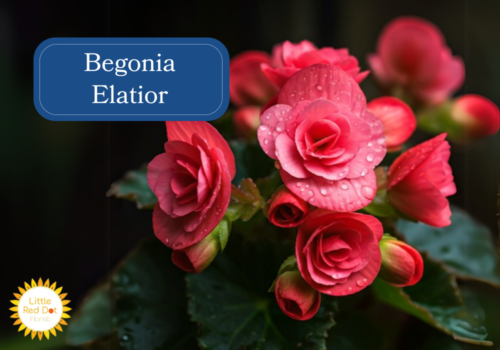
Begonia Elatior is a hybrid begonia known for its vibrant, colourful flowers and compact growth habit. Begonia Elatior is a popular choice for indoor gardening due to its ability to produce blooms throughout the year. The plant is a cross between tuberous and wax begonias, resulting in a robust, ornamental variety.
The plant features lush green leaves with a waxy texture and serrated edges. Its large flowers come in striking shades of red, pink, yellow, orange, and white. The blooms grow in clusters, providing a dense and vibrant appearance. The plant typically reaches 20 to 40 centimetres, making it ideal for small spaces.
Begonia Elatior is widely used as a decorative houseplant and to brighten up shaded patios or balconies. It is placed in containers, hanging baskets, or as part of floral arrangements due to its continuous blooming ability and bright flowers.
Conservation efforts focus on maintaining Begonia Elatior through propagation by cuttings and controlled cultivation. The hybrid is grown in greenhouses and nurseries to ensure its availability while minimising environmental impact.
Begonia Elatior is culturally significant as a symbol of gratitude and cheerfulness. Its year-round flowers make it a thoughtful gift for celebrations and expressions of appreciation. The average price of Begonia Elatior in Singapore ranges from SGD 12 to SGD 35, depending on the plant size and flowering stage.
3. Begonia Semperflorens
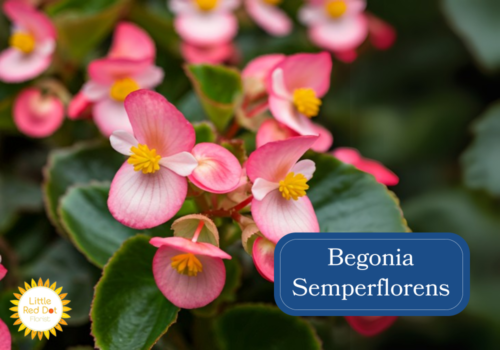
Begonia Semperflorens (wax begonia) is a versatile and hardy flowering plant. Begonia Semperflorens is a member of the Begoniaceae family and is highly valued for its ability to bloom continuously throughout the year. The species is widely used in outdoor landscaping and indoor gardening.
The plant features glossy, waxy green, bronze, or reddish-brown leaves. Its small flowers, which come in shades of white, pink, or red and grow in clusters, create a vibrant, cheerful display. The plant grows to a height of 15 to 30 centimetres, with a compact and bushy appearance.
Begonia Semperflorens is used in flower beds, borders, and as ground cover due to its low-maintenance nature and bright flowers. It is popular for container gardening and hanging baskets, adding continuous colour to patios and balconies. Its adaptability makes it suitable for various light conditions, from partial shade to full sun.
Conservation efforts for Begonia Semperflorens involve sustainable cultivation practices and propagation through seeds and cuttings. These practices ensure its availability for gardeners while protecting its natural populations and hybrids.
Begonia Semperflorens is culturally significant as a symbol of endurance and cheerfulness. Its year-round blooms make it a popular choice for public gardens, festivals, and celebrations. The average price of Begonia Semperflorens in Singapore ranges from SGD 8 to SGD 20, depending on the size and variety of the plant.
4. Begonia Maculata
Begonia Maculata (polka-dotted begonia) is a striking ornamental plant known for its distinctive polka-dotted leaves. Begonia Maculata is a member of the Begoniaceae family and is admired as a houseplant. Its unique appearance and adaptability make it a favourite among plant enthusiasts.
The plant features asymmetrical, wing-shaped leaves with dark green surfaces adorned by silvery-white spots. The undersides of the leaves are deep crimson, creating a dramatic contrast. Begonia Maculata produces delicate clusters of white or pale pink flowers, adding to its ornamental value. It grows to a 45 to 60 centimetres height with a bushy, upright structure.
Begonia Maculata is an indoor plant valued for its bold visual impact in homes and offices. It thrives in containers and bright indirect light, making it suitable for shelves, windowsills, and indoor gardens. Its elegant appearance makes it popular for creating aesthetically pleasing spaces.
Conservation efforts for Begonia Maculata focus on propagation through cuttings and sustainable cultivation in nurseries. Protecting its natural habitats in tropical regions and promoting cultivation in controlled environments help ensure its availability.
Begonia Maculata is culturally significant as a symbol of creativity and individuality. Its unique leaf patterns and vibrant colours represent a bold and artistic expression. The average price of Begonia Maculata in Singapore ranges from SGD 20 to SGD 50, depending on the plant’s size and maturity.
5. Begonia Tuberhybrida
Begonia Tuberhybrida is a hybrid flowering plant renowned for its large, vibrant blooms. Begonia Tuberhybrida is a member of the Begoniaceae family and is cultivated for its striking flowers. The type of begonia is grown from tubers and is popular for its ornamental value in gardens and containers.
The plant features fleshy stems with broad leaves that are dark green and slightly hairy. Its flowers are large, showy, and come in various colours, including red, pink, orange, yellow, and white. The blooms are single, double, or ruffled, resembling roses or camellias. Begonia Tuberhybrida grows to a height of 20 to 60 centimetres.
Begonia Tuberhybrida is used extensively in outdoor landscaping, including flower beds, borders, and hanging baskets. It thrives in partial shade and is an excellent choice for adding vibrant colour to shaded areas of gardens. The plant is favoured for container gardening, making it a versatile choice for patios and balconies.
Conservation efforts focus on maintaining Begonia Tuberhybrida through tuber propagation and cultivation in nurseries. These practices ensure a steady supply of the hybrid while reducing the impact on wild populations of related species.
Begonia Tuberhybrida holds cultural significance as a symbol of beauty and elegance. Its lush flowers are associated with refinement and are used in decorative displays for celebrations and events. The average price of Begonia Tuberhybrida in Singapore ranges from SGD 15 to SGD 40, depending on the size and flowering stage of the plant.
What are the Different Colours and Meanings of a Begonia?
The Different Colours and Meanings of a Begonia are listed below.
- Pink Begonia: Pink begonias symbolise kindness, gratitude, and feminine energy. They are associated with warmth and appreciation, making them ideal for expressing thanks or celebrating special bonds.
- White Begonia: White begonias signify purity, innocence, and sincerity. They are used to celebrate new beginnings, such as weddings or housewarmings.
- Yellow Begonia: Yellow begonias represent happiness, positivity, and friendship. Their bright colour is associated with joy and optimism, making them suitable for uplifting someone’s mood or strengthening bonds.
- Red Begonia: Begonia meaning in red, symbolises love, passion, and deep affection. It represents romantic emotions and is used to convey heartfelt admiration.
- Orange Begonia: Orange begonias convey energy, enthusiasm, and creativity. They are associated with encouragement and motivation, symbolising boldness and vibrant spirit.
- Purple Begonia: Purple begonias symbolise royalty, elegance, and sophistication. They are linked to dignity and are chosen for occasions celebrating uniqueness and individuality.
How to Grow Begonias?
To Grow Begonias, there are six steps to follow.
- Choose the Right Soil. Use well-draining soil rich in organic matter. A soil mix with peat moss, perlite, and compost works best. Avoid overly heavy soils that retain water and cause root rot.
- Provide the Ideal Climate. Begonias thrive in warm temperatures between 18°C and 25°C. Protect the plants from frost, as they are sensitive to cold. High humidity is beneficial for tropical varieties like Begonia Rex.
- Ensure Proper Sunlight. Place begonias in bright, indirect sunlight. Too much direct sunlight scorches the leaves, while insufficient light hinders growth and flowering. Shade-loving varieties, such as Begonia Maculata, perform well in partially shaded areas.
- Maintain Adequate Spacing. Space begonias 15 to 30 centimetres apart, depending on the variety. Proper spacing ensures good air circulation, reducing the risk of fungal diseases.
- Water Wisely. Water begonias consistently, but avoid overwatering. Allow the topsoil to dry slightly between watering to prevent root rot. Morning watering is ideal for the plant to absorb moisture before evening.
- Use Specific Planting Techniques. Plant the tubers hollow-side up, just below the soil surface, for tuberous begonias to encourage sprouting. Lightly press the seeds into the soil without covering them for seed propagation, as they need light to germinate. Use a rooting hormone to encourage healthy root development when planting cuttings.
Begonias grow moderately, showing noticeable growth within two to three weeks after planting. They reach maturity in 2 to 3 months, depending on the variety and growing conditions.
When is the Best Time to Grow Begonias?
The Best Time to Grow Begonias is when the temperature is consistently warm and the risk of frost has passed. Begonias thrive in climates where daytime temperatures range between 18°C and 25°C. The planting period aligns with the spring season in temperate regions, which allows the plants to establish and grow during the warmer months.
The growing season for begonias extends from spring to early autumn, depending on the region and variety. Begonias grow year-round due to consistent warmth and humidity in tropical and subtropical climates. They are planted in late spring or early summer to ensure optimal growth conditions in cooler climates.
Planting begonias during warm weather promotes healthy root establishment and encourages vigorous foliage and flowering. Starting the plants indoors in late winter is common for areas with short growing seasons, allowing them to be transplanted outdoors once the temperatures are suitable.
What are the Common Challenges in Growing Begonias?
The Common Challenges in Growing Begonias are listed below.
- Overwatering and Root Rot: Overwatering leads to soggy soil, causing roots to decay. Use well-draining soil and pots with drainage holes. Allow the topsoil to dry slightly before watering again.
- Pest Infestations: Common pests include aphids, spider mites, and whiteflies, which damage leaves and flowers. Remove pests manually or use insecticidal soap. Maintain good air circulation to discourage infestations.
- Powdery Mildew: Powdery mildew appears as white, powdery spots on leaves caused by high humidity and poor ventilation. Water the plants at the base to keep leaves dry. Increase airflow around the plants and apply a fungicide if needed.
- Leaf Discolouration: Yellowing or browning of leaves occurs due to nutrient deficiencies, overwatering, or exposure to harsh sunlight. Feed the plant with a balanced fertiliser. Ensure appropriate watering and provide partial shade for sensitive varieties.
- Poor Flowering: Insufficient blooms are caused by inadequate light, over-fertilization, or overcrowding. Provide bright, indirect sunlight and reduce nitrogen-rich fertilisers. Space plants appropriately to encourage flowering.
- Leggy Growth: Stems become long and weak when light conditions are too low. Move the plant to a brighter location with indirect sunlight. Prune leggy stems to encourage bushier growth.
- Cold Sensitivity: Begonias struggle in temperatures below 15°C, leading to stunted growth or plant death. Keep begonias indoors during cold weather or provide insulation for outdoor plants in cooler climates.
- Tuber Rot in Tuberous Begonias: Excess moisture causes tubers to rot during storage or growth. Store tubers in a cool, dry place during dormancy. Avoid overwatering and ensure soil drainage when planting.
What are the Best Tips for Growing Begonias?
The Best Tips for Growing Begonias are listed below.
- Location: Place begonias in a spot with indirect sunlight. Direct sunlight scorches the leaves.
- Soil: Use well-draining potting mix. A blend containing peat moss and perlite promotes healthy root development.
- Watering: Water when the top inch of the soil feels dry. Avoid overwatering to prevent root rot.
- Humidity: Maintain high humidity levels. A humidity range of 50 to 60 percent benefits the growth of begonias.
- Temperature: Keep temperatures between 60 to 75 degrees Fahrenheit. Cold drafts harm the plant.
- Fertilisation: Fertilize monthly during the growing season. A balanced, water-soluble fertiliser works best for begonia care.
- Pruning: Prune dead or yellowing leaves regularly. The practice encourages new growth and keeps plants healthy.
- Pest Control: Check for common pests like aphids and spider mites. Treat infestations promptly with insecticidal soap or neem oil.
How to Take Care of Begonias?
To Take Care of Begonias, follow the nine steps listed below.
- Select the Right Location. Choose a location with filtered or indirect sunlight. Too much direct sun damage the leaves.
- Use Appropriate Soil. Fill pots with a well-draining potting mix. A mix designed for houseplants works best to ensure proper drainage and aeration.
- Water Regularly. Water when the top inch of soil feels dry. Ensure that excess water drains away to prevent overwatering.
- Maintain Humidity. Increase humidity around the plant. Utilising a humidity tray or misting the leaves helps achieve optimal levels for healthy growth.
- Control Temperature. Keep temperatures in the range of 60 to 75 degrees Fahrenheit. Avoid exposure to cold drafts and sudden temperature changes.
- Apply Fertilizer. Feed begonias monthly during the active growing season. Use a balanced fertiliser, following the instructions for application to promote healthy growth.
- Prune as Needed. Regularly remove dead or damaged leaves. Pruning encourages new growth and maintains the plant’s appearance.
- Inspect for Pests. Check the foliage for signs of pests. One of the effective flower care tips is to address infestations swiftly with organic pest control methods to reduce damage.
- Repot as Necessary. Repot the plant when it becomes root-bound. Choose a slightly larger pot and fresh soil to support continued growth. These steps ensure proper begonia care and provide guidance on how to effectively care for begonias.
Are Begonias Easy to Care for?
Yes, begonias are easy to care for. Begonias thrive in well-drained soil and require indirect sunlight for optimal growth. The maintenance involves regular watering and monitoring soil moisture. A consistent watering schedule ensures healthy plants without the risk of root rot.
Humidity plays a crucial role in their care. Begonias prefer higher humidity levels, which is achieved through misting or placing a humidity tray nearby. Temperature management is vital and ideal conditions range between 60 to 75 degrees Fahrenheit. Avoiding cold drafts helps maintain plant health.
Feeding begonias with a balanced fertiliser once a month during the growing season supports growth. Pruning dead or damaged leaves promotes new growth and keeps the plant looking vibrant. Regular inspection for pests ensures early detection and treatment, protecting the health of the begonias.
What are the Challenges in Taking Care of Begonias?
The Challenges in Taking Care of Begonias are listed below.
- Pest Attacks: Begonias are vulnerable to pests such as aphids, spider mites, and whiteflies. These pests feed on leaves and stems, causing damage and weakening the plant. Inspect plants regularly and remove pests manually. Use insecticidal soap or neem oil to manage infestations effectively.
- Overwatering Issues: Begonias are susceptible to root rot caused by overwatering and poorly drained soil. Excess moisture leads to decay and wilting. Use well-draining soil and pots with drainage holes. Allow the topsoil to dry out before watering.
- Sensitivity to Cold Temperatures: Begonias struggle to thrive in temperatures below 15°C. Cold conditions lead to stunted growth, leaf drop, or plant death. Keep plants indoors or provide insulation during cold weather. Avoid exposing begonias to frost.
- High Humidity Requirements: Many begonias, particularly tropical varieties, require high humidity to prevent leaf damage and maintain healthy growth. Low humidity causes leaf edges to brown. Place the plants near a humidifier or on a tray with water and pebbles. Grouping plants together helps retain moisture.
- Sunlight Sensitivity: Begonias require bright, indirect light, and exposure to harsh, direct sunlight scorches leaves. Insufficient light leads to leggy growth and poor flowering. Position begonias in areas with filtered light or partial shade. Rotate the plants to ensure even exposure.
What are Begonias Used For?
Begonias are used for by the following things listed below.
- Ornamental Decoration: Begonias are used for ornamental purposes due to their vibrant flowers and attractive foliage. They are popular in gardens, flower beds, and containers, adding colour and texture to landscapes and indoor spaces. Hanging baskets and window boxes feature begonias for their cascading growth habit.
- Indoor Plants: Many begonias are cultivated as houseplants because of their ability to thrive in low-light conditions. Their decorative leaves and compact growth make them ideal for enhancing the aesthetics of indoor spaces like offices, living rooms, and kitchens.
- Ground Cover in Landscaping: Begonias are used as ground cover in shaded garden areas. Their dense, low-growing foliage provides a lush look, and their blooms brighten up areas where other plants might struggle.
Is Begonia used in many Occasions?
Yes, Begonia is used on many occasions. Begonias are popular choices for weddings, where they represent romance and beauty, and anniversaries, symbolising appreciation and refinement. They are gifted during housewarmings to signify new beginnings and happiness, while their bright flowers bring joy to birthdays. Their versatility as flowers for all occasions stems from their vibrant colours and meaningful symbolism, such as gratitude, elegance, and love. Begonias are suited for memorial services, representing sincerity and purity. Their adaptability makes begonias an excellent choice for enhancing a variety of celebrations and events.
What are Interesting Facts about Begonias?
The Interesting Facts about Begonias are listed below.
- Over 1,800 Species: There are more than 1,800 species of begonias worldwide. They range from small, ground-hugging varieties to large, tree-like species, making them highly diverse in appearance and habitat.
- Tropical Origin: Begonias are native to tropical and subtropical regions of the world, including parts of Africa, Asia, and Central and South America. They thrive in humid, warm environments.
- Edible Flowers: Some varieties of begonia, particularly the tuberous types, have edible flowers and leaves with a tangy taste. These parts are used in salads, desserts, and as garnishes.
What are the other Flowers with their Symbolism?
The other flowers with their Symbolism are listed below.
- Roses: Roses are iconic in plant symbolism, representing love, beauty, and admiration. Red roses symbolise passion and romance, while pink roses convey gratitude and grace, much like begonias.
- Chrysanthemums: Chrysanthemums signify joy, longevity, and appreciation. They represent friendship and respect, aligning with the gratitude expressed by begonias in some cultures.
- Daisies: Daisies symbolise purity, innocence, and new beginnings. Their cheerful appearance and positive connotations make them similar to begonias in celebrating happiness and optimism.
- Lilies: Lilies are associated with elegance, purity, and devotion. White lilies, in particular, resonate with begonias’ symbolism of sincerity and grace, especially in formal or sombre occasions.
- Camellias: Camellias symbolise admiration, perfection, and gratitude. They are used to express deep appreciation and refined beauty, echoing the meanings attributed to begonias.
The flower symbolism list highlights blooms with overlapping meanings, offering a rich variety for individuals interested in plant symbolism and exploring flowers for specific emotions and occasions. A comprehensive list of flowers and their meanings helps individuals select the perfect blooms to convey specific emotions or messages for any occasion.