
Borage: Types, How to Grow, and How to Take Care of Borage
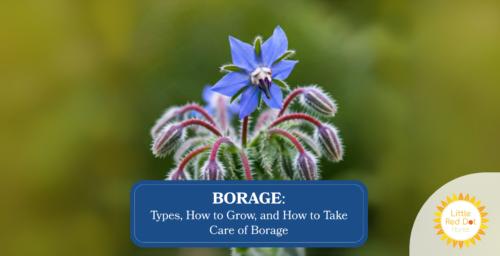
Borage (starflower or Borago officinalis) is an annual plant in the Boraginaceae family. Borage is a sturdy and adaptable herb recognised by its fuzzy leaves and star-shaped borage flowers. The borage plant grows upright, with hollow stems and branches that spread outward to appear bushy. Its grey-green leaves are oval or lance-shaped and coated in tiny hairs, giving them a rough texture.
Borage is hardy, blooming in various soil and weather conditions. The plant is resistant to several types of garden pests. It is a perfect companion because it attracts beneficial insects like bees while avoiding harmful ones. It is an annual plant that completes its life cycle in a single growing season, yet its self-seeding ability permits it to return every year.
The leaves and flowers of borage have a mild cucumber flavour and are edible. It is non-toxic. Borage is not just a useful addition to gardens but a significant one because it symbolises bravery, joy, and persistence. Cultivating the plant is easy by applying the proper borage care.
What is a Borage?
Borage (Borago officinalis) are native to the Meditteranean regions. Borage are annual flowering herbs of the Boraginaceae family. They are admired for their stunning star-shaped blue, white and pink flowers and fuzzy, grey-green foliage.
Borage is popular for its flexibility and benefits as it is grown as a horticultural companion because it attracts pollinators like bees and deters pests in vegetable gardens. The leaves and edible blooms of borage are utilised as garnishes in salads and teas because of its mild cucumber-like flavour. Borage is typical in traditional medicine, to improve adrenal function and reduce inflammation.
What does a Borage Flower look like?
The borage flower looks like a star. Borage is a hairy annual that grows up to 60 cm (2 feet) tall. It has huge rough oblong leaves with a refreshing cucumber-like scent and flavour. The flowers grow on crimson stalks, and have five vivid yellow stamens that form a cone. The blooms grow along scorpioid cymes to generate huge floral displays, with several flowers blossoming at the same time, indicating that borage has a high degree of geitonogamy (intraplant pollination). Its tendency to grow is unpredictable.
The look of a borage is shown in the image below.

What does Borage Symbolise?
Borage symbolises bravery and valour when soldiers wore borage flowers as a charm for strength before combat or devoured borage leaves. Borage’s vibrant blue blossoms represent optimism and determination in trying situations. The “borage flower meaning” defines art as a sign of strength and tenacity. Borage is an emblem of happiness and hope in a marriage or wedding. Its persistent nature makes it a sign of perseverance and endurance, as the plant thrives in various environments and self-seeds, assuring its continuing existence.
What are Some of the Best Species of Borage?
Some of the best species of borage are listed below.
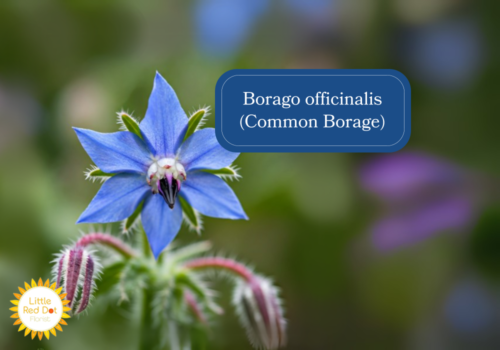
- Borago officinalis (Common Borage): The Borago officinalis is a popular variety with vivid blue blooms. It is known for its culinary, medicinal, and ornamental uses. It’s a great garden companion plant.
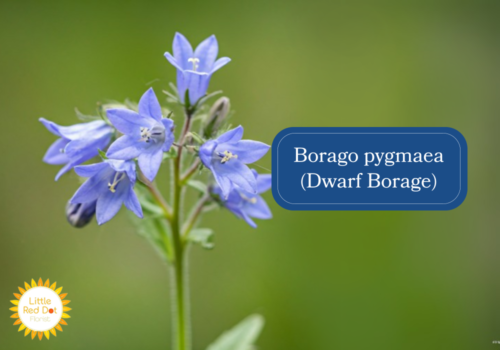
- Borago pygmaea (Dwarf Borage): Dwarf borage is a tiny plant and perfect for limited area or container planting due to its stunning blossoms and culinary properties, providing an attractive and useful accent.
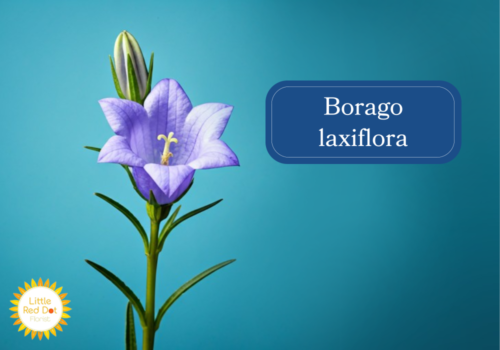
- Borago laxiflora: Borago laxiflora is distinguished for its loose growth habit and light blue flowers. It is ideal for informal or wildflower gardens due to its versatility and distinctive appearance.
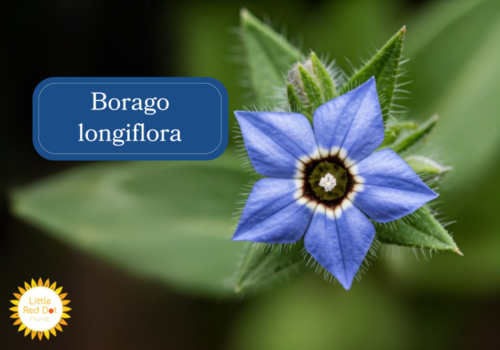
- Borago longiflora: The species is famous for its long, tubular blue blooms. It is less cultivated yet valued for its decorative value and pollinator appeal.
1. Borago officinalis (Common Borage)
Borago officinalis (common Borage) is a hardy annual herb native to the Mediterranean. Borage’s straight growth, hollow stems, and oval leaves are distinguished by star-shaped blue flowers. It is known as starflower, cover crop, or talewort. It has several uses, including culinary leaves and flowers, medicinal oil, cosmetics, and dietary supplements.
Preserving its natural habitats and encouraging sustainable farming methods are the main goals of conservation efforts. Borage symbolises bravery and resilience since ancient times, which is an important element in gardens and customs. It costs around S$11.22, depending on its size.
2. Borago pygmaea (Dwarf Borage)
Borago pygmaea (Dwarf Borage) is a compact, low-growing species. The fragile branches and grey-green leaves of dwarf borage resemble larger species, excellent for compact settings or container gardening. Its edible leaves and blooms are utilised in recipes, drinks, and garnishes, and it attracts helpful insects.
Conservation efforts are centred on protecting its natural habitats. Borage symbolises the values of courage, perseverance, and joy. It costs around S$11.92, depending on its size.
3. Borago laxiflora
Borago laxiflora is a rare borage species with a beautiful, natural form, slender stems, and light green leaves. Its edible blossoms attract pollinators, which benefits ecosystems and gardens. The preservation of natural environments in Mediterranean regions is the fundamental goal of conservation efforts.
The plant is a relevant choice for naturalistic and symbolic plantings because it represents bravery, resiliency, and joy. The strain on the natural population is reduced by raising awareness and growing the plant. It costs around S$13.65, depending on its size.
4. Borago longiflora
Borago longiflora is a distinct type of borage recognised for its exquisite, elongated blossoms and sophisticated botanical characteristics. Its pale blue, star-shaped blossoms attract pollinators. The species are popular ingredients in culinary dishes and gardens.
Conservation efforts are centred on maintaining its natural habitats in Mediterranean areas, while cultivation in botanical gardens and private landscapes lowers wild exploitation. Borago longiflora represents strength, perseverance, and joy, which makes it an ideal choice for gardeners looking for environmental advantages and aesthetic appeal. A pack of 15 seeds cost around S$4.23.
What are the Different Colours and Meanings of a Borage?
The different colours and meanings of a borage are listed below.
- White: Borage is a common blue flower representing bravery, courage, and resiliency. It is used in gardens and arrangements to represent peace, loyalty, and trust.
- Blue: White borage is a rare but lovely flower and is used at weddings or as symbolic plantings for new beginnings. The borage flower meaning represents innocence, purity, and fresh begins.
- Pink: Pink borage flowers symbolise tenderness, love, and gentle power. A Borage meaning differs in colours.
How to Grow Borage?
To grow borage, follow the five steps listed below.
- Pick the right spot. Borage thrives in direct sunlight but tolerates moderate shade.
- Choose a well-drained soil, although it is versatile and thrives in poor soils.
- Sow the seeds 1/4 inch deep and 12 inches apart. Cover with dirt and water gently.
- Mulch the plant’s surroundings to keep moisture in and keep weeds out. The Borage plant must be watered regularly but not too much.
- Allow it to reseed naturally for a steady supply of growing borage, or restrict its spread by deadheading blossoms.
Borage grows quickly from seed, reaching 2 to 3 feet in 8 to 10 weeks. It grows brilliant blue flowers and self-seeds, which makes it an excellent choice for gardeners looking for a quick, seasonal addition.
When to Plant Borage?
Plant borage in the spring (April/May), when the threat of frost has passed and the soil has warmed up. Many locations require direct sowing of seeds between late April and early June. Borage thrives in warm climates, making it ideal for the growth season from spring to late summer. The planting borage every few weeks to ensure continued flowering. Knowing where to plant borage is essential. Its fast growth and capacity to self-seed guarantee that it establishes quickly and produces bright blossoms throughout the growing season.
What is the Maximum Height for Borage?
The maximum height for borage is 2 to 3 feet (60 to 90 cm). Borage grows taller under ideal conditions, such as sunlight and well-drained soil. Its straight stems are covered in fine, bristly hairs, giving the plant a textured appearance. The borage height of star-shaped flowers provides visual appeal to the plant’s top. Borage is beautiful and useful to gardens because it keeps a bushy and growing habit.
What are the Common Challenges in Growing Borage?
The common challenges in growing borage are listed below.
- Problems with Pests: Pests such as aphids, caterpillars, slugs, and snails harm borage, so utilise natural predators, organic deterrents, and barriers to keep the young plants healthy.
- Issues with Disease: Borage is prone to powdery mildew and root rot in humid environments, so appropriate spacing, watering, and improved soil drainage help prevent the problems.
- Stress in the Environment: Borage plants must be irrigated regularly during dry months, avoided overwatering, planted after the last frost date, and staked or supported to avoid wind damage.
- Self-Seeding Difficulties: Borage has the potential to become invasive in gardens because it self-seeds. Allow self-seeding in specific locations without competition, or deadhead blossoms before seeding to limit spread.
- Lack of Nutrients: Add compost or organic fertiliser to the soil before planting, and mulch around the plant’s base to keep moisture and prevent yellowing leaves and stunted development.
What are the Best Tips for Growing Borage?
The best tips for growing borage are listed below.
- Plant Companion: Borage increases fruit production, protects against tomato hornworms, attracts beneficial insects like butterflies and honeybees, and keeps cabbage moths away when planted with strawberries and tomatoes.
- Reduce the Plants’ Size: Use gloves to cover hands from the leaves and give them more opportunity to grow, if seedlings reach five inches tall, thin them to 12 inches apart.
- Pinch Off Flowers: Borage blooms self-sow and multiply to seed, however, to avoid self-seeding, flower heads must be removed at the end of their life cycle.
- Watering: Borage plants require regular watering until they establish themselves, and wait until the soil is dry before watering to avoid overwatering and stunting growth.
- Mulching: Mulching the growing borage plants control weeds and maintain soil moisture. Observing the proper borage plant care helps their growth.
How to Take Care of Borage?
To take care of the borage, follow the seven steps listed below.
- Choose a sunny area with well-drained soil. Borage tolerates slight shade but thrives in full sunlight.
- Add compost or a balanced organic fertiliser to develop and flower while borage grows well in poor soils.
- Avoid overwatering particularly during dry periods. Borage flower care needs less regular watering once grown and endures drought.
- Remove fading or damaged leaves to keep the plant looking healthy and appealing. It is important in flower care tips.
- Check plants for pests such as caterpillars, slugs or aphids. The borage plant care makes use of natural predators or organic pesticides.
- Provide stakes or other supports when growing in a windy location to keep the tall stems from bending or shattering.
- Apply mulch around the plant’s base to conserve moisture, discourage weeds, and promote soil health.
Are Borage Hard to Care for?
No, borage is not hard to care for. Borage is easy to cultivate, and the best way to start is from seed. It is an annual plant but it does self-seed well. The plant thrives when planted in full sun to light shade, yet it survives in each kind of soil. Its adaptability to drought and ability to flourish in poor soils add to its image as a low-maintenance plant. Borage is a popular choice for ornamental and functional gardens because of its beauty, practicality, and ease of maintenance.
What are the Challenges in Taking Care of Borage?
The challenges in taking care of borage are listed below.
- Infestations of Pests: Young seedlings are susceptible to pests like slugs, caterpillars, and aphids. They are protected by barriers, neem oil, natural deterrents, and routine inspections.
- Disease Susceptibility: Overwatering and inadequate soil drainage cause root rot. Borage is affected by fungal diseases such as powdery mildew, particularly in humid circumstances.
- Preserving Appearance: Borage is less appealing as it ages because its bottom leaves become yellow or brown.
- Stress in the Environment: Extreme weather makes borage difficult. Prolonged drought stresses the plant, while frost harms seedlings and high winds are its towering stems.
What are the Uses for Borage?
The uses of borage are listed below.
- Ornamental Use: Borage is a common flower for flower beds, borders, bouquets, wreaths, and table settings because of its vivid blue blooms and bushy growth.
- Medicinal Use: GLA-rich borage seed oil reduces stress, promotes skin health, lowers inflammation, and improves adrenal gland function. Herbal drinks relieve sore throats and coughs.
- Culinary Use: Borage blossoms are used in salads, soups, garnishes, cocktails, teas, and lemonade due to their mild cucumber-like flavour.
- Industrial Use: Borage oil is a common ingredient in cosmetic products and nutritional supplements to improve joint health, skin issues, and hormonal balance.
What Occasions Are Borage Commonly Used?
The occasions that borage is commonly used are listed below.
- Wedding: The star-shaped blue or white blooms are used in wedding bouquets, boutonnieres, and floral arrangements.
- Birthday: Borage flowers are utilised as part of a floral gift arrangement or to decorate birthday cakes and drinks.
- Anniversary: The plant is a significant choice for anniversary celebrations due to its associations with courage and unwavering love.
- Funerals: Borage’s symbol of bravery and resilience is appropriate for commemorating a loved one’s strength and legacy during funerals.
What are Interesting Facts about Borage?
The interesting facts about borage are listed below.
- Culinary Used: Borage is a popular ingredient in Mediterranean cuisine.
- Long Stems: The stems of borage plants grow 2 feet wide and 3 feet tall.
- Vitamins and Minerals: Borage has high levels of vitamins A and C, and minerals like iron, calcium, potassium, and magnesium.
- Edible Leaves: The foliages of borage have a cucumber-like scent and are eaten fresh or boiled in soups, sauces, lemonade, and tea.
- Good Components: Borage blooms have a sweet, honey-like flavour and are eaten fried or candied. Sweet pastries and cakes are decorated with borage.
What are the other Flowers with their Symbolism?
The other flowers with their symbolism are listed below.
- Sunflower: Sunflowers symbolise resilience and power by growing tall and facing the sun, whereas borage represents courage and endurance. The “list of flowers and their meanings” shows significance in every culture and personality.
- Lavender: Borage’s many uses in gardens and herbal remedies are similar to lavender’s aromatic and therapeutic properties, symbolising peace, elegance, and tranquillity. The flower symbolism list helps differentiate each bloom.
- Cornflower: Cornflowers’ blue colour represents loyalty and serenity, while their colour represents hope, resiliency, and memory. They are a beneficial addition to gardens because they draw pollinators.
- Chamomile: Chamomile is like borage, which is utilised for therapeutic purposes, showing resilience and caring. The plant symbolism signifies endurance and patience and flourishes in less-than-ideal environments.
- Dandelion: Dandelions represent perseverance, hope, and the ability to grow in difficult situations. The meanings of different flowers have tremendous symbolism and useful worth.