
Chamomile: Types, How to Grow, and How to Take Care of Chamomile
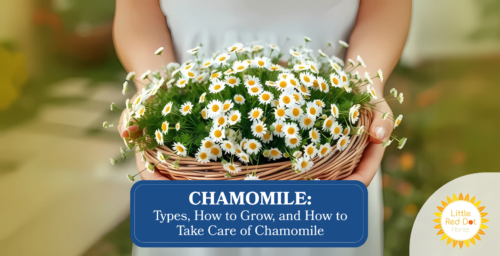
Chamomile is a member of the Asteraceae family, flowering plants known for their fragrance and therapeutic qualities. Chamomile grows 12 to 24 inches tall and is distinguished by its small, daisy-like flowers and delicate, fern-like foliage. A Chamomile plant is durable and prefers well-drained, slightly acidic soil. It is pest and insect-resistant but becomes infested by aphids or fungal diseases. It grows moderately, maturing in 60-90 days and living a brief life.
Chamomile is non-toxic and harmless to humans and pets, which is why it is found in herbal teas, skin care products, and natural remedies. It symbolises healing, calmness and cleanliness, reflecting its long history in traditional medicine as a treatment for digestive problems, anxiety, and skin disorders. The Chamomile flower is a symbol of peace in various cultural and spiritual traditions because it is related to patience and serenity. Cultivating the plants is easy when applying the proper Chamomile care.
What is a Chamomile?
Chamomile is derived from the Latin (chamomilla) and Greek (chamaimelon) words, which means “apple on the ground.” Chamomile is a common component in herbal medicines and health practices due to its well-known relaxing and healing properties. Its dried flowers are utilised to make tea, which is known for inducing peace, lowering stress, and improving sleep.
The Chamomile plant is popular for its anti-inflammatory and antibacterial properties, which make it a common element in natural treatments for stomach problems, skin irritations, and minor wounds. Chamomile is popular for its fragrant scent and use in cosmetics, which moisturise and calm the skin. Its daisy-like flowers and feathery foliage make it an attractive addition to gardens, where it is used as a companion plant to prevent pests and attract pollinators.
What does a Chamomile Flower look like?
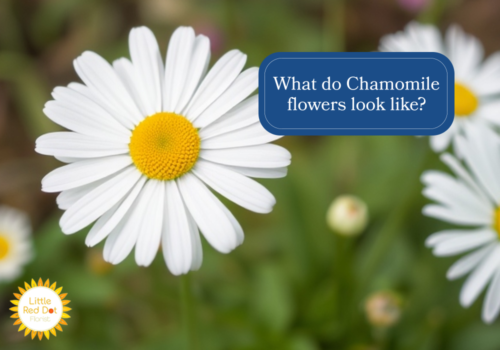
The chamomile flower looks like a daisy and is distinguished by its white petals that are grouped in a circle around a noticeable, yellow, dome-shaped centre. The petals have a delicate, symmetrical appearance because they are thin and slightly curled and radiate outward. The flower’s beautiful, subtle beauty comes from its characteristic 0.5–1 inch (1–2.5 cm) diameter.
Chamomile flowers grow on slender, green stems that reach 12-24 inches (30-60 cm) in height, depending on the type. The plant’s delicately divided, feathery leaves enhance its airy, graceful appearance and go well with the straightforward blooms. The chamomile flower, which is sometimes characterised as happy and calming, has a subtle, apple-like scent that adds to its allure and makes it a favourite in herbal treatments, gardens, and wellness customs.
What does Chamomile Symbolise?
Chamomile symbolises peace, healing, and determination, reflecting its long history in traditional medicine and capacity to grow in harsh environments. Chamomile is a common choice in herbal medicines and health practices because it refers to relaxation and feelings of comfort. Chamomile is used in art to represent humility and endurance because of its delicate appearance, which hides its hardiness and capacity to thrive in poor soils.
The Chamomile flower meaning represents patience, fidelity, and regeneration in the context of weddings or the union of spouses all of which are necessary attributes for a long-lasting relationship. Its relaxing presence and mild aroma are essential to wedding bouquets or decorations, offering a natural elegance while conveying feelings of harmony and stability. Chamomile’s timeless appeal stems from its ability to combine beauty and functionality, giving it a universally recognised symbol of peace, strength, and healing in many different cultures and traditions.
What are Some of the Best Species of Chamomile?
Some of the best species of Chamomile are listed below.
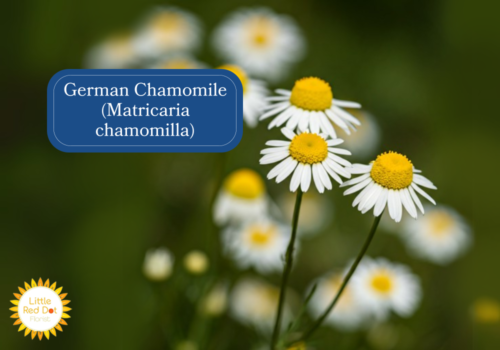
- German Chamomile (Matricaria chamomilla): German chamomile is a tall herb with daisy-like blossoms that are used in herbal teas and essential oils for its therapeutic benefits, particularly for relaxing and skin care.
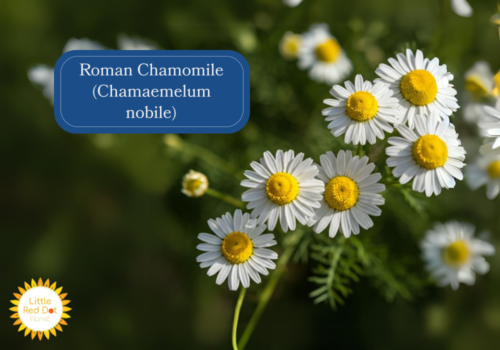
- Roman Chamomile (Chamaemelum nobile): Roman chamomile is a low-growing perennial known for its aromatic foliage and relaxing effects. It is utilised in aromatherapy and herbal medicines.
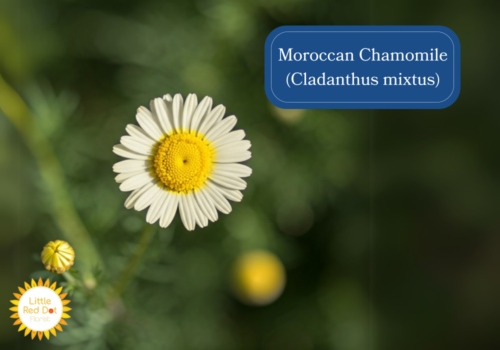
- Moroccan Chamomile (Cladanthus mixtus): The Moroccan chamomile is recognised for its yellow blossoms and distinct fragrance and is used in aromatherapy for its relaxing and anti-inflammatory effects, but less in teas.
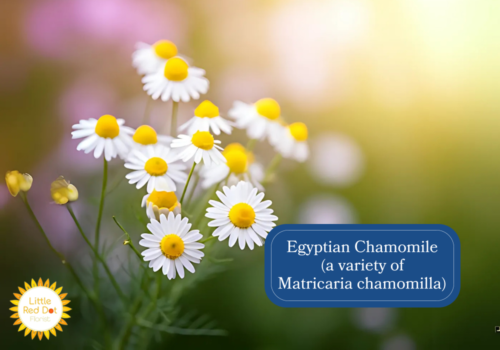
- Egyptian Chamomile (a variety of Matricaria chamomilla): Egyptian chamomile is utilised in beverages, cosmetics, and natural medicines because of its strong flavour and smell.
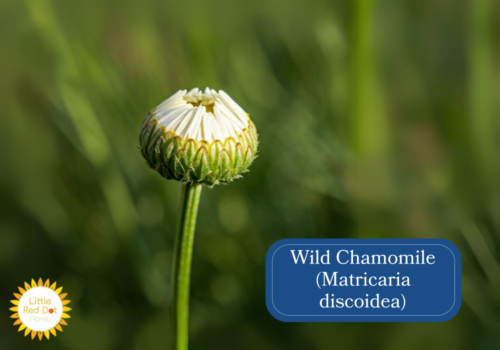
- Wild Chamomile (Matricaria discoidea): Wild chamomile is a tough annual plant, featuring feathery foliage and yellow-green flowers. It is utilised in teas and traditional medicine because of its anti-inflammatory and soothing properties.
1. German Chamomile (Matricaria chamomilla)
German Chamomile (Matricaria chamomilla) is a delicate annual herb in the Asteraceae family. German chamomile thrives in sunny regions with well-drained soil and reaches a height of 12 to 24 inches. The plant is used in skincare products, herbal drinks, aromatherapy, and natural treatments for skin irritations, allergies, and inflammation.
Matricaria chamomilla is a versatile plant in gardens, bringing in beneficial insects and keeping pests away. Conservation efforts prioritise sustainable harvesting practices and environmental preservation. German chamomile is a popular herb in gardens and homes because it symbolises resilience, healing, and tranquillity. It costs approximately S$11.24 for a 3.25 inch-pot size.
2. Roman Chamomile (Chamaemelum nobile)
Roman chamomile (Chamaemelum nobile) grows as a perennial herb in the Asteraceae family with daisy-like flowers and scented foliage. The Roman chamomile thrives in well-drained soil and sunny areas, making it an ideal ground cover or edging plant in gardens. The Jasmine species are utilised for its medicinal, aromatic, and ornamental properties and its blossoms in herbal drinks and essential oils in aromatherapy and skincare.
Conservation efforts are centred on sustainable agriculture, as overharvesting endangers the native populations. A beloved herb in gardens and medical cabinets around the world, Roman chamomile is a symbol of strength, patience, and renewal. It costs around S$12.94 for a 3.25-inch-pot size.
3. Moroccan Chamomile (Cladanthus mixtus)
Moroccan Chamomile (Cladanthus mixtus) is a perennial herb native to the Mediterranean, known for its vivid yellow flowers and earthy aroma. Moroccan chamomile prefers sunny, arid areas with well-drained soils. Its essential oil is used in aromatherapy, cosmetics, and natural medicines for its relaxing, anti-inflammatory, and anti-spasmodic effects.
Sustainable harvesting and production methods are the main focus of conservation efforts to preserve wild populations. Moroccan chamomile is utilised in traditional North African medicine to heal diseases such as digestive and skin problems. It is a rare Chamomile variety and its oil is common in markets, which costs around S$54.49 for a 5ml. The price of a chamomile starts at S$12.00.
4. Egyptian Chamomile (a variety of Matricaria chamomilla)
Egyptian chamomile (a variety of Matricaria chamomilla) is renowned for its high-quality blooms and powerful medicinal effects. It grows in warm, sunny regions and produces enormous, fragrant flowers. Egyptian chamomile is utilised in herbal drinks, aromatherapy, cosmetics, and traditional medicine due to its relaxing properties.
Conservation efforts are centred on sustainable farming practices, organic production, and fair-trade programs. The plant’s cultural significance stretches back to ancient Egypt when it was connected with the sun god Ra and utilised in healing rites. Its excellent and rich cultural background makes it a popular chamomile cultivar. It costs S$34.82.
5. Wild Chamomile (Matricaria discoidea)
Wild Chamomile (Matricaria discoidea) belongs to the Asteraceae family of hardy annual herbs. Wild chamomile thrives in disturbed soils and tough situations because of its low-growing habit, feathery green leaves, and little yellow-green flower heads. It’s valued for its therapeutic and utilitarian applications, such as soothing teas, antibacterial and anti-inflammatory qualities, and insect repellant.
Wild chamomile’s resilience limits conservation efforts, however, sustainable harvesting methods are promoted. It represents strength and healing, reflecting its long history in traditional medicine. Matricaria seeds cost S$6.78.
What are the Different Colours and Meanings of a Chamomile?
The different colours and meanings of chamomile are listed below.
- White: White symbolises harmony and faithfulness during weddings. The “chamomile meaning” represents simplicity and serenity, reflecting the calming and restorative properties of chamomile.
- Yellow: The vivid yellow symbolises the sun and the tenacity of life. The “chamomile flower meaning” signifies the plant’s capacity to flourish under difficult circumstances.
How to Grow Chamomile?
To grow chamomile, follow the five steps listed below.
- Choose the location. Chamomile plant prefers direct sunlight but handles moderate shade. Pick a location that gets four to six hours of sunlight each day.
- Add water. Moderate watering is ideal for chamomile. Water the plant but avoid overwatering as it causes root rot.
- Apply fertiliser. Heavy fertilisation is not necessary for growing chamomile.
- Prune dead leaves. Trim dead or yellowing leaves regularly for better fresh development.
- Manage pests and diseases. Make sure the plant has adequate air circulation to avoid fungal illnesses. Do not overwater to prevent mildew or mould.
Chamomiles grow fast depending on proper care. Giving enough water, sunlight, fertilisers, and additional monitoring are essential.
When to Plant Chamomile?
Plant chamomile when the weather is best in late spring or early summer. It is best to know where to plant chamomile to ensure blooming in the future. The growth season lasts from spring to late summer. Chamomile keeps growing and blooming during warmer months until the first frost of the fall. Proper maintenance is required when planting chamomile. Planting chamomile in the early spring gives it enough time to flourish before the summer heat arrives because it prefers milder temperatures. It is advisable to start seeds indoors around 6 to 8 weeks before the last frost and move the plants outdoors as soon as the weather warms up.
What is the Maximum Height for Chamomile?
The maximum height for chamomile is 3 feet, which varies according to species. Roman chamomile (Chamaemelum nobile), a low-growing perennial, reaches around 6 to 12 inches (15 to 30 cm) in height. German chamomile (Matricaria chamomilla) reaches 1 to 3 feet (30 to 90 cm). Chamomile plants are normally compact and bushy. Some “chamomile height” varies if not clipped regularly.
What are the Common Challenges in Growing Chamomile?
The common challenges in growing chamomile are listed below.
- Pests: Use natural pest control solutions like neem oil, insecticidal soap, or diatomaceous earth.
- Diseases: Maintain good air circulation around the plant and avoid overhead watering. Treat the plant with a fungicide or a natural cure, such as baking soda diluted with water, if mildew develops.
- Root Rot: Make sure the soil is well-drained, and water chamomile when the top inch of soil is dry.
- Inconsistent Blooming: Ensure that chamomile receives at least 4-6 hours of direct sunlight every day and avoid overfertilisation.
What are the Best Tips for Growing Chamomile?
The best tips for growing chamomile are listed below.
- Pests and Diseases Monitoring: Examine the leaves for aphids, particularly in the spring. Use insecticidal soap or a powerful stream of water to spray the plant.
- Mulch for Protection: Cover the base of the plant with a layer of organic mulch, such as compost, wood chips, or straw. Mulching aids with proper “chamomile plant care,” such as temperature regulation, weed suppression, and soil moisture retention.
- Annual Replanting: German chamomile (Matricaria chamomilla) is an annual plant, which completes its life cycle in a single growing chamomile season. It dies off after blooming in late summer or autumn.
- Harvesting: The best time to harvest flowers is when they are fully open and fragrant. The flowers must have white petals and a vivid yellow centre.
How to Take Care of Chamomile?
To take care of chamomile, follow the steps listed below.
- Plant where it belongs. Adding sand or organic matter to a clay-like or heavy soil to help with drainage.
- Water the plant whenever the top inch of the soil feels dry. Ensure the soil is well-drained to prevent water stagnation.
- Spread compost or a balanced fertiliser in the spring to supply vital nutrients. It helps to complete chamomile plant care.
- Cover the base of the plant with an organic mulch layer to control soil temperature, maintain moisture, and keep weeds at bay.
- Trim the leaves that are yellowing or damaged to keep the plant looking and feeling healthy. Chamomile flower care is needed to produce more healthy blooms.
- Harvest them. Picking the chamomile flowers in full bloom is one of the best flower care tips, which is in late spring or early summer.
Are Chamomile Hard to Care for?
No, chamomiles are not hard to care for. Chamomile requires little upkeep after it has been grown. It thrives with little maintenance and is strong. Give them some water during dry periods to keep them from withering out, and trim them back if they start to sag. There are more plants produced if one obtains more blooms.
What are the Challenges in Taking Care of Chamomile?
The challenges in taking care of chamomile are listed below.
- Competing Weeds: Chamomiles have difficulty competing with weeds, especially when young.
- Soil Quality: Chamomile favours light, well-drained soil, but suffers in thick, clay-like, or compacted soil. Inadequate soil conditions cause poor flowering and prevent growth.
- Invasive Growth: Regular pruning or division of the plant keeps it from spreading out of control.
- Cold Weather Sensitivity: German chamomile is an annual that dies off after the growth season. It dies throughout the winter, in colder climates.
What are the Uses of Chamomile?
The uses of chamomile are listed below.
- Cosmetic and Skincare Uses: Chamomile essential oil is used in massage oils, bath products, and diffusers due to its calming and relaxing properties. Chamomile is used in creams and lotions to soothe sensitive or irritated skin, such as eczema and rashes.
- Cultural and Spiritual Uses: Chamomile is used in rituals to encourage rest, spiritual purification, and rejuvenation. Chamomiles bring prosperity and good fortune in various cultures when used in sachets or drinks.
- Culinary Uses: Chamomile tea is a popular drink promoting relaxation and digestive health. Fresh chamomile flowers are useful to embellish salads and desserts.
- Medicinal Uses: The relaxing properties of chamomile are the best choice for reducing anxiety and enhancing sleep. Chamomile is used to relieve inflammation in illnesses such as arthritis and skin irritations.
- Ornamental Uses: Chamomile’s daisy-like blossoms bring beauty to flower beds, borders, and cottage gardens. Roman chamomile is an aromatic, low-maintenance substitute for lawns or ground covers.
What Occasions Are Chamomile Commonly Used?
The occasions chamomile is commonly used are listed below.
- Funeral: Chamomile’s symbolism of peace and healing makes it an appropriate addition to funeral arrangements or memorial services, providing consolation and a sense of calm to bereaved families.
- Wedding: Chamomile is used in bridal bouquets and decorations, representing harmony, patience, and fidelity. Chamomiles are essential traits of marriage. Its daisy-like, delicate blossoms give wedding bouquets a hint of organic beauty.
- Get Well Soon: Chamomile’s relaxing effects to gift a “get well soon” greeting. It is the favourite for wellness retreats, spa days, and meditation circles. The flower symbolises self-care and healing because it is used in teas, essential oils, and skincare products.
What are Interesting Facts about Chamomile?
The interesting facts about chamomile are listed below.
- Medicinal Benefits: The soothing, analgesic, anti-inflammatory, and antibacterial qualities of chamomile are a few of its many medicinal applications.
- Good for Pregnancy: Chamomile is safe for pregnant women, however, it must be eaten in moderation.
- Health Advantages: Chamomile flowers are utilised in several natural skincare products for their anti-inflammatory and calming effects.
- Therapeutic Benefits: The plant contains numerous active chemicals, including terpenoids and flavonoids, responsible for many therapeutic effects.
- Special Varieties: The most used varieties of chamomile for healing are Roman chamomile (Chamaemelum nobile) and German chamomile (Matricaria recutita), while there are more than eighteen species.
What are the other Flowers with their Symbolism?
The other flowers with their symbolism are listed below.
- Daisy: Daisies have white petals and a yellow centre. They are similar to chamomile and symbolise a new beginning or carefree happiness. Features and colours vary the meanings of different flowers.
- Lavender: Lavender is one of the list of flowers and their meanings known for its calming effects and links to relaxation, making it a symbol of peace and tranquillity.
- Jasmine: Jasmine is included on the flower symbolism list that echoes the calming energy of chamomile and is related to beauty and love, but it represents purity and serenity.
- Honeysuckle: The chamomile plant symbolism of caring and care is related to honeysuckle’s sweet scent and ancient medical applications.
- Dandelion: Chamomile’s metaphorical flexibility and perseverance are reflected in the dandelion’s capacity to flourish in challenging environments. It is connected to healing because it is used in herbal treatments.