
Eucalyptus: Types, How to Grow, and How to Take Care of Eucalyptus
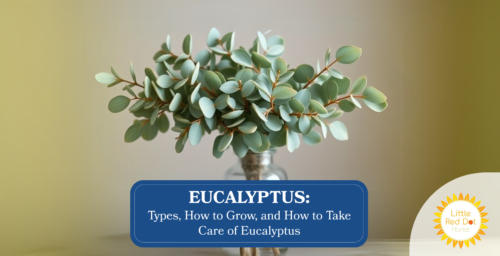
Eucalyptus is a genus that originated from Australia. Eucalyptus are more than 700 species of shrubs and tall trees of the Myrtaceae family. Its name is derived from the Greek words eu (well) and kalypto (cover). The eucalyptus plant is distinguished by smooth, peeling bark and different shapes that vary by species. Other eucalyptus trees have a tall, straight trunk with a large canopy, while others, such as mallees, are multi-stemmed and bushy.
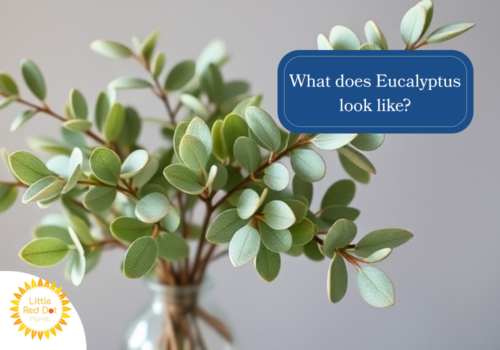
A eucalyptus flower and foliage are distinctive. They are spherical and silvery in young plants or long, narrow, and sickle-shaped in mature plants. The leaves have a strong scent that releases a new, therapeutic aroma due to their high oil content. Eucalyptus trees are hardy and versatile, surviving in different temperatures and soil types, but they require well-drained soil.
Eucalyptus is pest-resistant, however, certain insects, such as psyllids, become a threat sometimes. Many species are known for their rapid growth, reaching 6 to 10 feet annually, making them ideal for timber, shade, and windbreaks. The trees live for decades or centuries within ideal conditions and proper eucalyptus care.
The leaves and bark of eucalyptus are poisonous to people and animals if consumed because they contain substances like cineole. Eucalyptus is related to healing, resiliency, and protection. It represents rejuvenation and power in cultural and spiritual contexts because of its ability to flourish in harsh situations and its medical capabilities. The plant’s fragrant leaves and essential oils are used in several traditions to represent cleanliness and purification.
What is Eucalyptus?
Eucalyptus is a species of rapidly growing evergreen trees and shrubs indigenous to Australia that is cultivated in appropriate regions worldwide. The most well-known feature of eucalyptus trees is their unique, aromatic leaves, which yield a scented oil that is extensively used in industrial, medical, and aromatic applications. The oil primarily comes from varieties such as Eucalyptus globulus (blue gum). It is used in cough, cold, and respiratory medications due to its antibacterial, anti-inflammatory, and decongestant properties.
The stunning look of eucalyptus, including its silvery-green foliage, smooth, peeling bark, and unique blooms that have no petals but are covered with fluffy, colourful stamens. Eucalyptus trees are important in the lumber and paper industries because of their quick development, high output, and medicinal properties. They nourish the essential habitat and food for koalas, who rely primarily on their leaves. The genus is renowned for its versatility and durability, flourishing in various environments and emerging as an emblem of Australian flora.
What does the Eucalyptus Flower look like?
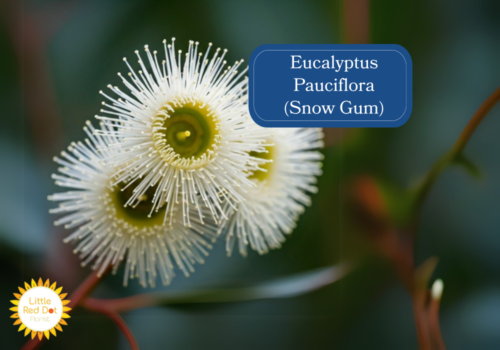
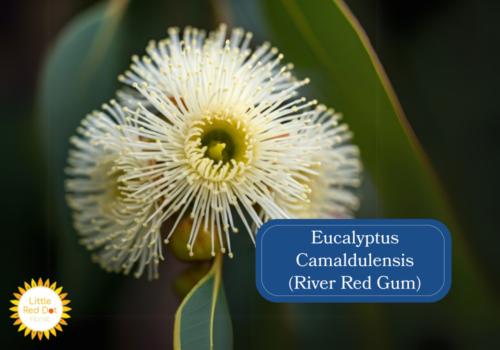
The Eucalyptus flower looks like a brush, with fluffy blooms. Eucalyptus are distinctive and eye-catching. The vibrant stamens that grow from a centre disc are what give it its attractiveness, although it lacks petals like other flowers. The flower appears delicate and feathery because of such stamens, which vary from white, cream, yellow, pink, red, or bright orange. The flower develops from a unique woody cap called an operculum, which sheds as the bloom opens.
Eucalyptus flowers are small but bloom in clusters, providing a bright contrast to the tree’s silvery-green leaves. They contain a lot of nectar, attracting bees, birds, and other pollinators, adding to the ecological significance of eucalyptus trees. The distinctive structure and bright colours of eucalyptus flowers make them an intriguing aspect of the well-known plant.
Many eucalyptus species shed their dead outermost bark covering in flakes or ribbons, while others have thick textured bark. The leaves are leathery and hang obliquely or vertically, many species are evergreen. The capsule fruit is enclosed by a woody cup-shaped receptacle that holds several tiny seeds.
What does Eucalyptus Symbolise?
Eucalyptus symbolises values such as resistance, protection, recovery, and rebirth. The capacity of eucalyptus to survive in tough environments and rebound swiftly after fires makes it an effective emblem of perseverance and flexibility. The eucalyptus flower meaning is connected with cleansing and purifying in cultural and spiritual areas, with its fragrant oils utilised in ceremonies to expel negativity and aid healing. The evergreen quality of the plant represents a continuation and endless life.
Eucalyptus is used in art to express ideas of natural beauty, energy, and the human-environmental connection. The exquisite leaves and distinctive blossoms of eucalyptus provide artistic works with significance and depth. Eucalyptus is a favourite option for bridal bouquets and decorations, representing protection, abundance, and the strength of long-lasting love. The plant’s soothing aroma and subtle green colours promote harmony and peace, which goes well with commitment and unity in wedding ceremonies.
What are Some of the Best Species of Eucalyptus?
Some of the best species of eucalyptus are listed below.
- Eucalyptus Pauciflora (Snow Gum): The Eucalyptus Pauciflora is a sturdy variety that originated in the high-altitude territories of Australia. The species has soft bark, lance-shaped leaves, clustered buds, and cup-shaped fruit. Its graceful shape and hardiness make it a popular choice for landscaping, and it serves a significant purpose by giving wildlife food and shelter.
- Eucalyptus Camaldulensis (River Red Gum): The Eucalyptus Camaldulensis is one of the most iconic eucalyptus indigenous to Australia. The tree is big, and fast-growing with a tall, straight trunk and a spreading canopy. Eucalyptus Camaldulensis contains hemispherical fruit that provides shelter in inland waterways. It is a hardy and much-grown species because of its capacity to adapt to various circumstances, such as drought and sporadic flooding.
1. Eucalyptus Pauciflora (Snow Gum)
Eucalyptus Pauciflora (Snow Gum) is hardy and visually appealing. Eucalyptus Pauciflora is indigenous to the high-altitude areas of southeast Australia. Kurt Polycarp Joachim Sprengel gave the first official description of Eucalyptus pauciflora in 1827, based on the unpublished description of Franz Sieber. The description was provided in Systema Vegetabilium by Sprengel. The name “pauciflora” derives from the Latin “pauciflorus” (few-flowered). Pauciflora is a term that has sprung from an early specimen that was harvested and lost its buds while in transit.
Eucalyptus Pauciflora is well-known for its botanical traits, such as smooth, multicoloured bark that peels to reveal shades of white, cream, green, and grey, giving it a distinctive appearance. The other names of Snow Gum are Cabbage Gum and White Sally, which is smaller than other eucalyptus species, making it ideal for attractive landscaping. The leaves are long, thin, and silvery-green, with a mild and refreshing aroma.
Snow gum is one of the few eucalyptus species that endure frost and snow. It has become famous for its applications in landscaping and environmental rehabilitation projects. Its cold resistance and appealing look make it a popular choice for gardens and parks, while its ability to stabilise soils and prevent erosion is useful in conservation areas. The flowers provide a significant nectar supply for pollinators such as bees and birds, which benefits local ecosystems. Eucalyptus Pauciflora is a special component of Australia’s floral environment and a symbol of resilience and adaptability.
The main goal of conservation activities for Eucalyptus Pauciflora is to safeguard its native habitat from threats such as invasive species, land clearing, and climate change. Programs seek to maintain its genetic diversity and promote reforestation in regions where its population is decreasing. Snow Gum holds cultural significance in its native Australia, representing tenacity and the beauty of the alpine environment. Its presence in high-altitude areas connects it to Australia’s natural history and an inspiration for literature and art. The price of Eucalyptus Pauciflora is around S$215.28, depending on its size.
2. Eucalyptus Camaldulensis (River Red Gum)
Eucalyptus Camaldulensis (River Red Gum) is one of Australia’s most recognisable eucalyptus species and a symbol of the country’s rivers and bottomlands. The huge tree grows up to 100 feet tall and is distinguished by its smooth, pale grey to cream-coloured bark, which sheds in patches to show a mottled surface. Its lance-shaped green leaves are aromatic and produce small, creamy-white blooms that attract bees. The River Red Gum is an essential tree in dry and semi-arid environments because it is resilient and adaptable, growing well in different surroundings such as nutrient-poor soils, droughts, and sporadic flooding.
Eucalyptus Camaldulensis has several uses, including its strong wood, valued for construction, furniture, and firewood. Its adaptation to wetlands and capacity to stabilise soils make it a valuable species for erosion control and ecological restoration efforts. The tree is a vital habitat for various species, such as insects, birds, and bats. Its blossoms are a great supply of nectar for bees, which helps them produce honey.
The primary goal of conservation efforts for Eucalyptus Camaldulensis is to save its natural habitats, which are in danger due to overgrazing, water mismanagement, and land removal. Sustainable techniques strive to balance their usage in agriculture and forestry and their significance in natural ecosystems. Rehabilitating riparian areas and controlling water flows have been implemented to maintain its expansion and biodiversity.
Eucalyptus Camaldulensis has significance in Indigenous Australian customs. It is used as a symbol of ties to the land and waterways in ceremonies, artwork, and storytelling. It signifies tenacity and adaptation rooted in Australia’s natural and cultural identity due to its majestic presence along rivers and its capacity to withstand harsh conditions. The price of Eucalyptus Camaldulensis is approximately S$215.28 depending on its size.
What are the Different Colours and Meanings of Eucalyptus?
The different colours and meanings of eucalyptus are listed below.
- White or Cream: White or cream represents the basic shade of eucalyptus flowers. Their neutral colour and fresh scent are ideal for fillers and bouquets. The white “eucalyptus meaning” is related to purity and sincerity.
- Yellow: Yellow eucalyptus bloom looks like a dandelion and fills the space with a fluffy blast of vibrant shade. Yellow represents friendship and indicates gratefulness, hence it is the appropriate colour for such occasions.
- Red: The red eucalyptus flower has a deep colour, like blood. Red “eucalyptus flower meaning” signifies care and love, and its rich fragrance makes it unforgettable.
- Pink: Pink eucalyptus represents love, compassion, sensitivity, warmth and emotional healing. Eucalyptus Sideroxylon (Red Ironbark) is an example of a pink variety, used in floral arrangements to bring romance and elegance.
- Purple: Purple eucalyptus is rare and represents creativity, spirituality, and wisdom. It is used in floral designs that promote inner balance and tranquillity and demonstrate awareness and introspection.
How to Grow Eucalyptus?
To grow eucalyptus, follow the five steps listed below.
- Check the soil. Eucalyptus needs well-drained, sandy, or loamy soils. Avoid thick, compacted soils, except they are improved with nutrients to increase flow. The ideal soil pH varies from a little acidic to neutral. Add compost, sand, or grit to improve drainage and ventilation if the soil is too clay-based.
- Observe the climate and temperature. Eucalyptus flourishes in warm temperatures and subtropical climates. Some species, like Eucalyptus gunnii (Cider Gum), endure frost and cold temperatures, while others prefer mild winters. Young growing eucalyptus trees benefit from cover in windy locations to avoid harm.
- Place it in direct sunlight. Eucalyptus trees require 6 to 8 hours of direct sunlight everyday. They struggle and develop lanky in shady environments. Choose a spot where the tree is exposed to constant sunlight throughout the day.
- Give enough spacing for growth. Eucalyptus trees grow fast, so ensure plenty of room for their height and width.
- Water the eucalyptus accordingly. Watering once or twice a week, in particular during dry periods. Maintain a regular moisture level in the soil to avoid waterlogging. The tree becomes drought-tolerant after it establishes itself. Use water carefully and during extended dry conditions.
Eucalyptus is one of the fastest-growing tree species in the world due to its well-known quick growth rate. Many eucalyptus species grow from 6 to 10 feet per year in ideal conditions. They are a great option for windscreens, shade, and lumber production because of their quick growth. The eucalyptus plant is popular in landscaping, forestry, and reforestation projects because of its exceptional growth rate.
When to Plant Eucalyptus?
Plant eucalyptus in the spring and summer to give enough period to establish before winter. The milder months of the growing season, early spring or autumn, are the perfect periods for planting eucalyptus. These times include moderate temperatures and continuous rainfall, which helps young trees grow sturdy root systems before they are weakened by harsh heat or cold. Early spring is ideal in areas with longer winters to prevent fresh plants from being harmed by frost. Knowing where to plant eucalyptus is crucial. The growing season varies from spring to late summer, depending on the region.
What is the Maximum Height for Eucalyptus?
The maximum height for eucalyptus depends on varieties. Eucalyptus shrubs reach around 30 feet, while trees grow up to 300 feet tall. Their bark is smooth and easy to pull away. They are known as gum trees because sap is secreted when the bark is broken. The most prevalent type of eucalyptus tree is blue gum (Eucalyptus globulus), named after its blue-green foliage.
The eucalyptus’s durability helps them to survive in various environments, as long as their basic needs are met. These trees prefer well-drained soil, full sunshine, and little water once established, making them drought-tolerant and low-maintenance. They require special attention in their early growth stages to gain the ideal eucalyptus height, such as regular watering and, in colder locations, protection from frost.
What are the Common Challenges in Growing Eucalyptus?
The common challenges in growing eucalyptus are listed below.
- Environment: Growing eucalyptus is challenging during drought and winter. Cover young plants during winter months to preserve moisture and avoid harm.
- Pests and Diseases: Diseases brought on by common pests such as aphids, scale insects, and leaf miners are avoided with regular inspections and good care.
- Yellowing of Leaves: Plant nutrient deficits are identified through the yellowing of leaves and by soil testing. Fertilisation needs to be modified to guarantee tree development and health.
What are the Best Tips for Growing Eucalyptus?
The best tips for growing eucalyptus are listed below.
- Choose the right variety. Select a eucalyptus variety that is appropriate for the region and climate. For example, “Eucalyptus gunnii” is more cold-hardy and suitable for smaller gardens or containers, but “Eucalyptus globulus” grows best in warmer environments.
- Fertilise accordingly. Eucalyptus grows well without a lot of fertiliser. Use a slow-release, balanced fertiliser in the early spring to promote growth. Overfertilisation is harmful to the growing eucalyptus tree.
- Protect against pests and diseases. Look for pests such as psyllids, scale insects, and borers. Control infestations with neem oil or insecticidal soap. Plant in well-ventilated areas and avoid soggy soil to help prevent fungal diseases.
- Prune regularly. Eucalyptus plant care needs regular trimming. Pruning produces bushier growth in ornamental species and maintains the tree compact when planted in a container.
How to Take Care of Eucalyptus?
To take care of eucalyptus, follow the five steps listed below.
- Pick the right location. The first step of eucalyptus flower care is to select a place with ample sunlight because eucalyptus thrives in bright, direct light.
- Apply the propagation methods. Eucalyptus seeds are cultivated but need to be layered or heated to sprout. Cuttings of softwood from young growth are propagated. Cuttings must be dipped in rooting hormone before planting in a moist cultivating medium.
- Ensure to follow the planting steps. Creating a hole twice the width of the root ball is vital to eucalyptus plant care, but no deeper than the plant’s height. Place the young eucalyptus plant in the hole after loosening its roots. Add a layer of mulch around the base to help maintain soil moisture and regulate temperature.
- Give enough water and care. Watering eucalyptus is one of the best flower care tips. Water young eucalyptus trees regularly during their first year to help them build healthy roots. Mature trees do not require as much watering.
- Protect from pests and diseases. Check for common pests such as borers, insects, and psyllids. Apply neem oil or insecticidal soap to infestations.
Are Eucalyptus Hard to Care for?
Yes, eucalyptus is hard to care for. Eucalyptus is a difficult houseplant to manage. It requires plenty of sunlight, and several varieties require milder temperatures in the winter, during their dormant growth cycle to stay healthy. The most significant is the fragile young houseplant soon develops into a huge tree. Eucalyptus gunnii (cedar gum) is a popular plant grown indoors temporarily, but it outgrows the home and needs to be transferred or dumped at some point.
What are the Challenges in Taking Care of Eucalyptus?
The challenges in taking care of eucalyptus are listed below.
- Branches that Fall: Eucalyptus trees become heavier as they grow in size and height, forcing their branches to fall or break. Some branches have to be cut to prevent accidents.
- Browning of the Leaves: Eucalyptus leaves turning brown signal moisture concerns, curling up or dropping, and disease, particularly fungal disease. Apply more water and use the proper pesticides on the small impacted regions.
- Soil Constraints: Eucalyptus prefers well-drained, sandy, or loamy soil, although it suffers in compacted, clay-heavy, or poorly drained conditions. Add compost, sand, or gravel to heavy soils to enhance circulation and drainage.
- Climate Change: Eucalyptus trees are vulnerable to harsh weather conditions, such as frost in colder places, extended droughts, and heatwaves caused by climate change. Select climate-appropriate eucalyptus varieties to adjust to the shifting conditions in the area.
- Pest Infestation: Small sap-sucking insects that cause bending, discolouration, and decreased vigour. Regular monitoring and natural therapies such as neem oil infestations.
- Watering Issue: Eucalyptus trees are susceptible to soil, which causes root rot. It is essential to have well-drained soil.
What are the Uses for Eucalyptus?
The uses for eucalyptus are listed below.
- Oil: Eucalyptus oil comes from the leaves and is used for aromatherapy, topical treatments, and respiratory health.
- Dyes: The leaves and bark of eucalyptus trees are utilised to make natural colours for textiles and artwork.
- Pulpwood: Eucalyptus wood is a major source of pulp for the paper and textile industries, which make viscose fabrics and papers.
- Medicines: Eucalyptus is used in conventional and modern medicine as a cold remedy, anti-inflammatory, antibacterial, and antifungal agent.
- Musical Instruments: Eucalyptus wood is appreciated for its sound qualities and durability, as shown in Australian Aboriginal wind instruments (didgeridoos), drum shells, and other percussion.
What Occasions Are Eucalyptus Commonly Used?
The occasions eucalyptus is commonly used are listed below.
- Weddings: Eucalyptus is a popular choice for wedding decor due to its gorgeous, silvery-green foliage and adaptability. It represents protection, wealth, and adaptability, associated with unity and a fresh start in weddings. It is used in bridal bouquets, boutonnieres, table centrepieces and garlands.
- Christmas: Eucalyptus is a popular choice for holiday decorations because of its evergreen nature and delicate scent. It is utilised for table arrangements, garlands, and wreaths. Christmas centrepieces include pinecones, berries, and candles.
- Birthdays: Eucalyptus adds elegance to bouquets and decor on birthdays. It is used to embellish floral arrangements.
- Funerals: Eucalyptus’ relaxing aroma and implication of healing and eternal life make it an appropriate option for memory. It is utilised in funerals for altar settings.
- Anniversaries: Eucalyptus is associated with security and enduring love, making it appropriate to mark a new level of relationship to celebrate anniversaries. It is utilised in homemade presents such as eucalyptus-scented candles and sachets.
What are Interesting Facts about Eucalyptus?
The interesting facts about eucalyptus are listed below.
- Leaves: Eucalyptus leaves contain oil, which relieves bronchitis, sore throat, and nasal congestion. Another use for it is as a pesticide.
- Sticky Substance: Eucalyptus is called a “gum tree” because of the sticky, rubbery component from damaged bark.
- Koalas’ Food: Eucalyptus leaves are the primary food for koalas.
- Lifespan: The lifespan of eucalyptus varies according to the species. Most eucalyptus trees live for over 250 years in the wild.
- Pollination: The tree blossoms are pollinated by insects, birds, and small animals like bats. They are drawn to the tasty nectar produced in large amounts.
What are the other Flowers with their Symbolism?
The other flowers with their symbolism are listed below.
- Mimosa: Mimosa (Acacia dealbata) flowers are like eucalyptus flowers because they are small, fluffy, and have a delicate, powder-puff appearance. The plant symbolism refers to empathy, camaraderie, and unspoken affection.
- Bottlebrush: Bottlebrush (Callistemon spp.) are included in the list of flowers and their meanings with vivid, filament-like filaments that mimic eucalyptus flowers. They come in red, pink, and yellow colours. It symbolises creativity, energy, and fortitude.
- Powder Puff Tree: Powder Puff Tree (Calliandra spp.) colourful blooms resemble the stamens of eucalyptus flowers. The bloom is one of the “flower symbolism list” that represents vitality, enthusiasm, and happiness.
- Grevillea: Grevillea (Grevillea spp.) resembles eucalyptus flowers in their vivid colour scheme and long, curled filaments. It symbolises power, beauty, and creativity.
- Silk Tree: Silk Tree (Albizia julibrissin) is fluffy and similar to the softness of eucalyptus blooms. It represents joy, peace and beauty. The meanings of different flowers vary on their features and symbolisms.