 Free Same Day Delivery Islandwide | Order by 5PM for Today’s Delivery | 800+ 5-Star Reviews
Gardenia: Types, How to Grow, and How to Take Care of Gardenias
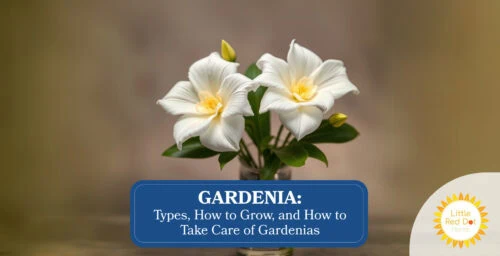
Gardenia is a genus of flowering plants in the coffee family (Rubiaceae) found in tropical and subtropical parts of Africa, Asia, Madagascar, the Pacific Islands, and Australia. Gardenias are fragrant flowers recognised for their delicate beauty and luxuriant appearance. The flowers are creamy white, with a waxy texture and a rosette shape resembling a perfectly formed spiral. Gardenias are a favourite in floral arrangements and gardens because of their strong, sweet scent.
The gardenia’s dark green, glossy, leathery leaves are as eye-catching as its immaculate white blooms. They enhance the plant’s entire appeal. Gardenias are hardy plants that thrive in warm, humid environments with well-drained, acidic soil. They need careful attention, such as regular watering and protection from extremes in temperature. Gardenia flowers are susceptible to pests such as aphids, scales, and whiteflies, hence regular examination and pest management are required to keep them healthy.
Gardenias grow at a slow to moderate speed, requiring several years to reach full size. Gardenias are a rewarding choice for gardeners who value their classic beauty because they live for several years, depending on the type. They are harmful to pets such as cats and dogs if eaten, so take precautions while placing them near animals. The “gardenia flower meaning” has various symbolic importance.
Gardenias are a common choice for weddings and other romantic events since they are connected to purity, love, and refinement. The flowers signify hope and clarity, associated with peace and fresh starts. Gardenias are admired not for their aesthetic appeal but for the feelings they trigger due to their magnificent blossoms and profound symbolic meaning. Gardenias live for up to 50 years outside if properly cared for.
What is a Gardenia?
Gardenia is a flowering plant genus that varies from big shrubs to small trees. The gardenia flowers have leathery leaves and white blooms that differ in size from two to five inches. They produce intense flower scents and have single or many petals. Carl Linnaeus and John Ellis named the genus after Scott Alexander Garden (1730-1791), a Scottish naturalist. Gardenia Jasminoides (cape jasmine) was the first to identify in 1961.
Gardenias are sensitive shrubs planted as houseplants and produce sweet summer flowers. Gardenias are grown outside. Growing them is challenging, but giving them the proper amount of light, warmth, and hydration, is rewarded with blooms for months. Gardenias are one of the “flowers that mean love,” popular in flower arrangements and gifts.
What does a Gardenia look like?
A gardenia looks like a tubular flower and is produced individually or in tiny groups. The blossoms have a strong smell. The sticky orange pulp is found inside the huge berry-like fruits. The glossy evergreen leaves of gardenias are clustered in spirals or opposite to one other.
Gardenia flowers are hermaphrodite or bisexual. It means that each one has male and female structures. The flowers vary among species, but most have a funnel- or cylindrical-shaped corolla tube. They are elongated and narrow distally, covered by 5-12 or more lobes (petals) twisted or arranged in an overlapping pattern.
What does Gardenia Symbolise?
Gardenia symbolises everything involved with pure attraction and the spiritual world. Gardenias are represented in art, poetry, and literature, symbolising purity, grace, and beauty. They bring serenity, spiritual enlightenment, and flawless beauty. The flowers have special value at weddings, expressing love, trust, and innocence. The flowering plants signify endurance and fortitude, as they thrive in environments that require care and attention.
Gardenia flowers have symbolic spiritual value, making each blossom special. The “gardenia flower meaning” is indicative of security, introspection, and aspirations. Gardenia is a pure flower in different regions of Asia, according to their beliefs, these flowers convey clarity and tranquillity and must be included in bridal bouquets.
What are Some of the Best Species of Gardenia?
Some of the best species of gardenias are listed below.
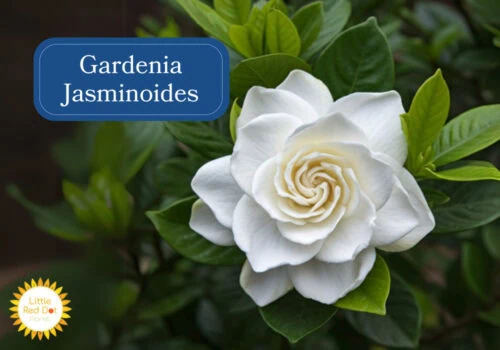
- Gardenia Jasminoides: The gardenia jasminoides is the most common and cultivated gardenia species. It is popular in gardens and for ornamental purposes because of its creamy white, fragrant flowers and glossy, dark green leaves.
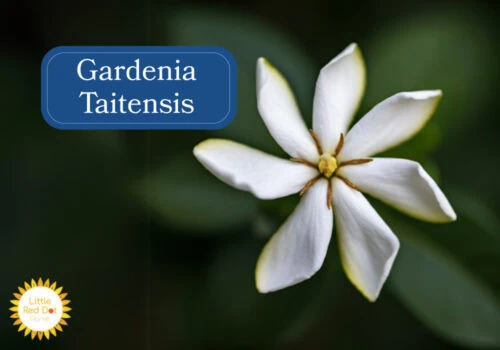
- Gardenia Taitensis: The gardenia taitensis is native to Polynesia and is valued for its cultural significance in the Pacific Islands, where it is utilised in leis and traditional ceremonies.
- Gardenia Thunbergia: The gardenia Thunbergia is a South African native. Its hardiness and distinctive characteristics are recognised, including a towering, tree-like growth habit and huge, tubular blooms.
- Gardenia Brighamii: The gardenia brighamii is an uncommon gardenia species, which is native to Hawaii. Gardenia brighamii is valued for its ecological and cultural importance. It grows into a small tree or shrub, producing tiny, creamy-white blooms.
1. Gardenia Jasminoides
Gardenia Jasminoides (gardenia or cape jasmine) is an evergreen plant indigenous to Southeast Asia. Gardenia Jasminoides’ bushy branches and fragrant white summer blossoms make it a popular garden and houseplant choice. It was brought to English gardens in the middle of the 18th century after having grown in China for over a millennium.
Gardenia Jasminoides is a shrub with cylindrical to flat branches, caducous hairs, and leaves that grow in opposing pairs or groups. The leaves are elliptic, measuring 3–25 cm in length by 1.5–8 cm in width. There are eight to fifteen pairs of secondary veins on the leaves. The solitary, terminal flowers are white, matte, and fragrant, flowering in the summer and autumn. Fruits with oval shapes follow. The price of gardenia jasminoides ranges from S$18.00 to S$38.00.
Gardenia flowers are utilised in tea, fabrics, and confections, and have anti-inflammatory and antipyretic properties. They are used to treat atopic dermatitis and fever-related illnesses in Chinese medicine. Heavy consumption of gardenia fruit extract was related to a case of blue-grey skin discolouration in 2020.
The conservation efforts for gardenia jasminoides aim to promote sustainable production and limit habitat loss, particularly in regions where the plant is native or has become naturalised. Gardenias require specific growing circumstances, thus maintaining healthy populations in botanical gardens and raising awareness among gardeners about correct care is critical for survival.
Gardenia Jasminoides has important cultural significance in many different traditions. It represents purity, refinement, and secret love in Victorian floral language, making it a favourite choice for romantic gestures. It symbolises harmony and serenity in East Asian cultures and is associated with grace and spiritual enlightenment. Gardenia Jasminoides’s enduring beauty and adaptability have solidified its status as a beloved plant across the globe.
2. Gardenia Taitensis
Gardenia Taitensis (Tahitian gardenia or tiaré flower) is a genus plant in the Rubiaceae family. Gardenia Taitensis is an evergreen tropical shrub endemic to the South Pacific that is distinguished by its glossy dark green foliage and fragrant, pinwheel-shaped blooms. It is the official flower of French Polynesia and the Cook Islands. The leaves are orientated in opposing directions, with oval to elliptic blades and glabrous stipules. Its apex and base are circular, and its leaves are packed together to the extremities of the branches. The plant has fragrant, big white pinwheel flowers.
Gardenia Taitensis has several uses beyond a decorative plant. It is a key component of monoi oil, a conventional Polynesian product created by combining coconut oil with the essence. Monoi oil is a popular ingredient in skin and hair care products due to its moisturising and calming effects. Polynesian cultures utilise the flowers in leis and garlands to symbolise welcome, love, and respect. Its aroma is popular in the perfume business, producing the spirit of a tropical paradise. The cost of gardenia taitensis is around S$16.16 in a 4-inch pot.
Gardenia Taitensis conservation efforts include preserving its natural habitats in Polynesia, an important component of local ecosystems and traditions. Global demand for the flower and its derivatives has fuelled efforts to ensure sustainable cultivation and propagation. Botanical gardens and research institutions help to preserve the iconic plant by investigating its growth requirements and raising awareness about its ecological relevance.
Tahiti and Hawaii are two Polynesian islands with a long history of using Gardenia taitensis. The Tiaré flower is a national symbol of French Polynesia. It is common in traditional rites, dances, and decorations. It is placed behind the ear to indicate a person’s relationship status. Singles wear it on the right, while individuals in a relationship wear it on the left. Gardenia Taitensis is a botanical gem and a cultural symbol of the tropics because of its connection to the island’s identity and affiliation with love, peace, and hospitality.
3. Gardenia Thunbergia
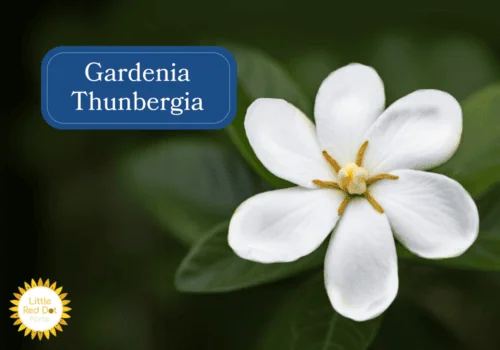
Gardenia Thunbergia (forest or white gardenia) is a stunning evergreen shrub or small tree indigenous to South Africa. The gardenia variety is distinguished by its tall, upright growth habit, which reaches 15 feet in height, and its huge, tube-shaped white blooms. The flowers are fragrant and blossom during the summer and autumn. They have a distinctive star-shaped appearance with a waxy feel. The leaves are glossy and dark green, giving an attractive backdrop for the flowers. The gardenia produces enormous, woody, greyish-green fruits that remain on the plant for years, adding to its visual appeal.
Gardenia Thunbergia is valued for its several uses. Gardenia Thunbergia is used in landscaping to create spectacular focal points in gardens or as a decorative border. It is popular on patios or walkways where the aroma is breathed up close because of its fragrant blossoms. The plant has traditional therapeutic applications in its native areas, where it is used to cure various diseases, including fever and infections. The plant’s sturdy wood is used to make small objects and tools. The price of gardenia thunbergia is approximately S$471.19.
Gardenia Thunbergia conservation efforts are centred on maintaining its natural habitat in South Africa, where urbanisation and agricultural expansion endanger native plant populations. Initiatives include cultivating the plant in botanical gardens and promoting its usage in sustainable landscaping, which helps lessen the strain on wild populations. Seed propagation and environmental education are important components of conservation methods.
Gardenia Thunbergia is valued for its beauty and strength in culture. It is a treasured representation of grit and tenacity in South Africa and is connected to the area’s natural beauty. The plant’s adaptability to different environments and its durable fruit serve as symbolic reminders of tenacity and legacy. Gardenia Thunbergia is a popular plant in gardens and its natural habitat because of its exceptional aesthetic and ecological qualities.
4. Gardenia Brighamii
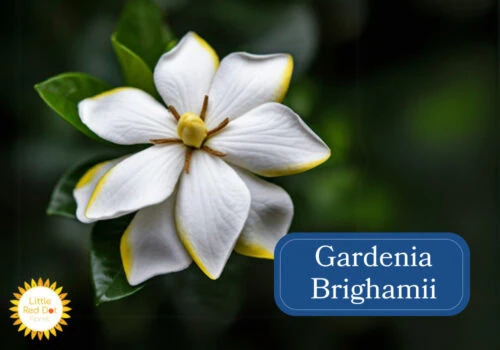
Gardenia Brighamii (Hawaiian Gardenia or Nānu) is a rare and endangered plant indigenous to the Hawaiian Islands. The evergreen shrub or small tree grows up to 15 feet tall and is famed for its exquisite creamy-white blossoms. The tubular flowers have a star-like shape and smell pleasant and delicate. The plant’s leaves are leathery, oval-shaped, and glossy green, creating an appealing backdrop for its blossoms. Gardenia Brighamii’s fruit is small and round, and when it reaches maturity, it becomes yellowish, which enhances its aesthetic appeal in contrast to other gardenia varieties.
Gardenia brighamii’s uses are limited due to scarcity, although once important to Hawaiian culture. Native Hawaiians used the wood from the tree to build tools, weapon handles, and decorative things. The flowers, with their delicate perfume, were once used for ornamentation, but their scarcity has rendered them more symbolic than functional in current times. The price of gardenia brighamii varies on the number of seeds per pack or the size of the plant.
Gardenia Brighamii is classified as endangered due to habitat loss, invasive species, and limited natural regeneration. The main objectives of the programs are reintroduction into protected areas, propagation in botanical gardens, and habitat restoration. Organisations in Hawaii aim to raise awareness of the island’s ecological and cultural significance, guaranteeing its survival for future generations. Seed banking and controlled propagation are used to protect such species.
Gardenia Brighamii is hailed as a symbol of Hawaii’s unique biodiversity and heritage. Gardenia Brighamii’s rarity serves as a reminder of the fragility and importance of maintaining native Hawaiian plants. It represents the connection between the land and the people of Hawaii, as a reminder of the islands’ natural beauty and the importance of sustainable practices to safeguard the ecosystem.
What are the Different Colours and Meanings of a Gardenia?
The different colours and meanings of gardenias are listed below.
- White: White gardenia blossoms are unique to different gardenia colours because they symbolise purity, serenity, harmony, and peace. The flowers used at weddings symbolise enduring love and respect between two people.
- Red: The Red Gardenia symbolises love at first sight. A desire for profound love and promises is what everyone needs. They are perfect for conveying intense feelings and are given as an act of respect or love.
- Orange: The orange gardenia blossoms represent hope. They are a wonderful option for festivities and get-togethers as they represent good energy and provide brightness to the entire area.
- Yellow: The yellow gardenia flowers signify dreams. They are connected with warmth and the sun, perfect for raising someone’s spirits or commemorating a fresh start.
- Pink: Pink gardenia flowers symbolise beauty and rejuvenation. The pink gardenia meaning signifies femininity, tender feelings, and admiration.
How to Grow Gardenias?
To grow gardenias, follow the eight steps listed below.
- Use an organic matter-enriched soil mix, such as compost or peat moss, for improved drainage and nutrient content. Gardenias do not tolerate damp roots.
- Gather and rinse seeds from dehydrated seed pods, and place them in a sunny window to dry for three to four weeks. Cover the seeds with a thin layer of 1/8 inch of potting mix and plant them in peat moss and perlite.
- Keep the seeds wet and away from direct sunshine until they sprout (about four to six weeks). Transfer the seedlings into pots with peat-based potting soil when they are a few inches tall.
- Keep them growing indoors in a bright spot. Location is important for them to grow well.
- Move the seedlings to the garden when they have at least three sets of leaves.
- Avoid watering gardenias too much to prevent root rot. Enough water is keeping the soil moist, particularly during dry periods.
- Fertilise during the growing season, which normally runs from spring to summer. It fosters healthy growth and blooming.
- Prune gardenias regularly to ensure improved air circulation and help them keep their shape. Gardenias are shaped, and dead or damaged branches are removed by pruning them after blooming.
Gardenias grow moderately, depending on the variety, care, and environmental factors. Warm temperatures, high humidity, acidic soil, and regular maintenance are ideal. Larger types develop to a height of 4 to 8 feet, while dwarf varieties grow slower. Growth and development are maximised by consistent care.
When to Plant Gardenias?
Plant gardenias on fall or six weeks before the first frost in milder temperatures, and spring for zones with colder temperatures, depending on the location. Gardenias establish their roots before the summer heat, therefore spring is the best time to plant them too. Early fall is another excellent time in countries with mild winters, giving the plant a head start before cooler weather arrives.
Plant the gardenia shrub in acidic (pH 5.0-6.5), humus-rich soil and deliver a good chance for drainage. Gardenias’ growing season lasts from late spring to summer, with flowers blooming at their peak. Gardenias are susceptible to cold and hot temperatures, so avoid growing them during extreme cold or heat. Gardenias thrive well and produce their signature fragrant blossoms by planting at the right time and under the proper conditions.
What are the Common Challenges in Growing Gardenias?
The common challenges in growing gardenias are listed below.
- Yellowing Leaves: Inappropriate environmental factors, such as suboptimal temperatures or inadequate light, can also result in yellowing of the leaves. Gardenia is vulnerable to pests, fungi, and diseases under stress.
- Leaf or Bud Drop: Gardenias have bud and leaf loss caused by cold temperatures, irregular watering, poor soil drainage, and inadequate light.
- Pests and Diseases: Gardenias get damaged by insects such as scales, aphids, and whiteflies, necessitating regular treatment. Preventing them with horticultural oils, soaps, and organic treatments is critical. Fungal remedies are available for other pests including regrowth, leaf spot, and powdery mildew.
What are the Best Tips for Growing Gardenias?
The best tips for growing gardenias are listed below.
- Mulching: Covering the base with an organic mulch layer is gardenia plant care, such as wood chips or pine bark. Mulch helps gardenias maintain the acidic pH they require, control temperature, and hold onto soil moisture.
- Right Location: Pick a location that receives plenty of indirect sunlight. Morning sun and afternoon shade are ideal for gardenias. Arrange them near a south or east-facing window to provide plenty of filtered light without being exposed to the intense noon sun.
- Consistent Water: Gardenias require damp but not saturated soil. Water them when the top inch of soil feels dry to ensure the roots receive enough moisture. Avoid soaking the leaves to prevent microbial infections and use lukewarm water to avoid overwhelming the plant.
- Protection from Frost: Gardenias in cooler climates must be protected from frost by covering them with hessian or frost cloth in the winter. Bring potted gardenias inside to a warm, sunny spot.
- Pests and Diseases Management: Monitor for aphids, spider mites, and whiteflies regularly. Use insecticidal soap or neem oil to treat infestations. Maintain excellent air circulation and avoid overhead watering to prevent fungal concerns like powdery mildew.
How to Take Care of Gardenias?
To take care of gardenias, follow the five steps listed below.
- Place the gardenias with enough bright light. Indoor potted gardenias want strong light but not direct sunlight and must be placed in sunny windows with afternoon shade. Outdoor gardenias prefer somewhat shaded areas.
- Prepare the soil. Gardenias favour lower pH, acidic soil, found in potting mixes that contain peat. Consider adding agricultural sulphur, one of the gardenia care, for further benefits when planting, testing, and adjusting the soil pH.
- Water the gardenias accordingly. Gardenias need one inch of water per week, either by hand or rain, to avoid fungal leaf spots. Cut back on winter watering and keep the soil moist for potted gardenias.
- Maintain proper temperature and humidity. Gardenia thrives in high temperatures above 60 degrees Fahrenheit and high humidity, which needs a humidifier or continuous misting during severe winters.
- Add fertiliser. Gardenias must be fertilised with acid-rich fertiliser in mid-March and late June. Container plants need them every three weeks for flower care tips, with organic growers preferring blood meal, fish emulsion, or bone meal.
Are Gardenias Hard to Care for?
Yes, gardenias are hard to care for due to distinctive water, light, and soil pH essentials. Gardenias flourish in warm, humid regions and need well-drained, acidic soil rich in organic matter. Maintaining the proper balance of sunlight and shade is one of the most difficult aspects. Gardenias enjoy bright, indirect light but suffer from harsh direct sunlight or insufficient lighting. They are susceptible to changes in temperature, whether extensively hot or cold conditions that stress or harm the plant.
Gardenias require regular monitoring and management for diseases like powdery mildew, root rot, and pests like aphids and spider mites. Watering is crucial because they requires consistent moisture without becoming saturated. Gardenias reward gardeners with beautiful blooms and an alluring scent, making the effort worthwhile, provided the flowering plants receive the right care and awareness of their particular necessities.
What are the Challenges in Taking Care of Gardenias?
The challenges in taking care of gardenias are listed below.
- Temperature and Humidity Levels: Gardenias prefer temperatures ranging from 65°F to 75°F (18°C to 24°C) and high humidity, making them sensitive to unexpected temperature changes, frost, or dry circumstances.
- Enough Water: Watering is another challenging part of gardenia care. Gardenias need soil, which is constantly moist, but vulnerable to overwatering. It ends up in root rot, and underwatering, which causes stress and wilting. Maintaining a balance between moisture levels is essential but challenging.
- Pests and Fungal Diseases: Gardenias are at risk from pests like aphids, spider mites, and whiteflies, which harm the plant and reduce its health. They are prone to fungal diseases, brought on by inadequate air circulation or high humidity levels.
- Winter Challenge: Winter care is challenging, particularly in colder climates. Gardenias are frost-sensitive and need additional protection outside or careful adjustments to light, temperature, and humidity levels throughout the winter months.
What are Gardenias Used For?
The used for gardenias are listed below.
- Gifts: Gardenias are considered valuable plants for their stunning beauty, symbolic significance, and versatility, making them appropriate for various situations and showing affection, deep love, or pity.
- Candles: Many people utilise gardenia smell in candles to produce a creamy, thick, and heavy scent. The scent of a gardenia flower candle is a lovely addition to a home if one has strong, powerful blooms.
- Medicinal Uses: Gardenias have been used in traditional Chinese medicine for thousands of years. They give anti-inflammatory, calming, and detoxifying qualities, particularly in fruits, flowers, and roots of the best species.
- Decorative Purposes: Gardenias have glossy green leaves and scented flowers. They are popular in landscaping, gardening, and interior design, improving outdoor environments while adding elegance and perfume.
- Cosmetics and Fragrances: Gardenias are famous for their enticing aroma and are utilised in perfumes, cosmetics, and skin and hair care products. Gardenia taitensis is used to make coconut oil in Polynesia.
Is Gardenia used in many Occasions?
Yes, gardenia is used on many occasions. Gardenias are utilised at weddings for bridal bouquets, corsages, boutonnieres, and table centrepieces, making it one of their most common uses. They are perfect for honouring the closeness and purity of marriage due to their sweet aroma and immaculate white flowers. They are used for celebrating anniversaries, signifying unwavering commitment and affection.
Gardenias are used in funerals and memorial services, where their white blossoms symbolise serenity, recollection, and sympathy. Gardenias are used as sophisticated hair accessories or in exquisite floral arrangements for formal events like receptions and gala banquets.
The Tahitian gardenia (Gardenia taitensis) is utilised in leis and as a symbol of hospitality, love, and respect in cultural celebrations, particularly within Polynesian customs. They are given gifts for Mother’s Day, Valentine’s Day, and different events to show gratitude and affection. Gardenias are famous flowers for all occasions due to their adaptability.
What are Interesting Facts about Gardenias?
The interesting facts about gardenias are listed below.
- Origin: Gardenia (Cape Jasmine) is originated in Southeast Asia. Their native environments are savannas and woods, where they thrive in acidic, well-drained soil.
- Broad History: The gardenia flower conceals more than one history and mystery. These plants have grown for thousands of years, including in China, where they were used in conventional medicine and praised for their beauty.
- Favourite Flower: The French designer Coco Chanel’s favourite flower was the gardenia. American singer Billie Holiday used gardenia blossoms for hair. Their associations with purity, love, and refinement make them a favourite pick for weddings, anniversaries, and other special occasions.
- Cold Temperature: Several uncommon gardenia species are unsusceptible to temperatures as low as -18 °C. They require protection in colder climates during the winter and suffer from frost. Gardenia Augusta Grandiflora is one example of it. It is most common in France.
What are the other Flowers with their Symbolism?
Other flowers with their symbolism are listed below.
- Orchids: Orchids are like gardenias as they are adaptable and used to show grace and admiration to the occasion. White orchids are included in the “flower symbolism list” that signify beauty, elegance, and purity.
- Roses: Gardenias are similar to white roses as they are signs of innocence, purity, and affection. They are picked for formal occasions like weddings. The two flowers are distinguished by their white colour and connotations of elegance and love.
- Peonies: Peonies are one of the “list of flowers and their meanings” for honour, romance, and prosperity. White peonies are associated with peace and serenity. The flowers are well-liked alternatives for romantic weddings.
- Jasmines: The jasmine plant symbolism signifies passion, love, and purity. Its fragrant white blossoms are frequently connected to grace and elegance. Gardenia and jasmine flowers are used in spiritual ceremonies, perfumes, and weddings because of their strong scents.
- Lilies: White lilies are included in the list of flowers and their meanings. They are used at weddings and funerals to show virtue, purity, and rebirth. Gardenias and lilies are used to remember important milestones related to innocence.