
Hibiscus: Types, How to Grow, and How to Take Care of Hibiscus
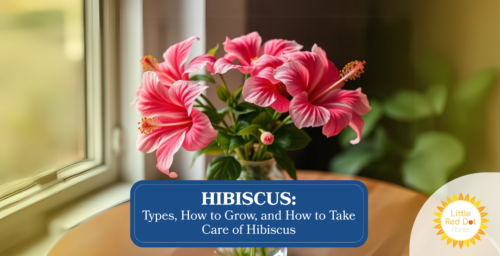
Hibiscus is a flowering plant genus characterised by big, showy blooms and a tropical appearance. The hibiscus flower is trumpet-shaped and has five or more petals in colours red to pink, yellow, orange, and white. Hibiscus leaves are oval to lance-shaped and have serrated edges. They grow alternately on the stems.
Warm regions and well-drained soil with lots of sunlight are ideal for the plant’s modest durability. Hibiscus plant is pest-resistant if left unattended, insects such as spider mites, aphids, and whiteflies harm it. Hibiscus grows swiftly in favourable circumstances, reaching maturity in 1 to 2 years. The lifespan of the plants varies depending on the variety and level of maintenance and hibiscus care, but for perennial types, it lasts between five and ten years.
Most hibiscus species are harmless for people and dogs, and some are used in beverages and cooking. It is better to verify the species before using, though. Hibiscus flowers have a complex symbolism across cultures and contexts, expressing beauty, love, and the ephemeral aspect of life due to their delicate blooms.
What is a Hibiscus?
Hibiscus is known for its eye-catching, enormous, and colourful flowers in various colours. The tropical and subtropical genera are known for their beauty and are used as ornaments in gardens, landscapes, and houses. Hibiscus is well-known for its cultural and therapeutic value and its aesthetic appeal.
Hibiscus sabdariffa is one of the species utilised for creating hibiscus tea, which is valued for its tart taste and health advantages, including cardiovascular support and better digestion. Hibiscus is a common option for leis, decorations, and ritual offerings because it represents beauty, love, and hospitality in many cultures. The hibiscus has become a well-known representation of paradise and leisure due to its capacity to flourish in warm settings and its connotation of tropical elegance.
What does a Hibiscus Flower look like?
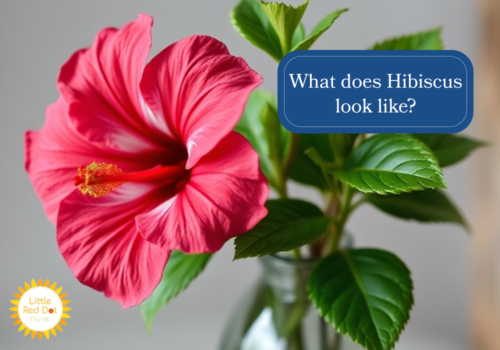
The hibiscus flower looks like a huge, trumpet-shaped flower with five or more petals in brilliant colours, such as red, pink, yellow, orange, and white. The flowers feature a prominent central stamen surrounded by delicate, velvety petals, giving them an exotic and striking appearance. Hibiscus leaves grow alternating the stems and are oval in form, glossy, and serrated on the edges.
Hibiscus stems are smooth and woody in mature plants, supporting the branches that spread out to form a bushy or straight form. The branches are flexible and covered with luxuriant foliage, which adds to the plant’s diversity. Hibiscus plants have no thorns or spines, making them easy to handle and cultivate. Their colourful flowers and entire structure give gardens and landscapes a tropical and welcoming appearance.
What does Hibiscus Symbolize?
Hibiscus symbolises love, passion, and unity in marriage ceremonies and weddings. Hibiscus flower meaning has significant symbolic implications in many cultures, reflecting beauty and the ephemeral aspect of life. Their tiny, colourful flowers underscore the fleeting nature of beauty and the value of savouring the present. Hibiscus is commonly used to portray notions of sensuality and natural beauty in art, and it generally represents femininity, grace, and exotic allure. Hibiscus is a common flower for floral arrangements and decorations in celebrations with a tropical theme.
The flower’s capacity to flourish in harsh environments represents fortitude and resiliency, highlighting the fortitude needed to triumph over hardship. Hibiscus represents devotion and energy in spiritual contexts, particularly in cultures where it is dedicated to gods. The hibiscus flower is versatile and speaks to themes of life, love, and tenacity, whether used in art, cultural ceremonies, or personal symbolism.
What are Some of the Best Species of Hibiscus?
Some of the best species of hibiscus are listed below.
- Hibiscus Syriacus: The deciduous shrub with vibrant flowers that bloom from late summer to autumn, represents perseverance and solidarity. It is South Korea’s national flower.
- Hibiscus Moscheutos: A perennial plant native to North America that produces huge, 12-inch-diameter flowers. It thrives in wetland environments, supplies pollinators nectar, and has ecological and aesthetic advantages.
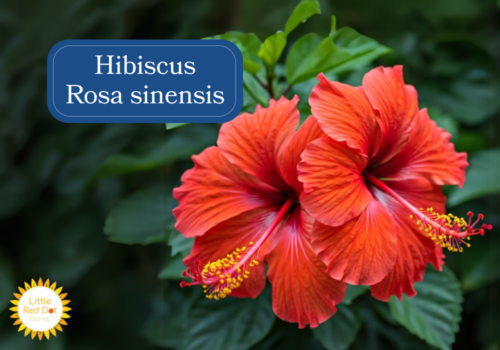
- Hibiscus Rosa-sinensis: Tropical shrubs that grow in tropical and subtropical climates and have glossy leaves, colourful flowers, and full sunlight are utilised as ornamental plants and in traditional medicine
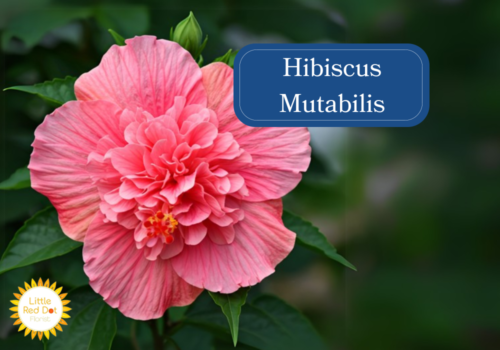
- Hibiscus Mutabilis: An evergreen plant or tree with distinctive pink flowers, representing metamorphosis, beauty, purity, and prosperity in Chinese culture.
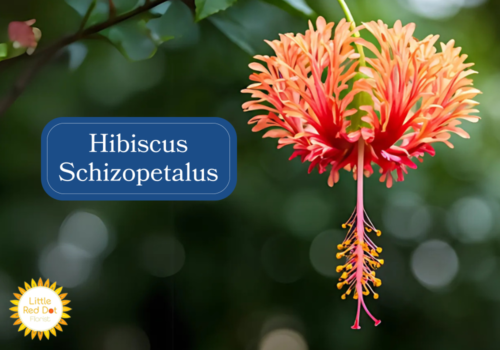
- Hibiscus Schizopetalus: The species is recognised for its distinct, exotic-looking coral-red or pink blossoms. It is a popular ornamental plant in warm tropical areas, symbolising grace, beauty, and exotic appeal.
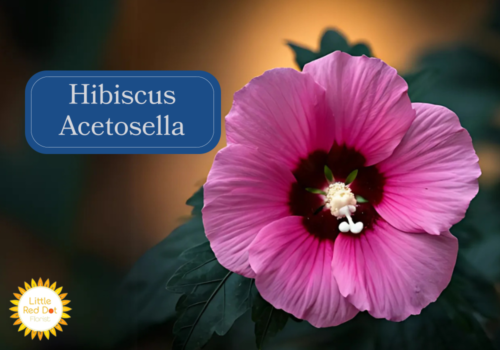
- Hibiscus Acetosella: A perennial shrub with pink flowers and dark red foliage. It is valued for its aesthetic qualities and cooling and anti-inflammatory benefits in traditional African medicine.
1. Hibiscus Syriacus
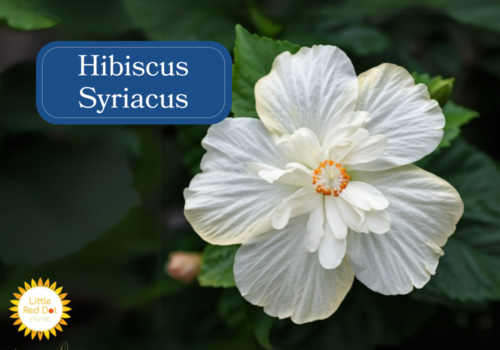
Hibiscus Syriacus (Rose of Sharon). Hibiscus Syriacus is from the Malvaceae family. It is a deciduous flowering shrub native to East Asia. The plant is famous for its showy, trumpet-shaped blooms that appear in shades of white, pink, lavender, and blue, often with an opposing central eye.
The flowers are smaller than tropical hibiscus and blossom from late summer to early fall, providing vibrant colour when other plants have completed flowering. The leaves are lobed, medium green, and arranged alternately on smooth, woody stems. Hibiscus syriacus is adaptable, thriving in different soils and climates, and it grows up to 8 to 13 feet tall, making it a popular choice for borders and landscaping.
The sturdy shrub has several uses, including as an ornamental plant in gardens and public spaces, and its flowers are sometimes utilised in conventional medicine for their mild therapeutic properties. It is a source of nectar for pollinators like bees and butterflies.
Conservation efforts for Hibiscus syriacus focus on promoting biodiversity by planting it in urban and rural areas to support pollinator populations. Its resilience and ability to thrive in diverse environments make it a valuable addition to sustainable landscaping practices. The cost of Hibiscus Syriacus is around S$17.49 for a size of 1 to 1.5 feet bare-root.
Hibiscus syriacus holds significant symbolism in various regions. It is the national flower of South Korea, representing endurance, immortality, and the unyielding spirit of the Korean people. It symbolises beauty and strength, as a living reminder of perseverance and hope. The species is cherished worldwide for its botanical charm and cultural importance.
2. Hibiscus Moscheutos
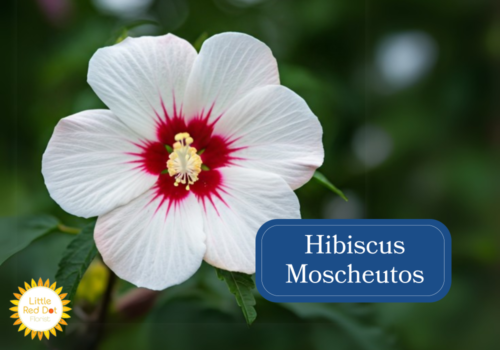
Hibiscus Moscheutos (Swamp Rose Mallow or Hardy Hibiscus) is a perennial flowering plant native to wetlands and marshes in North America. Hibiscus moscheutos is known for its striking, large blooms that reach up to 12 inches in diameter, with petals in shades of white, pink, red, or bi-coloured patterns. The plant has heart-shaped or ovate leaves with a little fuzzy texture, arranged alternately along its sturdy, herbaceous stems. Hibiscus moscheutos thrives in moist, well-drained soils and full sun, making it a popular choice for gardens, particularly in areas with high humidity or near water features.
Hibiscus species are valued for ornamental and ecological purposes. Its vivid flowers are a favourite among gardeners, adding a tropical flair to temperate landscapes. It provides a vital source of nectar for pollinators such as bees, butterflies, and hummingbirds. Its roots and flowers have been used in traditional medicine to treat minor ailments.
Conservation efforts for Hibiscus moscheutos focus on preserving its natural wetland habitats, which are threatened by urban development and climate change. Planting it in home gardens and restoration projects helps support pollinators and maintain biodiversity in wetland ecosystems. The cost of Hibiscus Moscheutos is around S$33.60 for a 1-gallon pot.
Hibiscus moscheutos symbolises beauty, resilience, and adaptability, reflecting its ability to thrive in challenging environments. Its bold flowers make it a centrepiece in floral arrangements and garden designs, associated with themes of renewal and connection to nature. The hardy hibiscus embodies the delicate balance between strength and elegance, making it a beloved plant in natural and cultivated landscapes.
3. Hibiscus Rosa-sinensis
Hibiscus Rosa-sinensis (Chinese Hibiscus or Hawaiian Hibiscus) is a stunning evergreen shrub native to East Asia but cultivated worldwide in tropical and subtropical regions. Hibiscus Rosa-sinensis is famous for its enormous, trumpet-shaped flowers with five or more petals in vibrant colours, with a contrasting central stamen column. The glossy, dark green leaves are ovate with serrated edges, providing a lush backdrop to the plant’s striking blooms. Hibiscus rosa-sinensis thrives in well-drained soil and full sunlight, making it a favourite for ornamental gardens, fences, and container planting.
The hibiscus species is adaptable in its uses. It is grown as an ornamental plant for its striking flowers. The blooms are used in traditional medicine for their soothing and anti-inflammatory properties. The flowers are edible and used in teas, salads, and garnishes. The petals create natural dyes or hair care products, such as shampoos and conditioners.
Conservation efforts for Hibiscus rosa-sinensis focus on promoting sustainable cultivation and preserving genetic diversity among its many hybrids. Habitat loss and over-cultivation of specific varieties threaten its natural diversity. Encouraging the planting of native hibiscus species alongside hybrids helps maintain ecological balance. The price of Hibiscus Rosa-sinensis is approximately S$154.81 for a size of 4 to 6 feet size.
Hibiscus rosa-sinensis holds profound significance. It is the national flower of Malaysia, symbolising unity and resilience. The flower is associated with femininity, beauty, and tropical allure, often used in leis and festive decorations. Hibiscus rosa-sinensis continues to captivate gardeners and cultural enthusiasts worldwide with its vibrant presence and rich symbolism.
4. Hibiscus Mutabilis
Hibiscus Mutabilis (Confederate Rose or Cotton Rose) is a flowering shrub or small tree native to China but grown in warm climates. Hibiscus Mutabilis is renowned for its unique blooms, which change colour over a day from white or pale pink in the morning to deep pink or red by evening. The flowers are large, often double-petaled, and reach up to 6 inches in diameter, creating a dramatic and dynamic display. Its leaves are large, lobed, and velvety, resembling a maple tree.
Hibiscus mutabilis grows rapidly, reaching heights of 6 to 15 feet, and thrives in well-drained soil with full sun to partial shade. The species is valued for ornamental and practical purposes. Its striking flowers make it a popular choice for gardens, parks, and public spaces, while its historical use in traditional medicine includes treatments for inflammation, skin conditions, and fever. The plant is grown for its fibres, which are utilised in making ropes or textiles.
Conservation efforts for Hibiscus mutabilis focus on maintaining its genetic diversity and promoting sustainable cultivation practices. Preserving its natural habitats and encouraging planting in home gardens help ensure its continued availability and ecological contributions. The price of Hibiscus Mutabilis is around S$47.07 for a size of 4 to 6 feet.
Hibiscus mutabilis symbolises transformation and the fleeting nature of beauty, reflecting the flower’s colour-changing properties. Chinese tradition associates it with purity, prosperity, and a cyclical nature. The plant’s ability to thrive in challenging conditions has made it a sign of resilience and adaptability. Hibiscus mutabilis remains cherished in gardens and landscapes across the globe because of its striking beauty and rich cultural heritage.
5. Hibiscus Schizopetalus
Hibiscus Schizopetalus (Fringed Rosemallow or Japanese Lantern) is a tropical flowering plant native to East Africa. Hibiscus Schizopetalus is distinguished by its unique, pendulous flowers with deeply fringed, lacy petals that curl backwards, giving it an elegant, exotic appearance. The flowers are coral-red or pink and hang from thin, arching stems. The plant has glossy, green, ovate leaves with serrated edges and grows up to 9.8 feet tall in ideal conditions, often forming a cascading shrub or small tree. It thrives in warm climates, requiring full sun to partial shade and well-drained soil.
The species is cultivated as an ornamental plant, admired for its striking and unusual flowers that add a tropical flair to gardens, landscapes, and indoor settings. Its flowers are used in floral arrangements and traditional medicine for their mild therapeutic properties. The cost of Hibiscus Schizopetalus is around S$30.96 for a 5-gallon pot.
Conservation efforts for Hibiscus schizopetalus focus on preserving its natural habitats, which are threatened by deforestation and habitat loss. Encouraging cultivation in botanical gardens and home landscapes helps maintain its genetic diversity and promotes awareness of its ecological importance.
Hibiscus schizopetalus symbolises grace, beauty, and exotic allure due to its intricate and delicate floral structure. It is associated with themes of creativity and uniqueness, reflecting its distinct appearance among hibiscus species. The plant captures the imagination and continues to be a favourite for gardeners and flower enthusiasts worldwide.
6. Hibiscus Acetosella
Hibiscus Acetosella (Cranberry Hibiscus) is a striking perennial shrub native to tropical Africa. Hibiscus Acetosella is known for its deep red or purple leaves, which give the plant a dramatic and ornamental appearance. The flowers are smaller than those of other species, with colours varying from pink to red, and they contrast beautifully with the plant’s dark foliage. The plant grows up to 3 to 5 feet tall and prefers warm, sunny conditions with well-drained soil, making it a popular choice for gardens and landscapes where it adds vibrant colour and texture.
Hibiscus Acetosella is cultivated for its ornamental value, as its unique foliage and flowers make it an eye-catching addition to gardens. The leaves of the plant are used in traditional medicine, where they are believed to have mild medicinal properties, including anti-inflammatory and cooling effects. The plant is sometimes used in herbal teas, though it is less common than other species. The price of Hibiscus Acetosella is approximately S$28.21 for a size of 8 feet.
Conservation efforts for Hibiscus acetosella focus on preserving its natural habitat and promoting sustainable cultivation. While not endangered, it is important to protect the species from habitat loss and ensure that it is cultivated in ways that do not threaten its wild populations. Promoting the use of this plant in home gardens and public spaces helps to maintain its presence and ecological value.
Hibiscus acetosella symbolises resilience and beauty, with its bold red leaves representing strength. The plant is associated with traditional healing practices, and its vibrant appearance is seen as a symbol of health and vitality. The plant’s adaptability and striking features have made it a popular choice for gardeners seeking to add colour and uniqueness to their landscapes.
What are the Different Colours and Meanings of a Hibiscus?
The different colours and meanings of a hibiscus are listed below.
- Red: Red hibiscus are used in romance and offerings to deities. They are a symbol of love, passion, and intense emotions.
- Pink: Pink hibiscus is used at weddings and ceremonies because of its beauty and elegance. It represents femininity, tenderness, and friendliness.
- Yellow: Yellow hibiscus is a joyful gift or decoration for festive events because it represents happiness, sunshine, positivism, good fortune, joy, and friendship.
- Orange: Orange hibiscus is recognised for its brilliant colour, and represents excitement, vitality, and warmth. They are connected with confidence, success, and bravery, making them a popular option for dynamic arrangements based on the hibiscus flower meaning.
- White: White hibiscus is a common option for religious or meditative situations because it represents purity, innocence, spiritual enlightenment, calm, divine connection, and fresh beginnings in various cultures.
- Blue: Blue hibiscus is a great option for personal development and creativity as it represents inspiration, freedom, and peace. They encourage candid conversations and the pursuit of dreams.
- Purple: Purple hibiscus is a beautiful addition to gardens, associated with transformation and magic. The purple hibiscus meaning symbolises mystery, royalty, spiritual awareness, knowledge, elegance, and enchantment.
How to Grow Hibiscus?
To grow hibiscus, follow the nine steps listed below.
- Choose a hibiscus species appropriate for the climate. Tropical hibiscus flourishes in warm, frost-free conditions, while hardy hibiscus survives cooler temperatures.
- Pick a spot shielded from severe winds and with soil that drains properly. Hibiscus plant requires full sun for at least 6-8 hours every day to blossom abundantly.
- Mix organic compost or well-rotted manure into the soil to improve fertility and drainage. Hibiscus prefers acidic soil (pH 6.0–7.0) as opposed to neutral.
- Create a hole twice as deep and wide as the root ball. Make sure the top of the root ball is level with the soil surface before planting the plant in the hole. Backfill with dirt, gently pressing down to remove air pockets, and water thoroughly.
- Water the hibiscus to keep the soil moist throughout the growing season. Tropical hibiscus requires regular watering, although hardy types are drought-tolerant once planted. Avoid overwatering, because it causes root rot.
- Use an organic fertiliser that is balanced and high in potassium to promote blooming in hibiscus plants. Fertilise every 4-6 weeks during the growing season, but decrease feeding in the winter.
- Prune hibiscus plants in late winter or early spring to shape growing hibiscus, remove dead or damaged branches, and promote new growth. Deadheading wasted flowers regularly stimulates continuous flowering.
- Monitor for pests such as aphids, spider mites, and whiteflies, and treat infestations with insecticidal soap or neem oil. Avoid overhead watering and maintain excellent air circulation to prevent fungal illnesses.
- Apply a layer of organic mulch around the plant’s base to help maintain soil moisture, control temperature, and inhibit weeds.
Hibiscus grows fast, adding up to 24 inches per year and reaching heights of up to 15 feet under optimal conditions. Tropical hibiscus plants are native to Asia and produce flowers on a continuous foundation, however, each blooming lasts one day. Container plants thrive in colder locations and are either carried indoors during the winter or transplanted every year. Start new plants in the spring, either in the ground or in containers.
When to Plant Hibiscus?
Plant hibiscus in the spring or early summer after the risk of frost has passed, based on the location. Planting hibiscus allows the plant to establish roots during the warmer months and make the most of the growing season. Tropical hibiscus (rosa-sinensis) grows in warm temperatures and is best planted when nighttime. Hardy hibiscus (moscheutos) thrive in late spring or early summer and resist colder regions. A stunning flower show throughout the growing season and good growth are guaranteed if growers are knowledgeable about where to plant hibiscus at the appropriate period.
What is the Maximum Height for Hibiscus?
The maximum height for hibiscus is 8 to 16 feet tall and 5 to 10 feet wide, depending on the species. Several factors affect the growing conditions, such as the right amount of water, soil type, and sufficient light. Hibiscus plants grow to their height with the right care. They produce vivid blooms and vibrant foliage that improve landscapes and gardens. Hibiscus height and shape are controlled with regular care, such as feeding and pruning, to meet certain utilitarian or aesthetic requirements.
What are the Common Challenges in Growing Hibiscus?
The common challenges in growing hibiscus are listed below.
- Yellowing of Hibiscus Leaves: Extreme heat and cold cause leaves to turn yellow as humidity levels fluctuate. Protect hibiscus against harsh weather. Move potted hibiscus indoors during the chilly winter months when residing in a low-lying environment.
- Dying Hibiscus Plants: One of the easiest preventable reasons why hibiscus plants die is water stress. Use direct water techniques when there is a drought or extreme heat.
- Diseases: The white covering on leaves and trunks is caused by powdery mildew. They must be managed using fungicides before symptoms show up.
What are the Best Tips for Growing Hibiscus?
The best tips for growing hibiscus are listed below.
- Sun: Tropical hibiscus blooms best in direct sunlight, lasting six to eight hours. Growing hibiscus in the shade throughout the summer because the afternoon sun is stronger. A location that receives morning and afternoon sunlight produces more blooms.
- Water: Watering is one of the hibiscus plant care essential for development and health. Provide moisture when the top inch of the potting mix is dry, and the frequency varies according to plant size, container size, potting mix type, sun exposure, and temperature.
- Soil: Hibiscus success is dependent on suitable soil, compost, and a potting mix with healthy roots. Consider using soil additions like perlite and peat or coir for container gardens.
- Fertiliser: Fertilising hibiscus entails applying timed or slow-release fertilisers, which supply tiny amounts of nutrients during the growing season, or water-soluble fertilisers, which deliver nutrients at once.
How to Take Care of Hibiscus?
To take care of the hibiscus, follow the steps listed below.
- Plant hibiscus in full sunlight. Filtered sunlight is essential for hibiscus plant care, and is better in the south.
- Water the soil as necessary to keep it moist. The soil must be loamy and fertile.
- Choose species that endure the year-round temperatures in the region. Growing hibiscus in pots allows to bring them indoors for the winter and shield them from frost and freezing temperatures in colder locations.
- Plant hibiscus in pots and keep them indoors for the winter. Place them in a bright spot with indirect sunlight and reduce watering during dormancy.
- Fertilise the plant regularly during the growing season. It is one of the best flower care tips that supports lush foliage and abundant flowering.
- Prune hibiscus if the temperature warms up in the spring. Remove dead or damaged branches, help to hibiscus flower care, and shape the plant to encourage healthy new growth and more blooms.
Are Hibiscus Hard to Care for?
No, hibiscus are not hard to care for, but they have distinctive needs to thrive. These tropical beauties require plenty of sunlight, ideally 6 to 8 hours a day, to produce their vibrant blooms. They prefer well-draining soil and regular watering, though it’s essential to avoid overwatering that leads to root rot. Hibiscus benefits from a balanced fertiliser during its growing season to encourage healthy growth and flowering. Horticultural challenges include pest infestations and extreme temperatures, even though they are relatively hardy plants. Proper pruning and occasional pest control maintain their health.
What are the Challenges in Taking Care of Hibiscus?
The challenges in taking care of hibiscus are listed below.
- Pests: The bud drop in hibiscus is caused by pests. They enter the buds and harm them before they have a chance to open.
- Water: The leaves become limp under water and with more water. Failure to provide adequate water causes the leaves to become less stiff.
- Falling Flowers: Hibiscus flower and bud drop are caused by several factors, including environmental causes and nutrient deficiencies.
What are the Uses for Hibiscus?
The uses for hibiscus are listed below.
- Culinary Use: Hibiscus blossoms make a tangy, brilliant red herbal beverage known as hibiscus tea. It is popular for its health advantages and pleasant flavour. Hibiscus blossoms make vibrant decorations for salads, desserts, and mixed drinks.
- Medicinal Use: Hibiscus is used to support a healthy digestive system and reduce indigestion. The herb is used in traditional medicine to relieve inflammation and treat sore throats and skin irritations.
- Skincare and Beauty Use: Hibiscus is a vital element in hair products that promotes hair growth, reduces dandruff, and conditions the scalp. Hibiscus extracts are utilised in skincare for their anti-ageing benefits, which assist to firm the skin and decrease wrinkles.
- Textile and Dye Use: Hibiscus flowers make natural fabric dyes.
- Ornamental Use: Hibiscus plants are valued for their vivid blossoms and are utilised to create a tropical feel in landscapes and gardens.
What Occasions are Hibiscus commonly Used?
The occasions hibiscus is commonly used are listed below.
- Birthdays: Hibiscus flowers are a bright and heartfelt present because of their vivid hues and tropical appeal. They give bouquets on birthdays or decorations a touch of refinement and stand for happiness, beauty, and festivity.
- Anniversaries: Hibiscus is the perfect flower for anniversary celebrations because it symbolises love, passion, and dedication. It conveys a statement of unwavering love and respect, particularly in celebrations of anniversaries when it comes to romantic contexts.
- Weddings: Hibiscus flowers are common to tropical weddings. They are used in hair accessories, bridal bouquets, ceremonies and receptions as decorative accents since they stand for unity, beauty, and love.
What are Interesting Facts about Hibiscus?
The interesting facts about hibiscus are listed below.
- Sun Requirement: Hibiscus thrives in direct sunlight, requiring at least 6-8 hours every day to produce vivid blooms. Insufficient sunlight causes fewer flowers and slower growth.
- Used for Teas: Antioxidant-rich hibiscus tea is consumed for its various health advantages, which include reducing blood pressure and enhancing digestion.
- Two Types of Hibiscus: The two types of hibiscus include tropical hibiscus, which grows well in warm climates, and hardy hibiscus, which is in cooler temperatures.
- More Than 200 Varieties: Hibiscus comes in more than 200 species, each with unique traits. They come in several colours, forms, and sizes, from little shrubs to massive, tree-like types.
- Flowers Last a Day or Two: Hibiscus blossoms usually survive about one to two days, making them short-lived flowers. The plant continues to generate new buds, ensuring a consistent show of blooms throughout the blooming season.
What are the other Flowers with their Symbolism?
Other flowers with their symbolism are listed below.
- Peony: Peony symbolises romance, wealth, and good fortune. The plant symbolism is considered the “king of flowers” in Chinese culture and stands for prestige and prosperity.
- Tulips: Tulips are one of the “flower symbolism list” that is a common option for romantic gestures and weddings because they are linked to ideal, lasting love.
- Bird of Paradise: The bird of paradise symbolises hope and exotic beauty.
- Orchid: An orchid symbolises elegance and exceptional beauty. The meanings of different flowers have corresponding symbolism.
- Petunia: Petunia is included on the list of flowers and their meanings, representing a range of emotions depending on the situation.