
Honeysuckle: Types, How to Grow, and How to Take Care of Honeysuckle
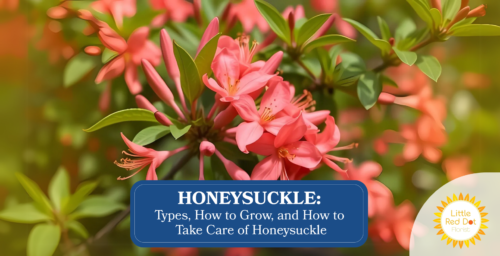
Honeysuckle (Lonicera) belongs to the Caprifoliaceae family. Honeysuckle is distinguished by twining vines or bushy shrubs and sweetly scented blossoms. The honeysuckle flower is tubular or trumpet-shaped, appears in clusters, and varies in colour from white, yellow, pink, or red depending on the species. The plant’s leaves are oval-shaped, organised along the stems, and dark green, contributing to its ornamental appeal. The honeysuckle plant is hardy, growing in various temperatures and soils. They are tolerant of partial shade and full sun. It is resistant to insect pests, however, aphids and spider mites are sometimes a problem.
The plant grows fast, which makes it perfect for covering walls, fences, or trellises. It matures in a few growing seasons. The life span varies by species, but with proper honeysuckle care, it endures several years. The berries of some honeysuckle species are somewhat poisonous if consumed by humans or dogs, but they are not extremely harmful. Honeysuckle evokes ideas of passion and connection in literature and art, symbolising love, dedication, happiness, and enduring ties. Honeysuckle is a popular plant in gardens and cultural traditions due to its beauty, scent, and symbolism.
What is a Honeysuckle?
Honeysuckle is well-known for its clusters of tubular, nectar-filled blossoms and its climbing vines or bushy shrubs. The flowers are valued for their fragrance, which attracts pollinators like bees, butterflies, and hummingbirds. Honeysuckle is popular for its landscaping adaptability, and it is used to decorate fences, trellises, and garden walls.
Honeysuckle is used in traditional medicine for its beneficial effects, such as herbal drinks and medications to relieve inflammation and increase immunity. Honeysuckle symbolises love, dedication, and enduring ties, which makes it an important plant in art, literature, and cultural traditions. It is a beloved plant in gardens and folklore across the world because of its aesthetic appeal, environmental benefits, and rich symbolism.
What does a Honeysuckle Flower look like?
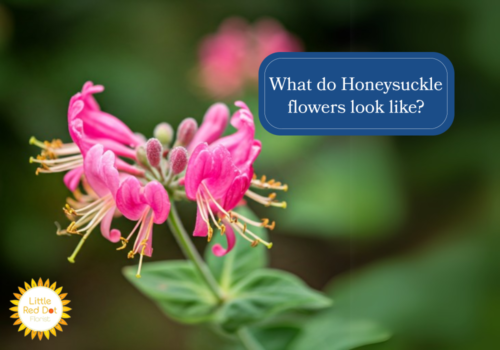
A honeysuckle flower looks like a trumpet-shaped, tubular bloom that appears in bunches along the vines or branches of the plant. The colour of the blooms varies with species, from creamy white and pastel yellow to bright pinks, reds, and oranges. Their petals open into delicate, curving lips, giving them a graceful, whimsical appearance. They have a thin, elongated shape.
The flowers show a delicious, enticing aroma, particularly in the evening, attracting pollinators such as bees, butterflies, and hummingbirds. Each flower cluster is encircled by simple, oval-shaped green leaves, which add to its visual charm. Honeysuckle flowers are popular in gardens and natural environments due to their distinct shape, delicate colours, and captivating perfume.
What does Honeysuckle Symbolise?
Honeysuckle symbolises eternal relationships, love, devotion, and affection. Its delicate aroma and hanging vines are associated with loyalty, making it appropriate for weddings and romantic gatherings. Honeysuckle represents the strong and long-lasting bonds between marriage partners, reflecting the love that grows and deepens with time.
Honeysuckle evokes feelings of warmth and closeness with the past by symbolising happiness, nostalgia, and the beauty of nature in literature and art. It serves as a metaphor for endurance and resilience because of its capacity to flourish in various environments and endure hardships, as a reminder of the power that comes from tenacity and solidarity. The honeysuckle flower meaning is an emblem in personal and social narratives because of its combination of timeless and romantic properties.
What are Some of the Best Species of Honeysuckle?
Some of the best species of honeysuckle are listed below.
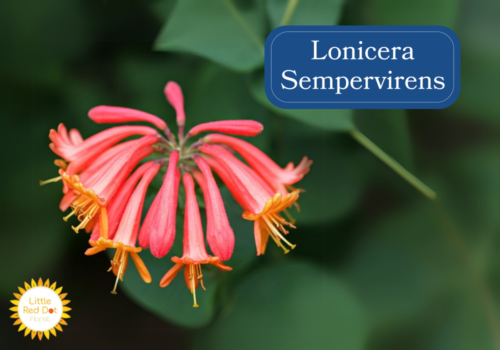
- Lonicera Sempervirens: Hummingbirds love the non-invasive vine used for arbours or trellises in sunny areas. It produces bright red or orange tubular flowers.
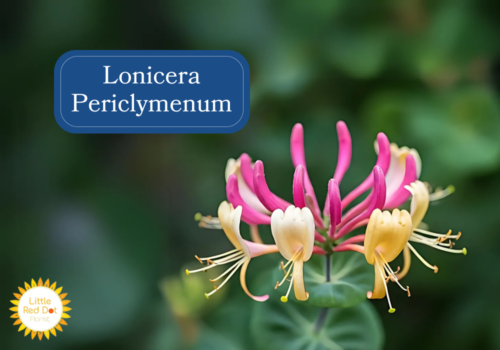
- Lonicera Periclymenum: The European native plant is distinguished for its creamy white and pink blossoms and rich smell, represents love and loyalty and is found in cottage gardens.
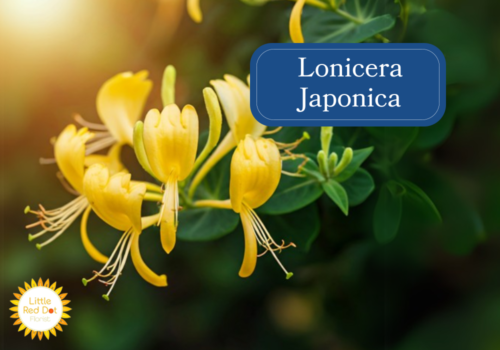
- Lonicera Japonica: The vine needs careful management because it is invasive in many areas and has fragrant white blossoms that turn yellow as they age.
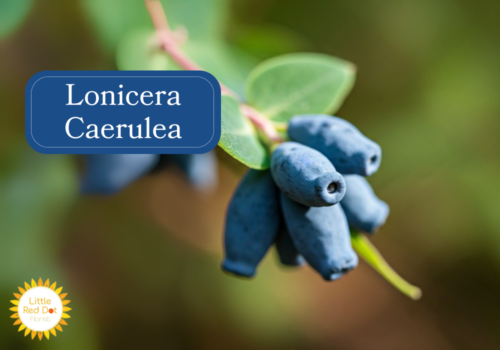
- Lonicera Caerulea: The honeysuckle species is recognised for its tasty blueberries, which are increased in antioxidants and cultivated in cooler climes.
- Lonicera Nitida: A compact, glossy, evergreen shrub for topiary and hedges. It offers year-round greenery and requires minimal care.
- Lonicera Fragrantissima: The shrub is well-known for its fragrant white flowers, which bloom in late winter or early spring and liven up gardens in the winter.
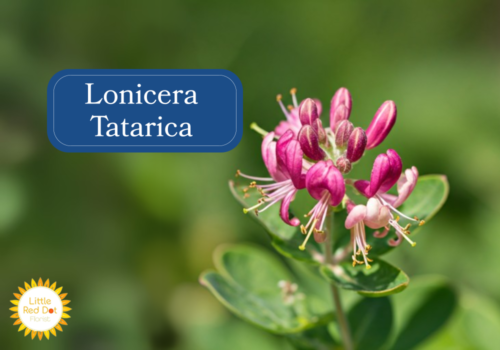
- Lonicera Tatarica: A resilient shrub that bears red or orange berries after pink or white blooms in the spring.
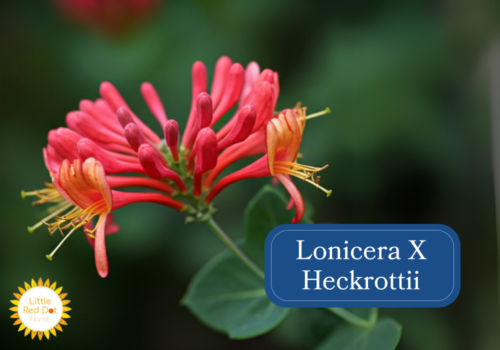
- Lonicera X Heckrottii: A hybrid species with vibrant pink and gold flowers that blossom constantly throughout the growing season.
1. Lonicera Sempervirens
Lonicera Sempervirens (coral or trumpet honeysuckle) is a deciduous or semi-evergreen climbing vine indigenous to North America. The species’ botanical traits include thin stems, tubular blooms, and bird-friendly crimson berries. It is utilised in landscaping for its natural screen and ecological benefits, including nectar for hummingbirds and bird food.
Conservation efforts encourage its usage as a native alternative to invasive plants, including Lonicera japonica. It symbolises loyalty and unwavering affection. The cost of Lonicera Sempervirens is S$29.00 for a 1-gallon plant.
2. Lonicera Periclymenum
Lonicera Periclymenum (woodbine or European honeysuckle) is a climbing plant indigenous to Europe and Asia. Lonicera Periclymenum’s fragrant, tubular flowers grow from late spring to early autumn, followed by small red berries that serve as food for birds but are hazardous to humans.
The honeysuckle species is used in wildlife and ornamental gardens to support pollinators and foster biodiversity. Lonicera Periclymenum represents perseverance and determination and pertains to love, affection, and nostalgia. It costs S$21.99, depending on the pot size.
3. Lonicera Japonica
Lonicera Japonica (Japanese honeysuckle) is a fast-growing vine indigenous to East Asia. Pollinators are drawn to its fragrant, tubular flowers, which bear tiny, blackberries in late summer. The plant reaches a height of 30 feet and is used for decoration and traditional medicine.
Lonicera Japonica is seen as invasive in areas, such as North America and Australia, damaging ecosystems. It is valued for its decorative and symbolic significance in proper management, despite its invasive tendencies. Japanese honeysuckle costs S$29.42, depending on its size.
4. Lonicera Caerulea
Lonicera Caerulea (blue or sweetberry honeysuckle) is indigenous to colder climates in North America, Asia, and Europe. Its edible fruit is high in antioxidants, vitamins, and minerals. It is a popular option due to its resilience. Honeyberry is an ornamental shrub because of its beautiful flowers and fruit.
Conservation efforts aim to cultivate blue honeysuckle as a cold-hardy, sustainable fruit crop, particularly in areas impacted by climate change. The early spring bloom represents regeneration and persistence in challenging environments. The seed of a Lonicera Caerulea costs S$5.24, depending on the quantity.
5. Lonicera Nitida
Lonicera Nitida (box honeysuckle) is a small, evergreen shrub. Lonicera Nitida’s dense growth habit and glossy, dark green foliage make it ideal for hedges, topiaries, and ground cover in gardens. Its evergreen nature gives structure and richness to landscapes and is used in animal gardens as food.
Conservation efforts focus on preserving native plant diversity and regulating its expansion to avoid outcompeting native species. Box honeysuckle is valued for its aesthetic qualities and power to represent fortitude, tenacity, and timeless beauty. It costs S$40.86.

6. Lonicera Fragrantissima
Lonicera Fragrantissima (winter honeysuckle or sweet breath of spring) is admired for its fragrant late-winter or early-spring blooms. The plant grows to a height of 6-10 feet and is used in gardens for its aesthetic value. Its resilience and ability to flourish in different soil types and climates are additional reasons for its usefulness.
Supporting early-season pollinators and promoting the planting of native or non-invasive honeysuckle species are the main goals of conservation initiatives. Its flowers symbolise rebirth, optimism, and tenacity. It costs around S$20.00 to S$35.00, depending on the size and quality of the plant.

7. Lonicera Tatarica
Lonicera Tatarica (Tatarian honeysuckle) has round, dark green leaves. Its flowers appear from late spring to early summer, followed by vivid red or orange berries that attract birds. The plant is grown for ornamental value, hedgerows, wildlife gardens, and privacy screens.
Lonicera Tatarica berries are poisonous to people and thus not used in cooking. Conservation efforts focus on limiting its expansion in North America, where it is considered an invasive species. Each seed costs S$5.00.
8. Lonicera X Heckrottii
Lonicera X Heckrottii (gold flame) is a deciduous vine that combines characteristics of Lonicera sempervirens and Lonicera periclymenum. Its stunning tubular blossoms are fragrant and bloom from late spring to early summer. The plant adds visual value to gardens and landscapes, attracting pollinators like bees, butterflies, and hummingbirds.
The goal of conservation is to keep from aggressive species like Lonicera japonica by promoting non-invasive hybrid honeysuckle types. The plant symbolises passion, vitality, beauty, fortitude, and the delights of the natural world. The price of a rare or hybrid species starts at S$50.00.
What are the Different Colours and Meanings of a Honeysuckle?
The different colours and meanings of a honeysuckle are listed below.
- Red: Red “honeysuckle meaning” symbolises power, love, and passion. Its vivid colour is associated with intense romantic thoughts and powerful emotions.
- Pink: The pink “honeysuckle flower meaning” expresses admiration, companionship, and tender love. The soft shade signifies innocence, gentleness, and platonic relationships.
- White: White honeysuckle represents devotion, purity, and spirituality. It is a common choice for religious rituals and weddings because it is connected to innocence and fresh starts.
- Yellow: Yellow honeysuckle symbolises joy, happiness, and optimism. It is a great flower for festivities or as a present to cheer someone up because of its brilliant, sunny colour, which is associated with optimism and good fortune.
How to Grow Honeysuckle?
To grow honeysuckle, follow the seven steps listed below.
- Choose the honeysuckle species, such as climbing Lonicera japonica for vertical areas or shrub Lonicera nitida for hedges and ground cover.
- Select a location that gets at least six hours of sunlight each day to ensure the most effective blossoming.
- Water the honeysuckle plant thoroughly after planting, keeping the soil moist but not wet.
- Apply a 2-3 inch layer of mulch around the plant’s base to help maintain soil moisture, control temperature, and inhibit weeds.
- Apply a slow-release, balanced fertiliser to honeysuckle in the early spring to encourage growth and bloom. Avoid overfertilising as too much nitrogen reduces blooming.
- Prune the growing honeysuckle in late winter or early spring to remove dead or damaged wood, restrict growth, and promote new shoots.
- Maintain adequate air circulation to avoid powdery mildew and other fungal infections.
Honeysuckle plants grow fast, around 1 to 2 feet (30 to 60 cm) annually in the right conditions.
When to Plant Honeysuckle?
Plant honeysuckles, such as deciduous varieties in late winter, while evergreen honeysuckles must be planted in spring or autumn. Dig some well-rotted organic materials into the soil before planting honeysuckle, such as garden compost or well-rotted manure. Knowing where to plant honeysuckle is crucial because soil and sunlight are essential for them to grow. Ensure the soil is loose and well-prepared to stimulate healthy root development. A well-drained soil and direct sunlight are best.
What is the Maximum Height for Honeysuckle?
The maximum height of the honeysuckle is up to 30 feet, depending on the species and growing conditions. Several factors affect their growth and flowering conditions. Proper watering and enough sunlight are some of the essential elements. Honeysuckles’ fast growth and climbing ability make them an excellent choice for covering vertical spaces, however, regular pruning is essential to manage its height and prevent it from becoming invasive in certain regions. The honeysuckle height depends on how it was cultivated.
What are the Common Challenges in Growing Honeysuckle?
The common challenges in growing honeysuckle are listed below.
- Soil Nutrient Deficiency: Compost or organic fertilisers must be applied to the soil before planting regularly throughout the growth season.
- Root Rot: Avoid overwatering and plant honeysuckle in soil that drains properly. Add sand or organic matter to the soil to promote drainage if it tends to hold water.
- Poor Flowering: A balanced fertiliser with less nitrogen must be used, and the plant must be exposed to at least six hours of sunlight daily. Pruning promotes new growth, resulting in more flowers.
- Overgrowth: Pruning is necessary to control growth. Trim the plant in late winter or early spring to shape and prevent unwanted spread.
What are the Best Tips for Growing Honeysuckle?
The best tips for growing honeysuckle are listed below.
- Proper Support: Install a trellis, arbour, or fence to support the growing vines. Train the stems early on to promote upward development and prevent tangling.
- Mulching: Spread organic mulch around the base of the plant to control temperature, keep the soil moist, and keep weeds at bay. Proper honeysuckle plant care helps cultivate healthy plants.
- Protection: Some honeysuckle species, such as Lonicera japonica, become invasive in specific areas. Regular trimming and monitoring are required to keep the growing honeysuckle from expanding uncontrollably.
- Encourage Pollinators: Honeysuckle flowers appeal to pollinators, butterflies, and hummingbirds. Avoid using strong insecticides that harm valuable pollinators.
How to Take Care of Honeysuckle?
To take care of honeysuckle, follow the four steps listed below.
- Establish the ideal conditions for growth. Honeysuckle flower care ensures that it receives at least 6 hours of sunlight every day for the best blossoming.
- Give the honeysuckle plant care a strong trellis, arbour, or fence to climb. Garden ties help direct vine growth and prevent tangling.
- Use insecticidal soap or neem oil to control infestations. Look out for scale insects, spider mites, and aphids. The flower care tips cultivate healthy honeysuckles.
- Check for symptoms of stress, such as yellowing leaves or poor blossoming, and fix issues. Adjust the amount of water, sunlight, and soil nutrients as needed.
Are Honeysuckle Hard to Care for?
No, honeysuckles are not hard to care for. Honeysuckles are resilient and adaptable, thriving in various soil types, as long as they have good drainage. They enjoy direct sunlight but tolerate partial shade. Regular watering is required, particularly during droughts, but honeysuckle is adaptable once established.
Pruning is required to keep its shape and foster new growth, and it is best done in late winter or early spring before new growth begins. Honeysuckle is resistant to pests and diseases, though it is damaged by aphids or powdery mildew, with care and treatment.
What are the Challenges in Taking Care of Honeysuckle?
The challenges in taking care of honeysuckle are listed below.
- Pest and Disease Control: Regular inspections and appropriate treatments, such as insecticidal soap or fungicides, help with such difficulties.
- Soil and Water Condition: Honeysuckle is tolerant to various soil types, although it thrives in well-drained soil. Overwatering causes the same problem, so ensure the plant isn’t resting in damp soil.
- Pruning Difficulties: Honeysuckles become tangled and disorderly without routine trimming, which impacts the plant’s overall health. Pruning must be done carefully, in late winter or early spring, to avoid harming the plant’s growth.
What are the Uses for Honeysuckle?
The uses of honeysuckle are listed below.
- Oil: Applying honeysuckle topically helps relieve sore or chapped skin. It is used in oil to create body butter, lotions, lip balms, salves, soaps, and more.
- Tea: The tea must be consumed or used as a mouthwash or gargle to treat sore throats or mouth sores. The cooled tea is effective for irritated skin caused by ivy or poison oak rashes.
- Tincture: Tincture produced from Japanese honeysuckle is a must-have in our natural medicine cabinet. It is used as a double-edged defence against viruses and colds by mixing fresh flowers with an equal amount of chopped lemon balm.
- Refreshing Drinks: Orangeade is a refreshing summer beverage and is naturally sweeter than lemonade.
- Jelly: The flavourful, with the aroma and sweetness of fresh honeysuckle.
What Occasions Are Honeysuckle Commonly Used?
The occasions that honeysuckle are commonly used are listed below.
- Anniversaries: Honeysuckle is a favourite flower for anniversaries, particularly among couples who wish to celebrate their enduring relationship, because of its associations with fidelity and lasting love.
- Weddings: Honeysuckle is used in flower arrangements, decorations, and wedding bouquets. Its meaning of love and devotion makes it an ideal flower for marriages, expressing the couple’s dedication and affection for one another.
- Housewarming: Honeysuckle is used in housewarming presents or arrangements, representing the start of a new chapter and the warmth of a loving household.
- Valentine’s Day: Honeysuckle is the right choice for Valentine’s Day bouquets and presents because of its lovely scent and connection to passionate love.
What are Interesting Facts about Honeysuckle?
The interesting facts about honeysuckle are listed below.
- Edible: Honeysuckle leaves are safe to consume like a leafy vegetable.
- Animal Toy: The honeysuckle flowers are used as cat toys due to their powerful aroma.
- Life Span: Honeysuckle is a perennial plant that lives for roughly 20 years in the wild.
- Cure for Disorders: Honeysuckle was used to cure kidney stones, gout, and liver diseases.
What are the other Flowers with their Symbolism?
The other flowers with their symbolism are listed below.
- Tulip: Honeysuckle and tulips symbolise grace, elegance, and ideal love.
- Rose: The plant symbolism signifies devotion, beauty, and yearning. Rose is included in the “list of flowers and their meanings” similar to honeysuckle.
- Jasmine: The flowers are popular in weddings and romantic gestures. Their lovely scent and delicate blossoms represent sensuality, grace, and elegance.
- Lilac: Lilacs signify innocence, purity, and first love. The meanings of different flowers vary in their colour and features.
- Sweet Pea: Sweet peas symbolise farewell, delight, and exquisite pleasure. It is one of the “flower symbolism list” similar to honeysuckle.