 Free Same Day Delivery Islandwide | Order by 5PM for Today’s Delivery | 800+ 5-Star Reviews
Hydrangea: Types, How to Grow, and How to Take Care of Hydrangeas
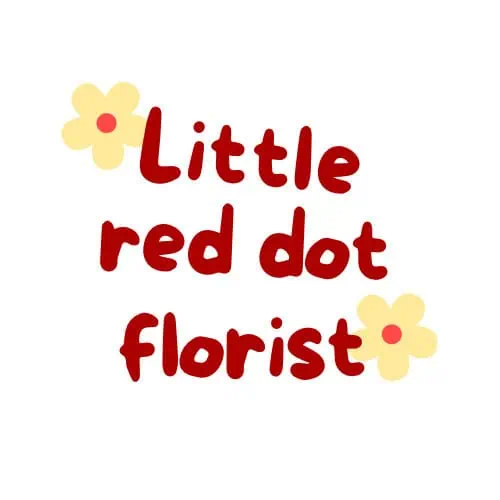
Hydrangea (Hydrangea spp.) is a beautiful and versatile flowering plant from Hydrangeaceae. Hydrangea offers a variety of types known for its lush, round clusters of flowers, each with unique characteristics and appeal. They are celebrated for their rich colours, distinctive shape, and symbolism, making them famous for gardens, floral arrangements, and symbolic gifts.
The shape of Hydrangea flowers is round or dome-like, with clusters of small, star-shaped blooms that create large, showy flowerheads. The leaves of the Hydrangea plant are broad, oval, and serrated, providing a lush, green backdrop that contrasts beautifully with the vibrant colours of the blooms. The flowers appear in shades of pink, blue, purple, or white, with colours varying according to soil pH depending on the species.
Hydrangeas come in several types, each with unique shapes and colours that add versatility to gardens. Hydrangea Macrophylla (Bigleaf Hydrangea) is popular for its ability to change colour based on soil pH, offering pink, blue, or purple blooms. Hydrangea Paniculata (PeeGee Hydrangea) is known for its cone-shaped flower clusters and is highly adaptable, while Hydrangea Arborescens (Smooth Hydrangea) features large, spherical blooms and is easy to maintain. Hydrangea Quercifolia (Oakleaf Hydrangea) stands out with its oak-shaped leaves and drought resistance, making it suitable for various climates. Hydrangea Petiolaris (Climbing Hydrangea) is a unique variety that climbs walls and trellises, adding height and interest to landscapes. These types offer various shapes, colours, and growth habits for diverse gardening needs.
Choose a location with partial shade and well-drained, moist soil to grow a Hydrangea plant successfully. Planting in spring or fall provides the ideal conditions for establishment. Soil pH influences bloom colour, with acidic soil producing blue flowers and alkaline soil resulting in pink blooms. Space plants at least three feet apart to allow for growth, and water them regularly during dry periods. Mulching helps retain moisture, and a balanced fertiliser in spring promotes strong blooms.
Caring for Hydrangeas requires regular watering in hot weather, as the plants are drought-sensitive. Prune as needed, usually in late winter or early spring, depending on the type, to encourage healthy new growth. Use organic mulch to maintain soil moisture and protect roots from temperature extremes. Watch for pests, such as aphids or spider mites, but Hydrangeas have decent durability against insects and resist most pests when healthy.
Hydrangeas grow at a moderate speed, gaining around one to two feet per year, depending on conditions and the type. They have a lifespan of up to 50 years with proper care, making them a long-lasting addition to gardens. Their durability is strong against temperature fluctuations, although some varieties are more sensitive to extreme cold. They possess moderate resistance to common garden pests, though occasional insect treatments are necessary.
Hydrangeas are toxic if ingested by humans and animals, as they contain small amounts of cyanogenic glycosides. They cause gastrointestinal upset if consumed while not highly poisonous, so keep pets and children away from the plant.
The symbolism of Hydrangeas is as rich as their blooms. They are associated with gratitude, heartfelt emotion, and understanding. They symbolise grace, beauty, and abundance, making them popular for expressing appreciation. Hydrangeas are seen as symbols of apology, gratitude, and heartfelt sincerity, with colours like blue representing peace and pink expressing love and admiration.
What is a Hydrangea?
Hydrangea is a genus of flowering plants renowned for their stunning and diverse blooms. The genus encompasses approximately 75 species native to Asia and the Americas. Hydrangeas are celebrated for their large, showy flower clusters that vary dramatically in colour, shape, and size, making them a favourite among gardeners and landscapers.
One of the most notable features of hydrangeas is their colour-changing ability, which is influenced by the soil’s pH level. For example, the blooms of Hydrangea macrophylla, commonly known as the bigleaf hydrangea, shift from pink to blue depending on the soil’s acidity. Their unique characteristic has made them popular in home gardens, as gardeners manipulate soil conditions to achieve the desired flower colour.
Hydrangeas are known for their versatility in landscaping. They thrive in various settings, from small gardens to larger landscapes, and are used as hedges, borders, or focal points in garden designs. Their lush foliage and abundant blooms provide a vibrant display throughout the summer and fall, making them a perennial favourite for enhancing outdoor spaces.
Hydrangeas have cultural significance in various regions in addition to their ornamental value. They symbolise gratitude and understanding in Japan, while in some Western cultures, they are associated with abundance and heartfelt emotions. Hydrangeas are cherished for their beauty and the sentiments they evoke, making them a popular choice for weddings and other special occasions.
What does a Hydrangea look like?
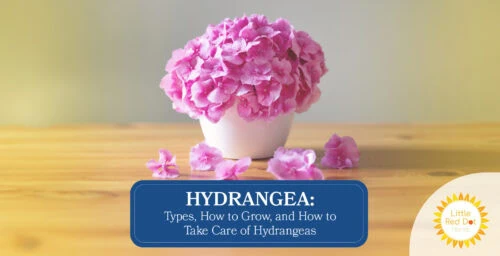
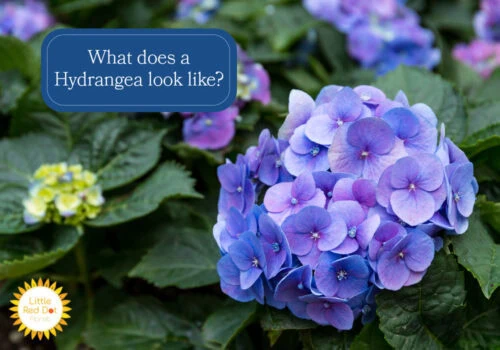
Hydrangeas are visually striking plants characterised by broad, dark green leaves with serrated edges and a glossy sheen. The woody stems vary in thickness, with younger stems being green and flexible while older ones become brown and sturdy. Hydrangeas have a bushy growth habit, with spreading branches that form a rounded shape, making them suitable for hedges or privacy screens. They lack thorns or spines, unlike many flowering shrubs, making them safe and easy to handle. The absence of thorns, combined with their vibrant blooms and lush foliage, contributes to their popularity among gardeners and enhances their appeal in various landscape designs.
The look of a Hydrangeas is shown in the image below.
What does a Hydrangea Symbolise?
Hydrangeas are stunning flowering plants known for their beauty and rich symbolism. The significance of Hydrangea varies across cultures and contexts, making them a versatile symbol in art, relationships, and nature. Hydrangea’s meaning revolves around themes of gratitude, grace, and understanding, but it carries different connotations depending on the colour of the blooms.
Hydrangea symbolism reflects the beauty and complexity of emotions in art. Artists frequently use hydrangeas to convey feelings of love, understanding, and harmony. The lush, full blooms represent the depth of emotion and the interconnectedness of human experiences. These flowers are seen as a reminder of the importance of nurturing relationships and celebrating the bonds shared with others.
Hydrangeas hold special significance when it comes to weddings and marriages. They are used in bridal bouquets and floral arrangements, symbolising heartfelt emotions and the beauty of commitment. The hydrangea meaning in the context embodies enduring love and unity. The flower’s rich, full blooms symbolise the abundance of love a couple shares, making it a fitting choice for such a momentous occasion.
Hydrangeas are associated with endurance and resilience. Their ability to thrive in various environments, adapting to different soil types and conditions, symbolises strength and perseverance. The aspect of hydrangea symbolism is poignant, as it serves as a reminder that love and relationships require care and nurturing to flourish, much like these beautiful blooms.
Hydrangeas embody a variety of meanings that resonate across different aspects of life. These flowers offer rich and meaningful insights into the human experience, whether through their representation of emotions in art, their significance in weddings, or their symbolism of endurance.
What are the Different Types of Hydrangea?
The different types of hydrangea are listed below.
- Hydrangea Arborescens (Smooth Hydrangea): The species is native to North America and known for its large, round flower clusters, called “mop heads.” The most popular cultivar is ‘Annabelle,’ which produces stunning white blooms that reach up to 12 inches in diameter. Smooth hydrangeas are hardy and thrive in various soil types, preferring partial shade.
- Hydrangea Paniculata (Panicle Hydrangea): Hydrangea Paniculata blooms later in the summer. It is known for its cone-shaped flower clusters, providing colour when many other plants have finished flowering. Varieties like ‘Limelight’ and ‘Pinky Winky’ are popular for their large, showy blooms that start white and often turn pink as they age. They are highly adaptable and tolerate a range of soil conditions.
- Hydrangea Macrophylla (Bigleaf Hydrangea): One of the most commonly grown hydrangeas, famous for its large, round flower heads. The colour of the blooms varies based on soil pH, blue in acidic soils and pink in alkaline soils. They are divided into mop heads (round clusters) and lacecaps (flat clusters with a centre of tiny flowers surrounded by larger ones). These hydrangeas prefer well-drained soil and partial shade.
- Hydrangea Quercifolia (Oakleaf Hydrangea): Hydrangea Quercifolia is notable for its oak-shaped leaves and impressive fall colour native to the southeastern United States. The flowers are cone-shaped and transition from white to pink as they mature. Oakleaf hydrangeas are more tolerant of drought than other varieties and thrive in full sun to partial shade.
- Hydrangea Petiolaris (Climbing Hydrangea): The climbing species is perfect for covering walls, trellises, and fences. It features heart-shaped leaves and produces flat-topped flower clusters in summer. Climbing hydrangeas are slow to establish but grow large over time, making them a great option for vertical gardening. They thrive in partial shade and require sturdy support to climb.
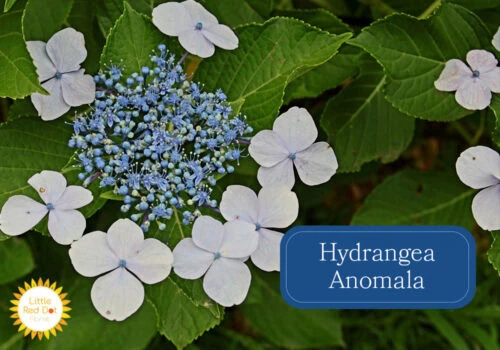
- Hydrangea Anomala (Japanese Climbing Hydrangea): The species is known for its climbing ability and beautiful flat flower clusters like Hydrangea petiolaris. It features attractive, heart-shaped leaves and is used to cover structures or as a ground cover. The hydrangea thrives in shaded areas and prefers moist, well-drained soil.
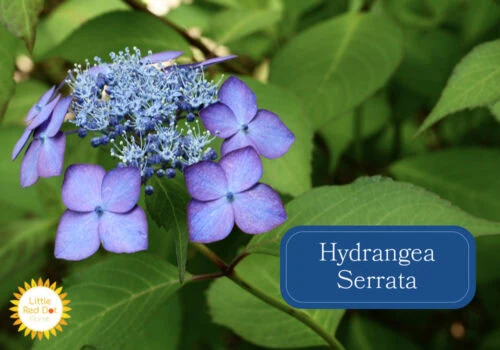
- Hydrangea Serrata (Mountain Hydrangea): The type of hydrangea has smaller flowers and leaves compared to other varieties native to the mountainous regions of Japan and Korea. Its blooms are lacecap style, ranging from blue to pink, depending on soil pH. Hydrangea serrata is a more compact shrub that works well in smaller gardens and prefers partial shade.
1. Hydrangea Arborescens
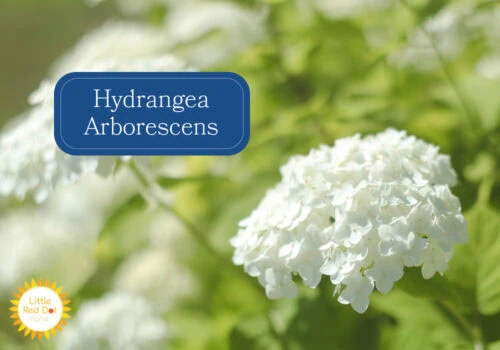
Hydrangea arborescens (smooth hydrangea) is a deciduous shrub native to North America. The species is valued for its stunning, large flower clusters and adaptability to various garden settings. It thrives in various soil types, making it a popular choice for novice and experienced gardeners alike. Smooth hydrangea is called wild hydrangea or sevenbark in addition to its common name. These names reflect its natural habitat and the distinctive peeling bark on older stems.
The most famous variation of Hydrangea arborescens is ‘Annabelle,’ known for its large, round, white flower clusters that reach up to 12 inches in diameter. Another popular cultivar is ‘Incrediball,’ which produces similarly large blooms with sturdier stems supporting the heavy flower heads, preventing them from flopping over.
Hydrangea arborescens grows between 3 and 5 feet in height and spread up to 4 to 6 feet wide. The leaves are broad, ovate, and dark green, providing a lush backdrop for the dramatic flowers. The plant produces large, spherical clusters of small flowers, primarily white, but exhibit shades of green or pink as they mature. These flowers bloom from late spring to early summer, creating a spectacular garden display.
Smooth hydrangeas are versatile and used in a variety of landscaping applications. They are planted as specimen plants, in border gardens, or as foundation plantings. They serve as excellent cut flowers for arrangements due to their long-lasting blooms. It faces challenges from habitat loss and invasive species in certain areas, while Hydrangea arborescens is not currently listed as endangered. Conservation efforts focus on preserving natural habitats and promoting the cultivation of native plants in gardens to support local ecosystems.
Hydrangeas symbolise gratitude, grace, and understanding. They are given as gifts to express appreciation and affection. Smooth hydrangeas are popular in wedding arrangements and floral designs, emphasising their significance in romantic and celebratory contexts in the United States.
The price of Hydrangea arborescens in Singapore ranges from SGD 20 to SGD 50 per plant, depending on the size and variety. Garden centres and nurseries offer different cultivars at varying price points, making it accessible for gardeners looking to enhance their landscapes with these beautiful shrubs.
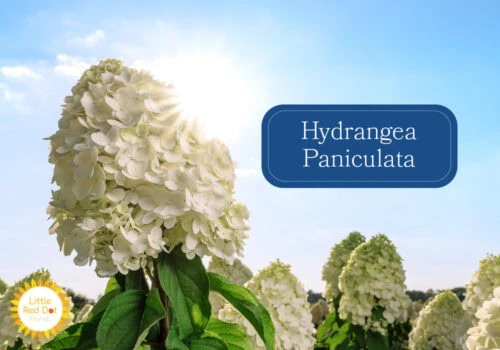
2. Hydrangea Paniculata
Hydrangea paniculata (panicle hydrangea) is a deciduous shrub native to East Asia. Hydrangea paniculata is prized for its unique, cone-shaped flower clusters that bloom later in the summer, providing colour to gardens when many other plants have finished flowering. Its adaptability to different climates and soils makes it popular among gardeners.
Hydrangea paniculata is referred to as tree hydrangea in addition to its common name. The name reflects its growth habit and structure, as it resembles a small tree or large shrub due to its upright form and dense foliage.
The most famous variations of Hydrangea paniculata include ‘Limelight,’ known for its striking lime-green flowers that mature to a soft pink, and ‘Pinky Winky,’ which features unique two-toned blooms that start white and turn pink as they age. Another popular cultivar is ‘Vanilla Strawberry,’ recognised for its creamy white flowers that transition to pink and red, adding visual interest throughout the growing season.
Hydrangea paniculata grows between 4 to 8 feet in height and spread to 6 feet wide. It features large, dark green leaves that provide a lush backdrop for its impressive flower clusters. The blooms appear in elongated panicles, ranging from 6 to 12 inches long, and are fragrant, attracting pollinators such as bees and butterflies. The hydrangea blooms from mid-summer to fall, offering a spectacular display of colour.
Panicle hydrangeas are versatile in landscape design and used in various settings. They are ideal for hedges, border plantings, and as specimen plants due to their striking blooms. The flowers make excellent cut flowers for arrangements, lasting well in vases. Their height and structure make them suitable for foundation plantings or as part of mixed flower beds.
Hydrangea paniculata is not listed as endangered, but habitat loss and climate change threaten its native populations. Conservation efforts focus on promoting the planting of native species in gardens to support biodiversity and maintain healthy ecosystems. Encouraging the use of panicle hydrangeas in urban landscapes can also help preserve their presence.
Hydrangeas symbolise grace, beauty, and abundance. They are used in celebrations and special occasions, such as weddings, where their lush blooms convey deep emotional significance. Hydrangeas are seen as a symbol of heartfelt gratitude, making them thoughtful gifts for loved ones.
The price of Hydrangea paniculata ranges from SGD 30 to SGD 60 per plant, depending on the size and specific cultivar. Garden centres and nurseries offer different varieties at varying prices, making them accessible to gardeners looking to enhance their outdoor spaces.
3. Hydrangea Macrophylla
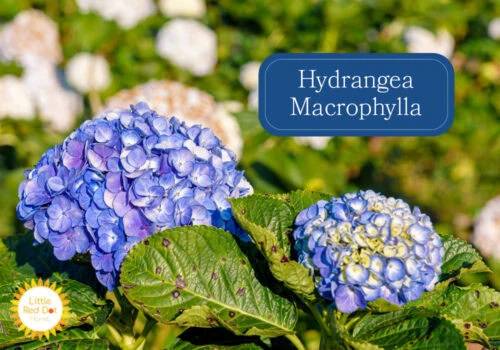
Hydrangea macrophylla (bigleaf hydrangea) is a popular deciduous shrub renowned for its large, vibrant flower heads. Hydrangea macrophylla is cherished for its remarkable adaptability and ability to produce colourful blooms that change hues based on soil pH native to Japan. It is a favoured choice among gardeners for its stunning visual appeal and versatility.
The species is known as French hydrangea or mophead hydrangea in addition to bigleaf hydrangea. The term “mophead” refers to the large, rounded flower clusters resembling fluffy pom-poms, instantly recognisable in gardens and floral arrangements.
The most famous variations of Hydrangea macrophylla include ‘Endless Summer,’ known for its ability to bloom repeatedly throughout the summer, and ‘Nikko Blue,’ celebrated for its stunning blue flowers that thrive in acidic soils. Another notable cultivar is ‘Bailmer,’ marketed under “Endless Summer Bloomstruck,” which produces rich pink to blue flowers, depending on the soil’s pH level.
Hydrangea macrophylla grows between 3 to 6 feet tall and spread up to 4 to 8 feet wide. It features broad, dark green leaves reaching up to 10 inches long. The plant’s most striking feature is its large flower heads, varying from round (mopheads) to flat (lacecaps). The blooms range from blue to pink, white, or purple, depending on the soil’s acidity. Acidic soils yield blue flowers, while alkaline soils result in pink blooms.
Bigleaf hydrangeas are extremely versatile in landscaping. They are used as specimen plants, in foundation plantings, or as part of mixed flower beds. Their abundant blooms make them popular in cut flower arrangements as well. They are planted in containers, allowing for flexibility in garden design.
Hydrangea macrophylla is not considered endangered but faces threats from habitat loss and climate change. Conservation efforts are focused on promoting sustainable gardening practices, including the cultivation of native plants and the preservation of natural habitats to support biodiversity.
Hydrangeas symbolise gratitude, grace, and understanding. They are given as gifts to express heartfelt emotions and are a popular choice for weddings and other significant life events. The ability of these flowers to change colour based on soil conditions lends them an air of mystique, representing the idea that the environment influences beauty.
The price of Hydrangea macrophylla ranges from SGD 25 to SGD 55 per plant, depending on the size and specific variety. Garden centres and nurseries offer a selection of cultivars at various price points, making it a great choice for gardeners looking to enhance their landscapes.
4. Hydrangea Quercifolia
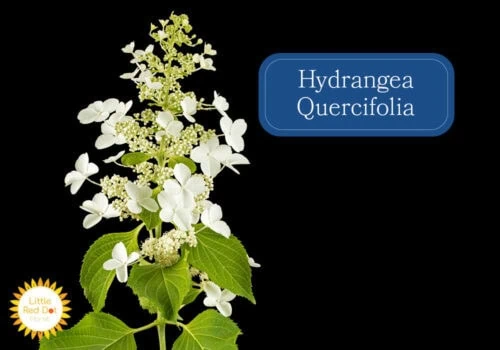
Hydrangea quercifolia (oakleaf hydrangea) is a distinctive deciduous shrub native to the southeastern United States. Hydrangea quercifolia is valued for its unique oak-shaped leaves and striking flower clusters that transition beautifully throughout the seasons. Its adaptability to different soil types and conditions makes it popular for gardeners seeking aesthetic appeal and functional landscaping. Oakleaf hydrangea is called oakleaf or simply quercifolia in addition to its common name. These names highlight the plant’s signature leaf shape, which resembles an oak tree.
The most famous variations of Hydrangea quercifolia include ‘Snow Queen,’ known for its abundant white flower clusters that last well into fall, and ‘Alice,’ which features larger leaves and flower panicles. Another notable cultivar is ‘Pee Wee,’ a compact version perfect for smaller gardens, displaying the characteristic oak-shaped foliage and lovely blooms.
Hydrangea quercifolia grows between 3 to 6 feet tall and spread about 4 to 6 feet wide. Its unique oak-shaped leaves grow up to 10 inches long and exhibit deep lobes, providing a distinctive texture to the landscape. The flowers appear in large, conical clusters, starting as creamy white before transitioning to pink and eventually fading to brown in the fall. The species boasts attractive fall foliage, turning shades of burgundy and red, which adds to its seasonal interest.
Oakleaf hydrangeas are versatile in landscape design, used as specimen plants, in hedges, or as part of mixed flower borders. Their unique foliage and flowers make them a focal point in gardens. The flowers are used in dried arrangements, maintaining their beauty even after blooming.
Hydrangea quercifolia is not considered endangered, but habitat loss and climate change impact its populations. Conservation efforts aim to preserve native plant habitats and promote sustainable gardening practices that encourage the use of native species in landscapes. These efforts help maintain local ecosystems and biodiversity.
Hydrangeas symbolize grace, beauty, and abundance. The oakleaf hydrangea is associated with strength and resilience due to its sturdy structure and vibrant fall colours. These qualities make it a popular choice for weddings and significant life events, symbolising enduring love and commitment.
The price of Hydrangea quercifolia ranges from SGD 30 to SGD 70 per plant, depending on the size and specific variety. Garden centres and nurseries offer various cultivars at different price points, making it accessible for gardeners looking to enhance their outdoor spaces with this beautiful shrub.
5. Hydrangea Petiolaris
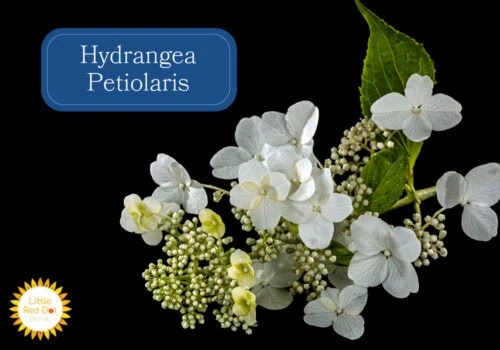
Hydrangea petiolaris (climbing hydrangea) is a deciduous climbing plant native to Asia and North America. Hydrangea petiolaris is valued for covering walls, fences, and trellises with stunning floral displays and lush foliage. Its attractive growth habit and adaptability make it a favourite among gardeners seeking to add vertical interest to their landscapes.
The plant is referred to as Japanese climbing hydrangea or simply petiolaris, in addition to its common name, climbing hydrangea. These names highlight its climbing nature and its origins.
The most notable cultivar of Hydrangea petiolaris is ‘Miranda,’ which is recognised for its variegated leaves that feature creamy white edges. Another popular variety is ‘Semiola,’ known for its compact growth habit and abundant white flower clusters. These variations offer gardeners unique options for incorporating climbing hydrangeas into their designs.
Hydrangea petiolaris grows between 30 to 50 feet in height and spreads significantly, making it an excellent choice for covering large structures. The leaves are dark green, heart-shaped, and grow up to 6 inches long. The plant produces flat-topped clusters of small, white flowers that bloom in late spring to early summer, providing a beautiful display. Its ability to cling to surfaces using aerial roots makes it ideal for vertical gardening.
Climbing hydrangeas are versatile and used in various landscaping applications. They are perfect for covering walls, fences, and trellises, adding beauty and privacy to outdoor spaces. They are used in container gardening, allowing for creative vertical displays. Their flowers make attractive cut flowers for arrangements.
Hydrangea petiolaris is not considered endangered, but it faces habitat loss and climate change challenges. Conservation efforts focus on promoting the planting of native species and preserving natural habitats to support biodiversity. Encouraging gardeners to cultivate climbing hydrangeas helps maintain their presence in landscapes.
Hydrangeas symbolise gratitude, grace, and abundance. With its impressive growth and floral displays, the climbing hydrangea is associated with enduring love and strength, making it a popular choice for significant life events such as weddings. Its ability to flourish in challenging conditions reflects resilience, adding to its cultural importance.
The price of Hydrangea petiolaris ranges from SGD 35 to SGD 80 per plant, depending on the size and specific variety. Garden centres and nurseries offer various cultivars at different price points, making it accessible for gardeners looking to enhance their outdoor spaces with this beautiful climbing shrub.
6. Hydrangea Anomala
Hydrangea anomala (Japanese climbing hydrangea) is a deciduous climbing plant native to East Asia. Hydrangea anomala is valued for its ability to adorn vertical surfaces with striking flowers and lush green foliage. Its unique climbing habit and adaptability to various conditions make it an excellent choice for enhancing garden aesthetics.
The plant is referred to as Hydrangea anomala subsp. petiolaris in addition to its common name, Japanese climbing hydrangea. The name highlights its classification within the Hydrangea genus and its climbing nature.
Among the most notable variations of Hydrangea anomala is ‘Petiolaris,’ which is recognised for its beautiful white flowers that bloom in flat clusters. Another well-known variety is ‘Miranda,’ which features variegated leaves with creamy white edges, adding a unique visual interest to gardens. These variations provide gardeners with appealing options to enhance their landscapes.
Hydrangea anomala grows between 30 to 50 feet tall, making it an excellent option for covering large structures. The leaves are dark green, heart-shaped, and grow up to 6 inches long. The climbing hydrangea produces clusters of small white flowers that bloom in early summer, attracting pollinators such as bees and butterflies. Its aerial roots allow it to cling to surfaces, making it ideal for trellises, walls, and fences.
Japanese climbing hydrangeas are versatile in landscape design. They cover walls, fences, and trellises, adding beauty and greenery to vertical spaces. They are used in container gardening, allowing for creative displays in small areas. Their lovely flowers make excellent cut flowers for floral arrangements.
Hydrangea anomala is not listed as endangered, but habitat loss and climate change threaten its natural populations. Conservation efforts focus on promoting sustainable gardening practices, including planting native species and preserving habitats to support biodiversity. Encouraging the cultivation of Japanese climbing hydrangeas helps maintain their presence in gardens.
The climbing hydrangea is associated with strength and resilience, reflecting its ability to thrive in various conditions. The symbolism makes it a popular choice for significant life events, such as weddings, where it represents enduring love and commitment.
The price of Hydrangea anomala ranges from SGD 30 to SGD 70 per plant, depending on the size and specific variety. Garden centres and nurseries offer various cultivars at different price points, making it accessible for gardeners looking to enhance their outdoor spaces with this beautiful climbing shrub.
7. Hydrangea Serrata
Hydrangea serrata (mountain hydrangea) is a deciduous shrub native to the mountainous regions of Japan and Korea. Hydrangea serrata is valued for its delicate, lacecap flower clusters and ability to thrive in shaded environments. Its compact size and beautiful blooms make it a popular choice for gardeners looking to add charm to shaded areas.
The species is referred to as Japanese hydrangea or serrated hydrangea in addition to its common name, mountain hydrangea. These names reflect its geographical origins and the distinctive serrated edges of its leaves.
Among the most notable variations of Hydrangea serrata are ‘Bluebird,’ known for its striking blue flowers that thrive in acidic soils, and ‘Miyama Yae,’ which features double flowers that bloom in shades of pink or white. Another popular cultivar is ‘Tuff Stuff,’ recognised for its ability to bloom on old and new wood, producing abundant flowers throughout the season.
Hydrangea serrata grows between 2 to 4 feet tall and spread up to 4 feet wide. Its leaves are dark green, serrated, and grow up to 5 inches long, providing a lush backdrop for its beautiful flowers. The plant produces lacecap flower clusters ranging from blue to pink, depending on the soil’s acidity. The species blooms from late spring to early summer, attracting pollinators such as bees and butterflies.
Mountain hydrangeas are versatile in landscaping and are used in shady borders, foundation plantings, and mixed flower beds. Their compact size makes them suitable for smaller gardens or container plants on patios and balconies. Their lovely flowers are excellent for cut arrangements, adding elegance to indoor spaces.
Hydrangea serrata is not considered endangered. However, it faces threats from habitat loss and climate change. Conservation efforts focus on promoting the cultivation of native plants and sustainable gardening practices that support biodiversity. Encouraging the planting of mountain hydrangeas helps maintain their presence in gardens and natural landscapes.
The mountain hydrangea, with its delicate blooms and ability to thrive in shaded environments, is associated with tranquillity and serenity. It makes it a popular choice for gardens designed for relaxation and contemplation and special occasions like weddings.
The price of Hydrangea serrata ranges from SGD 30 to SGD 65 per plant, depending on the size and specific variety. Garden centres and nurseries offer various cultivars at different prices, making it accessible for gardeners looking to enhance their outdoor spaces with beautiful shrubs.
Why are Hydrangeas Called by their Scientific Names?
Hydrangeas are referred to by their scientific names to provide a standardised and universally recognised plant classification system. The scientific naming convention, known as binomial nomenclature, was developed by the Swedish botanist Carl Linnaeus in the 18th century. The system assigns each species a unique two-part name, which consists of the genus name followed by the species name. For example, Hydrangea macrophylla denotes a specific species of hydrangea known for its large leaves and stunning flowers.
Using scientific names helps avoid confusion that arises from common names, which vary significantly across different regions and languages. For instance, “hydrangea” refers to multiple species in various locales, while the scientific name ensures clarity and precision in identifying the plant. It is important in botanical research, horticulture, and conservation efforts, where accurate identification is crucial for effective communication and understanding.
Scientific names provide insight into the plant’s characteristics, habitat, or historical background. For example, the species name “macrophylla” translates to “large leaves,” indicating one of the plant’s notable features. The naming convention aids in identification and enriches the knowledge about the plant’s biology and ecology.
What are the Different Colours and Meanings of a Hydrangea?
The Different Colours and Meanings of a Hydrangea are listed below.
- Blue Hydrangea: Blue hydrangeas symbolise apology, forgiveness, and heartfelt understanding. They are given to express regret or a desire for reconciliation, making them a thoughtful choice when seeking forgiveness or wishing to mend relationships.
- Pink Hydrangea: Pink hydrangeas represent love, romance, and sincere emotions. They convey affection and admiration as a romantic gesture or to show appreciation for someone special, similar to how roses symbolise love.
- White Hydrangea: White hydrangeas are associated with purity, grace, and abundance. They are used in weddings and other ceremonies to symbolise new beginnings and heartfelt blessings. White represents humility and modesty, making them versatile in meaning.
- Purple Hydrangea: Purple hydrangeas symbolise deep understanding, royalty, and abundance. They are associated with pride, making them a great choice for expressing admiration or recognition of someone’s accomplishments or strength.
- Green Hydrangea: Green hydrangea means renewal, good fortune, and health. The fresh green colour symbolises new beginnings and prosperity, making them ideal for wishing someone well or celebrating life’s transitions.
Do Hydrangeas have Many Variations?
Yes, hydrangeas have many variations. Hydrangeas are a diverse group of flowering plants belonging to the genus Hydrangea, which includes over 75 species and numerous cultivars. Differences in flower type, colour, size, leaf shape, and growth habit characterise these variations. The most popular species include Hydrangea macrophylla (bigleaf hydrangea), Hydrangea paniculata (panicled hydrangea), and Hydrangea quercifolia (oakleaf hydrangea), each offering unique features that appeal to different gardening preferences.
The flower types vary significantly among the different species. For example, Hydrangea macrophylla is known for its large, round flower clusters (mopheads) or flat flower heads (lacecaps), while Hydrangea paniculata produces elongated, cone-shaped blooms. The colour of hydrangea flowers is influenced by soil pH levels, with varieties capable of changing colour based on the acidity or alkalinity of the soil. The adaptability makes hydrangeas interesting to gardeners.
The growth habits of hydrangeas vary. Hydrangea petiolaris (climbing hydrangea), are excellent for vertical gardening and cover walls or fences, while others, like Hydrangea serrata (mountain hydrangea), are more compact and suited for smaller spaces or container gardening.
The wide range of hydrangea variations provides gardeners with numerous options, making it easy to find the perfect hydrangea for any landscape or garden design. Their adaptability and diverse features contribute to their popularity and enduring appeal in gardens worldwide.
How to Grow Hydrangeas?
To grow Hydrangeas, follow the 11 steps listed below.
- Choose the appropriate variety of Hydrangea plants based on your climate and garden conditions. Consider options like Hydrangea macrophylla, Hydrangea paniculata, or Hydrangea quercifolia.
- Select a suitable location that receives partial to full sunlight. Hydrangeas thrive with 4 to 6 hours of sun daily, although some varieties prefer shadier spots in warmer climates.
- Prepare the soil to ensure it is well-draining and rich in organic matter. Hydrangeas prefer slightly acidic to neutral soil (pH 5.5-7.0). Mix in compost or peat moss to enhance soil quality and drainage.
- Space the plants appropriately. Allow at least 3 to 10 feet between each plant, depending on the species and variety, to ensure adequate air circulation and room for growth.
- Plant hydrangeas in spring or fall. Dig a hole twice as wide and the same depth as the root ball of the Hydrangea seedlings. Position the seedling in the hole so that the top of the root ball is level with the soil surface.
- Water thoroughly immediately after planting. Ensure the soil remains consistently moist but not waterlogged. Growing hydrangeas need watering once or twice weekly, especially during dry spells.
- Mulch around the base of the plants with organic material such as bark or wood chips to retain moisture, suppress weeds, and maintain even soil temperature.
- Fertilise the hydrangeas in early spring using a balanced fertiliser or one specifically designed for flowering plants. Follow the manufacturer’s instructions for the correct application rates.
- Prune hydrangeas as necessary, based on the type of hydrangea gardeners are growing. Species bloom on old wood, while others bloom on new wood. Remove dead or weak stems to promote healthy growth and flowering.
- Monitor the plants for pests and diseases, such as aphids or powdery mildew. Treat any problems promptly with organic insecticides or fungicides if needed.
- Enjoy the stunning blooms as they appear. Be patient when starting from Hydrangea seeds for planting, as seeds take longer to germinate and produce flowers than seedlings.
When to Plant Hydrangeas?
The best time to plant hydrangeas is in spring or fall. Spring is ideal because it allows the plants to establish their roots before the heat of summer arrives. Planting in early spring, after the last frost, gives hydrangeas a chance to acclimate and grow throughout the growing season. Planting in the fall is beneficial in milder climates, as it allows hydrangeas to develop root systems before winter. However, ensure they have enough time to settle before the ground freezes.
The growing season for hydrangeas spans from late spring through early fall. Hydrangeas thrive and exhibit vigorous growth during these months. Most regions begin to sprout new leaves in late March to April, depending on local climate conditions. They start to see flower buds forming, and the blooms peak from June to August by late spring. It is the time when regular watering and fertilisation become critical to support their growth and flowering.
Effective planting hydrangeas requires timing that corresponds with their natural growth cycle. Ensure vibrant blooms and healthy plants by planting in the spring or fall and providing the right conditions during the growing season. The thoughtful approach maximises the potential of the hydrangeas, allowing gardeners to enjoy their beauty throughout the growing months.
What are the Common Challenges in Growing Hydrangeas?
The Common Challenges in Growing Hydrangeas are listed below.
- Poor Soil Drainage: Hydrangeas require well-draining soil. Waterlogged conditions lead to root rot. Improve soil drainage by adding organic matter such as compost or peat moss. Consider planting hydrangeas in raised beds or mounds to elevate their root zones.
- Incorrect Pruning: Pruning at the wrong time removes flower buds, reducing blooms. Prune according to the type of hydrangea. For example, Hydrangea macrophylla blooms on old wood must be pruned after flowering, while Hydrangea paniculata blooms on new wood and pruned in late winter or early spring.
- Pest Infestations: Pests such as aphids, spider mites, and slugs damage leaves and blooms. Monitor plants regularly and treat infestations promptly with organic insecticides or natural remedies like neem oil. Encourage beneficial insects like ladybugs to help control pest populations.
- Insufficient Watering: Hydrangeas are sensitive to drought. Lack of water causes wilting and reduced flowering. Water deeply and consistently during dry spells. Ensure the soil remains moist but not soggy. Use mulch to retain soil moisture.
- Improper Sunlight Exposure: Too much sun scorchs leaves, while too little light prevents blooming. Choose the right location for planting. Hydrangeas prefer partial sunlight, ideally receiving 4 to 6 hours of sun daily, with some protection during the hottest day.
- Nutrient Deficiency: Lack of essential nutrients leads to poor growth and pale leaves. Fertilise in early spring with a balanced fertiliser or one formulated for flowering plants. Follow package instructions for application rates to ensure proper nutrition.
- Soil pH Imbalance: The colour of some hydrangea flowers, particularly Hydrangea macrophylla, changes based on soil pH, affecting plant health. Test soil pH and adjust accordingly. Lower soil pH with sulfur or aluminium sulfate to create blue flowers. Raise pH with lime for pink blooms.
- Cold Damage: Late frosts or extreme cold damage buds, leading to fewer blooms in spring. Select hardy varieties suited for the climate and provide winter protection, such as mulching around the base or wrapping young plants with burlap during harsh weather.
What are the Best Tips for Growing Hydrangeas?
The Best Tips for Growing Hydrangeas are listed below.
- Choose the Right Variety: Select a hydrangea variety that suits the climate and garden conditions. Consider factors such as temperature, humidity, and sunlight availability. Varieties like Hydrangea macrophylla thrive in temperate regions, while Hydrangea paniculata tolerate a wider range of climates.
- Plant at the Right Time: Timing is crucial for a successful establishment. Plant hydrangeas in spring after the last frost or early fall to give them time to settle before winter. It promotes robust root growth.
- Prepare the Soil: Hydrangeas prefer rich, well-draining soil. Amend soil with organic matter such as compost or peat moss to improve drainage and nutrient content. Aim for slightly acidic to neutral pH (5.5-7.0) for optimal growth.
- Water Adequately: Consistent moisture is vital for healthy hydrangeas. Water deeply once or twice a week during dry spells. Ensure the soil stays moist but not waterlogged, and use mulch to retain moisture.
- Provide Appropriate Sunlight: Light requirements vary by variety. Hydrangeas thrive in partial to full sunlight, getting around 4 to 6 hours of sunlight per day. However, some varieties in hotter climates benefit from afternoon shade.
- Fertilise Wisely: Proper fertilisation supports growth and flowering. Use a balanced fertiliser or one formulated for flowering plants in early spring. Follow package instructions for application rates to avoid over-fertilization.
- Prune Correctly: Pruning helps maintain plant shape and encourages blooms. Research the specific pruning needs of the hydrangea variety. For example, prune Hydrangea macrophylla after flowering, while Hydrangea paniculata is pruned in late winter or early spring.
- Monitor for Pests and Diseases: Regular observation helps catch problems early. Check plants regularly for pests like aphids and signs of disease such as powdery mildew. Treat any issues promptly with organic pesticides or natural remedies.
- Mulch Around the Base: Mulching helps with moisture retention and weed suppression. Apply a layer of organic mulch, such as bark or wood chips, around the base of the plants. It helps maintain even soil temperature and reduces competition from weeds.
- Provide Winter Protection: Protecting plants in winter ensures healthy growth in spring. Mulch heavily around the base of the plants and consider wrapping young plants with burlap to shield them from harsh winter conditions in colder climates.
What is the Average Lifespan of a Hydrangea?
The average lifespan of a hydrangea is 20 to 50 years. Proper care and maintenance significantly influence their longevity, with healthy plants potentially thriving for several decades.
Factors such as soil quality, watering practices, and pruning techniques are crucial in determining how long hydrangeas last. For instance, hydrangeas planted in well-draining, nutrient-rich soil tend to have healthier root systems, which lead to longer lifespans. Consistent watering and avoiding over-saturation prevent root rot, a common issue that shortens a hydrangea’s life.
The species of hydrangea impacts longevity. For example, Hydrangea macrophylla (bigleaf hydrangea) and Hydrangea paniculata (panicle hydrangea) are known for their hardiness and live many years if properly cared for. Newer hybrids have shorter lifespans due to their breeding for specific traits rather than durability.
Provide them with optimal growing conditions, including appropriate sunlight, water, and protection from pests and diseases to maximise the lifespan of the hydrangeas. Regular maintenance, such as proper pruning and fertilisation, contributes to the health and longevity of these beautiful plants. Enjoy vibrant blooms and lush foliage from the hydrangeas for many years by following good gardening practices.
What are the Factors Affecting the Lifespan of a Hydrangea?
The Factors Affecting the Lifespan of Hydrangeas are listed below.
- Soil Quality: The composition and nutrient content of the soil directly impact a plant’s health and longevity. Well-draining, nutrient-rich soil supports strong root development and plant vigour, while poor soil quality leads to nutrient deficiencies and diseases.
- Watering Practices: The frequency and amount of water given to hydrangeas. Consistent, appropriate watering is crucial for hydrangeas. Overwatering causes root rot while underwatering leads to wilting and stress, which shorten the plant’s lifespan.
- Sunlight Exposure: The amount and intensity of sunlight the hydrangea receives throughout the day. Hydrangeas thrive in partial to full sunlight. Insufficient light leads to poor growth and fewer blooms, while too much direct sunlight in hotter climates scorches the leaves and reduces plant health.
- Pruning Techniques: The methods and timing of cutting back branches and spent flowers. Proper pruning promotes healthy growth and blooming. Incorrect pruning removes buds needed for flowering or causes stress to the plant, impacting its longevity.
- Fertilisation: The addition of nutrients to the soil to support plant growth. Adequate fertilisation provides essential nutrients, promoting strong growth and flowering. However, over-fertilization damages roots and reduces plant health.
- Pest and Disease Management: Identifying and treating pests and diseases that affect plant health. Regular monitoring and prompt treatment of pests (like aphids) and diseases (like powdery mildew) are crucial. Untreated infestations weaken the plant, leading to a shorter lifespan.
- Climate and Environmental Conditions: The weather and growing conditions specific to the plant’s location. Hydrangeas have varying hardiness levels based on species. Extreme temperatures, humidity, and seasonal changes influence their health and longevity.
- Mulching Practices: The application of organic or inorganic material around the base of the plant. Mulching helps retain moisture, regulate soil temperature, and suppress weeds. Neglecting to mulch leads to soil drying out or overheating, which stresses the plant.
- Age of the Plant: The hydrangea’s maturity level when planted or propagated. Younger plants (especially from seeds) take longer to establish and are more susceptible to environmental stress, while older, well-established plants have greater resilience and longevity.
How to Take Care of Hydrangeas?
To take care of Hydrangeas, follow the steps listed below.
- Choose the right variety of hydrangea suited for the climate and garden conditions to ensure successful growth and blooming.
- Select a planting location that receives partial to full sunlight, allowing for 4 to 6 hours of sunlight daily. Ensure the spot is protected from harsh winds.
- Prepare the soil by ensuring it is well-draining and rich in organic matter. Amend with compost or peat moss to provide necessary nutrients and maintain moisture.
- Plant hydrangeas at the right time, ideally in spring or early fall. Dig a hole twice as wide as the root ball and position the plant so that the top of the root ball is level with the soil surface.
- Water thoroughly after planting and establish a consistent watering routine. Hydrangea care tips requires keeping the soil moist but not soggy. Water deeply once or twice a week during dry spells.
- Mulch around the base of the plants with organic material such as wood chips or bark to retain soil moisture, suppress weeds, and maintain even soil temperature.
- Fertilise the hydrangeas in early spring with a balanced fertiliser or one specifically designed for flowering plants. Follow the manufacturer’s instructions for application rates to avoid over-fertilization.
- Prune the plants according to their type. Research when and how to prune each variety, as some bloom on old wood while others bloom on new wood. Remove dead or weak stems to encourage healthy growth.
- Monitor the hydrangeas for pests and diseases. Regularly inspect the plants for signs of issues such as aphids or powdery mildew. Treat any problems promptly using organic insecticides or fungicides.
- Provide winter protection for hydrangeas in colder climates. Apply a thick layer of mulch around the base, and consider wrapping young plants in burlap to protect them from extreme temperatures.
- Enjoy the vibrant blooms and lush foliage throughout the growing season. Understanding how to care for hydrangeas ensures they thrive and bring beauty to the garden for years to come.
Effectively manage hydrangea care and cultivate healthy, flourishing hydrangeas in the landscape by following these steps. Hydrangeas are not hard to take care of. They are relatively low-maintenance but require some specific conditions to thrive. Hydrangeas flourish in many gardens with a little attention to their water, sunlight, and soil needs.
How to Care for Hydrangeas through Seasonal Changes?
To care for hydrangeas through seasonal changes, there are five steps to follow. Each season requires specific adjustments to ensure the plants remain healthy, resilient, and able to bloom beautifully year after year. Firstly, focus on soil preparation and light pruning in spring. Hydrangeas benefit from a balanced, slow-release fertiliser around the base to promote healthy new growth. Prune dead or damaged stems to encourage vigorous blooms. Avoid heavy pruning in spring, as they bloom on old wood for bigleaf hydrangeas. Spring is the best time to check for pests and apply organic treatments if necessary.
Second, hydration is critical for hydrangea care during summer, as the plants are prone to wilting in high heat. Water deeply 2 to 3 times weekly during dry spells to moisten the soil. Providing a layer of mulch around the base helps to retain moisture and keep roots cool. Consider using a garden cloth or shade to protect them from the intense midday sun for varieties that prefer partial shade, which scorches leaves and blooms.
Third, lightly prune any excess growth and remove spent blooms to tidy up the plant and encourage strength for the next season in the fall. Fall is an ideal time to adjust soil pH when influencing flower colour, as it takes a few months for the changes to show in blooms. For instance, aluminium sulfate helps produce blue flowers, while lime encourages pink hues in bigleaf hydrangeas. Applying a low-nitrogen fertiliser in early fall supports root growth as the plant enters dormancy.
Fourth, protect the plant from winter. Hydrangeas benefit from a bit of insulation for winter care. Adding a thicker layer of mulch around the base protects roots from extreme cold. Consider covering the plants with burlap or a frost blanket to prevent damage to branches and flower buds in regions with harsh winters. Oakleaf hydrangeas and other hardy types withstand the cold, but bigleaf and smooth hydrangeas need additional winter protection if temperatures drop significantly.
Lastly, keep an eye on the plant’s health throughout the year. Look for signs of disease or insect infestations and address them promptly with organic treatments or insecticidal soap if needed. Observing these seasonal changes and adapting the care accordingly helps ensure the durability and vibrancy of hydrangeas, enabling them to thrive through all seasonal variations.
What are Hydrangeas Used For?
Hydrangeas Used For are listed below.
- Ornamental Landscaping: Hydrangeas are widely used in gardens and landscapes for their stunning blooms and attractive foliage. They are planted as standalone specimens, used in borders, or integrated into mixed flower beds, adding vibrant colours and texture throughout the growing season.
- Cut Flowers: Cutting flowers is one of Hyrdrangeas uses and makes excellent cut flowers due to their large, showy blossoms. They are used in floral arrangements, bouquets, and centrepieces for weddings, events, and home décor, providing long-lasting beauty.
- Dried Flowers: Dried hydrangea flowers maintain their colour and shape, making them popular for crafts and decorations. They are used in wreaths, arrangements, or as decorative accents in homes, offering a rustic, timeless appeal once dried.
- Medicinal Properties: Hydrangea arborescens have been used in traditional medicine. They are believed to have anti-inflammatory and diuretic properties and have been used to treat conditions like kidney stones and urinary tract infections, though scientific evidence is limited.
- Environmental Benefits: Hydrangeas contribute to biodiversity and support local ecosystems. Their flowers attract pollinators like bees and butterflies, making them beneficial for gardens that support wildlife.
- Soil Erosion Control: Hydrangeas have robust root systems that help stabilise soil. They are planted on slopes or in areas prone to erosion to help prevent soil loss and maintain landscape integrity.
- Cultural Significance: Hydrangeas hold symbolic meanings in various cultures and are featured in traditional ceremonies. They are used in celebrations, such as weddings and anniversaries, which symbolise gratitude and understanding.
Is Giving Hydrangeas a Way of Expressing Love?
Yes, giving hydrangeas is a way of expressing love. Hydrangeas hold a range of symbolic meanings, and in certain contexts, they are seen as symbols of deep emotions, heartfelt gratitude, and understanding. Pink hydrangeas are associated with romantic love and genuine affection, making them a popular choice in floral arrangements for loved ones. Hydrangeas are given to express apology and appreciation, reflecting the desire for understanding and emotional connection, interpreted as a form of love or caring sentiment.
The colours of hydrangeas contribute to their meaning. Pink symbolises love, blue conveys peace, and white represents purity. Hydrangeas are flowers that signifies love and versatile in expressing a broad spectrum of affectionate feelings while not exclusively romantic.
What are Interesting Facts about Hydrangeas?
The Interesting Facts about Hydrangeas are listed below.
- Colour Changes with Soil pH: The colour of some hydrangea varieties, like Hydrangea macrophylla, is influenced by the soil’s acidity. Flowers tend to be blue in acidic soil (pH below 5.5), while in alkaline soil (pH above 6.5), they turn pink. The ability makes hydrangeas unique and highly sought after for gardeners interested in changing bloom colours.
- Ancient Origins: One fact about hydrangeas is that hydrangeas have been around for millions of years, with fossils dating back over 40 million years in North America and Asia. Their long history highlights their adaptability and resilience, making them one of the world’s oldest flowering plants in cultivation today.
- Diverse Species: Hydrangea facts involve over 70 different species of hydrangeas, each with its unique characteristics. The diversity of hydrangeas allows them to thrive in various climates and landscapes, from climbing varieties like Hydrangea petiolaris to the more compact Hydrangea serrata.
- Symbolic Meanings: Hydrangeas carry diverse symbolic meanings across cultures, representing everything from heartfelt gratitude to apologies. For instance, hydrangeas symbolise humility and gratitude in Japan while in Victorian times, they were used to express pride or boastfulness.
- Long Blooming Season: Hydrangeas are known for their extended blooming period, lasting from late spring through early fall. Their long bloom time adds consistent colour and beauty to gardens, making them a favourite among gardeners looking for enduring displays.
- Drought Sensitivity: Hydrangeas are sensitive to water availability and tend to wilt quickly in dry conditions despite their hardiness. Regular watering in hot climates is essential to keep them thriving, as they rely heavily on moist soil for optimal growth.
- Medicinal Uses: Hydrangea arborescens have been used in traditional medicine for potential health benefits. Hydrangea root has been used in herbal remedies for kidney stones and urinary issues, although scientific support for these uses is limited.
- Attracts Pollinators: Hydrangeas are attractive to bees, butterflies, and other pollinators, supporting local biodiversity. Their blooms provide a valuable nectar source, contributing to a healthy garden ecosystem.
- Potential Toxicity: Hydrangeas contain toxic compounds to pets and humans if ingested in large quantities. The plant contains low levels of cyanogenic glycosides, so keep them out of reach from curious pets and children.
What are the other Flowers with their Symbolism?
The other Flowers with their Symbolism are listed below.
- Rose: Roses are associated with love, appreciation, and admiration, with each colour carrying a unique meaning. Red roses symbolise passionate love, pink represents gratitude, white signifies purity, and yellow denotes friendship. Roses convey a range of emotions and sentiments similar to hydrangeas.
- Peony: Plant symbolism of Peonies involves romance, prosperity, and good fortune. They are used to represent honour and compassion. Peonies are associated with romantic feelings and are given during anniversaries or weddings with their lush, full blooms. Their symbolism of love and appreciation makes them similar to hydrangeas in expressing gratitude and affection.
- Chrysanthemum: Chrysanthemums are symbols of loyalty, friendship, and joy in various cultures. They represent longevity and happiness in Japan. Chrysanthemums are given as expressions of friendship and well-wishes in Western contexts, while in Eastern cultures, they are associated with respect and longevity. They embody a range of positive emotions like hydrangeas.
- Carnation: Carnations represent love, admiration, and gratitude, with each colour carrying specific meanings. Pink carnations symbolise a mother’s love and gratitude, red represents deep affection, and white denotes purity and good luck. Carnations are versatile in expressing emotions, similar to hydrangeas, making them suitable for expressing affection or apologies.
- Lily: Lilies are symbols of devotion, renewal, and purity. White lilies are associated with sympathy and remembrance, while pink lilies symbolise admiration and compassion. The list of flowers and their meanings involves celebrating new beginnings and showing respect and understanding in many cultures, aligning with the compassionate qualities of hydrangeas.
The flower symbolism list illustrates how various flowers share similar themes of love, gratitude, and understanding, allowing each to serve as meaningful gestures in personal relationships or special occasions. The meaning of different flowers varies, with each bloom symbolizing unique emotions, virtues, or messages across cultures.