 Free Same Day Delivery Islandwide | Order by 5PM for Today’s Delivery | 800+ 5-Star Reviews
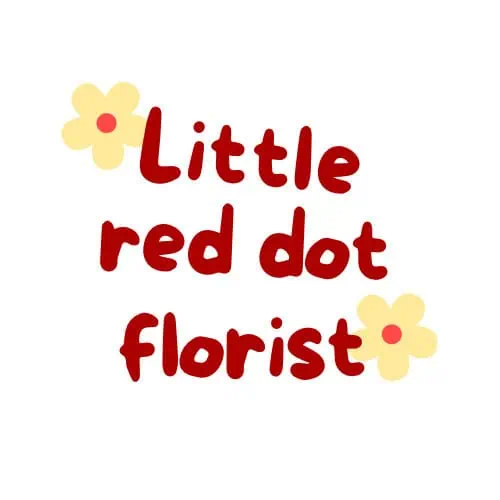
Iris: Types, How to Grow, and How to Take Care of Irises
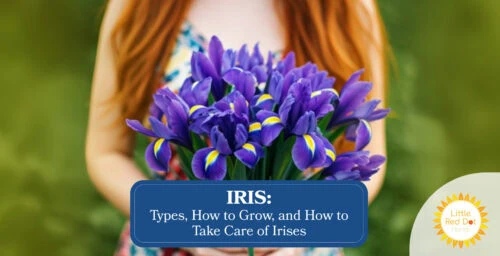
Iris is a stunning and exquisite flower distinguished by its unique shape, which consists of three straight petals and three drooping petals (falls), giving it a distinctive and ornate appearance. Iris is from the Iridaceae family. The leaves of iris plants are long, slender, and sword-shaped, providing a fan-like structure that enhances its appearance when it’s not blooming. Irises are resilient plants that endure various weather conditions, however, they do best in sunny, well-drained soil. They are insect-resistant, but occasional pests such as aphids or iris borers require treatment.
Irises grow slowly and bloom in the second year after sowing rhizomes or bulbs. They live up to decades, depending on the species, as they are perennial plants that return year after year with adequate care. The iris flowers are inappropriate for houses with children or pets, as several parts are poisonous if consumed. There is great cultural importance in every “iris flower meaning.” The plants symbolise intelligence, faith, and valour. Irises are a sign of monarchy and admiration, and they are common in art and literature to portray emotions. They are popular in gardens and floral arrangements due to their remarkable beauty, tenacity, and rich meaning.
What is an Iris?
An iris is a genus that thrives in the northern temperate zone, while some of its most attractive species are endemic to the Mediterranean and central Asian regions. The iris is the fleur-de-lis of the French royalist emblem. It is a favourite in Japanese flower arrangements and an important cut flower in the floral business. It is the source of orrisroot, used to make the “essence of violet” perfume. These blooms come in various colours, such as purple, blue, yellow, and white.
What does an Iris Flower look like?
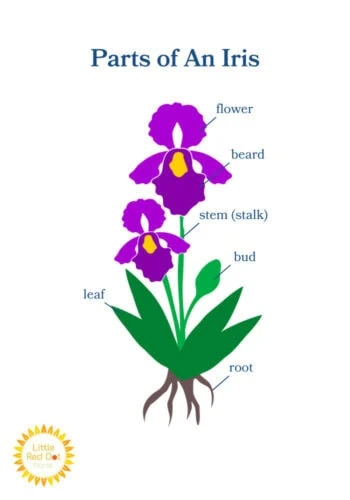
An iris flower looks like a waving flag. An iris flower is a stunning bloom that stands out in every garden due to its unique form and vivid colours. A “beard” of microscopic hairs or contrasting patterns is used to embellish the flower’s three upright petals (standards) and three drooping petals (falls). Its leaves are long, slender, and sword-like, forming a fan-shaped arrangement that adds to the flower’s remarkable look.
The stem of most iris species is sturdy and unbranched, allowing it to support the huge, colourful flowers. Irises don’t have branches like other plants because their blooms come straight from the rhizome or central stalk. Irises are a favourite among florists and gardeners because they are easy to grow and don’t have spines or thorns. The iris is considered one of the most exquisite and adaptable flowers because of its beautiful shape, velvety texture, and vibrant hues.
The look of an iris flower is shown in the image below.
What do Iris Flowers Symbolise?
Iris flowers symbolise intelligence, faith, hope, and valour. Iris is derived from the Greek goddess “Iris,” who served as a messenger between gods and mortals. It is rich in symbolism, with meanings that transcend cultures and places. The “iris flower meaning” instils a communication and spiritual connection. The iris is used in art as a sign of royalty and admiration, with its exquisite form appearing in classical and modern works to convey beauty and devotion.
The iris is a meaningful option for bouquets or decorations that honour the connection of love and commitment as it represents optimism and faith in weddings or marriages. The ability of the iris to flourish in various environments and return every year signifies endurance and tenacity that goes beyond its visual and cultural value. It represents strength and endurance across generations and countries.
What are Some of the Best Types of Iris?
Some of the best types of iris are listed below.
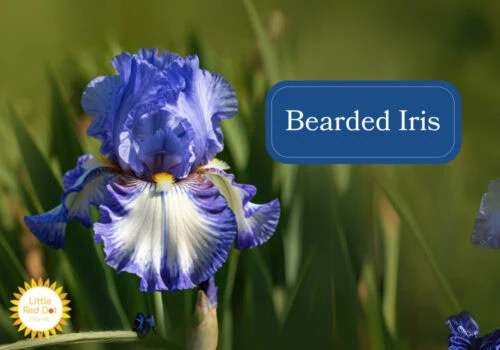
- Bearded Iris: Bearded iris is a stunning plant with a characteristic “beard” on the lower petals. It is well-liked for its vivid colours and maturing in well-drained soil.
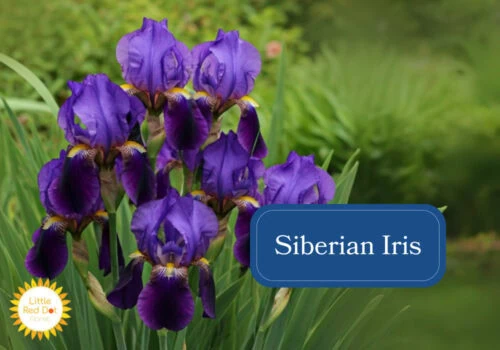
- Siberian Iris: Siberian iris is a durable, low-maintenance, tolerant plant that thrives in moist soil. It is distinguished by its graceful, grass-like foliage and exquisite blue, purple, and white blossoms.
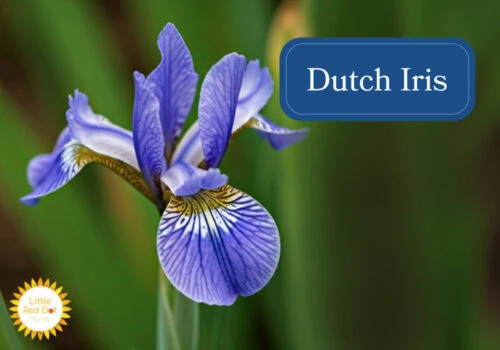
- Dutch Iris: The Dutch iris is a favourite florist’s choice, with brilliant blue, yellow, and white flowers. It prefers well-drained soil and full sun, and blooms from bulbs in late spring to early summer.
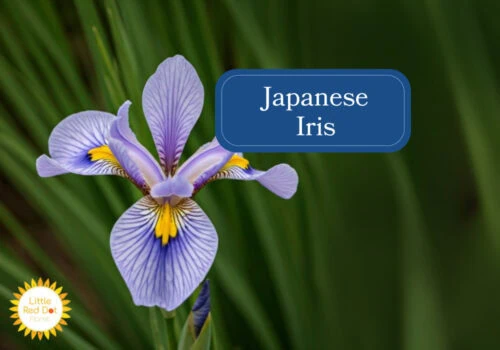
- Japanese Iris: The Japanese iris is famous for its huge, beautiful patterned flowers. It prefers acidic, damp soil and is planted near water features due to its exotic appeal.
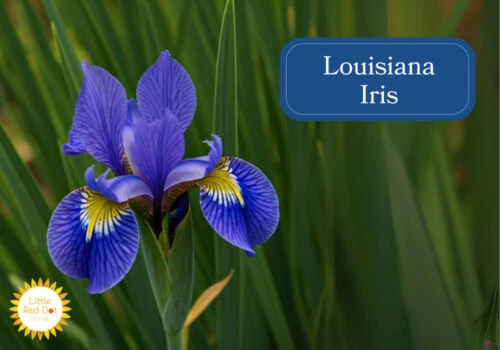
- Louisiana Iris: The Louisiana iris is a native of wetlands in the southern United States. It grows well in damp environments and produces vibrant, striking flowers ideal for rain gardens or places with inadequate drainage.
1. Bearded Iris
Bearded Iris (Iris × germanica) or German Iris is a common species with unique botanical characteristics and cultural importance. The bearded iris features three erect drooping petals. Its enormous, beautiful blooms, decorated with a fuzzy “beard,” are available in various colours.
Bearded irises are attractive and versatile plants that attract pollinators such as butterflies and bees. Conservation efforts are centred on maintaining genetic diversity and protecting wild iris species. The cost of bearded irises is approximately S$5.10 to S$252.96, depending on size.
2. Siberian Iris
Siberian Iris (Iris sibirica) or Siberian flag is a delicate and versatile variety recognised for its attractive botanical traits and durability. It is a great choice for gardens and landscaping because of its beautiful blossoms and thin, grass-like leaves. Siberian irises are adaptable to different soil types and are utilised for decorative purposes, erosion control, and wetland restoration.
Conservation efforts focus on protecting the natural habitats, particularly wetlands and meadows, from urbanisation and climate change. The Siberian iris emphasises the balance between grace and tenacity in nature and is a sign of knowledge, hope, and admiration. It costs around S$5.87 to S$26.67, depending on the quantity per bag.
3. Dutch Iris
Dutch Iris (Iris × hollandica) is a hybrid species distinguished by its exquisite form and brilliant colours. It is a popular seasonal plant used in gardens and flower displays. It is perfect for bouquets and cut flower arrangements because of its long stems and vase life.
The conservation efforts are centred on preserving genetic variety and sustainable growing practices. The flower is popular for weddings and other important occasions because it represents elegance, hope, and inspiration. The price of Dutch Iris is around S$3.31 to S$16.36, which varies on bulb content.
4. Japanese Iris
Japanese Iris is a stunning, gentle plant with intricate patterns and huge, flat blooms. It flourishes in damp, acidic soils around ponds and water bodies. Japanese irises are lovely plants in gardens and landscapes, ideal for wetland restoration initiatives.
Conservation efforts include safeguarding their natural habitats, such as wetlands, from urbanisation and environmental change. The Japanese iris has cultural significance in Japanese art, literature, and customs, symbolising purity, elegance, and nature’s beauty. The price of Japanese Iris is approximately S$8.14 to S$34.12.
5. Louisiana Iris
Louisiana Iris is a type of iris found in southern marshes. Louisiana Iris is famous for its vivid blossoms and ability to thrive in water. The plants’ beautiful patterns and vibrant colours thrive in moist to waterlogged soils, which are excellent for wetland gardens and natural environments.
Louisiana Irises are used for decorative gardens, erosion control, and habitat restoration initiatives. Protecting natural wetland ecosystems that are endangered by urbanisation and climate change is the main goal of conservation efforts. The price of Louisiana Iris starts from S$6.15 per plant.
What are the Colours and Meanings of an Iris?
The colours and meanings of an iris are listed below.
- Blue: Blue irises are perfect for offering to close friends or long-term lovers. The blue “iris meaning” symbolises belief, hope, and profound trust.
- Purple: Purple irises symbolise knowledge and majesty. They make a compelling addition to bouquets, demanding attention and displaying their vivid beauty.
- White: White irises are popular for their purity and are popular in wedding bouquets and decor due to their delicate nature.
- Yellow: The yellow “iris flower meaning” represents passion, but most yellow flowers represent friendliness.
How to Grow Irises?
To grow irises, follow the eight steps listed below.
- Choose a bright area where irises get at least six hours of direct sunlight every day. Ensure the soil is well-drained to avoid waterlogging, which causes root rot.
- Prepare the soil by loosening it to a depth of about 12 inches and add compost or sand as needed to promote drainage. Soils with a pH of 6.0 to 7.0 are ideal for iris growth.
- Plant them three times their height deep, with the pointed end up.
- Water the irises right after planting to help them settle.
- Mulch plants to keep moisture in and keep weeds out, but don’t cover the rhizomes. Use low-nitrogen fertiliser in the early spring and after blooming to promote healthy growth and blooming.
- Remove fading leaves and spent blossoms to maintain plants healthy and disease-free. Inspect for pests or signs of fungal infection regularly, and handle issues right away.
- Divide the rhizomes every 3-5 years to avoid overpopulation and promote strong blooming. Dig out the clumps, cut the foliage, and replant healthy pieces.
- Apply a thin layer of mulch to shield irises from frost in colder regions. Remove the mulch in early spring to allow for new growth.
Irises grow slowly, with new shoots appearing in warm, moist soil. Blooms occur in the second year after they are established for around one growing season. They don’t grow fast, but they are dependable and consistent, giving gardeners colourful blooms.
When is the Best Time to Plant Iris Bulbs?
The best time to plant iris bulbs is September up to late November before the ground freezes. The bulbs develop strong roots in the cool, damp soil before winter. The preparation guarantees a healthy growth cycle when the growing season starts in early spring. Irises flourish from early spring to late summer, depending on the type and climate. It grows faster and produces gorgeous flowers the next season when planted at an appropriate time.
What are the Common Challenges in Growing Irises?
The common challenges in growing irises are listed below.
- Pests and Diseases Challenges: Use organic insecticidal soap or neem oil, to treat aphids, iris borers, slugs, and rhizome rot. Ensure plants are spaced properly, refrain from overwatering, remove diseased leaves, replant healthy areas, and do routine pest inspections to keep them healthy.
- Poor Blooming: Plant irises in a sunny spot with six hours of sunlight, use low-nitrogen fertiliser for flower development, and divide rhizomes every three to five years to avoid overcrowding.
- Environmental Stress: Cover the plants with mulch to keep them moist during droughts and shield the rhizomes from freezing in colder climates. Remove the mulch in the spring to prevent decay and promote new growth.
- Nutrient Deficiency: Test the soil and add compost or a balanced fertiliser if needed. Use a low-nitrogen fertiliser in early spring and after blooming to promote healthy growth and flowering.
What are the Best Tips for Growing Irises?
The best tips for growing irises are listed below.
- Sunlight: Iris needs sunwarming in August and September to produce the most flowers. Plants must not be overcrowded because they shade the rhizomes, resulting in few or no flowers the next year.
- Mulching: Try applying a thin layer of compost mulch in November if a bed wasn’t looking well in May. Mushroom compost or Strulch (a straw-based mulch) work best.
- Deadheading: Eliminate late-summer wilted leaves as they fall away from the rhizomes, or leave them until spring to provide shelter over the winter.
- Using Shears: Using shears to cut off deadheads is important in iris plant care. The importance of using shears increases as flowering progresses, and full wasted flower stems are removed.
How to Take Care of Irises?
To take care of irises, follow the eight steps listed below.
- Choose a location that receives at least six hours of direct sunlight each day. Make sure there is adequate ventilation in the area to prevent illnesses.
- Water irises right after planting and during dry periods. They require little water once grown and are drought-tolerant. Do not overwater to avoid decay.
- Use a low-nitrogen fertiliser in early spring and after blossoming. Avoid using too much nitrogen, as it stimulates the growth of foliage over flowers.
- Eliminate wasted blooms to avoid undesired self-seeding and to channel energy to the rhizomes. Cut back dead or yellowing leaves in the autumn to keep the plant healthy.
- Dig up and divide overloaded rhizomes every 3 to 5 years to promote healthy development and blooming.
- Check plants for illnesses like leaf spot and rust or pests like iris borers and aphids. Remove the damaged sections and apply the required organic or chemical solutions.
- Apply a thin layer of mulch in late autumn to shield rhizomes from frost in colder locations. Ensure soil moisture levels and the proper iris flower care are maintained in hotter climates without going overboard.
- Remove plant debris and weeds around irises to lessen the risk of pests and illnesses. Good garden practices and flower care tips support the general health of plants.
Are Irises Hard to Care for?
No, irises are not hard to care for. The hardy perennials thrive in various climates and soil types. They thrive in well-drained soil and a sunny area. Regular maintenance includes dividing rhizomes every few years to minimise overpopulation and removing wasted blooms to promote continuous development. The simple care of irises prevents pests, illness, or inadequate irrigation problems, despite their low maintenance requirements. Irises are lovely and pleasant to every landscape because of their beauty and low maintenance requirements.
What are the Challenges in Taking Care of Irises?
The challenges in taking care of irises are listed below.
- Pest Infestations: Pests including iris borers, aphids, and snails are common among iris plants. Iris borers eat rhizomes, while aphids and slugs eat foliage and blossoms.
- Poor Soil Drainage: Irises are susceptible to soggy soil, which cause rhizome rot, so don’t overwater them.
- Extreme Weather Conditions: Irises are stressed and have their growth impacted by frost, dryness, or extreme heat.
- Nutrient Deficiency: Stunted growth or yellowing leaves are signs of a deficiency in vital nutrients.
What are Irises Used For?
The uses of irises are listed below.
- Home Decor: The iris flower is a versatile plant which cultivated in gardens or containers. Its vivid purple and yellow hues provide everywhere a splash of colour.
- Perfumes: The violet scent of iris roots, used in the 19th-century perfume industry, is found in sachets and potpourris.
- Essential Oil: The oil of iris flowers is used as a sedative in aromatherapy.
What Types of Occasions are Irises used?
The types of occasions that irises are used are listed below.
- Birthdays: Irises make lovely birthday gifts, especially for people born in February, as the iris is the month’s natal flower.
- Weddings: The beauty of iris flowers, particularly white ones, are attractive for wedding bouquets and decorations.
- Funerals: Irises are utilised as symbols of respect, hope, and remembrance in memorial services and funeral arrangements.
- Graduations: Irises signify courage and wisdom, and are given to commemorate major life events like retirements, promotions, or graduations.
What are Interesting Facts about Irises?
The interesting facts about irises are listed below.
- More Species: Iris is a blooming plant genus with around 300 species, including some of the most popular and diverse garden flowers in the world.
- Indigenous: The genus’s richness is centralised in the northern temperate zone, while some of its most attractive species are indigenous to central Asia and the Mediterranean.
- Flag of France: The iris represents the “fleur-de-lis” of the French royalist flag.
- Japanese Floral Industry: Iris is a favourite in Japanese flower arrangements and a highly valued cut flower in the floral business.
- Fragrance: Iris is the source of orrisroot, which is used to make the “essence of violet” perfume.
What are the other Flowers with their Symbolism?
The other flowers with their symbolism are listed below.
- Tulips: Tulips feature simple yet beautiful blossoms that resemble irises’ bright colours. They are included in the “list of flowers and their meanings” that radiate joy and appreciation.
- Orchids: Orchids have irises’ intricate and exotic appearance, making them a symbol of sophistication and wealth across civilisations. The list of flowers and their meanings signify their differences.
- Lilies: Lilies are enormous, beautiful flowers used in religious or ceremonial situations to represent purity and grace. The flower symbolism list shows that each bloom differs the value in every culture.
- Hyacinths: Hyacinths are known for their fragrant, bell-shaped flowers and brilliant colour palette, similar to that of irises. They are associated with deep feelings and peace.
- Daffodils: Daffodils blossom in early spring. The plant symbolism is renewal and hope.