
Jasmine: Types, How to Grow, and How to Take Care of Jasmine
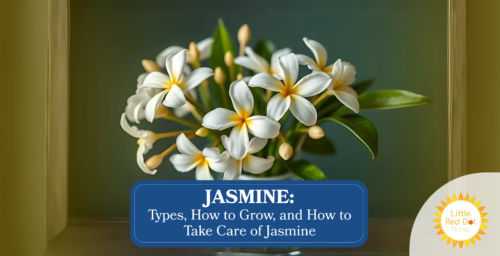
Jasmine (Jasminum) is a fragrant flowering plant from the Oleaceae family well-known for its beauty, aroma, and symbolic value. A Jasmine flower is star-shaped with tiny white petals, but other species produce yellow or pink blossoms. The jasmine leaves are simple or pinnate, depending on the type, and are brilliant green, contributing to the plant’s cosmetic value.
The Jasmine plant is hardy, adaptable, and thrives in warm climates with plenty of sunlight and soil that drains properly. Jasmines are unsusceptible to insects, but common pests such as aphids and whiteflies sometimes cause problems. They need constant “Jasmine care” and monitoring. It develops fast, reaching maturity in 6 to 12 months, depending on the species and growing conditions. The plant has a lifespan of 10 to 30 years, depending on the species.
Jasmine is non-toxic to people, making it suitable for gardens and homes. The other species cause minor responses in dogs if consumed. Jasmine is associated with spirituality, sensuality, love, and innocence, among many cultures. It symbolises grace and elegance in romantic events and religious rituals. The versatile plant is a favourite in gardens and floral arrangements worldwide.
What is a Jasmine?
Jasmine (Jasminum) is a genus of around 200 species of the olive (Oleaceae) family, under the tribe Jasmineae. The name came from Old French jessemin. Jasmines are indigenous to the Old World’s tropical and mild-temperature areas. The plant species are versatile and grow in warm surroundings. They are utilised in perfumes, teas, and essential oils.
What does a Jasmine Flower look like?
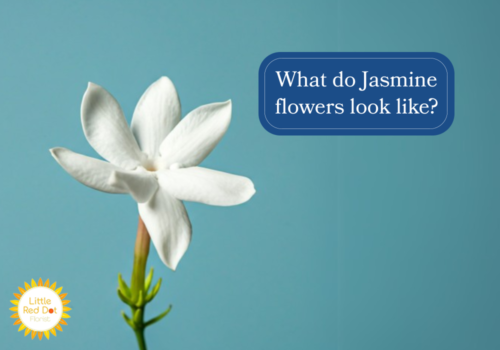
The Jasmine flower looks like a pinwheel. Most real jasmines have climbing branches that lack tendrils. The flowers are tubular and flaring-lobed. Several double-flowered variations are produced. The flowers are white, yellow, or pink. The leaves are green or deciduous. They are made up of two or more leaflets, while some species have single leaves. Most Jasmine species produce two-lobed blackberries as their fruit.
What does Jasmine Symbolise?
Jasmine signifies purity, passion, and sensuality, while its exquisite white flowers symbolise innocence and grace. The “Jasmine flower meaning” is versatile and represents the holy or brief nature of life in art to express themes of beauty, grace, and spirituality. The plant has significance in marriage as it defines eternal love, fidelity, and a fresh start.
Jasmine’s fragrant blossoms are used in bridal bouquets and decorations, particularly in South Asian customs, where they symbolise the holy connection of marriage and the blessings of prosperity. Jasmine is a sign of endurance and determination, as the plant thrives in various situations and blooms each year. The persistent feature produces jasmine an effective symbol of strength and tenacity, adding to its appeal as a flower with profound artistic and personal value.
What are Some of the Best Species of Jasmine?
Some of the best species of jasmine are listed below.
- Jasminum Officinale: It is a shrub that produces fragrant white star-shaped flowers.
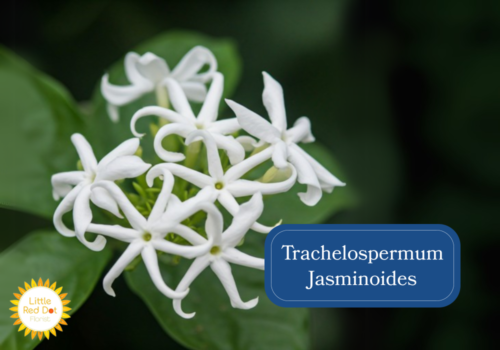
- Trachelospermum Jasminoides: A jasmine species of evergreen shrub or vine with shiny green leaves and white, pinwheel-shaped blooms.
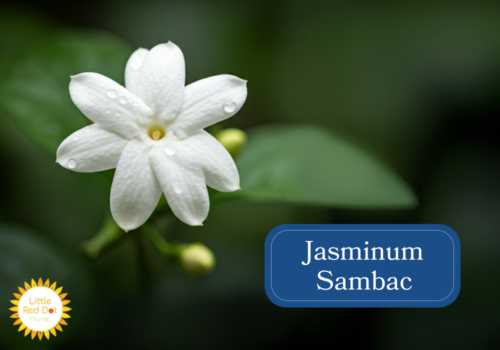
- Jasminum Sambac: The plant is a small evergreen shrub or vine that produces fragrant white blooms.
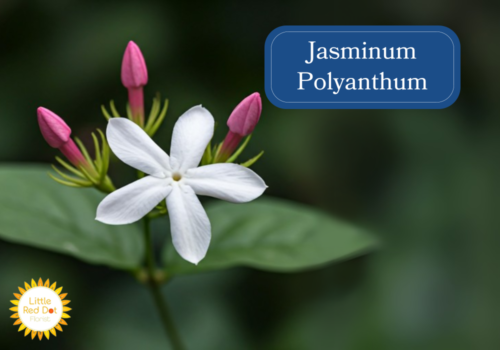
- Jasminum Polyanthum: A Jasminum Polyanthum is a quick-growing vine with pink buds that bloom into fragrant white flowers.
- Jasminum Nudiflorum: The Jasminum Nudiflorum is a sturdy, deciduous shrub with vivid yellow, unscented blooms.
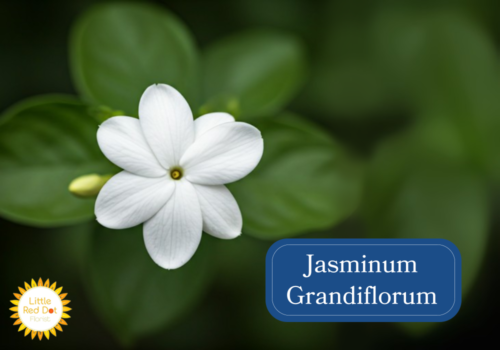
- Jasminum Grandiflorum: A Jasminum Grandiflorum is a semi-evergreen climber that produces enormous, fragrant white blooms.
- Jasminum Multiflorum: One of the jasmine species that is a thick, evergreen shrub with clusters of tiny white star-shaped blooms.
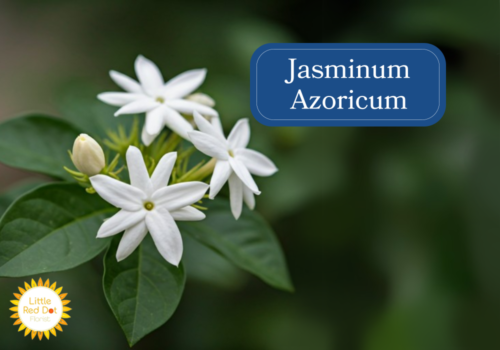
- Jasminum Azoricum: The shrub is a fragile evergreen climber with glossy leaves and bunches of white blooms.
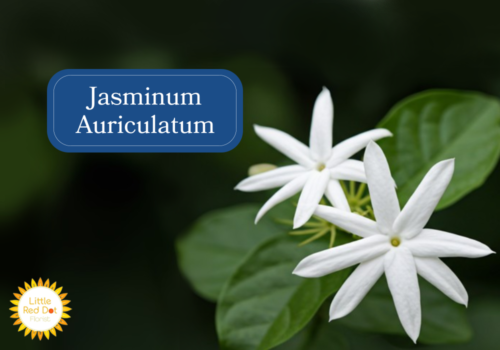
- Jasminum Auriculatum: The plant is a tiny evergreen shrub or climber bearing sweet white blooms.
- Jasminum Rex: The shrub is a unique species with massive, gorgeous white flowers and a powerful smell.
1. Jasminum Officinale
Jasminum Officinale (summer jasmine or poet’s jasmine) is a climbing shrub that produces fragrant white blooms. The Jasminum officinale species are used in perfumes, aromatherapy, skin care products, traditional medicine, and decoration. The conservation efforts of the shrubs are centred on maintaining natural areas and implementing sustainable harvesting procedures.
Jasminum officinale has cultural importance, representing purity, love, and elegance, making it popular in weddings, religious rituals, and creative depictions. Its aroma and meaning make it a popular plant in many civilisations. The price of Jasminum Officinale is approximately S$27.68 with a size of 0.5 qt.

2. Trachelospermum Jasminoides
Trachelospermum Jasminoides (confederate jasmine or star jasmine) is an evergreen vine-shrub with glossy foliage and white flowers. Trachelospermum jasminoides reach 20 feet in height and are tolerant to various climates and soil types. Star jasmine is used in gardening, aromatherapy, and landscaping. Sustainable farming practices and the prevention of intrusive trends are the main goals of conservation initiatives.
The plant symbolises love, purity, and peace, and in some cultures, it represents tenacity and adaptation. It is a popular plant in ornamental horticulture and cultural symbolism because of its enduring beauty and scent. The price of Trachelospermum Jasminoides is around S$101.26 for a 5-gallon size.
3. Jasminum Sambac
Arabian jasmine (Arabian jasmine) is a fragrant evergreen vine or shrub that belongs to the Oleaceae family. Its blooms are utilised in traditional medicine, aromatic treatments, and perfumes. Jasminum sambac blooms manufacture essential oils, infuse teas, and make garlands. Sustainable farming methods and maintaining the genetic variety of the species are the main goals of conservation initiatives.
Jasminum sambac is the national flower of the Philippines and Indonesia, representing purity, humility, and holiness. It is used in religious events and as garlands in India. Its enduring scent and symbolic importance make it a beloved plant in many civilisations. The price of Jasminum Sambac is around S$89.10 for a large pot.
4. Jasminum Polyanthum
Jasminum Polyanthum (pink jasmine) is a vine shrub that cultivates fast. Jasminum polyanthum’s fragrant, star-shaped white flowers bloom from late winter to early spring, infusing the air with a lovely smell. It has pinnate leaves and is 20 feet tall, which makes it popular in gardens and indoor spaces for its beauty and aromatic properties.
Conservation efforts aim to stop its potential for invasion in some areas if it is not listed as endangered. It symbolises love, beauty, and regrowth. The price of Jasminum Polyanthum is around S$22.88 to S$30.98, depending on the pot size.
5. Jasminum Nudiflorum
Jasminum Nudiflorum (winter jasmine) produces chilly flowers. Jasminum nudiflorum’s yellow trumpet-shaped flowers appear on green stems before the leaves appear. It is used as a ground cover, erosion control, and ornamental plant. Its resilience and adaptability make it a popular landscaping option.
Promoting its use in sustainable landscaping lessens soil erosion and supports biodiversity, despite the lack of conservation efforts. Winter jasmine symbolises resilience, hope, and rejuvenation. The price of Jasminum Nudiflorum starts at S$47.21 for a 1-gallon pot.

6. Jasminum Grandiflorum
Jasminum Grandiflorum (Spanish or Royal jasmine) is popular for its big, scented blooms. Jasmine grandiflorum’s flowers are present in perfumes, aromatherapy, cosmetics, and conventional medicine due to their antidepressant, antibacterial, and anti-inflammatory qualities. The calming properties of jasmine grandiflorum are sometimes utilised to infuse teas.
Sustainable farming practices are focused on ensuring long-term availability. The plant symbolises love, purity, and sensuality, which makes it a common element in traditional rites and religious offerings. It costs S$22.88 to S$30.98, depending on the pot size.
7. Jasminum Multiflorum
Jasminum Multiflorum (star jasmine) is a thick evergreen shrub or vine. The abundant, star-shaped white blooms are used for fences and barriers in gardens because of their striking appearance. The brightness of its starry appearance makes up for its lack of scent.
Jasminum multiflorum is not endangered, however, its growth in urban areas strengthen green spaces and biodiversity. It symbolises purity and simplicity and is used in religious ornaments. The cost of Jasminum Multiflorum is approximately S$16.13.

8. Jasminum Azoricum
Jasminum Azoricum (lemon-scented jasmine) has trifoliate leaves and star-shaped white blossoms that give off a lemon-like aroma, giving sensory appeal to gardens and settings. It is grown for its beautiful and fragrant features, and it reaches a height of 10 to 15 feet. It creates peaceful outdoor spots in gardens and landscapes.
Preserving its natural habitats and encouraging sustainable farming methods are the main goals of conservation efforts. The price of Jasminum Azoricum is approximately S$206.80 for a 7-litre pot size.
9. Jasminum Auriculatum
Jasminum Auriculatum (jui) is a small evergreen shrub from the Oleaceae family that produces fragrant white flowers. It is valued for its ornamental use, including garlands, fragrances, and traditional medicines. Conservation efforts are critical to habitat loss and overuse.
The jasmine species symbolises purity, dedication, and love in religious rites and celebrations. It is sacred and mystical in Indian cultures. Its ageless beauty and scent are universal symbols of elegance and reverence. The price of Jasminum Auriculatum starts at around S$40.52, depending on the quantity.
10. Jasminum Rex
Jasminum Rex (King of Jasmine) is a beautiful evergreen plant in the Oleaceae family known for its big, fragrant blooms. Its dark green foliage and star-shaped flowers blossom during the summer months, making it excellent for fences, structures, and walls in tropical and subtropical areas. The scent of jasmine rex is used in aromatherapy and floral arrangements.
Conservation efforts are geared towards preserving its natural habitats, particularly in areas threatened by deforestation and urbanisation. It is a symbol of beauty and sophistication due to its majestic look and alluring scent. The price of Jasminum Rex is around S$27.01 for a 125mm.
What are the Different Colours and Meanings of a Jasmine?
The different colours and meanings of a Jasmine are listed below.
- White: The white “jasmine meaning” represents innocence, appropriate for weddings and christenings.
- Pink: Blue jasmine represents faith and honesty and is a nonverbal approach to showing appreciation for someone’s loyalty.
- Blue: Pink jasmine represents womanhood, making it appropriate for anybody looking to connect with their feminine side and appreciate its beauty.
- Yellow: The yellow jasmine has the power to brighten someone’s feelings. It symbolises friendship and joy. Each “jasmine flower meaning” differs in its colours.
How to Grow Jasmine?
To grow Jasmine, follow the six steps listed below.
- Begin by soaking the Jasmine seeds for 24 hours. Ensure to plant them in a moist see-starting mix.
- Place the pots in a warm climate in direct sunshine after covering them with clear plastic. Maintain an even moisture level throughout the soil.
- Take a 4 to 6-inch clipping to reproduce it from cuttings. Remove wasted flowers and the lower foliage while leaving at least three upper leaves on the cutting.
- Dip the cutting’s end in rooting hormone and place it in moist potting soil. Place a large, clear plastic bag over the Jasmine plant and expose it to bright indirect light.
- Bend the stem to the soil closest to the plant while keeping it attached. Layering is a hands-off method that works best with growing Jasmine in the spring or early summer.
- Press down on the soil to solidify it. The buried portion of the stem grows roots and gets ready to be detached from the parent plant and transferred.
Most jasmine plants grow up to 3 feet every year under ideal circumstances. The growth rate is determined by the variety, climate, and level of care given.
When to Plant Jasmine?
Plant jasmine in the garden from early summer to late fall, depending on the locations. Planting jasmine is best when the weather is moderate and the soil is warm, allowing the plant to build deep roots before the harsh temperatures of summer and winter. Most jasmine species need at least 4 to 6 hours of direct sunlight daily, so it is best to know where to plant Jasmine with moist, fertile soil. Jasmine’s growing season lasts from spring to summer, with the plant growing most actively throughout the warmer months. Healthy development and plenty of flowers are guaranteed with regular watering, appropriate maintenance, and protection from harsh temperatures.
What is the Maximum Height for Jasmine?
The maximum height for Jasmine is 30 ft, depending on the species, like Jasminum officinale and Jasminum polyanthum. Common jasmine plants grow fast from 3 to 15 ft. They reach their maximum development under ideal circumstances, which include frequent pruning, rich soil, and enough sunlight. Trimming control “Jasmine height,” making them suitable for small gardens and bigger landscapes. Jasmine plants are adaptable to many environments and grow as ground covers, shrubs, or climbers, offering beauty and scent at the desired height.
What are the Common Challenges in Growing Jasmine?
The common challenges in growing Jasmine are listed below.
- Insects and Pests: Jasmine must be planted in well-drained soil, and water when the top inch feels dry.
- Overwatering and Poor Drainage: Check the plant for bugs regularly. Pests are removed using insecticidal soap, neem oil, or a vigorous water spray.
- Soil Nutrient Imbalance: Use compost or organic materials to enrich the soil and a slow-release fertiliser during the growing season.
- Damage from Cold: Cultivate jasmine in pots that get moved indoors throughout the winter.
What are the Best Tips for Growing Jasmine?
The best tips for growing Jasmine are listed below.
- Soil: Plant the jasmine in organic-rich, sandy loam with adequate drainage, add bark and peat moss and keep soil pH between 6.5 and 7.5, which is neutral to slightly alkaline.
- Water: Jasmine plants prefer damp, equally moist soil. Garden-grown plants must be watered once a week, particularly in hot weather, and potted plants twice to three times each week when the soil becomes dry.
- Light: Jasmines need six hours of direct sunlight daily to grow as houseplants. The proper “jasmine plant care” needs full sun, while the species that bloom in the winter prefer shade.
- Temperature: Maintaining a temperature range of 60-75 degrees is critical for optimal jasmine plant growth, as tropical plants flourish in warm temperatures and some winter jasmine cultivars are cold-tolerant.
- Fertiliser: Growing jasmine needs little fertilisation unless the soil is deficient in nutrients.
How to Take Care of Jasmine?
To take care of Jasmine, follow the eight steps listed below.
- Allow for sufficient sunlight. Plants must be placed in sunny areas and indoor jasmine close to a bright window.
- Select soil that drains well. Adding organic compost to the soil is one of the best Jasmine plant care to improve nutrient availability.
- Water often. When the top inch of soil feels dry, water thoroughly, particularly throughout the growing season (spring and summer).
- Fertilise throughout the growing season. Avoiding nitrogen-rich fertilisers is another Jasmine flower care method and one of the best flower care tips, which prefers foliage over blossoms.
- Prune jasmine after flowering to eliminate dead or excessive stems, promote new growth, and keep the desired form. Pruning stops the growth of limbs.
- Check plants for pests like spider mites, aphids, or whiteflies. Use neem oil or insecticidal soap to eradicate infestations.
- Guard against extremely high or low temperatures. Other types of jasmine are susceptible to frost, despite their hardiness.
- Cover the base of the plant with an organic mulch layer to control temperature, keep the soil moist, and keep weeds at bay.
Are Jasmine Hard to Care for?
No, Jasmines are not hard to care for. Jasmine plants require attention and care when they are first planted. Regular pruning enhances flowering and increases plant life. They flourish with little effort provided their basic needs are addressed. Most jasmine species prefer full to partial light, well-drained soil, and regular watering, particularly during their active growing seasons in the spring and summer. They like constant moisture, but overwatering causes root rot.
What are the Challenges in Taking Care of Jasmine?
The challenges in taking care of Jasmine are listed below.
- Yellowing Leaves: Yellow leaves are a sign of inadequate drainage, nutritional shortages, or excessive watering.
- Not Blooming: Jasmine grows foliage but does not produce blooms due to overfertilisation or inadequate light.
- Leggy Growth: Jasmine becomes overgrown and lanky without frequent pruning, which lessens its aesthetic value.
What are the Uses for Jasmine?
The uses for Jasmine are listed below.
- Tea: Jasmine flowers are combined with green, white, or black tea to make a pleasant and relaxing drink.
- Essential Oil: Jasmine essential oil is extracted by either steam distillation or solvent extraction.
- Medicine Properties: Jasmine tea and extracts contain antioxidants, which fight free radicals, reduce oxidative stress, and reduce ageing.
What Occasions Are Jasmine Commonly Used?
The occasions that Jasmine commonly used are listed below.
- Wedding: Jasmine symbolises innocence, love, and new beginnings. It is used for decorating bridal bouquets, altars, and wedding venues.
- Funeral: Families in mourning find solace through the fragrance of jasmine. It is used in funeral wreaths, garlands, and tributes to show respect and remembering.
- Graduation: Jasmine garlands are given on Graduation Day to recognise accomplishments. It symbolises success and fresh starts.
- Festivals: Jasmine is used in festivals. It is tied into garlands, floral arrangements, and offerings at ceremonies.
- Religious and Spiritual Ceremonies: The national flower of the Philippines is jasmine (sampaguita), used in religious and spiritual ceremonies.
What are Interesting Facts about Jasmine?
The interesting facts about Jasmine are listed below.
- Fragrance: The smell of a jasmine plant is stronger at night when it’s cooler and the blossoms are more open.
- Tropical Plant: Jasmine is a tropical plant native to warm, tropical regions.
- Olive Family: Jasmine is a blooming plant from the olive (Oleaceae) family. The plant produces white, waxy flowers that resemble bells.
- Queen of the Night Flower: Jasmine is recognised in India as the “Queen of the Night” because of its strong after-sun scent.
- Antioxidant: Jasmine tea provides several health benefits. It is rich in antioxidants known as catechins.
What are the other Flowers with their Symbolism?
The other flowers with their symbolism are listed below.
- Honeysuckle: The tiny, tubular blossoms of honeysuckle have a pleasant aroma. The plant symbolism pertains to loyalty, gentleness, and affection.
- Gardenia: Gardenia is one of the “flower symbolism list,” with fragrant, white, waxy flowers. It is associated with intense feelings and grace.
- Lily of the Valley: The Lily of the Valley is a little flower with a lovely scent that resembles a bell. It refers to rebirth and purity.
- Magnolia: Magnolias are big, fragrant blossoms that are cream, pink, or white. The plant is included on the list of flowers and their meanings, symbolising the beauty and strength of various cultures.
- Plumeria: Plumerias are tiny, star-shaped flowers in colours pink and white with yellow centres. It signifies grace and happiness, similar to the meanings of different flowers.