
Lavender: Types, How to Grow, and How to Take Care of Lavenders
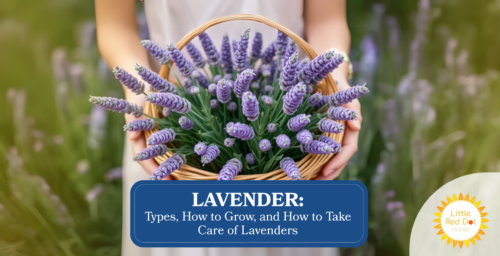
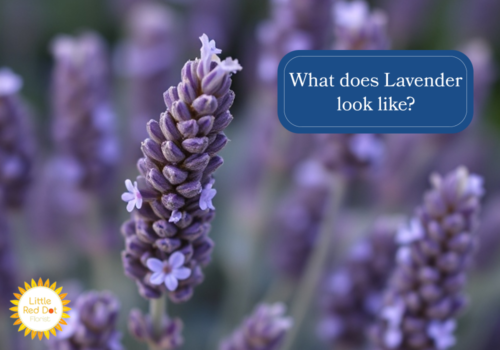
Lavender is a fragrant perennial plant valued for its delicate beauty and flexibility. Lavender flowers have thin, straight stems capped with compact clusters of small, tubular blooms that are purple, but other variations appear in white or pink. It has delicate, silvery, slender, grey-green leaves and is coated in small hairs.
A lavender plant is drought-tolerant, thrives in various climates, and requires little maintenance. It enjoys well-drained soil and full sunlight. Its resistance extends to its natural capacity to repel insects such as mosquitoes and moths, making it a popular choice for gardens and indoor use.
Lavenders grow slowly, maturing in two to three years. It thrives for 10 to 15 years with the right lavender care, while some varieties live longer. They are non-toxic to humans as it’s used in medicine and cooking, but harmful to pets.
Lavender symbolises purity, calmness, dedication, and serenity. A lavender flower is essential to gardens, bouquets, and ceremonies. Its alluring smell and medicinal effects contribute to its continuing appeal.
What is a Lavender?
Lavender (Lavandula) is a perennial flowering plant of the Lamiaceae family. Lavender comes from the Latin word “lavare” (to wash). It grows on the Iberian Peninsula and throughout the Mediterranean coastline, Eastern and Southern Africa, the Middle East, South Asia, and the Indian subcontinent. They are popular in herb gardens due to their scented foliage and gorgeous flowers. Lavender is utilised in traditional medicine and cosmetics.
Lavender plants are popular among gardeners, herbalists, and enthusiasts due to their long history and various applications. The shrubs are cultivated for their essential oil, which is utilised to scent different goods. For example, dried flowers are used in sachets to smell chests or closets, while the ancient Romans used lavender in their baths. It is utilised to taste beverages and desserts.
What does a Lavender Flower look like?
The lavender flower looks like a shrub. Lavender leaves form varies throughout the genus. They are simple in some cultivated species, serrated, or triple pinnate and dissected. Most species’ leaves are covered with fine hairs, known as indumentum, which contain essential oils. The sepal calyx has a tubular shape. The corolla is tubular-like, with five lobes (the upper lip is cleft, while the lower lip has two clefts).
Flowers are arranged in whorls and held on spikes that rise above the foliage. The spikes are branching in some species. Coloured bracts appear at the tips of some species’ inflorescences. The blossoms in colour from light lilac to vivid purple, but certain types appear blue, white, or pink. The flowers are known for their soothing scent from the small oil glands on the petals and foliage.
What does Lavender Symbolise?
Lavender symbolises purity, silence, dedication, peace, and grace. Purple is the colour of royalty and represents elegance, refinement, and luxury. The colour is related to the crown chakra, the energy centre symbolising a higher purpose and spiritual connection.
Lavender is utilised in art to portray quiet and spiritual wellness, which induces emotions of peace and reflection. Lavender is associated with love, affection, and good fortune in wedding and marital ceremonies. Its use in bouquets or decor provides harmony and long-lasting happiness to the couple. “Lavender flower meaning” refers to endurance because of its strength and capacity to flourish in extreme conditions.
What are Some of the Best Species of Lavender?
Some of the best species of lavender are listed below.
- Lavandin Lavender: Lavandin Lavender is valued for its vigorous growth and rich oil production. It is used to make essential oils and dried flower arrangements.
- English Lavender: English Lavender is known for its pleasant aroma and adaptability, and is used in cuisine, sachets, and essential oils. It thrives in cooler regions and has compact growth with bright purple flowers.
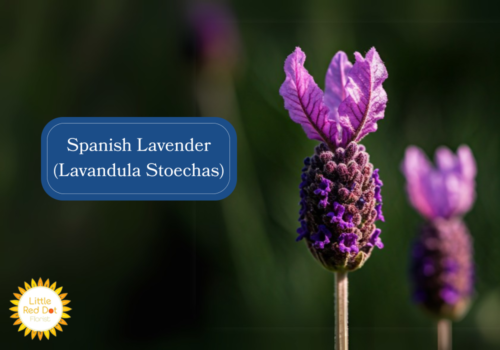
- Spanish Lavender: Spanish Lavender thrives in hot, dry areas and lends a vibrant visual element to gardens. The species is distinguished by its prominent “rabbit ear” petals on each flower spike.
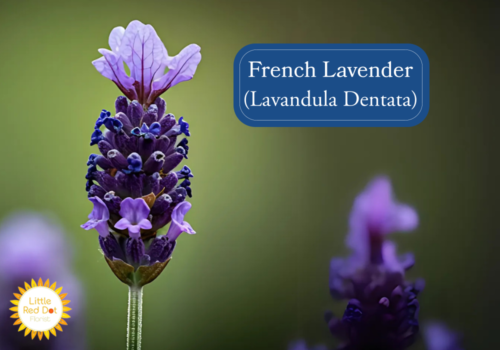
- French Lavender: French Lavender is well-known for its delicate, serrated leaves and subtle aroma. It is utilised in landscaping for its long-lasting blossoms and heat tolerance, instead of its fragrant properties.
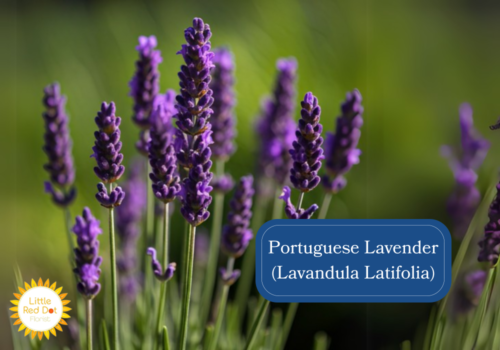
- Portuguese Lavender: Portuguese Lavender has a strong, camphorous scent. It is valuable in perfumes and blending with other oil types.
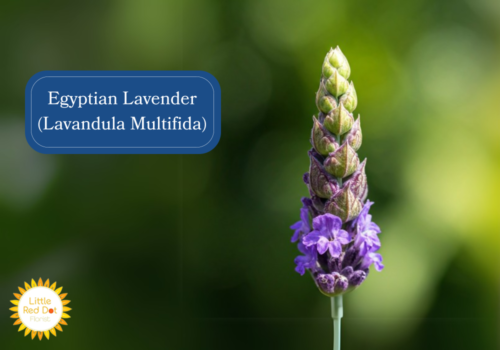
- Egyptian Lavender: Egyptian Lavender is known for its rich, exotic aroma. It prefers warm regions and has a distinct floral feature.
- Woolly Lavender: Woolly Lavender stands out for its silvery, wool-like leaves, which provide texture to gardens. It produces fragrant flowers and resists dryness.
1. Lavandin (Lavandula X Intermedia)
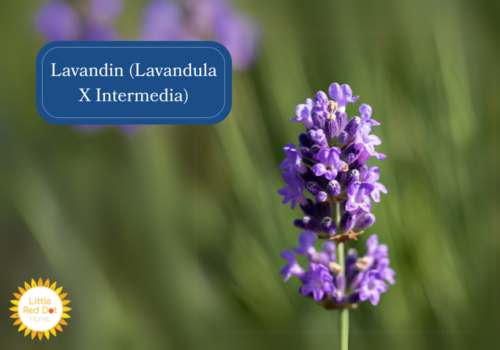
Lavandin (Lavandula X Intermedia) is a hybrid of English and Portuguese lavender species. Lavandin is distinguished by its tall, vigorous growth, broad silvery-green leaves, and long flower spikes with fragrant, violet-blue blossoms. It is a resilient plant that thrives in well-drained soils and full light, making it ideal for warmer climates.
Lavandin is cultivated for its high supply of essential oil, which has a stronger, camphor-like aroma than English lavender. The oil’s energising and purifying characteristics are utilised in perfumes, cleaning goods, and aromatherapy. Lavandin (Lavandula X Intermedia) costs around S$14.71 in a gallon pot.
The extensive cultivation of lavender guarantees its availability in terms of conservation. It maintains the genetic variety in areas where native lavender populations are at risk due to habitat degradation. The cultivation supports the economy and customs. Festivals honouring lavender flowers showcase its beauty and adaptability. Lavandin is valued for its practical uses and its cultural history, serving as a symbol of peace and fortitude.
2. English Lavender (Lavandula Angustifolia)
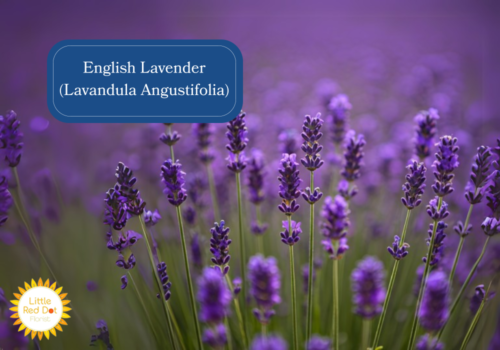
English lavender (Lavandula Angustifolia) is native to the Mediterranean and is known for its compact form, delicate silvery-green foliage, and fragrance. The hardy perennial thrives in well-drained soil and milder regions, making it a popular choice in temperate gardens. The plant is perfect for hedges, borders, and container gardening because of its compact size and neat growing form. English lavender attracts pollinators, such as bees and butterflies, during its late spring to early summer flowers.
The flowers of English lavender are used in sachets, potpourri, and cooking recipes, imparting a subtle flowery flavour to desserts, drinks, and savoury foods. The oil from its flowers is valued in aromatherapy, cosmetics, and natural stress relievers.
Conservation efforts are centred on preserving the genetic diversity of English lavender, particularly when climate change and habitat loss affect its natural locations. Sustainable farming practices are promoted to ensure long-term sustainability and role in ecosystems. The price of English Lavender starts at S$47.03 and varies from 1 to 5-gallon size pots.
English lavender is associated with purity, dedication, and peace, making it a popular option for weddings and religious rituals. It was valued in art, literature, and mythology, and is connected with mental and physical relaxation. Its distinctive presence in gardens has solidified its reputation as a timeless symbol of beauty and serenity.
3. Spanish Lavender (Lavandula Stoechas)
Spanish lavender (Lavandula Stoechas) is an eye-catching lavender with a unique blossom structure. Its compact growth habit is embellished with straight spikes of dark purple blossoms, capped by vivid, petal-like bracts (rabbit ears or butterfly wings). The leaves are slender, grey-green, and aromatic, emitting a tangy scent when brushed. The resilient plant grows best in hot, dry conditions with well-drained soil, which makes it a popular choice for Mediterranean and drought-tolerant gardens.
Spanish lavender is recognised for its beauty and fragrant characteristics. It is used in landscaping due to its long-lasting blooms and capacity to attract pollinators like bees and butterflies. Its essential oil has antibacterial and cleansing qualities for natural cures. The cost of Spanish Lavender starts at S$19.82 and varies from 1 to 5-gallon size pots.
Spanish lavender conservation efforts focus on maintaining its native habitats in the Mediterranean region, which are threatened by urbanisation and climate change. Sustainable production and raising knowledge of its ecological function in pollinator support are critical preservation measures.
Spanish lavender has a rich history in traditional medicine and folklore, symbolising strength, resilience, and devotion. Its vibrant flowers are often associated with transformation and renewal, making it a popular choice for garden designs that evoke energy and creativity. Its unique beauty and hardiness have ensured its enduring appeal in gardens and cultural traditions worldwide.
4. French Lavender (Lavandula Dentata)
French lavender (Lavandula Dentata) is a unique species valued for its graceful beauty and tenacity. Lavandula Dentata is distinguished by soft, grey-green leaves with serrated edges, thus its name “dentata” (toothed) in Latin. Its flower spikes have light purple to violet blossoms with delicate bracts on top and smell a bit of camphor. French lavender is a sturdy plant that thrives in warm areas and adapts to poor soils, making it a popular choice for attractive gardens and landscapes.
French lavender’s long-lasting blossoms and lovely foliage make gardens and containers look good. French lavender’s sweet smell is used in potpourri, sachets, and organic solutions for cleaning. The cost of French Lavender starts at S$19.82 and varies from 1 to 5-gallon size pots.
Conservation efforts for French lavender are centred on protecting its native habitats in the Mediterranean region, where excessive harvesting and habitat degradation cause problems. Encouraging cultivation and teaching farmers about sustainable methods contribute to preserving the species’ ecological significance and longevity.
French lavender represents refinement and grace and is associated with elegance in landscape design. French lavender is an essential of traditional landscapes that reflect the region’s beauty and charm. It is praised for its durability and flexibility, consistent with its cultural significance as a representation of tenacity and classic beauty.
5. Portuguese Lavender (Lavandula Latifolia)
Portuguese Lavender (Lavandula Latifolia) is a fragrant and sturdy plant indigenous to the Mediterranean region, particularly Portugal and Spain. Portuguese lavender has broad, lance-shaped leaves that emit a strong, camphor-like aroma when crushed. The violet to bluish-purple flowers emerge from late spring to summer. The plant thrives in rocky and arid environments because it cultivates best in sunny, well-drained environments.
Portuguese lavender is valued for its large supply of essential oils. It has a powerful, medicinal perfume than English lavender. The oil is used in fragrances, cleaning products, and aromatic treatments for respiratory relief and natural disinfection. The flowers were used in pouches and dried floral arrangements, bringing their unique scent.
The conservation efforts focus on preserving its natural habitats, which are becoming more endangered due to environmental changes and urbanisation. Sustainable harvesting and production procedures are critical to conserving the species and its role in the environment. Supporting biodiversity in Mediterranean regions is a top priority, as Portuguese lavender supplies nectar for bees and other pollinators.
Lavandula Latifolia symbolises strength and clarity, reflecting its powerful aroma and growth. The lavender species was utilised in traditional medicines for respiratory and skin disorders. The plant’s persistence and adaptability are symbols of perseverance, valued for its practical uses and contribution to the natural beauty of environments. The cost of Portuguese Lavender is approximately S$18.02 for a 2-litre size.
6. Egyptian Lavender (Lavandula Multifida)
Egyptian Lavender (Lavandula multifida) is a fragrant shrub known for its distinct scent and tolerance of warm conditions in Egypt. It has grey-green, thin leaves and tall stems topped with purple to violet blooms. The flowers are aromatic, with a deep, exotic fragrance that differentiates them from other lavender species. Egyptian lavender grows in desert, sun-drenched areas, making it ideal for the country’s hot and dry climate.
Egyptian lavender is most valued in fragrance and aromatherapy industries for essential oils. The oil is used in skincare products, fragrances, and traditional medicines because of its relaxing and soothing qualities. The dried blooms are used to make potpourri and are sometimes utilised to create ornamental landscaping in arid areas.
Egyptian lavender conservation initiatives are centred on sustainable cultivation to accommodate growing demand while maintaining the delicate balance of its native environments. Overharvesting and habitat degradation caused by agricultural growth create issues that need education and practices that promote biodiversity and sustainability.
Egyptian lavender has cultural significance in traditional medicine and ceremonies, representing healing and renewal. Its rich aroma and healing powers have made it a mainstay throughout Egyptian history, from ancient to the present. It is an emblem of grace and organic health, combining long-lasting functionality with a cultural legacy. The cost of Egyptian Lavender is around S$20.81 in a 4.5-inch pot.
7. Woolly Lavender (Lavandula Lanata)
Woolly Lavender (Lavandula Lanata) is a peculiar species found in the hilly regions of southern Spain. Woolly Lavender is named for its distinguishing botanical traits, particularly the silky, wool-like layer of small hairs that covers its grey-green leaves. The adaptation assists the plant in maintaining moisture in dry regions. Woolly lavender has long stems with bright purple flowers that differ against the silvery foliage. It is perfect for xeriscaping and Mediterranean-style gardens because it grows in rocky, well-drained soils.
Woolly lavender is used for ornamental purposes because of its eye-catching foliage and flowers, which make it a popular choice for colourful landscapes. The plant’s aromatic qualities make it suitable for dried floral arrangements and potpourri. Woolly lavender attracts pollinators like butterflies and bees, which benefits the ecosystem.
The goal of conservation for woolly lavender is to save its natural habitats, which are becoming more endangered due to urbanisation and climate change. Boosting its production through sustainable gardening practices to maintain a special plant while raising awareness of its ecological significance.
Woolly lavender symbolises resilience and adaptation, reflecting its capacity to grow in tough, arid circumstances. Its distinctive appearance and sturdy nature signify understated beauty and fortitude throughout the Mediterranean. It is valued for its ecological and aesthetic qualities, representing a connection between sustainability and nature. The cost of Woolly Lavender is around S$14.71.

What are the Different Colours and Meanings of a Lavender?
The different colours and meanings of lavender are listed below.
- Pink Lavender: Pink lavender symbolises love, affection, and adoration. It is used to express romantic feelings or show appreciation.
- Blue Lavender: Blue lavender represents serenity, peace, and harmony. It is used to communicate a feeling of ease and serenity.
- White Lavender: The “white lavender flower meaning” signifies purity, innocence, and cleanliness. It is utilised to celebrate the start of a new chapter in rituals, like weddings.
- Purple Lavender: The “purple lavender meaning“ attributes of royalty and elegance. It stands for respect, appreciation, and self-respect.
- Light Purple Lavender: The light purple lavender is associated with femininity, grace, and beauty. It is utilised to express romantic and romantic feelings.
How to Grow Lavenders?
To grow lavenders, follow the five steps listed below.
- Prepare the soil. Raised beds and pots are ideal solutions for poor soil conditions.
- Protect from the harsh climates. Mulch the base of the lavender plant or cover it with cloth during severe weather in colder climates to protect it from frost.
- Ensure to get enough sunlight. Select an area with adequate ventilation to avoid fungal infections, particularly in humid regions. Lavender requires at least 6 to 8 hours of direct sunshine per day to flourish.
- Give proper spacing. Make sure there is enough space between plants in damp locations to avoid mildew.
- Apply enough water. Newly planted lavender requires constant watering until the roots develop, but overwatering should be avoided.
The lavender plant matures in one to three years and grows moderately. Growing lavenders focuses on developing the roots by the second or third year. Growth speed depends on several factors, including climate, hydration, soil quality, and sunlight.
When to Plant Lavenders?
Plant lavender in the spring (April or May) when the soil warms up and there is no risk of frost. Planting lavenders in the spring is best when the frost has passed and the earth has warmed up. The plant develops hardy roots before the summer heat. Deciding where to plant lavender is crucial for healthy development as it prefers sunny areas with soil that drains properly. Lavender plants produce their recognisable blossoms with rich foliage. Vibrant blooms give a long-lasting, nourishing garden by cultivating at the right time and knowing the growth cycle.
What is the Maximum Height for Lavenders?
The maximum height for lavenders is up to 3.6 feet, Lavandula latifolia. The size or lavender height varies on several factors, such as soil, weather, and irrigation. The distinct types of varieties, including hybrids, are taller ones. Regular pruning stimulates bushier growth and keeps plants from becoming too woody, allowing them to retain their aesthetic appeal and strength. Healthy development is ensured by proper care, and taller species noticeably display their distinctive flower spikes.
What are the Common Challenges in Growing Lavenders?
The common challenges in growing lavenders are listed below.
- Powdery Leaves: Powdery mildew is a fungal disease caused by high humidity, inadequate air circulation, or overwatering. Ensure that the plant is well-spaced for air circulation, prevent overhead watering, and reduce humidity surrounding it.
- Brown Leaves: Overwatering or underwatering, root rot, or prolonged exposure to extreme weather conditions. Examine soil drainage and irrigation techniques. Allow the soil to dry out between waterings and protect the plant from harsh weather.
- Weak Stems: Insufficient sunlight or fertile soil causes excessive leaf growth. Lavender grows best in soil that is low in nutrients. Ensure the plant gets 6 to 8 hours of full light each day and don’t fertilise too much.
- Slow Growth: Planting during the incorrect season, having poor soil, or receiving little sunlight. Lavender thrives in well-drained, somewhat alkaline soil and warm temperatures.
- Lack of Flowers: Fertilisers produce more leaves but fewer flowers. Avoid high-nitrogen fertilisers, prune carefully after flowering to foster new growth, and get plenty of sun.
What are the Best Tips for Growing Lavenders?
The best tips for growing lavenders are listed below.
- Choose the right variety. Choose a lavender cultivar that is appropriate for its climate and growth environment. Choose a kind that thrives best in the soil type and temperatures.
- Know the planting techniques for lavender. Growing lavenders in sandy, loamy, or well-drained soil that has a moderate pH. It must be planted in a sunny spot that receives at least 6 to 8 hours of direct sunlight each day.
- Follow the watering guidelines. Lavender prefers to be watered and is resistant to drought. Wait until the top inch of soil is dry before giving the plant a deep watering. Avoid overwatering as it causes root rot.
- Feed lavender the right nutrients. Lavender thrives on nutrient-deficient soil and does not require much fertilisation. Use compost or a balanced, slow-release fertiliser carefully in the early spring, if necessary.
- Apply the proper pruning strategies. Annual pruning is lavender plant care, which promotes healthy development and prevents woody stems. Cutting into the woody portion of the stems harms the plant.
How to Take Care of Lavenders?
To take care of lavenders, follow the seven steps listed below.
- Give it full sun. One of the lavender plant care is to choose an area with enough sunlight to promote rapid growth and flowering.
- Ensure the soil drains well, the next step of lavender flower care. Lavender flourishes on sandy, loamy, or rocky soil with good drainage.
- Water appropriately. Overwatering leads to root rot, so make sure the soil is not soaked.
- Avoid overfertilising. Apply a little dose of balanced fertiliser or compost in early spring, but avoid high-nitrogen fertilisers that stimulate leaf growth rather than bloom growth.
- Prune the lavender annually, one of the flower care tips. Trim around one-third of the plant, getting rid of wasted flowers and keeping the stems from getting woody.
- Protect against severe weather. Some lavender types in colder locations require frost protection. Mulch the plant’s base or cover it during extreme cold.
- Observe for diseases and pests. Lavender is naturally pest-resistant, however, humid or rainy circumstances lead to spittlebugs or fungal concerns like root rot and mildew.
Are Lavenders Hard to Care for?
No, lavenders are not hard to care for. Lavenders are easy to care for, making them popular among gardeners, particularly people looking for low-maintenance plants. The hardy perennials thrive in sunny areas with well-drained soil and require little water once established. Lavenders are drought-tolerant and prefer a little alkaline soil, allowing them to thrive in situations that other plants find difficult.
Pruning is a simple process that is carried out after flowering, but it is crucial to keep them in form, promote bushier growth, and avoid woody stems. Pests and diseases are rarely a problem for lavenders because their aromatic oils act as natural repellents. Overwatering or inadequate drainage cause root rot, regular care is required to minimise excess moisture. Lavenders are great for gardeners of every skill level, providing beauty and aroma with little effort.
What are the Challenges in Taking Care of Lavenders?
The challenges in taking care of lavenders are listed below.
- Resistance to Pests: Lavender’s aromatic oils repel common pests like aphids and moths, however, spittlebugs leave small foamy deposits on stems that are readily removed.
- Deficiency in Root Rot: Lavenders are susceptible to overwatering and poor drainage, requiring well-drained, sandy, or loamy soil and seldom watering, to avoid root rot.
- Needs for Soil Nutrients: Overfertilised soil leads to excessive foliage growth at the expense of flowers, although lavender likes lean, alkaline soils. Retaining healthy blooms requires avoiding excessive fertilisation.
What are the Uses for Lavenders?
The uses for lavenders are listed below.
- Oil: Lavender is the most common essential oil worldwide due to its therapeutic properties and lovely scent. The aroma is a blend of clean, fresh, flowery, and soothing components.
- Dried Tea: Tea prepared from lavender leaves is supposed to help with insomnia. Lavender tea is utilised to treat gastrointestinal disorders like anxious stomach or digestive problems.
- Fragrances: Using lavender is an excellent way to enjoy the fragrance at home, such as scented candles. They are used to freshen closets or to provide a calm touch to a place.
- Lotion: Lavender lotion hydrates the skin and provides a soothing aroma.
- Recipe: Lavender is a herb with many uses in cooking. It belongs to the mint family, so it gives freshness to recipes, and its floral, a little sweet flavour enhances various foods.
What Occasions are Lavenders commonly Used?
The occasions lavenders commonly used are listed below.
- Weddings: Lavender represents dedication and peace. It is popular in weddings, where it is used in bridal bouquets, boutonnieres, decorations, and as favours or confetti for good luck.
- Birthdays: Lavender is a popular choice for birthdays because of its elegance, symbolism, and everlasting beauty.
- Anniversaries: Lavender is used in honouring long-term commitment because it represents devotion and enduring love in anniversaries.
- Funerals: Lavender is a suitable flower for funerals and memorial events because of its association with peace and remembering. It is utilised in preparations to pay tribute to departed loved ones and console bereaved individuals at funerals.
- Mother’s Day: The appealing scent of lavender is a flexible Mother’s Day present or just a kind way to express appreciation, serenity, or love.
What are Interesting Facts about Lavenders?
The interesting facts about lavenders are listed below.
- Uses of Lavender: Lavender is a common ingredient in bathing products, hand soap, and cleansing solutions. It is a well-liked essential oil because of its pure aroma and therapeutic qualities. Lavender’s fresh flavour is utilised in cakes, lemonade, and biscuits.
- Origins of Lavender: Lavender has been used for over 2,500 years in ancient Egypt, Greece, and during the Black Plague, with oil used to prevent disease and cover the odour of the dead.
- Many Symbols: Lavender represents purity, dedication, peace, and calmness. It is used for sleep, anxiety relief, sanitation, and flower arrangements, highlighting its historical relationship with cleanliness and devotion.
- Hundreds of Varieties: Lavender is a popular plant with over 45 species and 450 variations, including French, Portuguese, and hybrid varieties. Choose the one that is best for the region based on its blooms, size, winter hardiness, and heat tolerance.
- Different Colours: Lavender flower spikes appear in several colours, including purple, white, yellow, and pink, and their shade does not affect the plant’s aroma, as seen in “White Grosso.”
What are the other Flowers with their Symbolism?
The other flowers with their symbolism are listed below.
- Lilac: Lilacs have similarities to lavender’s soothing qualities due to their delicate, lavender-like hue and delightful perfume. Lilacs represent first love and rebirth.
- Hyacinth: Hyacinths are similar to lavender in that they have spike-like clusters of tiny, fragrant blooms. They symbolise forgiveness, honesty, and peace.
- Wisteria: Wisteria’s flowing clusters of purple flowers are reminiscent of lavender’s grace, with a romantic and relaxing aesthetic. It is one of the flower symbolism list associated with enduring relationships and the passage of time. The plant symbolism signifies love, grace, and dedication.
- Rosemary: Rosemary is a member of the mint family and shares aromatic qualities with lavender, and comparable needle-like leaves. Rosemary is a sign of remembering, fidelity, and friendship that is used in weddings and memorial services.
- Salvia: Salvia is one of the list of flowers and their meanings. They resemble lavender in their vertical, spiky shape. Salvia represents power, wisdom, and healing. The meanings of different flowers to well-being and spiritual development.