
Lilac: Types, How to Grow, and How to Take Care of Lilacs
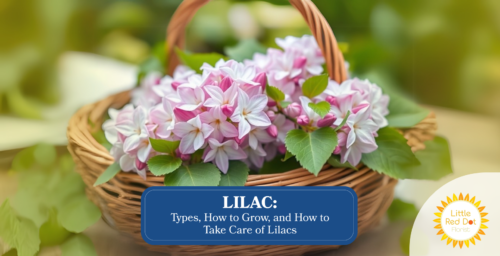
Lilac (Syringa Vulgaris) is a flowering plant in the olive family (Oleaceae). Lilacs are native to the Balkan Peninsula, grown for their fragrant flowers across Europe and North America. Lilac bushes are known for their pleasant aroma and clusters of delicate petals. The blooms are tiny and tubular, grouped in dense cone-shaped in various colours from mild lavender to deep purple, with white or pink.
The leaves of lilac are heart-shaped or ovate, with a silky texture and a brilliant green colour that contrasts well with the blooms. A lilac plant is hardy and grows in different climates, but likes well-drained soil and direct sunlight. They are insect-resistant, though uncommon pests such as lilac borers or aphids become a risk.
Lilacs survive for decades and some live for more than a century, depending on the species and how they are cared for. Lilac flowers are safe for gardens with kids and dogs because they are non-toxic. Each symbolic “lilac flower meaning” distinguishes the importance to every individual.
Lilacs are connected with love, rejuvenation, and the joy of spring because they are among the first flowers to blossom after the winter. Lilacs are associated with youth and the temporary beauty of life in literature and art. They are a popular addition to gardens or landscaping due to their timeless appeal and historical significance.
What is a Lilac?
Lilac is a well-known flowering shrub or small tree valued for its vivid blossom clusters and scent. Lilacs are well known for their relationship with spring. They are among the first flowers to blossom after winter, representing rejuvenation and the beauty of nature’s awakening. The plants are used as attractive in gardens, perfumes, and floral arrangements, such as “flowers that mean love.” Their blossoms are purple, lavender, white, and pink.
Lilacs are a favourite choice among gardeners because of their endurance and capacity to flourish in various conditions. They have cultural significance beyond their physical appeal. They are used in literature, poetry, and art to symbolise love, innocence, and nostalgia. Their ageless beauty and fragrant perfume have made them a symbol of springtime delight and a popular plant worldwide.
What does a Lilac look like?
A lilac looks like violets. Lilac plants are deciduous, with dark green leaves oriented in opposite directions along the stems. The leaves are plain with whole margins, although some are lobed or complex. Large oval bunches of tiny four-petaled blooms are produced. It’s a leathery capsule of fruit. Lilacs are easy to handle and care for because of their smooth and thornless branches. The lilac’s structure, flowers, and foliage provide a beautiful and fragrant display that has fascinated gardeners and plant lovers for ages.
The look of a lilac is shown in the image below.

What does Lilac Symbolise?
Lilacs symbolise first love. Lilacs are used for their symbolic innocence, youthful passion, and melancholy in art and literature, conjuring memories of cherished moments or lost lovers. The “lilac flower meaning” is known as a symbol of emotional purity in weddings, a popular choice for bridal bouquets and springtime ceremonies.
The constant blooms and capacity to grow for decades represent fortitude and endurance, demonstrating the power and beauty which last over time. Lilacs continue to inspire and have profound value in many cultures and situations because of their alluring scent and classic elegance.
What are Some of the Best Species of Lilac?
Some of the best species of lilac are listed below.
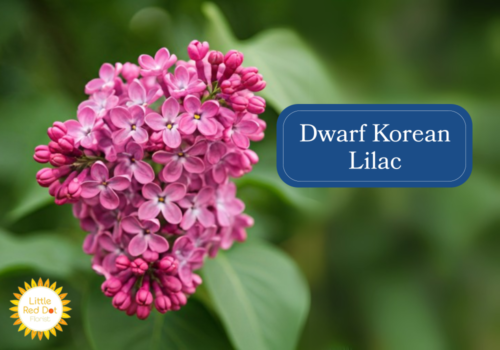
- Dwarf Korean Lilac: A compact and resistant to powdery mildew that is a great choice for urban areas or tiny gardens. Its lavender-pink blooms are fragrant.
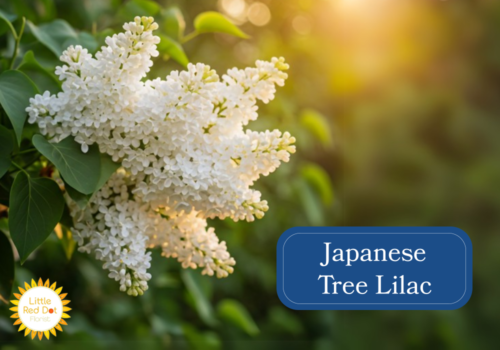
- Japanese Tree Lilac: A distinctive tree with creamy white blossoms. It is strong and eye-catching to landscapes, reaching 20-30 feet.
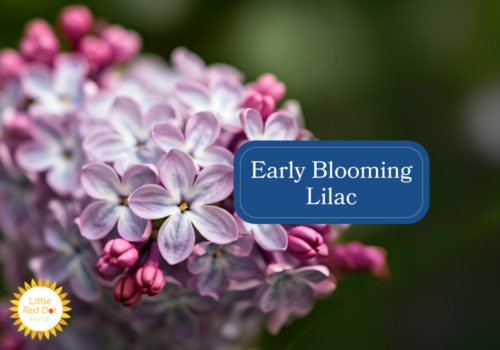
- Early Blooming Lilac: The species is perfect for hedges or bigger gardens because it blooms early in the spring and grows up to 10–12 feet tall. It is famous for its fragrant, pale purple flowers and rounded leaves.
- Reblooming Lilac: A hybrid type is recognised for its multiple flowers. It produces lavender-purple blooms in the spring, summer, and fall, making it a gardener’s favourite due to its compact stature.
- Persian Lilac: Persian Lilac is a light purple flower best for warmer areas and has a more delicate appearance than classic lilacs.
1. Dwarf Korean Lilac
Dwarf Korean Lilac (Syringa meyeri Palibin) is a small, deciduous shrub that grows and produces beautiful flowers. Dwarf Korean lilac has lavender-pink flowers in late spring and reaches 4 to 5 feet. It is used as a hedge, ornamental plant, foundation planting, or container gardening because of its exceptional resistance to powdery mildew.
Conservation efforts encourage growing as a low-maintenance alternative to larger lilac species. The lilac symbolises rebirth and beauty in little areas, making it a popular addition to gardens around the world. The price of Dwarf Korean Lilac is around S$134.60, depending on its size and quantity.
2. Japanese Tree Lilac
Japanese Tree Lilac (Syringa Reticulata) is a distinctive deciduous tree with an oval canopy and smooth bark. Japanese tree lilac’s lustrous leaves and big, creamy-white flower clusters bloom in early summer, enticing pollinators. It is used as an ornamental tree in urban and residential settings. The plant is resistant to pests and diseases.
Japanese tree lilac is a popular choice due to its late blooming time and adaptability to various soil types and climates. Urban forestry and sustainable farming are the main conservation priorities for green areas. The tree represents perseverance, beauty, and rebirth. The price of Japanese Tree Lilac is approximately S$270.55, depending on its size and quantity.
3. Early Blooming Lilac
Early Blooming Lilac (Syringa x hyacinthiflora) is a flowering plant in the olive family. Early blooming lilac’s broad, heart-shaped leaves provide a rich backdrop for fragrant flower clusters that vary from pale lavender to deep purple. It is used as an ornamental shrub, hedge, or solitary feature in early spring, delivering vivid colour and scent.
Conservation efforts are centred on preserving traditional varieties and increasing genetic diversity. The Early Blooming Lilac represents renewal, love, and the fleeting glory of spring, and it is valued for its everlasting beauty and contribution to garden settings. Early Blooming Lilac costs around S$101.94, varying in size and quantity.
4. Reblooming Lilac
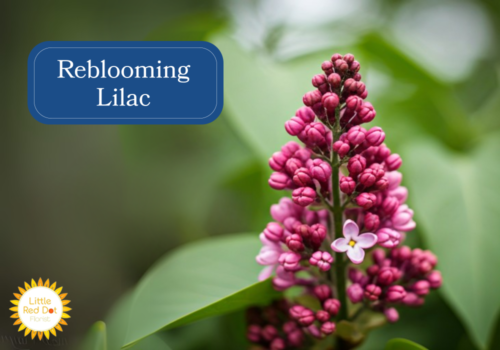
Reblooming Lilacs (Syringa Bloomerang) are deciduous shrubs that bloom several times during the growing season, including a second rush of fragrant blossoms in late summer or early autumn. Persian lilac attractive plants are small and adaptable, perfect for borders, hedges, and cut arrangements. They attract pollinators such as bees and butterflies, which helps to keep the ecosystem balanced.
Conservation efforts prioritise long-term breeding strategies to improve disease resistance and climatic adaptability. Reblooming lilacs symbolise perseverance, rejuvenation, and long-lasting beauty, reflecting life’s constant motion and the thrill of unexpected returns. Reblooming Lilac costs around S$29.90, depending on its size and quantity.
5. Persian Lilac
Persian Lilac (Syringa × persica) is a shrub valued for its captivating scent and elegant look. Persian lilac is a hybrid of Syringa laciniata and Syringa Afghanica, growing 5 to 8 feet tall and spreading up to 10 feet. Its flowers have gentle lavender, violet, or pale purple tints and emit a fragrance.
Persian lilacs are attractive ornamental plants for gardens and landscapes, attracting pollinators and benefiting local ecosystems. Preserving genetic variety and encouraging sustainable farming methods are the main goals of conservation initiatives. The cost of Persian Lilac is approximately S$13.53, which varies on its size and quantity.

What are the Different Colors and Meanings of a Lilac?
The different colours and meanings of a lilac are listed below.
- Purple: Purple lilacs represent love, passion, spring beauty, fresh starts, spiritual development, and mystery. A “lilac flower meaning” varies in colour and form.
- Red: Red lilacs are rare and represent passion, energy, love, courage, and resolve, making them a great flower for expressing strong emotions.
- Pink: Pink lilacs represent youth, innocence, and the soft beginnings of love. The lilac meaning is associated with appreciation, friendliness, and tender sentiments.
- White: White lilacs represent innocence, humility, and purity. They are used in religious rituals and weddings to show simplicity and purity.
- Blue: Blue lilacs are a rare and distinctive plant that represents peace, joy, and serenity, which are ideal gifts for anyone seeking quiet or clarity.
How to Grow Lilacs?
To grow lilacs, follow the seven steps listed below.
- Begin by choosing a sunny area with at least 6 hours of direct sunshine per day, as the lilac plant needs full sun.
- Make sure the soil has plenty of organic material, is well-drained, and is slightly alkaline. Consider adding lime to the soil to bring its pH down when it’s acidic.
- Plant lilacs in early spring or fall, spacing them 5 to 15 feet apart, depending on the variety, to allow for enough air circulation.
- Dig a hole twice as broad and deep as the root ball, lay the plant in it, and fill it with soil to ensure the roots are covered but not buried.
- Water lilacs throughout the growing season, but don’t overwater them because they want soil that is damp but not soggy.
- Mulch the base to keep moisture in and keep weeds out from the lilac bushes.
- Use a balanced fertiliser carefully in the early spring because too much fertiliser results in lush foliage but fewer blossoms.
Lilacs are moderately fast growers, gaining 12 to 24 inches of growth each year under optimal conditions. Their development rate is determined by factors like sunlight, soil quality, water availability, and general maintenance.
When to Plant Lilacs?
Plant lilacs in spring or fall, if the soil is warm. The planting of lilacs in the spring allows the lilac to establish roots before the growing season begins. Lilacs’ growing season starts in late spring, with blooms occurring in May or June. It relies on the climate, variety, and location. Cultivating around the optimal times allows the plants to thrive and produce unique scented flowers throughout the growing season.
What are the Common Challenges in Growing Lilacs?
The common challenges in growing lilacs are listed below.
- Powdery Mildew: Improving airflow by pruning and avoiding overhead watering prevents such a problem.
- Insufficient Blooming: Lilacs require at least 6 hours of sunlight daily and must be clipped soon after flowering, as they bloom on old wood.
- Damaged Stems and Leaves: Examining the plant and removing afflicted areas control the pests.
- Root Rot: Keeping the soil well-drained and not overly compacted is critical to their health.
What are the Best Tips for Growing Lilacs?
The best tips for growing lilacs are listed below.
- Initial Setup: Lilacs thrive in full sun, well-drained, slightly alkaline soil rich in organic matter. Test for acidity before adding lime if needed.
- Planting Lilacs: Plant lilacs in cool weather, dig a deep hole, spread the plants, and water thoroughly after planting for optimal development and air circulation.
- Food and Water: Water young lilacs during their first growing season, but avoid overwatering. Fertilise a bit with a balanced, low-nitrogen fertiliser in early spring for better blooming.
- Sustaining Beauty and Health: Lilacs must be clipped after blooming to remove wasted flowers and shape the shrub. Cover the base with mulch to keep moisture in and stop decay.
- Seasonal Maintenance: Eliminate dead or damaged branches in the spring, keep the soil moist in the summer, and cover young plants with mulch or hessian in the winter to encourage healthy growth.
- Handling Challenges: Avoid overfertilisation and ensure appropriate pruning is applied. Following the proper lilac plant care produces healthy flowers.
How to Take Care of Lilacs?
To take care of lilacs, follow the four steps listed below.
- Water the container-grown lilacs during dry spells. It is the initial step to providing proper lilac care.
- Remove lilac flowers to foster fresh growth and cut them for scent and colour.
- Eliminate dead, infected, or dying branches first. Pruning woody growth in the winter keeps plants healthy and manageable.
- Mulch the base of the plant every spring to minimise weed competition. Add lime after flowering to promote the best lilac growth, one of the important flower care tips.
Are Lilacs Hard to Care for?
No, lilacs are not hard to care for. The sturdy shrubs flourish in well-drained soil and full sunlight, requiring minimal care once established. Pruning occasionally promotes healthy development and plentiful flowers, which appear in late spring. Lilacs are pest and disease-resistant, however, problems like powdery mildew are avoided with enough air circulation. Regular watering is essential, especially during dry periods, but lilacs are drought-tolerant once developed. Lilacs are an excellent addition to gardens due to their fragrant blossoms and low-maintenance nature.
What are the Challenges in Taking Care of Lilacs?
The challenges in taking care of lilacs are listed below.
- Pest Infestations: Lilacs are sensitive to pests such as lilac borers, scale insects, and aphids, which harm stems, leaves, and blooms. Use insecticides, remove them, and inspect them often.
- Overgrowth and Suckers: Lilacs generate suckers, which overwhelm the plant and reduce flowering. Suckers must be removed regularly to keep the plant in form and promote healthy growth.
- Poor Blooming: Lilacs require 6 hours of direct sunlight each day, prompt pruning after flowering, and avoidance of high-nitrogen fertilisers to prevent scant or absent blooms.
What are the Uses for Lilacs?
The uses for lilacs are listed below.
- Perfume: Lilac aroma is enticing, but it is quite difficult to capture, and a real essential oil derived from the blooms has recently developed.
- Honey Recipe: Lilac Syrup proved to be a delightful and outstanding dessert. Use it as a non-alcoholic lemonade base, a liquor foundation, or to drizzle over pancakes.
- Traditional Medicines: Parts of lilac plants that assist the digestive, respiratory, immunological, and cardiovascular systems include leaves, flowers, bark, seeds, stems, and roots. The scent calms the nervous system, while antioxidants in flowers and leaves improve cardiovascular health.
What Occasions are Lilacs commonly Used?
The occasions that lilacs are commonly used are listed below.
- Mother’s Day: Lilacs are common in Mother’s Day bouquets to symbolise love and appreciation.
- Anniversaries: The flowering shrubs are important to celebrations, particularly for couples enjoying their anniversaries.
- Weddings: Lilacs are popular for seasonal weddings as they blossom in the spring.
- Graduations: Lilacs are appropriate for graduations or milestone events as they symbolise growth, rebirth, and the beginning of a new chapter.
- Funerals: White lilacs are used in funerals for flower arrangements as a symbol of calm, purity, and memory.
What are Interesting Facts about Lilacs?
The interesting facts about lilacs are listed below.
- Aromatic Blooms: The stunning shrubs are admired for their fragrant blossoms, which come in various colours such as purple, lavender, pink, white, and yellow.
- Pleasing Scent: The fragrance of lilac blooms is appealing to people and attracts pollinators like butterflies and bees.
- Live Longer: Lilac plants have a variable lifespan, but with careful care, they thrive for several decades. Cuttings or dividing mature plants are methods for propagating the plants.
- Important in History: Lilac cultivation is vast and centuries old. Ancient Greeks gave them tremendous respect and introduced them to romance and love.
- Lilac Festivals: The lilac festival takes place worldwide to honour the beauty and significance of such wonderful plants.
What are the other Flowers with their Symbolism?
The other flowers with their symbolism are listed below.
- Peony: Lilacs and peonies are popular bridal flowers. Peony plant symbolism signifies romantic and long-lasting relationships.
- Hydrangea: Hydrangeas are like lilacs that symbolise deep feelings and are common in weddings and romantic situations. The plant is on the flower symbolism list that is similar to lilac.
- Lavender: Lilac and lavender flowers represent peace and are related to feelings of love and longing. Lavender is common in the “list of flowers and their meanings,” similar to lilac.
- Sweet Pea: Lilacs and sweet peas are fragrant blooms that symbolise life’s fragile beauty and love.
- Wisteria: Wisteria and lilac are bushy or climbing vines symbolising love and rebirth with cascading blossoms. The meanings of different flowers vary depending on their colours and features.