
Pansies: Types, How to Grow, and How to Take Care of Pansies
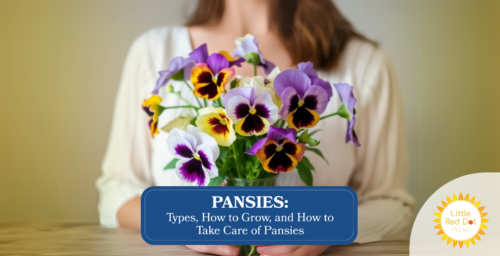
Pansies are (Viola × wittrockiana) one of the genus Viola in the Violaceae family. A pansy is a gorgeous and vivid flowering plant identified for its unique, velvety petals and pleased appearance. The pansy flowers are flat and symmetrical, with five overlapping petals with a remarkable “face” motif in the centre, bright colours and detailed markings.
Pansy leaves are oval and have a slight ruffled edge. They form a compact rosette at the plant’s base. These hardy plants are popular for early spring and autumn gardening because they are adaptable and flourish in colder regions. Aphids and slugs are drawn to pansies, despite their general resistance to many insects, however, it is avoided with the right pansy care.
Pansies grow swiftly, maturing in around 60 to 70 days after sowing. Their life cycle is one growing season, and they are classified as annuals or perennials depending on the climate. A pansy flower is not harmful and is edible, used as garnishes or in salads because of its mild, sweet flavour. The pansy plant symbolises thoughtfulness, remembering, and love Their colourful and expressive blossoms have made them a popular flower in gardens and floral arrangements worldwide.
What is a Pansy?
A pansy is known for its different “faces,” a beautiful pattern in the centre of its petals, which come in several colours such as purple, yellow, blue, and white. Pansies are known for their adaptability and charm, which makes them ideal for garden beds, borders, and containers. They are admired for their power to bloom in early spring, bringing colour to gardens during transitioning seasons when few other flowers thrive. Pansies are known for their symbolic meanings of care, recollection, and love making them a popular option for flower arrangements and gifts to express sincere thoughts. Their mild sweetness and edible petals add a pleasant taste to salads, desserts, and beverages.
What does a Pansy Flower look like?
The pansy flower looks like a large heart with a “face” at the centre. The distinctive form and vivid appearance of a pansy blossom make it an eye-catching and colourful bloom. The flower features five overlapping petals with contrasting colours or strong patterns. The petals are purple, yellow, blue, red, and white, and blend into a gradient of colours. Pansy leaves are oval with scalloped edges and grow in a rosette pattern at the plant’s base.
Pansies have slender and hairy stems that grow straight or trail depending on the type. They do not have branches because they grow in a compact, bushy shape with individual flower stems emerging directly from the base. Pansy plants are charming to gardens and floral arrangements because of their soft, fragile structure and happy, expressive blossoms.
The look of a pansy is shown in the image below.

What does Pansy Symbolise?
The Pansy symbolises thoughts, most connected with memory, and love. Pansies are emblems of reflection and nostalgia in art, showing signs of insight and deep emotions in artworks and books. Pansies symbolise dedication and gentle affection at weddings or marriages, which makes them an appropriate choice for floral arrangements or decorations representing long-lasting love.
The “pansy flower meaning” shows the ability to flourish in cool temperatures. Its resistance to light frosts signifies persistence and perseverance, expressing strength and beauty under adverse situations. Pansies represent free-thinking and individualism because their “faces” and brilliant colours shine in the garden.
What are Some of the Best Species of Pansy?
Some of the best species of Pansy are listed below.
- Delta Series: The Delta Series is a popular option among gardeners due to its compact growth and consistent blossoming sturdiness in cooler regions, and consistency.
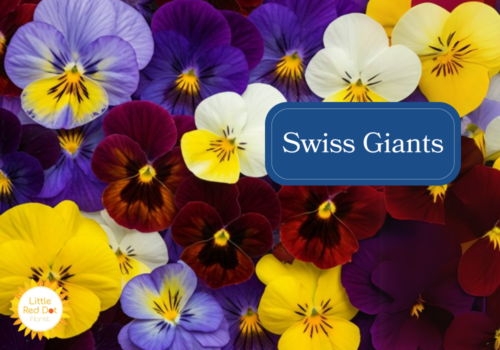
- Swiss Giants: Swiss Giants are classic pansies with strong colours and distinct features. They are adaptable and excellent for garden beds and borders, producing a striking show in various climates.
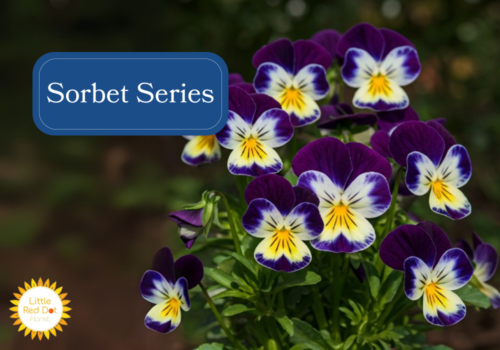
- Sorbet Series: The Sorbet Series is distinguished for its delicate flowers and bushy development. The species thrive in compact gardens and containers, providing long-lasting beauty with distinctive colour variations.
- Cool Wave Series: Cool Wave pansies are a trailing cultivar with cascading foliage and plentiful blooms. They are great for hanging baskets, containers, and ground cover.
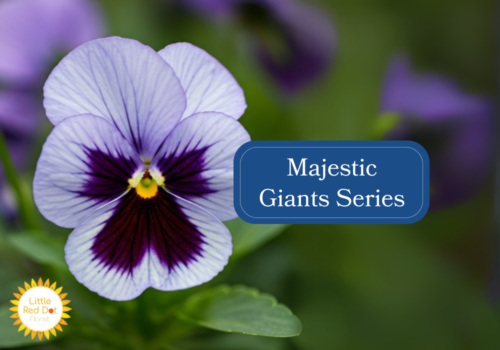
- Majestic Giants Series: The Majestic Giants Series produces enormous, colourful flowers that are excellent for garden beds or flower arrangements due to their vigorous growth and eye-catching look.
1. Delta Series
The Delta Series Pansy is a versatile cultivar recognised for its compact growth and colourful blooms. Delta Series’ bushy growth style and strong stems sustain large, velvety blooms in various colours. These pansies thrive in milder regions and are best planted in the early spring or autumn.
Delta Series are grown ecologically, decreasing wild harvesting, and boosting biodiversity. Delta Series pansies are popular in floral arrangements and landscape designs because they symbolise concern, affection, and recollection. It costs around S$4.88.

2. Swiss Giants
Swiss Giants Pansies are a classic type with huge, showy flowers and brilliant colours. The Swiss Giants feature large, overlapping petals and a strong growth habit, making them ideal for gardeners. They are used for seasonal planting and cut flower bouquets.
Conservation efforts minimise natural exploitation by concentrating on sustainable cultivation and propagation. They are cultural symbols of thoughtfulness, love, and commemoration. Their resilience and strength captivate gardeners and flower lovers.
The price starts at approximately S$4.14 to S$426.31, depending on its size.
3. Sorbet Series
The Sorbet Series Pansy is a beautiful and small species that blooms in brilliant colours. The plants thrive in colder climates and yield small to medium-sized flowers with rounded petals in various colours. They are adaptable and used for garden borders, containers, window boxes, and hanging baskets.
The conservation efforts are focused on long-term propagation and appropriate horticulture. The Sorbet series represents joy, thoughtfulness, and resilience. Their capacity to flourish in cooler weather and hard situations appeals to gardeners. The price of its seedling is approximately S$4.08.
4. Cool Wave Series
The Cool Wave Series Pansy is valued for its profusion of blossoms and tumbling growth. Cool wave series are resilient plants that thrive in cool temperatures and are well-known for their cascading effect in landscape designs. They are utilised in hanging baskets and as ground cover.
The goal of conservation initiatives is a controlled culture for sustainable propagation. Cool Wave pansies represent persistence and adaptability, making them a valuable addition to gardens and flower displays. It costs around S$6.73.

5. Majestic Giants Series
The Majestic Giants Series Pansy is popular for its eye-catching look and big, colourful blooms. Majestic giants’ flowers grow up to 4 inches in diameter and have sturdy, velvety petals in different colours. The dark green foliage provides a beautiful contrast. The hardy pansies thrive in garden beds, borders, and big pots.
The Majestic Giant series represents consideration, love, and tenacity. It is used in floral arrangements. The cultivation encourages sustainable horticultural methods and green horticulture. It costs around S$30.99.
What are the Different Colours and Meanings of a Pansy?
The different colours and meanings of a pansy are listed below.
- Blue: Blue pansy represents serenity, peace and love. They are utilised to express sentiments of harmony and spiritual depth.
- White: White pansy symbolises purity, innocence, and fresh starts. They are used during weddings or to show genuine, sincere emotions.
- Orange: Orange pansy represents determination, vitality, and resourcefulness. They are bright and positive, representing optimism and a love of life.
- Purple: Purple pansy is associated with dignity, admiration, and compassion. It is associated with mystery and spiritual awareness, giving them an appropriate choice for expressing powerful emotions.
- Yellow: Yellow pansy symbolises friendliness and joy due to their bright and cheerful. The “pansy meaning” is similar in expressing hope and a positive view of life.
- Red: The red “pansy flower meaning” stands for bravery, passion, and love. They are a traditional option for expressing romantic or intense affection and are linked to powerful emotions.
How to Grow Pansies?
To grow pansies, follow the seven steps listed below.
- Choose a planting place with full sun to moderate shade, depending on the area’s climate. A pansy plant enjoys mild temperatures and thrives when shielded from the noon sun in warmer climates.
- Prepare the soil by ensuring it drains well and is rich in compost or organic debris. A pH of 6.0 to 7.0 is good as it is a bit acidic to neutral.
- Plant pansy seeds within 10 to 12 weeks before the last frost, or buy young transplants for easy setup. Plant directly outside in early spring or fall, with 6 to 8 inches between plants to allow for growth and airflow.
- Water the growing pansies thoroughly after planting and keep the soil moist, but do not overwater.
- Fertilise with a balanced fertiliser every 2 to 4 weeks to encourage healthy foliage and plentiful flowers.
- Mulch the area around the plants to keep the roots cool and maintain soil moisture.
- Remove the wasted or dead flowers. Deadheading is essential to producing constant bloom and keeping the plant from seeding.
Pansies grow at an average pace of 10 to 12 weeks from seed to bloom in the right conditions. Pansies are established when planted as immature transplants and they begin to bloom. The growth changes are based on several factors, such as care, soil quality, and temperature.
When to Plant Pansies?
Plant pansies in late summer or mid/late autumn to blossom through the winter and spring. The months depend on the location, and where to plant pansy. Planting pansies at different timings and sizes to determine their spacing. Gardeners ensure healthy development and a longer blooming time by growing during the colder months. Pansies give gardens, containers, and landscapes a pop of colour when other plants are not at their best.
What is the Maximum Height for Pansies?
The maximum height for pansies is 12 inches (1 foot). The pansy height varies from small to medium plant, depending on the species. Their modest size makes them perfect for garden borders, containers, and ground cover. Pansies are known for colourful and eye-catching blooms, which make a dramatic visual statement in garden areas despite their modest height. Plants with a bushy growth habit and colourful blossoms are popular among gardeners wishing to add a pop of colour to small spaces or mix them with taller plants.
What are the Common Challenges in Growing Pansies?
The common challenges in growing pansies are listed below.
- Browning of Leaves: Ensure pansies get enough air and look for powdery mildew, especially if the leaves turn brown and wither in hot, muggy conditions.
- Spots on the Leaves: Pansies with several leaf spots have fungal problems such as anthracnose, leaf spot, rust, or scab. Make sure to water, fertilise, and maintain good garden cleanliness to control them.
- Withering Plant: Pansies develop root or crown rot, which causes droopy, blackened stalks. Do not overwater or overcrowd to hinder recovery.
What are the Best Tips for Growing Pansies?
The best tips for growing pansies are listed below.
- Overwatering: Ensure the soil is moist but not soaked. Give the plant a deep watering at the base to prevent fungal illnesses.
- Balanced Fertiliser: Feed pansies every 2 to 4 weeks with a balanced, water-soluble fertiliser to encourage lush growth and continual blooms. Adding fertiliser helps by following the proper pansy plant care.
- Appropriate Container: Pansies prefer partial shade and partial sunlight. Excessive sun results in brittle flowers. The plants become leggy and fail to blossom if they receive insufficient sunlight.
- Deadheading: Removing wasted flowers regularly produces fresh blooms and keeps the growing pansies from going to seed.
- Appropriate Season: Pansies thrive in cooler weather. The Sun causes them to wilt and fade. They must be planted as soon as the ground is suitable in colder climates.
How to Take Care of Pansies?
To take care of pansies, follow the three steps listed below.
- Water the pansies regularly. Give additional water if they aren’t performing well. It is one of the most common reasons they fail.
- Use a general-purpose fertiliser to help the pansies grow. Avoid using a nitrogen-rich fertiliser as it produces more leaves than blossoms. Following the proper flower care tips cultivate healthy plants, particularly the “pansy flower care.”
- Remove fading or dead flowers to boost the plant to produce buds and extend the flowering season. Pinching off the flower bud is one of the pansy plant care, and clip it below the faded bud.
Are Pansies Hard to Care for?
No, pansies are not hard tocare for. Pansies are one of the easiest flowers to grow for beginners. They require little maintenance if planted in the appropriate conditions and cared for consistently. Pansy plants need a spot with full sun to partial shade, and well-draining, nutrient-rich soil to flourish in cool weather. Regular watering is necessary to keep the soil moist but not wet, and using a balanced fertiliser every few weeks promotes healthy development and beautiful flowers. Provide some protection during extreme weather conditions, despite the plants’ resilience and adaptability, because pansies suffer from intense heat or severe frost.
What are the Challenges in Taking Care of Pansies?
The challenges in taking care of pansies are listed below.
- Pests: The foliage and flowers of pansies sustain damage from aphids, slugs, and snails.
- Diseases: Plant diseases including botrytis, leaf spot, and powdery mildew weaken pansies and decrease flowering.
- Short Blooming Period: Rising temperatures or failure to remove spent flowers cause pansies to cease blooming.
- Leggy Growth: Pansies become leggy if not exposed to adequate sunshine or are overfed with nitrogen-rich fertiliser.
- Lack of Nutrients: Yellowing leaves and poor blossoming signify a nutritional deficiency.
What are the Uses for Pansies?
The uses for pansies are listed below.
- Food Ingredients: Pansy petals add a subtle sweetness and a charming flower touch to various foods, perfect for baking, salads, and freezer recipes.
- Personal Therapy: Pansies are not pleasing, but they serve as a source of soul nourishment and a stress-relieving oasis in the garden.
- Medicinal and Herbal: Pansies are more than garden ornaments. They are natural treatments that contain salicylic acid, antibacterial elements, and purifying features that help with skin astringency, healing, and body cleansing.
- Aromatherapy: Pansies provide a delicate yet powerful aromatic sensation in the early morning and evening despite their modest size.
What Occasions Are Pansies Commonly Used?
The occasions that pansies are commonly used are listed below.
- Weddings: Pansies are used in bridal bouquets, centrepieces, and decorations to show great affection and dedication at weddings because they are associated with love and caring.
- Birthdays: Pansies are best on birthdays, with their bright and cheery appearance, are a wonderful addition to birthday bouquets or as potted plants for gift-giving.
- Mother’s Day: Pansies are a sentimental way for Mother’s Day to show love and appreciation as they symbolise consideration and adoration.
- Graduations: Pansies represent introspection and hope for the future, making them an ideal gift for graduations or other significant milestones.
- Get Well Soon: Pansies’ vibrant and uplifting presence is excellent for giving a “get well soon” greeting and cheer to someone recovering from illness or confronting adversity.
What are Interesting Facts about Pansies?
The interesting facts about pansies are listed below.
- Three Basic Designs: The three colour patterns of pansies are single, black lines, and complex. The variations are with dark splotches giving them a face-like look.
- Other Pansies Have a Fragrance: Yellow and blue pansies emit the strongest aroma, particularly in the early morning and sunset, signifying an attraction for pleasant scents.
- Edible: Pansies are edible flowers excellent for cake decorating and cocktail garnishes, including increased levels of vitamins A and C. They are used to produce syrup, honey, and natural colours.
- Birth Flower: Pansy is the birth flower for February babies. Purple pansies are common because they are associated with the early blooming amethyst.
- Symbolises Love and Remembrance: Pansies represent love and compassionate thoughts, with their juice used for love potions in Shakespeare’s A Midsummer Night’s Dream and in Victorian England to communicate romantic affections.
What are the other Flowers with their Symbolism?
The other flowers with their symbolism are listed below.
- Daisies: The blooms are utilised in sending messages. The “plant symbolism” of happiness makes it one of the most important blooms on display.
- Violets: The violets are included on the “flower symbolism list” from the family (Violaceae) and symbolise love and remembering.
- Lilacs: The flowering plants represent nostalgia and the beauty of cherished memories. The “list of flowers and their meanings” distinguishes their symbolism.
- Marigolds: They add vivid shades to gardens and have enduring love as common designs.
- Anemones: Pansies and anemones express feelings associated with contemplation and thought. The meaning of different flowers varies in their colours and features.