 Free Same Day Delivery Islandwide | Order by 5PM for Today’s Delivery | 800+ 5-Star Reviews
Peony: Types, How to Grow, and How to Take Care of Peonies
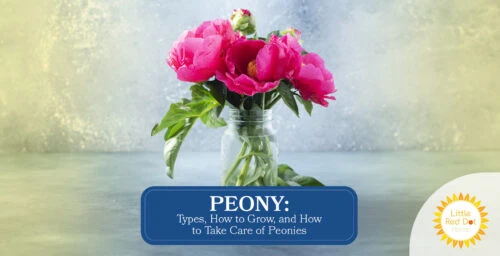
A peony (Paeonia) belongs to the Paeoniaceae family. Peony genera have more than 30 species that are known for large flowers. The Paeoniaceae family comprises herbaceous perennials or shrubs with strong roots, thin roots that absorb water and minerals, caespitose crowns, stolons, big compound leaves, and anomocytic stomata. The beauty of a “peony flower season” never disappoints in capturing the hearts of flower enthusiasts.
In season, our peony bouquets sell out fast.
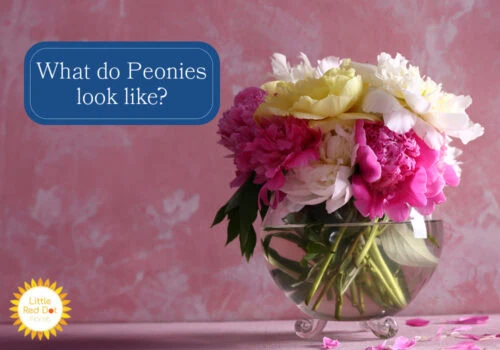
What are peonies? Peonies are elegant and rich flowering plants distinguished by enormous, spectacular blooms that vary in shape depending on the species. Peonies are spherical or cup-like, with layers of soft, delicate petals that remain isolated, semi-double, or fully double, giving them a voluminous look. The petals are pink, white, red, and sometimes purple or yellow. Peony leaves have a glossy appearance and a deep green colour and are composed of many leaves.
A peony plant is durable once established and survives for decades with little care. The plant’s ornamental appeal is increased by its lobed leaves, in contrast to the vibrant blossoms. Peonies are immune to most types of insects but sometimes attract harmless ants. Peonies get affected by harmful pests like aphids and thrips, but they are uncommon problems with adequate care and attention.
Herbaceous peonies are slow-growing plants that last up to 100 years and take 10 to 15 years to reach their mature size. Peonies are not hazardous to humans, but specific portions of the plant are mildly toxic to pets if consumed, resulting in symptoms such as vomiting or diarrhoea in cats and dogs. The symbolism of peonies is complex and multi-layered, with other meanings derived from the bloom’s colour. Peonies signify honour, bravery, joy, shyness, romance, good fortune, and nobility.
What is a Peony?
A peony (Paeonia) is a member of the Paeoniaceae family. Friedrich K.L. Rudolphi started using the family name “Paeoniaceae” in 1830, adopting Friedrich Gottlieb Bartling‘s idea in the same year. Peonies are native to Asia, Europe, and Western North America. They are one of the most valued perennials, used in bouquets and gardens worldwide due to their dramatic, lush flowers.
The name Peony is derived from Greek mythology, when Paeon, a physician, chastised Asclepius for extracting a milky liquid from a peony root to cure Pluto. Asclepius, the God of medicine and healing, was jealous of Paeon’s teacher’s cleverness. Zeus saved and turned Paeon into a peony. Another myth associates Peony with a nymph named Paeonia, whose beauty drew Apollo’s attention. Aphrodite transformed into a peony out of hatred.
Peonies originated from China, where they were loved and grown for over 4,000 years. Peonies reached Japan by the seventh century, which produced the most peonies worldwide. The flowers first came in Europe and the rest of the world in the 1800s, and soon became garden stars and bouquet essentials. Peonies were utilised for their therapeutic qualities in Eastern culture. The roots and seeds of the peony were used to cure headaches, asthma attacks, and labour pains. They are renowned for longevity, and low maintenance needs to their beauty and scent.
What do Peonies look like?
A peony resembles a cup and is shaped like a sphere. Peonies are attractive plants with thick, solid stems that grow from the plant’s base. The large flowers are supported by the stalks, which grow from 2 to 4 feet, without maintenance. Peonies are simple and safe to handle because of their sturdy, smooth stems free from thorns or spines.
Peony leaves have a glossy, dark green look, with each leaflet having an oval form. The leaves are placed in an alternating pattern along the stem, giving the vibrant flowers a rich background. The bushy appearance of peonies is a result of their stems growing in a clustered shape directly from the base of the plant, rather than having real branches.
What does a Peony Symbolise?
A peony symbolises various cultural values and importance. The flowers of the peony plant carry deep meanings across civilisations, including in art, weddings, and endurance. The “peony meaning” is utilised as a symbol of grace, beauty, and fortune in artwork. The peony is known as the “King of Flowers” in Chinese culture, and its abundant, full blossoms are linked to prosperity, honour, and good fortune. The “peony symbolism” is common in classic art, signifying grace and feminine beauty.
Peonies are valued in marriage. The flowers of peonies mean joy, love, and a long and fruitful union. Peonies are a prevalent alternative for newlyweds as they symbolise good luck and a joyful union, making them a popular choice for bridal bouquets and wedding decor.
Peonies have great cultural significance in Eastern civilisations such as China and Japan, representing romance and prosperity. The Chinese tradition associates peonies from the Tang Dynasty with imperial beauty. Luoyang (City of Peonies) has a long tradition of cultivating plants, and its annual Peony Festival celebrates the magnificence of such blooms. They signify courage, good fortune, and happy marriages in Japanese gardens.
Peonies were rare and exotic in mediaeval Europe due to their Asian heritage, making them prevalent among the wealthy and noble classes. The flowers were cultivated in gardens and utilised as status and power markers. Peonies were a common sign of grandeur, riches, and divine favour in heraldry and art. The Dutch artwork “The Madonna with Saint Giovannino and a Donor” dates back to the fifteenth century and includes flowers.
What are the Different Types of Peonies?
The different types of Peonies are listed below.
- Tree Peonies: Tree peonies produce branches and woody stems. Tree peonies shed their leaves in the autumn but remain visible in the garden due to their branch structures.
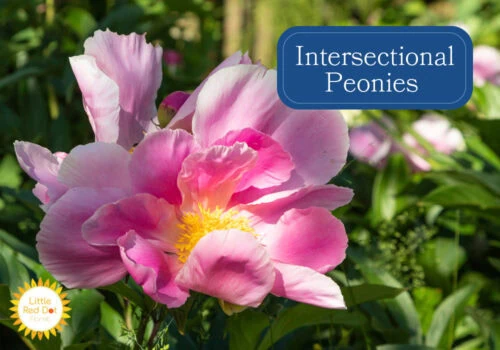
- Intersectional Peonies: The intersectional peonies cross blend the durability and compact growth of the perennial forms with the evergreen and large bloom size of the tree peony. The Itoh group’s crosses are named for its discoverer, Japanese Toichi Itoh.
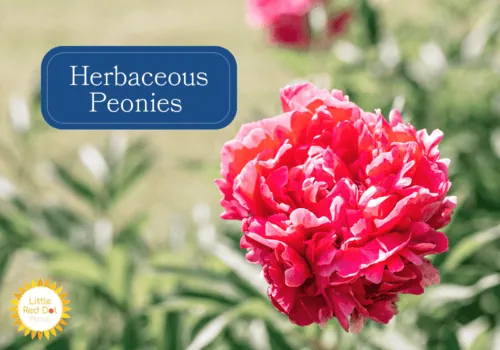
- Herbaceous Peonies: Herbaceous peonies are plants that emerge in the spring, return to the soil in the autumn, and live there due to their overwintering organs. There are wild varieties of the herbaceous peony, native to the Himalayas, the Caucasus, the Urals, and the Atlas Mountains in Algeria and Morocco.
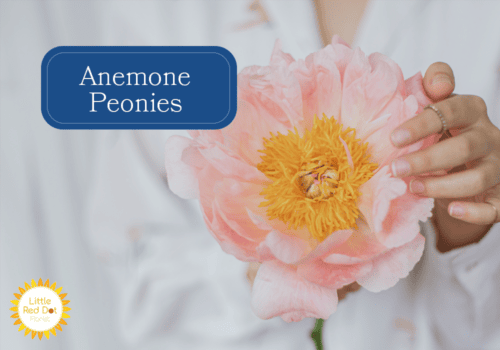
- Anemone Peonies: The anemone peonies develop, and stamen transformation gives rise to petal features, where petalodes are the intermediate form between inner petals and staminodes. The petalodes are yellow, huge, or narrow, as they get bigger, they get longer and wider and start to resemble guard petals.
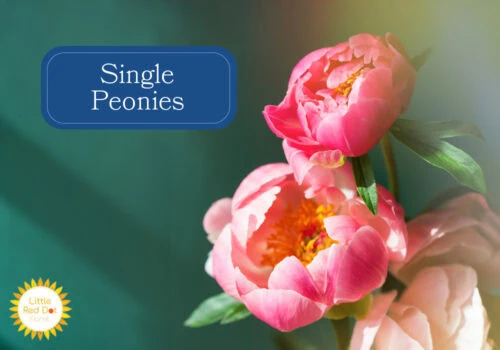
- Single Peonies: The single peonies have five or more petals, pollen-bearing stamens, and functional carpels. Singles, with saucer-shaped petals, are used to support the Semidouble classification.
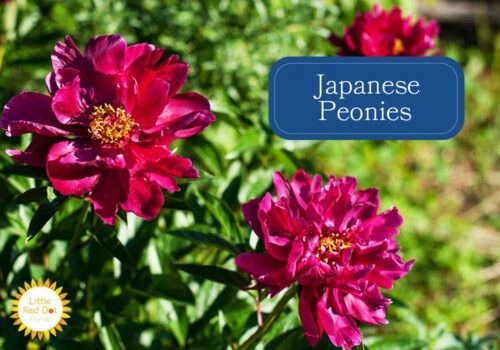
- Japanese Peonies: Japanese peonies have thicker edges and functional pollen. The staminodes of peonies are indicative of Japanese flower form. They are premature or altered stamens and their source remains visible.
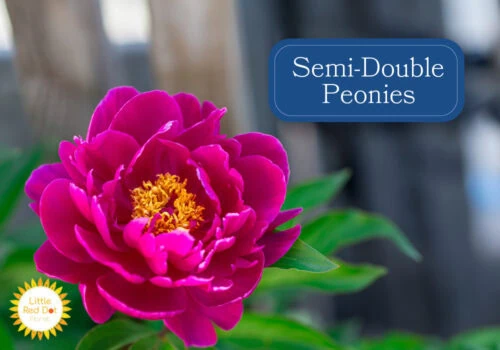
- Semi-Double Peonies: Semi-double peonies include different variations. Semi-double peonies have noticeable stamens and a thickening of the petals due to combinations of features, such as partial stamen metamorphosis into inner petals, petal multiplication, or petal structure that gives the flower a prominent appearance.
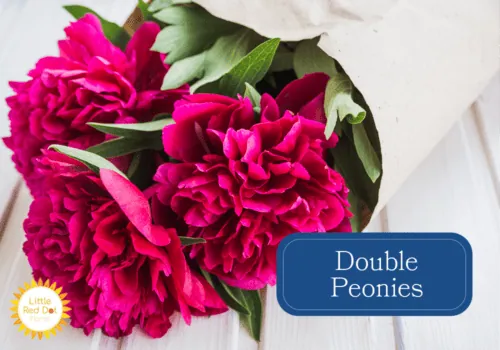
- Double Peonies: Double peonies have a two-stage architecture that transforms the stamens and carpels into petals, making them obscure or invisible. Stamens containing pollen are located in a little tuft in the centre of the flower and a thin ring at the lower edge.
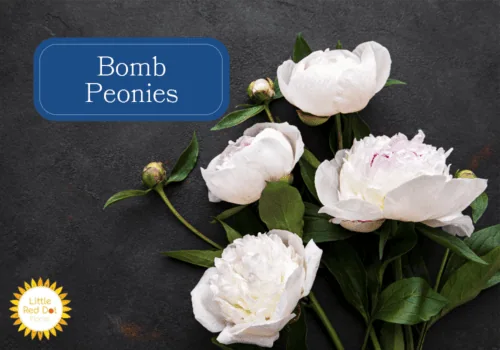
- Bomb Peonies: The length and width of bomb peonies have progressed in size. The result is a ball on a plate, made up of inner petals that form the ball and bigger guard petals at the base.
1. Tree Peonies
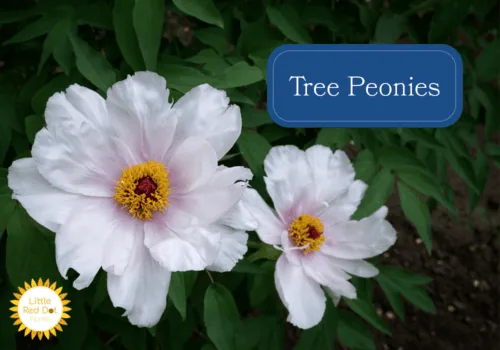
Tree Peonies are common for the plant genus Paeonia’s Moutan section, or one of its varieties or cultivars. Tree peonies are hardy, long-lived, and made up of woody bushes and perennial aerial stems. The flowers have a delicate scent and smooth texture and come in various colours such as white, pink, red, yellow, and purple. Peonies without perennial woody stems wither at the end of the growth season and reappear as buds below the surface in the early part of the following season.
Tree peonies have been cultivated in China for millennia, and hybrids are the result of planting multiple wild tree peony species close together in gardens. China uses them as ornamental plants and for medicinal purposes. The peony’s beauty, smell, and size make them attractive in floral arrangements. The hybrids known as Paeonia suffruticosa are common. The cost of tree peonies ranges from S$55.00 to S$143.00.
Wild tree peonies are considered endangered in some areas because of habitat degradation and excessive harvesting for medicinal purposes. For example, conservation initiatives aimed at preserving the biodiversity of specific tree peony species in China have focused on habitat restoration and cultivation projects. The cultural significance extends to their medical applications, as traditional medicine uses several plant components for their therapeutic qualities.
2. Intersectional Peonies
Intersectional peonies (Itoh) are hybrids of tree and herbaceous types. The best traits are combined in hybrids, which cultivate like herbaceous plants and have huge, vivid blooms similar to tree peonies that fade back to the ground in the winter. Intersectional peonies have strong stems that do not need to be staked, and their flowers about 6-8 inches in diameter, which come in various colours including yellow, pink, red, and coral, are huge. Their thick, deeply lobed leaves complement a long season of appealing foliage.
Intersectional peonies are popular in ornamental gardening due to their stunning, long-lasting blooms and simple maintenance. Intersectional peonies are admired for their prolonged bloom period of 3-4 weeks and begin later than herbaceous peonies. They are a popular pick for borders, garden beds, and container gardening because of their sturdy stems and resilience to disease. The flowers’ enormous, colourful blossoms are used in floral arrangements, adding a touch of elegance and drama to bouquets.
Conservation efforts for intersectional peonies are centred on preserving genetic variety and encouraging cultivation in gardens. They are not as vulnerable to conservation issues as wild species because they are domesticated hybrids, although continuous breeding initiatives are intended to increase their adaptability and colour. Itoh peonies cost approximately S$54.93 to S$196.17.
Intersectional peonies do not have the same old historical value as their parent species. They have grown in popularity following their development by Japanese breeder, Toichi Itoh, in the mid-twentieth century. The hybrid nature symbolises harmony and balance, so they are valued for their special combination of strength and beauty. Their popularity in gardens worldwide shows a rising appreciation for their long-lasting beauty and ease of maintenance, making them a contemporary favourite among peony enthusiasts.
3. Herbaceous Peonies
Herbaceous peonies (Paeonia lactiflora) are traditional garden plants valued for their enormous, abundant blooms and lasting appeal. Plants classified as herbaceous perennials do not grow above ground. They produce new growth each spring from their roots after dying back to the ground in the winter. Single or double blooms in colours of white, pink, red, and sometimes yellow are supported by their robust, green stems.
The flowers have a sweet fragrance and measure 4-6 inches in diameter. Herbaceous peonies have lovely, deeply lobed leaves which create eye-catching appeal after the flowers have faded. The leaves are glossy and vibrant throughout the growth season. Herbaceous peonies are popular in ornamental gardening due to their beauty and sturdiness. They are common in perennial borders, cottage gardens, and mixed flower beds due to their spectacular, fragrant blossoms and minimal care.
Sustainable production methods and the preservation of traditional cultivars are the main goals of herbaceous peony conservation initiatives. Several old garden types are being preserved by professional growers and garden enthusiasts, who ensure their diversity remains, even though they are not in danger in the wild. Herbaceous peonies cost around S$65.39.
Herbaceous peonies have great cultural significance in Chinese culture. They symbolise prosperity, honour, and fortune. Herbaceous peonies are praised for their associations with elegance and beauty. Peonies are a popular flower option for weddings and other festivities in Western cultures. They represent persistence and passionate affection in many cultures due to their timeless appeal and ability to flourish in gardens for decades.
4. Anemone Peonies
Anemone peonies are a special kind of peony distinguished by their unusual blossom structure. Anemone peonies are characterised by a single or semi-double row of outer petals surrounding a dense cluster of staminodes, modified stamens in the centre, that produce a fluffy, pom-pom-like core. They have a striking visual contrast between the plain outer petals and the bright, textured centre.
Anemone peonies are stunning spring flowers. The flowers bloom in the early spring, but some kinds continue to blossom long into the autumn. They’re beautiful additions to cut flower arrangements and ideal to bring colour to the garden. There are several colours of anemone peony, including pink, red, white, and yellow tones. The flowers of anemone peonies are 4-6 inches in diameter. Anemone peonies cost around S$23.54 to S$49.70.
The distinctive flower form of anemone peonies provides complexity and variation to collections of peonies, and they are valued for their ornamental qualities in gardens. Anemone peonies are planted as single plants or in flower gardens and borders. They are a common pick for cut flowers because of their striking blossoms, which give bouquets and floral arrangements substance and elegance.
Diverse cultivars of anemone peony are the subject of conservation efforts, and home gardens and botanical collectors are encouraged to continue growing them. The health and longevity of such cherished plants depend on keeping peony variations, including anemone forms, even though they are not in danger in the wild.
Anemone peonies are associated with beauty, prosperity, and honour, similar to Chinese and Japanese customs. The exquisite flowers are admired for their grace and individuality, balancing intricacy and simplicity. Their delicate and refined appearance has earned them a favourite among gardeners and florists who admire their subtle yet beautiful attractiveness.
5. Single Peonies
Single peonies are characterised by their basic but exquisite floral structure. A single peony consists of a few large petals arranged in a single row around a mass of carpels and stamens that contain pollen. Single peonies have a prominent centre of golden-yellow stamens surrounded by a single row of broad, flat petals. They are delicate and natural due to the open blossom structure. The petals are composed of 5 to 10, and the blooms are as large as 4 to 6 inches in diameter.
The colours of the petals include pink, white, red, and purple. Their foliage consists of deep green, divided leaves that keep their beauty long after they have finished flowering. The stems are strong, holding the flowers without the need for staking. Single peonies cost approximately S$48.39.
The realistic appearance of single peonies makes them an excellent choice for cottage gardens, meadows, and casual settings. Single peonies are utilised in gardens. Their open structure provides complexity and variation to flower arrangements, and their beautiful yet simple blossoms further their appeal. The simple structure makes them easier for pollinators like bees to access, which makes them an ideal option for gardeners who want to help the animals.
Preserving historical variations and sustaining biodiversity within peony species are the main objectives of peony conservation initiatives. Single peonies are appreciated by growers and breeders due to their historical significance and simplicity.
Single peonies symbolise wealth, honour, and beauty in Chinese culture. Their basic and modest form is associated with purity and honesty, making them a symbol of grace in simplicity. They are admired in Western cultures for their subtle elegance, which is seen as a symbol of openness and new beginnings. Single peonies remain a popular option in floral and garden design due to their enduring beauty.
6. Japanese Peonies
Japanese peonies are a unique variation admired for their delicate and exquisite bloom structure. Japanese peonies resemble anemone peonies, having a core mass of modified stamens called staminodes surrounded by a single or semi-double row of broad outer petals. The staminodes of the flower exhibit a notable difference in colour from the petals, imparting a delicate, open, and soft aspect to the bloom. The price of Japanese peonies is approximately S$32.69.
The flowers of Japanese peonies reach 4 to 6 inches wide and come in several colours, including pink, white, red, and yellow. They provide an elegant alternative to the flowers with their sturdy branches and well-trimmed foliage. Japanese peonies are valued and used in flower beds, or as borders. Their graceful and balanced form makes them ideal for creating tranquil, naturalistic garden designs. Japanese peonies‘ open shape and airy appearance make them excellent for floral arrangements, adding refinement and texture.
The stamens of Japanese peonies are distinct in that they resemble petals. The name “Japanese blooms” refers to their popularity within Japan rather than their country of origin. Japanese peony conservation efforts are focused on preserving variation within peony cultivars. Traditional varieties must be preserved considering that they are not in danger of extinction, even though they have a significant historical value in Asian horticulture.
Japanese peonies have considerable cultural value, particularly in Japan, where they are associated with good fortune, grace, and dignity. They appear in traditional Japanese artwork, such as woodblock prints and paintings, and are thought to symbolise bravery. The cultural significance goes beyond aesthetics, as they are associated with festivities of beauty and nature, making them a beloved flower with profound historical origins.
7. Semi-Double Peonies
Semi-double peonies are known for layered blossoms that combine the simplicity of “single” with the richness of “double” peonies. Semi-double peonies have two or three rows of wide outer petals surrounding a central cluster of stamens covered by other petals. They appear broader compared to single peonies due to their structure which keeps some centre stamens visible.
Semi-double peonies have a broader formation compared to single peonies because they contain more rows of petals. The stigma and stamens are visible. The flowers are 4 to 8 inches long and are available in different colours, such as pink, white, red, and yellow. Strong stems are another characteristic that support their heavier, larger blooms without staking.
Semi-double peonies are utilised in decorative gardens due to their remarkable looks and adaptability. Semi-double peonies provide a dynamic floral show by adding texture and volume to single blooms while avoiding the heavy look. They are planted in borders, or mixed beds by gardeners. They are a favourite in floral arrangements due to their enormous, bright flowers, which give bouquets structure and softness.
Semi-double peonies are a classic garden favourite, and conservation efforts aim to ensure their continuing cultivation by protecting traditional and heritage types. Keeping the genetic diversity and range of cultivars available to gardeners intact is the primary problem with peonies, as they are hardy and have a long lifespan. The price of semi-double peonies starts at S$32.69.
Semi-double peonies symbolise beauty, prosperity, and honour across several civilisations, similar to other peony types. They are a favoured option for weddings and other special occasions because their elegant, fixed flowers are sometimes symbolic of romance and elegance. Semi-double peonies are symbols of royalty and prosperity in Chinese culture. They are appreciated in gardens and cultural festivals worldwide because of their ageless beauty and balanced form.
8. Double Peonies
Double peonies have huge, abundant blooms with plenty of petals that form a broad, rounded flower. Double peonies are distinguished by several petal layers that cover the pistils and stamens in the centre. It gives the flowers a voluminous, ruffled appearance, and the blooms vary from 6 to 10 inches in diameter.
The petals are shades of pink, white, red, yellow, coral, and other colours. They are smooth and delicate. The fragrance of double peonies, which differs from being subtly sweet to very aromatic, is admired. The enormous flowers are supported by their sturdy stems, though staking is needed to prevent them from drooping. Double peonies cost as low as S$26.16.
Double peonies are a favourite for garden beds, borders, and focal areas in landscaping because of their eye-catching blossoms, which are utilised in decorative gardening. Their magnificent flowers bring drama and elegance to bouquets and arrangements, which is why they are in high demand. Their extended vase life adds to their appeal as cut flowers.
The main goals of double peony conservation initiatives are the preservation of historical varieties and the diversity of cultivars. Peony breeders and horticulturists strive to maintain the diverse colours and shapes seen in the double peony category. They are a popular garden flower, to guarantee their continuous availability.
Double peonies are symbolic in many cultures and are connected to romance, wealth, and prosperity. Double peonies are admired in Western traditions for their opulent appearance and are seen as signs of love, making them a popular flower in weddings and romantic places. They are among the most recognisable and treasured flowers in gardens and cultural traditions because of their timeless beauty and grandeur.
9. Bomb Peonies
Bomb peonies are stunning species recognised for their unusual, spherical blossom structure that resembles a fluffy, dome-like “bomb” shape. Bomb peonies are a form of double peony, but their blooms are more densely packed with petals. The inner petals are tightly arranged, giving the flower its unique, full appearance, while the outside row of bigger petals forms a supporting foundation. The flowers of bomb peonies vary in size, measuring 6 to 10 inches in diameter, and are coloured in pink, red, white, and sometimes yellow. The petals, which are delicate and layered, form a massive flower head that has a pleasant scent.
Bomb peonies’ value in gardens and landscapes makes them a useful plant. They are focal points in flower beds and borders because of their enormous blooms, which make a strong impression. Bomb peonies are popular in the floral business, where their rich, rounded blossoms create an air of romanticism and extravagance.
Conservation efforts for bomb peonies focus on preserving the numerous cultivars that exist within the distinctive form. The long-term supply of these exquisite flowers in gardens and horticultural collections depends on maintaining various peony types, including bomb forms, even though they are not threatened. Bomb peonies cost around S$32.69.
Bomb peonies represent fortune, love, and honour. Peonies are seen as emblems of good fortune and great status in Chinese culture, where their lavish and prodigious blooms are interpreted as symbols of riches and grandeur. Bomb peonies are a favourite for bridal bouquets and love events because they are connected to romance and beauty in Western cultures. Their magnificent and sumptuous shape epitomises ageless grace, rendering them a valued blossom in floral design and cultural iconography.
What are the Different Colours and Meanings of a Peony?
The different colours and meanings of a Peony are listed below.
- Red: Red is a colour that represents passion, respect, honour, and wealth. The colour red is used to emphasise the gardens and balconies of the Chinese aristocracy, demonstrating their love and intensity.
- White: The charming white peony bouquet is appropriate for weddings and windowsill decorations. It represents regret and eternal beauty and conveys forgiveness for mistakes.
- Yellow: Yellow peonies are a lovely and symbolic flower appropriate for various occasions such as housewarmings, job interviews, retirement parties, and birthdays.
- Purple: Purple peonies symbolise dignity, beauty, and magic. A sense of elegance, luxury, and playfulness radiates from them.
- Coral: Coral peonies represent passion, ambition, desire, and a fearless attitude. They are used in flower arrangements to create a striking impression.
- Hot Pink: Hot pink peonies, a vibrant and passionate flower, are versatile and appropriate for various occasions. These flowers are excellent choices for bridal centrepieces, roses, and appreciation bouquets.
- Light Pink: Light pink peonies are timeless and adaptable flowers used as rustic holiday centrepieces or as a symbol of romance and wealth for several occasions, such as Mother’s Day and weddings. The “peony meaning” is associated with every colour.
How to Grow Peonies?
To grow peonies, there are steps listed below.
- Set up a space with full light and well-drained soil to grow the seedlings for two to three years. Let peony plants grow until they are ready to be transplanted.
- Plant seeds 1 to 2 inches apart, ½ inch deep in the ground. It ensures that the seedlings have enough room to grow without becoming overcrowded.
- Place a layer of fine wood mulch and a clear plastic sheet over the seed bed. Covering the seed bed aids in moisture retention and seed protection over the winter.
- Use rocks or bury the plastic’s edges in the ground to keep it secure. Place a translucent plastic sheet over the mulched seed bed to produce a micro greenhouse effect that traps warmth and moisture, promoting seed germination.
- Remove the plastic in the early spring, before the last frost, when nighttime temperatures remain below freezing. It facilitates the seedlings’ progressive acclimatisation to outside circumstances.
- Transplant seedlings to their permanent location after they have matured and have three or four genuine leaves. The growing peonies are strong enough to survive in their new home at the moment.
Growing peonies from seed requires patience as it takes three years to develop seedlings and three to five years for the plant to bloom. Planting new seeds as soon as they are harvested in the summer or autumn maximises the chance of germination.
When to Plant Peonies?
Plant peonies at the beginning of fall. Planting peonies during spring delays the blossoming phase until the following year or later. They must be grown in a place with well-drained soil and at least six hours of direct sunlight. Cultivating in fall allows the roots to take hold during the colder months, preparing the plant for growth in the spring. Peonies are planted in the spring too, and need time to establish themselves. They do not bloom as abundantly in their first year.
Peonies flowers season is from April to June in late spring and early summer. The blooming period varies the type chosen, region, duration, care, and age. Peonies’ growing season starts in early April, depending on the climate. The plant grows and develops its flowers, which peak in late spring to early summer, around May or June. The plant uses the rest of the peony season to save energy for the following year’s blossoms after it has flowered.
How to Multiply Peonies?
To multiply peonies, the process must be done through division. Start by digging up the mature plant carefully and ensure not injure the roots. Gently shake off the excess soil and cut it into portions using a sharp, sterile knife.
Second, a good amount of the root system and three to five eyes (buds) must be present in each division. Replant the parts immediately after separating them to ensure the eyes are not more than two inches in the soil.
Lastly, water the newly planted divisions thoroughly to help them establish. The method assures that peonies continue to grow and bloom, even though it takes a few years for the new plants to bloom.
What are the Common Challenges in Growing Peonies?
The common challenges in growing Peonies are listed below.
- Powdery Mildew: A fungal disease called powdery mildew affects peonies under moist or stressful circumstances. For example, a peony is situated close to a tiny tree and a garage wall, which is not the best place for peonies to grow. Sprays and mixtures with horticultural oil are used to lessen powdery mildew. Specialists advise putting up with it during the growing season and eliminating affected leaves at the conclusion.
- Botrytis: Peony stalks rot and buds fall off due to a common fungal disease called botrytis blight (grey mould). Clean up leaves in the autumn, promote airflow and drainage, and plant in sunny locations to avoid problems. Avoid composting unhealthy foliage.
- Not Blooming: Peonies fail to bloom for some reasons, including temporary relocation, incorrect planting, over-fertilization, or insufficient sunlight. Consider additional causes if the peony hasn’t flowered in a few years. Adjust plant feeding (fertilisation) and place the plant to get enough sunlight.
- Flopping: Peony blossoms flop over due to intense blooming and wetness. Install plant supports as soon as the season begins, using full-circle supports and metal to avoid problems. Install supports early in the spring, either right before or right after shoot emergence.
What are the Best Tips for Growing Peonies?
The best tips for growing Peonies are listed below.
- Patience in Growing Peonies: Peonies are hardy plants that grow up to 3 feet tall and produce up to 50 flowers every year. A healthy root system takes at least two growing seasons for a newly propagated plant, which is done in the autumn.
- Proper Planting of Roots: Plant peony roots approximately 2 inches deep, avoiding deep plantings for strong plants with few flowers. Keep the root zone bare while mulching and slowly pull roots to the proper depth if the soil settles.
- Good Air Circulation: A fungus called botrytis (grey mould) deforms peonies, decreases the number of flowers they produce, and weakens the plant. Fungi are most common in cool, damp weather, and are avoided by growing peonies in full sun.
- Knowledge on How to Cut the Flowers: Cut a few stems throughout the first few years of a peony plant’s life to maximise vitality. Remove dead blossoms and about 6″ of stems after blooming. Let the foliage grow until late fall, and remove yellow leaves that are near the ground. Collect and remove cut foliage to reduce problems in the future.
- Supporting the Stems: Provide additional support with a peony ring, concrete wire cage, wood or steel stakes, bamboo or woven branches, or other materials to keep it heavy. Sometimes waterlogged flowers fall on the ground. Double and semi-double peonies are known for their heavy flowers.
How long is the Lifespan of a Fully Grown Peony?
The lifespan of a fully grown peony is a maximum of 20 years, but in some is up to a century or more. The peony’s life cycle is affected when the blossoms are visible. The quantity of blossoms decreases after 12 to 15 years. Peonies require little care once they are established, making them resilient and easy-to-maintain perennials.
The deep-rooted resilience and endurance of peonies for environmental circumstances contribute to most of their longevity. An established plant’s health and lifespan are influenced by proper planting, consistent watering, well-drained soil, and adequate air circulation. Peonies require several years to fully develop and blossom, they provide beautiful blooms for many generations.
What are the Factors that Affect the Longevity of Peonies?
The factors that affect the longevity of Peonies are listed below.
- Soil and Drainage: The quality of the soil plays a major role in how long peonies live. Inadequate drainage causes root decay and reduced growth. The addition of compost or organic waste improves soil structure and fertility.
- Planting Depth and Location: Plant peonies two inches below soil level for the most blooming and vigour. Full light is ideal for them, but some shades decrease growth.
- Climate and Environment Conditions: Peonies need sufficient hydration and shade in warmer regions to survive. Winter hibernation is critical to peonies’ health and long-term survival.
- Enough Water: Regular watering is essential for creating strong roots and eliminating bacterial infections like rot, which limit the life of plants.
- Fertilisation: Using balanced fertiliser in early spring increases growth and flowering production, however, overfeeding damages plants. Long-lasting peonies are encouraged by compost, which enhances soil health.
- Pest Control: Botrytis and other fungal diseases harm peonies. They are protected from them by regular stem cutting, appropriate spacing, and control of pests like aphids.
How to Take Care of Peonies?
To take care of peonies, there are steps listed below.
- Decide where to place the peony plants as they prefer full light but are adaptable to limited shade. The “peony care” starts from the light. The perennial’s solid leaves and abundant blooms are guaranteed by full sun.
- Ensure well-drained soil is given as one of the steps on how to care for peonies. They benefit from the addition of compost. Water the peony at ground level to prevent damage and maintain healthy leaves. Soak the top five inches of soil with water, the base of the plants.
- Consider the temperature and humidity. Peonies are hardy plants that tolerate lows of -40°F. They require a six-week dormant period and do well at typical humidity levels.
- Use fertilisers rich in potassium and phosphorus when applying compost, bone meal, or manure to peony plants in the early summer. One of the important “peony care tips” is avoiding nitrogen-heavy fertilisers for strong flowers.
- Remove faded flowers, but do not trim away foliage to ensure they grow stronger the following year. Tree peonies must be pruned in late spring, cutting at an angle and removing the broken wood. Herbaceous peony plants are safe to cut to the ground following an autumn frost.
Are Peonies Easy to Care for?
Yes, peonies are easy to care for. Peonies seem delicate, but the garden favourite is hardy and easy to cultivate with the right care and circumstances. Gardeners love peonies because they are a low-maintenance plant once established. The hardy perennials tolerate some shade, but they prefer full sun and well-drained soil. Peonies thrive for decades with little care and bloom brighter each year. Adequate spacing allows for good air circulation, which aids in the prevention of fungal illnesses.
What are Peonies Used For?
Peonies are used for different purposes listed below.
- Medicine: Peonies have been utilised in Traditional Chinese Medicine (TCM) for centuries. Peony roots are considered to provide analgesic, antispasmodic, and anti-inflammatory benefits, mainly the dried root bark. White peony roots help nourish blood, enhance circulation, and ease menstruation discomfort.
- Ornament: Peonies are common in gardens due to their vibrant colours and huge, stunning blossoms. The importance of “peony uses” in flower beds, floral arrangements, and landscapes as decorative plants is helpful.
- Culinary: Peony petals are sometimes used for making tea or as a garnish in some cuisines.
Is Giving Peonies a Sign of Showing Love?
Yes, giving peonies is a sign of showing love. Peonies are a common pick for bridal bouquets and proposals due to connections between the ideas of beauty and happy marriage. The flowers that express love, such as peonies, are the best choice. Their large, full blooms symbolise abundance and a blooming relationship.
The delicate and fragrant petals indicate grace and emotional affection. Giving peonies is a kind and elegant expression of love and dedication, particularly if they are pink or red. Pink peonies are popular in bridal bouquets as a sign of love, prosperity and wealth. Red peonies mean passion and romance in Western culture.
What are Interesting Facts about Peonies?
The interesting facts about peonies are listed below.
- Cold Weather: Peonies grow best in cooler climates and are found in sections of Tasmania, Victoria, and Australia’s mountain regions.
- Changes Colour: Coral Charm Peonies grow from a vibrant coral colour to yellow and cream as they mature.
- Big Size: Peonies are one of the biggest flowers. They reach a diameter of 10 inches and have up to 13 free petals each.
- Long Lifespan: One of the facts about peonies is they live up to 100 years, which is astonishing given the short blooming period.
- Attract Insects: One of the “peony facts” is they are loved by insects. They are well-known for attracting butterflies and ants.
What are the other Flowers with their Symbolism?
Other flowers with their symbolism are listed below.
- Carnations: A carnation is a “plant symbolism” of intrigue and love, and its colours differ in their meanings. Red carnations represent romantic desire, while pink signifies maternal affection.
- Tulips: Tulips signify forgiveness. Red tulips mean pure love, while yellow symbolises bliss. Different blooms are included on the list of “different flowers and their meanings,” which are comparable to peonies.
- Roses: Roses are common as a sign of love and passion. Each colour of the rose has a significance, such as yellow for friendship and white for innocence.
- Hydrangeas: Hydrangeas are a symbol of profound understanding and sincere feelings. They symbolise gratitude and profound, genuine emotions, such as love.
- Daisies: Daisies signify innocence, purity, and devotion. They are associated with fresh beginnings and adolescent romance. Daisies are included on the list of flowers and their meanings are similar to peonies.
- Lilies: Lilies symbolise rebirth, purity, and devotion. Pink lilies are ideal for success and money, while white lilies are associated with virtue and purity.
- Orchids: Orchids belong to a “flower symbolism list,” they signify grace, beauty, and love. Peonies and orchids are versatile flowers.