
Sweet Pea: Types, How to Grow, and How to Take Care of Sweet Pea

Sweet Pea (Lathyrus odoratus) belongs to the family of Fabaceae (legumes). Sweet Pea plant is climbing herbaceous with delicate, butterfly-shaped flowers in brilliant pink, purple, white, and blue. The sweet pea flower is organised together and has a lovely, alluring scent. Sweet pea leaves are light green, and oval, and include tendrils which allow the plant to support such as trellises or fences. It is difficult to grow sweet peas because of their sensitivity to dryness and extreme heat, but they are hardy plants.
Sweet peas are pest-resistant, however, they are attacked by aphids, spider mites, or thrips on occasion. Natural pest control techniques and routine inspections contribute to their continued health. These plants develop swiftly, sprouting within 10-14 days and maturing in 3-4 months. Sweet peas are annuals that complete their life cycle in a single growing season, while some perennial cultivars exist as long as sweet pea care is followed.
Sweet peas are harmful if consumed by humans or dogs, as they contain substances that cause nausea and other symptoms. The plants symbolise farewells, gratitude, and delightful enjoyment. They are used to show appreciation and are a lovely way to bid goodbye or commemorate fresh starts. They are popular in gardens and floral arrangements because of their allure, aroma, and deep symbolic meaning.
What is a Sweet Pea?
The sweet pea is a popular flowering plant valued for its captivating aroma and delicate, vibrant blossoms. Sweet peas are climbing annuals that came from the Mediterranean region. They bear clusters of butterfly-shaped blooms in various colours, such as pink, purple, white, and blue.
The plants are known for their sweet, powerful scent, which has led to their popularity in fragrances, bouquets, and gardens. Sweet peas express gratitude, indicate transitions, and symbolise joy. Their beauty and scent, with their ancient connection with Victorian flower traditions, are valued as one of the most romantic and appealing flowers.
What does a Sweet Pea Flower look like?
Sweet pea flower looks like a butterfly that is delicate and beautiful. The sweet pea flower has soft, ruffled petals that have different colours, including pink, purple, white, and blue. The flowers appear in bunches along thin, climbing stems that reach 6 to 8 feet when supported by trellises or fences. Sweet pea leaves are light green, oval, and grouped in pairs, with tendrils that allow the plant to cling to supporting objects.
The plant climbs because of its smooth, flexible stems. Sweet peas do not have branches because their growth pattern is vine-like, and they lack thorns and spines, which are easy to handle and grow. The combination of exquisite flowers, sensitive foliage, and climbing growth habit adds to their long-lasting appeal in gardens and floral arrangements.
The look of a sweet pea flower is shown in the image below.

What does Sweet Pea Symbolise?
Sweet pea symbolises joy, gratitude, and farewells. Sweet peas’ fragile beauty and alluring aroma signify deep feelings. They are shown in art as symbols of transient beauty and the fleeting quality of happiness, consistent with their short-lived but exquisite flowers.
Sweet peas are common in bouquets and decorations that honour love and fresh starts because they represent romantic delight and appreciation at weddings. Sweet peas imply endurance because their tendrils grip and climb, representing tenacity and flexibility. They are significant components of many cultural and individual expressions because of the diverse “sweet pea flower meaning.”
What are Some of the Best Species of Sweet Pea?
Some of the best species of sweet peas are listed below.
- Lathyrus Sativus (Grass Pea): The Lathyrus Sativus is used as a feed crop and is well-known for its capacity to adapt to extreme temperatures.
- Lathyrus Grandiflorus (Two-flowered Everlasting Pea): The Lathyrus Grandiflorus is valued for its ornamental appeal in gardens and its ability to cover trellises and fences.
- Lathyrus Latifolius (Perennial Sweet Pea): The Lathyrus Latifolius is well-known for its endurance and ease of care, and is frequently utilised as ground cover or vertical accents.
- Lathyrus Niger (Black Pea): A rare species with exquisite purple flowers and dark, nearly black seed pods.
- Lathyrus Odoratus (Common Sweet Pea): The most common and popular species for its fragrant, vivid blossoms in various colours.
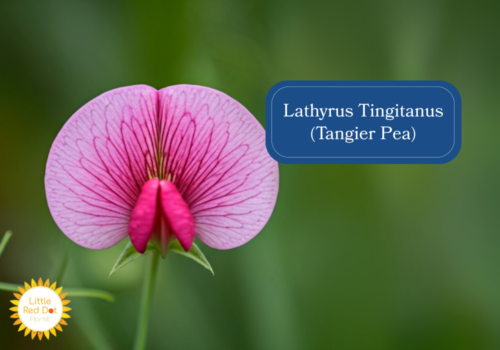
- Lathyrus Tingitanus (Tangier Pea): A stunning perennial with huge, bright crimson or magenta blooms.
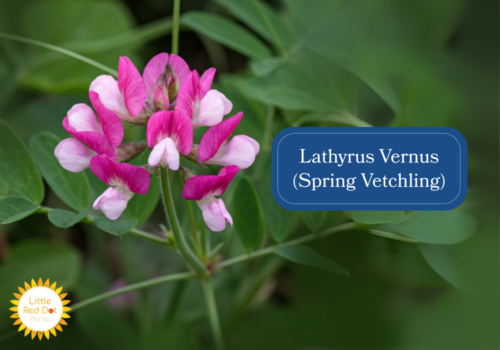
- Lathyrus Vernus (Spring Vetchling): A low-growing perennial with little blue and purple blooms that emerge early.
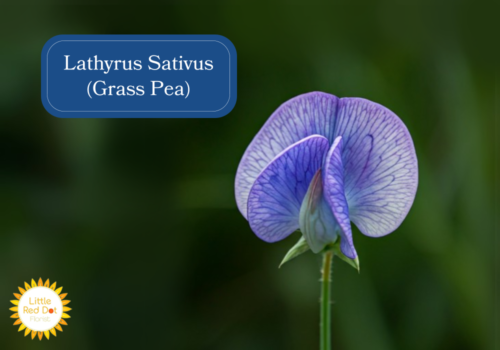
1. Lathyrus Sativus (Grass Pea)
Lathyrus Sativus (Grass Pea) is a drought-tolerant legume with thin stems, lance-shaped leaves, and bright blooms. The plant is an essential crop in areas with poor soils and low agricultural production. Its seeds are protein-rich and a staple diet throughout Asia and Africa.
Conservation efforts are centred on preserving genetic variety and promoting safe farming practices. Grass peas served as a famine staple and a sign of endurance. The cost of Lathyrus Sativus is around S$4.26 for a pack of 10 seeds.
2. Lathyrus Grandiflorus (Two-flowered Everlasting Pea)
Lathyrus Grandiflorus (Two-flowered Everlasting Pea) is a perennial climbing plant famous for its decorative beauty and long-lasting blossoms. The rapid growth and colourful blooms are a popular choice for gardening and erosion prevention. Preserving natural environments and advocating sustainable farming methods are the fundamental goals of conservation efforts.
Lathyrus grandiflorus is a common option for floral arrangements and symbolic gardens because it is a symbol of resilience and timeless beauty. The cost of Lathyrus Grandiflorus is approximately S$4.17 for a pack of seeds.

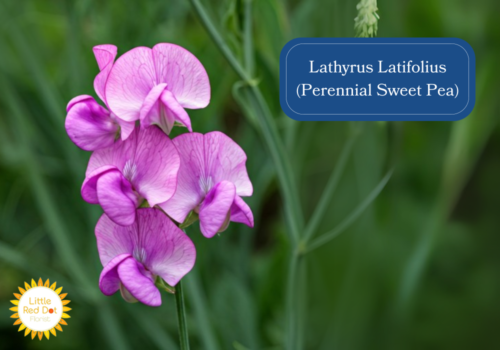
3. Lathyrus Latifolius (Perennial Sweet Pea)
Lathyrus Latifolius (Perennial Sweet Pea) is a climbing plant with vivid pink, white, or purple flowers. The lance-shaped leaflets and pinnate leaves allow it to climb. The plant is grown for decorative purposes, erosion control, and pollinator habitats.
Conservation efforts are limited, but promoting sustainable landscaping and biodiversity-friendly gardening helps achieve ecological goals. Lathyrus latifolius is a significant addition to bouquets and landscapes because it represents enduring love and tenacity. The cost of Lathyrus Latifolius is around S$5.41 for a pack of seeds.
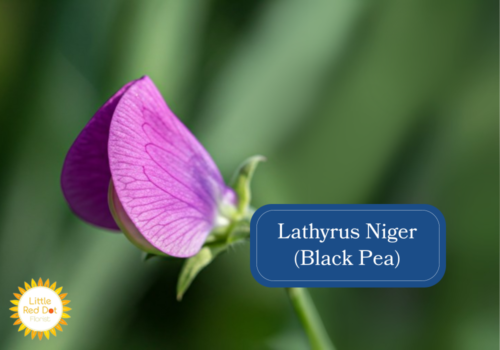
4. Lathyrus Niger (Black Pea)
Lathyrus Niger (Black Pea) is a perennial herbaceous plant with distinctive botanical features. It has tall stems and dark green leaves grouped in pairs and small, delicate purplish-pink flowers. The plant promotes biodiversity and pollinators, which is useful for ecological restoration projects.
Conservation efforts are centred on protecting natural habitats, seed banking, and raising awareness of its ecological significance. The cost of Lathyrus Niger is about S$4.26 for a pack of 20 seeds.
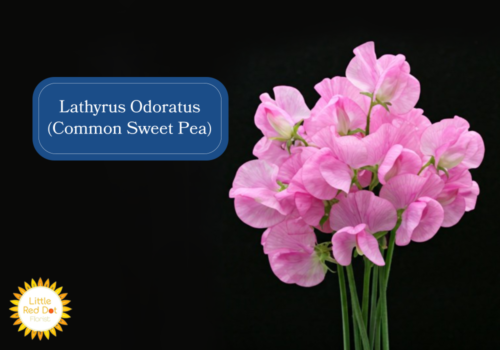
5. Lathyrus Odoratus (Common Sweet Pea)
Lathyrus Odoratus (Common Sweet Pea) is a common annual climbing plant valued for its fragrant blossoms and colourful leaves. Gardeners and florists love it for its vivid blossoms and pinnate foliage. Sweet peas are used in floral arrangements and wedding decorations.
The main goals of conservation initiatives are to protect heritage cultivars and encourage environment-friendly gardening techniques. Victorian floral traditions attribute great symbolic value, which signifies gratitude. The price of Lathyrus Odoratus is around S$3.74 for a pack of seeds.
6. Lathyrus Tingitanus (Tangier Pea)
Lathyrus Tingitanus (Tangier Pea) is a climbing plant with thin stems and pinnate leaves. Its brilliant crimson or magenta blossoms make it a popular option for vertical gardens. Primarily employed as an ornamental plant, it draws pollinators and adds vertical appeal.
Preserving its natural habitats is the main goal of conservation efforts, particularly in regions where agricultural growth poses a threat. The plant’s Mediterranean origins associate it with warmth and sunny environments, and it represents bravery and passion. The price of the species is approximately S$6.16 for a pack of 10 seeds.
7. Lathyrus Vernus (Spring Vetchling)
Lathyrus Vernus (Spring Vetchling) is indigenous to European and Asian forests and meadows. The vivid flowers of the species change from violet to blue or pink, making it a favourite ornamental plant for natural environments and forest gardens. It is preserved by seed banking, grown in botanical gardens, and helps pollinators.
Lathyrus vernus represents rebirth and resiliency, signifying the resurgence of life following winter hibernation. Its ecological significance and beauty make it a valued cultural and natural heritage. A pack of 100 seeds costs around S$19.18.
What are the Different Colours and Meanings of a Sweet Pea?
The different colours and meanings of a sweet pea are listed below.
- Purple: Purple sweet peas are a popular choice for elegant displays of respect and adoration as they symbolise monarchy, dignity, admiration, inventiveness, and mystery.
- Pink: Pink blossoms of sweet peas represent grace, joy, and devotion, and are used to communicate love, gratitude, and admiration. The “sweet pea flower meaning” represents romantic gestures or showing appreciation to loved ones.
- Red: Sweet pea is common in romantic contexts and represents courage and respect. The “red sweet pea meaning” symbolises love, passion, desire, strength, courage, and respect.
- White: White sweet peas are used at weddings to symbolise fresh starts and in memorials to express respect because they represent innocence, purity, and peace.
- Orange: Orange sweet peas symbolise warmth, vitality, and enthusiasm that encourage joy, support, self-assurance, excitement, and a love of life.
How to Grow Sweet Pea?
To grow sweet peas, follow the seven steps listed below.
- Pick between bush and climbing sweet peas for the garden.
- Select a well-drained, nutrient-rich soil that has been treated with compost or manure, and full light.
- Plant seeds 1 inch deep and 2 to 3 inches apart, and for climbing kinds, construct a trellis, fence, or posts to provide support during planting.
- Maintain continuous soil moisture, particularly during dry spells, for sweet peas’ healthy roots and growth.
- Use a balanced fertiliser with a high phosphorus content to ensure sturdy flowers. Stay away from too much nitrogen, which promotes leafy growth and inhibits blossoms.
- Mulch the area surrounding the plants to control soil temperature, inhibit weed growth, and hold onto soil moisture.
- Check plants for pests like slugs and aphids, treat them right away, and refrain from watering them from above to lower the danger of fungal diseases like powdery mildew.
Sweet peas grow in 7 to 14 days and establish themselves fast. The height of a sweet pea plant ranges from 6 to 8 feet, depending on the type and environment. The growing sweet pea flourishes in lower temperatures and requires adequate care. Flowering occurs 10-12 weeks after planting, which makes them an appealing choice for gardeners.
When to Plant Sweet Pea?
Plant sweet peas depending on the environment, although they thrive in cooler months. Sow sweet pea seeds between October and April, aiming for late February to March for best results. The best time for planting sweet pea is between March and May when the weather is mild. Sweet peas are natural in areas with moderate winters, allowing their roots to develop and bloom in early spring. Knowing where to plant sweet pea is vital, right flowers from late spring to early summer are a pleasant addition to the garden if plantings coincide with the climate.
What is the Maximum Height for Sweet Pea?
The maximum height of sweet peas is 6 to 8 feet under perfect growing conditions. They use their tendrils to climb trellises, fences, and other vertical structures to reach a sweet pea height. Dwarf or bush sweet peas are shorter, growing to around 1 to 2 feet tall, which makes them ideal for container gardening or as border plants. Sweet peas reach their maximum height and produce a stunning vertical display of fragrant, vibrant blossoms with the right care, which includes enough sunlight, water, and nutrients.
What are the Common Challenges in Growing Sweet Pea?
The common challenges in growing sweet peas are listed below.
- Quality of Soil: The required nutrients must be added to the soil before planting by amending it with compost or well-rotted manure.
- Problems with Pests: Infestations are managed with the use of chemical or natural pest control techniques and routine monitoring.
- Sensitivity to Temperature: Planting at the appropriate time and giving shade or frost protection as needed help to alleviate such a problem.
- Limited Blooming Time: Regular deadheading, the removal of spent blooms, and constant watering lengthen the flowering season.
What are the Best Tips for Growing Sweet Pea?
The best tips for growing sweet peas are listed below.
- Right Variety: Choose sweet pea types appropriate for the conditions in the garden.
- Weather Conditions: The best time to plant sweet peas is in the fall in milder climates and early spring in colder climates.
- Soil: Sweet peas grow best in nutrient-rich, well-drained soil. Before planting, amend the soil with compost or well-rotted manure to create a rich growing medium.
- Watering: Avoid root rot by keeping the soil evenly moist but not soggy. Regular watering is necessary for sweet pea plant care, particularly during dry spells.
- Pests: Keep an eye out for pests like slugs and aphids, and treat faster if problems are found. Avoid overhead watering to lower the risk of fungal illnesses like powdery mildew.
- Mulching: Mulch the area surrounding the base of the growing sweet pea to control temperature, keep the soil moist, and keep weeds at bay.
How to Take Care of Sweet Pea?
To take care of sweet peas, follow the steps listed below.
- Ensure vertical trellises, fences, or posts early on to direct the growth and prevent the sprawling of sweet peas. Sweet pea plant care helps a healthy growth and blossoming flowers.
- Avoid overwatering to stoproot rot is vital in flower care tips. Water the base regularly, during dry months, to keep the foliage dry and prevent disease concerns.
- Fertilise with a balanced or phosphorus-rich fertiliser to encourage blooming, rather than nitrogen-rich fertilisers, which stimulate foliage growth.
- Pinch back young plants’ tips when they are 4-6 inches tall to promote bushier growth, and deadhead spent blooms regularly to extend the flowering season and avoid premature seeding.
- Monitor pests, ensure air circulation, and minimise overhead watering. It prevents fungal diseases like powdery mildew, one of the best sweet pea flower care tips.
Are Sweet Pea Hard to Care for?
No, sweet peas are not hard to care for. Sweet peas are attractive climbers that demand simple care to grow, such as well-drained soil, lots of sunlight, and regular watering. The plants are low-maintenance, but they benefit from some care techniques, like pinching back young plants to promote bushier growth and giving climbing species strong support systems. They are vulnerable to diseases like powdery mildew and pests like aphids, but such problems are controlled with regular checks and prompt treatment.
What are the Challenges in Taking Care of Sweet Pea?
The challenges in taking care of sweet peas are listed below.
- Pest Infestations: Sweet peas are vulnerable to pests such as aphids, slugs, and snails, which cause damage to leaves, stems, and blooms, seeking regular inspections and prompt pest control techniques.
- Watering System Balance: Sweet peas require continuous hydration, but overwatering triggers root rot and fungal diseases, making it difficult to maintain the proper balance with changing conditions.
- Sensitivity to Temperature: Sweet peas require cold temperatures and proper planting, with adequate shade or frost protection, to thrive.
- Deficiencies in Nutrients: Sweet peas thrive in nutrient-rich soil, which is supplemented with frequent fertiliser and compost amendments to avoid poor growth and fewer blossoms.
What are the Uses for Sweet Pea?
The uses for sweet peas are listed below.
- Literature: Sweet peas are common in literary works as a symbol of beauty and grace.
- Nutritional Value: The seeds of sweet peas are healthy for diets because they are high in fibre and protein.
- Uses of Medicine: Sweet peas are used to cure several illnesses, including digestive problems, in traditional medicine.
- Aromatherapy: Aromatherapy uses the flowers’ lovely perfume to help people relax and deal with stress.
What Occasions Are Sweet Peas Commonly Used?
The occasions that sweet peas are commonly used are listed below.
- Anniversaries: The flowers are used in anniversary bouquets to represent long-lasting happiness and gratitude for experiences, adding to the celebration with their delicate beauty.
- Weddings: Sweet peas are a popular choice for bridal bouquets, centrepieces, and decorations because of their gentle colours and delicate petals, representing joy, gratitude, and fresh starts in weddings.
- Sympathy: Sweet peas in milder shades are utilised in sympathy arrangements to express deep emotions and provide comfort. Their representations of parting and remembering offer a delicate, considerate touch.
- Birthdays: Sweet peas are the birth flower of April. They are perfect and heartfelt birthday presents because of their vivid hues and delightful scent, which convey joy and gratitude.
- Graduations: Sweet peas make an ideal gift for graduations or personal milestones, signifying appreciation of the journey and the excitement of future chances.
What are Interesting Facts about Sweet Pea?
The interesting facts about sweet peas are listed below.
- Pollinators: Sweet peas help pollinator gardens by attracting butterflies and bees.
- Scent: The degree of the aroma depends on the variety, with some being more fragrant than others.
- Annual Tradition: Planting sweet peas for good fortune on St. Patrick’s Day is a custom in various cultures.
- Victorian Period: Sweet peas were popular in English gardens and were utilised in bouquets throughout the Victorian era.
- Origin: Sweet peas evolved in the Mediterranean region, particularly Sicily, Southern Italy, and the Aegean islands.
What are the other Flowers with their Symbolism?
The other flowers with their symbolism are listed below.
- Roses: Roses reflect the idealistic and delicate symbolism of love and passion, which are the perfect choice for such situations. The flower symbolism list contains roses, whose meanings differ in their colours. The list of flowers and their meanings differentiates their importance in every culture.
- Carnations: Carnations have different colours and are utilised for romantic and joyous occasions. They symbolise uniqueness and love.
- Peonies: Peonies symbolise love and joy via their abundant blossoms and gentle colours. The meanings of different flowers differ based on their colours and form.
- Lilies: The lily flowers are connected to festivities and fresh starts, representing purity and devotion.
- Hyacinths: The Hyacinths evoke the allure and joyous spirit of sweet peas with their clusters of fragrant blossoms and vivid hues. The plant symbolism is sincerity and peace.