
Violet: Types, How to Grow, and How to Take Care of Violets
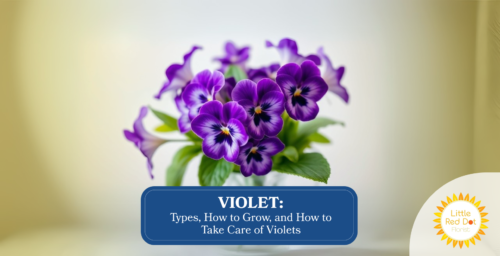
Violets, botanically named Viola, belong to the family Violaceae. A violet plant features heart-shaped leaves and delicate, five-petaled violet flowers with a mix of purple, white, or yellow hues. Violet flowers are durable and thrive in moderate climates, resisting some pests but requiring protection from aphids and slugs. They grow moderately, maturing within 2 to 3 months, and have a 2 to 3 years lifespan. Violets are non-toxic and safe for culinary and ornamental use.
The violet flower meaning includes loyalty, love, and remembrance, making them significant in various cultural and emotional contexts. These versatile plants symbolise humility, faithfulness, and spiritual wisdom, adding depth to their appeal in gardens and floral arrangements.
What is a Violet?
Violet is a genus of flowering plants belonging to the family Violaceae. Violets are known for their distinctive five-petalled flowers, which exhibit deep purple and blue to white and yellow colours. They are found in temperate regions of the Northern Hemisphere, thriving in habitats such as woodlands, meadows, and gardens.
Violets are renowned for their ornamental beauty and have been cultivated for centuries. Their delicate appearance and vibrant colours have made them popular in gardens and floral arrangements. Violets hold cultural significance as symbols of modesty and love in addition to their aesthetic appeal. They are associated with sentiments of affection and are considered among the “Flowers that Mean Love.”
Certain species of violets have applications in traditional medicine beyond their ornamental use. Cultures have utilized violet extracts for their purported soothing and anti-inflammatory properties. The flowers and leaves of some violet species are edible and have been used in culinary dishes, adding colour and flavour to salads and desserts.
Violets play a role in ecology as host plants for various butterfly species. The larvae of some butterflies feed exclusively on violet leaves, making these plants essential for their life cycles. The ecological relationship highlights the importance of violets in maintaining biodiversity within their native habitats.
Violets are versatile plants appreciated for their beauty, cultural symbolism, medicinal uses, and ecological significance. Their association with flowers that mean love and modesty continues to make them cherished in various cultures worldwide.
What does a Violet Flower look like?
Violet Flower looks like a delicate bloom with five petals in shades of purple, occasionally accented by white and yellow at the centre. The leaves are heart-shaped with serrated edges, displaying a deep green hue. The stem is slender, slightly hairy, and effectively supports the flowers and leaves. The branches are minimal, as violets grow close to the ground and spread horizontally. The plant is soft in appearance and lacks any thorns or spines, emphasizing its gentle and ornamental nature.
The image of the Violet Flower look like is shown below.

How Popular are Violets?
Violets are popular across cultures for their beauty and versatility. The violet flower holds significant cultural and historical importance, symbolizing modesty, love, and remembrance in various traditions. Its unique appearance and vibrant hues make it a popular choice in gardens and floral arrangements for ornamental purposes.
Violets are admired for their resilience and adaptability, thriving in diverse environments ranging from temperate woodlands to cultivated landscapes. Their use in perfumes, culinary dishes, and traditional medicine has enhanced their reputation, making them valuable beyond aesthetics.
The violet flower is frequently associated with affection and devotion, adding to its symbolic popularity. Its ecological role as a host plant for butterfly larvae contributes to its importance in natural ecosystems, ensuring biodiversity and environmental balance. The enduring charm and utility of violets have secured their place as one of the most cherished flowering plants globally.
What does Violet Symbolize?
Violets symbolise love, modesty, and remembrance. The violet flower’s meaning is deeply rooted in cultural traditions, representing purity and faithfulness. Its delicate appearance and association with spring further enhance its role as a symbol of renewal and new beginnings.
Violets are depicted to convey themes of innocence and devotion in art. Their presence in paintings and literary works reflects a connection to subtle emotions and heartfelt expressions.
The violet flower’s meaning in art is closely tied to its delicate beauty and symbolic depth.
Violets signify enduring love and commitment in weddings or marriages. Their inclusion in bouquets or decorations conveys a message of loyalty and lasting affection. The use of violets in such ceremonies underlines their importance as a representation of cherished bonds.
Violets symbolise endurance and resilience, thriving in diverse conditions despite their fragile appearance. The aspect of the violet flower meaning highlights strength in vulnerability, making it a powerful emblem in personal and collective contexts.
What are Some of the Best Types of Violet?
Some of the Best Types of Violet are listed below.
- African Violet: African Violey is a popular houseplant with velvety, rounded leaves and blooms in shades of purple, pink, or white, valued for its long-lasting flowers.
- Purple Violet: Purple Violet thrives in gardens and symbolises love and modesty, known for its deep purple blooms and heart-shaped leaves.
- Pansy: Pansy is a hybrid violet featuring large, multicoloured flowers with bold patterns commonly used in decorative borders and containers.
- Mountain Violet: Mountain Violet is a wild species adapted to alpine regions, admired for its resilience and small, vibrant flowers.
- Johnny Jump Up: Johnny Jump Up is a charming tri-coloured violet with purple, yellow, and white blooms in cottage gardens and meadows.
- Blue Violet: Blue Violet is a native species with soft blue to violet flowers, contributing to biodiversity and used in natural landscaping.
1. African Violet
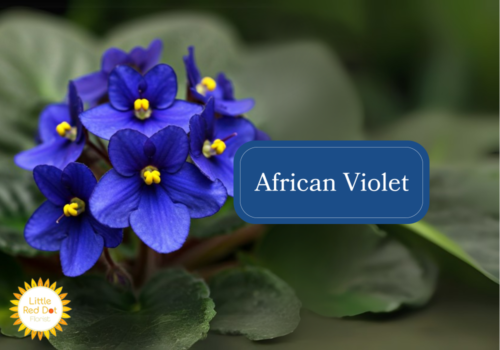
African Violet is a popular houseplant native to East Africa, particularly the rainforests of Tanzania and Kenya. African Violet features velvety, rounded leaves and clusters of delicate flowers in shades of purple, pink, or white. It thrives in well-drained soil with moderate humidity and indirect light, botanically known as Saintpaulia ionantha.
African Violets are cultivated for ornamental purposes, enhancing indoor spaces with vibrant blooms. African Violets are extremely rare in the wild, leading to conservation efforts to preserve their natural habitats.
The plant symbolises modesty and virtue, making it a cherished gift in various traditions. African Violets are available in Singapore, with prices ranging from approximately SGD 5.80 to SGD 18, depending on size and variety.
2. Purple Violet
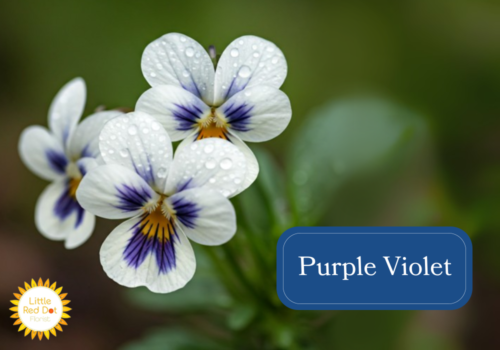
Purple Violet is a perennial plant with the genus Viola, renowned for its vibrant purple flowers and heart-shaped leaves. Purple Violet exhibits five-petalled blooms with deep purple hues and delicate dark veins, complemented by lush green foliage. It thrives in partial shade and well-drained soil, making it suitable for temperate garden settings.
Purple Violet enhances garden aesthetics and serves as a ground cover, cultivated for ornamental purposes. Conservation efforts focus on preserving its natural habitats, as certain wild species face threats from habitat loss. The violet flower symbolises modesty and faithfulness, featuring prominently in literature and art. Purple Violets are available in Singapore, with prices ranging from approximately SGD 13.00 to SGD 28.00, depending on the plant’s size and variety.
3. Pansy
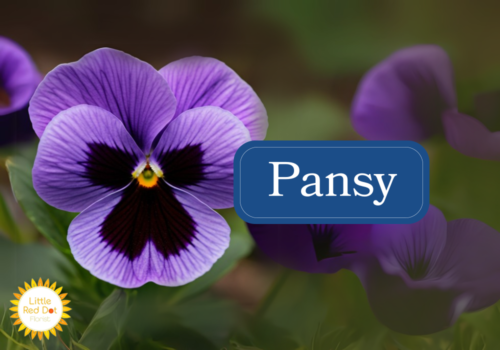
Pansy is a hybrid plant from the genus Viola, known for its large, multicoloured flowers and heart-shaped leaves. Pansy exhibits blooms with overlapping petals in various hues, including purple, yellow, and white, often displaying distinctive face-like markings. Pansies thrive in cool climates and well-drained soil, making them suitable for temperate gardens.
Pansies enhance garden aesthetics and are popular in floral arrangements cultivated for ornamental purposes. Conservation efforts focus on preserving wild relatives to maintain genetic diversity. The pansy symbolises thoughtfulness and remembrance, derived from the French word “pensée,” meaning “thought.” Pansy plants’ prices range from approximately SGD 12.00 to SGD 34.81, depending on the plant’s size and variety.
4. Mountain Violet
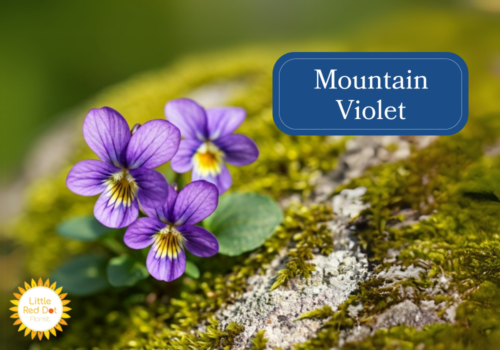
Mountain Violet is a flowering plant known for its vibrant purple blooms. Mountain Violet has heart-shaped leaves and produces clusters of small, delicate flowers with distinct violet petals. It thrives in high-altitude environments and is found in mountainous regions. Mountain Violet is used in herbal medicine for its anti-inflammatory and soothing properties. It has applications in treating respiratory issues and skin conditions. The plant holds cultural significance in various regions, symbolising resilience and purity.
Conservation efforts focus on preserving its natural habitat due to its vulnerability to environmental changes. Deforestation and climate change pose significant threats to its survival. The price of Mountain Violet plants in Singapore ranges from SGD 10 to SGD 30, depending on the size and availability.
5. Johnny Jump Up
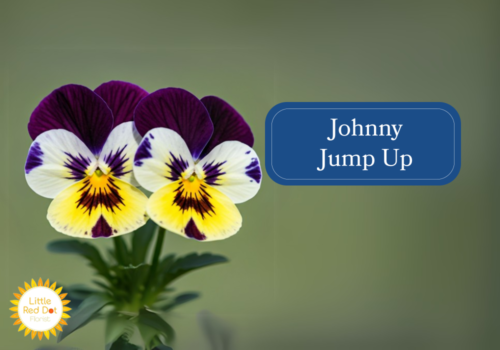
Johnny Jump Up is a small, colourful wildflower known for its vibrant purple, yellow, and white flowers. Johnny Jump Up has round, heart-shaped leaves and grows in clumps. It thrives in well-drained soil in meadows, gardens, and roadsides. Johnny Jump Up is used in herbal remedies for its anti-inflammatory and diuretic properties. The flowers are edible and are used in salads or as garnishes. The plant has cultural significance, symbolising joy and a playful spirit.
Conservation efforts are focused on maintaining its natural habitats as urbanisation and land development threaten its existence. Protection of meadows and roadsides is crucial for preserving its populations. The price of Johnny Jump Up plants in Singapore ranges from SGD 8 to SGD 20, depending on the size and availability.
6. Blue Violet
Blue Violet is a perennial plant known for its deep blue or purple flowers. Blue Violet has rounded, heart-shaped leaves with a distinctive white or pale yellow centre in the flowers. It thrives in shady, moist areas in woodlands and gardens. Blue Violet is used in herbal medicine for its soothing and anti-inflammatory properties. It is applied to treat skin conditions and respiratory ailments. The plant has cultural significance, symbolising loyalty and faithfulness.
Conservation efforts aim to preserve its habitat due to the loss of woodlands and increasing urbanisation. The protection of natural environments is vital for ensuring its survival. The price of Blue Violet plants in Singapore ranges from SGD 12 to SGD 25, depending on the size and availability.

What are the Best Colours with Meanings of Violets?
The Best Colours with Meanings of Violets are listed below.
- Purple: Purple represents spirituality and nobility. The violet flower meaning in colour symbolises dignity and wisdom.
- Blue: Blue reflects tranquillity and peace. Blue violets are associated with loyalty and calmness.
- White: White denotes purity and innocence. The violet flower meaning white signifies humility and clarity.
- Yellow: Yellow symbolises joy and friendship. Yellow violets convey happiness and new beginnings.
- Pink: Pink represents love and affection. The violet flower meaning in pink is tied to admiration and gentle emotions.
How to Grow Violets?
To Grow Violets, follow the six steps listed below.
- Select well-draining soil rich in organic matter. A slightly acidic pH between 6.0 and 6.5 is ideal for optimal growth.
- Choose a location with partial to full shade. Violets thrive in climates with moderate temperatures and protection from harsh sunlight.
- Plant seeds or seedlings in early spring or autumn. Sow seeds lightly on the soil surface without burying them deeply, as they need light to germinate.
- Ensure proper spacing of 15 to 20 cm between plants. Adequate spacing allows good air circulation and prevents overcrowding.
- Water regularly to keep the soil consistently moist but not waterlogged. Use a gentle watering method to avoid damaging the delicate leaves and roots.
- Mulch around the plants to retain soil moisture and suppress weeds. Organic mulch, such as shredded leaves or straw, is effective.
Violets grow within 3 to 4 weeks from seed germination and reach maturity in 2 to 3 months, depending on growing conditions.
When to Plant Violets?
Plant violets when the weather is cool and mild, either in early spring or autumn. The best time to plant them is after the last frost in spring or the first frost in autumn. The growing season for violets spans from March to May in spring and September to November in autumn, depending on the local climate.
What are the Common Challenges in Growing Violets?
The Common Challenges in Growing Violets are listed below.
- Overwatering: Excess water leads to root rot and fungal diseases. Water only when the soil surface feels dry and ensure the soil has good drainage.
- Pest Infestations: Aphids, spider mites, and slugs commonly attack violets. Use insecticidal soap, neem oil, or hand-pick slugs to control infestations.
- Powdery Mildew: White, powdery spots on leaves indicate this fungal infection. Ensure good air circulation, avoid wetting foliage, and apply a fungicide if necessary.
- Insufficient Sunlight: Weak growth and reduced blooming occur when light is inadequate. Place violets in partial shade or dappled sunlight for balanced exposure.
- Nutrient Deficiency: Yellowing leaves or stunted growth may result from poor soil nutrition. Feed with a balanced, water-soluble fertiliser every 4 to 6 weeks during the growing season.
- Overcrowding: Poor airflow leads to disease and inhibited growth. Space plants 15 to 20 cm apart and thin overcrowded areas regularly.
- Extreme Temperatures: Heat stress or frost damage weakens plants. Mulch to stabilise soil temperatures and protect against extreme weather.
What are the Best Tips for Growing Violets?
The Best Tips for Growing Violets are listed below.
- Choose Location: Choose a location with partial shade to protect violets from harsh sunlight while ensuring adequate light for growth.
- Prepare Well-Draining Soil: Use well-draining, nutrient-rich soil with a slightly acidic pH to support healthy root development.
- Water Regularly: Water regularly to maintain consistent moisture in the soil without creating waterlogged conditions.
- Space Plants: Space plants 15 to 20 cm apart to allow proper airflow and prevent overcrowding.
- Fertilise: Apply a balanced fertiliser every 4 to 6 weeks during the growing season to promote vigorous growth and blooming.
- Mulch: Mulch around the base of the plants to retain soil moisture and control weeds effectively.
How to Take Care of Violets?
To Take Care of Violets, follow the ten steps listed below.
- Plant violets in well-draining, nutrient-rich soil with a slightly acidic pH. Proper soil conditions are essential for healthy growth and effective violet care.
- Place them in partial shade or indirect sunlight. Moderate light levels prevent leaf burn and ensure robust blooming.
- Water consistently to keep the soil moist but not soggy. Maintaining balanced moisture is a critical part of flower care tips.
- Fertilise every 4 to 6 weeks during the growing season using a balanced, water-soluble fertiliser. Regular feeding supports healthy foliage and flowers.
- Remove wilted blooms and yellowing leaves promptly. Deadheading promotes new growth and keeps the plant tidy.
- Protect violets from pests like aphids and spider mites by inspecting leaves regularly. Natural remedies such as neem oil ensure effective pest control in violet care.
- Mulch around the base of the plants with organic material. Mulching helps retain moisture and prevents weed growth.
- Re-pot violets every 1 to 2 years if they are grown in containers. Fresh soil and a slightly larger pot encourage better root development.
- Avoid exposing violets to extreme temperatures or frost. Stable, moderate climates are crucial for proper violet care.
- Maintain good air circulation around the plants. Proper spacing helps prevent fungal infections and improves plant health.
Are Violets Hard to Care for?
No, violets are not hard to care for. Violets thrive with basic maintenance, including well-draining soil, moderate watering, and partial shade. Proper fertilisation and pest control are essential for healthy growth. Regular pruning and deadheading ensure continuous blooming and prevent disease. Violets grow and flourish easily with consistent attention to light, moisture, and soil conditions.
What are the Challenges in Taking Care of Violets?
The Challenges in Taking Care of Violets are listed below.
- Overwatering: Excess water leads to root rot and fungal diseases. Ensuring well-draining soil and moderate watering is crucial.
- Pest Attacks: Aphids, spider mites, and slugs commonly infest violets. Regular inspection and natural pest control methods are essential to protect plants.
- Insufficient Light: Too much or too little light hinders blooming and weakens growth. Partial shade or indirect sunlight is necessary for optimal growth.
- Nutrient Imbalance: Over-fertilisation or nutrient-deficient soil affects plant health. Using a balanced fertiliser every 4 to 6 weeks during the growing season is recommended.
- Temperature Sensitivity: Extreme heat or frost damages violets and affects their growth. Stable, moderate temperatures are required to keep plants healthy.
What are Violets Used For?
Violets are Used For the things listed below.
- Medicinal Purposes: Violets are used in herbal remedies for their anti-inflammatory and soothing properties. They are applied to treat respiratory ailments, skin conditions, and mild infections.
- Culinary Uses: Violets are edible and used as garnishes, in salads, or to make syrups and teas. Their mild flavour and aesthetic appeal enhance dishes.
- Ornamental Planting: Violets are popular in gardens and landscapes for their vibrant colours and ease of maintenance. They add beauty and charm to any space.
- Aromatherapy: Violet extracts are used in perfumes, oils, and cosmetics for calming fragrance. The scent is believed to reduce stress and promote relaxation.
- Symbolic Gifts: Violets are gifted to convey sentiments like loyalty, faithfulness, and affection. Their symbolism varies across cultures and occasions.
Are Violets used in many Occasions?
Yes, violets are used in many occasions due to their symbolic meanings and beauty. Violets are used in weddings for their delicate charm, in funerals to symbolise mourning, and on Valentine’s Day, to express affection. They are given as thoughtful gifts on anniversaries or as tokens of appreciation in cultural celebrations. Violets are popular flowers for all occasions, representing loyalty, love, and remembrance.
What are Interesting Facts about Violets?
The Interesting Facts about Violets are listed below.
- Symbol of Modesty: Violets have long been associated with humility and modesty due to their low-growing nature and delicate appearance.
- Edible Flowers: Violets are safe to eat and are used in culinary dishes like salads, syrups, and confections. Their subtle sweetness enhances desserts and beverages.
- Medicinal Properties: Violets contain salicylic acid, a natural pain reliever. They are used in traditional medicine to treat colds, headaches, and skin ailments.
- Shifting Colours: Violet species exhibit colour changes depending on light and soil pH. The unique trait adds to their charm in gardens.
- Cultural Symbolism: Violets are the birth flower for February and symbolise love and faithfulness. They hold special significance in literature and art across cultures.
- Natural Dye: Violet flowers produce a delicate purple dye historically used for textiles and artwork. Their vibrant hue is prized for its natural origin.
What are the other Flowers with their Symbolism?
The other Flowers with their Symbolism are listed below.
- Lilac: Symbolises first love and youthful innocence. Adding to the flower symbolism list is similar to violets expressing affection and purity.
- Forget-Me-Not: Represents remembrance and loyalty. It is frequently included in the list of flowers and their meaning, embodying sentiments of faithfulness like violets.
- Pansy: Stands for thoughtfulness and reflection. Its role in plant symbolism aligns closely with violets’ representation of remembrance and love.
- Lavender: Conveys calmness, devotion, and grace. Lavender is part of the flower symbolism list, mirroring violets’ soothing and loyal characteristics.
- Bluebell: Signifies humility and everlasting love. It shares its place in the list of flowers and their meanings, with violets as a symbol of enduring affection.