 Free Same Day Delivery Islandwide | Order by 5PM for Today’s Delivery | 800+ 5-Star Reviews

Why Are Orchid Leaves Turning Yellow? Common Causes and How to Fix Them
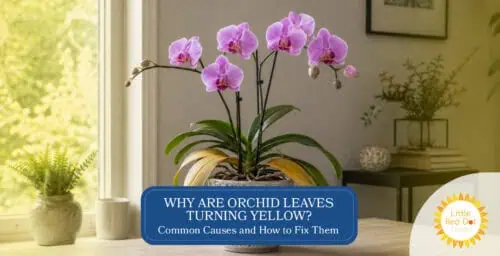
Orchids are beloved in Singapore for their elegance, longevity, and surprisingly low-maintenance nature. Whether displayed in homes, offices, or gifted for special occasions, orchids bring a sense of beauty and refinement that few flowers can match.
However, one of the most common concerns orchid owners encounter is yellowing leaves.
You may notice a single leaf gradually turning yellow, or perhaps several leaves changing colour at the same time. Naturally, this can be alarming, especially if your orchid was previously healthy and thriving.
The good news is that yellow orchid leaves do not always indicate a serious problem. In some cases, they are a completely natural part of the plant’s life cycle. In others, they may signal an issue that can be corrected with a few simple adjustments.
Understanding the cause is the first step toward helping your orchid thrive again.
Is It Normal for Orchid Leaves to Turn Yellow?
Sometimes, yes.
Like all plants, orchids naturally shed older leaves as they grow. If the lowest leaf on your orchid gradually turns yellow while the rest of the plant remains healthy, this is often a normal part of the plant’s development.
The leaf will typically yellow slowly over several weeks before eventually drying and falling off. New growth elsewhere on the plant is usually a sign that everything is functioning normally.
If multiple leaves are turning yellow simultaneously, or if the yellowing appears suddenly, it may indicate an underlying issue that needs attention.
Overwatering: The Most Common Cause
In Singapore’s humid climate, overwatering is one of the most common reasons orchid leaves turn yellow.
Many people assume orchids need frequent watering because they are tropical plants. In reality, orchids prefer to dry out slightly between waterings. Constantly wet roots can lead to root rot, preventing the plant from absorbing nutrients and oxygen properly.
When this happens, leaves may begin turning yellow, feel soft, or eventually fall off.
If you suspect overwatering, check the roots. Healthy orchid roots are firm and green or silvery in colour. Roots that appear brown, mushy, or black may indicate root rot.
Allowing the growing medium to dry slightly before watering again can often help prevent this problem.
Underwatering Can Also Cause Yellow Leaves
While overwatering is more common, underwatering can also lead to yellowing leaves.
Orchids that do not receive enough moisture may become stressed. The leaves may appear wrinkled, limp, or yellow as the plant struggles to conserve water.
In Singapore’s warm climate, orchids generally require watering about once a week, though this may vary depending on the environment, potting medium, and season.
The goal is balance. Orchids prefer consistent moisture without remaining constantly wet.
Too Much Direct Sunlight
Orchids enjoy bright conditions, but most varieties do not tolerate prolonged direct sunlight.
If placed near a west-facing window or exposed to intense afternoon sun, leaves may develop yellow patches, scorched areas, or an overall yellow appearance.
Think of orchids as preferring filtered light rather than harsh sunlight.
A bright room with indirect light is usually ideal. In many Singapore homes, placing orchids near a window with sheer curtains provides the right balance of brightness and protection.
Natural Aging of Older Leaves
Sometimes yellow leaves are simply a sign of maturity.
As orchids grow, older leaves naturally age and are replaced by new growth. This process often begins with the lowest leaves on the plant.
If only one leaf is affected and the orchid continues producing healthy roots, leaves, or flower spikes, there is usually no reason for concern.
In these situations, patience is often the best solution.
Sudden Environmental Changes
Orchids can be surprisingly sensitive to abrupt changes in their environment.
Moving an orchid from an air-conditioned office to a warm balcony, relocating it to a different room, or exposing it to sudden temperature fluctuations may cause stress.
This stress sometimes appears as yellowing leaves.
While orchids generally adapt over time, it is best to avoid frequent relocation whenever possible. Consistency helps orchids remain healthy and stable.
Nutrient Deficiencies
Although orchids do not require heavy feeding, they still need nutrients to grow properly.
A lack of essential nutrients may sometimes result in pale or yellowing leaves. This is more likely if the orchid has not been fertilised for a long period or has remained in the same potting medium for several years.
Using a balanced orchid fertiliser according to the manufacturer’s instructions can help maintain healthy growth.
As with watering, more is not always better. Excessive fertiliser can also cause problems.
Root Problems Beyond Overwatering
Healthy roots are the foundation of a healthy orchid.
Even when watering seems appropriate, roots may struggle if the potting medium has broken down over time. Orchid bark eventually decomposes, reducing airflow around the roots and increasing moisture retention.
When roots cannot breathe properly, yellow leaves may develop as a symptom of stress.
Repotting every one to two years helps maintain good airflow and supports healthy root growth.
How to Tell if Your Orchid Is Healthy
If your orchid has one yellow leaf but otherwise appears healthy, there is often no need to panic.
Healthy orchids typically have:
Firm green leaves, healthy roots, stable growth, and strong flower spikes when blooming.
The overall condition of the plant matters more than a single leaf.
Looking at the orchid as a whole rather than focusing on one yellowing leaf often provides a clearer picture of its health.
When Should You Be Concerned?
Yellow leaves may warrant closer attention if:
Several leaves are turning yellow at the same time, the leaves feel soft or mushy, root rot is visible, or the yellowing spreads rapidly throughout the plant.
In these situations, identifying the cause early can help prevent further damage and improve the orchid’s chances of recovery.
Keeping Orchids Healthy in Singapore
One reason orchids remain so popular in Singapore is that they are naturally suited to our tropical environment.
In Singapore’s warm and humid climate, keeping orchids healthy is simple for orchid-growing beginners. The best way to care for orchids is to keep them in a bright area away from harsh direct afternoon sun. Water only when the potting medium feels almost dry, and make sure excess water can drain away easily.
Good airflow is also important, especially in Singapore’s humid weather, as it helps prevent root rot and fungal problems. Avoid letting water sit in the crown of the plant or at the bottom of the pot.
A light orchid fertiliser every few weeks can help support healthy leaves, strong roots, and future blooms. With the right balance of light, water, airflow, and patience, orchids can remain healthy and beautiful for a long time.
Many orchid problems arise not from neglect, but from too much care. Overwatering, overfeeding, and excessive handling are often more harmful than a little patience.
A Little Observation Goes a Long Way
At Little Red Dot Florist, we often remind orchid owners that plants communicate through small changes. Yellow leaves are not necessarily a sign of failure. More often, they are the orchid’s way of telling you that something in its environment needs attention.
By observing your orchid carefully and making small adjustments when needed, you can often restore its health and enjoy its beauty for many seasons to come.
After all, orchids are remarkably resilient plants. Sometimes they simply need a little time, a little balance, and a little understanding.
Can yellow orchid leaves be caused by pests?
Yes, pests such as spider mites, scale insects, mealybugs, and aphids can weaken orchid leaves and cause yellowing, spotting, or sticky residue. Check the underside of leaves, along leaf joints, and around flower spikes for small insects or cotton-like clusters.
Why are my orchid leaves turning yellow with black spots?
Yellow leaves with black or brown spots may suggest fungal or bacterial issues, especially if the orchid is kept in a damp area with poor airflow. In Singapore’s humid weather, it is important to avoid water sitting on the leaves for long periods and to keep orchids in a well-ventilated space.
Is misting orchids helpful in Singapore?
Misting is usually not necessary in Singapore because the climate is already humid. In fact, frequent misting without good airflow may increase the risk of fungal problems. If you do mist, do it lightly in the morning so the leaves can dry during the day.
Can air-conditioning affect orchid leaves?
Yes, orchids placed directly under air-conditioning may become stressed because of dry air and sudden temperature changes. This can sometimes lead to limp, yellow, or dry-looking leaves. It is better to keep orchids away from strong air-conditioning drafts.
Should orchids be placed in bathrooms?
Bathrooms can sometimes work if they receive enough bright, indirect light and have good airflow. However, a dark or poorly ventilated bathroom is not ideal because orchids still need light and air movement to stay healthy.