 Free Same Day Delivery Islandwide | Order by 5PM for Today’s Delivery | 800+ 5-Star Reviews
Chrysanthemum: Types, How to Grow, and How to Take Care of Chrysanthemums
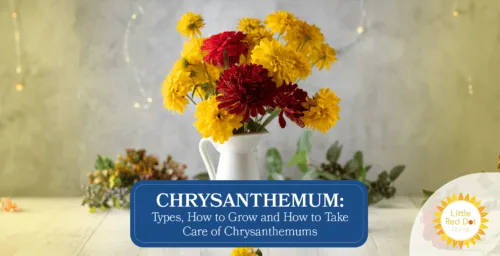
Chrysanthemum comes from the Ancient Greek words chrysos (gold) and anthemon (flower). Chrysanthemums are a genus of about 40 flowering plant species in the aster family (Asteraceae) that are endemic to the Old World’s subtropical and temperate regions. They are popular in East Asia, where they are portrayed in art and used as ornamentals.
Chrysanthemum flowers occur in various shapes, including basic, daisy-like blooms with a single row of petals and more complicated, multi-layered forms such as pom-poms or spider variations with thin, elongated petals. Their bright colours include white, yellow, orange, red, pink, and purple, with a contrasting centre. Chrysanthemum leaves are dark green, lobed, and somewhat serrated, creating a textured and luxuriant background for the colourful flowers.
Chrysanthemums are well-known for their long-lasting blooms, particularly in colder autumn. They are somewhat immune to pests and diseases, except aphids and spider mites. Some chrysanthemum types are bred to be more insect-resistant, which increases their tolerance in gardens. Chrysanthemums grow in late summer or autumn, making them ideal for autumn gardens.
Chrysanthemum plants are perennials that thrive over several years, but they are cultivated as annuals in some areas. They are simple to maintain and last for many seasons if divided and cared for regularly. Chrysanthemums are toxic to pets and cause mild to severe reactions if consumed, such as vomiting or allergic reactions in dogs and cats.
Chrysanthemum flowers are associated with autumn, royalty, human goodness, and longevity in Japan, Korea, and the United States. The symbolism of chrysanthemums is the sun in Japan and simplicity and modesty in Korea. Mums are commonly used in autumn floral arrangements.
What is a Chrysanthemum?
A chrysanthemum (chrysanths or mums) is a flowering plant from the Asteraceae family. Chrysanthemums are composite flowers growing in diverse forms of petals. Some varieties resemble daisies, some resemble pompoms and some have petals that look like quills. The colours of the blossoms differ, ranging from pale yellow and white to deep burgundies and purples.
Chrysanthemums are popular ornamental plants for gardens, bouquets and flower displays. Chrysanthemums are beautiful flowers, but they have cultural significance in many cultures worldwide. The chrysanthemum is well-known for its exquisite appearance, medicinal properties and superstitions. The chrysanthemum is indigenous to Northeastern Europe and East Asia. Most varieties are native to East Asia, with China operating as the hub of variation in horticultural types and cultivars.
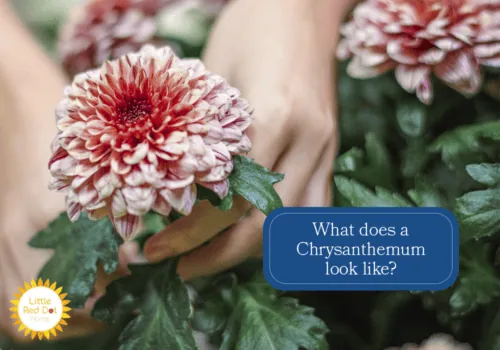
What does a Chrysanthemum look like?
A Chrysanthemum is a “perennial herbaceous” flowering plant, sometimes subshrubs. Its leaves are alternating and divided into leaflets, which are either pinnatisect, lobed, or serrated (toothed), but are seldom whole. They are attached to stalks with hairy bases. Most of its varieties have simple fragrant leaves that alternate their stems. Some have disc and ray flowers in their heads, while others lack either.
The compound inflorescence consists of a cluster of many flower heads or only one head. The chrysanthemum flower heads of wild species are smaller than grown species and hybrids. The head’s base is coated in phyllary layers. The simple row of ray florets is either white, yellow, or red. Yellow disc florets are present. The size of pollen grains is about 34 microns.
Chrysanthemums are a versatile option for adding colour to landscapes because they come in different hues, like white, yellow, orange, red, pink, purple, and even bi-colour patterns. The flowers of chrysanthemum vary from 2 to 5 inches in diameter, though some types become larger. They differ in size from small, low-growing plants to larger types that go beyond 3 feet tall. The blooming flowers add a splash of colour and plumpness to every garden or floral arrangement, whether a simple daisy form or one of the more intricate, multi-petaled varieties.
What does a Chrysanthemum Symbolise?
The chrysanthemum symbolises long life and good fortune in Chinese culture and is brought to baby showers and birthday parties. The “Four Gentleman” plants, which originated in Ancient China, are the national flowers of Beijing and Kaifeng. Chrysanthemums have a deep definition in cultures and circumstances, reflecting longevity, joy, and resilience.
Chrysanthemums are featured in art as signs of autumn and the cycle of life, reflecting tenacity and the beauty of nature’s shifting seasons. They are shown in traditional Chinese and Japanese paintings, where the ability to blossom during the cooler months characterises endurance and resilience in the face of adversity. The chrysanthemum represents nobility and honour in many artistic renderings, particularly in Japan, where it is linked with the imperial dynasty.
Chrysanthemums represent excitement, love, and optimism during weddings and marriages, while their exact meaning varies by region. They are considered lucky and happy flowers in several cultures, like in Asia, which makes them a symbol of marriage and enduring relationships. Chrysanthemums in Western cultures are associated with mournings and memorials, hence they are less used in weddings.
What are the Different Types of Chrysanthemum?
The different types of Chrysanthemum are listed below.
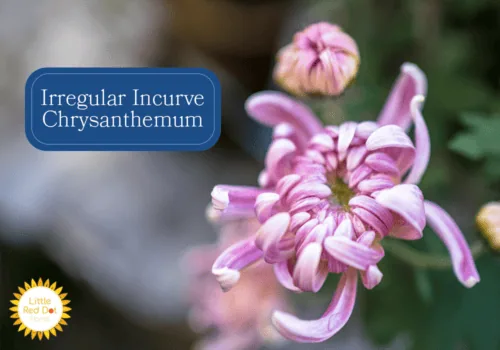
- Irregular Incurve Chrysanthemum: The irregular incurve chrysanthemum flowers have huge, double blooms with petals that curl inward, producing the bloom a messy but full, rounded look. The top petals stand straight, while the bottom petals drape downward.
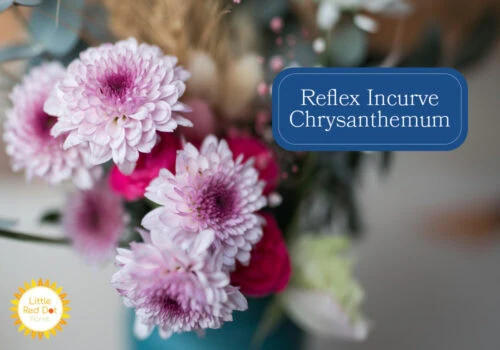
- Reflex Incurve Chrysanthemum: The reflex incurve chrysanthemum blooms have petals that curl backwards and downward, forming an open, dome-like structure. Reflexed petals give the bloom a softer, looser appearance than incurved petals.
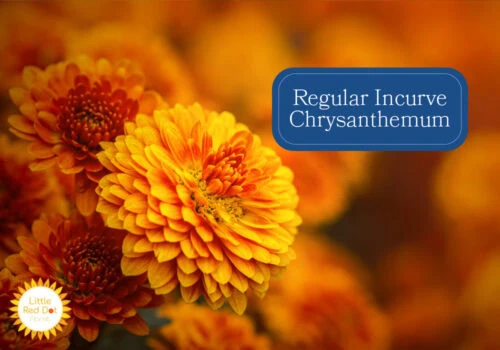
- Regular Incurve Chrysanthemum: The structure of regular incurve chrysanthemum is more symmetrical and uniform, with compact petals that gently curve inward to form a flawless ball or globe shape. The flowers are tidy and spherical, frequently resembling pompons.
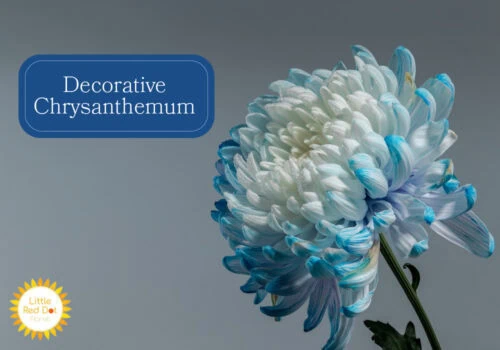
- Decorative Chrysanthemum: Decorative chrysanthemums provide a flat bloom with many broad, almost incurved petals. The flowers are enormous or medium-sized, and they are used in floral arrangements due to their adaptability and striking look.
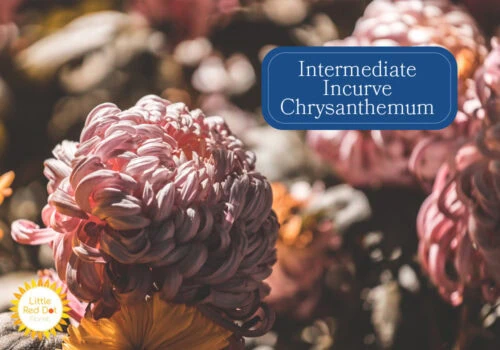
- Intermediate Incurve Chrysanthemum: The intermediate incurve chrysanthemum falls somewhere between regular and irregular incurves with petals that curve inward but are less packed. They are medium-sized and more organised than irregular incurves.
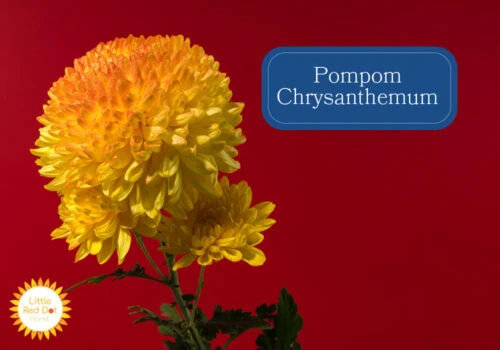
- Pompom Chrysanthemum: The pompom chrysanthemum has small, ball-like blooms with packed petals. They are tiny and come in various colours, making them suitable for floral arrangements and garden flowers.
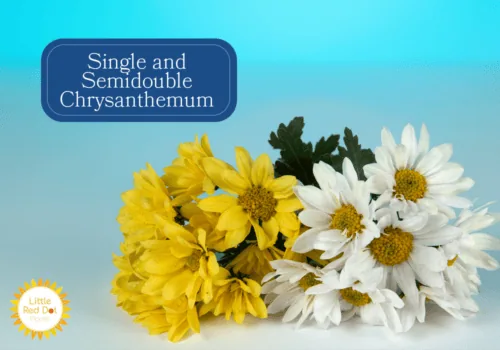
- Single and Semidouble Chrysanthemum: Single and semidouble chrysanthemums have flowers with a central disc and one or more rows of ray petals. Single chrysanthemums resemble daisies, with a single layer of petals encircling a centre disc. Semidouble chrysanthemums contain more rows of petals, producing a fuller appearance without losing the open, daisy-like shape.
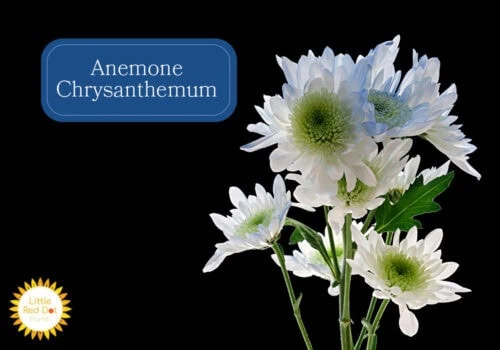
- Anemone Chrysanthemum: The anemone chrysanthemum has a raised, cushion-like centre of short, tubular petals surrounded by flat outer petals. The petals give them a distinct, textured appearance that shines out in garden borders and floral arrangements.
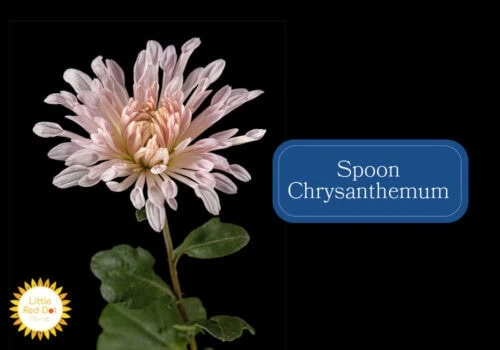
- Spoon Chrysanthemum: The spoon chrysanthemum has flat and wide petals at the base that culminate in a spoon-like form, giving the flowers a unique and playful appearance. They come in different colours and are used in flower arrangements to add a distinctive touch.
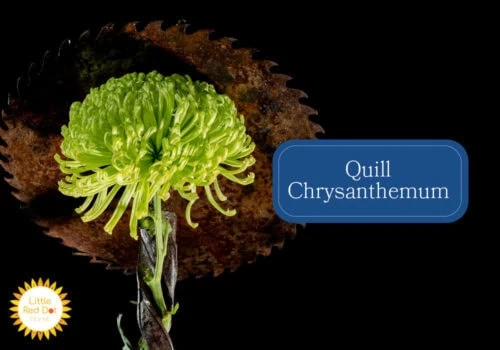
- Quill Chrysanthemum: Quill chrysanthemums have long, narrow, tubular petals that resemble quills or needles. The flowers have a spiky, striking appearance, giving texture and interest to garden beds and bouquets.
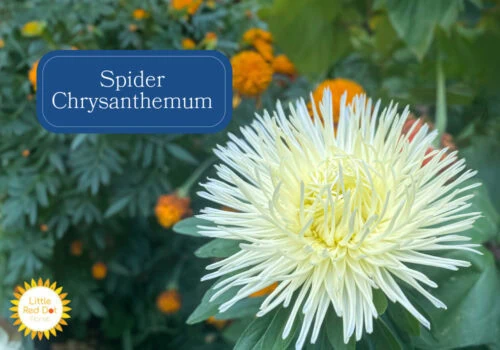
- Spider Chrysanthemum: Spider chrysanthemums feature long, thin petals that spread outward and sometimes twirl at the tips, like spider legs. The stunning flowers are airy and delicate, giving any arrangement a distinct, ethereal aspect.
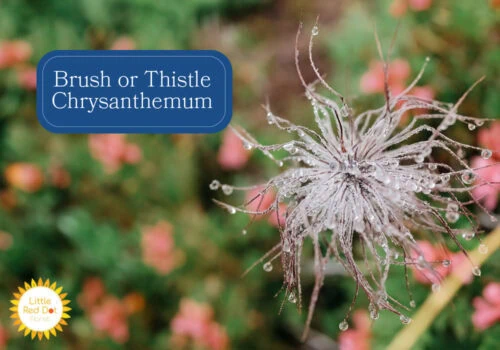
- Brush or Thistle Chrysanthemum: The brush or thistle chrysanthemum features slender, needle-like petals that resemble a loose, brush-like structure. It has a wild, free-form appearance and lends a rustic or earthy vibe to garden layouts.
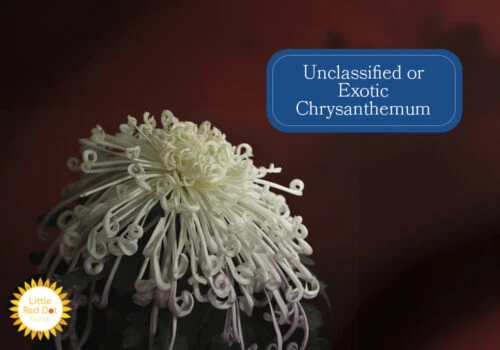
- Unclassified or Exotic Chrysanthemum: The unclassified or exotic chrysanthemums do not fit well into the conventional classifications. They have unusual petal shapes, colours, or growth behaviours that distinguish them.
1. Irregular Incurve Chrysanthemum
The Irregular Incurve Chrysanthemum belongs to the incurve class and is distinguished by its enormous, brilliant flowers with petals that curve inward differently. The huge and double flowers of the unconventional-shaped chrysanthemum are determined by their upward-facing petals at the top. The lower petals cascade down to form a dome-like structure. They are among the most visually spectacular types, with a maximum diameter of 6 to 8 inches.
The primary use of irregularly shaped chrysanthemums is as ornaments, in formal floral arrangements and flower exhibits. Their large blooms are used as dramatic centrepieces or in conjunction with other flowers. Gardeners who want to infuse their autumn landscapes with a dash of refinement and aggressiveness choose such chrysanthemums.
The goal of conservation is to maintain rare and traditional variations of Irregular Incurve Chrysanthemums so that collectors and botanical gardens continue to enjoy and benefit from such special cultivars. Chrysanthemums are not endangered, but their ability to withstand pests, illnesses, and environmental changes depends on their genetic variety remaining intact. The price of “irregular incurve” chrysanthemums starts from S$6.55.
Irregular incurve chrysanthemums are significant in many cultural traditions. Chrysanthemums are a sign of longevity, honour, and strength in East Asia, China, and Japan. The larger flowers are associated with aristocracy and monarchy. The flowers are displayed at festivals, where their ornate forms are taken as representations of the seasons and the abundance of life. They have a reputation in Western cultures for their beauty and are used in autumn decorations or floral arrangements for special occasions.
2. Reflex Incurve Chrysanthemum
The Reflex Incurve Chrysanthemum stands out due to its unusual petal arrangement. The petals of the reflex incurve bend backwards and downward, forming a more open, dome-like shape. The cascading petals of the huge, full blooms give the flower a delicate, almost feathery appearance. The flowers are medium to big, and their petals tend to be looser and more relaxed than those of the tighter, more structured incurve types.
Reflex Incurve Chrysanthemums are used in flower arrangements and landscape displays because of their striking appearance and graceful, flowing petals. Their remarkable form and vibrant colours make them a unique option. They make a striking and elegant addition to garden beds or containers, so gardeners grow them for their autumn blossoms.
Preserving the diversity of chrysanthemum cultivars is the fundamental goal of conservation efforts for reflex incurve chrysanthemums. Ensuring the species’ resilience to changing environmental conditions and dangers such as pests and diseases is contingent upon maintaining the genetic variability within it. They are not classified as endangered. The price of “reflex incurve” chrysanthemums is around S$6.55.
Reflex incurve chrysanthemums have significance culturally in many regions of the world, like East Asia. Chrysanthemums are associated with longevity, nobility, and the changing seasons in China and Japan. The reflex incurve variety’s backwards-bending petals symbolise the circle of life and elegant ageing, making them a significant addition to festivals and festivities. They are related to autumn in Western cultures and are used to signal seasonal shifts and transitions.
3. Regular Incurve Chrysanthemum
The Regular Incurve Chrysanthemum is a famous member of the incurve class, distinguished by its symmetrical, globe-shaped blooms. The Regular Incurve’s petals are rounded and packed inward. The flowers are medium- to large-sized and are double. They are one of the most beloved and iconic chrysanthemum types, with their symmetrical design and structural appearance. The chrysanthemum type comes in a range of hues, including white, pink, yellow, and red.
Regular Incurve Chrysanthemums are used because of their precise and exquisite shape in formal floral arrangements. They are a favourite for producing displays that are harmonious and visually appealing because of their rounded blooms. The chrysanthemum type is planted during autumn in gardens, giving seasonal landscapes a striking, structural aspect. The price of “regular incurve” chrysanthemums is about S$6.55.
The goal of conservation efforts for regular incurve chrysanthemums is to protect the genetic legacy and diversity of unusual flowers. Keeping a large range of chrysanthemum cultivars is crucial to the resilience and health of the species when they are not in danger of becoming extinct.
East Asia is one region where the Regular incurve chrysanthemum is valued culturally. Chrysanthemums represent perfection, longevity, and nobility, and their structured form is associated with the imperial dynasty in Japan. They appear in customary artwork, celebrations, and rituals. Chrysanthemums are a popular flower in cultural festivities because they are connected to autumn, strength, and honour in China. Regular incurve chrysanthemums, which represent grace, beauty, and the shifting of the seasons, are utilised in floral arrangements for formal occasions in Western cultures.
4. Decorative Chrysanthemum
The Decorative Chrysanthemum is distinguished by its enormous, flat-topped flowers with an abundance of broad, slightly incurved petals. A more open and layered structure gives Decorative Chrysanthemums a lush, voluminous appearance. The flowers have a broad spectrum of hues, ranging from vivid oranges and yellows to softer pinks, whites, and purples. Their petals are varied and striking appearances are a result of their ability to either stay straight or gently curl towards the centre.
Decorative chrysanthemums are among the most well-liked and adaptable varieties, utilised for floral arrangements and garden gardening. They are perfect for providing vivid colour to autumn gardens, when they are planted in large quantities to produce eye-catching displays, due to their profusion of flowers. Their great size and rich colour range make them ideal for dramatic bouquets and centrepieces in flower design for celebrations, weddings, and seasonal decor.
The goal of conservation is to maintain the large range of chrysanthemum cultivars, which are cultivated for their hardiness and aesthetic appeal. Efforts are being made to preserve such cultivars in botanical gardens and through seed-saving campaigns to guarantee that traditional and modern types are preserved for future generations.
Decorative chrysanthemums have deep cultural significance in East Asian societies where they stand for honour, vigour, and longevity. They are utilised as symbols of the change of the seasons and the imperial family at festivals and rituals throughout Japan. They are revered as a symbol of fortitude and strength in China, as they bloom throughout the colder months when most other flowers have withered. Decorative Chrysanthemums are used in arrangements and displays for Thanksgiving and other fall celebrations because they are associated with autumn and used to honour the beauty of the season in Western cultures.
5. Intermediate Incurve Chrysanthemum
The Intermediate Incurve Chrysanthemum is a hybrid of the Regular and Irregular Incurve kinds. It is distinguished by medium-sized blooms with petals that round off by bending inward towards the centre. The petals are not as consistently incurved or closely packed as the Regular Incurve, giving the flower a slightly looser, softer appearance even if it retains some symmetry. The blossoms are adaptable for use in gardens and floral arrangements because they come in several colours, such as yellow, pink, red, and white.
Chrysanthemums with an intermediate curve are a popular choice for formal flower arrangements and garden settings. They are a good choice for mid-border planting in garden beds because of their balanced form and moderate size, which give colour and structure in the autumn. They provide a more relaxed elegance in floral arrangements as compared to the formal, tightly rounded regular incurves, making them popular for bouquets and seasonal design, in autumn displays.
The goal of conservation efforts for intermediate-incurve chrysanthemums is to preserve the genetic diversity of chrysanthemum varieties, guaranteeing the survival of uncommon and traditional cultivars. It involves chrysanthemum groups, botanical gardens, and seed-saving techniques for maintaining heritage cultivars. The price of “intermediate incurve” chrysanthemums is about S$6.55.
Intermediate incurve chrysanthemums have identical symbolic meanings as other chrysanthemums. They are respected because they are signs of honour, tenacity, and longevity. Chrysanthemums are associated with the imperial dynasty in Japan and are honoured at the yearly Kiku Matsuri or Chrysanthemum Festival. They are connected to the fall season and represent tenacity in Chinese culture. They represent beauty, change, and the warmth of the season and are utilised in autumn festivals and arrangements in Western cultures.
6. Pompom Chrysanthemum
The Pompom Chrysanthemum is distinguished by its tiny, finely rounded, ball-shaped flowers. Each flower head has an inward-curving, compact, and symmetrical appearance similar to a pompom due to the dense packing of small, uniform petals. The blooms are often smaller than other chrysanthemum kinds, measuring approximately 1 to 2 inches in diameter. Pompom Chrysanthemums are versatile in gardens and floral arrangements because they come in different colours, such as white, pink, yellow, and purple.
Pompom Chrysanthemums have tidy, spherical flowers that make them ideal for a variety of purposes. Pompom Chrysanthemums serve as filler flowers in bouquets and arrangements in floral design, adding structure and texture to larger blooms. They are a favourite in gardens when they are planted in bunches to provide vivid, colourful displays. Their plentiful blooms and small size make them ideal for container planting too.
Pompom Chrysanthemum conservation efforts are a component of larger initiatives to protect the diverse range of chrysanthemum varieties. The richness of such blooms is safeguarded for future generations by chrysanthemum societies and botanical gardens that preserve heirloom variations. It costs SG11.30.
Pompom chrysanthemums are as meaningful in culture as other chrysanthemums in East Asian customs. Chrysanthemums are considered sacred in China and Japan because they are associated with life, longevity, and honour. They are used in autumn displays and flower arrangements in Western cultures, where they stand for joy and the beauty of the season. The flowers are used in festive decorations because of their round and perfect form, which makes them symbolic of unity and perfection.
7. Single and Semidouble Chrysanthemum
Single and semidouble chrysanthemums are characterised by their more straightforward, daisy-like look and are classified as ornamental flowers. A single row of petals radiates from a centre disc, which is yellow or green, in single chrysanthemum flowers. The flowers have an open, airy structure that highlights the core bloom, making them reminiscent of traditional daisies. Semidouble chrysanthemums have two or more rows of petals but let part of the central disc show through, giving the impression of fullness without sacrificing simplicity. They are adaptable for use in gardens and arrangements because they are available in various colours, such as white, pink, red, yellow, and purple.
A common feature of gardens and floral arrangements is the delicate, airy appearance of single and semidouble chrysanthemums. They are perfect for bringing a more laid-back, organic aspect to bouquets and arrangements because of their daisy-like appearance. They bloom late in the season, when many other flowers have faded, making them a favourite for their ability to provide long-lasting colour in the autumn garden.
The chrysanthemum conservation efforts are a component of larger programs meant to maintain the variety of chrysanthemum species. Gardeners and botanical organisations struggle to preserve historical and rare varieties of single and semidouble chrysanthemums to ensure their survival in changing climates and against pests and diseases.
Single and semidouble chrysanthemums are symbolic of purity, innocence, and hopefulness, despite their basic appearance. They are related to natural beauty and simplicity in Japan, which is consistent with the country’s long-standing admiration of elegance and minimalism. Chrysanthemums are used in simple arrangements for festivals and seasonal decorations because they are perceived as bright and whimsical in Western cultures. They represent happiness and fresh starts because of their open, daisy-like form.
8. Anemone Chrysanthemum
Anemone Chrysanthemums are considered ornamental because of their unique bloom structure, which is shaped like an anemone flower. Anemone chrysanthemums have a noticeable core cushion that is encircled by a row of flatter, wider petals and elevated with tightly packed, smaller, tubular petals. The flower appears to have two layers because of its core cushion, with the outer petals creating a “collar” around the more compact interior bloom. The great visual appeal of anemone chrysanthemums is enhanced by their array of vivid colours, which include shades of yellow, pink, purple, and white.
Common applications for such chrysanthemums include flower displays and garden landscaping. They are a favourite in fall gardens where they add texture and variety to flower arrangements with their intricate and striking blossoms. Anemone chrysanthemums are used as focal flowers in bouquets and centrepieces because of their unique look, which adds dimension and intrigue to arrangements.
Conservation efforts for Anemone Chrysanthemums are focused on preserving their unique cultivars as part of larger work to protect the chrysanthemum genetic variety. The initiatives are crucial to preventing hybridisation and shifting environmental factors from wiping out the diverse cultivars.
Anemone chrysanthemum symbolise longevity, honour, and perseverance, much like other chrysanthemums. Chrysanthemums are an emblem of the imperial dynasty and are connected to fall festivities in Japan, where they are held in great regard. They stand for tenacity and vitality in Chinese culture, which is honoured in poetry and art. They are used in floral arrangements and autumnal decorations, signifying creativity, beauty, and the plenty of the season.
9. Spoon Chrysanthemum
Spoon Chrysanthemums are a member of the ornamental class and get their name from the unique form of their petals, which resemble a spoon’s bowl. A spoon-like look is evoked by the broad, rounded tips of each petal, which curve gently inward. The spoon-shaped petals are arranged in one or more rows around a central disc that is usually visible in such unusual flowers. Spoon chrysanthemums are colourful, with hues ranging from yellow to pink, red, and purple. They are distinguished from more conventional chrysanthemum kinds by their peculiar and whimsical petal structure.
Spoon chrysanthemums are used in floral arrangements and outdoor settings. Their unique shape gives flower beds, borders, and containers texture and visual interest. They are valued by gardeners for their enduring autumn blooms, which provide an explosion of colour to outdoor areas. Spoon chrysanthemums add a fun and contemporary touch to bouquets and centrepieces when used as focal flowers or accents in floral arrangements.
The larger endeavour to conserve the vast diversity of chrysanthemum cultivars includes conservation efforts for Spoon Chrysanthemums. They need to have their genetic variety preserved to fend against environmental dangers and guarantee their survival for future generations.
Spoon chrysanthemums have cultural connotations related to longevity, honour, and energy. They stand out in flower arrangements due to their distinctive petal form, which represents originality, inventiveness, and individuality. Spoon chrysanthemums are cherished for their uniqueness and artistic form in Western countries, where they are utilised in contemporary floral arrangements and designs as a statement of enthusiasm and inventiveness.
10. Quill Chrysanthemum
Quill Chrysanthemums are a member of the ornamental family that are distinguished by their unusual tubular petals that have a quill-like or needle-like appearance. The blooms have an exquisite yet spiky appearance because of the tall, straight, and narrow petals. Quill Chrysanthemums have a more structured and architectural appearance than other chrysanthemum varieties, which have larger, flatter petals. Medium- to large-sized blooms with a central disc are common. The blooms are coloured in a range of attractive combinations, such as white, pink, yellow, red, and lavender.
Quill Chrysanthemums are valued for their distinctive and striking appearance in gardens and floral arrangements. They are planted in gardens to give height and texture, especially in the autumn when their spiky petals contrast with softer, more rounded blooms. Quill Chrysanthemums are used as focal pieces or to add dramatic flare to floral arrangements, particularly in modern or contemporary designs. Their distinct, pointed petals make a striking visual impression, which is why they’re popular for bringing sophistication and mystery to bouquets and centrepieces.
The goal of Quill Chrysanthemum conservation initiatives is to maintain their unique variants within the larger family of chrysanthemums. Keeping a broad variety of cultivars ensures genetic diversity and resistance against environmental concerns like pests and climate change, when they are not endangered.
Quill chrysanthemums are cultural emblems of endurance, honour, and tenacity, similar to other chrysanthemums, particularly in East Asian societies. Chrysanthemums are associated with autumn, a time of change and transition, and their structured, refined form is symbolic of power and endurance. Chrysanthemums are utilised in festivals and artwork in China and Japan, where they are loved and symbolise life’s cycle and vigour. Quill chrysanthemums are admired in Western countries for their sleek, contemporary appearance and are used in seasonal arrangements as a statement of grace and individuality.
11. Spider Chrysanthemum
Spider chrysanthemums are a type of ornamental chrysanthemum that are named for their unusual, lengthy petals that resemble spider legs. The petals of Spider chrysanthemums stretch outward from the centre of the flower, and are long, slender, and curled, giving the impression of being airy and dramatic. Spider chrysanthemums have a noticeable central disc that is yellow, white, pink, purple, or another vivid colour. They are a favourite of gardeners and florists because of their remarkable look and unique shape that set them apart from other chrysanthemum kinds.
Spider Chrysanthemums are used in floral centrepieces and garden settings. Their spikey blossoms combine with more conventional rounder flowers, giving garden beds a whimsical and creative touch. Spider Chrysanthemums are used as focal points in bouquets and arrangements, where their dynamic form adds visual intrigue and movement. Their distinct shape adds a whimsical aspect to arrangements and goes well with the seasonal shift, which makes them popular for autumn displays.
The diversity of chrysanthemum cultivars is intended to be preserved, which includes efforts to conserve Spider Chrysanthemums. Keeping a variety of flowers is essential for preserving genetic diversity and guaranteeing resistance to pests, diseases, and environmental changes. Rare cultivars are preserved in botanical gardens and seeds are saved as part of several conservation projects.
Spider chrysanthemums are rich in cultural symbolism in Asian traditions. They are associated with longevity and nobility in Japan, endurance and joy in life are symbolised by the Chinese, and creativity, elegance, and the playful spirit of nature are symbolised in Western floral arrangements.
12. Brush or Thistle Chrysanthemum
Brush or Thistle Chrysanthemums are ornamental flowers with elongated, slender petals that resemble bristles or thistle spikes. The petals have a small curvature or straight, giving the blooms a smooth, feathery appearance that enhances their texture and depth. The flowers show bright colours, from deep purples and rich reds to dazzling yellows and whites, and are larger than other chrysanthemum types. They stand out in gardens and floral arrangements because of their distinctive and unique appearance.
Brush or thistle chrysanthemums are used in floral design and gardening. Their distinct shapes add visual appeal and contrast to gardens, which is why they work well as solo specimens, borders, and mixed beds. They bring playfulness and movement to bouquets and act as striking focal points or accents in floral arrangements. Their unique texture adds flair to formal and casual arrangements.
The preservation of the variety of chrysanthemum cultivars is the overarching goal of conservation efforts for brush or thistle types. Efforts are made to preserve the distinctive cultivars to guarantee genetic diversity and resistance to pests and shifting environmental circumstances. Seed-saving techniques and preserving the flowers in botanical gardens are examples of preservation.
Brush or thistle chrysanthemums have cultural connotations in East Asia that are comparable to other chrysanthemums, signifying endurance, honour, and longevity. Chrysanthemums are revered as emblems of vigour and majesty in Japan, where they are used in artwork and celebrations. They represent tenacity and happiness in life and the beauty of the natural cycles in China.
Brush or Thistle Chrysanthemums are admired for their unusual appearance in Western cultures and are used in floral arrangements as a symbol of originality, inventiveness, and the special allure of nature. They are a favourite of gardeners and florists because of their stunning form, which lends a touch of elegance and flair to floral arrangements.
13. Unclassified or Exotic Chrysanthemum
Unclassified or exotic chrysanthemums are distinct kinds that do not fit into the traditional categories. Unclassified or exotic chrysanthemums are categorised as being outside of the regular chrysanthemum classifications. They differ from more conventional varieties due to their odd botanical traits, which include unusual petal forms, colour combinations, or growing patterns. Exotic chrysanthemum blooms exhibit several vivid hues and fascinating patterns and vary in size, shape, and colour.
Unclassified or exotic chrysanthemums are used in floral displays and outdoor settings. Their unusual appearance gives gardens a dash of originality and flair, and they act as focal points or conversation starters. The exotic varieties are important in floral design due to their remarkable visual impact. They are utilised in contemporary and imaginative arrangements where their unique charm.
The goal of conservation initiatives for exotic or unclassified chrysanthemums is to maintain the genetic variety of special cultivars. The variations are missed in larger conservation efforts because they do not fit into established categorisation. The cultivation of seeds in botanical gardens or through speciality nurseries is a common step in the preservation efforts of these chrysanthemums, guaranteeing the survival of rare and distinctive species.
Unclassified or exotic chrysanthemums have symbolic meanings similar to typical chrysanthemums and are connected to longevity, honour, and resilience. They are valued in Japan and China for their distinct characteristics, while they are praised for their uniqueness and representation of creativity and nature’s limitless potential in Western cultures.
What are the Different Colours and Meanings of a Chrysanthemum?
The different colours and meanings of a Chrysanthemum are listed below.
- White: White chrysanthemums represent love, innocence, loyalty, honesty, and spirituality. They are used to express sadness or mourning in some cultures, like Japan or Western Europe.
- Pink: Pink chrysanthemums make a wonderful present for people in new relationships or on the verge of falling in love. The “pink chrysanthemum meaning” symbolises affection, camaraderie, and longevity.
- Red: Red chrysanthemums represent romance, love, lust, and passion, making them a perfect gift for young and elderly people.
- Yellow: Yellow chrysanthemums were an unpopular gift in the Victorian era since they symbolised lost love and sadness. The sunny mums are now a symbol of joy, celebration, and happiness.
- Orange: Orange chrysanthemums represent happiness, passion, enthusiasm, excitement and positive energies.
- Violet and Purple: Violet and purple chrysanthemums are gorgeous and challenging flower that represents compassion and understanding, making them an ideal message for individuals who struggle to find words.
What are the Most Popular Colours of Chrysanthemums?
The most popular colours of chrysanthemums include yellow, white, and pink. Yellow chrysanthemums are the most prevalent shade representing optimism and joy and are associated with autumn displays. White chrysanthemums are very popular in cultural and religious festivities, symbolising purity and loyalty. Pink chrysanthemums are used in gardens and weddings, symbolising grace, affection, and good health. Chrysanthemums are versatile enough to express various emotions and produce eye-catching looks for several seasons and occasions, because of their broad colour palette.
How to Grow Chrysanthemums?
To grow Chrysanthemum, there are steps listed below.
- Keep the Chrysanthemums moist. Watering the chrysanthemum is essential for success. Insufficient water slows or prevents their growth. Soak the soil thoroughly when watering. Keep the leaves dry.
- Ensure they get enough sunlight. Chrysanthemums blossom best when exposed to direct sunshine for at least 6 hours every day.
- Apply fertiliser accordingly. Apply a balanced fertiliser once a month. Stop fertilising when flower buds appear, after mid-August. Use a high-nitrogen fertiliser.
- Spread mulch around the chrysanthemum. It helps retain soil moisture and keep away pests. Cover the plant with 4 to 6 inches of mulch once the ground has frozen.
- Pinch back the stems to develop a bushier plant. New shoots must be cut off at 3 to 4 inches, leaving 2 to 3 leaves on the shoot. Pinch every two to three weeks until the middle of July, when the buds start to form.
- Remove the secondary buds. Pinch off the buds on each stalk except the biggest and strongest ones for enormous blossoms. Remove secondary buds further down the stem as they form.
- Cut off the dead stems. The dead growth provides insulation for the roots. Cut off the dead stems and leaves when notice the first green sprouts in spring.
Growing chrysanthemum seedlings to flowering takes up to 16 weeks. Chrysanthemum plants supply colourful, long-lasting blooms every season when giving growing chrysanthemums the correct conditions, which include well-drained soil, full sunlight, appropriate spacing, and regular irrigation.
When to Plant Chrysanthemums?
Plant chrysanthemums after the last frost, which occurs in late May or early June. Planting within the period helps the flowers to establish roots in the warm soil and take full advantage of the extended daylight hours of summer. It results in solid development and abundant flowering in the autumn. Planting chrysanthemums in the early autumn allows plants to establish themselves before the cold weather sets in, but it restricts flowering in the first year in some places. Chrysanthemum plants require well-drained soil, enough sunlight, and enough water to stay healthy and vibrant no matter when they are planted.
What are the Common Challenges in Growing Chrysanthemums?
The common challenges in growing Chrysanthemums are listed below.
- Spots of Grey Mould: A fungus called Botrytis cinerea damages the leaves and blossoms of chrysanthemum plants by producing dark or grey patches on them. Reduce humidity, enhance air circulation, and detect diseases early.
- Yellowing and Spots on Leaves: Yellowing or wilting leaves are caused by nutritional shortages or over-watering, which contribute to poor root health and nutrient uptake. Use balanced fertilisers or supplements for nutritional shortages, modify irrigation techniques to maintain soil moisture, and test the soil to determine nutrient requirements.
- Rotting Roots: Chrysanthemum morifolium roots get weakened and blackened due to root rot brought on by overwatering. Remove impacted sections, repot in new soil, make sure drainage is provided, and exercise caution when watering to avoid recurrence.
- Infestation of Aphids: Chrysanthemum growth is stunted and distorted by aphids, which results in mould and honeydew. Infestations are controlled through water spraying, encouraging natural predators, and the use of insecticidal soaps or oils.
- Viral Illnesses: Viral infections such as mosaic or tomato spotted wilt affect chrysanthemum plants, resulting in slowed growth, yellowed leaves, and deformed petals. There is no treatment; however, pesticides are used to control vectors.
What are the Best Tips for Growing Chrysanthemums?
The best tips for growing chrysanthemums are listed below.
- Select the Best Variety: Chrysanthemums are available in various types. Select varieties appropriate for the intended use and the surroundings
- Planting Area: Choose a spot that gets at least 6 hours of direct sunshine per day for chrysanthemums as they prefer full sun. Fertile soil that drains well is good. The ideal pH range is slightly acidic to neutral.
- Preparing the Soil: Add organic materials to the soil, such as compost, to increase drainage and fertility. Ensure there are no grasses in the planting area to lessen nutrient competition.
- Climates: Plant chrysanthemums in the spring following the last frost in regions with lower temperatures. Planting in early autumn is an option in warmer climates. Remove spent blooms regularly to promote new growth and increase flowering time.
- Water: Chrysanthemums must be watered, particularly in dry seasons. They prefer moisture but avoid overwatering, which causes root rot. Water the plant’s base to keep the foliage dry and disease-free.
- Fertiliser: Fertilise using a balanced, slow-release feed in the spring when new growth begins. Continue through mid-summer, every 4-6 weeks. Avoid using high-nitrogen fertilisers late in the season, as they result in mushy, weak growth.
- Prune and Pinch: Pinch back growing tips when plants reach 6 inches tall to promote bushier growth and more flowers. Remove the dead or diseased foliage during the growing season.
- Control of Diseases and Pests: Keep an eye out for pests such as spider mites, aphids, and white flies. Control the infestation with insecticidal soap or neem oil. Proper spacing and air circulation around plants reduce the chance of fungal illnesses.
- Mulching: Mulch must be applied to the soil to control temperature, prevent grass growth, and preserve moisture.
- Winter Maintenance: Consider covering plants with mulch or straw for winter protection. Plant them in the soil as perennials are treated in warmer climates.
- Harvesting: Harvest cut flowers while the blooms are beginning to open to ensure a longer vase life.
How to Classify a Chrysanthemum if it’s Annual or Perennial?
To classify a chrysanthemum if it’s an annual or perennial, inspect its leaves. Annuals (Chrysanthemum multicaule) have thinner, strappy leaves that are not as serrated as perennials, which have wide and deeply notched leaves. Perennials (Chrysanthemum morifolium) have a longer lifespan than annuals because they return year after year without the need to replant. Annuals grow buds and flowers and die in a single season, but reproduce in the spring. The planting window for perennials is less as they are more subtle and must be cultivated in the spring. Annuals become perennials as they grow without extreme winter.
Are Chrysanthemums Prone to Diseases?
Yes, chrysanthemums are prone to diseases. They are vulnerable to a variety of diseases, including Chrysanthemum Mosaic Virus, Chrysanthemum Stunt Viroid, and Chrysanthemum Chlorotic Mottle Viroid. Maintaining excellent cultural practices, such as proper watering, adequate spacing for air circulation, and keeping plants healthy through fertilisation and insect management, help lower the incidence of disease. Regular plant inspections for early indicators of disease aid in the successful management of potential outbreaks.
How to Take Care of Chrysanthemums?
To take care of chrysanthemums, there are steps listed below.
- Ensure to get at least six hours of direct sunlight per day. Full sun is necessary for chrysanthemum care growth. Plants with insufficient sunshine become stiff and produce fewer flowers.
- Sow them on rich, well-drained soil, which is a little acidic to neutral. Add organic materials, like compost, to the soil to enhance its fertility and structure.
- Water them near the plant’s base is better for keeping the leaves dry and reducing the danger of fungal disease. “Chrysanthemum plant care” requires frequent watering. They prefer regular hydration, but overwatering causes root rot.
- Fertilise in the spring when new growth begins, and then every 4-6 weeks until mid-summer. Late-season overfertilization must be avoided as it promotes sluggish growth.
- Remove wasted flowers (deadheading) to foster flowering and keep the plant looking neat. Deadheading is one of the best tips on how to care for chrysanthemums.
- Mulch the area surrounding the base of the plants to help with moisture retention, control soil temperature, and inhibit the growth of weeds. Mulching is one of the chrysanthemum care tips that shields the roots from temperature changes.
- Look out for common pests such as spider mites, aphids, and whiteflies. Use neem oil or insecticidal soap to treat infestations as needed. Avoid watering plants from above and make sure they are appropriately spaced to allow for adequate air circulation to prevent fungal diseases.
- Cut back the stems to approximately 6 inches after the first severe frost, and cover the plant base with a layer of straw or mulch to protect it from the cold.
Chrysanthemums are easy to care for, making them an attractive choice among gardeners. Give them ample sun and well-drained soil, and these tough, adaptable plants flourish in any type of climate. The colourful plants make stunning, long-lasting blooms with little work, which makes them a low-maintenance option for garden beds and vessels.
What are Chrysanthemums Used For?
Chrysanthemums are used for different purposes listed below.
- Medicines: The medical benefits of chrysanthemums have been utilised for many years. There are several health advantages of consuming chrysanthemum flower tea and boosting it with chrysanthemum vitamins. These advantages include lowering blood pressure, managing diabetes, treating chest discomfort, lowering fever, acting as an anti-inflammatory, and relieving migraines.
- Landscaping: Chrysanthemum is a vital component in Chinese cuisine. The beautiful flowers are made into tea, while the leaves are used as greens in various salads, soups, and sautéed foods.
- Cooking Ingredient: The two most utilised bedding plant varieties in landscaping in the United States are chrysanthemums, either orange or yellow.
- Ingredient in Insecticide: One of the chrysanthemum uses is added in insecticides. Chrysanthemum cinerariaefolium is a strong pesticide. The hazardous substance known as pyrethrum, which is the active component of flower heads, paralyses insects.
How do Chrysanthemums mean Love?
Chrysanthemums mean love by giving the colour red, which is an excellent representation of unwavering desire and goes well with a bold declaration of passionate affection. Chrysanthemums have various depending on the region, but they are associated with strong emotional bonds and genuine feelings. The flower’s endurance and durability in such cultures add to its connections with unwavering love as they blossom beautifully.
Flowers have a special and ageless power to heighten passion and strengthen bonds between lovers. Chrysanthemums are flowers that signify love and faithfulness in China and Japan. They are presented as gifts to express sincere emotions, loyalty, and commitment.
How are Chrysanthemums Harvested?
Chrysanthemums are harvested three months from the date of planting and flowers are collected every four days. The appropriate harvesting stage is determined by the cultivar, marketing strategy, and purpose. Chrysanthemums are harvested with care to ensure that the blooms are at their best and retain their quality, for cut flower use.
Chrysanthemums must be harvested when the flower buds are developed but not yet open to ensure they remain longer after being cut. Cut the stems early in the morning or late in the evening, when the temperature is lower and the plants are less stressed. Cut the stems at a little angle to promote more growth, a few inches above the ground or a leaf node.
The flowers must be watered right away after being cut by submerging them in a bucket of fresh water. Chrysanthemum stems cultivated for commercial use are graded according to size, quality, and bloom stage before being refrigerated or sold. The flowers are kept fresh and long-lasting by such a meticulous process, which makes them perfect for floral arrangements and ornamental displays.
What are Interesting Facts about Chrysanthemums?
The interesting facts about chrysanthemums are listed below.
- More Types: Chrysanthemums are diverse, with over 20,000 variations and around 40 special species, including single-flower, quilled, anemone, and misty spider varieties.
- Huge in Japan: One of the “chrysanthemum facts” is a unique role in Japanese culture, with the Imperial Royal Family utilising them on their throne and seal. Japan celebrates National Chrysanthemum Day and bestows the Supreme Order of the Chrysanthemum.
- Dislike by Bugs: One of the facts about chrysanthemums is used as insect repellents due to their pyrethrum component, which is found in many plants.
- Different Colours and Meanings: Personalised floral arrangements express love, passion, friendship, and devotion during the Victorian era because flowers, like chrysanthemums, had special meanings.
- Grow Higher: Chrysanthemums are the world’s biggest grown plant up to 4.34 metres, approximately the height of a double-decker bus.
- Flowers of Grief: Chrysanthemums are often connected with life and joy. They are associated with death in European countries such as France, Italy, and Belgium, particularly on All Saint’s Day in France, and are considered unfortunate in Malta.
What are the other Flowers with their Symbolism?
Other flowers with their symbolism are listed below.
- Roses: Roses are comparable to chrysanthemums when it comes to symbolic essence. The “plant symbolism,” such as white roses, signifies purity, recollection, and honour. Red roses indicate love, passion, and deep respect, similar to the meanings connected with red and white chrysanthemums.
- Zinnias: Zinnias represent long-lasting affection and endurance, similar to how chrysanthemums represent longevity and resilience. They are associated with friendship, recollection, and the timeless beauty of life.
- Dahlias: Dahlias and chrysanthemums symbolise inner power, dignity, and grace. They are included on the “list of flowers and their meanings” that have brilliant blossoms and express sentiments of dedication and long-lasting ties, making them a popular option for love and loyalty events.
- Camellias: Camellias are on the “flower symbolism list,” representing a symbol of respect and admiration, like pink and red colours. Camellias and chrysanthemums are symbols of adoration, nobility, and longevity in Asian civilisations.
- Lilies: Lilies are utilised as funeral flowers to signify purity, the soul’s restored innocence, and remembering. Lilies and chrysanthemums symbolise renewal and life after death.
- Marigolds: Marigolds symbolise storing memories. They symbolise perseverance and strength and are used in memorial services for the deceased. The meaning of different flowers has standard representations like chrysanthemums.