 Free Same Day Delivery Islandwide | Order by 5PM for Today’s Delivery | 800+ 5-Star Reviews
Eustoma: Types, How to Grow, and How to Take Care of Eustomas
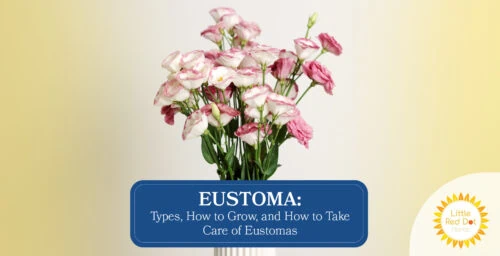
Eustoma (lisianthus) is a delicate blooming plant distinguished by its rose-like blossoms. Eustoma appears in white, pink, purple, and blue, with soft, ruffled petals that form a cup-like shape. The flowers are sophisticated and elegant as they resemble roses or peonies.
See our eustoma arrangements for how florists use them.
The Eustoma features bluish-green, long, thin, and somewhat waxy leaves. They are lance-shaped and grow in pairs along the stem, giving the plant a clean, appealing appearance even when not in flower. Eustomas are durable. They survive up to two weeks as cut flowers, making them popular in floral arrangements. They need to be taken care of.
Eustoma plant is prone to pests such as aphids, spider mites, and thrips. Regular maintenance, such as proper watering, enough air circulation, and occasional insecticidal treatments, help prevent infestations. Eustomas have a moderate growth rate. They take a while to develop and like warm weather, but each stalk bears several flowers.
The lifespan of Eustoma plants varies according to the care they receive and the climate. They are grown as annuals, although they are grown as biennials or perennials in warmer climates with adequate care. Eustomas are safe to keep in gardens and homes because they are safe for people or pets.
Eustoma flowers symbolise grace, gratefulness, and admiration. The symbolism of eustomas is associated with romance, elegance, and serene beauty because of their delicate, rose-like flowers. They are used in weddings as a sign of peaceful love and enduring ties. Eustomas represent charm, which makes them a meaningful gift to express respect and affection.
What is an Eustoma?
Eustoma (lisianthus or prairie gentian) is a small plant genus that belongs to the Gentian (Gentianaceae) family. Eustoma is a native of the Caribbean, Mexico, the southern United States, and northern South America. It is found in grasslands and disturbed ground areas.
Lisianthus came from the Greek words lissos (smooth) and anthos (flower). Eustoma is a compound of the Greek prefix, eu (good or well) and stoma (mouth). It means “(having a) pleasing mouth.”
People often mistake them for roses, but when looking closely, roses are little, and they are shrubs. Roses have a subtle fragrance. Eustomas are perennial plants. They are popular due to their elegant and stunning features for flower arrangements.
What does an Eustoma look like?
Eustoma looks like roses. The petals of the eustoma flower are thinner and looser than roses. Eustomas are herbaceous annuals that reach heights of 15 to 60 cm. They have bluish-green and big funnel-shaped flowers that grow long. The straight stems are either upright or branched.
The flowers get to a maximum size of 50 millimetres wide. Eustoma comes in blue, white, pink, purple, red, and yellow. Eustoma is a high-end cut flower with small seeds that must be sown in rich, well-drained soil, full light, and managed temperature. It blooms in early summer and has a vase life of 2 to 3 weeks. Eustoma Russellianum is a popular cut-flower cultivar, with several varieties.
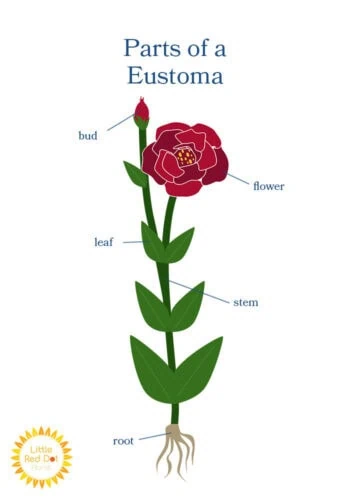
The look of an eustoma is shown in the image below.
What does an Eustoma Symbolise?
Eustoma symbolises elegance, grace, and beauty in art and weddings. Eustoma exudes elegance and tranquillity with its beautiful blossoms and gentle pastel hues. It represents love, devotion, and a lifetime commitment during weddings. The tenderness and nurturing needed in partnerships reflect Eustoma’s delicate look.
The “eustoma meaning” represents flexibility and the ability to flourish under trying circumstances signifies tenacity, emphasises love, and the fortitude to face life’s hindrances. Eustoma is a flower that shows appreciation, friendliness, sweetness, respect, and admiration. The “eustoma symbolism” of flowers refers to lifetime happiness and peace.
What are the different Cultural Symbolism of Eustomas?
The different cultural symbolism of Eustomas express ideas of grace, beauty, and profound emotion. Western cultures associate Eustomas with romance, appreciation, and thankfulness. They are popular for showing love and adoration, their rose-like blossoms represent a strong emotional bond or passionate meaning. Eustomas are used in bouquets to express genuine feelings for friends, family, or romantic relationships.
Japan and other Eastern cultures considered Eustoma an emblem of impermanence and transience. Eustomas’ delicate and fragile features are comparable to Japanese culture’s appreciation of beauty. Eustomas represent enduring love and dedication in weddings and festivities, particularly in North America and Europe. Eustomas are utilised as romantic and unifying symbols in table settings or bridal bouquets.
What are the Different Types of Eustoma?
The different types of Eustoma are listed below.
- Single-Flowered Eustoma: The single-flowered Eustoma has a softer, open bloom and elegant look. It is used in more subtle or realistic designs for floral arrangements due to its extravagant appearance and simple structure.
- Double-Flowered Eustoma: Double-flowered Eustomas are popular in extravagant bouquets, bridal arrangements, and formal floral displays because they are more opulent and dramatic.
What are the Famous Varieties of Eustoma?
The famous varieties of Eustoma are listed below.
- Terry: The flowers of Terry Eunomas are funnel-shaped and come in different colours, such as lilac, pink, and white. The intriguing thing about them is that the open blooms resemble poppies, while the half-dissolved ones resemble roses.
- Mermaid: A variety of Mermaid eustoma is small. It blooms in shades of pink, and its crown is 15 centimetres high.
- Mariachi Lime: Beautiful and fragile is the feature of Mariachi Lime eustoma. The blossoms resemble little roses and survive a very long time when cut.
- Sapphire: The plant grows 10 to 15 centimetres tall. The waxy coating and bluish tint draw attention to its variety. It has unique white petals with a pink or blue border around the edge. The big flowers have a funnel shape and are white-pink.
- Eustoma Echo: The Eustoma Echo is popular among gardeners and florists. The double flowers are a distinctive characteristic.
What are the Different Colours and Meanings of an Eustoma?
The different colours and meanings of Eustoma are listed below.
- White: The white eustomas represent purity, unity, spirituality, and innocence.
- Green: Green Eustomas signify fortune, wealth and good luck.
- Pink: The “pink Eustoma meaning” refers to charisma and romance.
- Purple: Purple Eustoma means beauty and royalty.
- Orange: Orange Eustomas denote happiness, friendship, and good vibes.
What are the Most Popular Colours of Eustomas?
The most popular colours of Eustomas include white, red, and yellow. White Eustomas stand for beauty, innocence, and purity. They symbolise fresh starts and genuine feelings in formal arrangements and wedding bouquets. Bright yellow eustomas symbolise friendship, enthusiasm, and happiness. They are used to express warmth and good vibes. Pink eustomas is another famous colour for any occasion.
The beautiful red Eustoma variant represents intense feelings, love, and passion. Its rose-like blossoms, which express deep love and admiration, make it a meaningful flower for romantic conditions. Red Eustomas offer a powerful and exquisite touch to flower arrangements. They are a well-liked option for Valentine’s Day, anniversaries, and other events honouring passion and love.
How to Grow Eustomas?
To grow eustomas, there are steps listed below.
- Choose the right seeds. Eustoma seedlings require a long time to germinate and are sensitive to environmental conditions. Start seeds within 10 to 12 weeks before the last frost.
- Let the top inch of soil dry between waterings to prevent root rot. Eustoma plants require regular watering, particularly in hot weather.
- Feed the growing eustomas with a balanced fertiliser every 4 to 6 weeks during the growing season to promote healthy growth and flowering.
- Mulch the plants to help them retain moisture, control soil temperature, and keep pests at bay.
- Keep an eye out for pests such as spider mites, thrips, and aphids. Neem oil or insecticidal soap are effective ways to control infestations.
- Remove dead flowers to produce more flowers during the season.
Eustoma seeds take a long time to germinate, between 10 and 21 days under optimal conditions. The growth is slow for the first few months after germination. Eustomas is a plant that needs patience and regular care because of its slow growth rate.
When to Plant Eustomas?
Plant eustomas in late spring or early summer when there is less frost and the soil is warping. Eustomas are sensitive to cold temperatures. Start inside in early autumn for warmer climates and 10–12 weeks before the first frost. Eustomas thrive in mild to warm climates, so planting eustomas at the proper time of year guarantees a longer flowering season and good growth. Try spreading the seeds over damp vermiculite and peat potting material in mid-December or early January, covering the container with plastic wrap.
What are the Common Challenges in Growing Eustomas?
The common challenges in growing Eustomas are listed below.
- Rotting Roots: Eustomas are vulnerable to root rot if they are overwatered or cultivated in soil that drains poorly. Ensure that they are planted in well-drained soil and that containers have sufficient drainage to help prevent the problem.
- Issues with Pests: Eustomas are susceptible to thrips, spider mites, and aphids. Regular plant inspections assist in managing infestations. Proper air circulation and plant spacing lower the risk of pest problems.
- Trouble in Blooming: Eustomas fail to bloom or produce as many flowers as anticipated because of insufficient sunshine. Eustomas like full sun to partial shade for best blooming.
- Slow Growth and Germination: Eustomas are sluggish to germinate and take a long time to mature from seed. Seedlings take several months to grow strong enough to be transplanted, so patience is required.
What are the Best Tips for Growing Eustomas?
The best tips for growing Eustomas are listed below.
- Healthy Seedlings: Eustomas are difficult to grow from seed because they take a long time to germinate. Buying fresh plants from a nursery is easier to guarantee strong development and early flowering.
- Well-Drained Soil: Eustomas left in soggy soil are susceptible to root rot. Use soil that drains like a sandy or loamy mix, to avoid moisture accumulation. Composting enhances the nutritional content and drainage.
- Sunlight: Plant eustomas where they receive at least 6 hours of sunlight per day because they flourish in full sun. A little afternoon shade keeps them from burning in hot areas.
- Enough Water: Continue to keep the soil damp but not soaked. Water the plants when the top inch of soil feels dry, and do not overwater. Consistent moisture is ideal for eustomas when they are blooming.
- Fertiliser: Use a balanced fertiliser every 4 to 6 weeks during the growing season to encourage healthy growth and flowering. Steer clear of over-fertilising, as it results in more lush foliage but fewer flowers.
- Pests and Diseases Monitoring: Eustomas attract pests like aphids and spider mites. Check the plants for signs of infection and treat them with neem oil or insecticidal soap.
- Space: Each plant must be spaced about 12 inches apart to allow for proper air circulation, which promotes healthy development and helps prevent fungal diseases.
- Repotting: Ensure the eustomas have adequate room to grow in containers and repot them if they become root-bound.
What is the Average Lifespan of Eustomas?
The average lifespan of eustomas depends on how they are kept in gardens or vases. Eustomas are often grown as annuals in colder areas, where their life cycle lasts one growth season, from late spring to early autumn. They are grown as short-lived perennials, surviving for two to three years with careful maintenance in warmer climates. Eustomas are recognised for their exceptional lifespan as cut flowers. Pruning the stems and avoiding direct sunlight is one of the factors keeping them fresh for up to two weeks or longer in a vase.
What are the Factors that Affect the Lifespan of Eustomas?
The factors that affect the lifespan of Eustomas are listed below.
- Growing Conditions: Eustomas do best in fertile, well-drained soil. Their lifespan is shortened by root rot and other problems brought on by poor soil quality or insufficient drainage.
- Watering Practices: Eustomas need to be watered regularly but moderately. Their lifespan is shortened by overwatering resulting in root rot, and underwatering, which induces wilting and stress.
- Light Exposure: Sufficient sunlight is essential for wholesome development. Eustomas need at least six hours of direct sunlight. Insufficient light impacts their health by causing weak, lanky growth and fewer flowers.
- Pest and Disease Management: Maintaining plant longevity and health requires efficient disease and pest management.
- Deadheading and Pruning: Deadheading promotes more flowering and assists the plant in focussing its energy on new growth. Neglecting the process ends up in decreased blooming and general vitality.
How to Take Care of Eustomas?
To take care of eustomas, there are steps listed below.
- Pick an area of at least six hours of direct sunlight every day. It is the initial step on “how to care for eustomas.” A little shade keeps plants from wilting. Eustoma plant care helps to cultivate and propagate the plants. Eustoma care tips
- Grow eustomas in well-drained, fertile soil. A mixture containing organic materials, such as compost, helps retain moisture while supplying critical nutrients.
- Avoid overwatering and keeping the soil moist, one of the “eustoma care.” Water eustomas when the top inch of soil feels dry because they like wet conditions. Do not leave them soaked in water as it causes root rot.
- Use a water-soluble, balanced fertiliser every four to six weeks. Flowering is improved and healthy development is enhanced.
- Remove spent flowers (deadheading) to keep eustomas flowering. It allows the plant to direct its energy towards growing new blooms.
- Protect the eustomas from winds and severe temperature changes. Misting the leaves as they prefer a moderate level of dampness.
- Keep an eye out for thrips, spider mites, and aphids. Treat the plants with neem oil or insecticidal soap as a natural cure when seeing an infestation.
How much attention do Eustomas need?
Eustomas need moderate attention in taking care of makes them manageable for gardeners, who are prepared to provide the proper environment. They require a spot that receives at least six hours of sunlight daily because they prefer full sun to partial shade and do best in well-drained, healthy soil. Watering is necessary regularly, however, overwatering is not recommended because eustomas are prone to root rot. Maintaining consistent hydration without waterlogging is critical.
Fertilising with a balanced fertiliser every few weeks during the growing season encourages healthy growth and abundant flowers. Deadheading helps regular blooming. They are susceptible to temperature changes and pests, so gardeners must monitor the signs of stress or infestation. Many gardeners find them worthy because of their beautiful and long-lasting cut flowers.
What are Eustomas Used For?
Eustomas used for different purposes are listed below,
- Medicine: Eustomas have demonstrated antibacterial and antifungal qualities. They have been used in medicine for a long time.
- Essential Oils: One of the eustoma uses is for essential oils, which are extracted from their roots, leaves, and flowers.
- Flower Arrangements: Eustomas are used to create beautiful arrangements in floral design. They look great with other flowers and foliage.
- Gifts: Eustomas are beautiful presents for birthdays or other occasions because of their beauty and symbolism of affection and appreciation.
- Home Decor: Eustomas are used in home decor to provide living areas with a modern and refined look. They are utilised as centrepieces, floral arrangements, and vases to improve the visual attractiveness of interior spaces.
Are Eustomas commonly used in Gardens?
Yes, eustomas are commonly used in gardens. They are grown in container gardens, conventional flower beds, or mixed plant arrangements, among other places. Eustomas’ adaptability allows gardeners to use them in various designs. Eustomas bloom from late spring to summer, producing vibrant colours. Their extended blooming time increases the visual appeal of gardens throughout the growing season.
What are Interesting Facts about Eustomas?
Interesting facts about Eustomas are listed below.
- Resemblance to Other Flowers: One of the “facts about eustomas” is their large flowers are like peonies and roses. The single-flowered eustomas look like tulips.
- Fragile: Another “eustoma facts” is their fragile petals. Eustomas are more susceptible to environmental stress than resilient flowers, despite having a delicate, elegant appearance.
- Mistaken as Roses: Eustoma flowers are sometimes misidentified as roses due to their similar look. Their delicate, ruffled petals and graceful form give them a sophisticated and romantic style, which is why they are known as “poor man’s rose.”
- Long-Lasting Flowers: Eustomas are valued for their durability as cut flowers. They are a favourite in the floral business for bouquets and arrangements because, once cut, they last in a vase for up to two weeks.
What are the other Flowers with their Symbolism?
The other flowers with their symbolism are listed below.
- Roses: Roses are one of the “list of flowers and their meanings” that represent passion and love.
- Peonies: Peonies are a representation of romance, wealth, and luck. Their big, luscious blossoms are a popular choice for bridal bouquets as they symbolise love and affection.
- Tulips: Passion and love are the tulips’ “plant symbolism.” They are presented as gifts of affection and stand for graceful elegance.
- Daisies: Daisies stand for fresh starts, innocence, and purity. They are a popular option for many events because of their straightforward beauty, which exudes feelings of enthusiasm and a new start.
- Lilies: Lilies are included in the “flower symbolism list” and represent transience, purity, and exquisite beauty. Their exquisite form and fragrant blossoms mean affection and deep emotions, similar to Eustomas. There are different flowers and their meanings, which are comparable to eustomas.