 Free Same Day Delivery Islandwide | Order by 5PM for Today’s Delivery | 800+ 5-Star Reviews
Gerbera: Symbolism, How to Grow, and How to Take Care of Gerberas
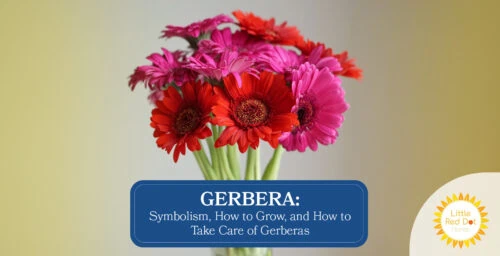
Gerbera is a strong plant but requires specific conditions to grow and belongs to the Asteraceae (Compositae) family. Gerberas prefer well-drained soil and low humidity. They are sensitive to excessive watering and high temperatures. Gerbera daisies are less resistant to dehydration or cold than other flowers. They survive up to two weeks as cut flowers when properly cared for.
Gerbera daisies are sensitive to pests such as aphids, spider mites, and whiteflies. Regular inspection and preventive maintenance, such as keeping the plant clean and using insecticidal soap, are required to protect them from infestations.
Gerbera daisy develops at a slow rate. A gerbera plant continues to bloom during the warmer months if given the proper amount of water and sunlight. They require a few months to establish after planting. A Gerbera daisy plant lives for two to three years with adequate care, however, they are treated as annuals in colder locations due to their sensitivity to frost.
Gerbera flowers are safe to have near kids and animals because they are not harmful.
The symbolism of Gerberas is associated with joy, innocence, and beauty. It is a common choice for expressing happiness and gratitude because of its vivid, brilliant flowers. Gerberas are used during festive occasions like birthdays and weddings because of their stunning appearance, which inspires sentiments of hope and love.
What is a Gerbera?
Gerbera belongs to the Aster family and is indigenous to South Africa. Gerbera was named after Traugott Gerber (1710-1743), a German botanist and medical practitioner who travelled throughout Russia. The flower is native to Tasmania, South America, Asia, and South Africa. Gerberas are a recent feature of the UK floristry business, which was brought in the nineteenth century. Gerbera is a type of daisy, which has four classifications that include spider flower, semi-double flower, double flower, and single flower.
Growing gerbera daisies are sensitive perennial plants that return every year. They grow in garden beds or containers as annuals in regions with harsh winters when there is no longer the risk of frost in the spring. Gerbera daisies take a considerable amount of time to establish themselves. They begin to bloom in 14 to 18 weeks and keep blooming the entire summer.
What does a Gerbera Daisy look like?
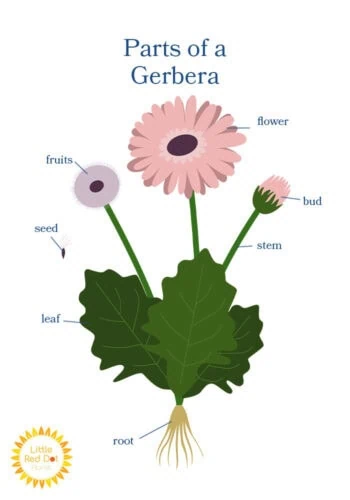
Gerbera daisy looks like a colourful blooming plant with big, daisy-like flowers. The gerbera flower is spherical and flat, with several layers of symmetrical petals radiating from a central disc. The vibrant hues in the petals include red, pink, yellow, orange, and white. The plant’s remarkable look is enhanced by the central disc, which has various colours and textures.
Gerbera daisies have green, deeply lobed leaves that create a rosette at the plant’s base and are a little hairy or rough when touched touch. The plant features rosette leaves with petiolate or petaloid bases, elliptical edges, and pinnate veining. It features fertile disc florets, radiate ray florets, and bracteate or ebracteate inflorescence capitulum on one to several flowering stems.
The look of a gerbera daisy is shown in the image below.
What does a Gerbera Symbolise?
Gerbera symbolises deep spiritual significance beyond its aesthetic appeal. The “gerbera symbolism” signifies purity and innocence. They are famous in art because of their vivid colours and eye-catching look, where they represent joy and optimism.
Gerberas are used to inspire emotions and portray various artistic interpretations. The “gerbera meaning” is significant in weddings because it represents love and fresh starts.
For example, the Egyptians admire them as spring and summer flowers as they symbolise a devotion to the sun and closeness to nature. The ancient Celts believe they lessened the strain of daily existence. Give gerberas to someone, who is having a hard time and needs a little confidence, to make their day.
Do Gerberas have different Meanings in different Cultures?
Yes, gerberas have different meanings in different cultures. Gerbera daisies have become popular alternatives used in events including birthdays and weddings in Western cultures. They are utilised in floral designs because of their vivid colours, which inspire happiness and optimism. Gerberas serve as symbols of festivity and joy in African cultures. They are used in events. The cultural significance of Gerberas differs, demonstrating the deep and rich tapestry the flower is associated with around the globe.
What are the Different Types of Gerbera?
The different types of Gerbera are listed below.
- Single Flower Gerbera: The Single Flower Gerbera has a noticeable central disc surrounded by a single row of petals. It is popular in its simplicity and is used in arrangements and bouquets.
- Double Flower Gerbera: Double flower Gerbera looks bigger because of two or more rows of petals surrounding the central disc. The flowers are popular in floral arrangements because they are bigger than single-flower variations.
- Duplex Gerbera: Duplex Gerberas combine the features of single and double flowers in a distinctive form. It is renowned for its balanced design and adaptability in arrangement.
- Crested Double Gerbera: Crested-Double Gerbera has a more complex petal arrangement, with extra layers or “crests” of petals. The flower’s distinctive form gives arrangements dimension and appeal.
- Full Crested Double Gerbera: Full Crested Double Gerberas are the most intricate type, with multiple layers of petals and a textured centre. It is distinguished by its full and dense flower structure, which highlights bouquets and arrangements to express beauty and elegance.
What are the Famous Varieties of Gerbera?
The famous varieties of Gerbera are listed below.
- Gerbera Jamesonii: Gerbera Jamesonii is one of the most well-known varieties of Gerbera. It is distinguished by enormous, bright-coloured blooms.
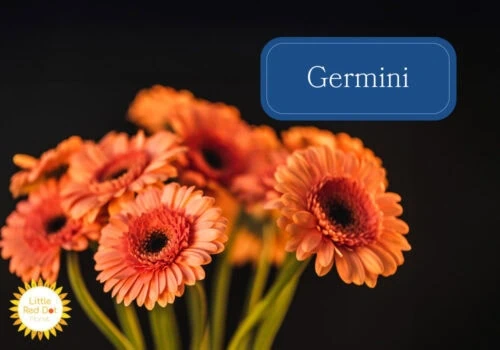
- Germini: Germini is a miniature form of the Gerbera daisy. It has smaller blooms that are as colourful and daisy-like as the bigger variants.
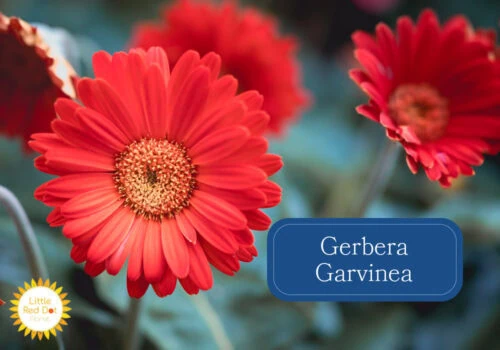
- Gerbera Garvinea: Gerbera Garvinea is known for its outstanding toughness and tolerance to disease. It has vibrant flowers that endure throughout the year.
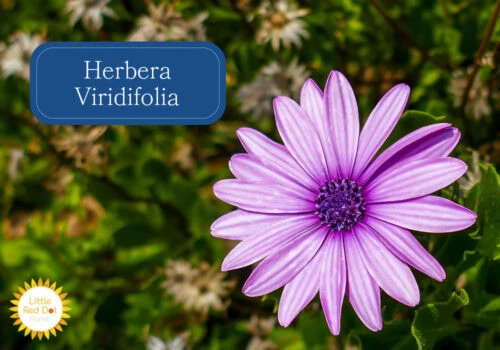
- Herbera Viridifolia: Gerbera Viridifolia is native to Southern Africa. It is distinguished by its slender, upright stems and tiny, daisy-like flowers that are light in colour.
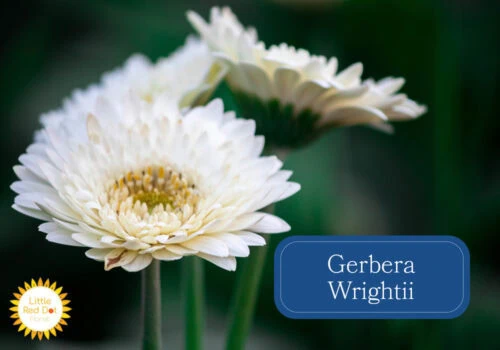
- Gerbera Wrightii: Gerbera Wrightii is a rare species indigenous to Madagascar. It has tiny, daisy-like flowers with pale pink or white petals.
- Gerbera Hybrids: Gerbera hybrids are produced through different Gerbera species, with various colours, sizes, and flowering habits. These hybrids are used in gardens and floral arrangements because of their vivid blooms.
- Gerbera Patio: Gerbera Patio grows well in tiny environments. It is a common choice for patios, balconies, and small gardens because it has positive, colourful flowers that resemble such larger Gerbera types.
- Gerbera Daisy Revolution Series: The Gerbera Daisy Revolution Series has bright and colourful blooms. The flowers represent beauty and happiness.
1. Gerbera Jamesonii
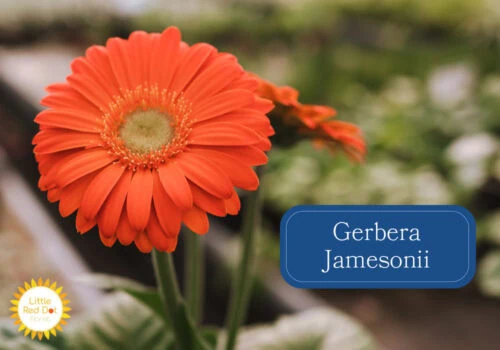
Gerbera Jamesonii (Barberton daisy) is a colourful flowering plant valued for its huge, multicoloured blooms. Gerbera Jamesonii is a popular alternative for gardens and floral arrangements because of its bright appearance and long-lasting blooms. The flowers of Gerbera Jamesonii have a stunning central disc composed of small florets. The daisy-like flowers reach 4 inches in diameter and bloom on long, hard stalks above a rosette of green leaves.
Gerbera Jamesonii is a common garden accent and cut flower in floral arrangements due to its bright, showy blossoms. It is planted in borders, flower beds, and pots because of its ability to brighten outdoor and indoor environments. Some gerbera species are known to have air-purifying qualities, which makes them good for indoor air quality.
Gerbera Jamesonii is not listed as endangered, however, it is native to South Africa, where its natural habitat is threatened by urbanisation and agriculture. The major goal of conservation is to preserve its genetic diversity by growing them in nurseries and botanical gardens. Sustainable farming methods prevent excessive harvesting and disturbance of natural populations. It costs S$12.80.
Gerbera Jamesonii is valuable because of its association with joy, innocence, and purity. It is used to express joy, love, and admiration during festivities and as gifts. The flower is used on various occasions, including weddings, birthdays, and other joyous events. It has gained a significant position in the worldwide floral industry due to its versatility.
2. Germini
Germini is a miniature form of the Gerbera daisy. Germini is distinguished by its delicate, smaller flowers with bright colours and recognisable daisy-like shapes. The flowers have a central disc surrounded by delicate petals of 2 to 3 inches in diameter. They are available in different shades, such as red, pink, yellow, orange, and white. Germini has the same vibrant and striking appearance as larger Gerbera breeds.
Germini is perfect for floral arrangements because of its lengthy vase life, which keeps them looking beautiful and fresh for a long time. Germini flowers are used by florists as accents in wedding bouquets or mixed arrangements because their tiny blooms provide texture and balance to other flowers. It is planted as an ornamental plant in gardens and pots for people who want to add a pop of colour to their surroundings. A bouquet of germini costs around S$73.44.
Germini’s commercial production depends on sustainable farming methods. Growers preserve the genetic diversity and health of Germini plants while reducing their negative effects on the environment by encouraging ethical cultivation and propagation practices. Germini symbolises joy, innocence, and purity. It is a favourite for personal gifts because of its vibrant colours and small size, which expresses warmth and admiration.
3. Gerbera Garvinea
Gerbera Garvinea is a hard and disease-resistant variety of the standard Gerbera daisy, known for its long blooming period and sturdiness in outdoor gardening. Garvinea flourishes under various circumstances, making it a gardener’s favourite. It has enormous, daisy-like flowers in brilliant colours, including pink, red, yellow, orange, and white, that grow on strong, upright stems above a thick rosette of green, serrated leaves. One of its most remarkable traits is the way it blooms for several months from spring to autumn.
Gerbera Garvinea is an attractive plant in gardens due to its lengthy flowering season and capacity to tolerate harsh weather conditions. It is well-liked for flower beds, borders, and containers because it gives a long-lasting, vivid colour. The blossoms are used as cut flowers, similar to classic Gerbera types, but Garvinea is valued more for its garden performance. Its resilience makes it ideal for beginners and professional gardeners seeking low-maintenance, high-impact plants.
Gerbera Garvinea does not have the same conservation issues as wild species because it is a cultivated variation. The gerbera variety contributes to sustainable gardening methods because of its inherent disease resistance, which lessens the need for chemical treatments. It makes a friendly option for gardens, encouraging biodiversity by attracting pollinators such as bees and butterflies. Continuous breeding efforts aim to improve these sustainable traits while preserving the plant’s beauty. Gerbera Garvinea costs around S$72.48.
Gerbera Garvinea represents perseverance and endurance due to its capacity to thrive in various conditions and bloom for extended periods. It symbolises happiness, beauty, and purity, making it a popular option for brightening gardens and living areas. The plant’s resilience and expanded blooming season give it a symbolic meaning of tenacity and enduring happiness, which enhances its aesthetic appeal. Gerbera Garvinea has grown in popularity because of its blend of functionality and brilliant, long-lasting looks.
4. Gerbera Viridifolia
Gerbera Viridifolia is a perennial flowering plant found in regions of Southern Africa. Gerbera Viridifolia stands out by its slender, upright stems that bear little, daisy-like blooms. The petals of the flowers are light yellow, purple, or white with a darker central disc. Its foliage is made up of lance-shaped, green leaves that form a basal rosette, like other gerberas. It is found growing in wild meadows.
Gerbera Viridifolia is sometimes utilised in native plant gardens or rehabilitation initiatives due to its hardiness and adaptability to various soils and environmental conditions. Its subtle, organic appeal makes it appropriate for native plant displays and wildflower gardens, where it provides a more natural vibe. Its ecological value is important in preserving native landscapes, but it is not commonly used in the floral industry.
Urbanisation and agricultural growth are causing habitat loss, which poses a risk to Gerbera Viridifolia. Preserving its natural habitats and avoiding excessive agriculture are the main goals of conservation initiatives. Protecting wild populations and ensuring their continued presence in the region’s biodiversity are the primary objectives of local conservation efforts. Its price varies on its size.
Gerbera Viridifolia has a symbolic tie with nature and the value of biodiversity but is less common in ornamental horticulture. Its existence in nature is a testament to the adaptability and tenacity of native species. The gerbera variety represents beauty and simplicity, but its less polished form lends it a more grounded, natural connotation. People who love the beauty of wildflower species and the preservation of native plants appreciate it.
5. Gerbera Wrightii
Gerbera Wrightii (Peninsula Gerbera)is a rare species of Gerbera found in grasslands. Gerbera Wrightii species is recognised by its fragile, daisy-like flowers, which have a darker central disc surrounded by pale pink or white petals. The flowers bloom on slender, upright stalks from a basal rosette of green, little hairy leaves. The plant is modest in comparison to its prettier and has a subtle beauty. The simple elegance of the flowers is complemented by the leaves, which are long and lance-shaped.
Gerbera Wrightii is valued in botanical collections and native plant gardens, though it is not grown for commercial use or in ornamental gardening. Its ecological contribution to local biodiversity in grassland environments is significant. It is utilised in habitat restoration initiatives to help preserve native vegetation and maintain the environmental balance. The price of a Gerbera Wrightii depends on its size and flower shops.
Gerbera Wrightii is classified as endangered because of its small territory and the growing threat of habitat loss. Its native habitats are in danger due to agricultural development and deforestation. Protecting habitat is the main goal of conservation initiatives, which stop the degradation of the regions where they are available. Botanical gardens and seed banks help to preserve genetic material and protect wild species from extinction. The preservation of distinctive biodiversity depends on increasing public knowledge of it.
Gerbera Wrightii is an emblem of diverse and unusual plant life. It represents the beauty and fragility of the island’s natural heritage, although being less well-known than ornamental Gerbera variants. The plant indicates simplicity and purity because of its exquisite appearance. The necessity of conservation is symbolised by its rarity, which highlights the significance of safeguarding vulnerable species and their environments.
6. Gerbera Hybrids
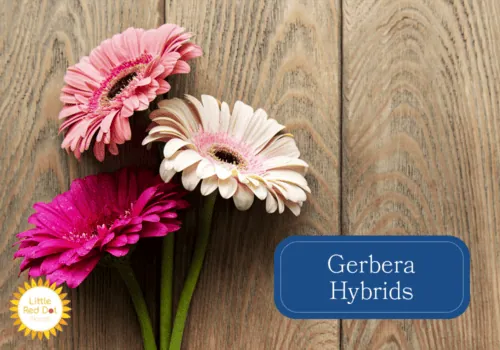
Gerbera hybrids are cultivated variations that result from the cross-breeding of distinct gerbera species. The hybrid gerberas are distinguished by their enormous, colourful, daisy-like flowers, which come in different colours including red, pink, orange, yellow, white, and bi-colour. The flowers feature several rows of symmetrical, vibrant petals around the central disc. Strong stems and green, lobed leaves are clustered into a rosette at the base. They are popular for indoor and outdoor use because of their long-lasting blooms.
Gerbera hybrids are used in agriculture and the floral business. They are cultivated as ornamentals in gardens, containers, and borders to produce vibrant, long-lasting colours. They are among the most used cut flowers in the world, utilised as decorations for several events and in bouquets and floral arrangements. Hybrids are popular for weddings, festivities, and gifts because of their vibrant appearance and variety of colours. Gerbera hybrids are great indoor plants because of their well-known air-purifying qualities.
Gerbera hybrids are grown and not endangered, but the wild species from which they are derived, in places like Madagascar and South Africa, are threatened by environmental deterioration and habitat loss. The preservation of the genus’ genetic variety and natural habitats of wild Gerbera species are the key goals of conservation initiatives. The environmental impact of raising the hybrids is lessened by using ethical cultivation and propagation methods. The price starts from S$36.00 to S$44.00.
Gerbera hybrids are a common choice for expressing happiness because they symbolise joy, purity, and beauty. Their vivid and striking shades symbolise fortitude and tenacity. Gerbera hybrids have become cultural icons in the floral industry, signifying elegance and delight at personal and public events. Their status as one of the most adored and utilised flowers worldwide is solidified by their adaptability and enduring appeal.
7. Gerbera Patio
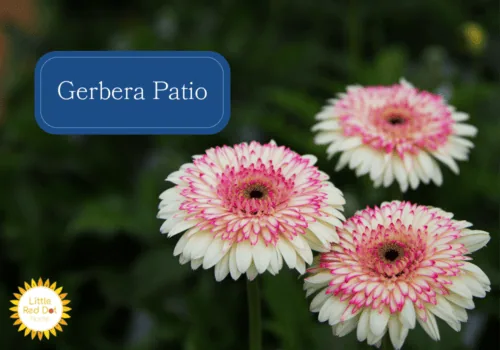
Gerbera Patio is a small, resilient Gerbera species developed for patios. The flowers are held upright on short, strong stalks above a dense rosette of green, lobed leaves. The flowers are smaller than ordinary gerberas but maintain elegance and vivid colour distinction. Its price is approximately S$13.21 for 14 to 18 inches in height.
Gerbera Patio is perfect for improving outdoor living areas like tiny gardens, patios, and balconies. Gerbera Patio flourishes in pots and containers because of its robust nature and compact size. It adds colour to small spaces and is a popular option for decorative borders. Gerbera Patio is a potted plant that gives versatility to gardeners who appreciate indoor and outdoor plants.
Gerbera Patio has no conservation difficulties because it is a produced hybrid variety. Protecting wild Gerbera species in their natural environments is critical for preserving genetic diversity. Use sustainable horticulture methods to prevent environmental harm from the commercial production of Gerbera Patio and other types.
Gerbera Patio is a symbol of joy, beauty, and amusement. The plant’s flexibility is shown by its ability to flourish in various environments. Gerbera Patio is used as an outdoor ornament or as a gift that sends warmth, good vibes, and an appreciation of the beauty of nature in more private environments.
8. Gerbera Daisy Revolution Series
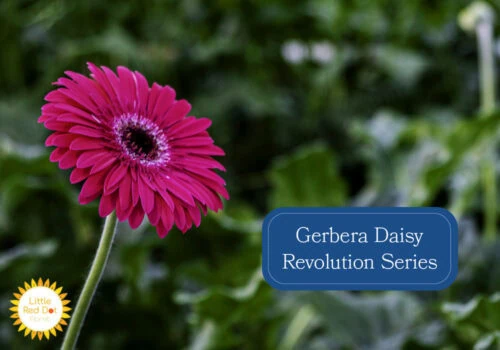
The Gerbera Daisy Revolution Series are a collection of hybrids recognised for their outstanding flowering power and brilliant colours. The plants have huge daisy-like flowers, solid and straight stems, and a compact growth pattern. Vibrant shades of red, orange, yellow, pink, and white are the colours of the flowers, which have eye-catching central discs. The leaves form a dense rosette at the base, creating an appealing contrast to the colourful blooms. They are unique because of their long blooming season and resilience, which allow them to flourish in indoor and outdoor environments.
Gerbera Daisy Revolution Series are perfect for outdoor planting in borders, flower beds, and pots, and they produce vibrant, long-lasting displays throughout the growing season. They are popular as potted indoor plants or cut flowers, brightening spaces with positive and long-lasting blossoms. They are great options for floral arrangements and ornaments for special events like weddings, parties, or as gifts. The average price of gerbera daisy revolution seeds is around S$15.87.
The conservation of wild Gerbera species, from which the hybrids are descended, is critical to preserving genetic variety. Natural habitat conservation aids in preserving significant genetic resources. Sustainable growth practices are recommended in commercial Gerbera hybrid production to reduce environmental effects. The Daisy Revolution Series is a well-liked representation of happiness and energy because of its enduring beauty and vibrant hues.
What are the Different Colours and Meanings of a Gerbera?
The different colours and meanings of a Gerbera are listed below.
- Pink: Pink Gerbera is ideal for expressing gratitude or affection by conveying feelings of joy, kindness, and adoration. The “pink gerbera meaning” represents respect, kindness, and elegance.
- Red: Red Gerberas work well for conveying intense love or desire and are associated with romantic love. They symbolise intense feelings, passion, and love.
- White: White Gerberas signify purity, tranquillity, and spiritual love during weddings and other important rituals. The flowers represent innocence, purity, and fresh starts.
- Purple: Purple Gerberas are used to express appreciation, pride, and achievement, and are given to someone who has accomplished something remarkable.
- Orange: Orange Gerberas are a wonderful way to celebrate festivities or to lift someone’s spirits because they are colourful and evoke enthusiasm and happiness.
- Yellow: Yellow Gerberas are known for their ability to spread joy, brighten rooms, and inspire optimism. They are used to show friendship appreciation and platonic love.
What are the Most Popular Colours of Gerberas?
The most popular colours of gerberas are pink, white, and red. Each colour has its own meaning. Pink gerberas are perfect for expressing joy, gratitude, and festivities. Light pinks represent kindness, care, and admiration. Dark pinks are used to show appreciation.
Red gerbera symbolises bravery and strength. Red is a powerful colour and is praised for its strength. The Gerbera Daisy is loved as a declaration of love and affection in other cultures.
White gerbera flowers are favoured for wedding bouquets and centrepieces. They are known as a sign of purity and fresh starts. White Gerbera daisies provide a lovely touch in mixed flowers. They contribute to bringing harmony and balance when blended with other shades.
How to Grow Gerberas?
To grow gerberas, follow the steps listed below.
- Choose the right location. Gerberas need six hours of sunlight a day, with some shade in the afternoon in hotter weather. They do well on a little acidic, well-draining soil that is composted.
- Start sowing to plant the seeds. Sow “gerber daisy seeds” indoors 8 to 10 weeks before the final frost date if starting from scratch. Press the seeds gently into the soil without covering them, as they require light to sprout.
- Avoid overwatering gerberas. Overwatering causes root rot in gerberas. Give the top inch of soil a little time to dry out in between waterings. Make sure the soil is constantly damp but not soggy. Avoid watering the leaves and flowers of the Gerbera plants, because it triggers fungal diseases, by giving them deep water at the root.
- Apply a balanced fertiliser once a month throughout the growing season. Avoid too much fertiliser because excessive nitrogen culminates in fewer flowers of the “growing gerberas.”
Germination of seeds takes 2 to 3 weeks under optimal conditions (continuous warmth and light). Seedlings grow germination, and it takes 4 to 6 months to reach maturity and start flowering.
When to Plant Gerberas?
Plant gerberas in pots anytime from spring to late summer because healthy gerbera plants are available and used to add instant colour. Gerberas are placed at the front of borders and containers because they grow to 30 to 60 cm (1 to 2 feet). They must be separated by around 30 cm (1 ft). Plant outside in April, when nighttime temperatures are consistently above 5°C (41°F).
Planting gerberas requires fertile soil that drains pretty well, so plant them in the spring or early summer to establish borders. Plant them in large groups for maximum impact, either in single colours or in a variety of shades. They complement a wide range of plants, such as bedding plants with similar or contrasting colours, and small decorative grasses and other foliage plants.
What are the Common Challenges in Growing Gerberas?
The common challenges in growing gerberas are listed below.
- Crown Rot: A fungal disease called crown rot destroys a plant. Avoid mulching too near the base of the plant and make sure the crown is above the soil.
- Root Rot: Overwatering is harmful to gerberas and causes root rot. Ensure that the soil drains well, and let the top inch of soil dry off.
- Less Flowers: Gerberas blossom less than expected if they do not receive enough sunlight or nutrients, or if the soil is compacted or poor in drainage. Ensure that the soil is well-draining and rich in organic content and that plants receive at least six hours of sunlight every day.
- Pests and Fungal Diseases: Aphids and spider mites are common pests that produce deformed leaves and flowers. Gerberas are prone to fungal diseases such as powdery mildew and botrytis. Provide enough air circulation, refrain from watering from above, remove afflicted leaves, and promote beneficial insects to help prevent such diseases.
- Yellowing of Leaves: Yellowing leaves are caused by excessive watering, nitrogen shortages, or root issues. Prevent overwatering by checking the soil’s moisture content.
What are the Best Tips for Growing Gerberas?
The best tips for growing gerberas are listed below.
- Sunlight: Pick a spot that receives morning sunlight, but in hotter zones, they require some shade during the warmest part of the day to avoid wilting.
- Season or Climate: Cover and mulch outdoor plants or move potted Gerberas indoors before the first frost. Reduce watering over the winter when development slows.
- Water: Maintaining consistent moisture is critical, but avoid overwatering. Don’t water the blooms and leaves as it trigger fungal problems.
- Fertiliser: Gerberas thrive from monthly feedings of a well-balanced, water-soluble fertiliser. Change to a fertiliser with more phosphorus during the flowering season to encourage blossoms.
- Deadheading: Cutting the flower stem at the base is a common method of deadheading, or removing wasted blooms. It promotes the plant to generate more flowers while preventing it from spending energy on seed formation.
What is the Average Lifespan of Gerberas?
The average lifespan of gerberas is 2 to 3 years with proper care. Repotting the gerbera daisy once a year to ensure it lasts longer. Their flowers last for several weeks after they appear. Consistent care and attention to Gerberas’ special needs are essential for extending their life in flower arrangements. The lifespan depends on where they are put.
The lifespans of gerbera plants are listed below.
- Cut Gerbera Flowers: Cut gerbera flowers endure between 7 and 14 days. They must be kept in clean water with floral preservatives to prolong their lives, and the water must be changed every few days.
- Potted Gerbera Plants: The “potted gerbera plants” survive for 2 to 3 years if they receive proper care. They need regular watering, lots of sunlight, and soil that drains well.
- Gerbera in Garden: The “gerbera in garden” lives as perennials in warm areas, lasting 2 to 3 years or more. They are often planted as annuals because they do not withstand frost.
What are the Factors that Affect the Lifespan of a Gerbera?
The factors that affect the lifespan of a Gerbera are listed below.
- Light: Weak plants with fewer blossoms and a shorter lifespan are caused by inadequate light. Proper lighting encourages longer-lasting blooms and helps the plant retain its strength.
- Quality of Seed: High-quality seeds result in healthier, more resilient plants that endure adverse conditions. Low-quality seeds produce plants that are more susceptible to illness and die sooner.
- Temperature: Extreme heat triggers wilting and stress, while frost and low temperatures harm the plant. Keeping the temperature at the proper level guarantees the plant’s continued health and longer blooming time.
- Soil Moisture: Gerberas prefer moist but well-drained soil. Maintaining the proper moisture balance prolongs the plant’s life and helps prevent illnesses.
How to Take Care of Gerberas?
To take care of gerberas, follow the steps listed below.
- Store in a spot that receives full, direct sunshine. One of the “gerbera daisy care” ensures the plants are getting enough sunlight.
- Water the plants once a week. Watering the soil in the morning is one of the best “gerbera daisy plant care.” It helps it dry throughout the day.
- Use a fertilizer rich in micro-nutrients. Feeding the plants once a month is one of the important steps on how to care for gerbera daisy.
- Trim the plant as soon as the flowers start to wilt. It helps to grow new blooms.
Yes, gerberas are easy to take care of. Gerberas thrive in every environment with the correct conditions and basic maintenance. They are a good option for cultivators searching for a flower that is easy to maintain. There are more helpful gerbera care tips that must be followed to harvest stunning blooms.
What are Gerberas Used For?
Gerberas used for different purposes are listed below.
- Gift: Gerberas are given to convey pleasant emotions like joy, gratitude, and friendship. They are popular as gifts for important events such as Mother’s Day and birthdays.
- Air Purifier: Gerberas are proven to boost indoor air quality by eliminating pollutants including formaldehyde and benzene. The plant makes them an attractive and useful option for houseplants.
- Traditional Medicine: One of the “gerbera uses” is conventional medicine. Gerberas have therapeutic value in several ways, such as mixtures to treat skin conditions, alleviating the symptoms of colds, and highlighting the balance of beauty and usefulness that nature provides.
- Flower Arrangements: Gerberas are used to create bright and lively floral designs. They are used in mixed arrangements or as single bouquets for special occasions including birthdays, anniversaries, and other occasions.
Are Gerberas a common Flower to use in Weddings?
Yes, gerberas are common flowers to use in weddings. The versatility of gerberas allows them to complement wedding styles or motifs. They are ideal for an occasion like a wedding because their bright and brilliant flowers contribute to happiness and celebration. They look wonderful in bouquets, boutonnieres, corsages, and centrepieces. Gerberas are one of the best flowers for weddings. Their huge, bold flowers are used in combination with other blooms to create a striking impression.
What are Interesting Facts about Gerberas?
The interesting facts about gerberas are listed below.
- Attracts Insects: One of the facts about Gerberas is they attract butterflies and bees with their vibrant colours and seductive scent.
- Sleep-Inducing Flower: Gerberas are lovely blooms that breathe in carbon dioxide and exhale oxygen at night. Gerberas daisies improve the quality of sleep at night.
- Origin of Name: The German botanist Traugott Gerber is the inspiration behind its name. There are wild variants of Gerbera daisies in South Africa, where the lovely flowers first appeared.
- Native Roots: The genus Gerbera is a native of South Africa, one of the “gerbera facts.” The tropical perennial plants spread from their ancestral origins over the ages, finding pride in a variety of environments.
What are the other Flowers with their Symbolism?
The other flowers with their symbolism are listed below.
- Tulips: Tulips symbolise joy, love, and pleasure in vibrant colours like pink and yellow. Tulips are included on the “list of flowers and their meanings,” similar to gerberas. Their understated yet exquisite blossoms express the same ideas of joy and beauty.
- Chrysanthemums: Chrysanthemums are a powerful alternative to Gerberas because they are associated with happiness and hope. Chrysanthemum is a “plant symbolism” for joy and optimism in many cultures.
- Sunflowers: One of the “flower symbolism list” include sunflowers. The vivid yellow petals of sunflowers and gerberas represent brightness, warmth, and joy. They mean good vibes and positiveness.
- Roses: Yellow roses represent love and friendship, matching Gerberas’ excitement and celebration. They enhance flower arrangements with comfort and warmth.
- Peonies: Peonies represent pleasure and prosperity. They are used to celebrate events like weddings. Different flowers and their meanings are related to every occasion, which vary in their colours.