 Free Same Day Delivery Islandwide | Order by 5PM for Today’s Delivery | 800+ 5-Star Reviews
Birds of Paradise: Types and Bird of Paradise Plant Care
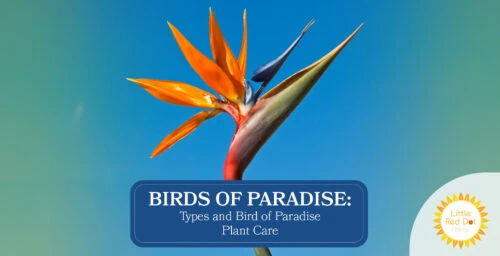
The Birds of Paradise belong to the family Strelitziaceae, the most well-known species being Strelitzia reginae and Strelitzia nicolai. Birds of Paradise are native to South Africa and are valued for their stunning appearance and tropical charm. They have a unique shape that resembles a bird in flight. The flowers are characterised by their striking petals, which come in vibrant colours like orange and blue.
The structure of the plant is upright and somewhat architectural, adding a dramatic flair to any landscape or indoor setting. The leaves of the Bird of Paradise plant are large, paddle-shaped, and glossy, resembling those of a banana plant. They grow up to 2 feet long and form a lush, green backdrop that enhances the vibrant colours of the flowers. Birds of Paradise are durable plants resistant to many common garden pests. However, they occasionally are susceptible to spider mites and mealybugs. Regular inspection and proper care help maintain their health and vigour.
Birds of Paradise are known for their relatively slow growth rate. It takes 3 to 5 years for a Bird of Paradise to mature and bloom, but with proper conditions, they grow quite robustly once established. The flower lives for several decades with proper care. Outdoor plants reach up to 50 years, while indoor specimens live between 20 to 30 years when given the right amount of light and attention. Birds of Paradise are considered non-toxic to humans and pets, making them a safe household choice. However, ingestion of large quantities leads to mild gastrointestinal discomfort. Birds of Paradise carry significant meaning in addition to their stunning beauty.
They symbolise freedom, joy, and paradise, associated with exotic locations and vibrant life. The birds of paradise symbolism reflect themes of happiness and the celebration of nature’s wonders, making them a popular choice for various occasions, including weddings and special events. Understanding their needs is crucial for anyone interested in cultivating these stunning plants. Following the right Bird of Paradise plant care guidelines ensures healthy growth and beautiful blooms, allowing flower enthusiasts to enjoy the striking beauty of Bird of Paradise flowers for years to come.
What is a Bird of Paradise?
The Bird of Paradise is a tropical plant known for its unique flowers resembling a bird’s vibrant plumage in flight. The plant is native to South Africa and belongs to the banana family (Strelitziaceae), which is scientifically known as Strelitzia reginae. The flower that looks like a bird features bright orange sepals and deep blue petals, creating a stunning contrast that makes them popular worldwide in gardens and floral arrangements. The plant’s banana-like leaves and large size add to its exotic, eye-catching appeal.
Birds of Paradise are famous for their distinctive flower shape, which looks like the head of a colourful bird. Its resemblance and vivid colours have made it symbolic of freedom, paradise, and joy. The flowers are associated with tropical or exotic settings and thrive in warm, humid environments. Bird of Paradise flowers are used on celebratory occasions and are a favourite among flower enthusiasts and landscapers alike because of their beauty and symbolic meanings.
Birds of Paradise are known for being relatively easy to grow in the right climate and for their visual appeal. They flourish outdoors in subtropical regions or indoors in pots with proper care. Their unique form and low-maintenance growth make them both a practical and stunning choice for those looking to add a tropical touch to their surroundings.
What do Birds of Paradise look like?
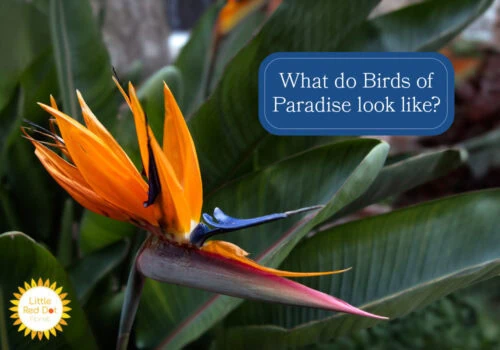
Birds of Paradise look like a bird and tropical plants known for their large, banana-like green leaves and tall, sturdy stems. The plant is famous for its unique flowers, which feature bright orange and blue petals arranged to resemble a bird in flight. These flowers stand on long stems, giving the plant an elegant and exotic appearance. Birds of Paradise have no branches or thorns, making them easy to handle and maintain. They are a striking addition to any garden or indoor space, adding a tropical touch with their bold and vibrant look.
What does a Bird of Paradise Symbolize?
A Bird of Paradise symbolizes freedom, beauty and paradise. The unique flower shape of Birds of Paradise, which resembles a bird in flight, symbolises the idea of soaring to new heights and embracing the beauty of nature. The Bird of Paradise meaning represents joy, magnificence, and the celebration of life’s wonders because of its vibrant colours and exotic appearance. Its symbolism extends to paradise, drawing connections to tropical, serene, and idyllic environments.
Bird of Paradise symbolism is significant in various cultural and artistic contexts. The Bird of Paradise represents beauty and exoticism in art, as its flower stands out among other plants for its unique design. The plant is seen as a symbol of luxury and rarity, adding to its allure in decorative settings. The Bird of Paradise represents faithfulness, love, and loyalty in weddings and marriages, making it a popular choice for floral arrangements during such ceremonies. The flower’s long-lasting blooms symbolise endurance, making it an ideal representation of the lasting bond between partners.
The Bird of Paradise holds meanings related to resilience and strength. Its ability to thrive in challenging climates symbolises endurance and perseverance, reminding us of the strength required to flourish in difficult situations. The symbolism extends beyond nature to represent personal growth, determination, and the capacity to overcome obstacles. The Bird of Paradise embodies beauty, freedom, and enduring strength, whether in art, weddings, or personal symbolism.
What are the Famous Species of Birds of Paradise?
The famous species of birds of paradise are listed below.
- Strelitzia reginae: The most well-known Bird of Paradise species, it features vibrant orange and blue flowers that resemble a bird’s head. It is a popular ornamental plant used in gardens and floral arrangements.
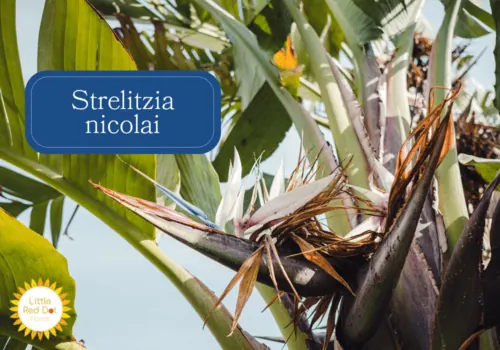
- Strelitzia nicolai: The species grows much taller, up to 30 feet, and produces white and blue flowers. Its leaves are larger, resembling those of a banana plant. Strelizia nicolai is known as the Giant Bird of Paradise.
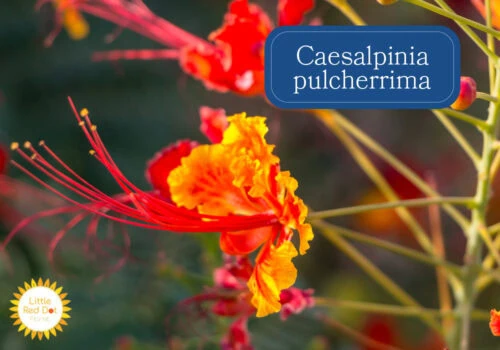
- Caesalpinia pulcherrima: Caesalpinia pulcherrima has delicate red, yellow, or orange flowers commonly called the Dwarf Poinciana or Peacock Flower. The smaller plant is found in tropical and subtropical gardens.
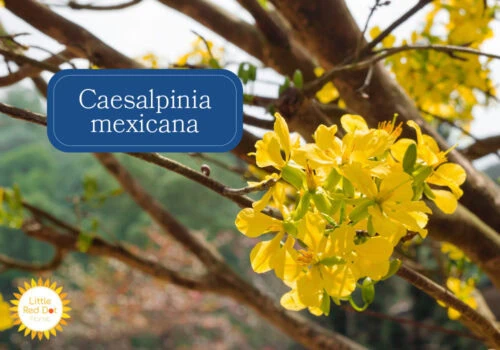
- Caesalpinia mexicana: Caesalpinia mexicana has bright yellow flowers and is used as a small, decorative tree native to Mexico. It’s prized for its drought tolerance and fragrant blooms.
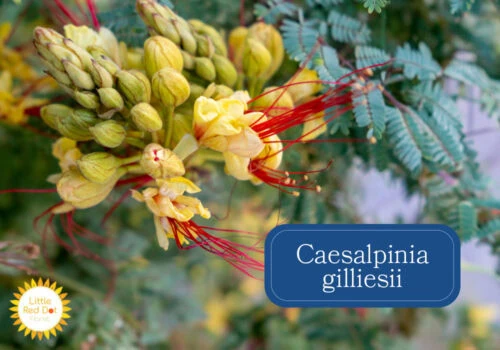
- Caesalpinia gilliesii: Caesalpinia gilliesii features striking yellow flowers with long red stamens known as the Yellow Bird of Paradise. It is a hardy, drought-resistant plant used in desert landscaping.
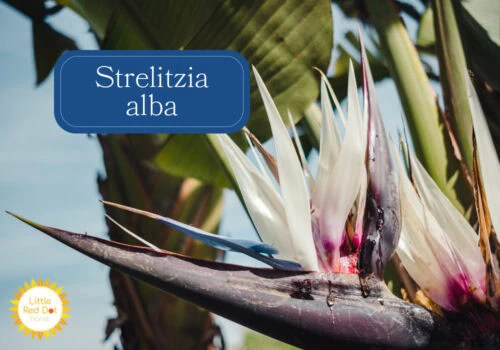
- Strelitzia alba: Strelitzia alba has white and blue flowers similar to Strelitzia reginae but is rarer and larger, with dark green, banana-like leaves. The species is known as the White Bird of Paradise,
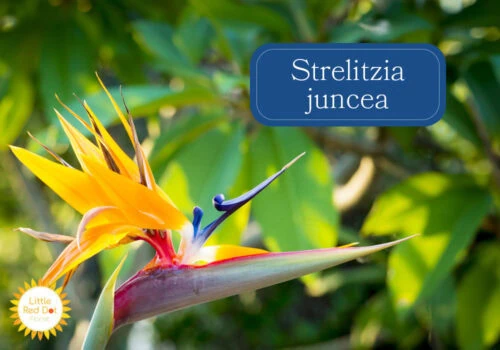
- Strelitzia juncea: Strelitzia juncea is notable for its slender, reed-like leaves and the same vibrant flowers as Strelitzia reginae. It is more drought-tolerant and has a unique, minimalist appearance.
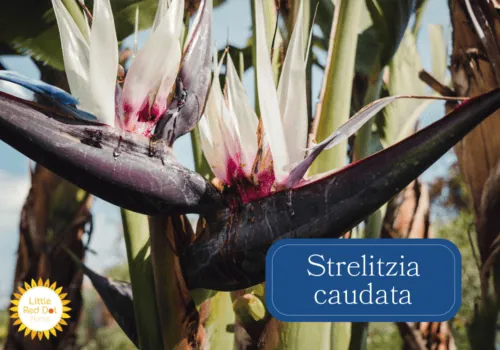
- Strelitzia caudata: Strelitza caudata produces white flowers with blue inner petals and grow up to 20 feet tall, native to Southern Africa. It thrives in rocky, mountainous regions referred to as the Mountain Bird of Paradise.
1. Strelitzia reginae
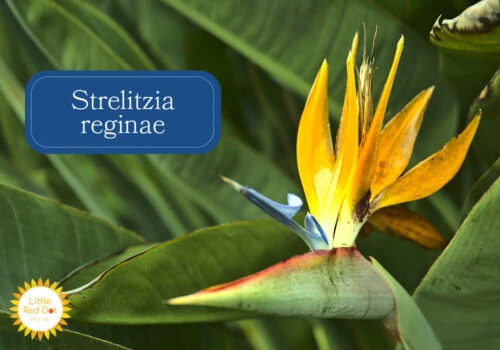
Strelitzia reginae (Bird of Paradise or Crane Flower) is a tropical plant native to South Africa. Strelitzia reginae gets its name from its striking flower, which resembles a bird’s shape and vibrant colours in flight. It belongs to the Strelitziaceae family and is one of the most famous ornamental plants worldwide.
Strelitzia reginae features large, paddle-shaped leaves that grow from clumping stems. Its most iconic feature is its flower, which has bright orange sepals and vivid blue petals. These flowers are held above the foliage on tall stalks, creating a stunning architectural look. The plant grows well in tropical and subtropical climates, thriving in full sunlight with minimal water needs once established.Strelitzia reginae is valued for landscaping and as a decorative indoor plant in terms of use. Its long-lasting flowers make it popular in floral arrangements. It is used in public gardens and parks and even as a focal point in home gardens due to its exotic and showy appearance.
Conservation efforts for Strelitzia reginae are not widespread since the plant is not currently considered endangered. However, sustainable gardening practices and avoiding over-harvesting are encouraged to ensure its continued abundance in the wild, as with many plants. The Bird of Paradise symbolises freedom, joy, and paradise due to its bird-like flowers and tropical appeal. It is associated with exoticism and is a popular flower for celebrations and symbolic uses in various cultures. The price of a Strelitzia reginae plant ranges between $50 to $200 SGD, depending on the size and maturity of the plant.
2. Strelitzia nicolai
Strelitzia nicolai (Giant Bird of Paradise or Wild Banana) is a large, tropical plant native to South Africa. Strelitzia nicolai is the largest species within the Strelitzia genus and belongs to the Strelitziaceae family. Its name reflects its imposing height and resemblance to the banana plant.
Strelitzia nicolai grow up to 30 feet tall, with massive banana-like leaves that form a fan-shaped structure. The plant produces white and blue flowers, much larger than those of Strelitzia reginae. These flowers appear at the top of tall, woody stems, making them stand out in any landscape. Strelitzia nicolai is used in landscaping, parks, and urban spaces in large gardens due to its architectural size and dramatic presence. It is planted as a focal point in tropical-themed gardens and grown indoors in large pots under the right conditions.
Conservation efforts are not a major concern for Strelitzia nicolai as the plant is not considered endangered. However, ensuring sustainable cultivation and minimising habitat destruction is key to preserving its natural populations. The Giant Bird of Paradise shares similar symbolism to Strelitzia reginae, representing freedom, exotic beauty, and strength. Its towering size and majestic flowers make it a symbol of grandeur and power in tropical regions. The price of a Strelitzia nicolai plant ranges from $100 to $500 SGD, depending on its size and maturity.
3. Caesalpinia pulcherrima
Caesalpinia pulcherrima (Dwarf Poinciana or Peacock Flower) is a small, tropical shrub or tree native to the Americas. Caesalpinia pulcherrima is admired for its vibrant, colourful blooms and is widely cultivated in tropical and subtropical regions belonging to the Fabaceae family.
Caesalpinia pulcherrima features fern-like, feathery leaves, producing clusters of bright red, orange, or yellow flowers with long, protruding stamens. The plant grows to about 3 to 5 meters in height and has a graceful, airy appearance, making it ideal for adding colour to gardens. The species is used in landscaping for its ornamental beauty. It thrives in hot climates and is drought-tolerant, making it a popular choice for garden borders, hedges or as a focal point in tropical-themed gardens. Its vibrant flowers also attract pollinators like butterflies and hummingbirds.
Caesalpinia pulcherrima is not currently considered endangered, so no specific conservation efforts are in place. It benefits from sustainable gardening practices to ensure long-term availability, like many ornamental plants. The Peacock Flower symbolises beauty and prosperity, representing tropical abundance due to its vivid, bright blooms. It is associated with happiness and celebration, making it a popular decorative plant in festivals and events. Caesalpinia pulcherrima ranges from $20 to $100 SGD, depending on the size of the plant and where it is purchased.
4. Caesalpinia mexicana
Caesalpinia mexicana (Mexican Bird of Paradise) is a small flowering tree or shrub native to Mexico. Caesalpinia mexicana belongs to the Fabaceae family and is valued for its bright yellow flowers and drought-tolerant nature, making it an excellent choice for warm climates.
Caesalpinia mexicana grows up to 4 to 6 meters in height, with fern-like, dark green leaves that create a lush, soft texture. The plant produces clusters of fragrant, bright yellow flowers, which bloom abundantly in warm seasons. Its flowers are followed by seed pods, typical of the legume family. Caesalpinia mexicana is used as a decorative plant in gardens and public spaces in landscaping. It is shaped into a small tree or left to grow as a bushy shrub. Its ability to tolerate heat and drought makes it ideal for xeriscaping, and its bright blooms attract birds and pollinators.
There are no significant conservation concerns for Caesalpinia mexicana as it is not considered an endangered species. Sustainable propagation and careful management in landscaping help maintain its availability, as do many ornamental plants. The Mexican Bird of Paradise symbolises warmth, energy, and beauty, reflecting the vibrant yellow of its flowers. It is used in gardens and public spaces to evoke a sense of tropical abundance and joy. The price of Caesalpinia mexicana ranges from $30 to $150 SGD, depending on the size and maturity of the plant.
5. Caesalpinia gilliesii
Caesalpinia gilliesii (Yellow Bird of Paradise) is a flowering shrub or small tree native to South America. Caesalpinia gilliesii belongs to the Fabaceae family and is admired for its bright yellow flowers with long, striking red stamens, giving it a distinctive, exotic appearance.
Caesalpinia gilliesii grow up to 3 to 5 meters in height, with fern-like, pinnate leaves that create a light, airy texture. The plant produces clusters of yellow flowers accentuated by long, crimson-red stamens, creating a bold contrast. Small seed pods, characteristic of leguminous plants, follow their flowers. Caesalpinia gilliesii is used in landscaping arid regions in dry. Its drought-tolerant nature makes it ideal for xeriscaping or desert gardens. The bright flowers attract pollinators, such as butterflies and hummingbirds, adding a dynamic element to gardens.
There are no specific conservation efforts for Caesalpinia gilliesii as it is not considered endangered. Promoting sustainable gardening ensures that the plant thrives in cultivated environments. The Yellow Bird of Paradise symbolises resilience, beauty, and exoticism due to its striking appearance and ability to flourish in harsh environments. Its bright colours make it popular for ornamental gardens in warm, dry climates. The price of Caesalpinia gilliesii ranges from $25 to $100 SGD, depending on the size and condition of the plant.
6. Strelitzia alba
Strelitzia alba (White Bird of Paradise) is a large tropical plant native to South Africa. Strelitzia alba belongs to the Strelitziaceae family and is closely related to Strelitzia reginae, though its flowers are white instead of the iconic orange and blue. The species is rarer and more difficult to find in cultivation.
Strelitzia alba grows up to 10 meters in height, making it a substantial plant for landscaping. It has large, dark green, banana-like leaves that span several feet, giving it a bold, architectural appearance. The flowers feature white petals with blue inner segments and are less showy but elegant than other Strelitzia species. Strelitzia alba is used mainly in large-scale landscaping in tropical or subtropical gardens where its towering height and lush leaves serve as a natural screen or dramatic focal point. It is prized for its rare beauty while less popular than other Bird of Paradise species.
No specific conservation efforts are directed at this species as Strelitzia alba is not currently listed as endangered. It remains less common in nurseries and gardens, requiring more care in cultivation to prevent over-harvesting in the wild. The White Bird of Paradise symbolises purity and elegance due to its white blooms and towering presence. It is considered a plant representing understated beauty and grace, making it desirable in more formal or luxury garden settings. The price of Strelitzia alba ranges from $100 to $300 SGD, depending on the size and maturity of the plant, reflecting its relative rarity compared to other Bird of Paradise species.
7. Strelitzia juncea
Strelitzia juncea is a distinctive Bird of Paradise family species, known for its slender, reed-like leaves and striking flowers. Strelitzia juncea belongs to the Strelitziaceae family and shares the same vibrant orange and blue flower colours as the more common Strelitzia reginae. It is a drought-tolerant species adapted to more arid climates, native to South Africa.
Strelitzia juncea stands out for its thin, needle-like leaves that emerge from the base, lacking the broad, paddle-shaped leaves seen in other Strelitzia species. The plant grows up to 2 meters tall, with tall, upright stems that support the iconic bird-like flowers. The unique foliage gives it a minimalist and modern appearance. Strelitzia juncea is popular in xeriscaping and modern garden designs due to its drought tolerance and architectural look. It is also used in outdoor landscapes, container gardening, or as a statement plant in arid and subtropical environments. Its resilience to dry conditions makes it ideal for water-efficient landscaping.
There are no major conservation efforts for Strelitzia juncea, as it is not considered endangered. Its slow growth and specific environmental requirements make sustainable cultivation practices important to maintain its availability in nurseries. Strelitzia juncea symbolises resilience and strength, reflecting its ability to thrive in harsh, dry environments. Its sleek, minimalist appearance makes it a favourite in contemporary garden designs, where it represents elegance and modernity. The price of Strelitzia juncea ranges from $150 to $400 SGD, depending on the size and age of the plant. Its unique form and slow growth make it more expensive than some other Bird of Paradise species.
8. Strelitzia caudata
Strelitzia caudata (Mountain Bird of Paradise) is a tropical plant native to the higher altitudes of Southern Africa. Strelitzia caudata belongs to the Strelitziaceae family and is less well-known than other Bird of Paradise species, but equally striking in its unique appearance and growth habit.
Strelitzia caudata grows up to 6 meters tall, with large, banana-like leaves that are broad and leathery. The flowers of the species are white with a striking blue inner petal and resemble a bird’s beak and crest, much like other Strelitzia species. Its tall, graceful stems rise above the foliage, giving it an elegant, tropical appearance. Strelitzia caudata is used in large-scale landscaping and tropical gardens due to its size and distinctive look. Its ability to grow in high-altitude regions makes it suitable for gardens in cooler climates than other Strelitzia species. The plant’s large leaves are useful as a natural screen or windbreak.
No specific conservation efforts are directed at Strelitzia caudata, which is not considered endangered. The cultivation of Strelitzia species must be sustainable to ensure its long-term availability, given its niche market. The Mountain Bird of Paradise represents resilience and adaptability, as it thrives in mountainous regions where other tropical plants might struggle. Its elegant white flowers symbolise purity and grace, making it a desirable plant for formal gardens. The price of Strelitzia caudata ranges from $120 to $350 SGD, depending on the size and maturity of the plant. Its relative rarity and unique growing conditions contribute to its higher cost.
What are the Different Colors and Meanings of a Bird of Paradise?
The different colours and meanings of a bird of paradise are listed below.
- Orange (Most Famous): Orange is the most iconic and widely recognised Bird of Paradise flower colour. It symbolises joy, energy, and creativity, reflecting the vibrant and lively nature of the plant. It represents excitement and enthusiasm, making it a popular choice in floral arrangements.
- Blue: The blue petals in Bird of Paradise flowers symbolise freedom, openness, and inspiration. They are seen as a representation of the sky or the horizon, evoking a sense of limitless possibilities and calmness.
- White (White Bird of Paradise): The white Bird of Paradise is associated with purity, elegance, and grace. It represents spiritual enlightenment, clarity, and simplicity. The white Bird of Paradise is less common than other Birds of Paradise, symbolising sophistication and rare beauty.
- Yellow: Yellow in Bird of Paradise flowers signifies happiness, positivity, and warmth. It represents friendship and cheerfulness, making it a symbol of optimism and good fortune.
How to Grow Birds of Paradise?
To Grow Birds of Paradise, follow the steps listed below.
- Choose the Right Location. Birds of Paradise thrive in warm, tropical or subtropical climates. Plant them where they receive ample sunlight, at least 4 to 6 hours of direct sunlight each day. Partial shade is tolerated, but full sun ensures the best blooms.
- Prepare the Soil. Use well-draining, rich soil with a slightly acidic to neutral pH (between 5.5 and 7.5). Improve soil drainage by mixing in organic matter like compost or sand. Poor drainage leads to root rot, critical when growing Birds of Paradise.
- Planting Technique. Dig a hole twice as wide and deep as the plant’s root ball when planting outdoors. Choose a large container with drainage holes for potted plants. Space multiple plants at least 3 to 5 feet apart to allow room for growth.
- Keep the soil consistently moist during the growing season. Water deeply when the top 2 inches of soil feel dry, but avoid overwatering. The key to knowing how often to water Bird of Paradise is striking a balance; too much water causes root rot, while too little stunts growth.
- Study Climate Requirements. The birds of paradise plant prefers temperatures between 18°C and 28°C (65°F to 85°F). It tolerates mild frost but will suffer if exposed to prolonged freezing temperatures. Plant them in pots to be brought indoors during the winter in cold climates.
- Sunlight Exposure. These plants need bright, direct sunlight to bloom well. Place them in a sunny spot outdoors or by a window if grown indoors. The plant produces fewer or no flowers if it does not receive enough sunlight.
- Apply a balanced, slow-release fertiliser during the growing season (spring through early autumn) to encourage healthy foliage and blooms. Fertilising once every 4 to 6 weeks should suffice.
- Pruning and Maintenance. Prune dead or damaged leaves regularly to keep the plant healthy. Removing spent flowers helps improve the appearance of the plant.
- Watering During Dormancy. Reducing watering during the winter months slows down the plant’s growth. Keep the soil moist, but do not overwater.
When to Plant Birds of Paradise?
Plant Birds of Paradise when it is the warmer months of spring or early summer. Warmer months offer ideal growing conditions, as the soil is warmer and the risk of frost has passed. It gives the plant sufficient time to establish its root system before the colder months. Planting Birds of Paradise during the period ensures that the plant settles into its new environment and grows steadily as the temperatures rise.
The growing season for Birds of Paradise spans from spring through early autumn. The plant thrives in warmer temperatures between 18°C to 28°C (65°F to 85°F), and it is when it experiences its most active growth. Roots, leaves, and flower stalks develop during the season. Mid-summer is when many Birds of Paradise plants bloom, showing off their vivid and striking flowers. Plants in milder climates continue to grow well into autumn and winter before entering dormancy. Planting early in the growing season ensures optimal growth and increases the chances of the plant reaching maturity within a few years.
What are the Common Challenges in Growing Birds of Paradise?
The Common Challenges in Growing Birds of Paradise are listed below.
- Root Rot: Ensure the plant is in well-draining soil and only water when the top 2 inches of soil are dry. Use containers with drainage holes if growing in pots.
- Lack of Blooms: Place the plant in an area that receives at least 4 to 6 hours of direct sunlight daily. Fertilise regularly during the growing season with a balanced, slow-release fertiliser to encourage blooming.
- Pest Infestations: Regularly check for signs of pests and wipe the leaves with a damp cloth. Use insecticidal soap or neem oil to treat infestations.
- Yellowing Leaves: Adjust the watering schedule to avoid overwatering, improve soil drainage, and apply a balanced fertiliser to ensure proper nutrients.
- Cold Damage: Protect the plant from cold temperatures by bringing it indoors during winter or covering it with frost cloth. Container gardening is recommended in cooler climates to move the plants easily.
- Crowded Roots: Repot the plant every 2 to 3 years into a larger container for healthy root development. Make sure there is enough space between plants if planted in the ground.
- Sunburn: Gradually acclimate the plant to more sunlight over time rather than simultaneously exposing it to intense light.
What are the Best Tips for Growing Birds of Paradise?
The Best Tips for Growing Birds of Paradise are listed below.
- Provide Full Sun: Birds of Paradise plants thrive in bright, direct sunlight. Ensure they get at least 4 to 6 hours of sunlight daily when aiming for vibrant blooms. Indoor plants must be placed near a sunny window with lots of natural light.
- Use Well-Draining Soil: Well-draining soil is essential to prevent root rot. A mix of loamy soil with compost or sand works best. Avoid heavy clay soil, which retains water and harms the roots.
- Water Consistently but Avoid Overwatering: Keep the soil consistently moist during the growing season (spring through summer), but allow the top 2 inches of soil to dry out before watering again. Overwatering leads to root rot, so moderation is key when determining how often to water Bird of Paradise.
- Fertilise During the Growing Season: Fertilize the Birds of Paradise plant every 4 to 6 weeks during spring and summer with a balanced fertiliser. It provides the nutrients needed for strong growth and vibrant blooms.
- Prune Regularly: Remove dead or damaged leaves to keep the plant tidy and prevent spreading disease. It encourages healthy new growth.
- Repot or Transplant When Necessary: Birds of Paradise plants become root-bound, so repot them every 2 to 3 years if grown in containers. Plants in the ground must be spaced 3 to 5 feet apart to avoid crowding.
- Protect from Cold Weather: These tropical plants are sensitive to frost. Consider growing Birds of Paradise in pots to be brought indoors during winter or cover the plants with a cloth to protect them from frost.
- Patience with Blooms: Birds of Paradise take 3 to 5 years to bloom, so patience is key. Keep caring for the plant, and once it reaches maturity, it is rewarded with stunning flowers.
Can Birds of Paradise Live up to 50 Years?
Yes, Birds of Paradise can live up to 50 years when grown in ideal conditions. Birds of Paradise are known for their resilience and ability to thrive with proper care. However, their lifespan varies depending on whether they are grown outdoors or indoors and the care they receive.
Outdoors, Birds of Paradise has lived for several decades, exceeding 50 years. Tropical and subtropical climates, where they are native, flourish with ample sunlight, proper watering, and well-draining soil. Outdoor plants benefit from their natural conditions, allowing them to grow larger, healthier, and live longer.
Birds of Paradise live up to 20 to 30 years indoors with diligent care, even with a shorter lifespan. Indoor plants require more attention to ensure they receive enough light, as insufficient sunlight weakens their growth. Careful watering, humidity, and repotting management are essential to prolong their lifespan in a home environment.
The key to ensuring a long life for the plant in both settings is consistent care, including proper watering, fertilising, and pruning. Providing the Birds of Paradise with these details increases their lifespan, possibly even to fifty years.
How to Take Care of Birds of Paradise?
To take care of birds of paradise, follow the eight steps listed below.
- Provide Ample Sunlight. Place the plant where it receives at least 4 to 6 hours of direct sunlight daily. The full sun encourages vibrant growth and blooming. Ensure it is placed near a bright, sunny window if grown indoors.
- Use Well-Draining Soil. Plant in soil that drains well to prevent soggy roots. A loamy mix with compost or sand is ideal for maintaining proper moisture levels.
- Water Regularly, but Avoid Overwatering. Water the plant deeply when the top 2 inches of soil feel dry. Birds of Paradise plant care involves making sure not to overwater, as it leads to root rot. Watering must be reduced during winter as the plant’s growth slows.
- Fertilise During the Growing Season. Apply a balanced fertiliser every 4 to 6 weeks during the growing season (spring and summer) to encourage healthy growth and blooming. Use a slow-release formula or diluted liquid fertiliser for best results.
- Prune Dead or Damaged Leaves. Remove dead or yellowing leaves to keep the plant neat and promote new growth. It helps to prevent the spread of disease.
- Repot or Transplant When Necessary. Repot the Birds of Paradise plant every 2 to 3 years if it is in a container. Ensure outdoor plants are separated by three to five feet for proper root development. Repotting the plant is the most important Birds of Paradise care tip to follow.
- Monitor for Pests. Check for pests such as spider mites or mealybugs if grown indoors. Treat infestations with insecticidal soap or neem oil as soon as they are detected.
- Protect from Cold. Plants planted outdoors in colder climates must be brought indoors during winter or covered with a frost cloth. These tropical plants are sensitive to frost and cold damage.
What are Birds of Paradise Used For?
The Birds of Paradise Used For are listed below.
- Ornamental Landscaping: The Bird of Paradise is used in tropical and subtropical gardens for its striking, exotic appearance. It adds a bold, architectural look to landscapes and is featured as a centrepiece in garden designs.
- Indoor Decorative Plant: The Bird of Paradise adds a tropical touch to any home. Its large, fan-like leaves and bird-like flowers make it an attractive indoor plant for homes and offices.
- Floral Arrangements: The vibrant flowers of the Bird of Paradise are used in floral arrangements due to their long-lasting nature and unique shape. They are featured in exotic or tropical-themed bouquets.
- Symbolism in Weddings and Celebrations: One of the Bird of Paradise uses is wedding decorations, which symbolise joy, paradise and beauty. Its vibrant colors and exotic form make it a meaningful addition to special events.
- Gift Plant: The Bird of Paradise is given to symbolise success, freedom, and excitement at special occasions.
Are Birds of Paradise a Famous Indoor Plant?
Yes, Birds of Paradise are a famous indoor plant. The large, tropical leaves and striking flowers of the plant make it a popular choice for indoor spaces in offices and homes looking for a bold, exotic look. The bird of paradise plant indoor adds an architectural element to any room as a statement plant, making it desirable for interior design enthusiasts.
The bird of paradise houseplant thrives indoors if given enough light and proper care, though it grows outdoors in tropical climates. These plants need bright, indirect sunlight and ample space to grow. They do not bloom as easily indoors, but their lush green leaves provide a vibrant, tropical feel that makes them a favourite among houseplant collectors. Adaptability and aesthetic appeal make them popular indoors.
Are there Medicinal Uses for Birds of Paradise?
No, there are no medical uses for Birds of Paradise. The Bird of Paradise is valued for its ornamental beauty rather than its medicinal properties, while many plants have traditional or herbal applications. No substantial evidence or historical documentation links the plant to medicinal practices or remedies.
However, it is worth noting that some species of the Bird of Paradise family in regions where they are native have been studied for other purposes, like botanical research or cultural symbolism. These plants are not used in herbal medicine or pharmacology. Their value lies in their role as decorative and symbolic plants in gardens, floral arrangements, and landscaping.
How are Birds of Paradise used for Flower Arrangements?
Birds of Paradise are widely used in flower arrangements for their striking, exotic appearance and unique bird-like blooms. Their vibrant orange and blue petals make them popular for tropical-themed floral displays, adding a dramatic and bold element. These flowers are the focal point of arrangements due to their large size and eye-catching form, instantly drawing attention.
Birds of Paradise are ideal for fresh and dried flower arrangements due to their long-lasting blooms. They pair well with other tropical flowers like orchids, heliconias, and anthuriums, creating vibrant displays. Florists use them in formal arrangements, event decorations, or as standalone statement pieces in large vases. Their height and architectural form make them perfect for adding vertical interest, making them popular in hotel lobbies, event halls, and upscale settings.
The flowers’ symbolism, representing freedom, joy, and paradise, makes them ideal for celebratory arrangements, such as weddings, anniversaries, and other festive occasions. Their ability to maintain their beauty for a long time ensures they provide a lasting impact in any flower arrangement.
What are Interesting Facts about Birds of Paradise?
The Interesting Facts about Birds of Paradise are listed below.
- Named After a Bird: The flower is named for its resemblance to a bird in flight, with its vibrant, colourful petals mimicking the wings and beak of an exotic bird. The unique appearance makes it one of the most recognisable plants in the world.
- Symbol of Freedom and Joy: The Bird of Paradise symbolises freedom, joy, and paradise in various cultures, making it a popular flower for celebrations and weddings.
- Takes Years to Bloom: One of the most fascinating Bird of Paradise facts is that it takes 3 to 5 years to produce its first bloom. However, it flowers annually once it matures.
- Long-Lasting Blooms: The flowers of the Bird of Paradise last for several weeks on the plant and in cut flower arrangements, making them a favourite in tropical-themed bouquets.
- Not Just One Species: There are multiple species of Birds of Paradise, including the famous Strelitzia reginae and the larger Strelitzia Nicolai, known as the white Bird of Paradise.
- Attracts Pollinators: The plant’s unique flower structure is adapted to attract pollinators, especially birds and insects. The petals open up, and pollen is transferred to the bird when birds land on the flower to drink nectar.
- Low Maintenance: Birds of Paradise are relatively easy to care for despite their exotic look, making them popular as outdoor and indoor plants. It is one of the key facts about Birds of Paradise that makes them appealing to gardeners and plant enthusiasts.
- Tropical Origins: Birds of Paradise thrive in tropical and subtropical climates native to South Africa but are grown indoors in pots in cooler regions.
What are the other Flowers with their Symbolism?
The other flowers with their symbolism are listed below.
- Orchid: Orchids symbolise beauty, strength, and luxury. They symbolise exotic beauty and elegance like the Bird of Paradise, representing refinement and love.
- Heliconia: Heliconia symbolises pride, magnificence, and tropical allure. The flower shares the Bird of Paradise’s association with paradise and vibrant energy, symbolising boldness and creativity.
- Hibiscus: Hibiscus symbolise delicate beauty and joy. Hibiscus flowers symbolise happiness, much like Birds of Paradise, and are popular in tropical regions for their vivid colours.
- Lotus: Lotus symbolises rebirth, purity, and enlightenment. The lotus represents spiritual freedom and overcoming obstacles, while the Birds of Paradise symbolises freedom and paradise.
- Sunflower: The plant symbolism of a sunflower is adoration, loyalty, and joy. Sunflowers, like Birds of Paradise, are bright and vibrant, symbolising positivity and a connection to nature.
The list of flowers and their meanings provides insight into various plants connected to similar symbolic meanings, embodying freedom, joy, and beauty. The flower symbolism list carries the same or closely related symbolism to the Birds of Paradise. The meaning of different flowers reveals deep cultural and emotional significance, reflecting themes like love, joy, or freedom.