 Free Same Day Delivery Islandwide | Order by 5PM for Today’s Delivery | 800+ 5-Star Reviews

Ruscus: Types, How to Grow, and How to Take Care of Ruscuses
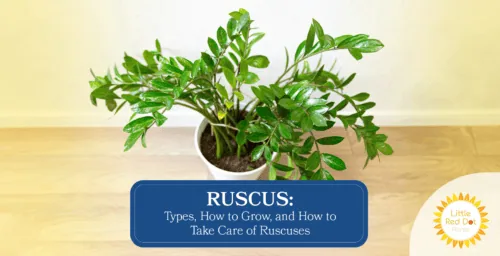
Ruscus (butcher’s broom) belongs to the Asparagaceae family. Ruscus plant has distinctive little spiny leaves with branched stems, called cladodes. Ruscuses add a modest but eye-catching touch to landscapes with small, greenish “Ruscus flowers” and red berries.
Ruscus is a sturdy plant that thrives in every climate conditions. It is resistant to pests and diseases, making it an excellent choice for low-maintenance gardens and flower displays. Ruscus has a moderate growth rate, it grows slowly at first but soon develops thick leaves. The right conditions allow it to grow and survive. Ruscus is non-toxic to humans and animals, contributing to its popularity in ornamental purposes.
Ruscus symbolises strength, adaptability, and security, reflecting its hardiness and capacity to survive in various environments. The “symbolism of ruscuses” represents power and versatility in floral arrangements, making it a popular choice for bouquets and decor.
What is a Ruscus?
Ruscus (Ruscaceae or butcher’s broom) is a small genus of European evergreen shrubs that has red berries, small greenish blooms, and leaf-like phylloclades. Ruscus is a fascinating genus of varieties found in southern Europe and Iran. It is popular as a garden plant because of its dark green evergreen stems and ability to thrive in dry, shaded environments. Ruscus propagates by underground rhizomes and seeds. Butcher’s broom was used for therapeutic purposes in ancient Greece. The rhizomes were used as a laxative and diuretic, to treat urinary tract disorders, haemorrhoids, and inflammations.
What do Ruscuses look like?
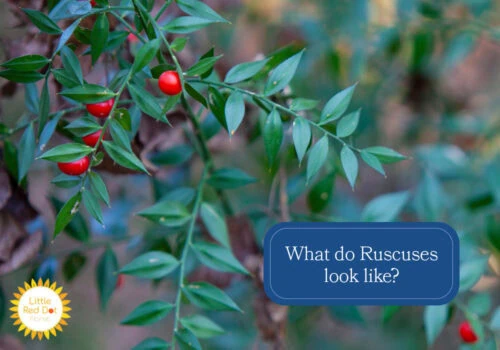
Ruscuses look like shrubs with fruits. The genus Ruscus is a perennial plant that resembles evergreen shrubs and reaches a height of about 1 metre. Ruscus has several flattened, leaf-like stem tissue found on branched stems. It is endemic to western and southern Europe, northwestern Africa, Macaronesia, southwestern Asia, and the Caucasus region. The foliage is small, scale-like, and non-photosynthetic. The ruscus flowers are small, white with a dark-violet core, and appear in the heart of the cladodes. The red berry has a diameter of 5 to 10 millimetres. Many species are suitable for gardening. The most common is Ruscus aculeatus, which grows throughout southern Europe and is endemic to southern England.
The look of a ruscus is shown in the image below.
What does a Ruscus Symbolise?
Ruscus symbolises humility, thoughtfulness, strength, and adaptability. Ruscus flourishes in adverse environments, including dry and shaded areas. It is used in floral arrangements as “ruscus symbolism” of protection and longevity, signifying unwavering support and the capability to survive in time.
“Ruscus meaning” indicates the enduring devotion and consistency expected in long-term partnerships when used in weddings. It is a perfect addition to bridal bouquets and embellishments because its evergreen leaves stand for enduring life and strong love. Ruscus is used in art and ornamental designs to represent endurance and power, due to its lush, green colour and sturdy character, which florists and artists care about.
What are the Different Species of Ruscuses?
The different species of ruscuses are listed below.
- Ruscus hypophyllum: The Ruscus hypophyllum is native to Iberia and northwest Africa. It is used as foliage in the flower industry.
- Ruscus hypoglossum: The ruscus variety is an 18-inch-tall plant indigenous to Turkey and central and southeast Europe. It has smoother, less thorny leaves and tiny yellow blooms.
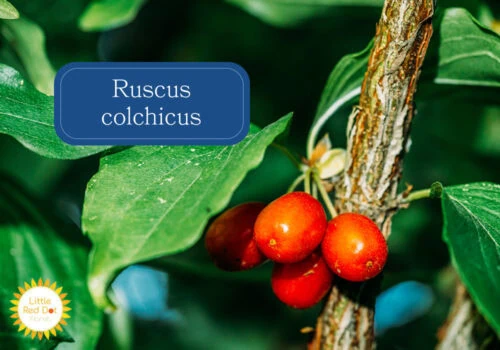
- Ruscus colchicus: A variety that is indigenous to the mountain territories of the Caucasus.
- Ruscus asculeatus: A species native to Eurasia and has white-purple blooms. It grows in woodlands, tolerates severe shade, and is the most popular variety in the US.
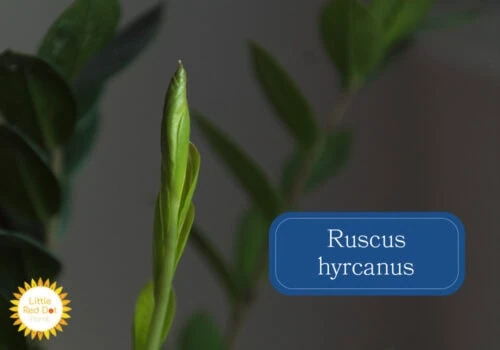
- Ruscus hyrcanus: The Ruscus hyrcanus is a small plant species, which is homegrown to Crimea, Iran, and Armenia. It has spiky branches and needs protection in Azerbaijan.
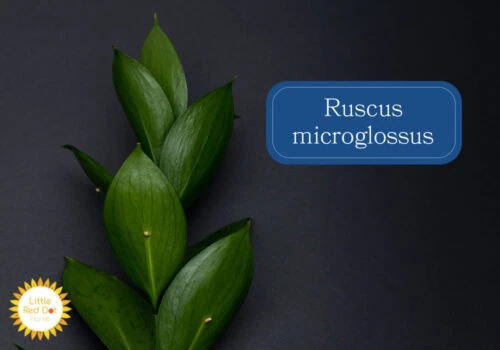
- Ruscus microglossus: The Ruscus microglossus variety is a southern European native variety.
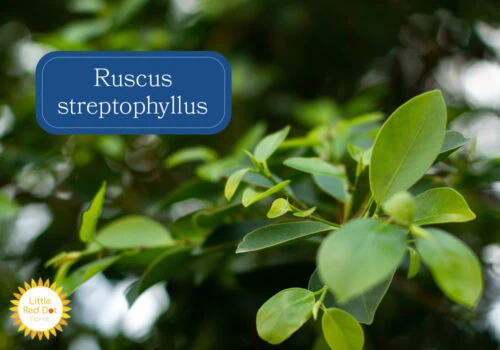
- Ruscus streptophyllus: The Ruscus streptophyllus species is endemic to Madeira.
1. Ruscus hypophyllum
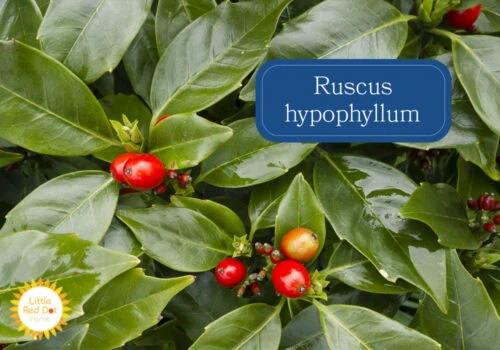
Ruscus hypophyllum (Spanish butcher’s broom) is a broadleaf evergreen perennial shrub with green foliage. Spring brings white blossoms and red fruit. Ruscus hypophyllum has a smooth texture that attracts birds. Bright shade and regular, low water are ideal for the growth of such variety. It is an excellent choice for a plant that endures heat, humidity, and verticillium wilt.
Ruscus hypophyllum grows up to 3 feet tall and has a bushy appearance. The plant appears full and substantial because of its broad, bright green cladodes. Red berries that last well into winter follow the tiny flowers in the middle of the cladodes in early spring, adding visual appeal. Its price is around S$4.70 which comes in a plastic pot.
Long-lasting leaves and ornamental berries make Ruscus hypophyllum a popular choice for bouquets and flower arrangements. It is used as a filler green to provide depth and texture. The plant is valued for its therapeutic qualities. The roots are used in traditional herbal medicine to treat inflammation and blood circulation issues.
Ruscus hypophyllum is not considered endangered, but it is susceptible to conservation activities, particularly in locations where it is native and contributes to local biodiversity. Preserving its natural habitats contributes to the health of larger ecosystems by giving insects and small animals food and a haven.
Ruscus symbolises endurance and perseverance in many cultures due to its durability and resistance to low light and humid conditions. Its meaning makes it an appropriate addition to bridal and formal bouquets, representing strength, protection, and life.
2. Ruscus hypoglossum
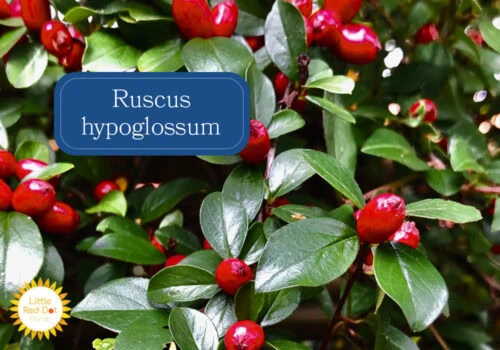
Ruscus hypoglossum (spineless butcher’s broom, mouse thorn, or horse tongue lily) is a small shrub that grows in the woodland of central and south-eastern Europe, extending from parts of Italy and the Danube Region to Turkey and Iran. Ruscus is derived from an old Latin word for “prickly plants.” The ruscus hypoglossum came from the Greek words “hypo” (under) and “glossa” (tongue), when combined meaning “below-a-tongue” or “sheathed beneath” about the cladodes that grow beneath the flowers.
The mature shrub contains yellow flowers, genuine leaves, leaf-like phylloclades, and a spreading rootstock. It grows up to 46 cm. Ruscus hypoglossum produces male and female flowers on different plants. The fruit is a red, round berry that is seldom grown. Its price is about S$13.05.
Ruscus hypoglossum is popular in floral arrangements due to its long-lasting, resilient foliage that retains its form and colour for longer periods. It is used as a ground cover in shaded areas or as an accent plant in pots and containers. Ruscus hypoglossum is used in traditional herbal treatments.
Efforts to protect natural environments contribute to the preservation of the biodiversity and ecosystems in which Ruscus hypoglossum is found, even if the plant is not threatened. Conservation efforts benefit local wildlife that depend on ruscus for food and shelter, such as insects and small mammals.
Ruscus is connected with perseverance and endurance in many cultures because of its strength and ability to flourish in low-light and low-water environments. Ruscus hypoglossum is an appropriate symbol for weddings and other rituals, representing power and longevity. It is a meaningful option for ceremonial and ornamental purposes because of its evergreen nature, which contributes a sense of energy and rebirth.
3. Ruscus colchicus
Ruscus colchicus is a perennial evergreen plant found in the Caucasus. Ruscus colchicus belongs to the Asparagaceae family and is valued for its attractive leaf and tolerance to various environments. It contains evolved stems that function as photosynthetic organs and resemble leaves. The plant’s visual appeal is enhanced by the bright red berries that accompany its modest, greenish flowers that grow straight on the cladodes in the spring.
Ruscus colchicus grows up to 3 feet tall and has a bushy, compact growth habit. Its glossy, dark-green cladodes are oval, giving the plant a lush, evergreen appearance throughout the year. Small flowers bloom in the centre of the cladodes and turn into vivid berries. It costs around S$30.89.
Ruscus colchicus is not endangered but susceptible to conservation efforts in areas where it is native, as habitat degradation threatens natural populations. Conservation of natural ecosystems maintains the survival of the species and promotes local biodiversity, including the insects and animals that feed on its berries.
Ruscus colchicus symbolises strength and endurance, qualities valued in floral arrangements for ceremonies, weddings, and other occasions. Its perennial characteristics make it a significant addition to floral arrangements that are festive or significant because they represent longevity and eternal life.
4. Ruscus asculeatus
Ruscus asculeatus (butcher’s broom, knee holly, or piaranthus) is found in woodlands and hedgerows, which endures severe shade, and on coastal cliffs. Its lovely winter or spring colour is why Ruscus aculeatus has become a popular landscaping plant. It is planted in gardens, and outside of its geographic zone. The price of ruscus asculeatus is S$15.00
Ruscus asculeatus reaches a maximum length of 80 cm, with stiff branches that have leaves that are less than 5 mm in size and cladodes, which are stems that were altered to resemble leaves. The adaxial side of cladodes has leaf axils from which flowers grow. The ovary or stamens are violet (dioecious plant), while the six tepals are pale green. The fruit is thick, stiff, and about a centimetre in size. Flowers grow to 4 cm in length in the axil of bract cladodes.
Butcher’s broom was utilised for therapeutic purposes, such as anti-inflammatory effects. Some extracts are used as supplements today, and it is used in herbal therapy to increase circulation and decrease oedema. Ruscus aculeatus is valued in floral arrangements for its sturdy leaf, which gives bouquets depth and texture. The foliage and berries are used as ornamental components in holiday centrepieces.
Ruscus aculeatus is not threatened, but in regions where the species is sustainable. Habitat preservation is crucial to maintaining native populations. It is protected in several parts of Europe to ensure long-term growth and to prevent overharvesting for ornamental and therapeutic uses.
Ruscus aculeatus is associated with protection and strength, as seen by its sturdy structure and prickly appearance. It is used in wedding preparations to express strength and durability, making it an important element of bridal bouquets. Its branches were set close to gateways to ward off evil spirits, and its symbolic and folkloric functions are evident in contemporary floral and ornamental settings, where it stands for flexibility and durability.
5. Ruscus hyrcanus
Ruscus hyrcanus (Azerbaijan Broom) is a woody, perennial, evergreen shrub that grows into a small, compact bush. Ruscus hyrcanus belongs to the family of asparagus. It is one of the rarest ruscus species of the Black Sea region. The plant is found in lowland forests under Parrotia persica and next to its cousin poet’s laurel in Iran, Georgia, Armenia, Azerbaijan, and Crimea. It costs S$10.00 for 10 stems per bundle.
The Ruscus hyrcanus reaches a height of 30 to 50 centimetres and is thorny. Stems are green, woody, stiff, and branched at the end in a spiral with procumbent spreading branches. Cladodes are flattened, oval, lanceolate, leathery, and tapering to a thorn at their end. They are 10 to 25 millimetres long, and their sides are glossy green. The leaves are bractiform, tiny, and reduced.
The flower is purple or a bit white, dioecious, marcescent with six spreading divisions, geminate, and grows in the axil of a lanceolate, solid bract on the median rib of the upper face of cladodes. Male flowers have three stamens and sweat in a tube, whereas female flowers have an ovary with three bi-ovulated lobes. The fruit is a red, spherical berry with a diameter of about a centimetre.
Ruscus hyrcanus is popular in landscaping because of its sturdy leaves, which keep their colour throughout the year and work well as ground cover in landscapes receiving minimal sunlight. It is used in floral arrangements, where it is valued for its long-lasting greens and structural attractiveness. Some parts of the plant are utilised in traditional medicine because they have anti-inflammatory qualities.
Ruscus hyrcanus benefits from conservation initiatives to preserve the habitats. Conservation efforts aim to protect the natural plants and animals from dangers like deforestation and climate change, which affect the Ruscus population. Ruscus hyrcanus has symbolic significance similar to other Ruscus varieties. It signifies fortitude and tenacity, given its ability to flourish in difficult and shaded environments. The ruscus variety is an addition to weddings and other ceremonial arrangements because of its symbolism, which communicates stability, strength, and longevity.
6. Ruscus microglossus
Ruscus microglossum is a naturally occurring interspecific hybrid of endemic variety of Southern Europe (Ruscus hypoglossum) and native to Spain and North Africa (Ruscus hypophyllum). Ruscus microglossus is an evergreen shrub in the Asparagaceae family that is less well-known. It costs approximately S$13.90.
Ruscus microglossus is a small plant that grows up to two feet in height. The shrub forms thick clusters of elongated, lance-shaped cladodes. It produces little greenish-white flowers in late winter or early spring. Beautiful red berries that endure the entire winter are produced by the blooms once they are pollinated, giving gardens and floral arrangements.
Ruscus microglossus is grown for its ornamental leaf, but it is used as a filler green in floral designs due to its durability and structural appeal. The plant’s modest growth rate and density make it perfect for low hedges or ground cover in gardens with shade. Conservation efforts to preserve Mediterranean ecosystems indirectly benefit the species by keeping its natural habitat and mitigating the effects of modernisation and agricultural development.
Ruscus microglossus is a symbol of longevity, fortitude, and endurance. Ruscus microglossus’s capacity to flourish in low-maintenance, shaded environments is the basis of such symbolism. It is a decorative element in weddings and other events because it represents power and stability. Its everlasting habit contributes to its symbolic meaning of regeneration and tenacity, making it a significant plant in traditional and modern floral art.
7. Ruscus streptophyllus
Ruscus streptophyllus (twisted-leaved) is native to Central Madeira. Ruscus streptophyllus develops in the subtropical biome and is a rhizomatous geophyte. The odd “leaves” with flowers in the centre are flattened branches known as phylloclades or cladodes. It costs around S$21.52.
Ruscus streptophyllus grows upright and has glossy, elongated, twisted cladodes that give it a pleasing, textured appearance. Ruscus streptophyllus blooms in the spring and produces tiny, greenish-white flowers at the base of the cladodes. The ruscus variety has bright red berries that attract birds. Ruscus streptophyllus symbolises resistance and endurance in different cultures. Its distinctive appearance makes it an eye-catching choice for wedding bouquets and ornamental arrangements, representing strength and stability.
The beautiful leaves of the plant make them a popular choice for ornamental horticulture. It is used as ground cover or in regions that receive shade, which is a good choice for low-maintenance gardening and offering year-round appeal. Conservation efforts are centred on protecting its native habitats like areas affected by urban expansion and agriculture, while Ruscus streptophyllus is listed as endangered.
What are the Different Colours and Meanings of a Ruscus?
The different colours and meanings of a ruscus are listed below.
- White: Ruscus flowers are small and white, representing purity, sincerity, and humility.
- Green: Green is a colour that has a close association with growth, health, and stability, which complements Ruscus’ resilience and long life in flower arrangements.
- Red: The vivid red colour gives flower arrangements a vibrant touch and symbolises passion, strength, and energy.
- Tinted: The tinted ruscus are dried and sprayed-paint in pink, silver, gold, blue, and more. Each colour has a different ruscus meaning.
How to Grow Ruscuses?
To grow ruscuses, follow the steps listed below.
- Choose the proper location to plant ruscus. Pick an area which has a full or partial shade from the sun.
- Prepare a well-drained soil. Use sand or perlite to help drainage and prevent root rot in heavy or clay soils. A regular potting mix for container plants is needed.
- Sow the seeds or plants to prepared soil. Dig a hole twice as wide as the root ball when moving a mature plant to give the roots space to spread.
- Water the plants moderately. Ruscus is resilient to drought once grown, so water it when the soil gets dry during the warmer months.
- Apply fertilisers but not too much. Overfeeding is not recommended because it is a low-nutrient plant that suffers from leaf damage.
- Prune damaged leaves to keep the plant looking healthy. Ruscus plants require little care beyond occasional pruning because they nourish, are pest-resistant, and are low maintenance.
- Propagate the growing ruscuses. Root division is the simplest approach and must be done in early spring to assist new plants develop well.
Ruscus plants grow slowly in two to three years due to their durability and low maintenance requirements. Ruscuses are ideal for gardening because they sprout in the spring and don’t need to be pruned or repotted often. They give vibrant green foliage with minimal effort.
When to Plant Ruscuses?
Plant ruscuses in the early spring (March) when the temperature is moderate. Spring planting supports the plant to grow roots before the hot summer months. Fall planting ruscuses offer colder weather conditions fostering vigorous root growth without the pressure of high temperatures. More natural rainfall is experienced at such times, which helps the plant adapt to its new surroundings. Ruscuses are resilient, evergreen plants that thrive in different environments.
What are the Common Challenges in Growing Ruscuses?
The common challenges in growing ruscuses are listed below.
- Light: Ruscus thrives in low light, however, dim environments cause slower growth and a less colourful appearance. It is best to set it up in an area receiving some shadow or indirect sunlight. Healthy growth is maintained inside an area next to a window that lets in filtered light.
- Watering: Overwatering causes root rot while underwatering results in withering and leaf drop. A good rule of thumb is to ensure the soil drains, ideally with a sandy or gritty mix, and to let it dry out a little between waterings.
- Pest Issues: Ruscus is pest-resistant, but it is impacted by some including spider mites and aphids. Examine leaves for indications of infestation, and address issues with a mild insecticidal soap or neem oil spray.
- Temperature Control: One factor to consider is temperature. Ruscus is sturdy in temperate areas but vulnerable to severe cold or hot weather. Potted Ruscus must be brought indoors or placed in an area with greater control if temperatures change. Ruscus is a low-maintenance plant that enhances the beauty and structure of indoor and outdoor spaces.
Ruscus is not different in growing. Ruscus is easy to cultivate and adapt to many environments, making them perfect for low-maintenance landscapes. Ruscus plants are drought-resistant and grow well in shaded areas. They prefer soil that drains properly and irregular watering during extended dry periods.
What are the Best Tips for Growing Ruscuses?
The best tips for growing ruscuses are listed below.
- Supply Partial or Full Shade: Ruscus plants sustain low light levels and prefer shaded or partly shaded areas. Ensure they are kept out of direct sunlight when planted indoors to prevent scorching.
- Use Well-Drained Soil: Ruscus dislikes wet roots, thus well-drained soil is important. A mixture of sand and perlite helps water flow, in particular when the soil retains too much moisture.
- Watering: Ruscus plants need less water, and survive drought once established. Water the plants as needed, especially in winter when they require less water.
- Fertiliser: A slow-release, balanced fertiliser applied once or twice during the growing season to aid in healthy development. Avoid overfertilising because it burns the leaves.
- Pruning: Ruscus has a neat growth habit, but cutting dead or damaged stems helps maintain its form and fosters denser growth.
- Disease and Pest Control: Ruscus is a natural pest-repellent, but check it regularly for issues. It rarely requires pest treatment, unless surrounding plants are affected.
How to Get Ruscus to Bloom?
To get ruscus to bloom, water the plant during severe droughts, but avoid overwatering it. Harsh sunlight and hot temperatures dehydrate the plant and reduce blossoms. The plant produces blooms in late winter, centred on a leaf rather than a stem. Ruscus plants blossom in the spring, with little, greenish-white flowers growing directly on their leaf-like stems known as cladodes. One of the challenges of cultivating Ruscus is its modest growth rate. Patience is essential because it takes time to mature.
What is the Average Lifespan of Ruscus?
The average lifespan of Ruscus is 5 to 10 years or more with good care. Ruscus plants survive for many years with minimal care other than a few fertilisers and trimming when grown in ideal conditions, such as partly shaded regions with well-drained soil and minimum watering. Ruscus is an evergreen perennial, which keeps its beautiful green leaves throughout the year, adding to its lasting appeal. Single-stem ruscus last for weeks in floral arrangements because of their durability and low water requirements. Ruscus is a popular choice for home gardens and a durable addition to floral design.
How to Take Care of Ruscuses?
To take care of ruscuses, follow the steps listed below.
- Place them in a low to moderate light. It is one of the most important steps in how to care for ruscuses. Ruscus prefers partial or full-shaded sunlight to grow.
- Ensure to plant them in a well-drained soil. Ruscus thrives in occasion drought so wet soil is needed for them to grow.
- Avoid overwatering. It is an essential ruscus care to consider. Minimal water is needed to prevent root rot.
- Give them occasional pruning. It is the last ruscus care tips and helps to maintain its form and growth.
How Easy are Ruscuses to Take Care of?
Ruscuses are easy to take care of and grown indoors and outdoors. They survive from partial shade to indirect sunlight, making them fit for various weather conditions. Ruscus plants are resilient to drought when mature and need minimal watering. It is better to let the soil dry to avoid root rot. Ruscus plants are fantastic, fuss-free additions to flower arrangements, landscapes, and interior spaces for people looking for flexible greenery with low maintenance.
What are Ruscuses Used For?
Ruscuses used for different purposes are listed below.
- Cosmetics Products: One of the “Ruscus uses” is for cosmetic products because it is popular in skincare formulas like under-eye creams and leg tonics, which help reduce swelling and enhance skin tone and texture.
- Traditional Medicines: The rhizomes of ruscus were used to cure inflammations, haemorrhoids, and urinary tract disorders, and as diuretic and laxative.
- Antibacterial Cleaner: Ruscus is an antibacterial agent utilised by butchers to clean their cutting boards.
How is Ruscus used in Flower Arrangements?
Ruscus is used in flower arrangements, such as weddings and other special occasions. Ruscus’s dense, leathery cladodes form a lush, deep green background for several flowers and give depth to arrangements. Ruscus is used as fillers without overpowering the main blooms, and that’s why florists use it in bouquets, garlands, and big creations. Its adaptability and tenacity help it to thrive well in cascading, vertical, and compact floral designs.
Ruscus survive for two to three weeks after being cut, depending on the care it gets. It stays intact without wilting or losing its brilliant green colour, making it a popular choice for bouquets that must remain fresh for long periods. Florists and home arrangers must maintain cut ruscus in clean, cool water and change water every few days to extend its life. Ruscus is a dependable choice for bringing timeless beauty to fresh and dried flower arrangements because of its remarkable lifespan and low maintenance requirements.
What are Interesting Facts about Ruscuses?
Interesting facts about ruscuses are listed below.
- Over 3,000 Species: One of the “facts about Ruscuses” is its abundance of species. The lily family includes several culinary and medicinal species.
- Popular in Weddings: One of the “ruscus facts” is they are used in weddings due to their red berries.
- Male and Female Plants: There are distinct male and female plants in ruscus. The female flowers turn into red berries, and the blooms emerge in the centre of the cladopylls.
What are the other Flowers with their Symbolism?
The other flowers with their symbolism are listed below.
- Lily: Lilies symbolise endurance and strength. The “plant symbolism” is appropriate for arrangements or rituals that value stability, resilience, and ongoing growth.
- Bay Laurel: Bay laurel symbolises victory and strength, and was used as a crown to represent success and resilience.
- Ivy: Ivy is an evergreen representing growth and persistence in various environments. The meaning of different flowers signifies their features and nature.
- Fern: Ferns are included on the “list of flowers and their meanings” like ruscus which symbolises resilience.
- Oak: Oak is part of the “flower symbolism list” similar to ruscus. Ruscus’s symbolic relationship with resilience resonates with oak leaves that represent strength and endurance.