
Best Flowers for Wedding: How to Choose Wedding Flowers
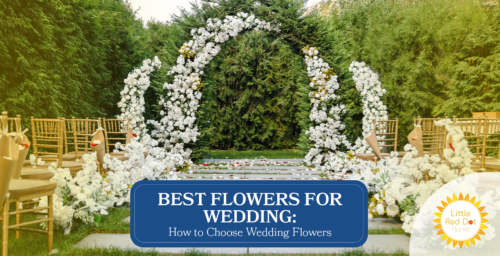
Choosing the suitable blooms enhances the ambience and theme of the event when selecting flowers for weddings. Start by considering the best flowers for wedding, which include classics like roses, lilies, and peonies, known for their beauty and symbolic meanings. These most popular wedding flowers are versatile and can be tailored to suit various wedding styles and colour schemes.
Consider the seasonality and availability of the flowers and the size and type of arrangements needed to ensure the flowers for Wedding match the vision. Opt for blooms that align with the wedding theme and personal preferences. Look for local florists who provide fresh, high-quality arrangements and offer customised options to fit the needs when searching for wedding flowers near me.
Working with a florist who offers free delivery simplify the process, ensuring the flowers for weddings arrive on time and in perfect condition. The added convenience lets customers focus on other aspects of the wedding planning, knowing that the floral arrangements are taken care of. Create a stunning floral experience for the special day by thoughtfully choosing the wedding flowers that best suit the style and utilising local services with delivery options.
-
Sale!
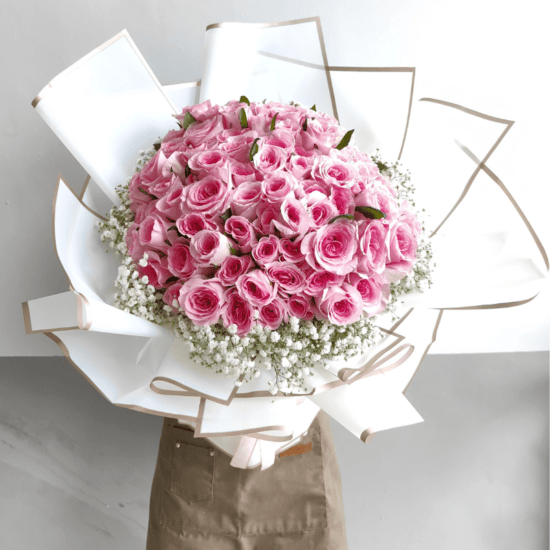
My Love 99 Roses ( Forever And Ever )
Original price was: $458.00.$318.00Current price is: $318.00. Add to cart -
Sale!

Wedding Flowers – Silk Floral Arrangement Rental for Wedding Reception and Banquet
Original price was: $358.00.$288.00Current price is: $288.00. Add to cart -

Springtime Serenade ( Bridal )
$280.00 Add to cart -

Bridal Car Decorations ( Bonnet + Door Posies)
$280.00 Add to cart -

Timeless White ( Bridal )
$250.00 Add to cart -

Pastel Magic ( Bridal )
$250.00 Add to cart -

Table Centerpieces (Pink Perfection)
$200.00 Add to cart -

Table Centerpieces (Cappuccino Vibes)
$200.00 Add to cart
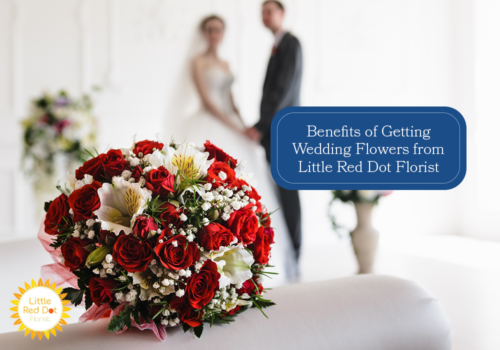
What are the Benefits of Getting Wedding Flowers from Little Red Dot Florist?
The benefits of getting wedding flowers from Little Red Dot Florist are listed below.
- Customised Floral Designs: Little Red Dot Florist crafts bespoke wedding flowers that match the wedding theme, colour palette, and personal preferences. Their team works closely with couples to ensure every arrangement reflects their unique style and vision.
- Fresh and High-Quality Blooms: The florist is known for sourcing fresh, high-quality flowers, ensuring the wedding flowers look beautiful and last throughout the day. The commitment to quality adds vibrancy and elegance to the wedding decor.
- Professional Service and Reliability: Expect professional service from start to finish with Littlereddotflorist.sg. They are experienced in handling the logistics of wedding flowers, including timely delivery and setup, so customers focus on enjoying their day without any worries.
- Attention to Detail: Every detail matters when it comes to wedding flowers, and Little Red Dot Florist is meticulous in ensuring that each bouquet, centrepiece, and floral arrangement is crafted to perfection, contributing to a cohesive and polished look.
- Local Expertise: Little Red Dot Florist has extensive knowledge of venues and popular styles in the area as a local florist. It allows them to provide personalised recommendations tailored to the wedding location and aesthetic.
Can you Order Wedding Flowers Ahead of Time?
Yes, you can order wedding flowers ahead of time. Planning and ordering the wedding flowers in advance ensures that the preferred florist has enough time to source the specific blooms customers want, whether seasonal or rare. It allows ample time for consultations and any adjustments to the floral designs. Ordering ahead reduces last-minute stress and guarantees that the wedding flowers are ready and perfectly tailored to the vision on the big day.
What is the Significance of Flowers for Weddings?
The significance of flowers for weddings lies in various emotions and traditions that enhance the ceremony’s meaning. Wedding flowers have been an essential part of weddings for centuries, serving as more than just decorative elements. They represent beauty, love, and new beginnings, which are central themes in a marriage.
The choice of wedding flowers reflects the couple’s personalities, their relationship, and the emotions they wish to convey on their special day. Different flowers carry different meanings. For example, roses symbolise love and passion, while lilies represent purity and commitment. Couples infuse their wedding with personal significance and symbolism by carefully selecting specific flowers, making the event even more meaningful.
Wedding flowers play a crucial role in setting the tone and atmosphere of the celebration in addition to their symbolic meanings. Flowers contribute to the aesthetic of the wedding from the bride’s bouquet to the centrepieces at the reception. The flower significance in a wedding reflects the couple’s emotions and values, with choices like roses symbolising love and orchids representing elegance and luxury. They transform a simple venue into a romantic and enchanting space, creating lasting memories for the couple and their guests.
What is the Importance of Choosing the Right Flowers for Weddings?
The importance of choosing the right flowers for a wedding lies in creating the ambience and theme of the event. The selected flowers set the tone for the wedding, reflecting the personal style and the mood they wanted to convey. The right flowers help bring the vision to life whether aiming for a classic, elegant feel with roses and lilies or a more rustic, natural look with wildflowers and greenery.
The right wedding flowers contribute to the emotional impact of the day. Flowers evoke feelings and memories, making them a deeply personal choice. Carefully selecting blooms with personal meaning, such as a flower from a first date or a loved one’s favourite, adds sentimentality to the wedding day.
Choosing the right flowers is important because flowers have different levels of durability, fragrance, and seasonal availability. Choosing flowers that withstand the wedding day’s conditions, whether a hot summer ceremony or a cool winter event, helps maintain their freshness and beauty. Informed choices ensure the flowers look stunning and last from the ceremony to the reception.
How does Flowers for Weddings differ from other Occasions?
Flowers for weddings differ from other occasions in significant ways, reflecting the unique demands and significance of the event. Wedding flowers are decorative and carry deep symbolic meaning, representing love, unity, and the beginning of a new chapter in life. The symbolic weight distinguishes wedding flowers from flowers used in less momentous events, where the focus is more on simple beauty or sentiment rather than on conveying profound emotions.
One key difference is the level of customisation and personalisation involved in wedding flowers. For weddings, every floral arrangement, from the bride’s bouquet to the ceremony arch, is tailored to the couple’s vision, theme, and colour palette. The contrasts with flowers for other occasions, which follow more guidelines or trends without the same level of personal significance. Flowers for each occasion are designed to complement the event’s aesthetic, requiring detailed consultations and careful planning.
Another important distinction is the scale and coordination required for wedding flowers. Wedding flowers encompass many elements, unlike a single arrangement for a birthday or anniversary, including bouquets, boutonnieres, centrepieces, and venue decorations. These components must be harmonised to create a cohesive look that ties the entire event together. The complexity and scope of wedding flowers demand more expertise and planning than flowers for other occasions.
The durability and seasonal availability of wedding flowers are critical considerations. Wedding flowers must remain fresh and vibrant throughout the event in varying conditions, from an outdoor ceremony to an indoor reception. It requires a careful selection of flowers that are beautiful and hardy enough to withstand the day’s demands, a consideration that are less critical in other floral arrangements.
What are the Best Types of Flowers for Weddings?
The best types of Flowers for Weddings are listed below.
- Roses: Roses are classic and timeless flowers known for their beauty and fragrance. Roses symbolise love, passion, and romance, making them a popular wedding choice. Roses come in various colours, including red, white, pink, yellow, and peach. They are versatile and available year-round, allowing them to fit into almost any wedding theme. Their symbolism of love and commitment aligns perfectly with the spirit of a wedding.
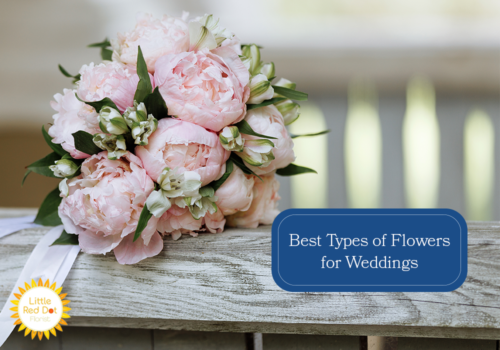
- Peonies: Peonies are lush, full-bodied flowers known for their soft, romantic appearance. Peonies represent prosperity, romance, and a happy marriage. Peonies are found in pink, white, red, and coral shades. They are favored for their large, luxurious blooms that add elegance to any arrangement. Peonies are ideal for spring and early summer weddings and symbolise the joy and abundance of a happy union.
- Lilies: Lilies are elegant, trumpet-shaped flowers known for their distinctive and graceful appearance. Lilies symbolise purity, commitment, and refined beauty. Lilies come in white, pink, orange, yellow, and red. They bring a touch of sophistication to wedding arrangements. Their strong fragrance and various colours make them versatile for modern and traditional weddings.
- Tulips: Tulips are bulbous flowers with smooth, simple petals that signify spring. Tulips symbolise perfect love and elegance, making them a meaningful wedding choice. Tulips are available in various colours, including red, pink, white, yellow, and purple. They are ideal for spring weddings and offer a fresh, clean look. They are associated with love and new beginnings, making them fitting for the start of a marriage.
- Orchids: Orchids are exotic and delicate flowers known for their intricate and unique shapes. Orchids symbolise luxury, beauty, and strength, representing the uniqueness of the couple’s love. Orchids come in various colours, including white, pink, purple, yellow, and green. They add an element of exotic elegance to wedding arrangements. Their longevity and symbolic meaning of strength and beauty make them an excellent choice for a wedding celebration.
- Hydrangeas: Hydrangeas are large, clustered flowers known for their voluminous and lush appearance. Hydrangeas symbolise gratitude, grace, and heartfelt emotions. Hydrangeas are available in blue, pink, white, and purple. They provide fullness and texture to arrangements, making them perfect for creating impactful bouquets and centrepieces. Their association with gratitude and heartfelt emotions adds depth to their wedding significance.
What are the Best Colors for a Wedding Flower?
The best colours for a wedding flower are white, blush pink, deep red, lavender, navy blue and peach. Selecting the best colours for wedding flowers involves considering the wedding theme, season, and personal preferences. The choice of colours significantly influences the ambience and style of the event.
White is a quintessential choice for wedding flowers, symbolising purity, innocence, and new beginnings. White flowers, such as roses, lilies, and peonies, provide a classic and elegant look that complements any colour scheme. They are versatile, used alone for a timeless, minimalist aesthetic, or paired with other hues to create a striking contrast.
Blush pink is ideal for couples looking to evoke romance, grace, and subtlety. The soft, gentle colour adds a romantic touch and works well in vintage, classic, or romantic wedding themes. Blush pink flowers like roses, hydrangeas, and tulips offer a delicate and sophisticated appearance, making them a popular choice for a refined and elegant wedding.
Deep red conveys love, passion, and commitment. Red flowers, such as dahlias, roses, and calla lilies, introduce a bold, dramatic element to wedding arrangements. The color is suitable for fall or winter weddings, adding warmth and richness to the decor. Deep red creates a luxurious and memorable atmosphere.
Lavender symbolises elegance, grace, and tranquillity. Lavender flowers, including roses and orchids, bring a soothing and sophisticated touch to wedding arrangements. The colour is fitting for spring and summer weddings, where it adds a serene and graceful element to the floral design.
Navy blue represents depth, stability, and sophistication. Navy blue flowers or accents are perfect for formal or evening weddings. Its rich, deep colour creates a striking contrast with lighter hues and adds a sense of elegance and refinement. Navy blue is a great choice for creating a dramatic and stylish floral arrangement.
Peach signifies sincerity, warmth, and gratitude. Peach flowers, such as roses and dahlias, add a soft, warm touch to wedding decor. The colour works well in various settings and bring a cheerful and inviting atmosphere to the celebration. Peach is a versatile colour that complements modern and traditional wedding themes.
What are the Advantages of Hiring a Florist for Weddings?
The advantages of hiring a florist for weddings are listed below.
- Expertise and Experience: Professional florists have extensive knowledge and experience in floral design. They understand how to select flowers, create cohesive arrangements, and execute complex designs. Their expertise ensures that the wedding flowers are beautifully crafted and aligned with the vision. DIY (do-it-yourself) is a creative and personal endeavour that needs a more professional touch. Customers struggle with design principles, flower selection, and execution without experience, affecting the arrangement quality.
- Time and Stress Management: Hiring a florist saves customers significant time and stress. They handle all aspects of floral design, including sourcing, arranging, and setting them up at the venue. It allows customers to focus on other important aspects of wedding planning. Creating wedding flowers requires considerable time and effort. The DIY approach is time-consuming and stressful as the wedding day approaches from planning and purchasing materials to arranging and setting up.
- Quality and Longevity: Professional florists use high-quality flowers and techniques to ensure the arrangements look fresh and vibrant throughout the wedding day. They have access to industry resources and knowledge that help maintain the longevity and appearance of the flowers. DIY arrangements do not have the same quality or durability. Flowers wilt or deteriorate quickly without proper handling and expertise, affecting their appearance on the wedding day.
- Design and Coordination: A florist coordinates floral designs, ensuring that bouquets, centerpieces, boutonnieres, and ceremony decor work together harmoniously. They guide colour schemes and styles that align with the wedding theme. Coordinating various floral elements and ensuring they match the theme is challenging without professional help. DIY projects need more cohesion, resulting in a less polished look.
- Problem Solving and Flexibility: Professionals are adept at solving problems and adapting to unexpected changes, such as last-minute alterations or issues with flower availability. Their experience allows them to handle challenges efficiently, ensuring a smooth execution on the wedding day. Handling unexpected issues alone is stressful and challenging when lacking experience. Problem-solving during a DIY project is more difficult and lead to last-minute compromises or stress.
What Flower Arrangements can you Set on Weddings?
The flower arrangements you can set on weddings are listed below.
- Wedding Flower Bouquet: The bridal bouquet is one of the most important floral arrangements. It reflects the bride’s style and the theme of the wedding. The bouquet ranges from a classic round shape to a cascading or hand-tied arrangement, depending on your preference.
- Ceremony Flowers: Ceremony flowers include arrangements for the altar or arch, aisle markers, and pew decorations. These wedding flower arrangements set the tone for the ceremony and are designed to complement the venue and wedding theme.
- Centerpieces: Floral centrepieces adorn the tables and are a focal point of the reception’s dining area. They vary from lush, tall arrangements to more understated, low designs tailored to the event’s style and mood.
- Boutonnieres: Boutonnieres are worn by the groom and groomsmen. Typically featuring a single bloom or a small cluster, they add a refined touch to the men’s attire.
- Corsages: Worn by mothers, grandmothers, and other special guests, corsages are another essential wedding flower arrangement. They are smaller and more delicate, designed to complement the guests’ outfits.
- Cake Decorations: Floral accents on the wedding cake add a charming touch. These wedding flower arrangements range from simple sprigs to elaborate designs, depending on the cake’s style and the wedding theme.
- Reception Decorations: Floral arrangements for the reception might include garlands, table runners, or hanging installations in addition to centerpieces. These arrangements help create a cohesive and visually appealing environment throughout the venue.
What are the Most Popular Wedding Flowers by Culture?
The most popular wedding flowers by culture are listed below.
- Orchids: Orchids are highly valued in Singaporean weddings for their elegance and beauty, strength, and love symbolism.
- Peonies: Peonies represent prosperity and good fortune in Chinese culture, featured in wedding floral arrangements.
- Roses: Roses symbolise love and romance and are a timeless choice in Western weddings, making them a staple in bouquets and centrepieces.
- Lily: Lilies symbolise purity and are associated with the Virgin Mary in Christianity.
- Marigolds: Marigolds symbolise prosperity and are widely used in vibrant wedding ceremonies and decorations in Hinduism.
- Proteas: Proteas symbolise change and hope in African culture, making them a unique and meaningful wedding choice.
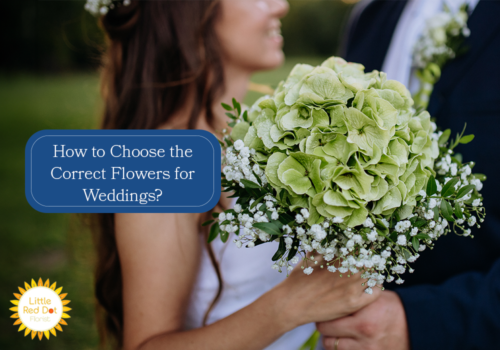
How to Choose the Correct Flowers for Weddings?
To choose the correct flowers for weddings, follow the 6 steps listed below.
- Choose flowers that complement the wedding theme, whether it is classic, rustic, vintage, modern, or tropical. The flowers must harmonise with the aesthetic envisioned for the special day. Ensure the flowers coordinate with the wedding colour scheme. Consider using a colour wheel to find complementary colours or opt for shades that enhance the theme. Flowers must blend well with the bridesmaids’ dresses, groomsmen’s attire, and venue decor.
- Study the seasonal availability of flowers. Selecting flowers in season ensure better availability, lower costs, and better quality. Seasonal flowers are more likely to be fresh and vibrant on the wedding day. Consider choosing locally grown flowers that is more cost-effective and environmentally friendly.
- Choose flowers based on the venue setting. Select hardy blooms that withstand varying weather conditions for outdoor weddings. Consider how the flowers complement the decor and lighting for indoor venues. The scale of the venue influences flower choices. Large venues benefit from grand arrangements, while smaller spaces require more modest and impactful designs.
- Reflect on personal style and preferences in the floral choices. Consider the loved flowers and those with special meanings for the couple. Flowers have specific meanings or symbolism. Choose blooms that resonate with the relationship or represent qualities such as love, fidelity, or prosperity.
- Set a realistic budget for the wedding flowers and discuss it with the florist. Flower costs vary based on type, seasonality, and arrangement complexity. Prioritise key elements like the bridal bouquet and centrepieces while balancing the budget across other floral needs. Allocate the budget to floral elements, including bouquets, boutonnieres, centrepieces, and venue decorations. Consider which elements are most important and allocate funds accordingly.
- Decide on the style of arrangements that suit the wedding theme, such as bouquets, centrepieces, garlands, or arches. Work with a florist to design arrangements that fit the vision and enhance the look of the wedding. Consider the flowers’ durability for arrangements that must last throughout the day. Ensure that delicate blooms are handled carefully, and choose hardy varieties for high-traffic areas.
What is the Average Cost of having Flowers at Weddings?
The average cost of having flowers at weddings ranges between S$1,400 to S$3,500. The costs include essentials such as the bride’s bouquet, the groom’s boutonniere, and a few centerpieces. Mid-range packages cost between S$3,500 to S$7,000 and offer more elaborate arrangements, including multiple centrepieces, bridesmaids’ bouquets, and additional decor like ceremony arch flowers. High-end packages range from S$7,000 to S$14,000 or more, providing extensive floral designs and large-scale arrangements for ceremony and reception.
The type of flowers chosen plays a significant role. Rare or exotic flowers are more expensive than common blooms. Seasonal availability affects pricing, as out-of-season flowers are more costly due to their scarcity and additional shipping requirements. The complexity of floral arrangements influences the price, with intricate designs requiring more time and skill. Location is another factor, with prices varying by region, higher in urban areas or with high demand. The florist’s experience and reputation affect the cost, with more experienced professionals potentially charging higher fees. Manage the floral budget and make informed decisions for the wedding by understanding these factors.
What are the Best Budget Tips for Flowers at Weddings?
The best budget tips for flowers at weddings are listed below.
- Prioritise Key Floral Elements: Allocate the budget to the most critical floral elements, such as the bridal bouquet and key centrepieces. These high-impact areas provide the most visual appeal for the budget. Reduce the number of smaller floral arrangements or opt for simpler designs for less critical areas.
- Choose Seasonal and Local Flowers: Select flowers that are in season, as they are more affordable and readily available. Seasonal flowers are fresher and less expensive. Choose locally grown flowers to reduce transportation costs and support local growers.
- Opt for Simpler Designs: Consider simpler, more streamlined floral designs. Minimalist arrangements are elegant and cost-effective. Embrace fewer flowers in each arrangement to keep costs down while achieving a beautiful look.
- DIY Elements: Consider making some floral arrangements personally or with the help of friends and family to save on labour costs and add personal touches. However, hiring a professional for key pieces, such as the bridal bouquet or main centrepieces, ensures quality.
- Reuse Flowers: Repurpose ceremony flowers for the reception. For example, use aisle markers or altar flowers as centrepieces at the reception venue. Choose versatile floral arrangements that serve multiple purposes throughout the day.
- Consider Alternative Options: High-quality artificial flowers are a cost-effective alternative. They last longer and are good for certain floral elements like decorations or bouquets. Use greenery and filler flowers to complement more expensive blooms. These elements add volume and texture without significantly increasing costs.
- Negotiate with Vendors: Avoid negotiating with florists or asking for discounts on bulk orders. Vendors offer special wedding pricing or work within the budget. Look for package deals with multiple floral elements, which is more cost-effective than purchasing items separately.
- Plan Ahead: Book the florist early for better pricing and availability. Last-minute arrangements are more expensive. Allow flexibility in the floral budget to accommodate any necessary adjustments or additions.
What Flowers should you Not have on Weddings?
The flowers you should not have on weddings are lilies, dandelions, sunflowers, carnations, tulips and hydrangeas. Lilies are problematic due to their strong fragrance and the potential mess of their pollen, which stains clothing and delicate fabrics. Dandelions are avoided due to their association with weeds and the tendency to disperse seeds everywhere, which is problematic in formal settings.
Sunflowers does not fit well with more formal or elegant wedding themes due to their rustic and casual appearance, though vibrant and cheerful. Carnations are seen as less sophisticated and do not align with the elegance many couples seek for their weddings. Tulips and hydrangeas are less suitable for summer weddings because they tend to wilt quickly in high temperatures, impacting their appearance and longevity.
Allergy-inducing flowers such as certain types of pollen-heavy blooms must be avoided if t a couple or the guests are prone to allergies, as they cause discomfort during the event. Ensure that the wedding arrangements look beautiful and contribute positively to the ambience of the special day by steering clear of these flowers.
What are the Best Gifts to Give to the Wedding Couple?
The best gifts to give to the wedding couple are listed below.
- Personalisation: Personalised gifts are highly appreciated because they show thoughtfulness and effort. Consider custom-made keepsakes, monogrammed homeware, or a personalised photo album that reflects the couple’s unique relationship and shared experiences. These gifts become cherished mementoes that hold special significance.
- Timing: Consider the timing of its delivery when selecting a wedding gift. Gifts must ideally be sent before the wedding or shortly after the couple returns from their honeymoon. Bring the gift to the reception when attending the wedding. Ensure they arrive within a few weeks of the wedding to be received promptly and enjoyed as the couple settles into their new life for gifts sent by mail or delivery.
- Etiquette (When and Where to Send Flowers): Consider the etiquette surrounding their delivery if choosing to send flowers. Wedding flowers must be sent to the couple’s home rather than the wedding venue to avoid logistical issues and to ensure the flowers are received promptly. Sending flowers shortly before or after the wedding is appropriate, but avoid sending them on the wedding day as it disrupts the event or is inconvenient for the couple. Select flower arrangements that align with the couple’s tastes and the wedding theme to ensure they are well-received.
- Practicality: Opt for meaningful and practical gifts. Items such as high-quality kitchen appliances, stylish home decor, or gift cards to their favourite stores are valuable additions to the couple’s new home and life together. Practical gifts provide long-term use and are appreciated for their utility.
- Registry Choices: Consider purchasing gifts from the couple’s wedding registry if they have one. The couple selects registry items that are aligned with their needs and preferences. Choosing from the registry ensures that the gift is what the couple wants explicitly or needs, making it a more practical and appreciated choice.
- Thoughtfulness: The most important factor is the thoughtfulness behind the gift. A well-chosen gift that reflects the couple’s interests and lifestyle demonstrates care and consideration, whether a unique, personalised item or a practical necessity. Adding a heartfelt note or card expressing best wishes enhances the personal touch of the gift.
Why are Flowers not a Common Gift to give at Weddings?
Flowers are not a common gift at weddings because they are seen as a temporary and less practical option compared to other gifts. The short-lived nature means they do not provide lasting value or utility for the couple. Flowers wilt within a few days, unlike items such as home goods, personalised keepsakes, or experiences, making them less ideal as a long-term reminder of the wedding.
The couple receive substantial floral arrangements and decorations on their wedding day, which overshadow or diminish the impact of additional floral gifts. Logistical challenges arise with flowers, such as ensuring their timely delivery and avoiding potential disruptions on the wedding day. Guests opt for more practical or meaningful gifts that offer lasting benefits and align better with the couple’s needs and preferences, making them a more common choice for wedding presents.